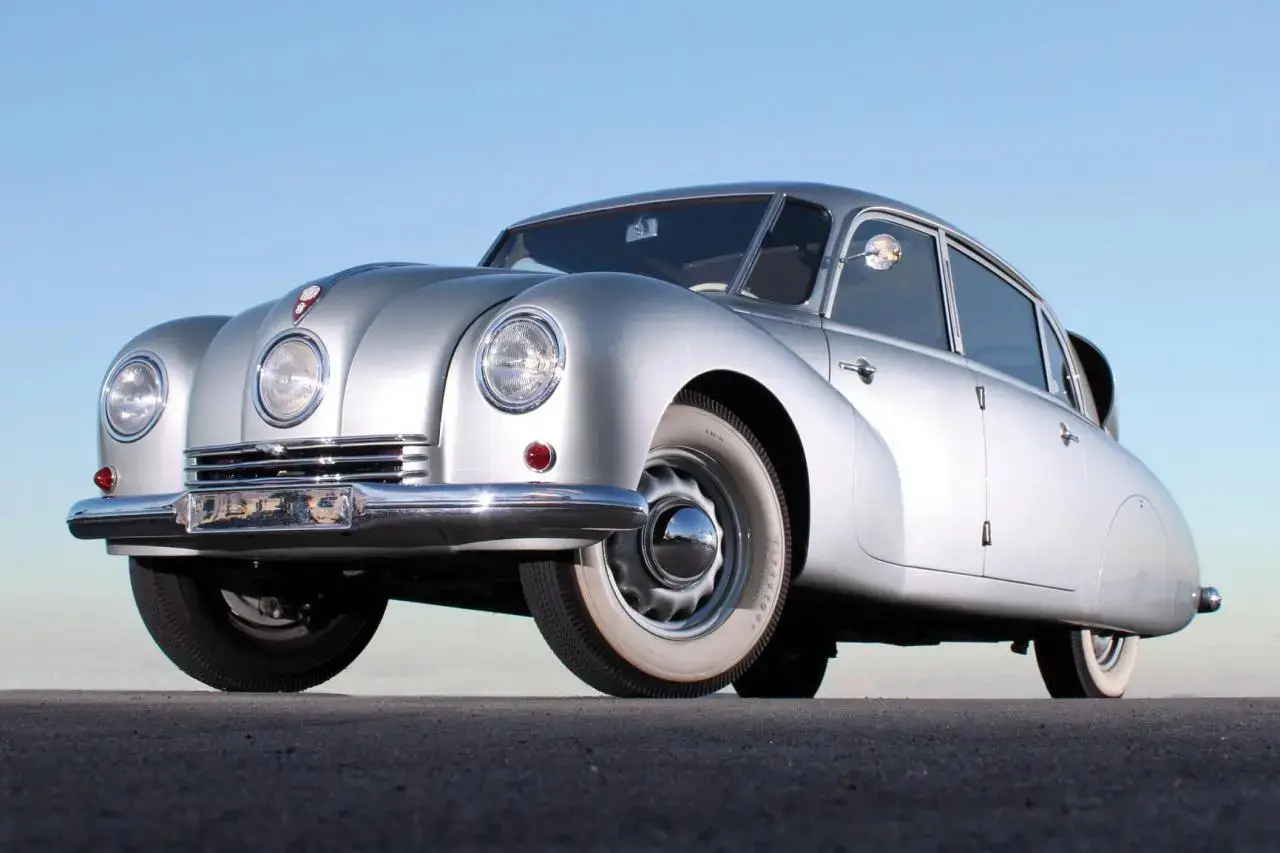
After the end of World War I, Czechoslovakia found itself in a unique situation. It inherited a powerful industry from the Austro-Hungarian Empire, including automotive, comparable to Germany and France. However, the volume of the domestic market of the new state was small, and to survive, automakers had to focus on exports.
In the early 1930s, the company Tatra – one of the largest engineering companies in Czechoslovakia with its main plant in the city of Kopřivnice (formerly Austrian Nesselsdorf), produced a wide range of passenger cars of classic layout: from the democratic Tatra 12 with a two-cylinder engine to the presidential Tatra 80 with a 12-cylinder engine. The basis of most designs was a frame – a tube, inside which a driveshaft passed. This scheme was patented back in 1922 by Tatra’s chief designer and technical director Hans Ledwinka. With an eye on foreign markets, Ledwinka decided to develop the direction of high-speed cars with streamlined bodies…
Research showed that cars with rear-engine layout have better aerodynamics than models of the classic scheme. Moreover, they are lighter, since they have no driveshaft. The first experimental compact car with such a layout – Tatra V570, was built in 1931. But the serial version, named Tatra 77, was conceived as luxurious, designed for wealthy buyers. Paul Jaray participated in the design. The body he created at the mock-up stage had a drag coefficient Cx=0.22.
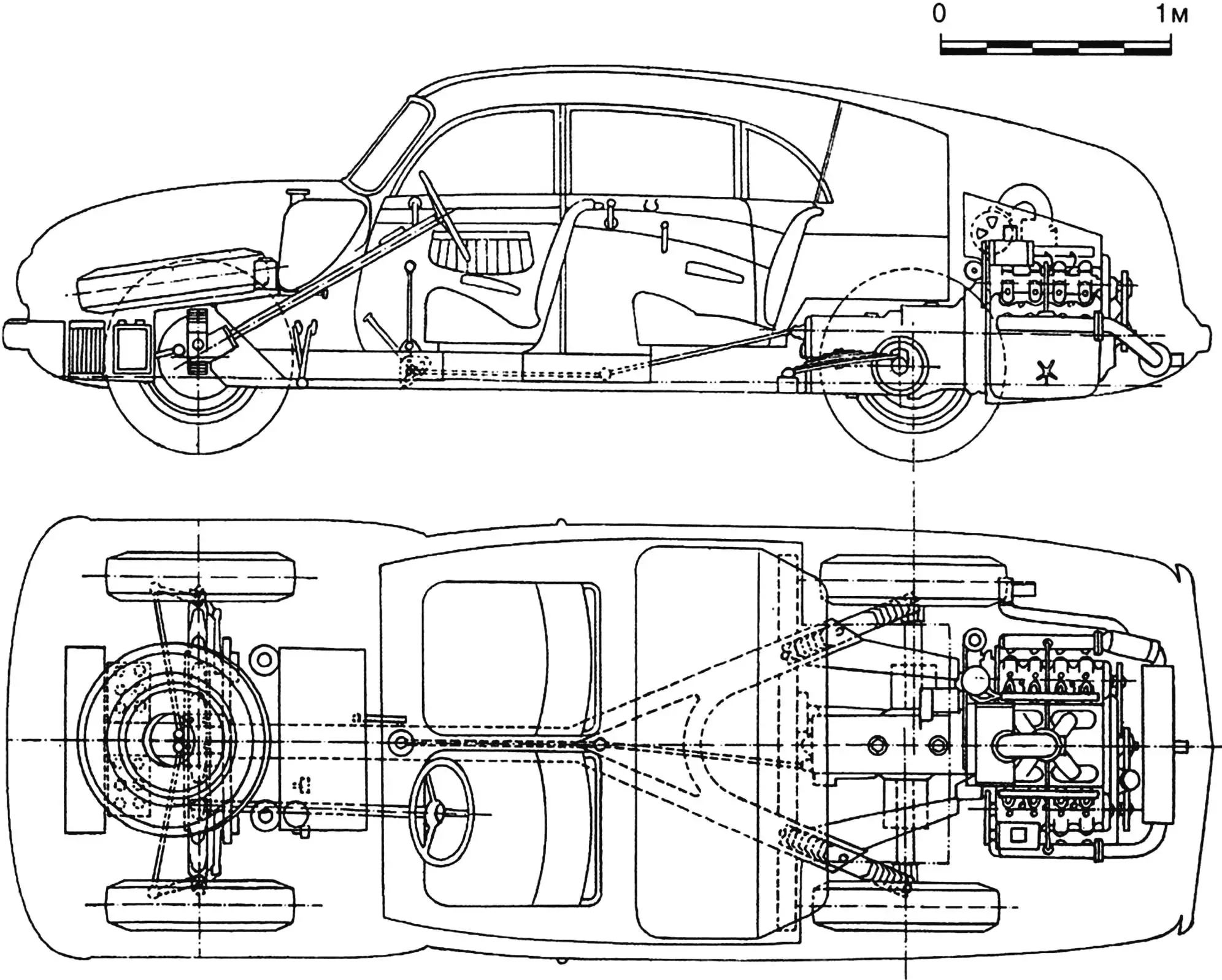
The engineering group was led by designer Erich Ubelacker – the author of the Tatra 57, the company’s most popular pre-war car. The basis of the design was essentially the same tube frame, only not round, but rectangular in cross-section, and two powerful transverse beams. The body was made using technology that was already outdated at that time – on a wooden frame with metal outer cladding. Specially for the new car, a V-shaped eight-cylinder air-cooled engine with a displacement of 2973 cc was prepared. Installed behind the rear wheels, it was combined into a single unit with a four-speed gearbox and final drive. There were two luggage compartments: a small one in front, since the main part of the volume was occupied by the fuel tank, battery and spare wheel, and a more spacious one behind the back of the rear seat in front of the engine compartment.
Thanks to the flat floor and large dimensions of the car, the interior turned out to be very spacious. However, visibility left much to be desired, backward through the narrow slots of the hood practically nothing was visible. Stability at high speeds was low, the rear axle was overloaded, and the grip of the front wheels on the road was insufficient. The teardrop-shaped body combined with a flat floor at high speed worked like an airplane wing – the designers did not pay due attention to downforce at that time. True, to improve directional stability, they installed a fin at the rear, but it was of little use.
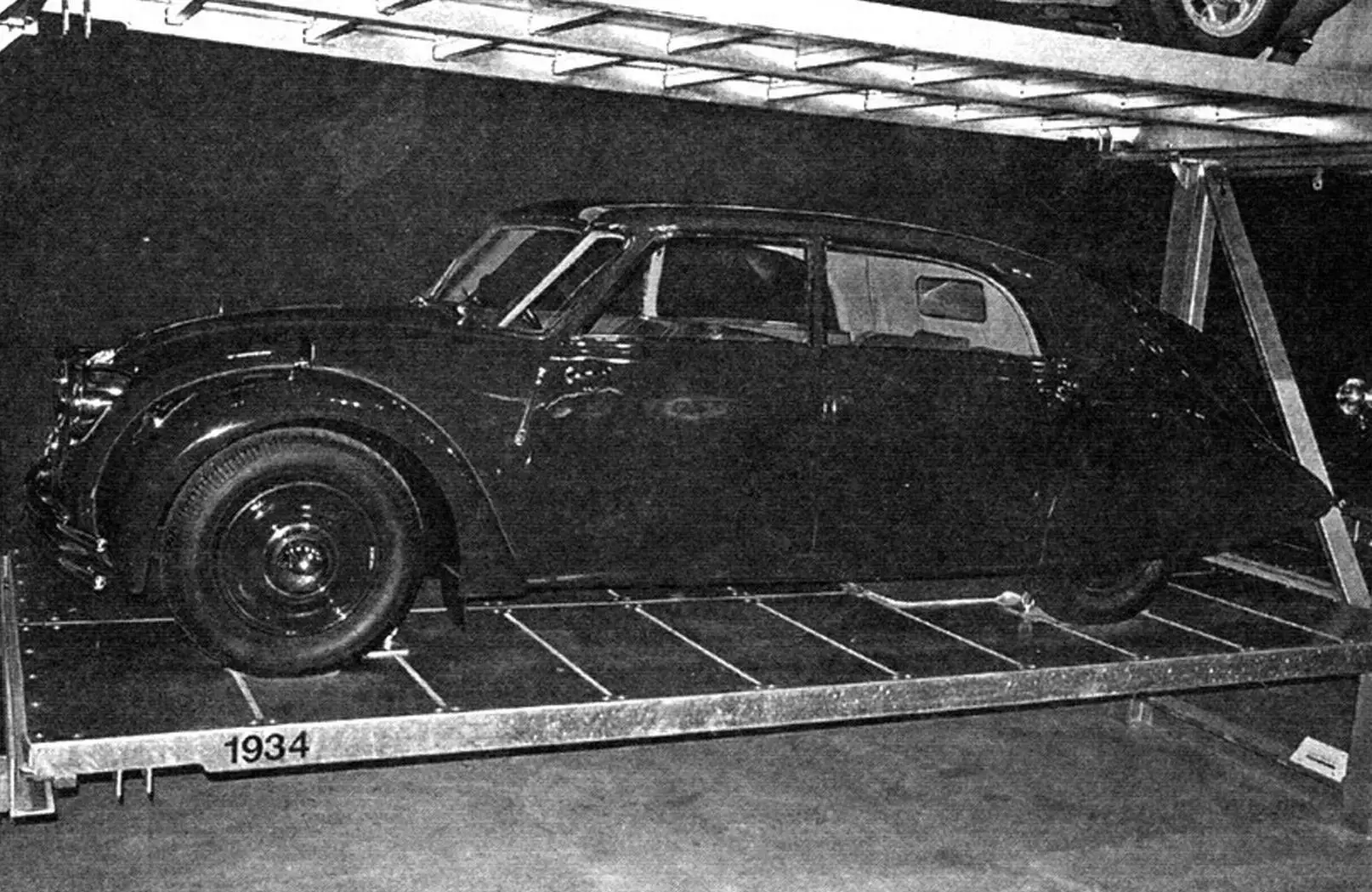
The debut of the Tatra 77 took place on March 3, 1934 at the Prague Motor Show, then the novelty was presented in Paris and London. The public’s reaction was mixed: some considered it futuristic and beautiful, others – ugly. The design turned out to be “raw”, and the cost was comparable to classic executive-class cars with 12-cylinder engines. The first buyers became essentially testers of the car, and the search for optimal solutions went on already during serial production. Several of its modifications are known: front seat for two or three places, roof completely rigid or with a tent in the central part, various glazing options.
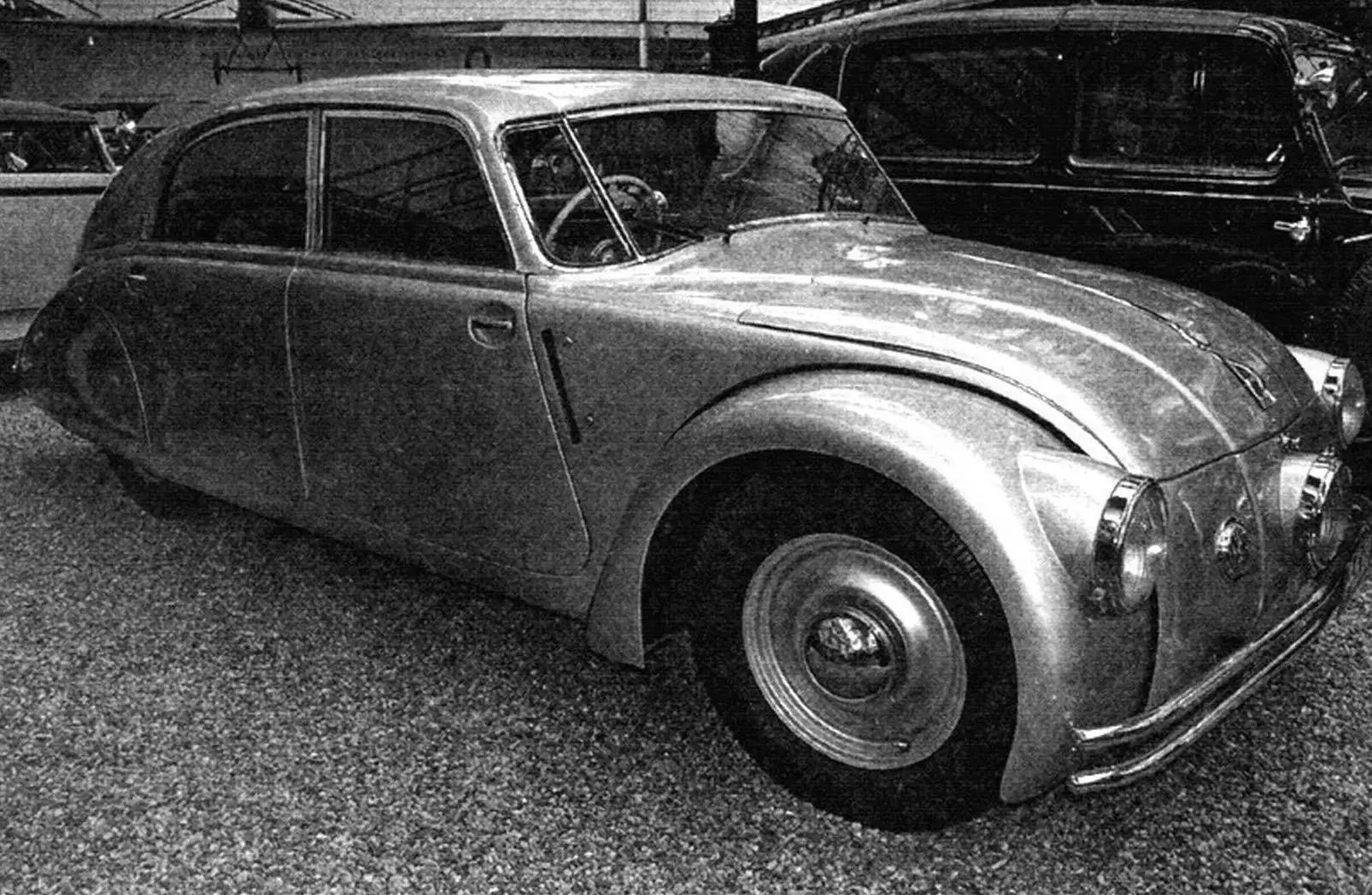
A total of 95 copies of the Tatra 77 were produced from 1933 to 1935, including prototypes. From 1936 to 1938, 154 modernized Tatra 77a cars were built. They were equipped with a more powerful engine with a displacement of 3380 cc, the front headlights were moved to the fenders, and a spotlight with adjustment in three directions was installed in the center of the trunk lid.
Given such a small production volume, the model turned out to be unsuccessful. Nevertheless, the Tatra 77 is considered a technical masterpiece. In 1997, it was recognized in the Czech Republic as the “Best Car of the Century” – a strange choice. To date, only a few copies of such cars have been preserved in museums.
Birth of a Legend
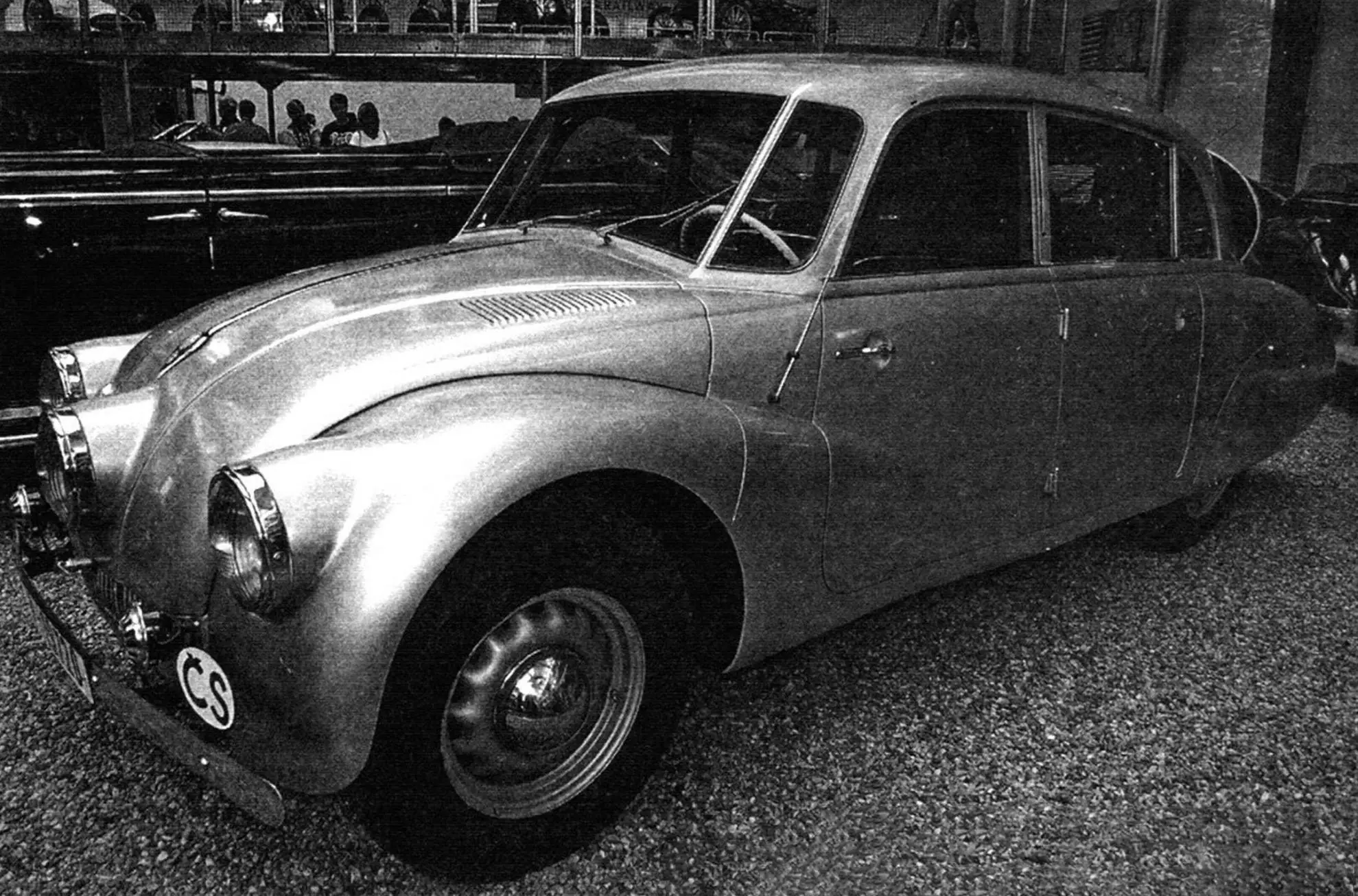
Despite the failure with the Tatra 77, in the autumn of 1937 the Tatra 87 was presented to the public. It had a similar layout, but was made using new technology. The body became all-metal with a lightweight Y-shaped frame. Compared to its predecessor, the weight of the car decreased from 1800 to 1370 kg, the load on the rear axle decreased from 65 to 62%.
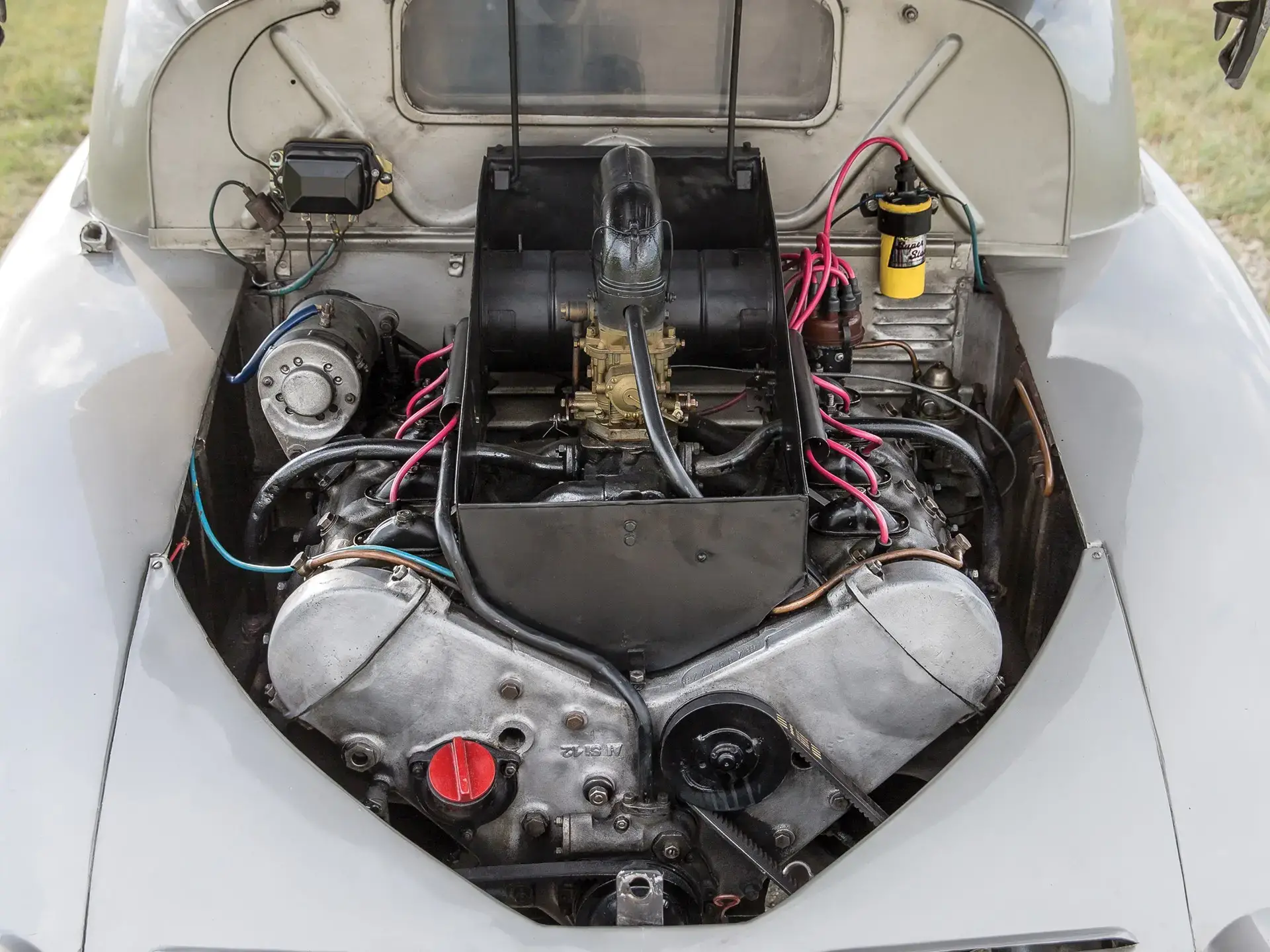
The Tatra 87 received a new V8 air-cooled engine with a displacement of 2968 cc and a power of 75 hp, with aluminum cylinder heads with hemispherical combustion chambers and a magnesium alloy crankcase. The car could reach speeds of up to 160 km/h. Thanks to good aerodynamics, only a third of the engine’s maximum power was enough to maintain a cruising speed of 120 km/h. In this mode, fuel consumption was only 12.5 liters of low-octane gasoline per 100 km – an excellent result for an eight-cylinder engine even by today’s standards. The flip side of the coin: a lighter and faster car could fly off the road at a lower speed than the heavy Tatra 77.
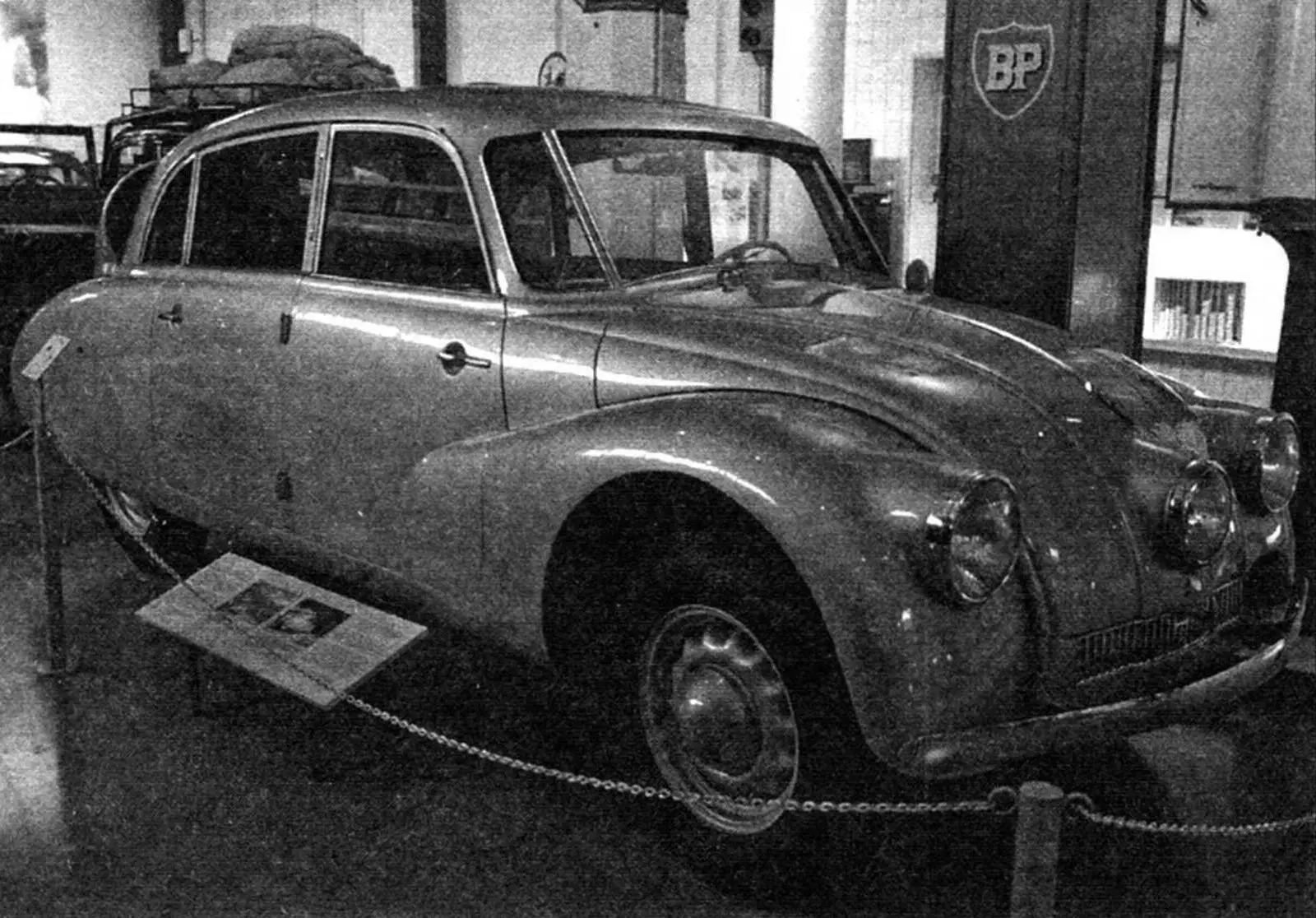
One of the first to conclude that the safe speed of cars with rear-engine layout is no more than 130 km/h was designer Erich Ledwinka – Hans’s son. In 1937, he built an even more compact Tatra 97 model with an opposed four-cylinder engine with a displacement of 1749 cc and a power of 40 hp. Thanks to the lower weight and low center of gravity of the opposed engine, the weight distribution along the axles improved significantly, and it was also possible to ensure normal rear visibility. The famous Volkswagen Beetle by Ferdinand Porsche was made according to the same recipe.
From 1937 to 1939, 510 Tatra 97 cars were built. After the occupation of Czechoslovakia, their production was discontinued, and the plant in Kopřivnice began working for the Wehrmacht, switching to military products. At the same time, the fast and comfortable Tatra 87 was highly appreciated by the German military leadership. Their production was continued, only the steering wheel was moved from the right side to the left. The cars were used in Luftwaffe units and in the Reich police in the territory of occupied Yugoslavia. However, already in 1942, due to increasing accidents due to loss of control at high speed (most often Luftwaffe officers “took off”), the operation of the Tatra 87 in the Wehrmacht was banned, and the car was removed from the assembly line.
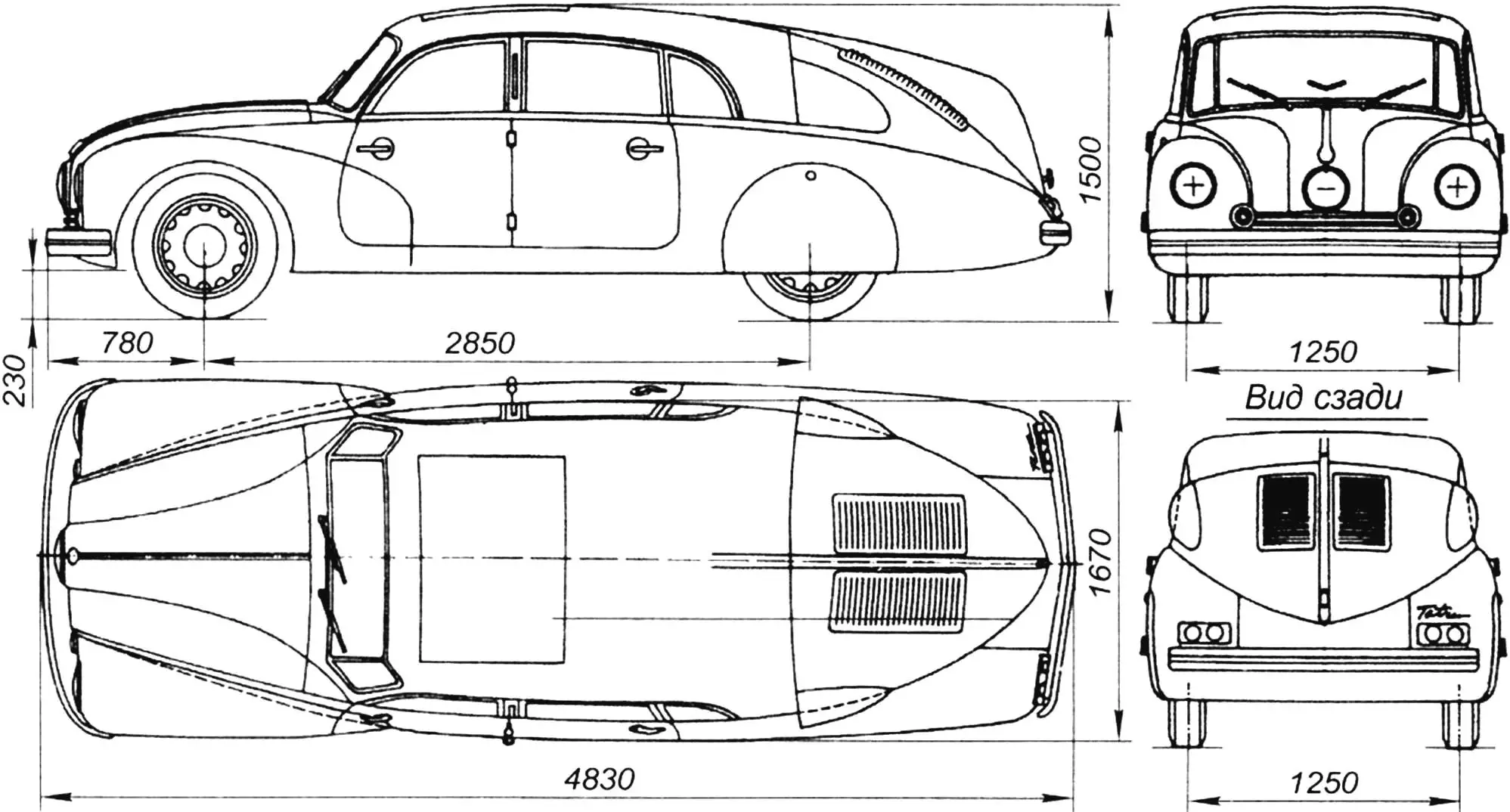
It is surprising that almost no pre-war Tatra 87 cars have been preserved in museums and private collections, but examples from 1942 are often found. Probably, when production stopped, a stock of bodies with factory plates remained, which was used in 1945 when production resumed.
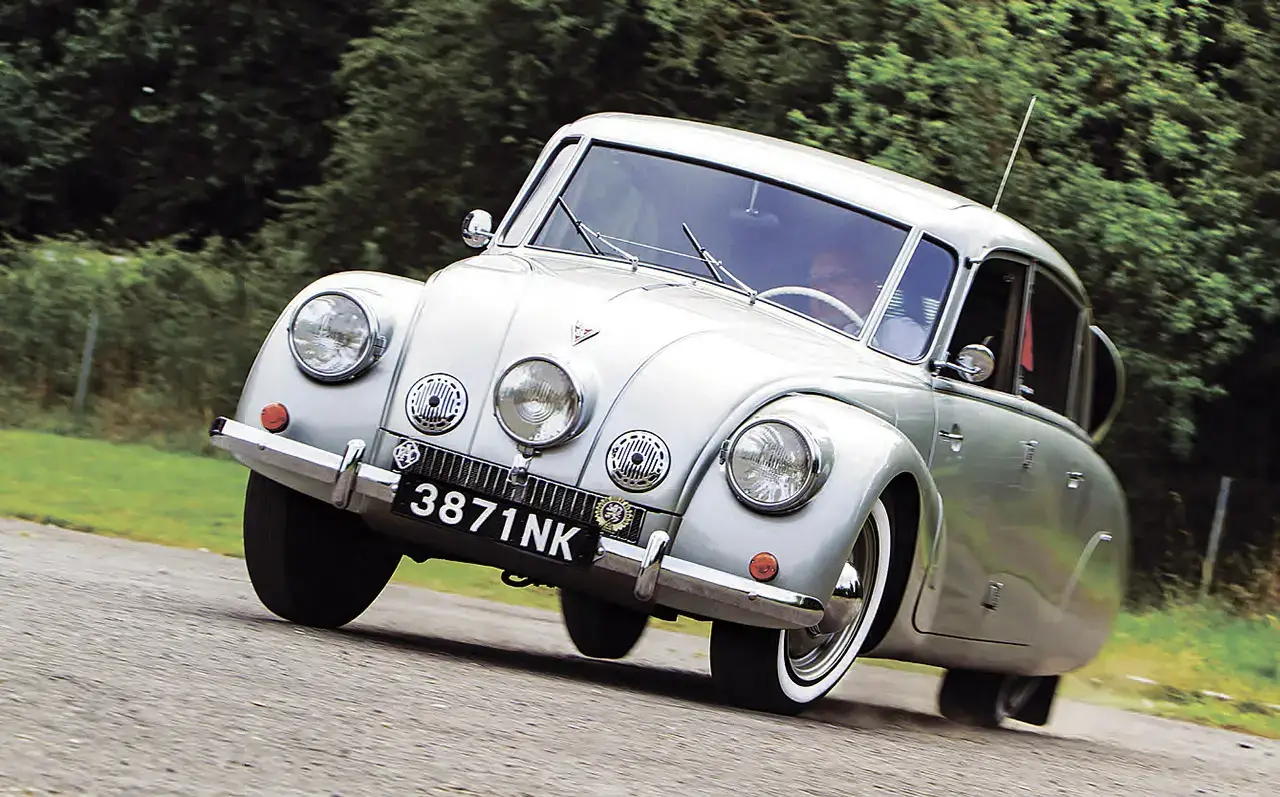
One of the first cars of 1945 was presented by Tatra factory workers to Marshal Andrei Ivanovich Yeremenko for the liberation of the city of Kopřivnice. Another car in a special configuration was presented as a gift to I.V. Stalin (it was used by the generalissimo’s daughter Svetlana Alliluyeva). In total, at least 120 Tatra 87 cars were imported into the USSR, both new and captured from the Germans as trophies. To date, about a dozen cars have been preserved in various expositions. And one of them, produced in 1942, registered in the Tula region, regularly participates in retro rallies.
In 1948, the Tatra 87 model was updated – the headlights became more streamlined – and production continued until 1950. A total of 3023 such cars were manufactured, of which 1689 were assembled in the period from 1948 to 1950. Most of them were sent for export.
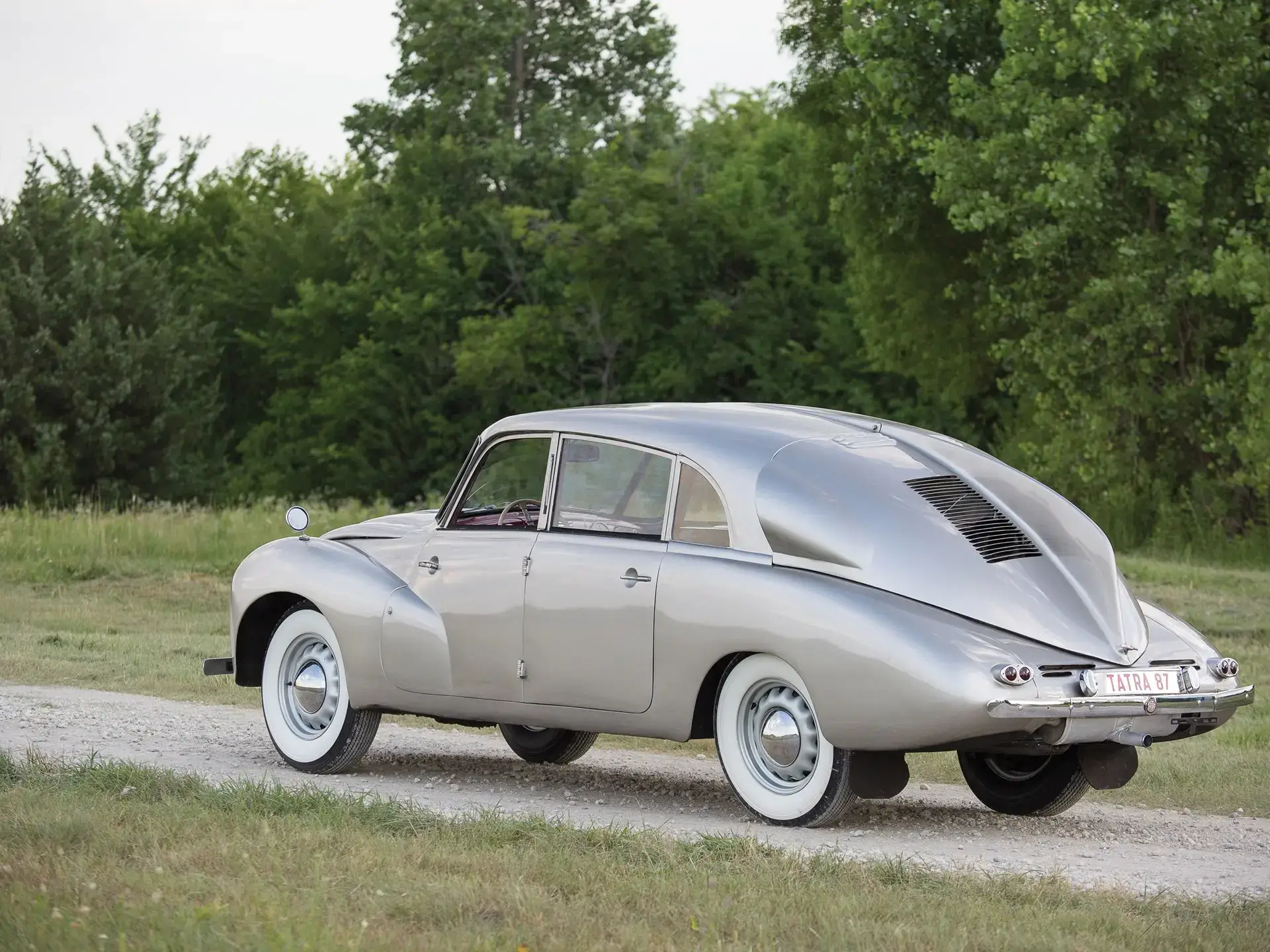
For collaboration with the Nazis, the creator of the Tatra 87, Hans Ledwinka, was arrested in 1945. After his release in 1951, he first went to Austria, where his son Erich headed the design bureau of the Steyr-Puch company, and then moved to West Germany. He considered the Tatra 87 his best creation and used this 1940 car for everyday trips almost until the end of his life. Today his car is kept in the transport museum in Munich.
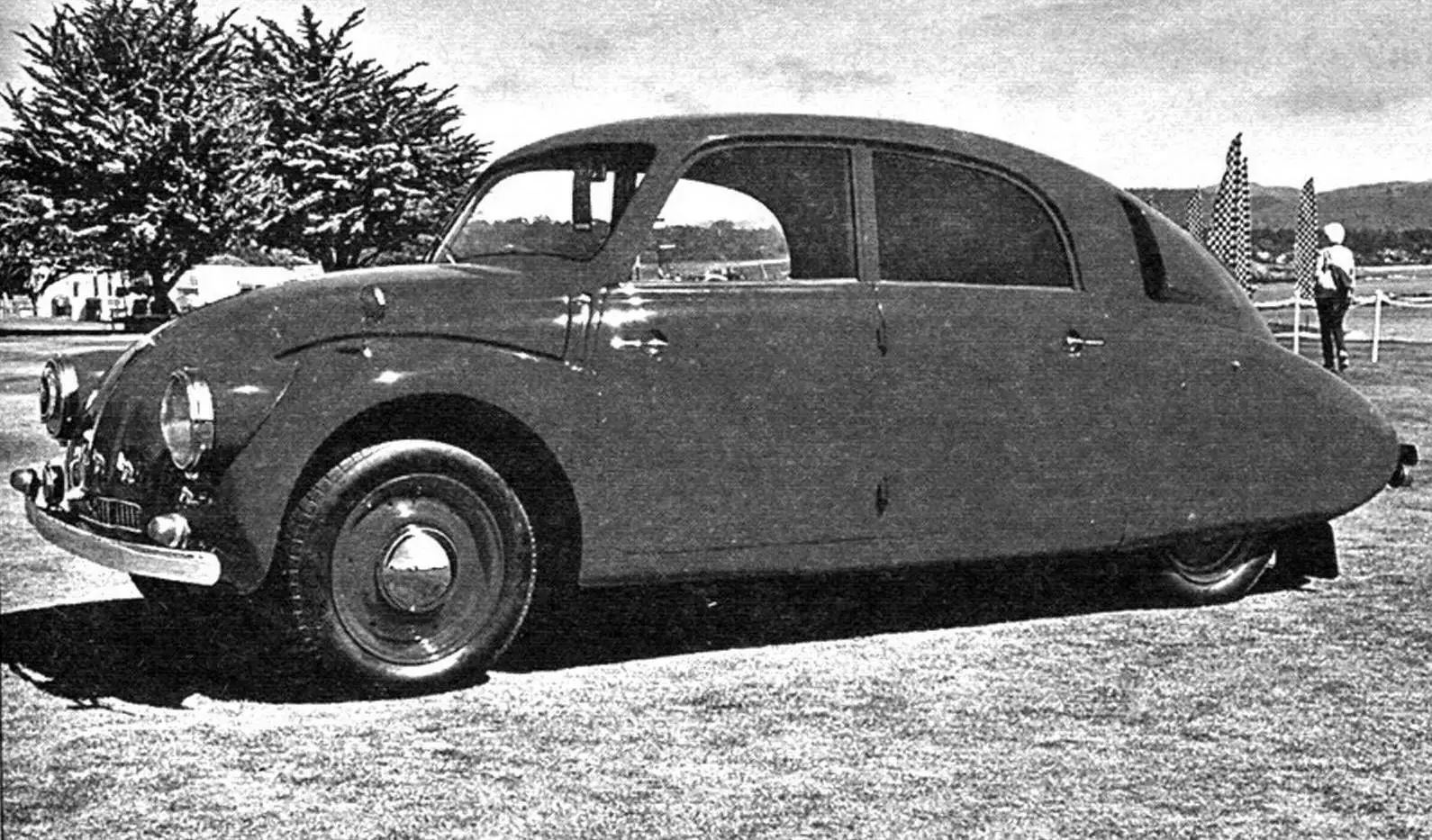
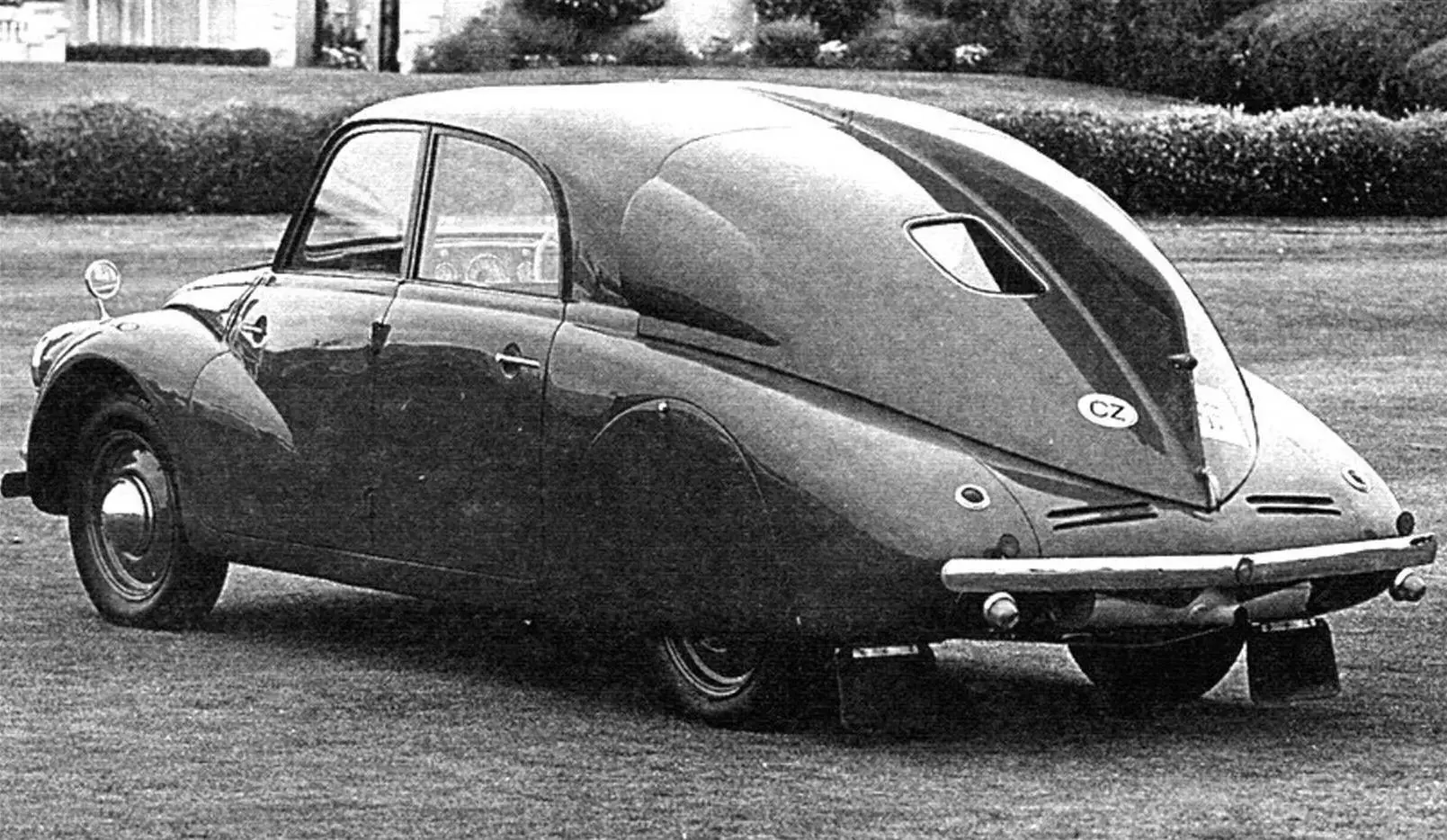
Among the owners of the Tatra 87 were King Farouk I of Egypt, aircraft designer Ernst Heinkel, inventor of the rotary-piston engine Felix Wankel and many other celebrities.
Everything Goes According to Plan
In the post-war period, the development of “aerodynamic” Tatra cars with rear-engine layout continued. In December 1946, the first prototype of the Tatra 107 was built. In size, it occupied an intermediate position between the 87 and 97 models, and was equipped with a four-cylinder opposed engine with a displacement of 1952 cc. In March 1947, a second experimental copy appeared, but the refinement of the car was difficult: the engine overheated, there were problems with the suspension. We had to turn for help to Hans Ledwinka, who was in prison at that time. As a result, a virtually new, very successful Tatra 2-107 car was born. The designers managed to achieve almost ideal weight distribution. For an empty car, 56% of the load fell on the rear axle, with full weight – 57.2%, which made it possible to ensure good handling. The elegant body was drawn by the famous Czechoslovak industrial designer František Kardaus. The drag coefficient Cx decreased to 0.32. The novelty was presented in October 1947 at the motor show in Prague. The car was launched into series in June 1948 under the name Tatra 600 Tatraplan.
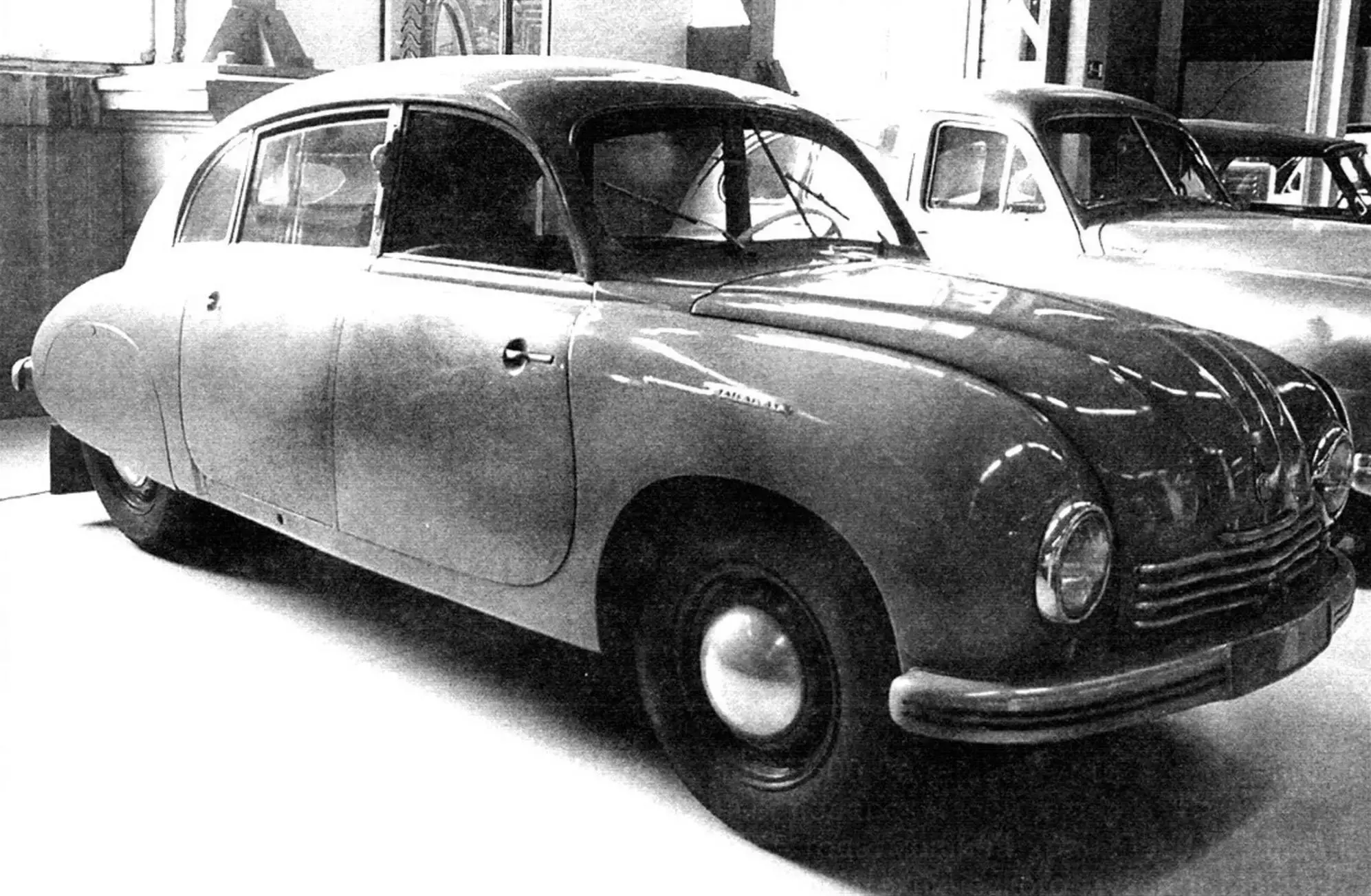
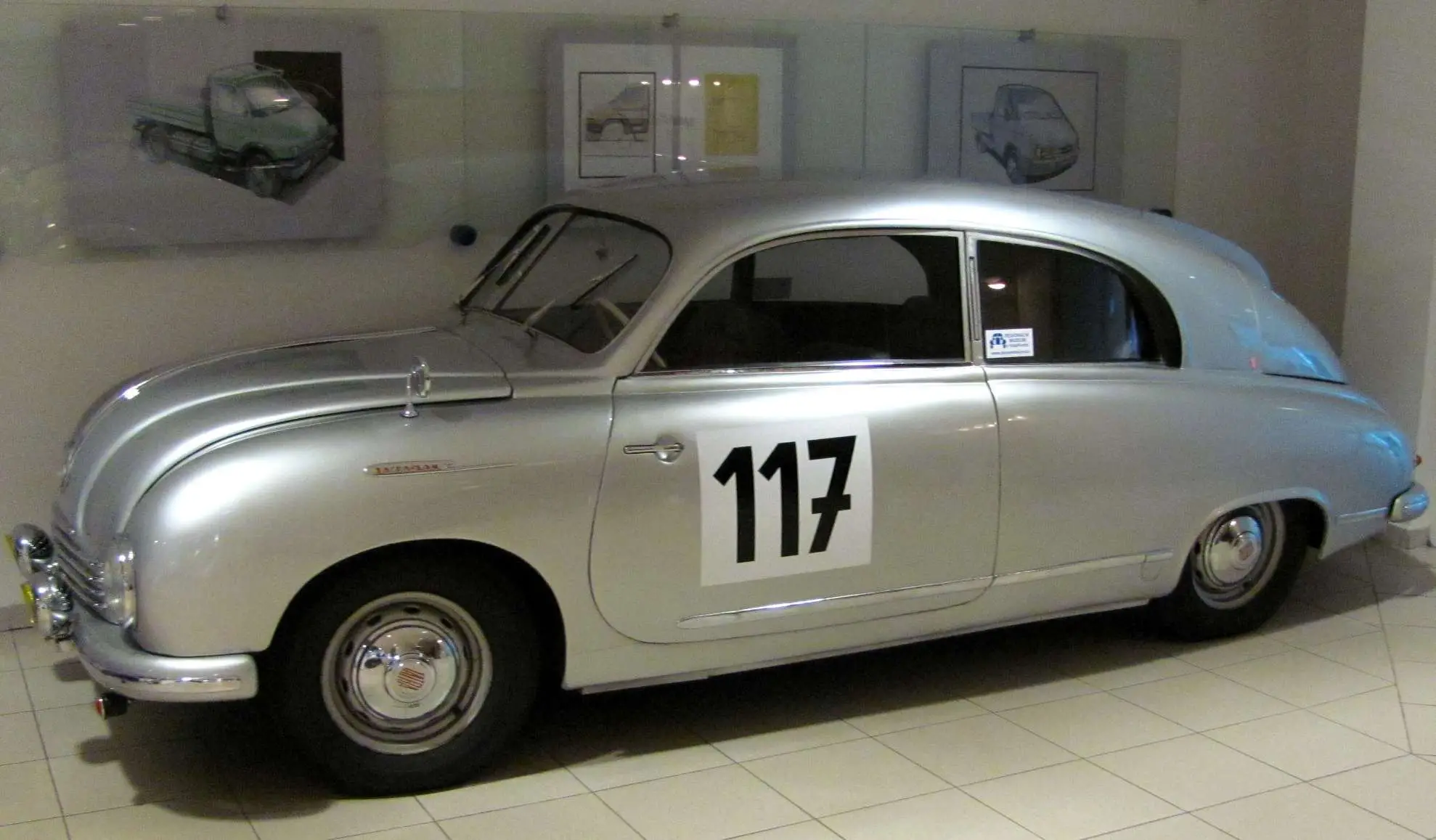
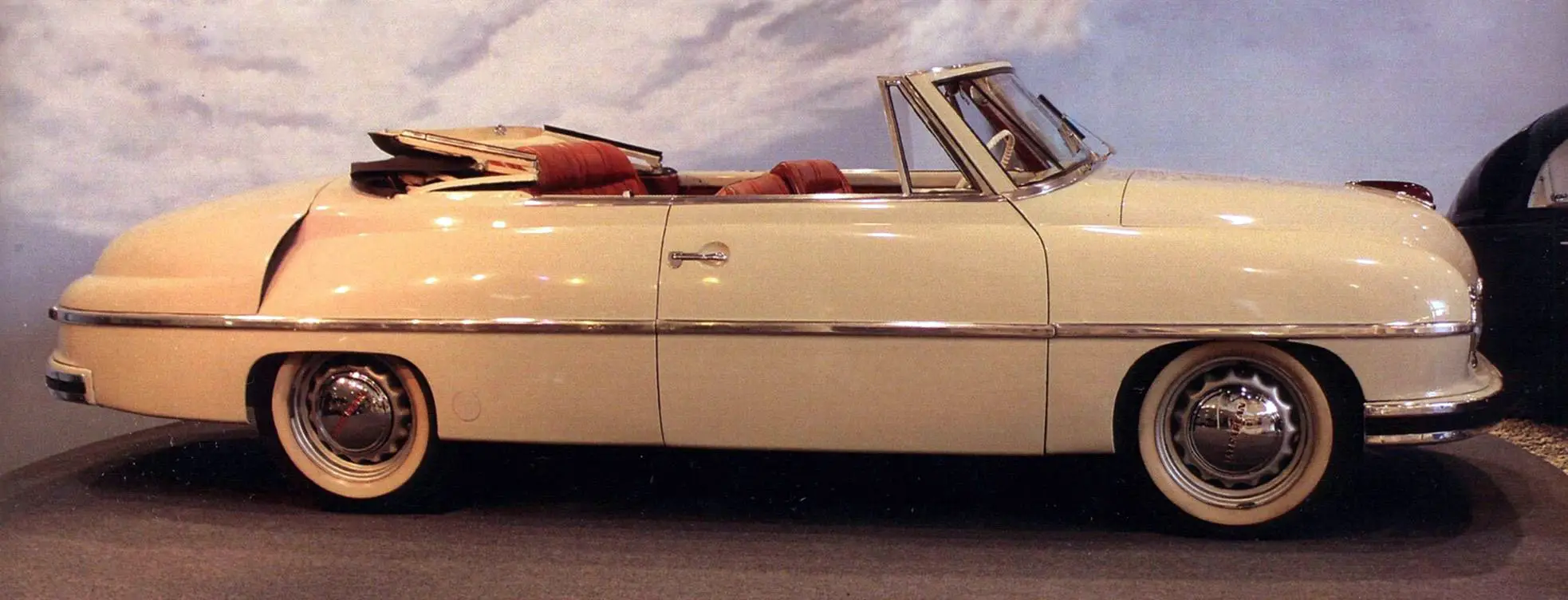
In the summer of 1949, in the Sodomka body shop, a two-door convertible on the Tatra 600 Tatraplan chassis was built in a single copy – this was a special gift for the anniversary of I.V. Stalin. Until 1955, the car was stored in the storerooms of the Polytechnic Museum in Moscow, and then served in one of the district hospitals in Georgia. In the early 1970s, representatives of the Tatra plant exchanged it for a new Tatra 603. After restoration, the convertible took its place in the factory museum in Kopřivnice. Next to it stands another unique car – a two-door sports Tatra 601 Tatraplan Monte Carlo – the winner of the Alpenfahrt rally in Austria in 1949. Later it was used for road tests of the Tatra 603 engine.
Technical specifications of “aerodynamic” Tatra cars
| Model | Tatra 77 | Tatra 77a | Tatra 87 | Tatra 97 | 600 Tatraplan |
|---|---|---|---|---|---|
| Number of doors | 4 | 4 | 4 | 4 | 4 |
| Number of seats | 6 | 5-6 | 5 | 5 | 5 |
| Length, mm | 5400 | 5400 | 4830 | 4270 | 4540 |
| Width, mm | 1660 | 1660 | 1670 | 1610 | 1670 |
| Height, mm | 1600 | 1600 | 1500 | 1450 | 1520 |
| Wheelbase, mm | 3150-3250 | 3150-3250 | 2850 | 2600 | 2700 |
| Curb weight, kg | 1800 | 1800 | 1370 | 1150 | 1200 |
| Fuel capacity, l | 90 | 90 | 55 | 50 | 56 |
| Engine displacement, cc | 2973 | 3380 | 2968 | 1749 | 1952 |
| Power, hp | 60 | 70 | 75 | 40 | 52 |
| Compression ratio | 5.3:1 | 6:1 | 5.8:1 | 6.5:1 | 6:1 |
| Maximum speed, km/h | 150 | 150 | 160 | 130 | 130 |
| Fuel consumption, l/100 km | 14-16 | 14-15 | 12.2 | 11 | 11 |
The Tatra 600 Tatraplan model was produced until 1951 in Kopřivnice, then it was assembled for another year at the Skoda plant. A total of 6335 such cars were built, of which 2164 were sent for export. Tatra 600 Tatraplan was supplied to 28 countries. The largest sales market was Austria, where 435 such cars were sold. In the USSR, 126 cars were officially supplied, several copies have survived to this day. Tatraplan completed the evolution of pre-war “aerodynamic” Tatra cars.
Mysteries of Hanzelka and Zikmund
Fascinated by geography since childhood, while still in school, Jiří Hanzelka and Miroslav Zikmund planned a route for an automobile journey across five continents, preparing for which they independently studied several foreign languages. In 1938, they entered the University College of Business, but during the years of German occupation, this educational institution was closed. After the war, introducing themselves as engineers, they managed to interest the management of the Tatra company and get a Tatra 87 car for their project. In total, the friends traveled on it through Africa and America for three and a half years, visited 44 countries and traveled more than 111 thousand kilometers. Later they wrote several fascinating, beautifully illustrated books about their adventures, published in many countries, including the USSR. These are just dry facts of official information, but then many questions arise…
Could a solid company provide expensive cars to undereducated students and equip them with perfect photo and film equipment? How were they even allowed into a defense enterprise where heavy military trucks were produced? Why did the choice fall on the fast Tatra 87, and not on the simple and economical Tatra 57 of classic layout, better suited for bad roads? And what was the point of advertising the Tatra 87 in countries where the population did not have enough money even for a bicycle? Moreover – when in North Africa the car was damaged in an accident (according to another version – due to sabotage), three Tatra 87s were sent as replacements!
Hanzelka and Zikmund called themselves engineers, but their books contain neither a description of the car’s preparation, although it lasted a full three months, nor any technical details. At the same time, some chapters more resemble analytical reports for an intelligence agency, and materials related to the trip to the USSR in the 1960s were never published in full. However, if we recall that after the end of World War II, Czechoslovakia continued to remain one of the largest producers and exporters of weapons in Europe, we can assume the true – intelligence – goals of the project, which explains such generous funding.
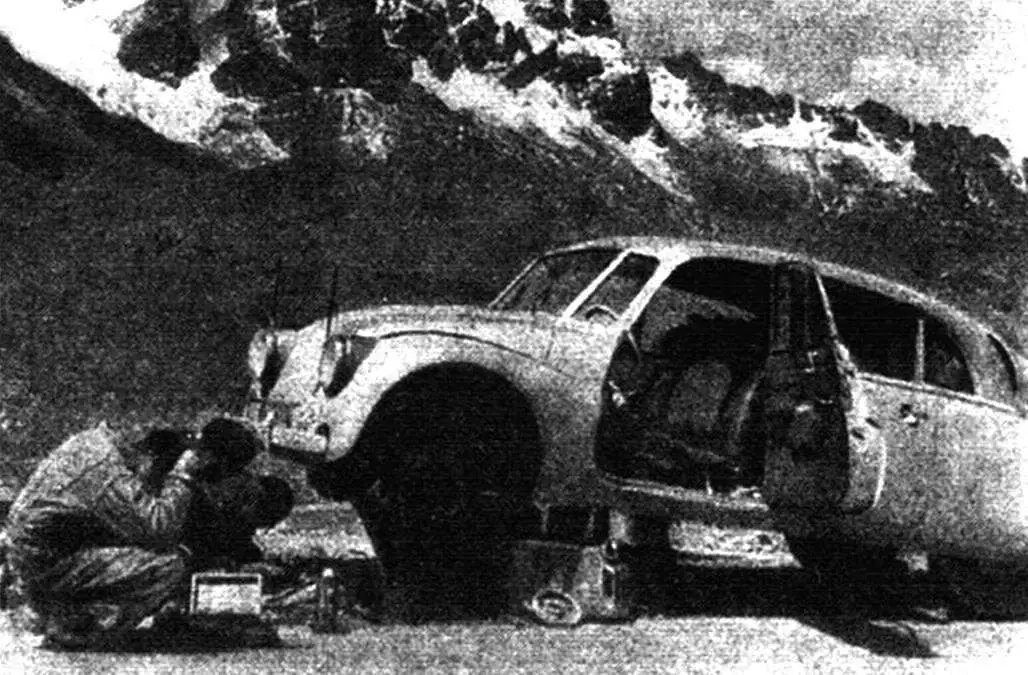
By the end of the journey, the expedition’s car had almost fallen apart, first and reverse gears did not engage in the gearbox, but it still reached Prague. By that time, the model had already been discontinued, and there was no point in advertising it. After repair in Kopřivnice, Hanzelka used this car for a long time, and in 1959 he donated it to the National Technical Museum in Prague, where it remains to this day.
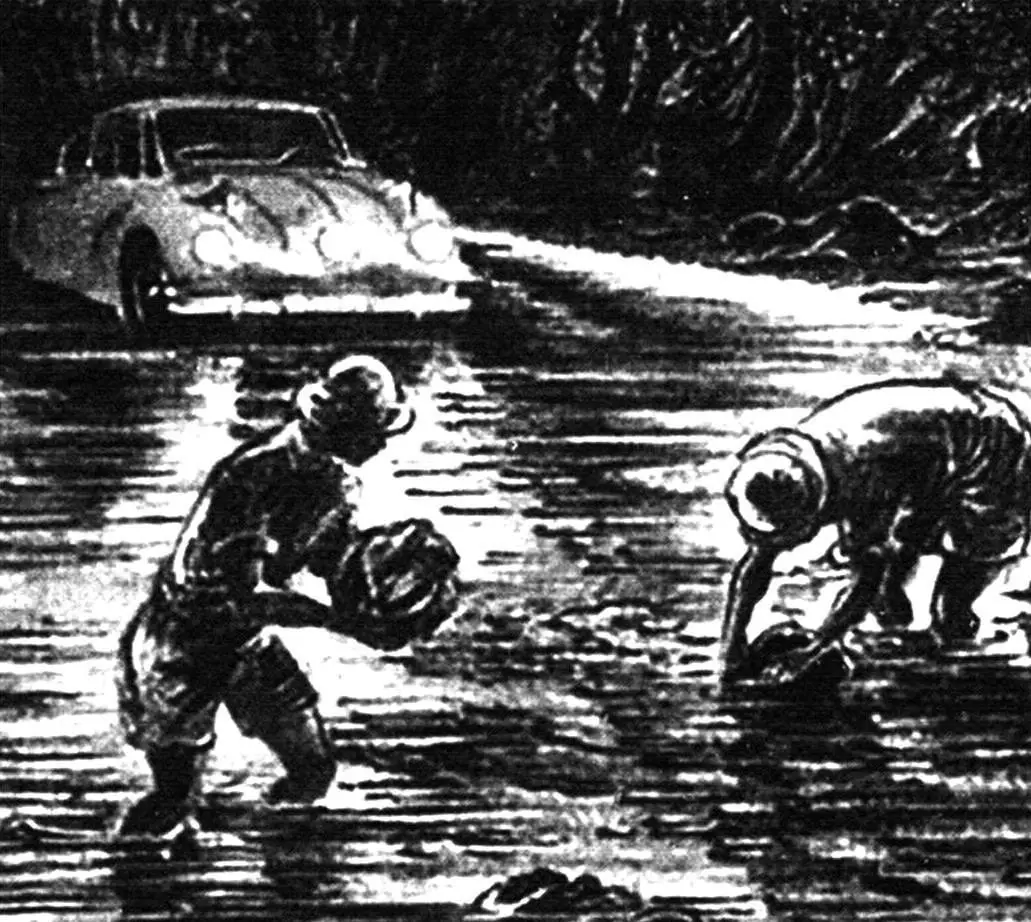
In 2005, the Tatra 87 of the famous travelers was included in the list of national cultural heritage of the Czech Republic. However, automotive historians have some doubts about this exhibit. For example, the suspicion that only the factory plate is “native” to it. Also, in photographs in books, it is noticeable that its body received many damages, while the museum copy looks like new. In addition, it is known that the original Tatra of Zikmund and Hanzelka was initially black, then it was repainted outside in silver metallic, but on the exhibition car the engine compartment is also painted “silver”, and the metal parts of the interior are green.
TECHNIQUE IN MINIATURE
Models of pre-war Tatra passenger cars are a great rarity. About 15 years ago, a scale copy of the Tatra 77 from 1934 was released in the Altaya magazine series. The model turned out pretty good. It has correct proportions, painted interior, dashboard decal, license plates installed. Among the shortcomings – roughly executed windshield wipers and poorly worked out running gear.
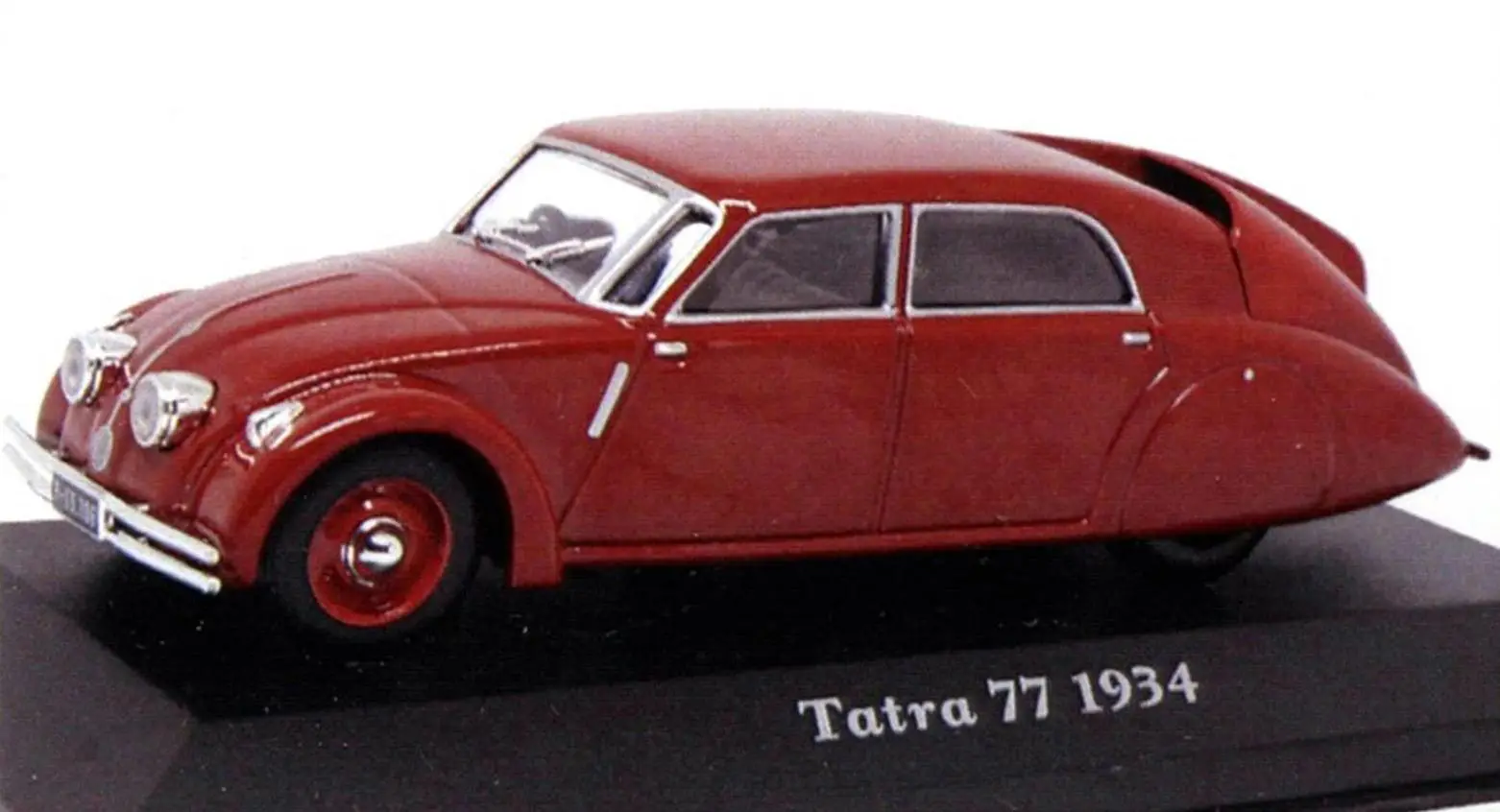
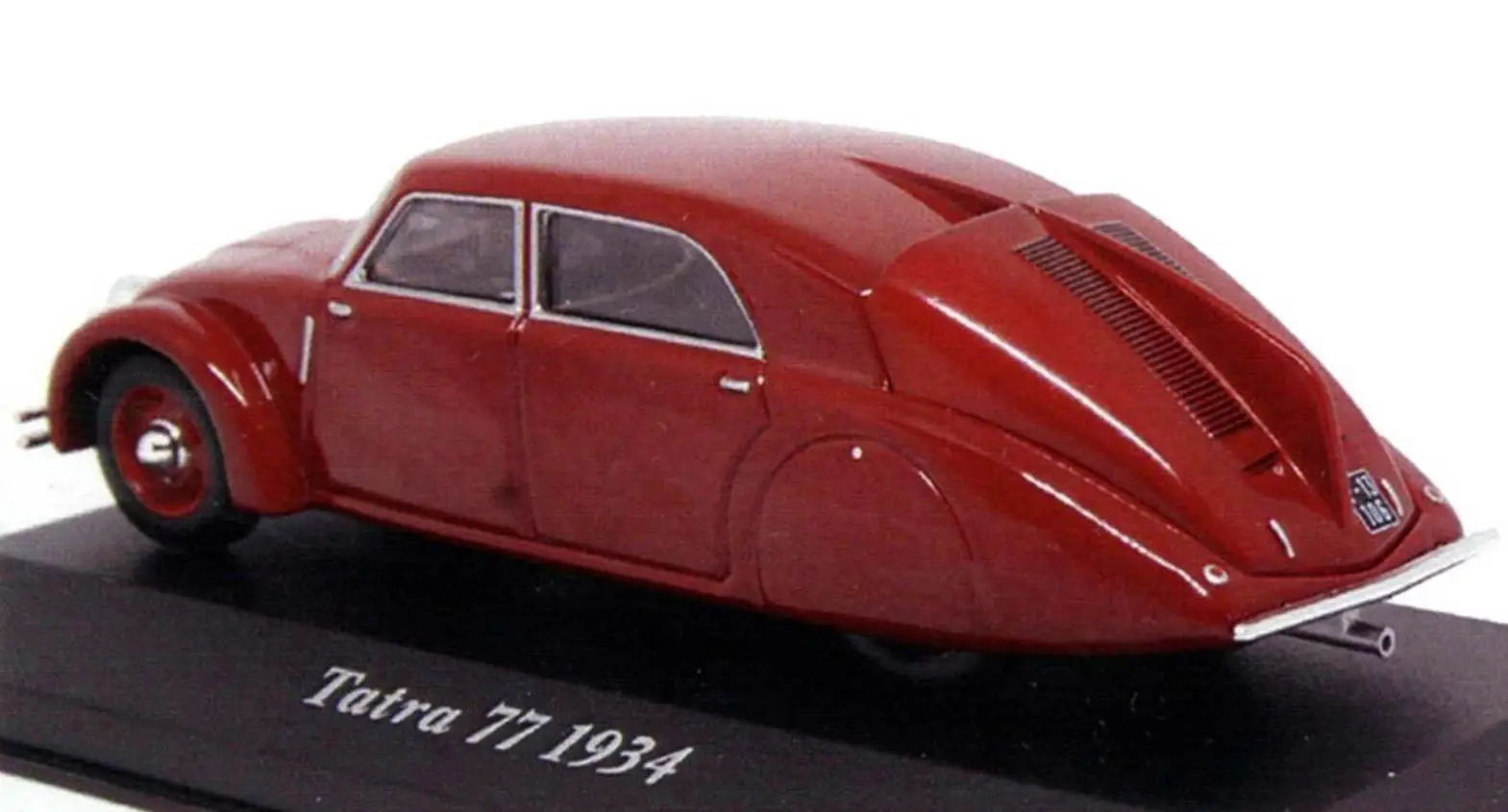
This model is also interesting because it has a real prototype. The copy exactly matches the red example presented in the Transport Museum in Lucerne.
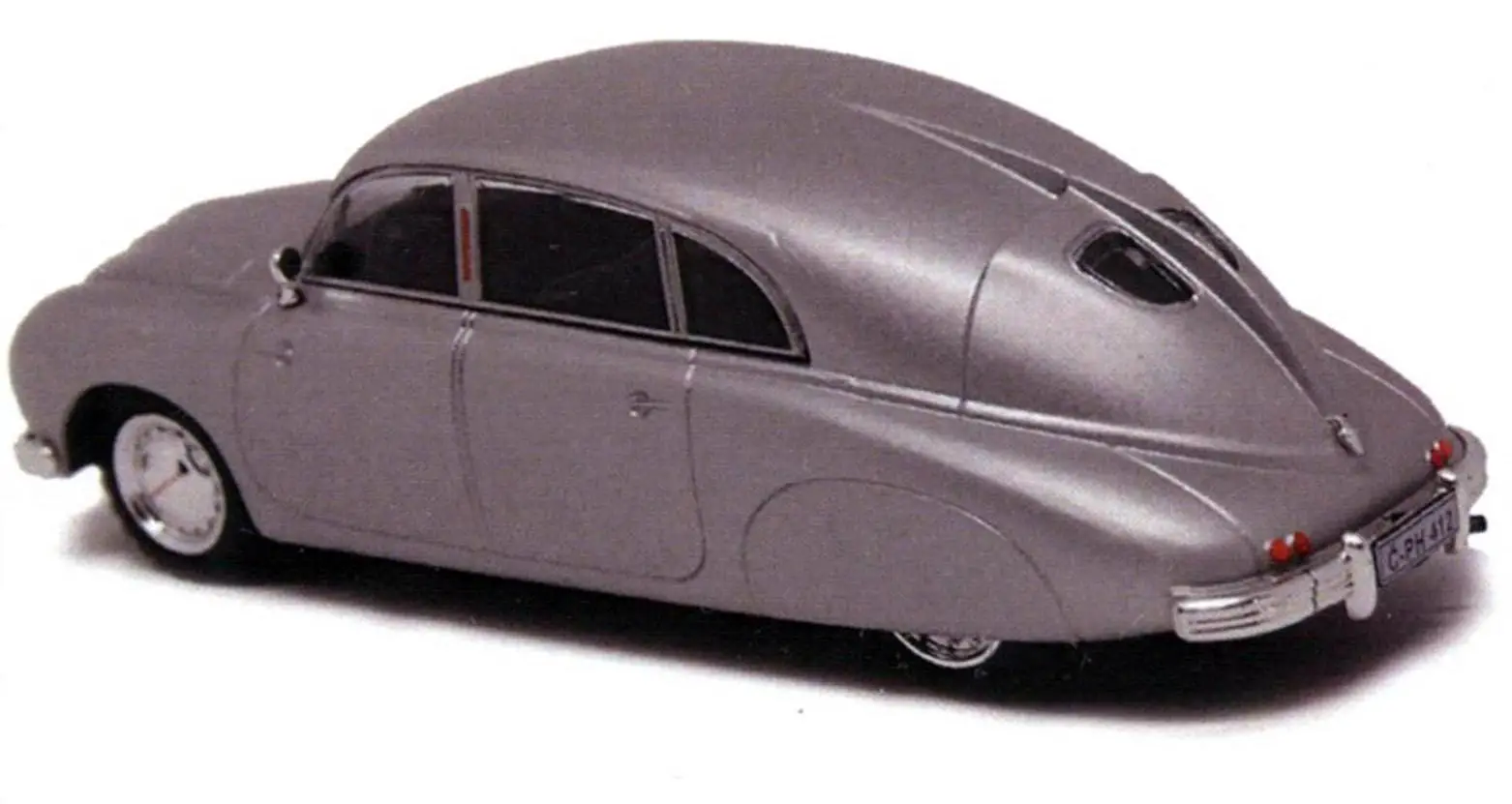
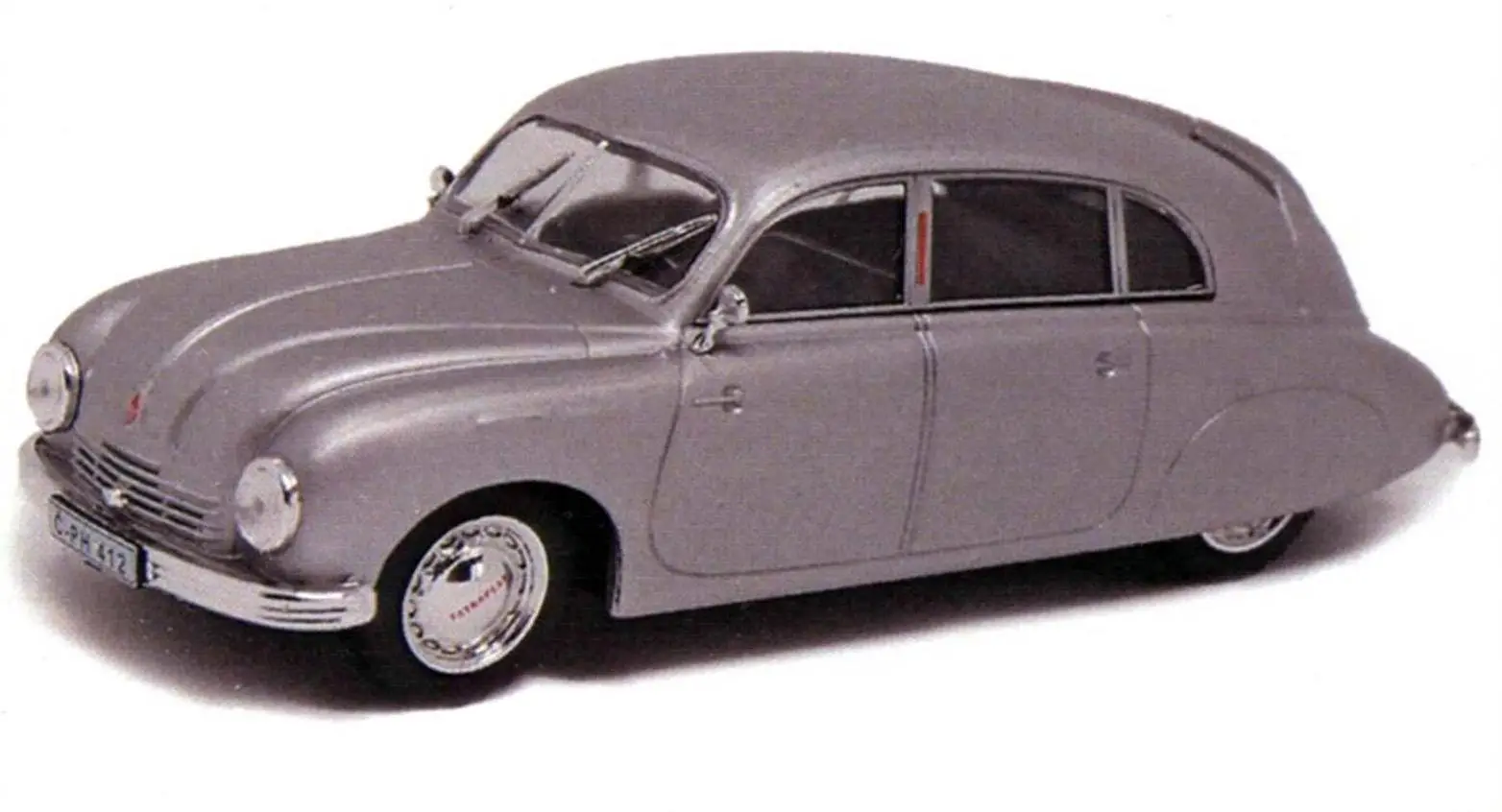
It is strange that no one produces metal models in 1:43 scale of the most famous car in the line – the Tatra 87. After all, you can release a whole series of such cars in different colors and from different years of production. About five years ago, the Matrix company made an excellent resin copy of the Tatra 87 from 1938 in silver color with rich detailing. The Neo company then presented a black model of the 1940 car. They were instantly sold out by Tatra brand fans and are now impossible to find for sale. With the Tatra 97 it’s even more difficult, no one has made it in miniature at all.
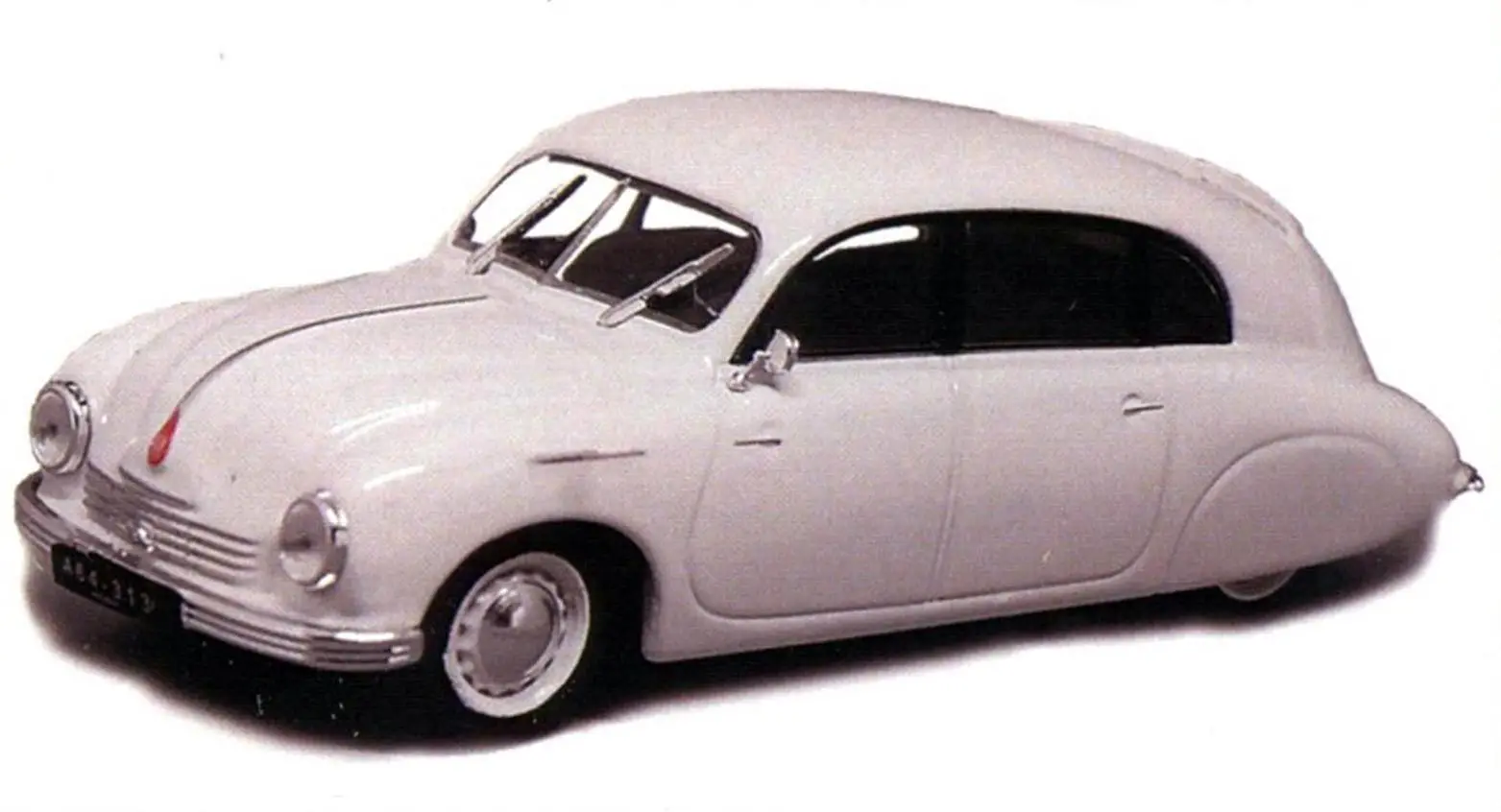
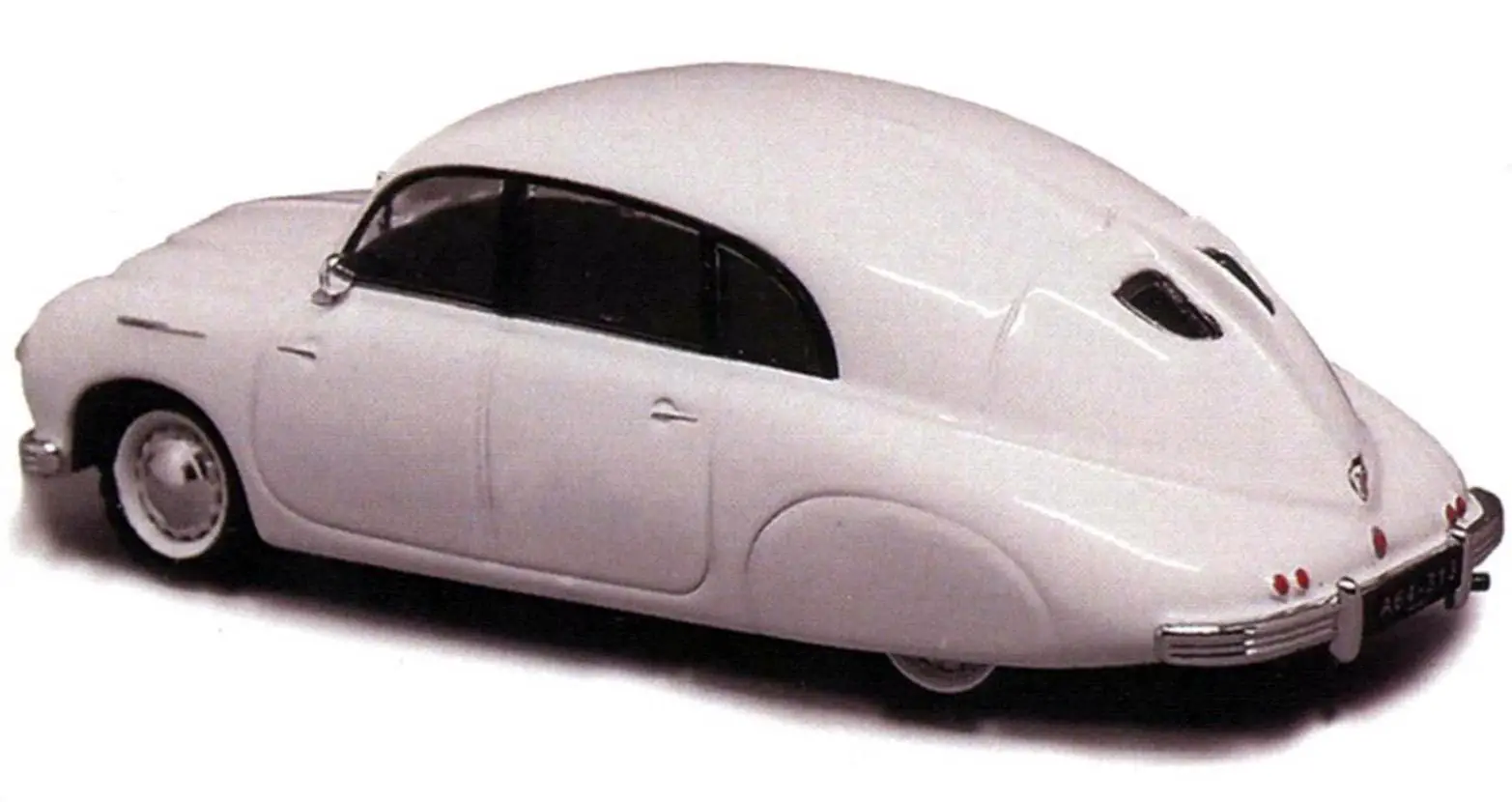
Tatra 600 Tatraplan models were produced in DeAgostini magazine series in Russia and Eastern European countries. The press mold is the same, but there are minor differences in execution. For example, in the Czech Republic and Poland, a model painted in an effective silver metallic was sold – typical for export modifications of the Tatra 600 Tatraplan. In the Russian version – a white copy. But it has its advantages: door handles and moldings are painted chrome, an emblem on the rear of the car and the Tatraplan inscription on the front fenders. The general shortcomings of these models: poorly worked out running gear, unpainted interior. And for some reason, tires like on trucks with off-road tread pattern “herringbone” are installed on a passenger car! However, there is no alternative, and for a budget magazine series, the models are made quite well overall.
“Modelist-Konstruktor” No. 4’2025, Sergey DYAKONOV
Recommend to read
 A SIEVE WILL HELP
From time immemorial came to us GRID (as defined by the famous Russian language dictionary by V. dal — "all non-continuous thing with skvoznoy, allowing spans") and a SIEVE ("drum... FIELD MACHINE
Dream-the idea of making a car, even simple, like buggy, appeared in his teenage years, when machines were in short supply. But for many UNDERSTANDABLE reasons (had neither the...
