Racing of class E2

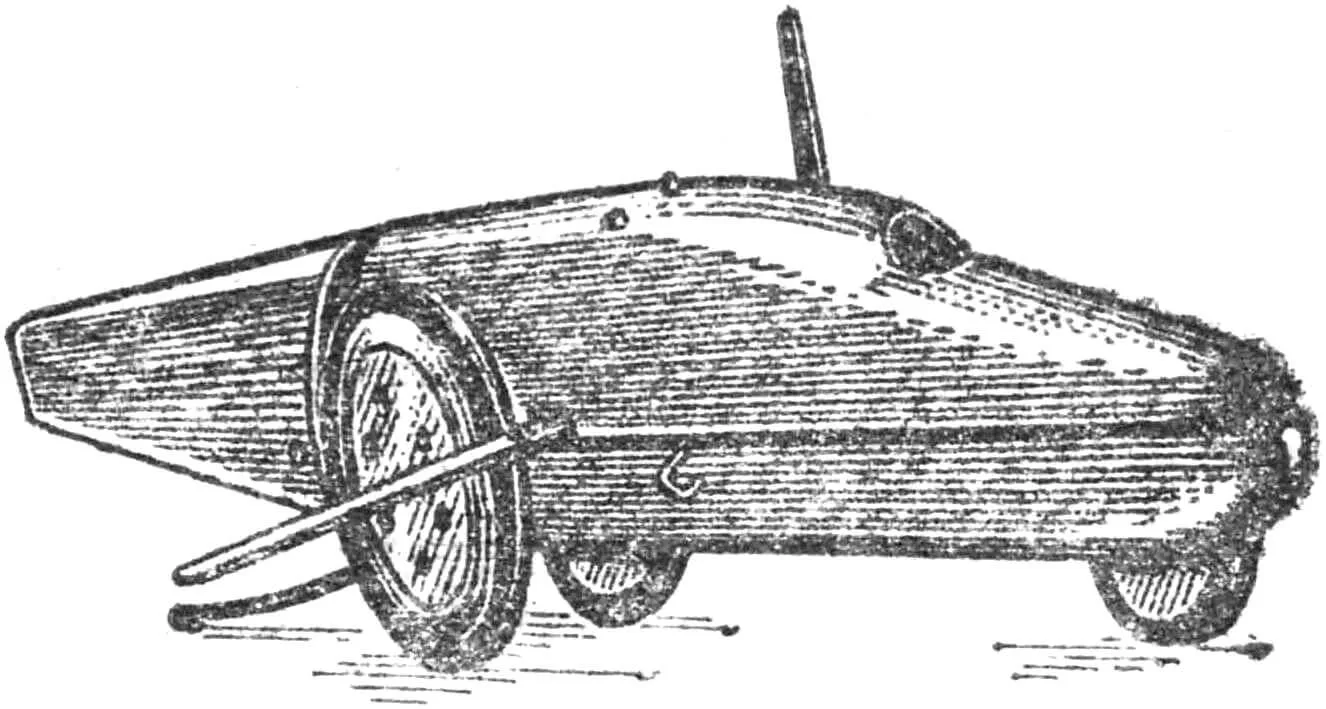
Control Line Racing Car Model 2.5 cm³: V. Popov Design

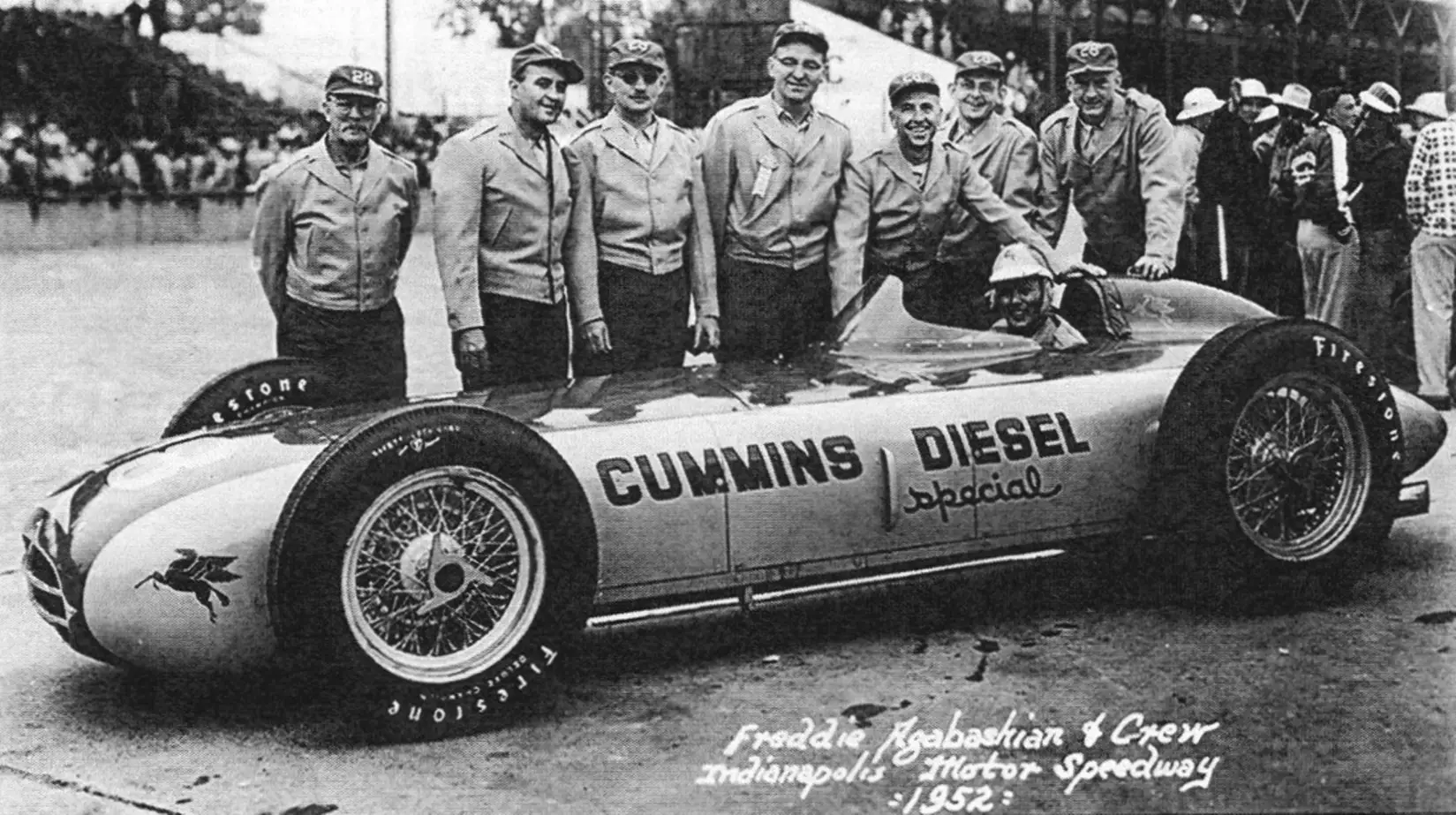
The proposed car model showed the best-in-class result at the European Championship in 1980, and in 1983 it reached a maximum speed of 252 km/h. The weight of the fully equipped racing car is 1250 g (limit 1500 g). This allows changing the load on the wheels depending on the race conditions by installing additional Read more…

The best in Europe

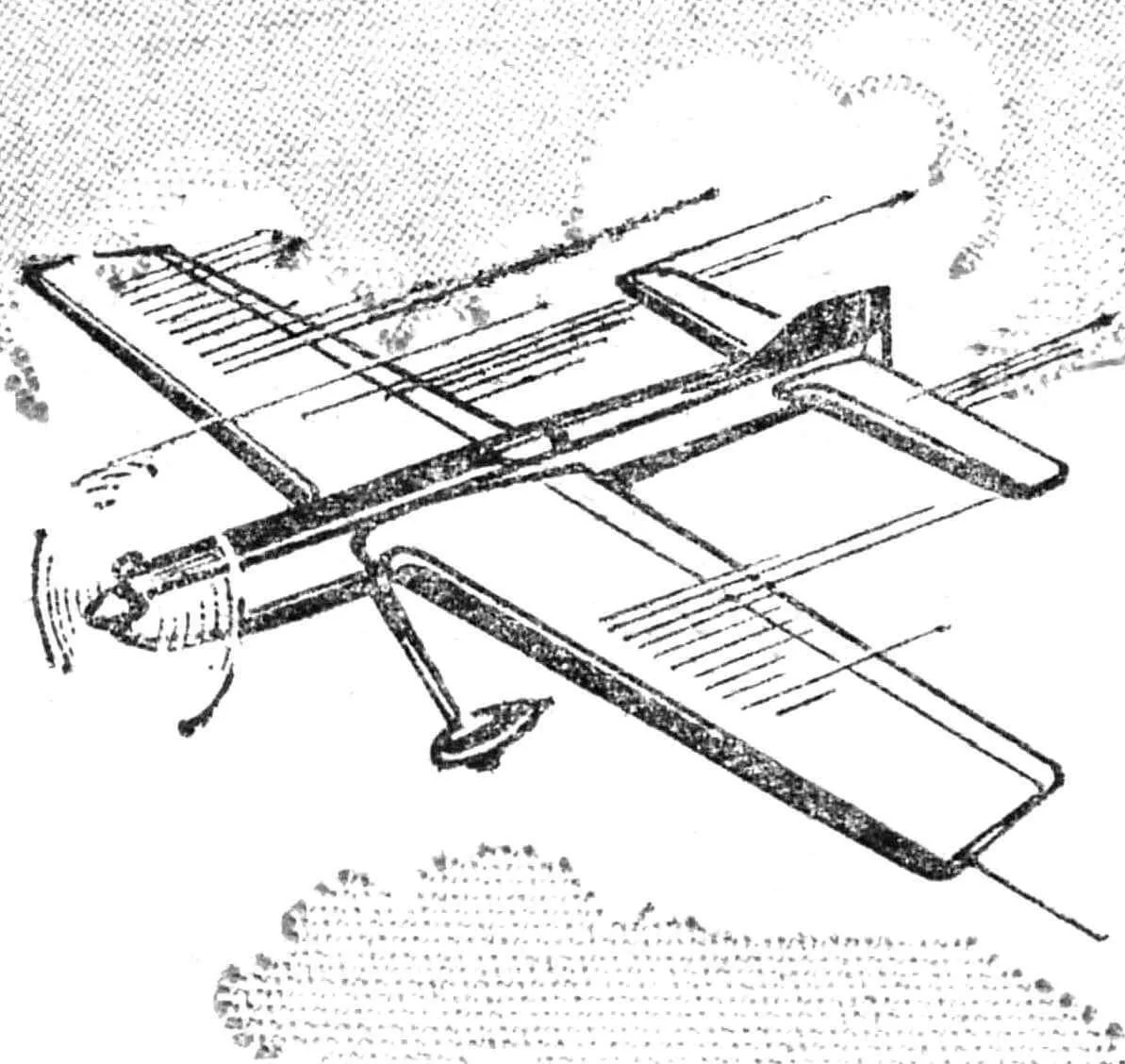
F2B Control-Line Aerobatic Model: Čech Design

At the 1983 European Championship, many athletes’ attention was drawn to the “aerobatic model” designed and built by Czechoslovak modeler Stanislav Čech. The unusual engine position, increased bending elasticity of the detachable wing, simple and effective contours of the fuselage that read excellently in flight, and a whole range of design innovations benefited the operational, Read more…

TRALBOT MODEL

TRALBOT MODEL

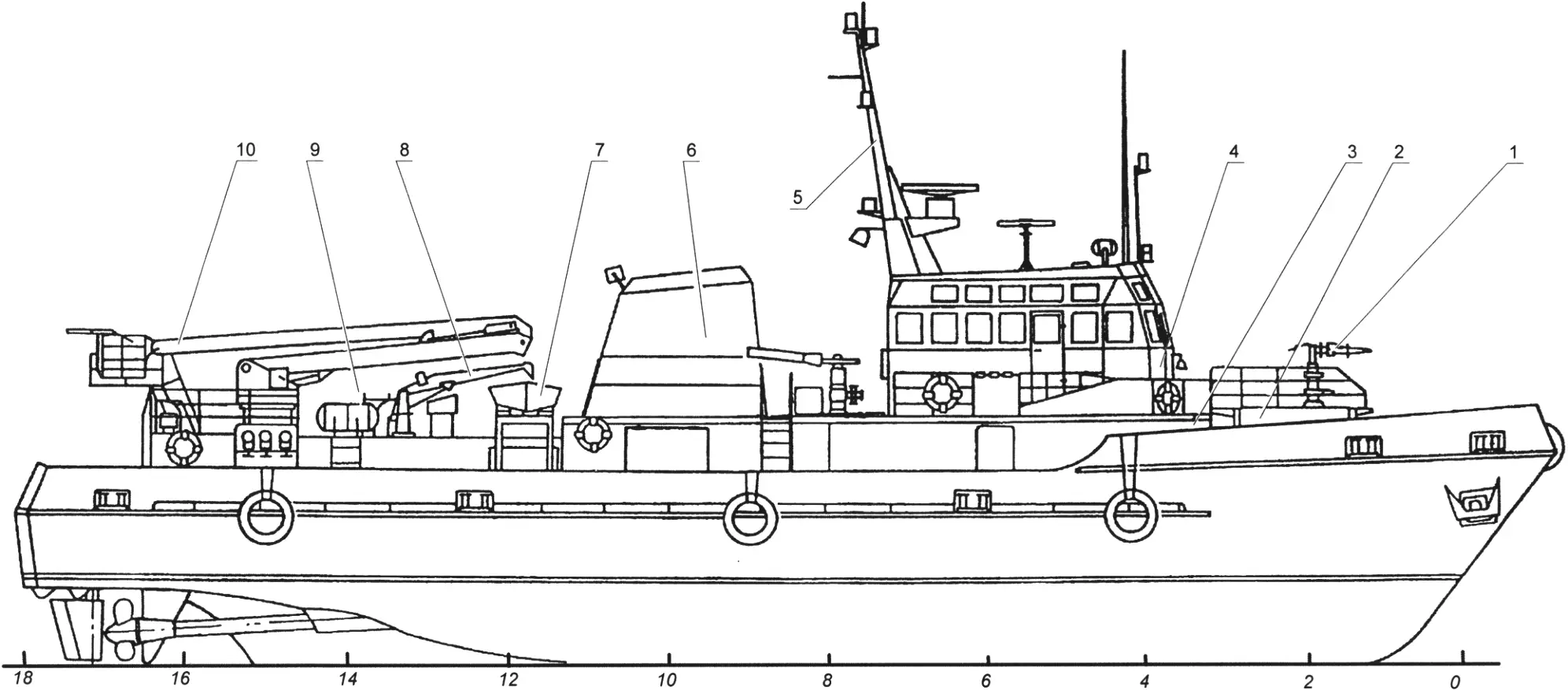
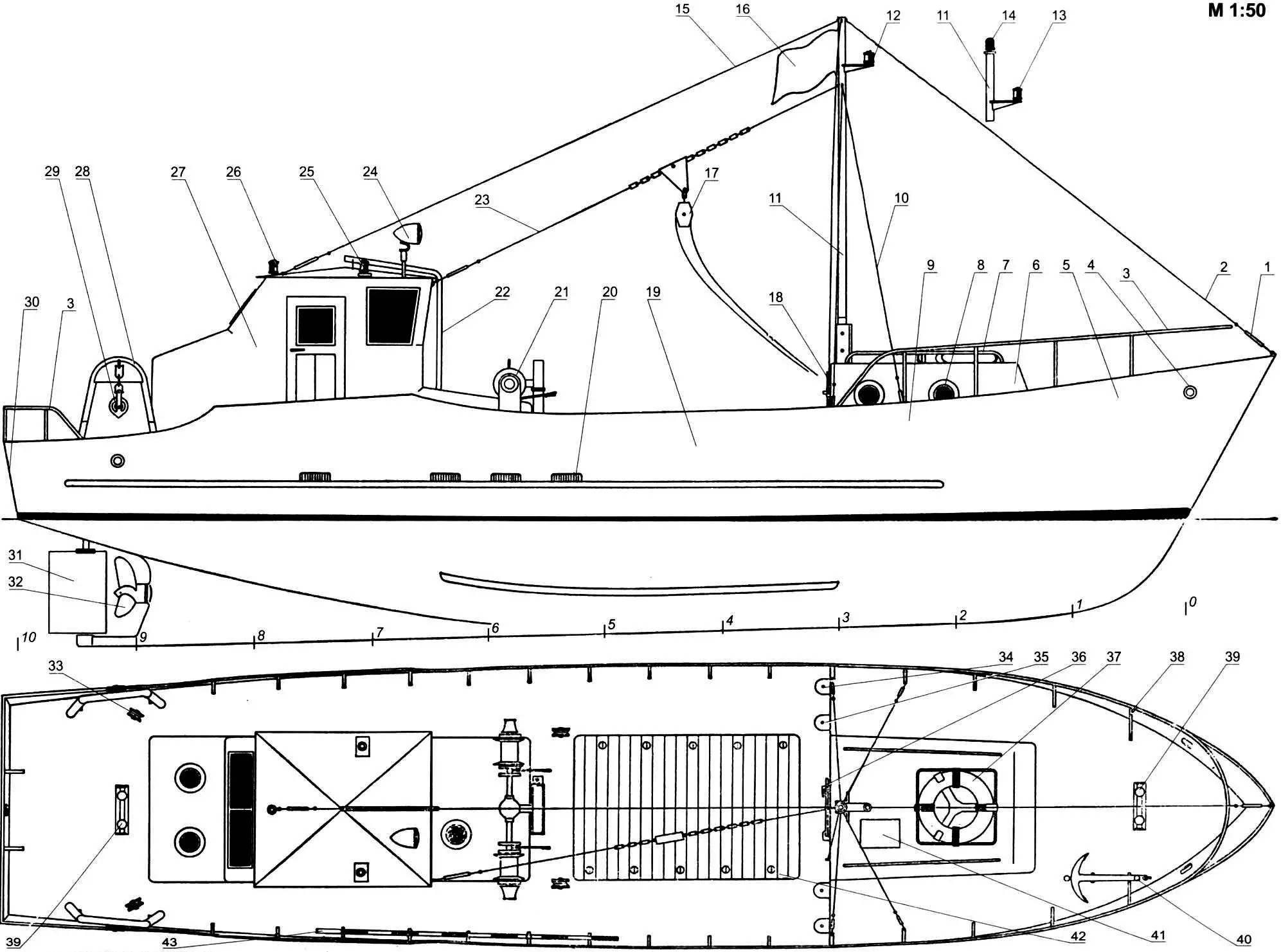
The purpose of this vessel is fishing with a small trawl and drift nets no more than 20 miles from the port of refuge. Endurance – 12 days. Main dimensions of the boat: maximum length – 12.75 m, length at waterline – 11.7 m, width – 3 m, draft – 1.3 m. Speed reaches 8 Read more…

“Trainee” radio

DIY Radio-Controlled Sailboat Model: Complete Build

A radio-controlled model of a racing sailboat yacht can be made from the most accessible materials. And instead of expensive branded equipment, you can use a remote control set that comes with modern toys. The model’s hull is made of packaging foam or PS-4-40 grade, reinforced with a flat wooden frame cut into the hull Read more…

FROM GLIDER TO PLANE

FROM GLIDER TO PLANE

This simple model, recommended for beginners, can be built both as a glider and a rubber-powered aircraft. And in our opinion, it makes sense to assemble and master it in exactly this order: start with the glider version, and then, after gaining experience in launching and adjusting, equip it with a propeller and rubber motor. Read more…

FIRST AIRCRAFT MODEL

FIRST AIRCRAFT MODEL

These beautiful and flying planes are very simple. Even preschoolers can make them with the help of adults. To work, you will need thick paper (whatman paper), several dry and straight straws Ø2-2.5 mm (cereals, bluegrass) and silicate office glue. Tools include a safety razor blade, a jigsaw, a ruler and a pencil. Start making Read more…