Everything for the car

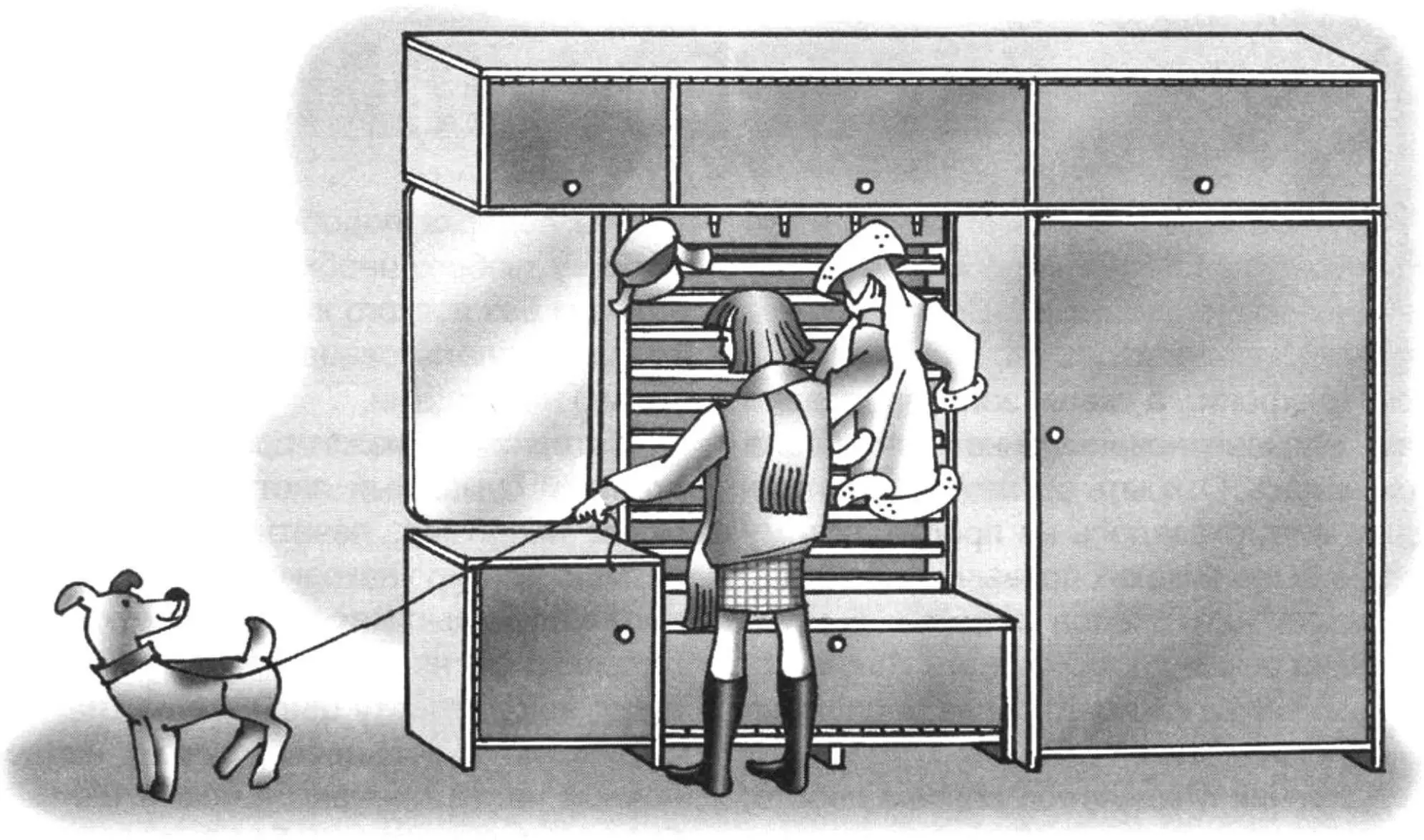
Car tips: garage entry, ramp, small hacks

More and more cars are produced every year. Today behind the wheel you can find people of almost any profession—engineers and doctors, architects and workers, farmers and teachers. How to operate a car properly—when to change oil, how to choose spark plugs, what to do when something goes wrong—can be learned from the relevant manuals Read more…

Burn, fire!

IR flame alarm for fireplace & stove: DIY circuit, build guide

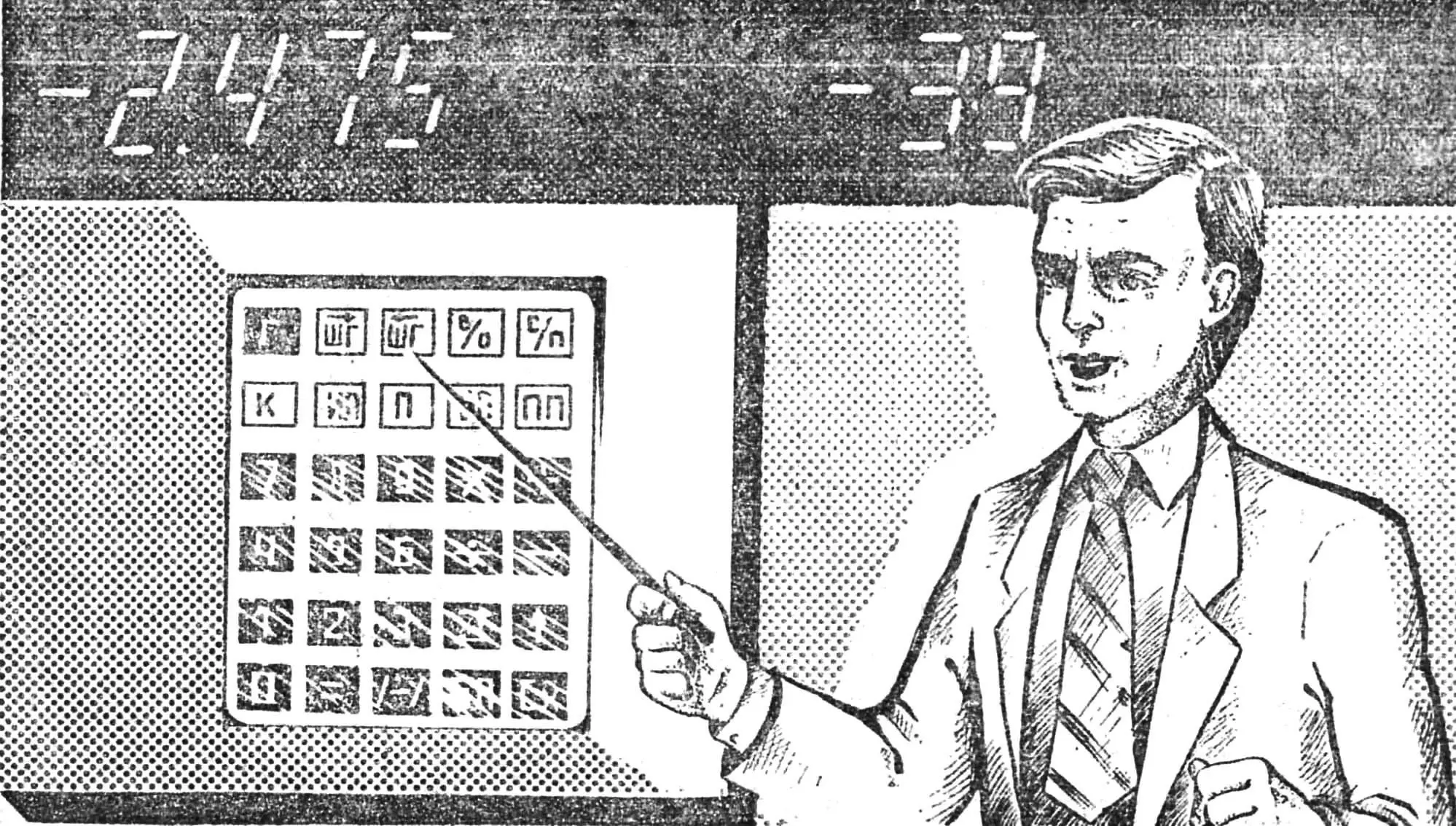
When heating a fireplace or sauna stove at a dacha with wood, the combustion process must be monitored from time to time: adding firewood, increasing draft, etc. The proposed electronic device can replace the “owner’s eye” and remind of this by signalling when the flame in the stove (firebox) diminishes. I experimented a bit and Read more…

Cellar on the balcony: a possible option

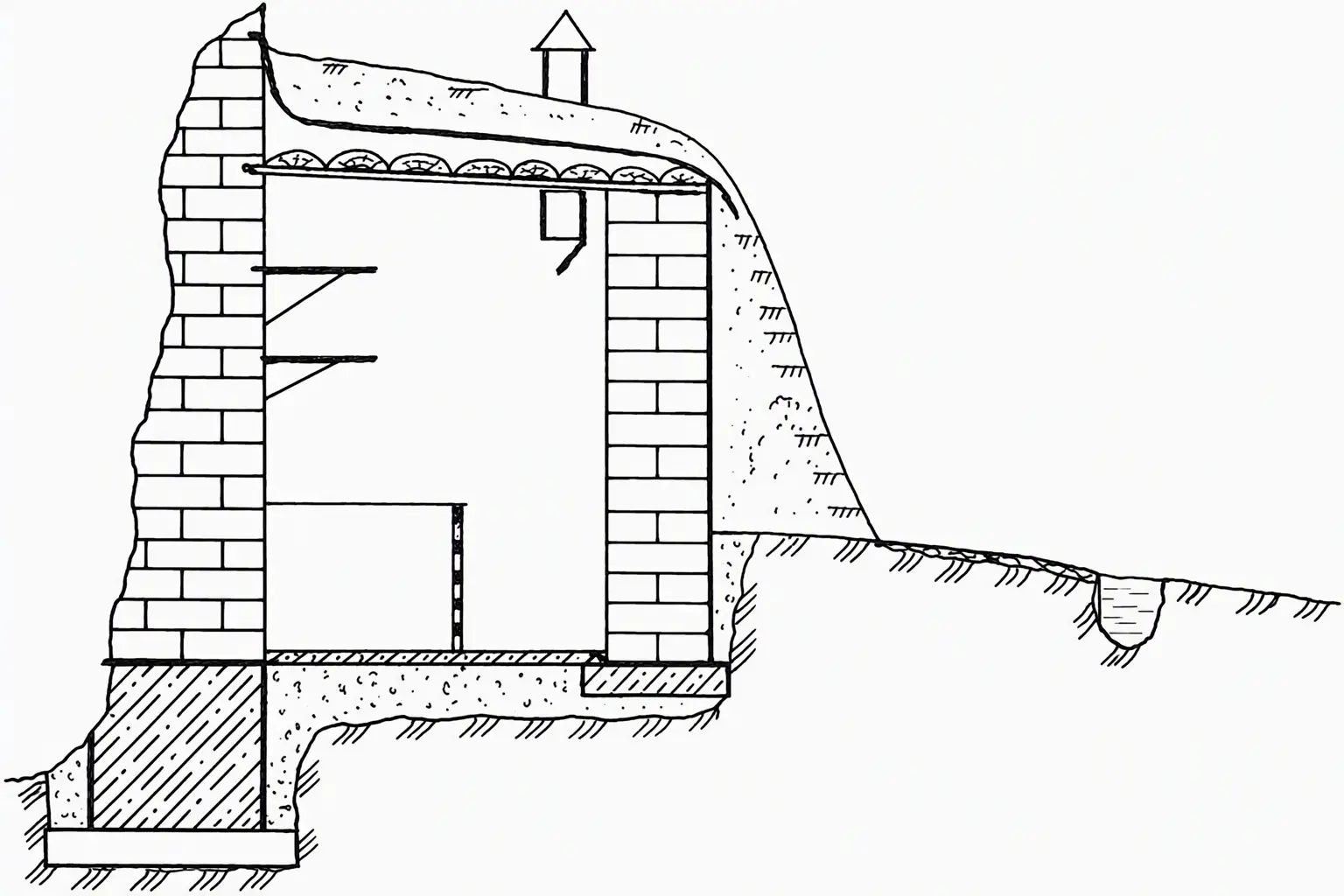
Balcony cellar: DIY vegetable and fruit storage (mini-storage)

Long-term storage of fresh vegetables and fruits is quite a challenge, especially in urban conditions. After carefully studying publications on mini-storage units («M-K» No. 2, 1984, «M-K» No. 8, 9 and 11, 1985), I must note that all these designs have rather complex thermoregulation systems and are made from materials that are rarely available in Read more…

Frost tests the tires

Winter Tire Studs: Bozhko & Zakrevsky DIY Designs

Winter has arrived, and the flow of motor vehicles on the highways of our country has noticeably thinned. The fleet of cars and motorcycles belonging to individual owners is almost completely put away for the winter. There are many reasons for this, but one of the main ones is the mismatch between automotive “footwear” — Read more…

“Economical” bicycle drive

Economical bicycle drive with inertial mechanism — no dead points

Almost all bicycle drive designs share a common drawback that reduces their efficiency. This drawback is the uneconomical expenditure of muscular energy when shifting effort from one leg to the other as the pedals pass through the “dead points” (vertical position of the cranks). Most of the muscular effort at that moment is directed toward Read more…

Kursk kart

Fig. 1. General view (layout drawing of the kart)

The kart design (Fig. 1) has no complex units requiring high qualifications of performers and can be replicated in technical clubs of schools or at young technicians’ stations that have a lathe and gas welding. The kart construction must be carried out in a certain sequence. First, the front and rear axles are manufactured, and Read more…