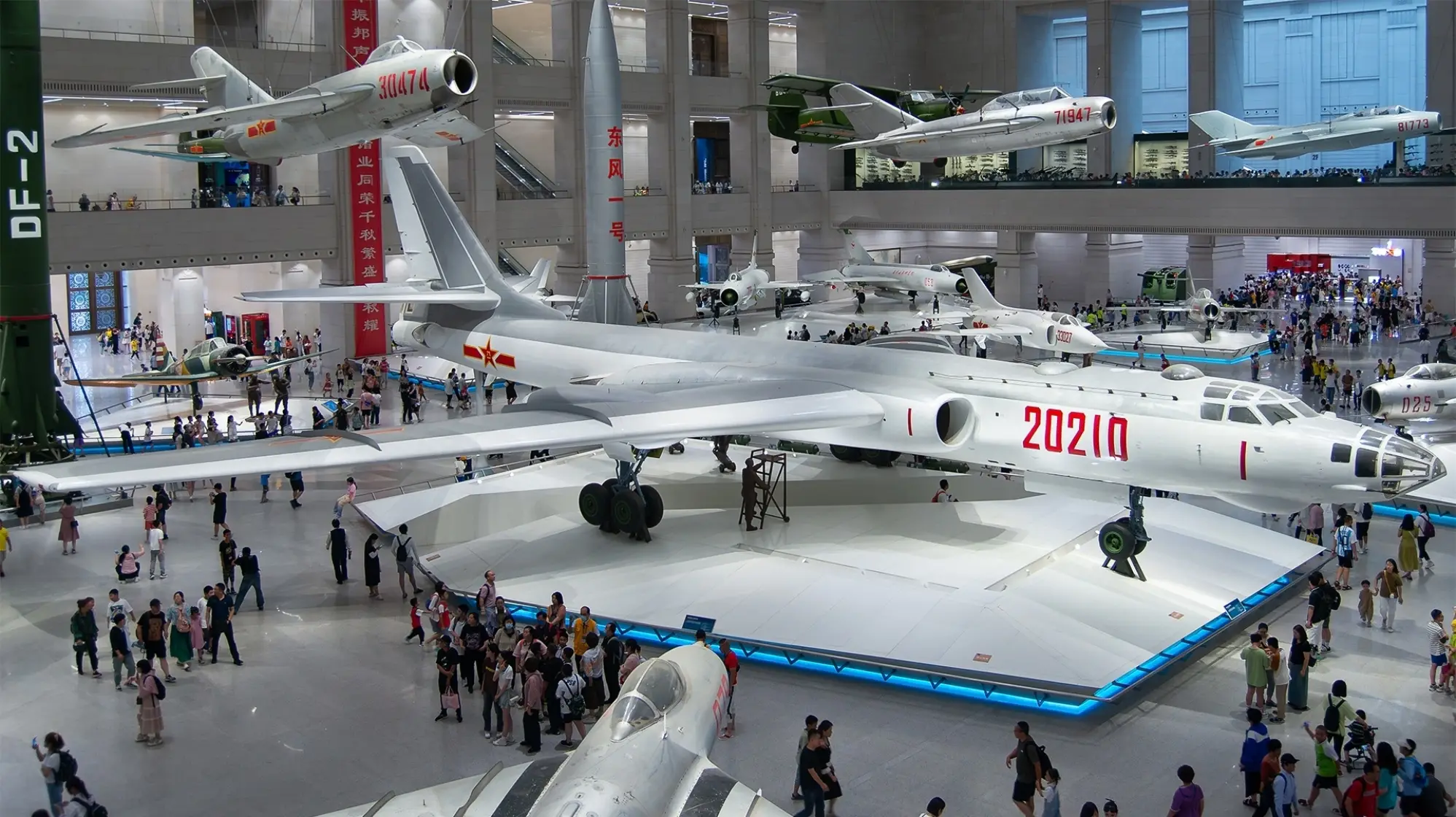
The last Soviet Tu-16 bombers were retired as early as 1993. Some aircraft became museum exhibits. But in China the legendary airplane is still in service. It is constantly modernized and has even been recognized by independent experts as one of the most effective bombers in the conditions of modern warfare.
On 14 September 1954, PRC Vice Chairman Zhu De and Defense Minister Peng Dehuai, together with the leaders of other socialist states, were present at the Totskoye proving ground, where the first (and last) combined-arms exercises with the actual use of nuclear weapons took place. During the exercises, an RDS-3 atomic bomb with a TNT equivalent of ~40 kt was dropped from a Tu-4A carrier aircraft.
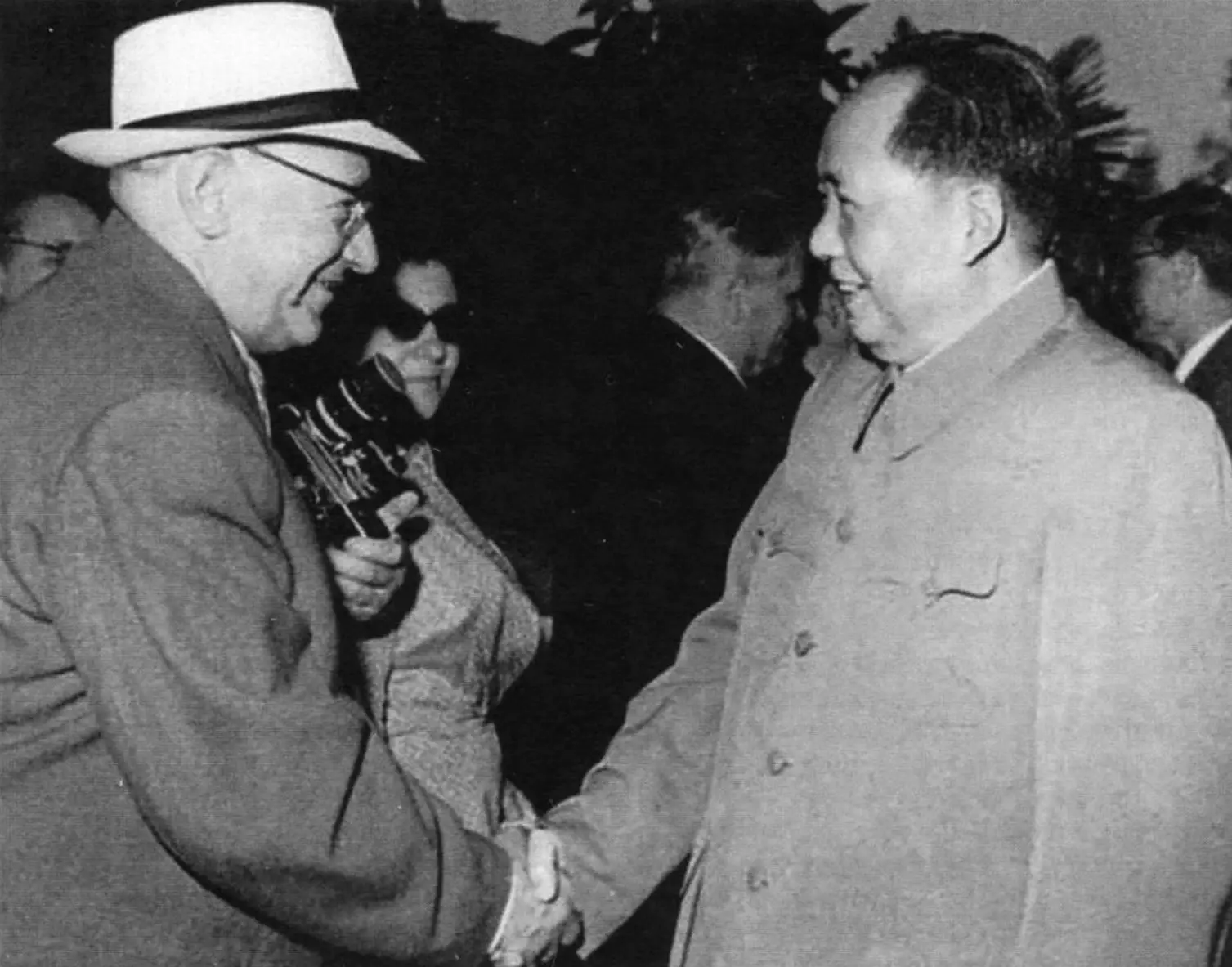
Documents relating to assistance to China with nuclear weapons have not yet been declassified, but the fact that this program was large in scale is beyond doubt, as there is ample evidence in numerous open sources. According to the recollections of CPSU Central Committee member D.T. Shepilov, who visited China in the autumn of 1954, during a confidential meeting between Mao Zedong and N.S. Khrushchev, the Chinese leader addressed the Soviet leader with a direct request to reveal the secret of nuclear weapons and help organize the production of atomic bombs in the PRC. The Soviet politician then declined the Chinese request, joking: “Isn’t it enough that we have the atomic bomb? We cover you as well. If anything happens, we will strike for you.”
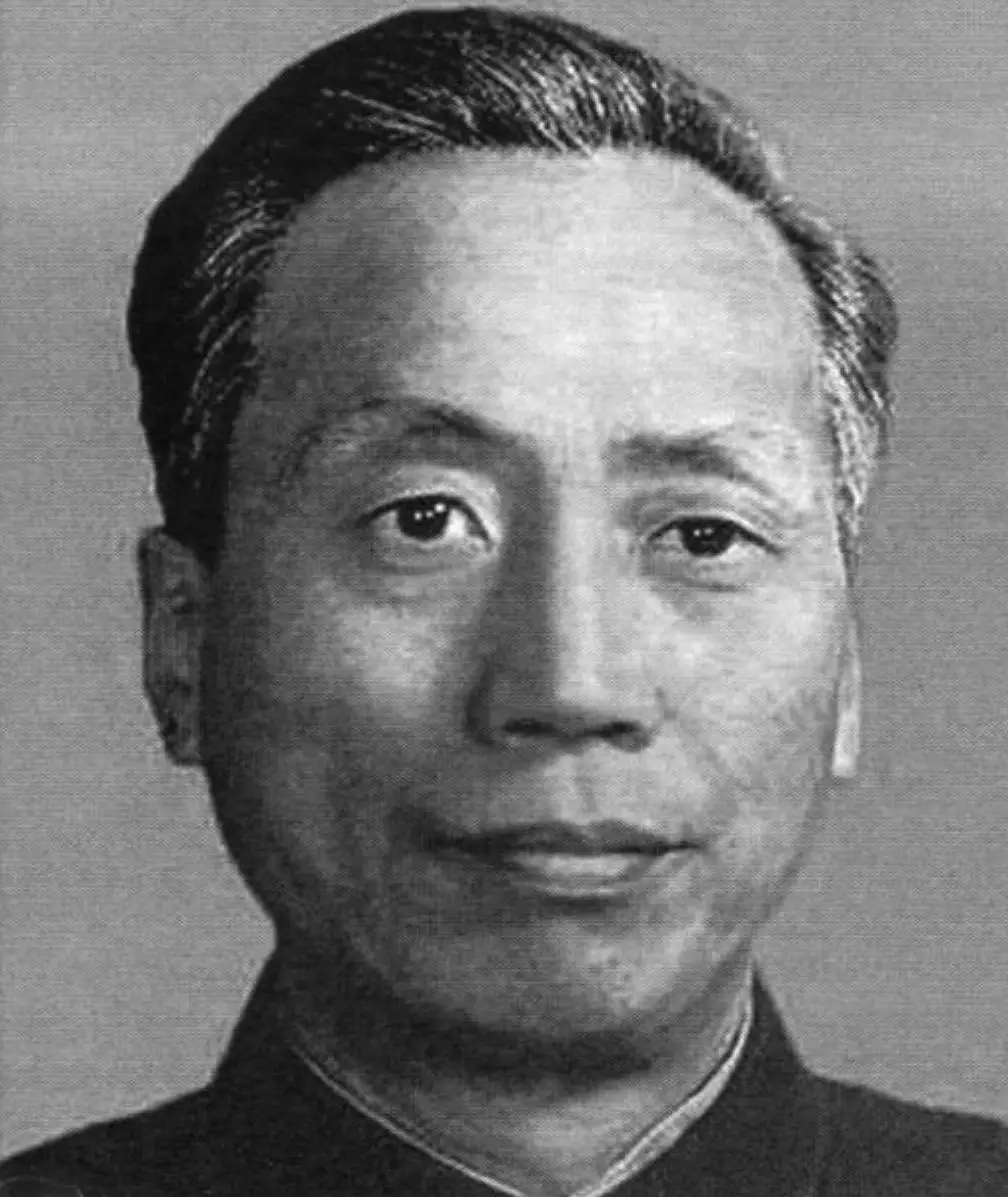
Nevertheless, on 15 January 1955, at the Secretariat of the CPC Central Committee, Mao Zedong announced the strategic decision to create a Chinese atomic bomb. In the first half of the same year, a leadership group for “Project 596” was formed, which included Premier of the State Council and PRC Foreign Minister Zhou Enlai, State Planning Commission Chairman Li Fuchun, and Marshal Nie Rongzhen. Responsibility for the work was assigned to the specially organized Second Ministry of Machine Building.
Zhou Enlai systematically, step by step, sought to expand Soviet assistance. The Chinese persistence paid off: in 1955, N.S. Khrushchev decided to transfer nuclear technologies to the PRC. In total, according to Chinese data, between 1955 and 1958 the USSR and the PRC concluded six agreements on assistance in developing Chinese nuclear science and creating atomic weapons. In the late 1950s, hundreds of Soviet nuclear specialists worked in China, while Chinese personnel studied or trained in the USSR, including at MEPhI and at the Joint Institute for Nuclear Research in Dubna. Of particular importance was the agreement of 15 October 1957, under which the USSR undertook to supply China with a mock-up of an atomic bomb and missiles, as well as the corresponding technical documentation.
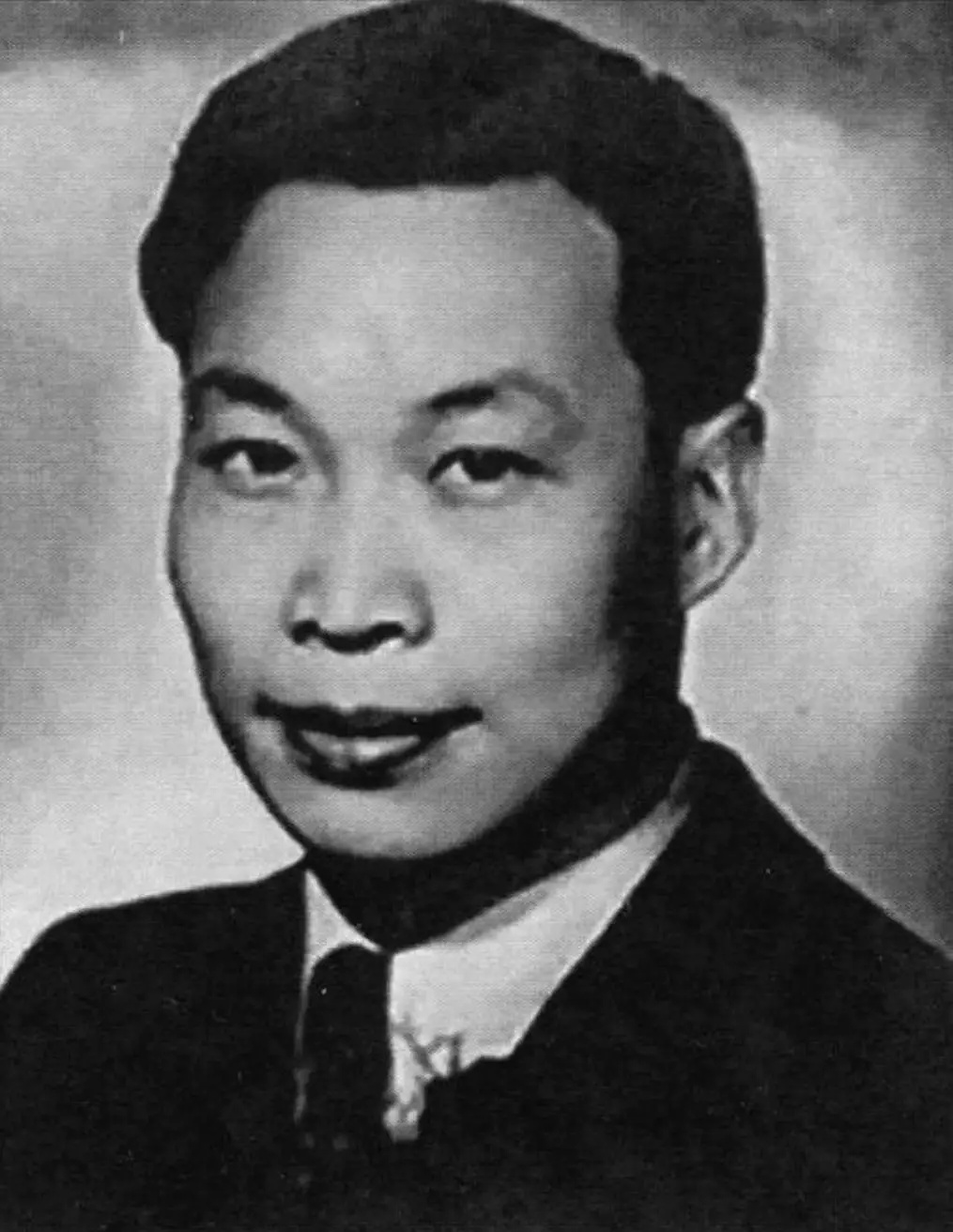
Back in 1950, a nuclear center — the Institute of Modern Physics of the Chinese Academy of Sciences (CAS) — was founded in a suburb of Beijing. In 1958, with the start of work on “Project 596,” following the example of the Soviet I.V. Kurchatov Institute of Atomic Energy, it was reorganized into the CAS Institute of Atomic Energy. At the time the institute was organized, Chinese leaders, playing on the patriotic feelings of their former compatriots, appealed to a number of highly qualified research physicists working abroad in major laboratories with a request to return home. Prominent scientists came to the new China. Among them were Dr. Qian Sanqiang (1913–1992), a staff member of the Curie laboratory and scientific director of France’s Nuclear Research Center, and his namesake Dr. Qian Xuesen (1911–2009), one of the founders of the Jet Propulsion Laboratory in the United States. Today the former is called the “father of the Chinese atomic bomb,” and the latter the “father of Chinese rocketry and astronautics.” They formed the core around which young people who had graduated from Soviet universities gradually gathered.
How exactly the transfer of nuclear secrets to China took place is known from the recollections of RAS Academician E.A. Negin — director of the VNIIEF Nuclear Center from 1978 to 1987 and at the same time chief designer of nuclear charges from 1959 to 1991.
On 18 June 1958, Soviet nuclear weapons developers from Arzamas-16 (the city of Sarov) arrived in Beijing. Sent to China were E.A. Negin (head of the delegation), chief designer of the series plant N.G. Maslov, and theoretical physicist from Ya.B. Zeldovich’s department V.Yu. Gavrilov. The guests were asked four questions: how the Arzamas-16 design bureau was organized, how production cooperation was arranged, how an atomic bomb was built, and, finally, how this weapon was tested at a proving ground.
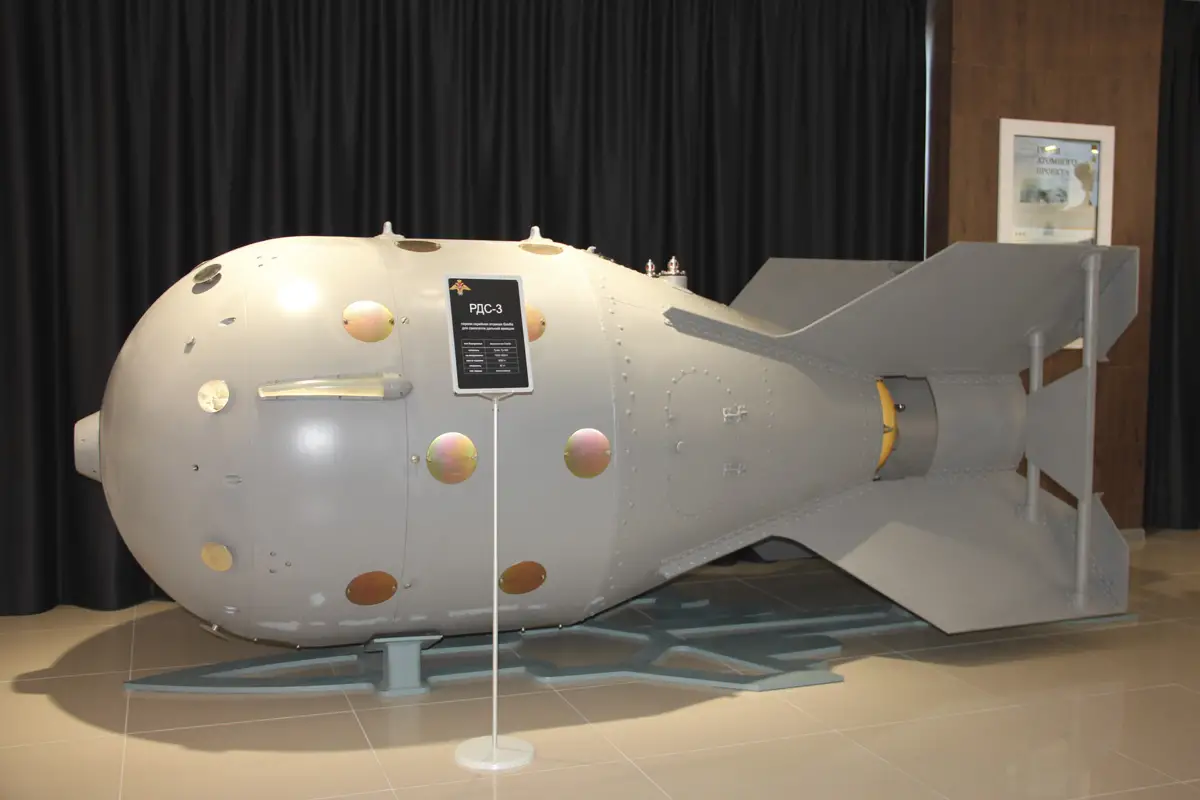
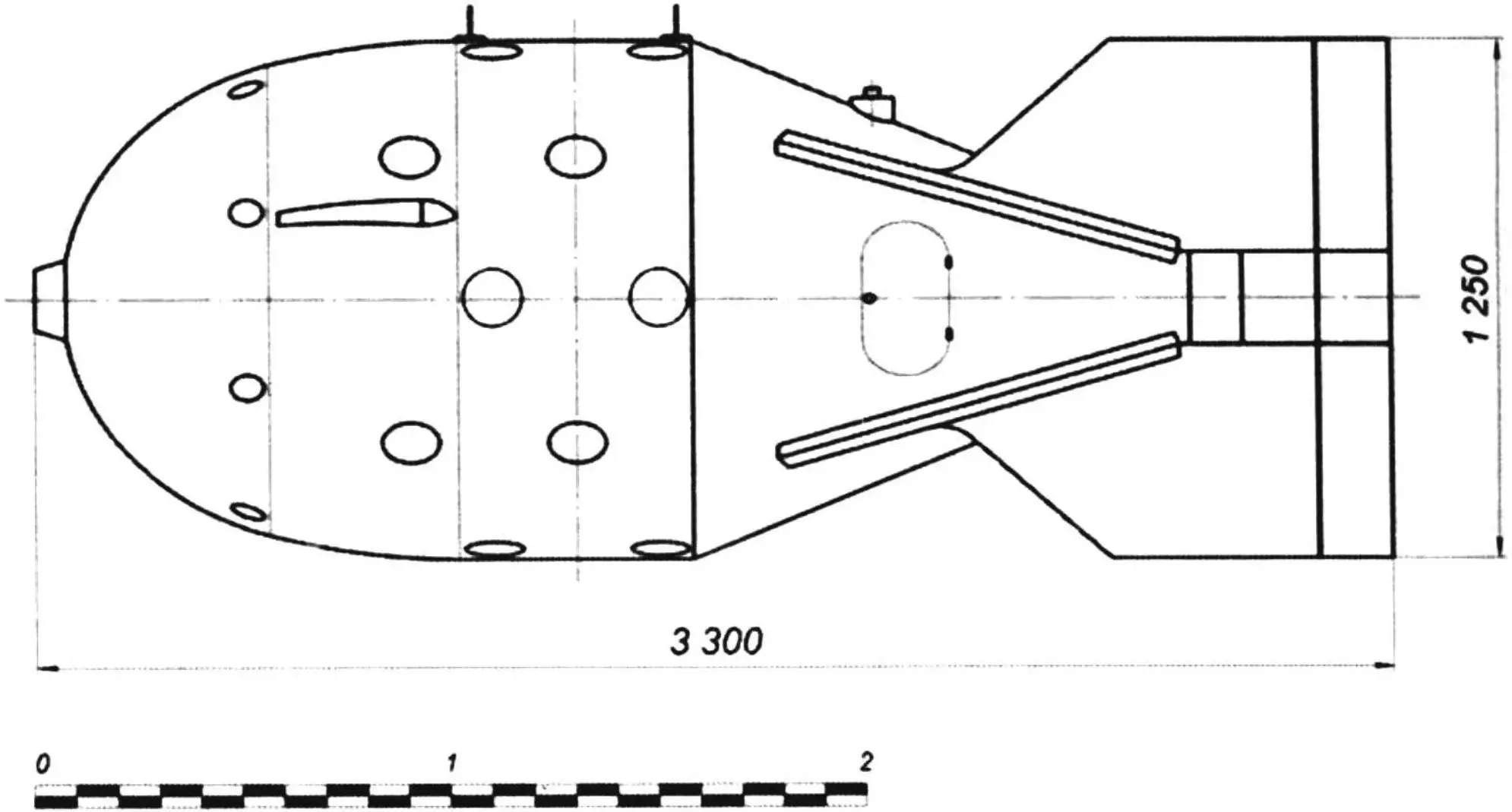
The first bomb detonated in the USSR in 1949 (RDS-1) was already considered obsolete. It was decided to tell the Chinese how the RDS-3, tested in 1951, was built. Secrets of a more modern design were not to be shared.
The design and physical operating principles of the RDS-3 were disclosed fully, but documentation was not transferred. Everything was limited to a diagram drawn on a blackboard. As for questions about how nuclear weapons testing was organized, the Soviet nuclear specialists answered that this was handled by the 12th Main Directorate of the USSR Ministry of Defense. The Chinese comrades took the advice, visited the Semipalatinsk nuclear proving ground, and received a good deal of additional information from the military.
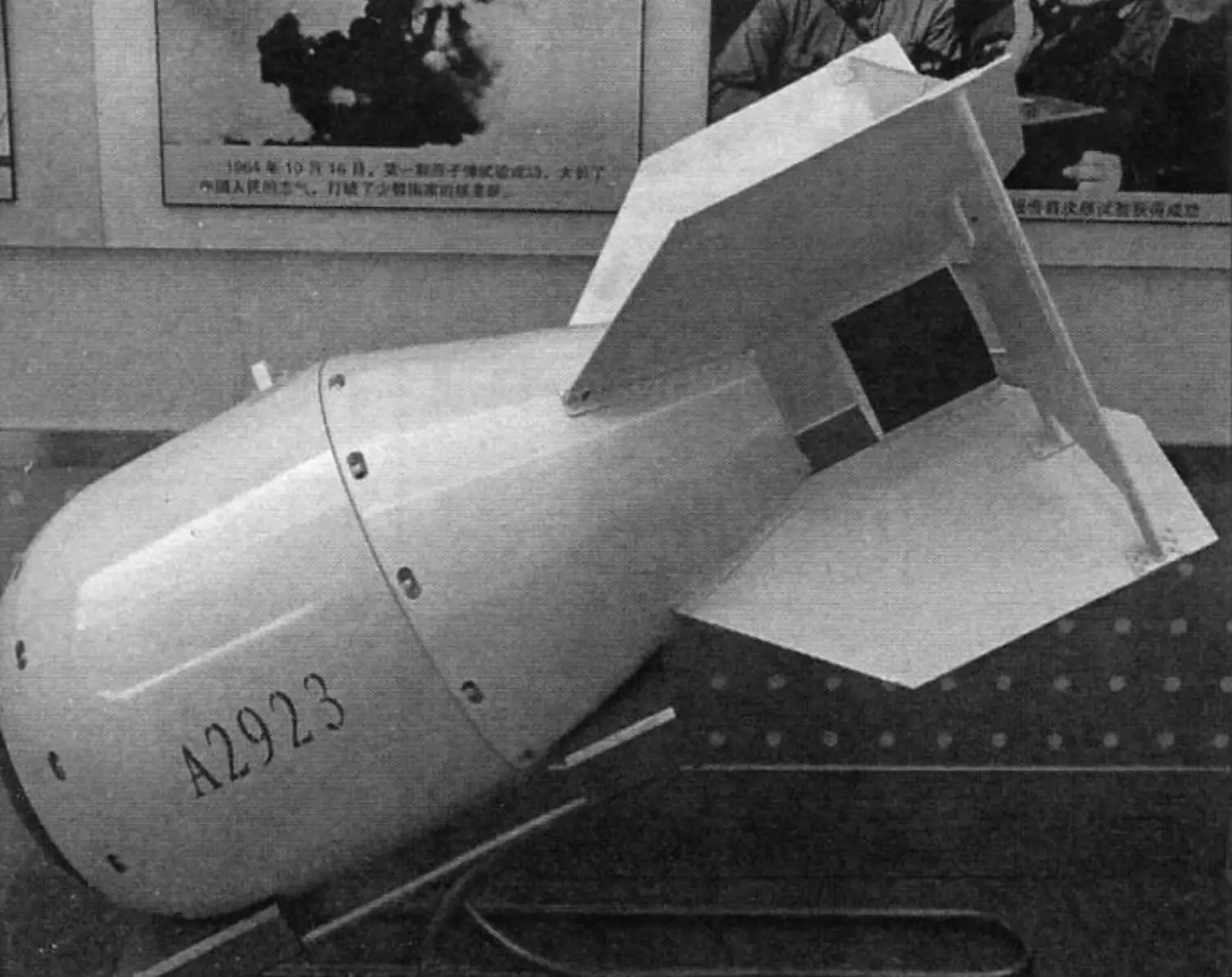
In accordance with the agreement of 15 October 1957, a mock-up of an atomic bomb and a complete set of documentation — not only for the weapon itself, but also for stands, consoles, various equipment, tooling, test fixtures, and so on — were loaded into railroad cars at Arzamas-16. The cars stood for about six months, after which an order came from the CPSU Central Committee to destroy the cargo.
According to the recollections of S.N. Khrushchev, by May 1959, against the background of the quarrel with Mao, he had “finally matured: under no circumstances could atomic secrets be transferred,” and on 20 June 1959 “the agreement providing for their transfer to China was unilaterally annulled by us.” Chinese sources also confirm that the CPC Central Committee received an official letter dated 20 June stating that the atomic bomb mock-up, drawings, and technical information would not be supplied.
On 18 July 1960, the USSR Embassy in Beijing informed the PRC Ministry of Foreign Affairs in a note that all Soviet specialists, including military ones, were being recalled because of “unfriendly actions toward them by the Chinese authorities.”
Mao Zedong’s reaction was swift: “Produce nuclear weapons within eight years.” At once the missile-nuclear program “two bombs (nuclear and thermonuclear) and one satellite” was proclaimed.
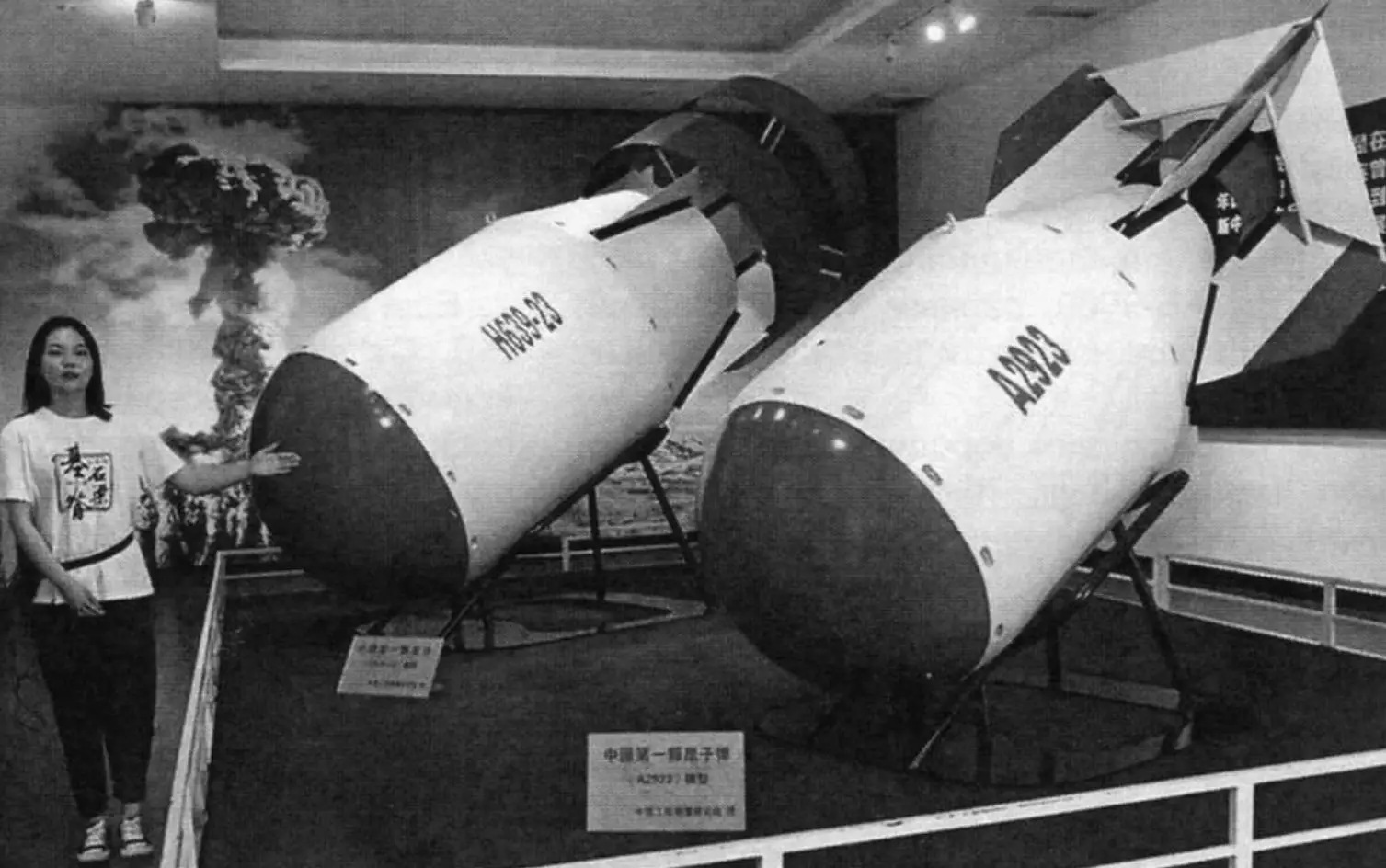
Chairman Mao’s assignment was even exceeded: the first Chinese atomic bomb was tested at the proving ground near Lake Lop Nur on 16 October 1964. This event almost coincided with N.S. Khrushchev’s removal from the post of Soviet state leader. On the day of the test Zhou Enlai smiled and said: “Let this be our farewell salute to Khrushchev.”
Today, mock-ups of the first Chinese atomic bomb are displayed in several PRC museums. Although they are “exhibition” models without detailing, they allow the quite expected conclusion that the Chinese product was an exact copy of the Soviet RDS-3. In turn, an RDS-3 mock-up — the bomb casing with all technological hatches, connectors, and markings — can be seen today on a tour of the Museum of the 12th Main Directorate of the General Staff of the Russian Ministry of Defense in Moscow, which opened in 2022.
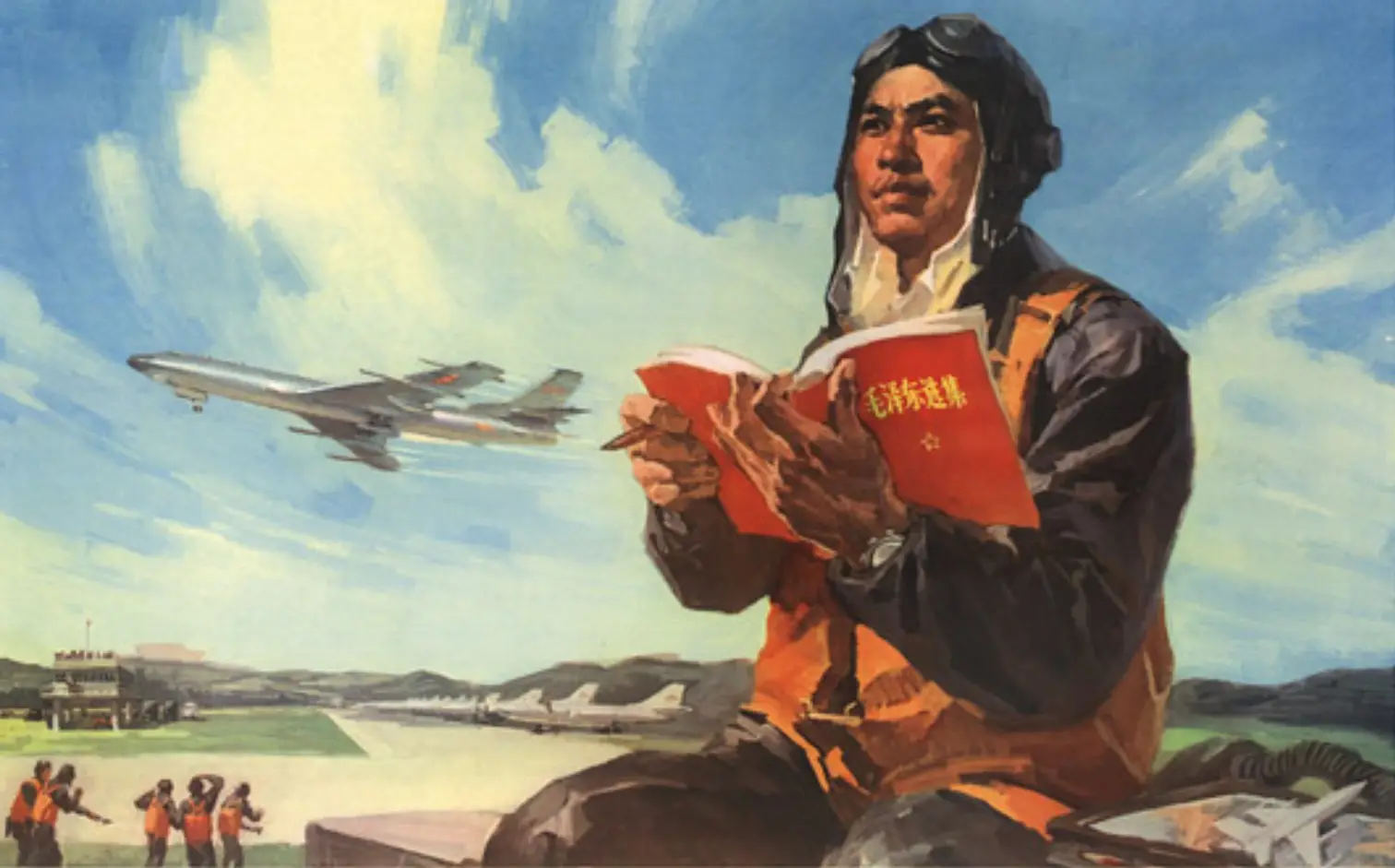
One of the leaders of the Chinese atomic project, Marshal Nie Rongzhen, does not deny in his memoirs that the foundation of China’s nuclear power was laid with the help of the USSR. He also acknowledges that the Soviet Union transferred to China samples of armaments — missiles and aircraft — that could serve as means of delivering nuclear weapons. At that time the most important of them was the long-range bomber and nuclear weapons carrier Tu-16.
Primary source
On 1 May 1954 the first public display of the long-range jet bomber Tu-16 took place, when nine aircraft of the 203rd Heavy Bomber Aviation Regiment flew over Red Square. Foreign observers, proceeding from the common purpose and geometric dimensions, considered it a development of the piston bomber Tu-4 (B-29) with jet engines and a swept wing. The view that the entire family of Tupolev heavy bombers originates from the Boeing B-29 still appears in the foreign press today.
In reality, the evolution of twin-engine jet aircraft that led to the Tu-16 looks somewhat different. From the front-line bomber “81” with a takeoff weight of 20,930 kg and two VK-1 engines of 2,700 kgf thrust each, and the experimental aircraft “82” with a wing sweep of 35°, to the aircraft “88” with a takeoff weight of 72,000 kg and two AM-3 engines of 8,700 kgf thrust each. Thus, only the creation at OKB-300 under A.A. Mikulin of the AM-3 engines — at that time the most powerful turbojets in the world — allowed OKB-156 under A.N. Tupolev to build a twin-engine long-range bomber and nuclear weapons carrier of the same size class as the piston Tu-4.
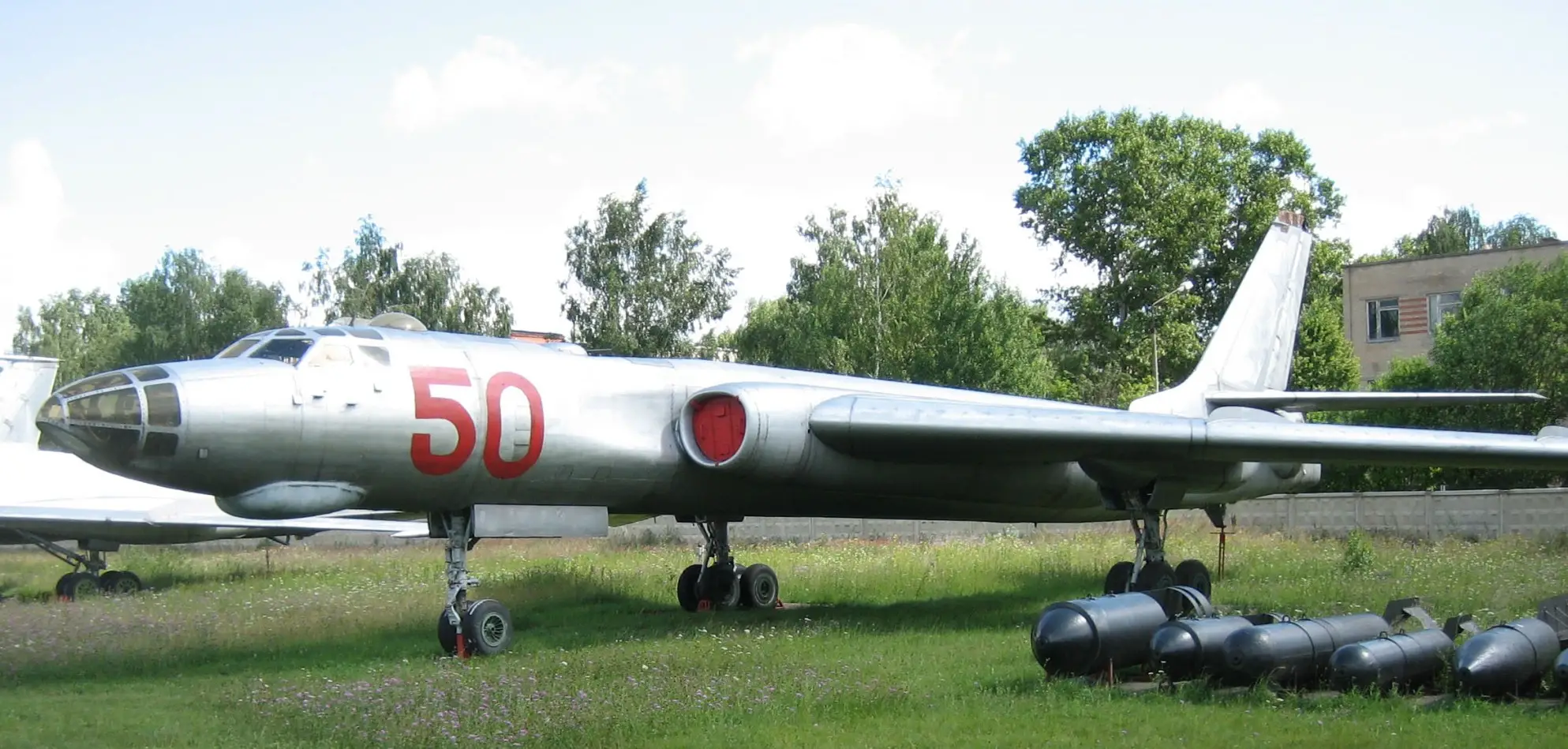
Preliminary studies to find the optimal layout of the “88” aircraft were carried out in the projects brigade of OKB-156 under B.M. Kondorsky. Then the technical projects department of S.M. Yeger and all other OKB divisions joined the work. The entire Tu-16 program, from the very first experimental machine to the last production and experimental variants — and there were about 50 of them — was continuously headed by chief designer D.S. Markov.
According to the preliminary design, OKB-156 guaranteed the following main flight data for the “88” aircraft with two AM-3 engines: a range of about 6,000 km; a maximum speed close to 1,000 km/h; a service ceiling of about 14,000 m with a normal bomb load of 5,000 kg (an RDS-1-type atomic bomb) and a maximum of 9,000 kg (the heaviest Soviet bomb, FAB-9000).
The main feature of the “88” model, which received the series designation Tu-16 — besides the already proven two-spar wing with a chord-line sweep of 35° from the “82” aircraft — was the layout. The engines were pressed as close as possible to the bomb bay, whose width was determined by the diameter of the RDS-1 and FAB-9000 bombs, equal to 1.5 m. This central-section scheme has two significant advantages:
– from an aerodynamic standpoint, the aircraft had a minimal midsection area. The distribution of cross-sectional areas along the length of the aircraft corresponded to the area rule discovered later, which provided high aerodynamic efficiency. This made it possible, after installing modernized RD-3M turbojets with 9,500 kgf thrust, to achieve a maximum speed of 1,040 km/h (0.92M) during testing;
– the load-bearing elements of the bomb bay, center wing section, and engine nacelles formed a very rigid spatial structure. This ensured high resistance of the airframe to fatigue loads and, accordingly, its durability. The strong and rigid wing structure — unlike that of the American B-47 bomber — allowed later Chinese Tu-16 modifications to carry up to 12 tons of various missile armament under the wing on six pylons.
But this layout also has a drawback: the engine nacelles are tied into the load-bearing structure of the fuselage and wing, which makes it difficult to replace the AM-3 engines with more powerful ones. The Chinese line of Tu-16 development showed that this problem is solvable.
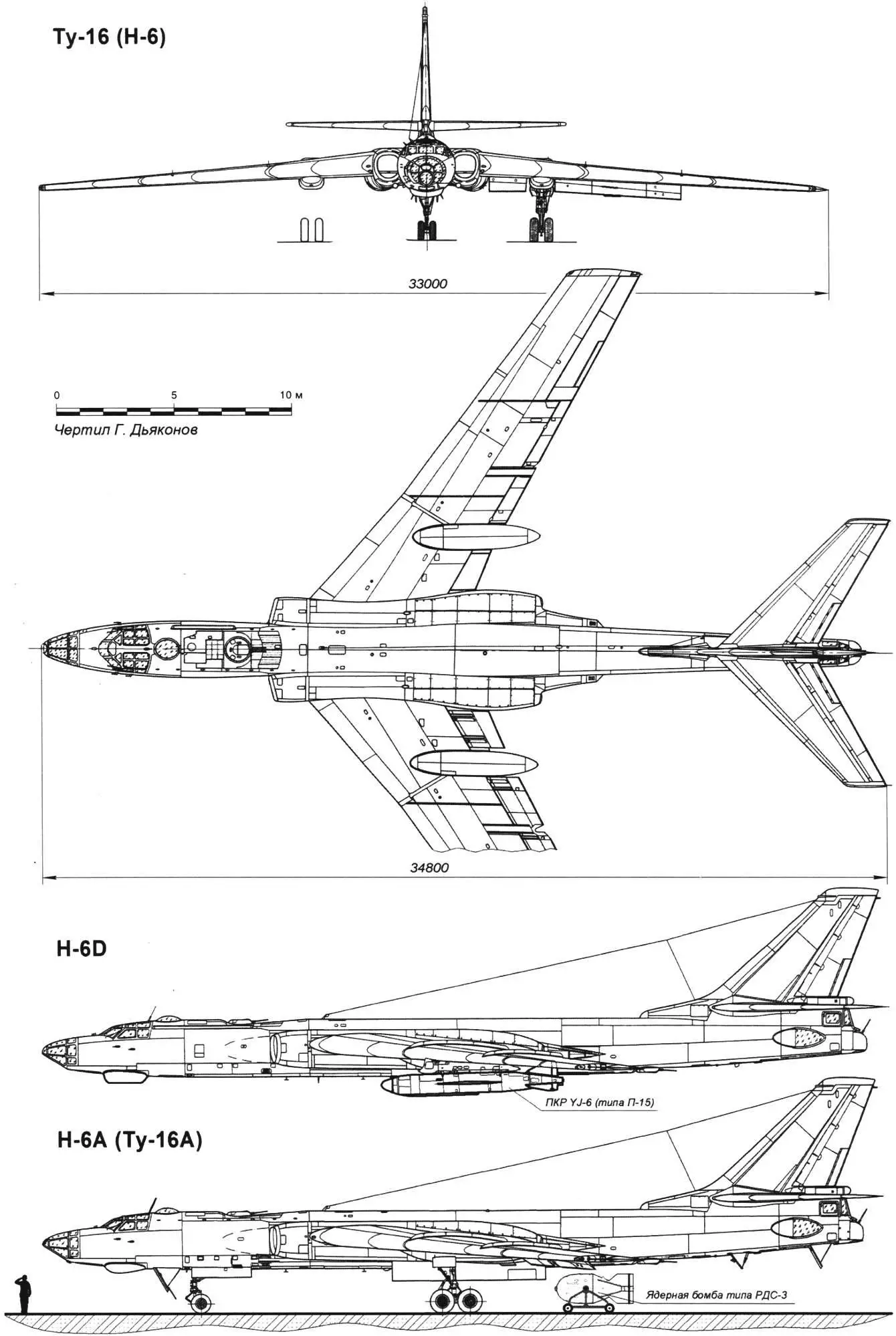
Another feature of the Tu-16 is fully manual control without hydraulic boosters, adopted to increase reliability.
The aircraft’s crew of six was accommodated in two pressurized cabins with ejection capability (the pilots upward, the remaining crew members downward).
Defensive armament included three (upper, lower, and tail) remotely controlled twin mounts of the then newest AM-23 guns. Another such gun was fixed to the left of the pilots’ cabin. Radar gunsight “Argon” was used for firing. The Tu-16’s powerful gun armament had already become an anachronism by the end of the 1950s, but it was a good reserve of mass and free fuselage volume for modernizing the aircraft.
At the end of April 1952, the experimental aircraft “88/1” made its first flight. Factory tests ended on 29 October 1952. On 13 November 1952 the machine was transferred for state trials, which were successfully completed on 1 April 1953.
Even before the test results were received, I.V. Stalin decided to put the “aircraft 88” into series production instead of the planned production of the piston intercontinental bomber “85” (see “M-K” issues 8–9 for 2025). On 28 May 1954, the “88” aircraft was adopted by the Soviet Air Force under the designation Tu-16. In 1955 the Tu-16A entered service as a nuclear weapons carrier.
At that time the Tu-16A could carry all first-generation atomic bombs: the strategic RDS-3 with a TNT equivalent of 42 kt, the tactical RDS-4 (28 kt), and the first thermonuclear RDS-6 (400 kt). It differed from the ordinary Tu-16 only in a heated bomb bay and special equipment.
From 8 to 30 October 1954, four tests with a nuclear bomb drop from a Tu-16A were conducted at the Semipalatinsk proving ground. On 6 November 1955 the first aerial test of the RDS-27 thermonuclear bomb of 250 kt yield was carried out, and on 22 November 1955 — the test of the two-stage thermonuclear bomb RDS-37 of 1.6 Mt yield. Tu-16A aircraft became the USSR’s main carrier aircraft, accounting for more than 80% of aerial nuclear tests.
Series production of Tu-16 bombers began in 1953. Aircraft of various modifications were built by three series aircraft plants: Kazan No. 22 (lead plant), Kuibyshev No. 1, and Voronezh No. 64. Mass production continued until the end of 1963 and, as subsequent events showed, was stopped clearly prematurely. In total, over 10 years 1,509 machines were built, including 453 Tu-16A nuclear weapons carriers.
In the course of production the USSR created more than 50 Tu-16 variants of various purposes, including cruise-missile carriers. In the 1960s–1970s, with the development of missile-nuclear weapons, Tu-16-type aircraft largely lost their role as a nuclear deterrent against a potential adversary, but at the same time became the main striking force of the Soviet Navy’s maritime missile-carrying aviation.
Localization of the Tu-16 in China
The Tu-16 bomber, as the main nuclear weapons carrier aircraft, was part of the “package” of atomic technologies transferred by the Soviet Union to China. In 1957 Marshal Nie Rongzhen arrived in Moscow for talks on their transfer. According to Chinese sources, even then the Soviet side warned that the Tu-16 was obsolete, while its successor, the supersonic “aircraft 105” (the future Tu-22), was still only under development. The Chinese, however, assumed that by mastering the technology of the “obsolete” Tu-16 they themselves would be able to create a more modern bomber and, on its basis, build a jet passenger aircraft similar to the Tu-104. At that time neither in the USSR nor in China could anyone imagine that Tu-16 modifications would remain the foundation of Chinese long-range aviation for at least another 70 years!
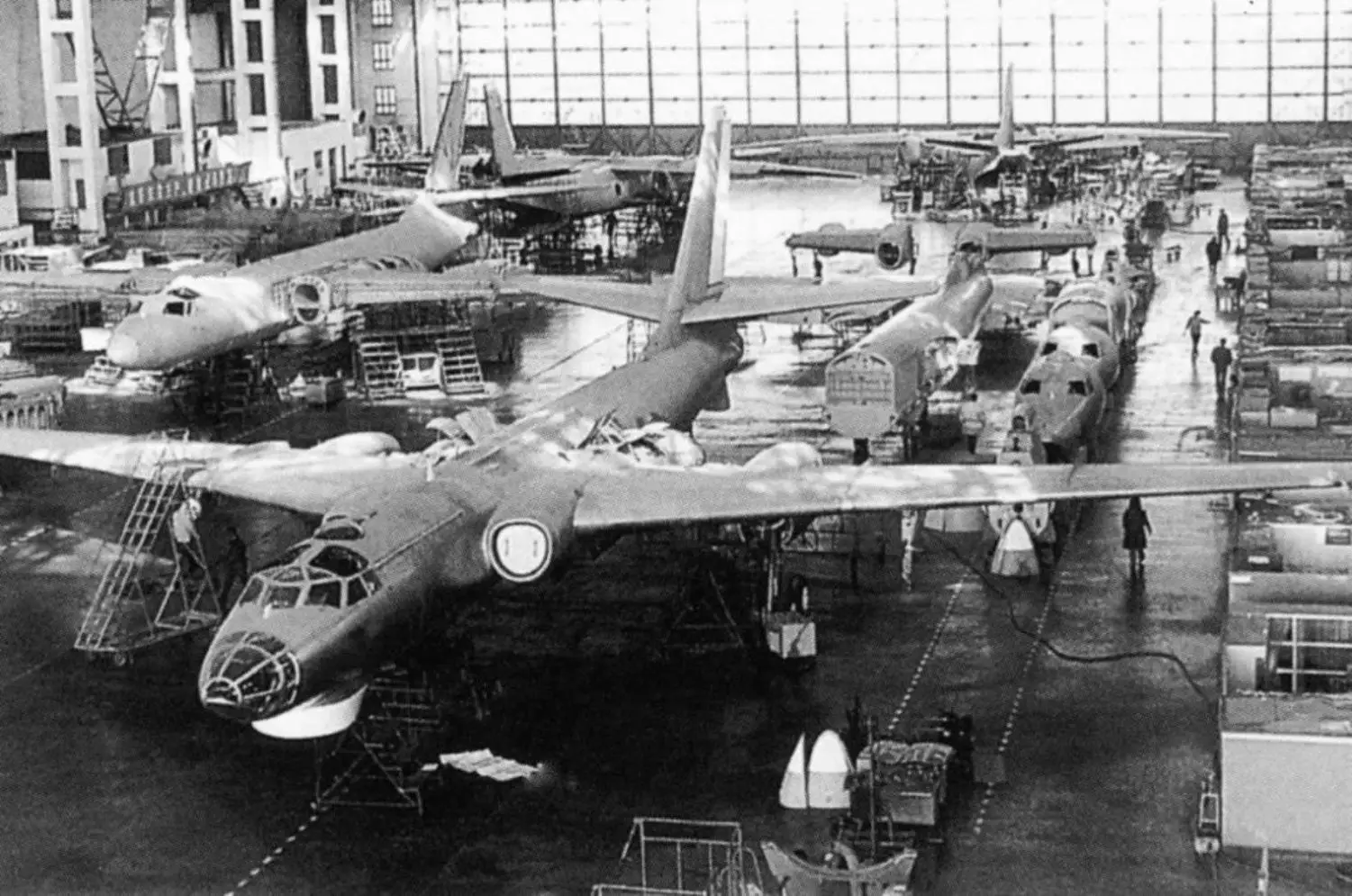
In September 1957 a Soviet–Chinese agreement was signed on assistance in organizing Tu-16 production on Chinese soil. The PRC received a full package of technical documentation, two series bombers, a kit for “screwdriver” assembly, and a set of equipment for full-cycle production. In May 1959 all of this was shipped from Plant No. 22 in Kazan to Aircraft Plant No. 122 in Harbin. This enterprise was founded in 1938 by the Japanese as one of the branches of Manshu Koku Hikoki and in 1952 was restored and modernized with Soviet help. Soviet specialists worked there until September 1960.
In May 1959 a large group of Chinese engineers, including the young deputy chief designer of Plant No. 122 Ma Fengshan (1929–1990), arrived at the series plant in Kazan to study Tu-16 production. Lectures for the Chinese specialists were given by representatives of the plant, A.N. Tupolev’s OKB-156, and TsAGI. Taking notes was not recommended, because all materials were promised to be sent to China after the assignment ended. Nevertheless, Ma Fengshan, who had previously spent a year studying Russian, carefully recorded everything he heard in a thick notebook, including the results of aerodynamic tunnel tests and static and flight tests of the Tu-16 and Tu-104.
The promised materials never arrived in China under the pretext that they belonged not to the series plant but to OKB-156 and TsAGI. Ma Fengshan’s notebook became the Chinese specialists’ only source of information on Tu-16 calculations and tests. In September 1959 Ma Fengshan was appointed chief designer of the Chinese Tu-16.
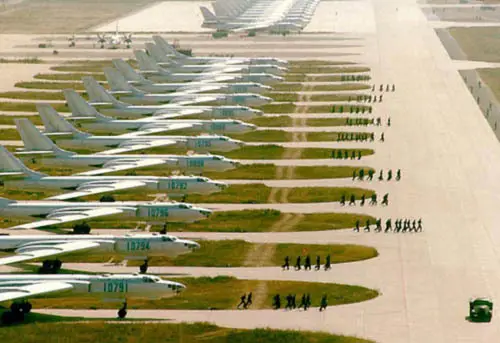
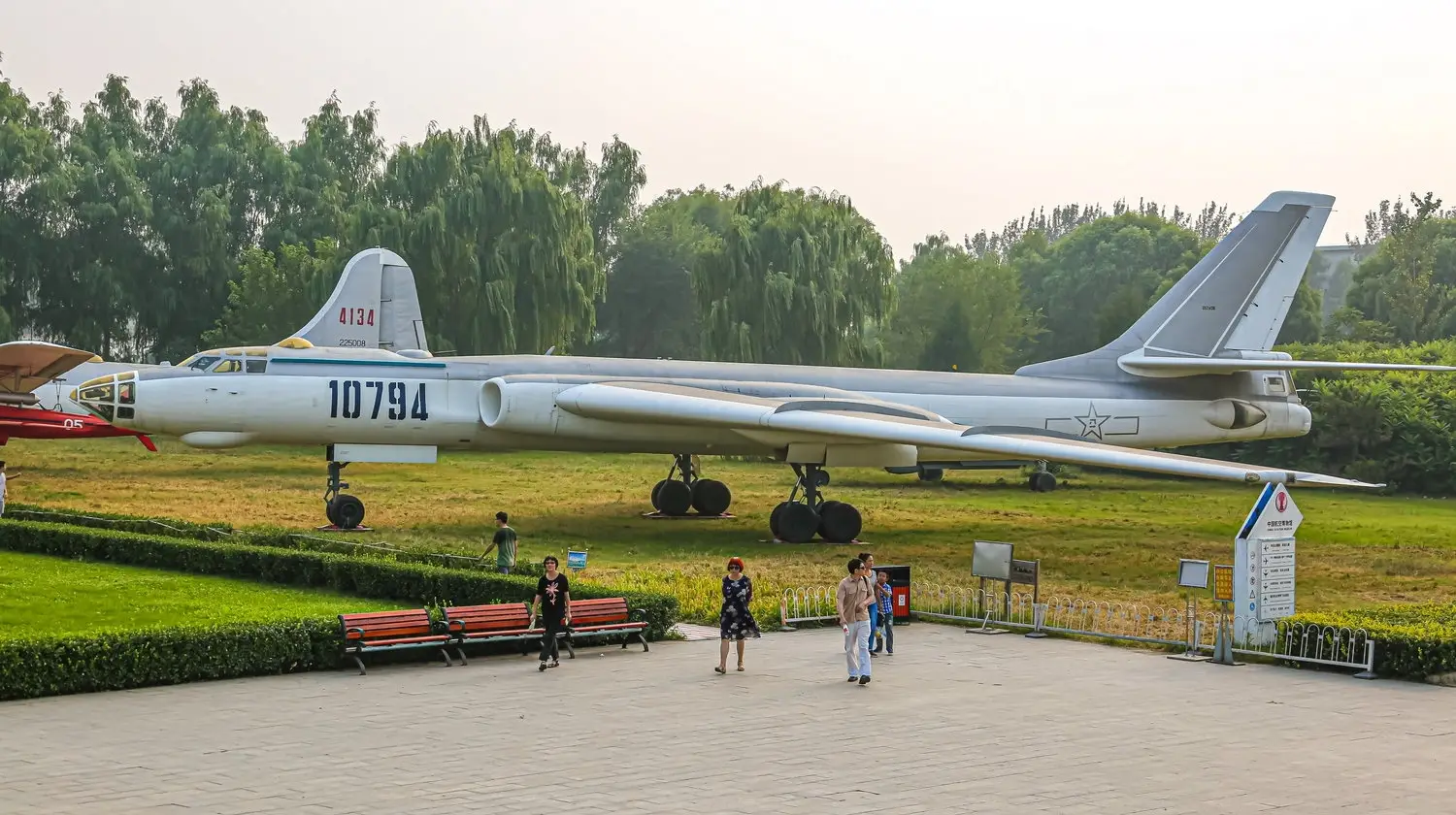
The first machine built in Harbin from Soviet components took to the air at the end of September 1959 and in December of the same year was transferred to the Chinese Air Force. In the PRC the aircraft received the designation H-6 (Hongzhaji-6), pronounced “Hong Zha Ji” (bomber). Series production of the H-6 was decided to be organized at the large Aircraft Plant No. 172 then under construction in Xi’an, where Ma Fengshan was also transferred.
Mastering series production of the bomber dragged on until March 1964.
In Xi’an a bomber assembled in Harbin from Soviet units was converted into a carrier of the Chinese nuclear bomb, the H-6A. On 14 May 1965 a successful test of the second Chinese atomic bomb with a TNT equivalent of about 40 kt was conducted from this aircraft (the first, as in the USSR, had been detonated on a tower). Crew commander Li Yuan and navigator Yu Fuhai received the PRC’s highest awards.
Just a year later, on 9 May 1966, the first Chinese bomb with Sakharov “layer cake” thermonuclear boosting of 200–300 kt yield was dropped from an H-6A. And another year later, on 17 June 1967 — the first Chinese two-stage thermonuclear bomb with a TNT equivalent of 3 Mt. Such a short development period for thermonuclear charges cannot help but raise suspicion that here, too, Soviet assistance in 1958–59 played a role.
In production the H-6 proved to be a complex aircraft. Especially difficult was mastering (or, as the Chinese say, “imitating”) the RD-3M-500 engine, which received the designation WP-8. For example, in manufacturing a turbine disk the USSR used a hydraulic press with a force of 10,000 tf. In China, however, turbine disks and blades were made by machining. As a result, each engine consumed 15 tons of heat-resistant alloys and 9.5 tons of nonferrous metals. At first some materials had to be imported through various “gray” schemes.
The thrust of the WP-8 was 300 kgf lower than that of the original RD-3M-500 (9,200 kgf instead of 9,500 kgf). The service life of Chinese engines was also substantially lower and was brought up to 800 hours only by 1983. Nevertheless, China is very proud that it became the fourth country in the world (after the USSR, the USA, and the United Kingdom) capable of producing high-thrust jet engines.
The first H-6 bomber fully built in Xi’an from Chinese components, flown by Li Yuan and Xu Wenhong, took to the air on 24 December 1968 — on the eve of Chairman Mao’s birthday. In total, by the end of 1986 about 120 H-6 aircraft of various modifications had been manufactured in China.
Interestingly, the West apparently did not even suspect that the PLA had such a powerful aircraft as the Tu-16 until 1971, when it was photographed by an American reconnaissance satellite. In the 1980s the H-6D, like the Soviet Tu-16 earlier, changed from a primary nuclear-bomb carrier into a missile carrier armed with the first Chinese heavy air-to-surface missiles YJ-6.
Flight performance of the long-range bomber Tu-16A (H-6A)
| Year of first flight | 1952 (1968) |
| Crew, persons | 6 |
| Powerplant | 2×RD-3M-500 (WP-8) turbojets |
| Engine thrust, kgf | 2×9500 (9200) |
| Wingspan, m | 33.0 |
| Length, m | 34.8 |
| Height, m | 10.36 |
| Wing area, m² | 165.0 |
| Empty weight, kg | 37,200 |
| Normal takeoff weight, kg | 72,000 |
| Maximum takeoff weight, kg | 79,000 |
| Weight efficiency | 0.48 |
| Wing loading, kg/m² | 436 |
| Thrust-to-weight ratio | 0.26 |
| Maximum speed, km/h | 910 (h=6000 m) |
| Cruise speed, km/h | 850 (0.75M) |
| Service ceiling, m | 13,100 |
| Range, km | 6000 |
| Combat radius, km | 3150 |
| Combat load, kg | 9000 |
| Defensive armament | 7×AM-23 guns |
(To be continued…)
Grigory DYAKONOV, Ph.D. (Engineering), MAI Illustrations provided by the author
Recommend to read
 SMALL INCUBATOR
An incubator for breeding chickens at home can quickly to make, having a thermostat with indicator light on and the cord with plug (eg, burnt-out iron), a couple of 300 Ohm tubular... ELECTRONIC EAR
Check slabovidimym acoustic signals is of great practical importance. This: fault diagnosis of internal combustion engines; search for places of leakage of gas from the damaged pipeline...
