 Compact car FIAT 500 Nuova. The reconstruction of post-war Italy was slow and difficult, Even the car manufacturers the leader of the Italian industry FIAT for a long time have not offered to buyers of new machines, releasing a small series only of the pre-war models and they did not find any significant demand among indigent populations with the Exceptions of the baby FIAT-500 Topolino, created in the prewar years, the designer of Dante Diakonoi, but this once is the most popular in Italy, car with each post-war year sold worse — affected by the obsolescence of the design of the sample 1936.
THE SECOND BIRTH OF THE “FIVE HUNDREDTH”


 The domestic auto industry came to the choice of the prototype for the production of small-car very responsibly — was based on FIAT600 miniature, won in Europe, indeed wildly popular. The design of the new “vehicle” was entrusted to design Bureau of the Moscow plant of small cars — MZMA. Within a year, was created prototypes of the machine, which received the name of the factory “Moskvich-444”. The car is initially equipped with two-cylinder motorcycle engine MD-65 capacity of 17.5 HP, but tests showed that it is rather weak for such a vehicle. Instead, he designed a four-cylinder V-shaped 23-horsepower air-cooled engine.
 The Renault Logan sedan of the company “Avtoframos”. If in your childhood you received a gift of a real soccer ball or, say, skibord, you will probably understand my feelings when I suddenly found myself the owner of a Renault Logan—car French origin, and in the Moscow production.
 Fights over Zaragoza and Wescoe. With the aim of weakening the Franco offensive on the Northern front, the Republican command has taken a series of diversionary strikes in the region of Zaragoza and Huesca.
 On 12 February 1960 on the information channels of the entire world was spread the message of the correspondent of the Agency “United Press international”, which referred to the statement of the head of the Department of research and development at the headquarters of the U.S. army of Lieutenant General A. Trudeau, 29 January for the first time a ballistic missile destroyed in the air with another rocket In the message also stated, used as a target unguided ballistic missile “Onest John” was intercepted and destroyed anti-aircraft missile MIM-23A complex “hawk” during the test on the range white Sands In confirmation of this message in the Ministry of defense was shown a film taken in the test process However, with all technical military significance of this achievement of this quality complex “hawk” missiles and MIM-23A were never in demand in their future fighting career.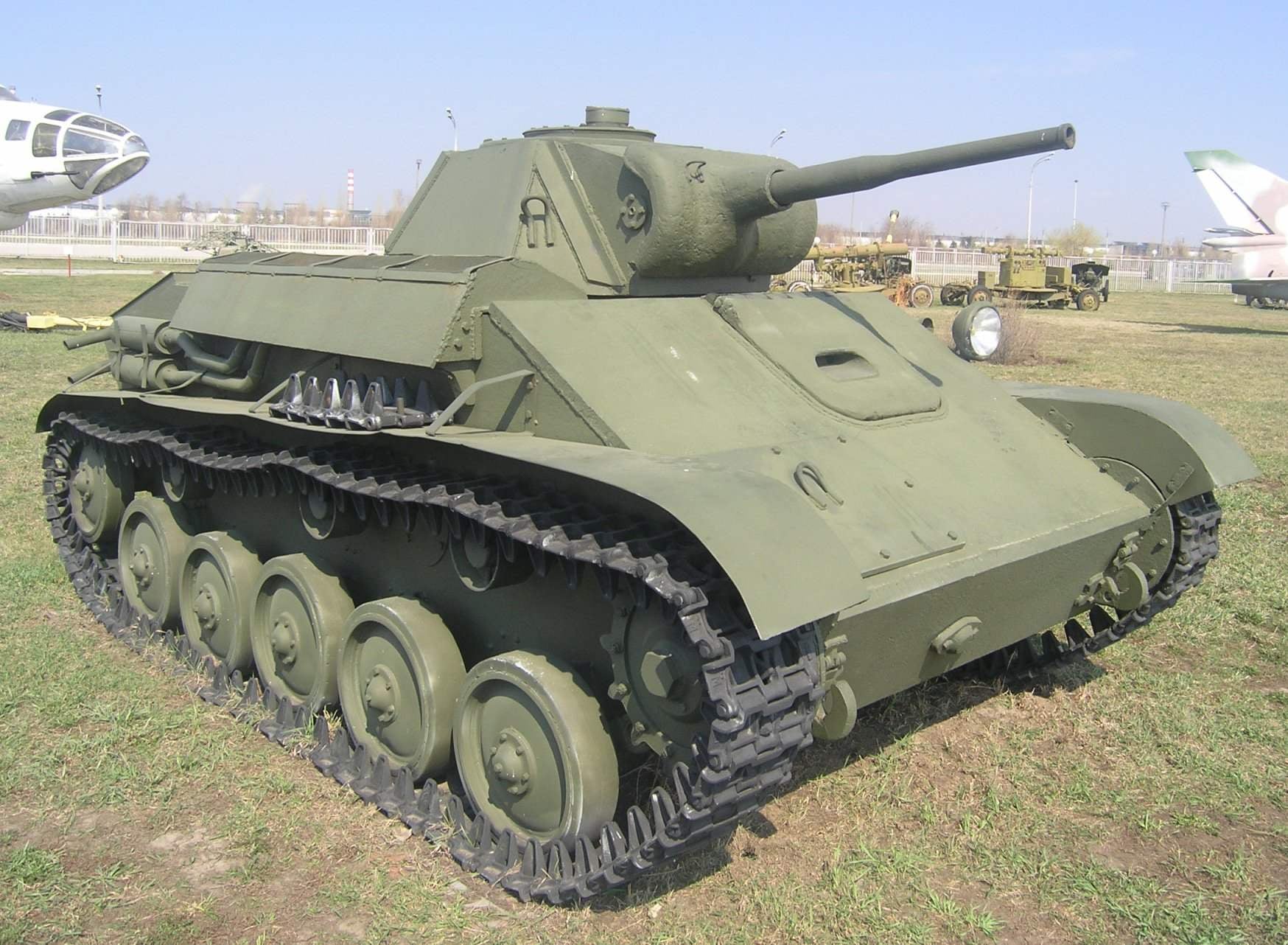
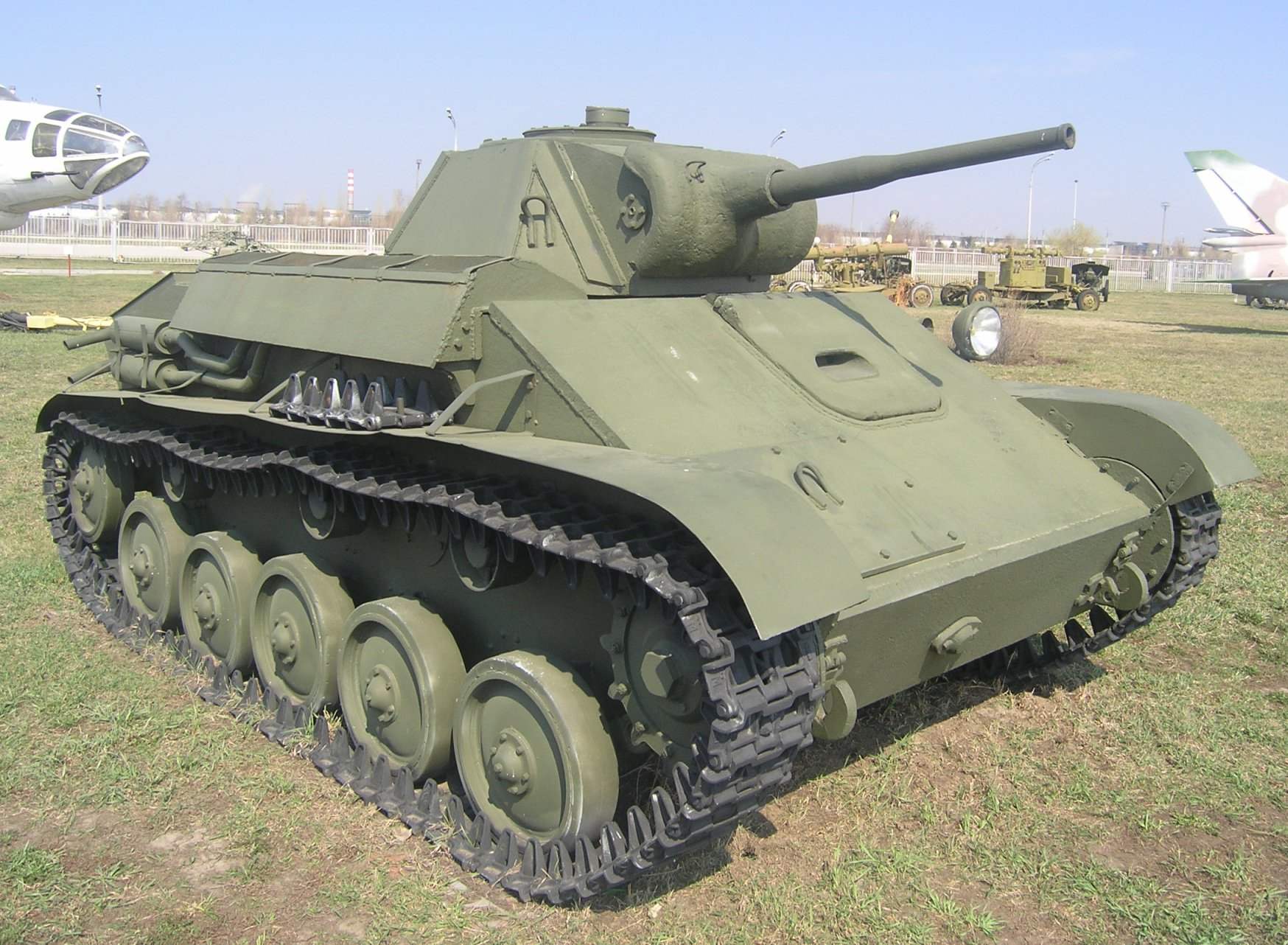 In October 1941, it became clear that the new light tank T-60, serial production of which began earlier this month, almost useless on the battlefield, His armor freely fought all anti-tank weapons of the Wehrmacht, and his own arms were too weak to fight with tanks of the enemy. To strengthen the same and then another without major design changes are not possible, the Engine and gearbox had worked in the overdriven mode. Growth of same weight combat vehicle, inevitable in the amplification of booking and weapons just would lead to the release of these units from the building Required a different solution.
 In the late 1940’s-early 1950-ies in the Soviet Union developed several aircraft guided missile of class “air—air”. The actual results achieved by the designers who created the missile RS-1-U. Their work culminated in the adoption of the interceptor MiG-17ПФУ, armed with brand new weapons. (For more on this rocket in “M-K” No. 4, 2006).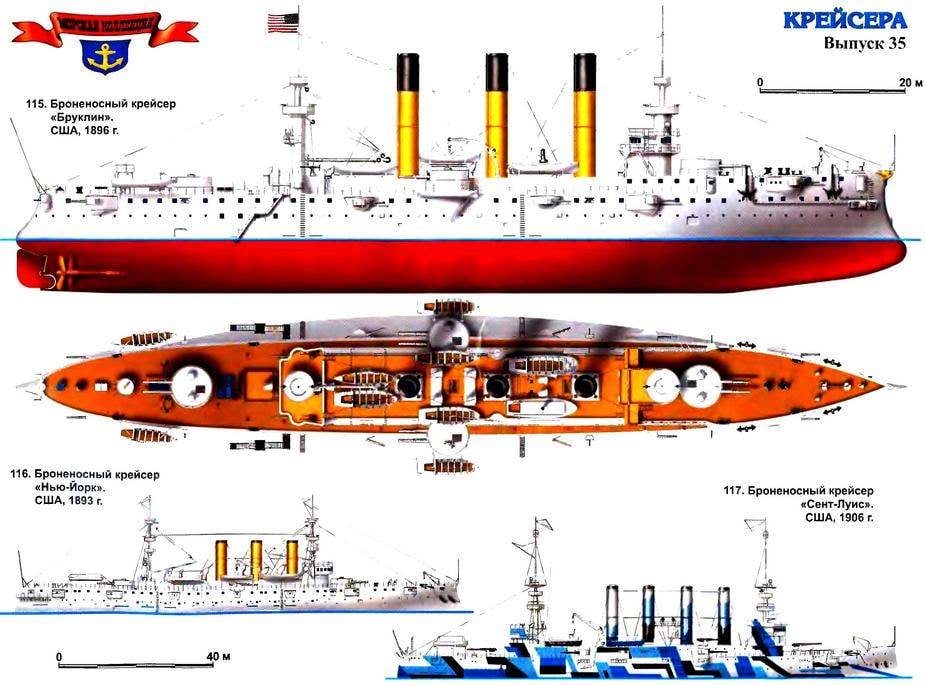
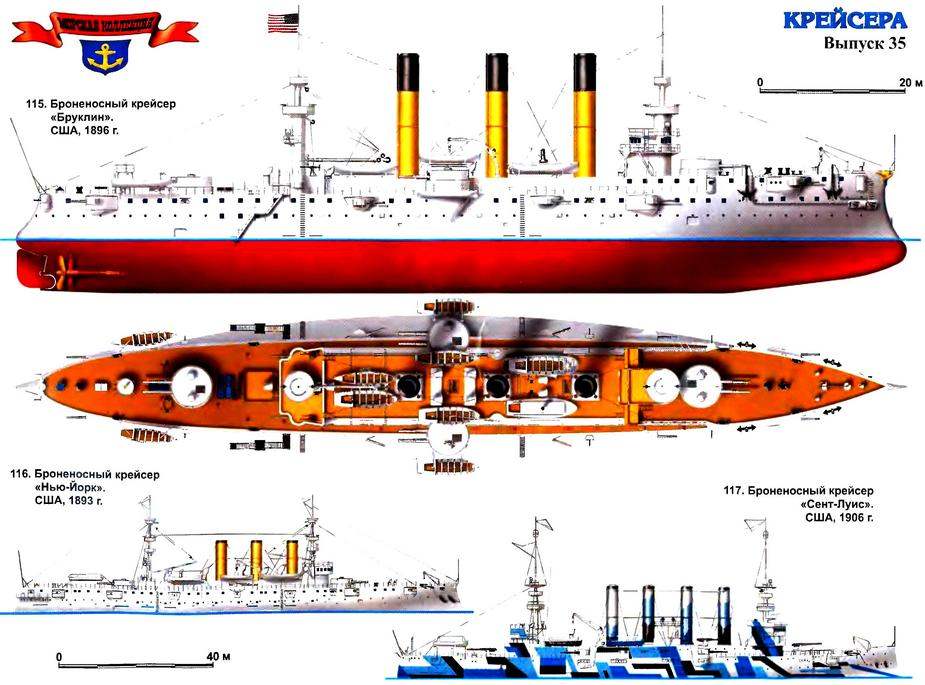 One of the most curious facts from the history of shipbuilding the United States of America is that their first armored cruiser in essence was neither domestic development or cruiser Sensitive the growth of major Latin American fleets, especially Brazilian, in the late 80-ies of the XIX century led to the rather bizarre situation the Most strong economically country in the world inferior (albeit formally) for naval power very backward and sparsely populated neighbors (even distant) Position of the American politicians seemed completely intolerant and in August, 1886 act of Congress approved the construction of two well-armoured and heavily armed warships One of them was an ordinary battleship “Texas” and the second is classified as armored cruiser “Maine”, the designation of ACR1 is (1 Armoured cruiser — armored cruiser No. 1) actually, it was a slightly modified Brazilian “Riachuelo”, built in England and was considered a good version of “battleship for the poor” (an Appropriate choice for one of the two richest countries in the world) A thick 12-inch armor belt of geroevskoe steel and 17-node speed 6680-ton ship is clearly testified to his “linear” mission Four desyatidyuymovy located in two diagonally decently armored 203 mm slabs of the towers resembled “big brother” But an auxiliary gauge has been very modest six 152/30 mm guns, but a half dozen small-caliber skorostrel.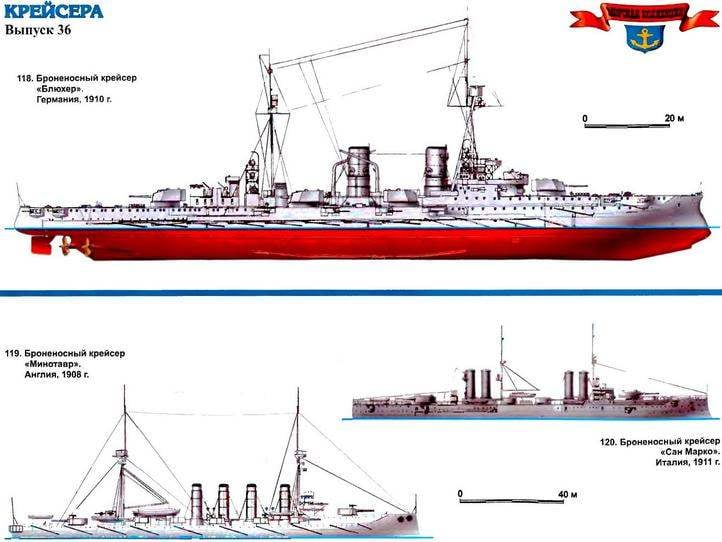
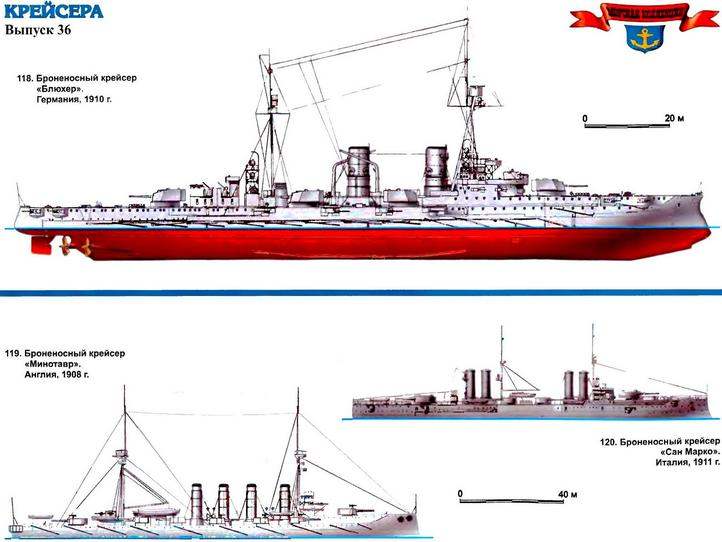 Still thundering salvos of the Russo-Japanese war, an armored cruiser of Kamimura had to prove his suitability to participate in a line battle, along with the “senior comrades” — the Armadillo, and on the stocks of all the major naval powers had already laid the ships of this class, belonging to a new generation. Designers “squeezed” from all the extra projects and used the latest advances of modern technology, making their products more and more rational and powerful. In fact, the armored cruiser has ceased to be a cruiser in the old sense of the word — single by raider, intended to hunt for enemy merchant vessels. Huge, armored giants, carrying more powerful artillery, which was definite overkill for the intended objectives. In the naval doctrines of the cruisers now are basically given the role of scouts in the squadron, fast avant-garde is able to disperse the enemy’s patrols, giving them the opportunity to observe the deployment of private line squadrons. In fact, the last armored cruiser was created on the principle of “ship vs ship”.