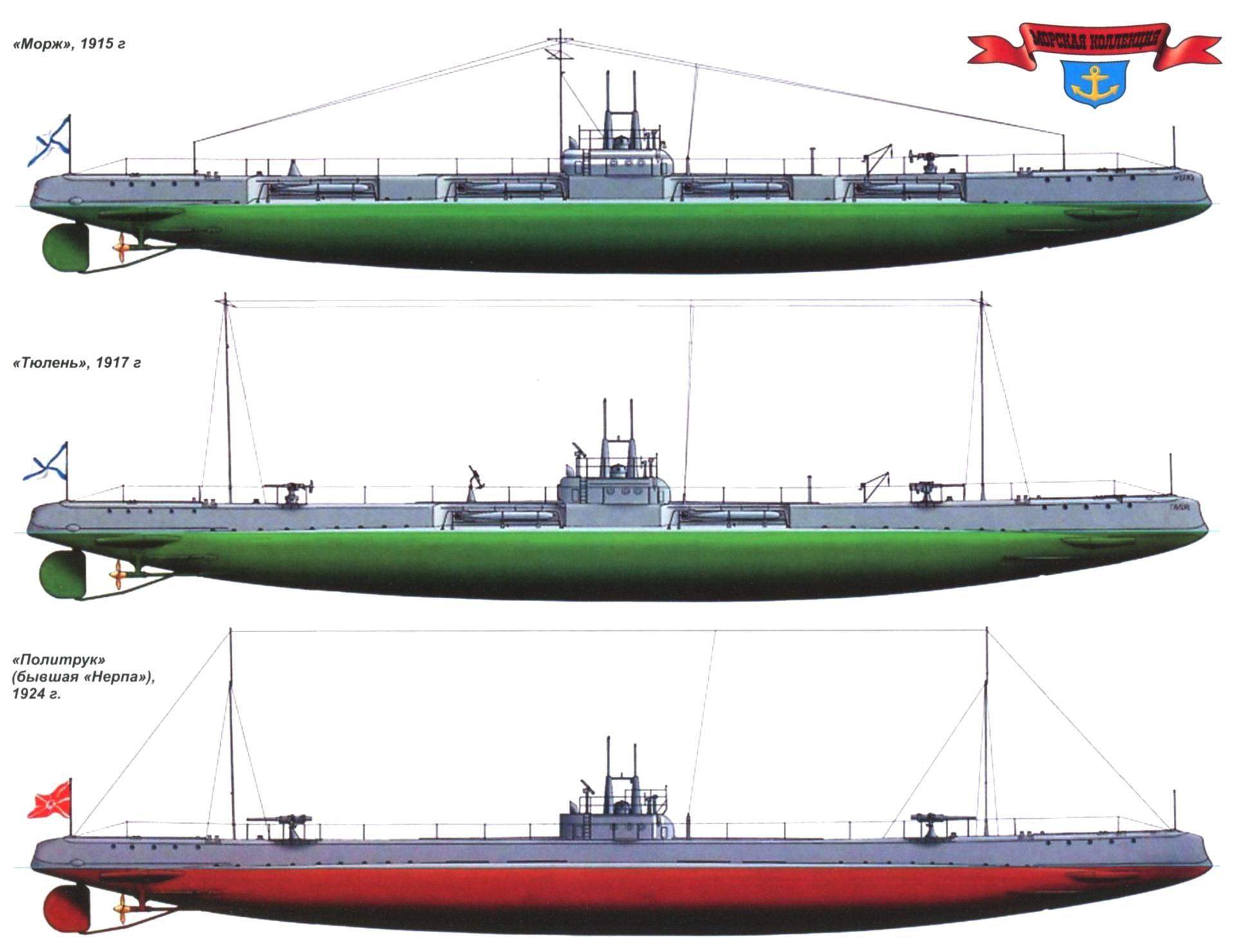
 We have already talked about the commitment of the leadership of the Russian Navy, since the beginning of the first underwater vessels in its composition, to rely on their own development. It is worth noting that the transition from foreign models to domestic products proved to be very difficult, although some groundwork was there, and from the very beginning of the century. In 1900 the Naval Technical Committee (MTK) has created a special Commission, composed of the chief designer of the Russian submarines naval engineer I. G. Bubnov and teacher of Mine officer class M. N. Beklemishev, who visited all the major countries of “trendsetters” in the underwater case, including USA, England, Germany and Italy. (He later was in charge of acceptance of boats “the German series” – “Carp”. “Flounder” and “Carp”, and in the United States rather studied the works of Holland.)
Read more
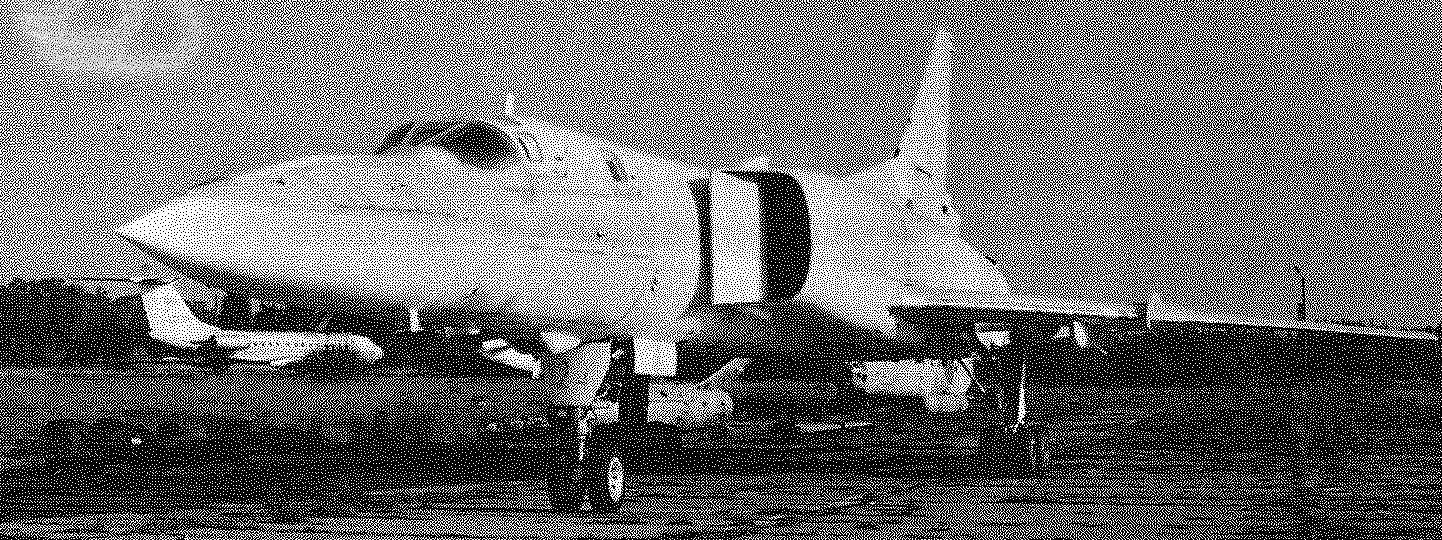 In the summer of 1970, US spy satellites have recorded the emergence of a new aircraft on the airfield Flight research Institute. This information reached the command of NATO, and NATO has assigned him a codename “Betfair”, which translated to English means “backfire”.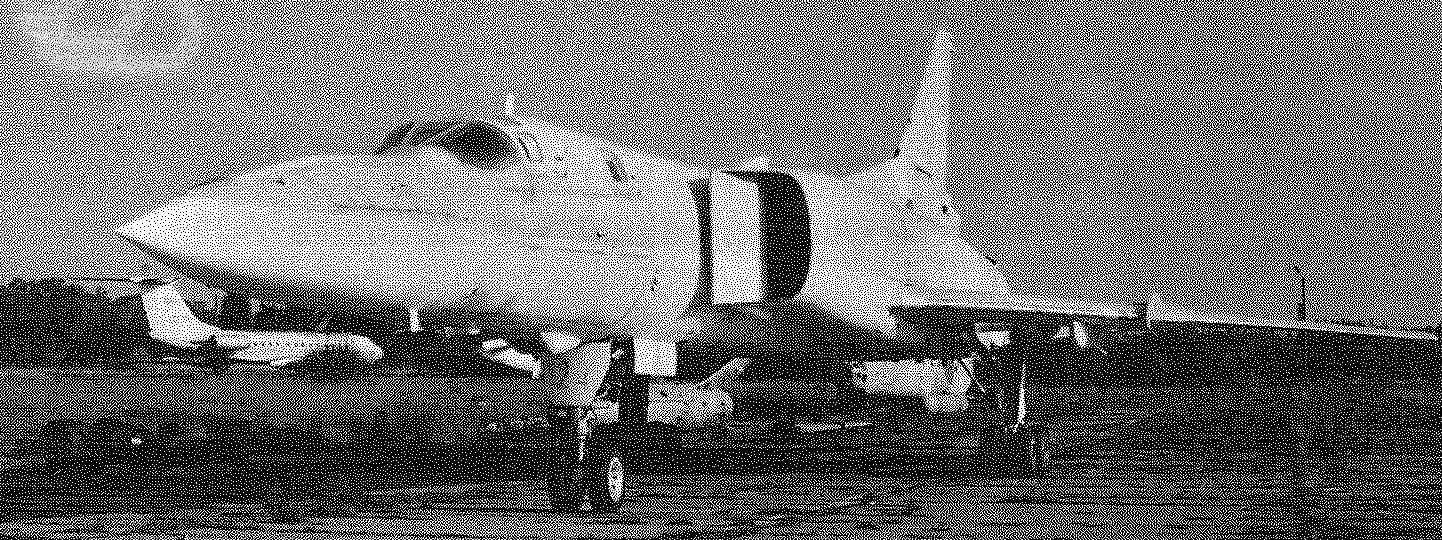
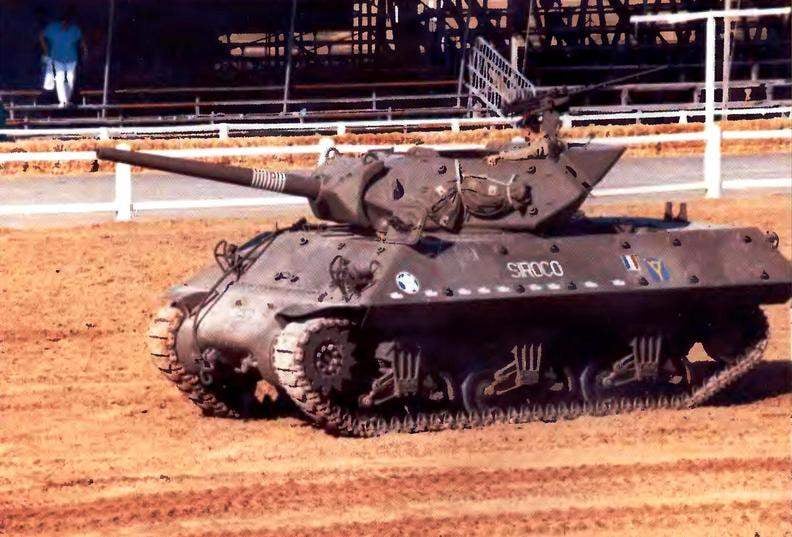
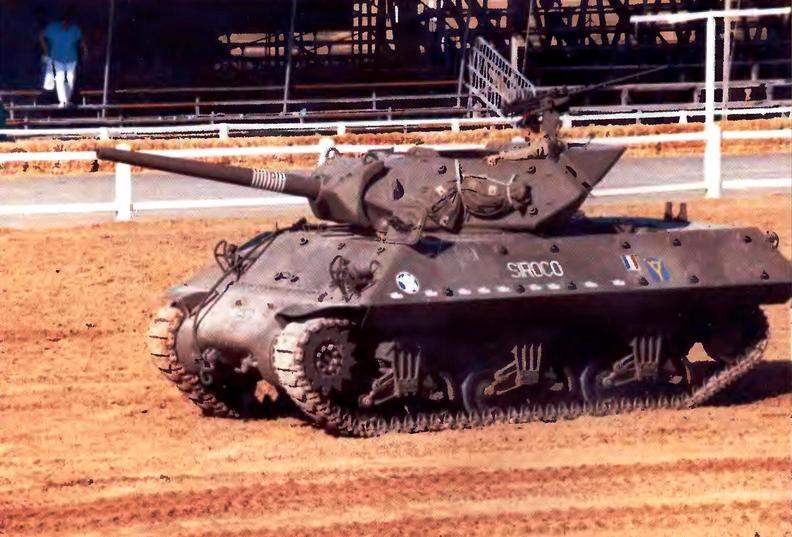 Simultaneously with the design, testing and deployment of serial production of light anti-tank self-propelled artillery installations (SAU) on the chassis of cars and armored personnel carriers (see “modelist-Konstruktor” No. 1, 2002) in the United States began to create similar military vehicles on tank chassis. In September 1941, the weapons Department was issued an order for the installation of the ACS 3-inch antiaircraft gun M3.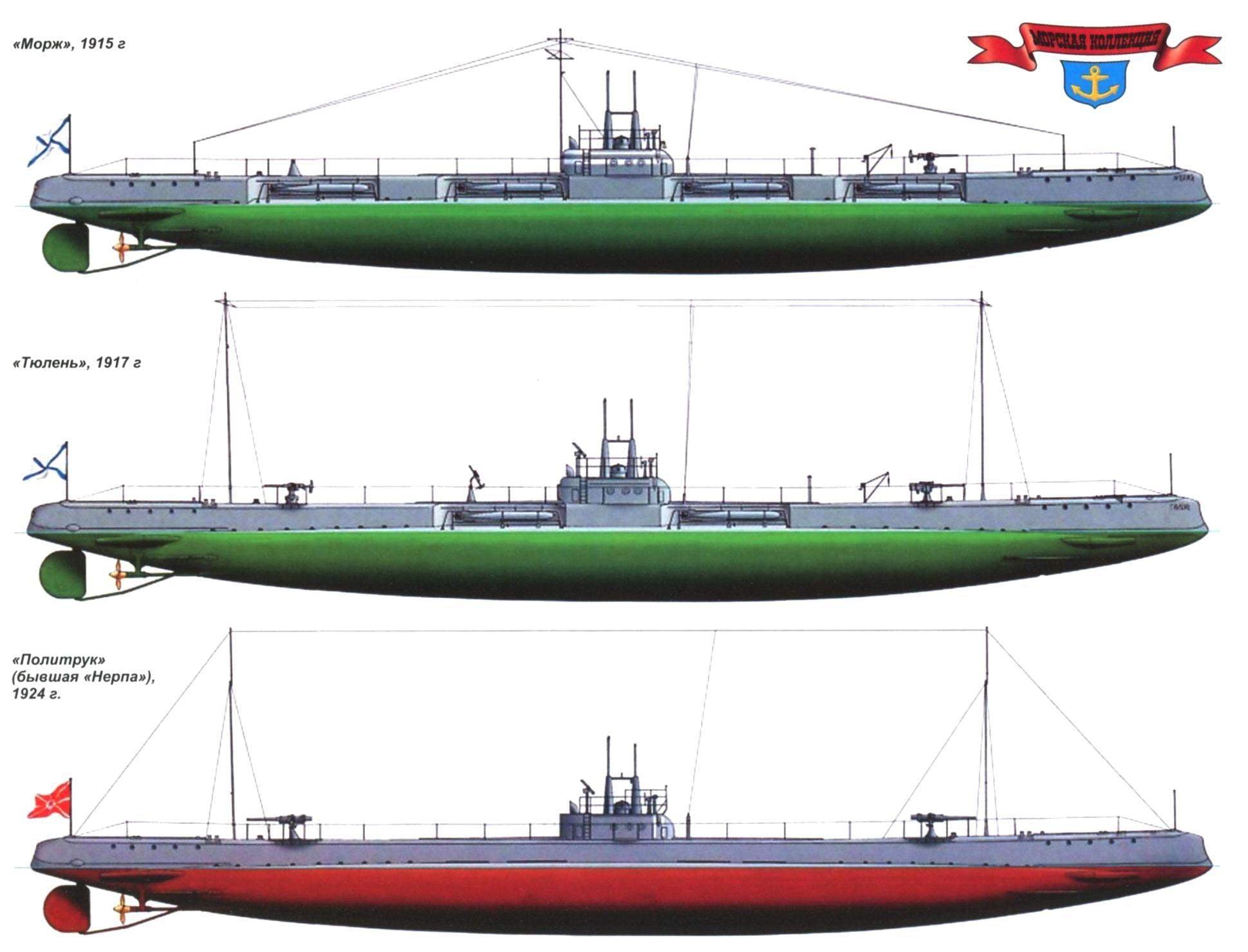
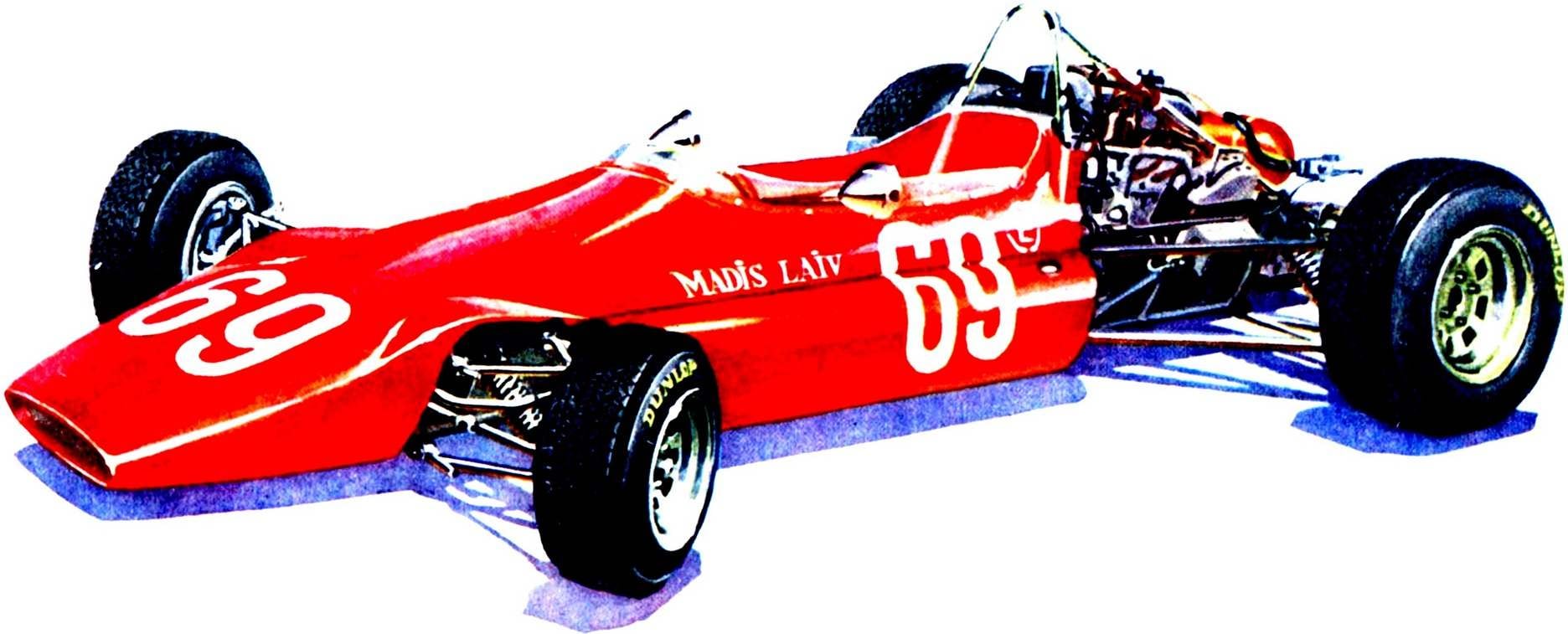
 First, second, third… Three racing car across the finish line three car team of the Soviet Union. Long-awaited success! So in 1975, ended in Minsk in the first stage of the Cup of friendship socialist countries.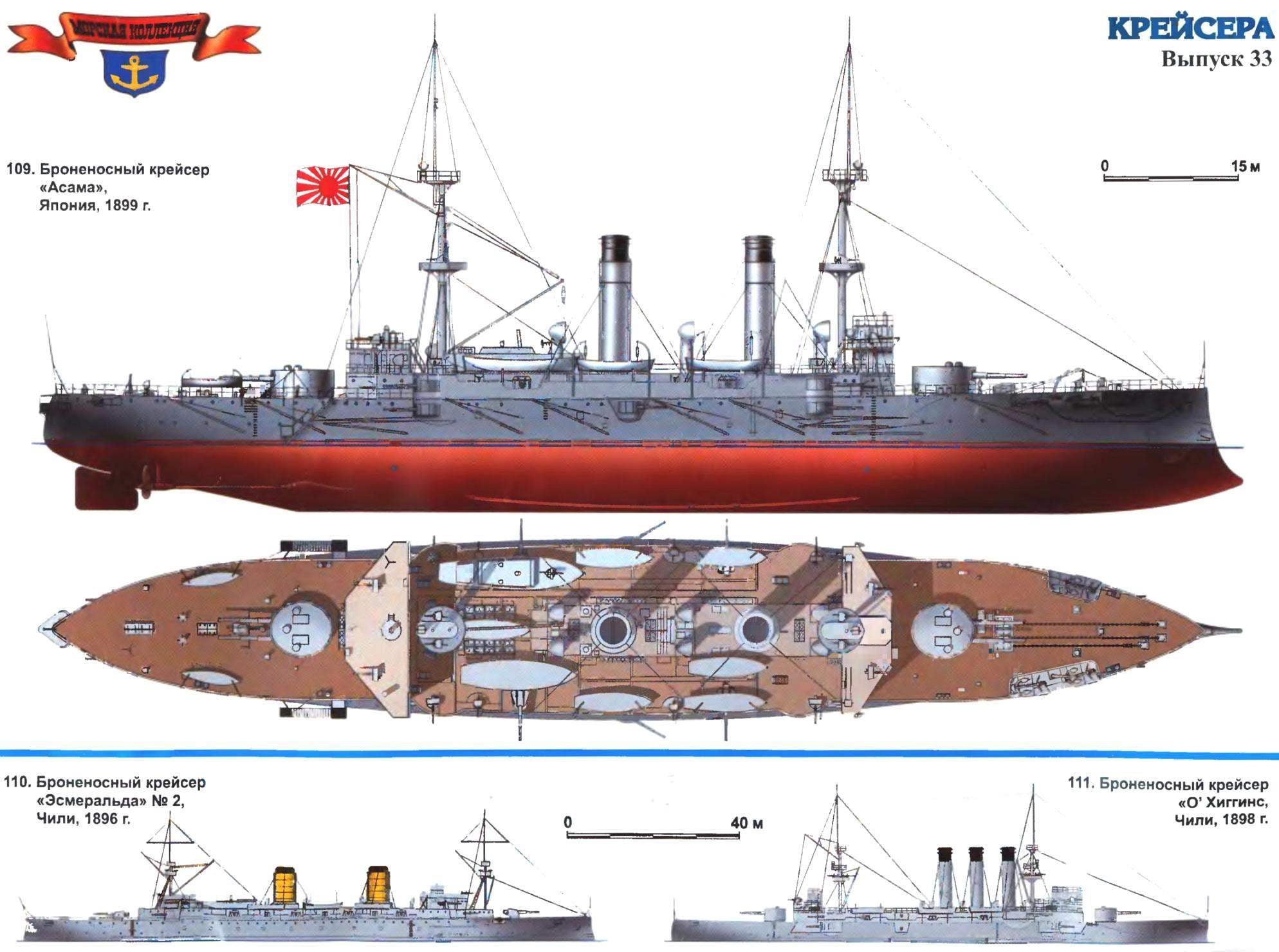
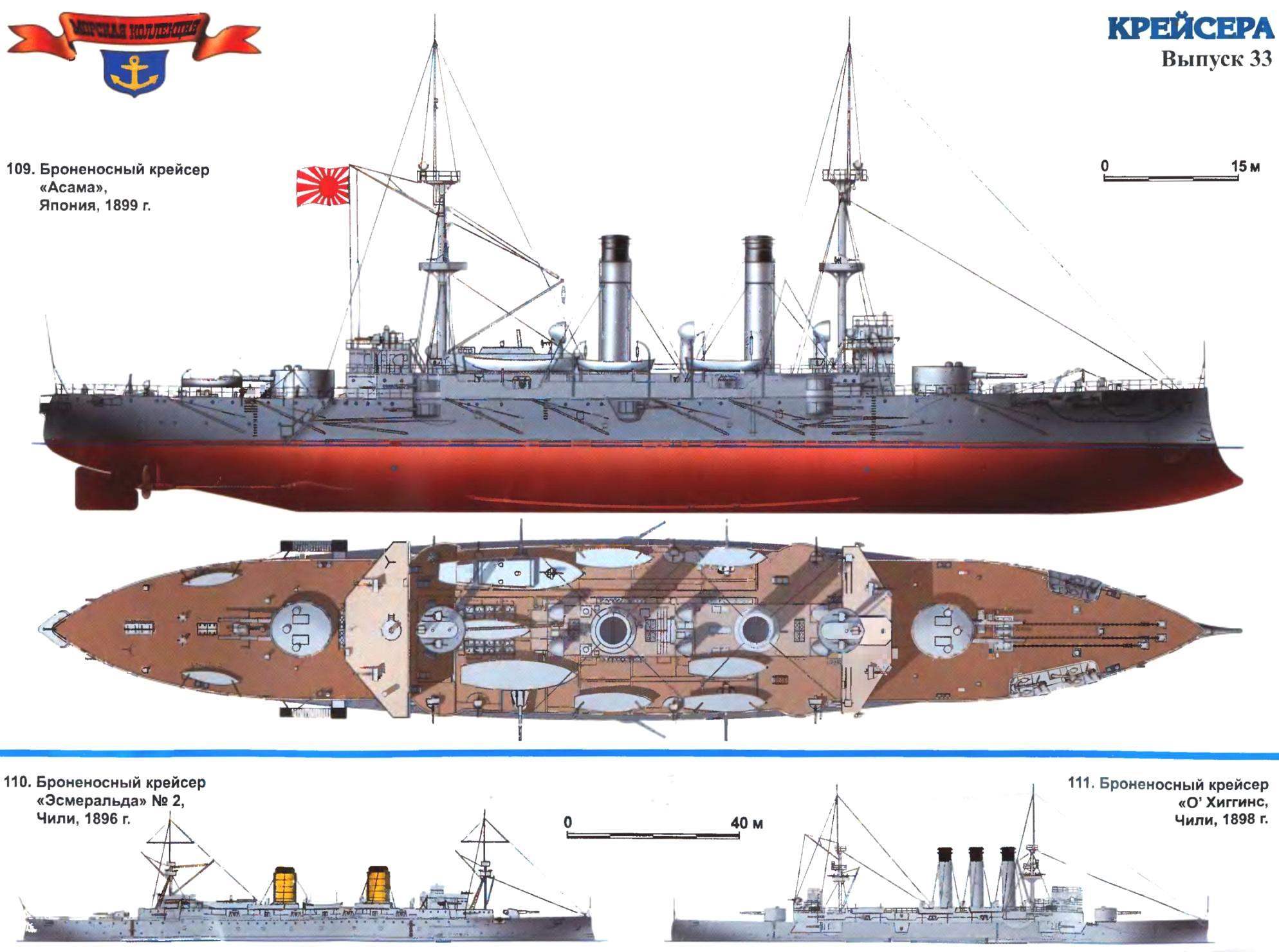 The fourteenth may 1905 in the Tsushima Strait in the last General naval battle of the Russo-Japanese war met 2nd Pacific squadron and the combined fleet of Japan In a six-hour battle killed four Russian battleship, and other ships were damaged, the Fate of the battle practically decided the evening of that fateful day and night torpedo attack and surrender of the remnants of the squadron in the morning just put the final point. On the Tsushima written many books and articles, however, one obvious fact is not noteworthy authors. The fact that the Japanese “line of battle”, strictly speaking, 2/3 were not “linear”- of the 12 units were part of the units and Kamimura, eight were armored cruisers. And these ships made a notable contribution to one of the most brilliant and decisive victories at sea in the XX century.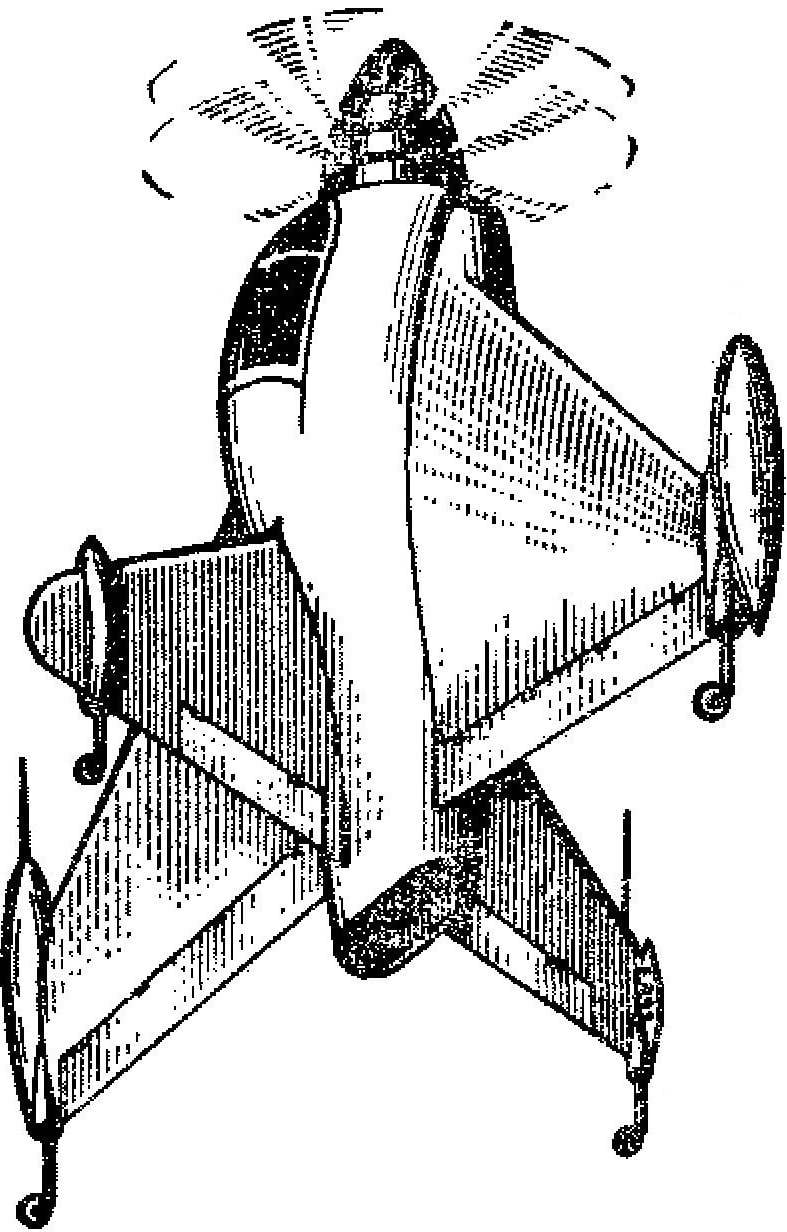
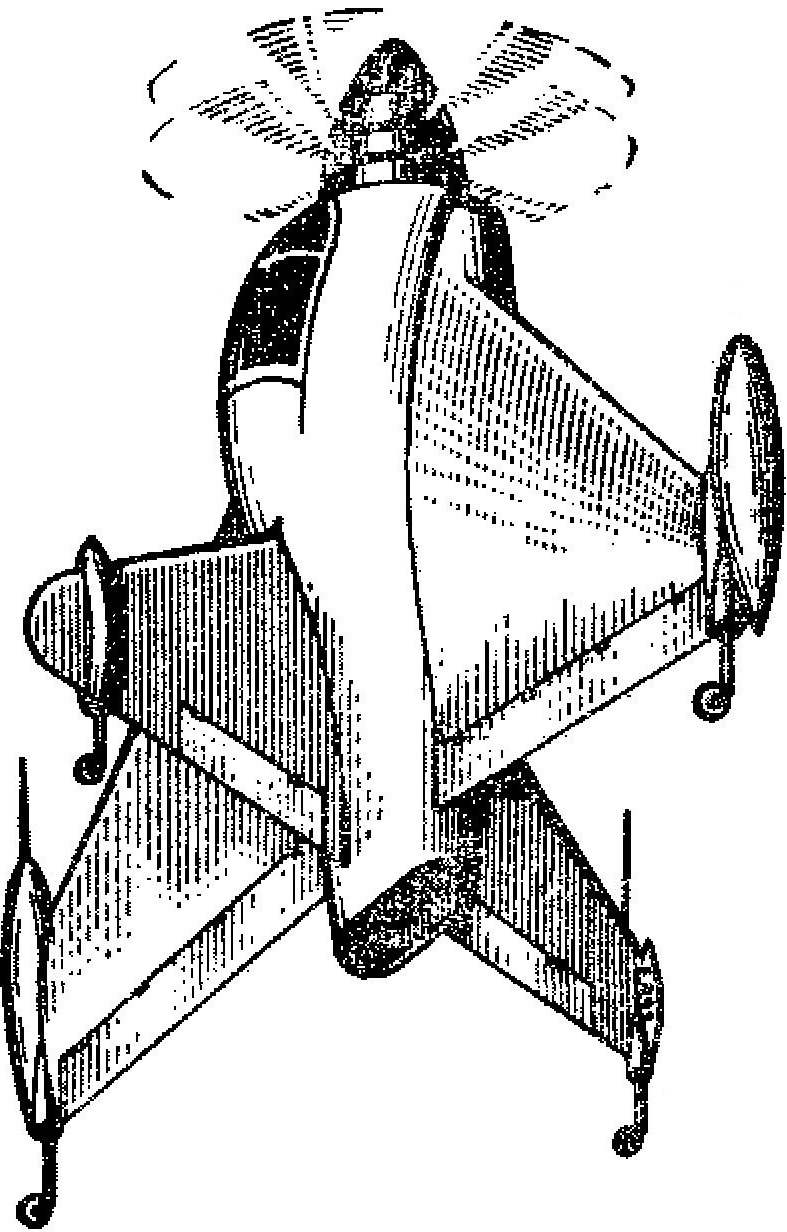 The aircraft belongs to those fields of technology which are developing particularly rapidly. In a historically short period of time, speed, altitude, payload, flight range of the aircraft has increased several times.
 Post-war industrial crisis has forced automakers in many countries to pay attention to cheap minicar — just like she had at the time a steady demand. Was no exception to this process and firms of West Germany — in the automotive market of the country had at that time a lot of sidecars — a four-wheeled Heinkel Kabine and a Zundapp Janus, a three-wheeled Messerschmitt and finally, the BMW Isetta with the rear wheels close together.
 The Il-18. When you create a turboprop airliner Il-18 took its predecessor with the same designation, but piston engines. Special attention in the design of the aircraft, the designers paid more than the full security of the flight and the high economic and operational performance. Unlike the An-10 and Tu-104, Il-18 produced according to the rules of civil aircraft — the rejection of the two-storey cabin crew has significantly reduced its volume.
 The development of guided torpedoes to sabotage units of the German fleet was conducted in parallel with the creation of the midget submarines. The first model of this weapon was designed in 1943 – 1944 chelovekovedenija torpedo “Neger”. The name came from the surname of the inventor – engineer of the fleet of Richard Mora. (“Mor” is a polite form of the German word “nigger” Neger). Moore worked at the torpedo testing station in Eckenforde in the Baltic, near Kiel. On the basis of standard torpedoes, he created a single machine that was easy to produce and used against allied ships off the coast in the event of their landing on the mainland.
 German medium bomber AEG G. IV. On the eve of the First world war in Germany great attention has been paid to the development of the airship. Thanks to the work of count Ferdinand Zeppelin, the Germans had at its disposal a huge fleet of aircraft specially designed for carrying out bombing operations with a flight range of 8000 km and a bomb load in 9 — 10 tons. The presence of such forces determined the whole concept of the development of German aviation, which was to be the fighters, designed to protect the airships and their bases.