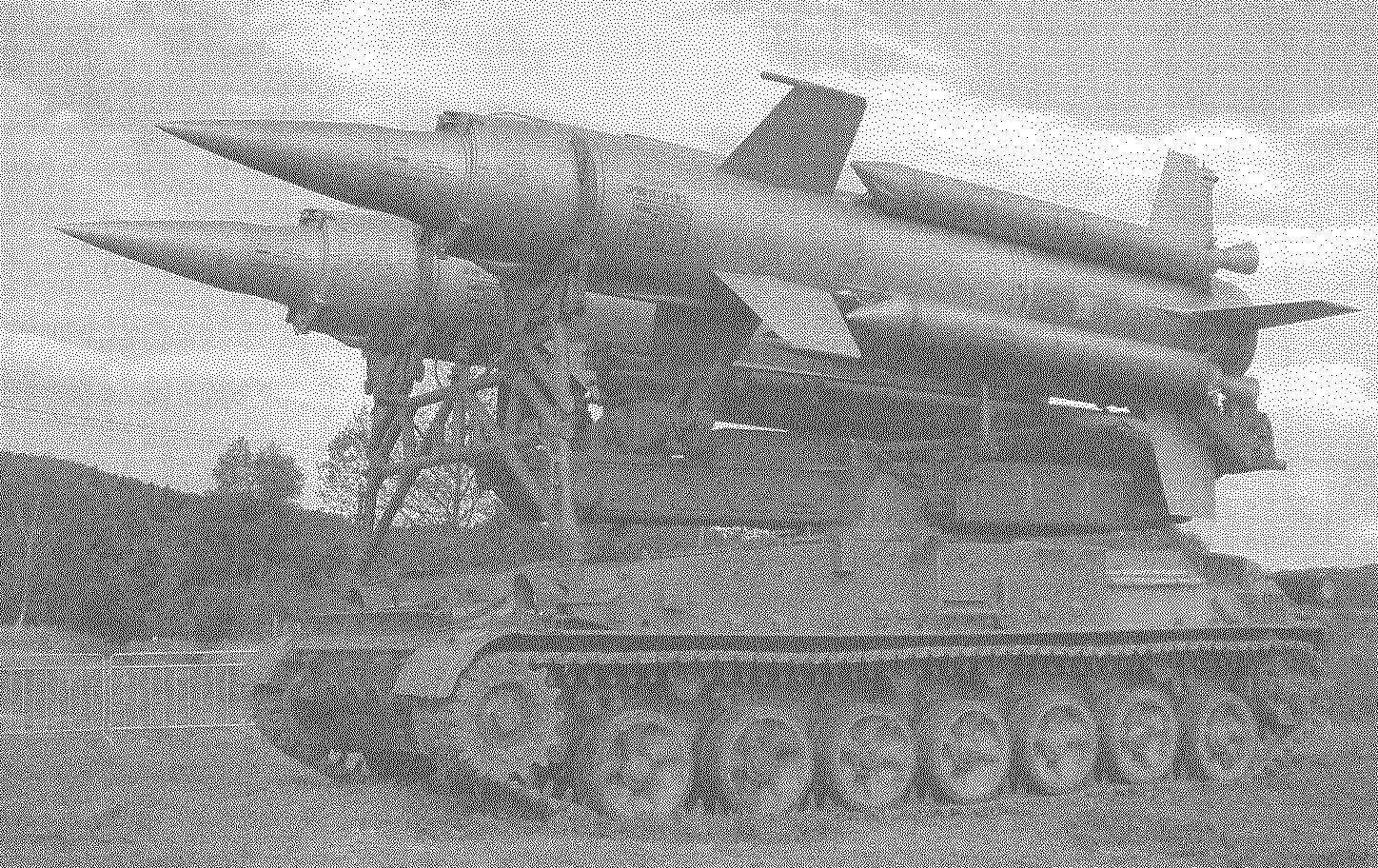
 In the mid-1950s it became apparent gradual lag of the arms of the Soviet army air defense assets from the reached by that time, the capabilities of air attack. Continuous improvement of aviation, the emergence of tactical ballistic missiles set increasingly high requirements before the antiaircraft means of the ground forces, requiring them to qualitative leap. To achieve it it was possible only through the creation of army air defense anti-aircraft missile systems (3RK), possessed a number of specific features.
ROCKETS “CIRCLE”
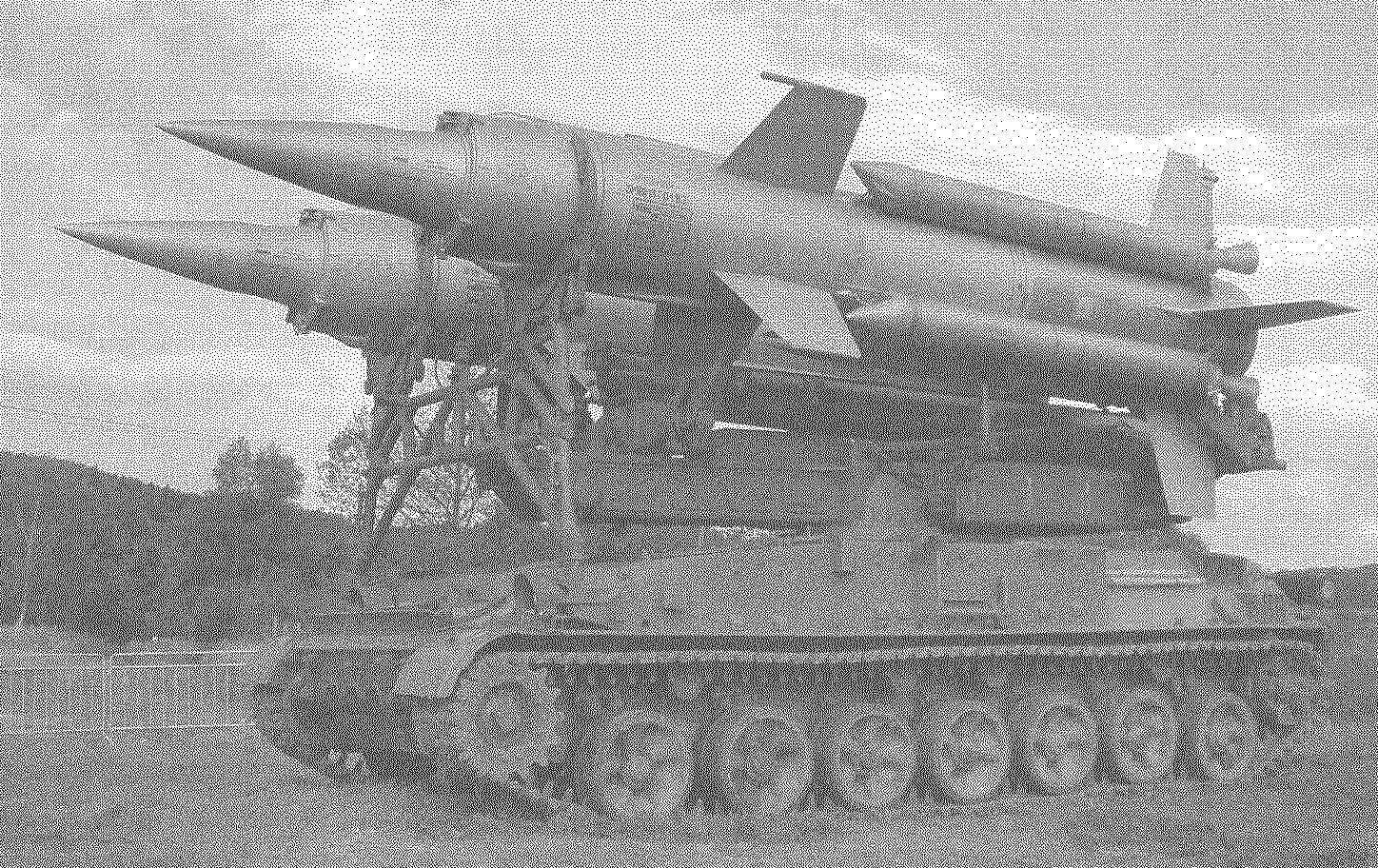 In the mid-1950s it became apparent gradual lag of the arms of the Soviet army air defense assets from the reached by that time, the capabilities of air attack. Continuous improvement of aviation, the emergence of tactical ballistic missiles set increasingly high requirements before the antiaircraft means of the ground forces, requiring them to qualitative leap. To achieve it it was possible only through the creation of army air defense anti-aircraft missile systems (3RK), possessed a number of specific features.
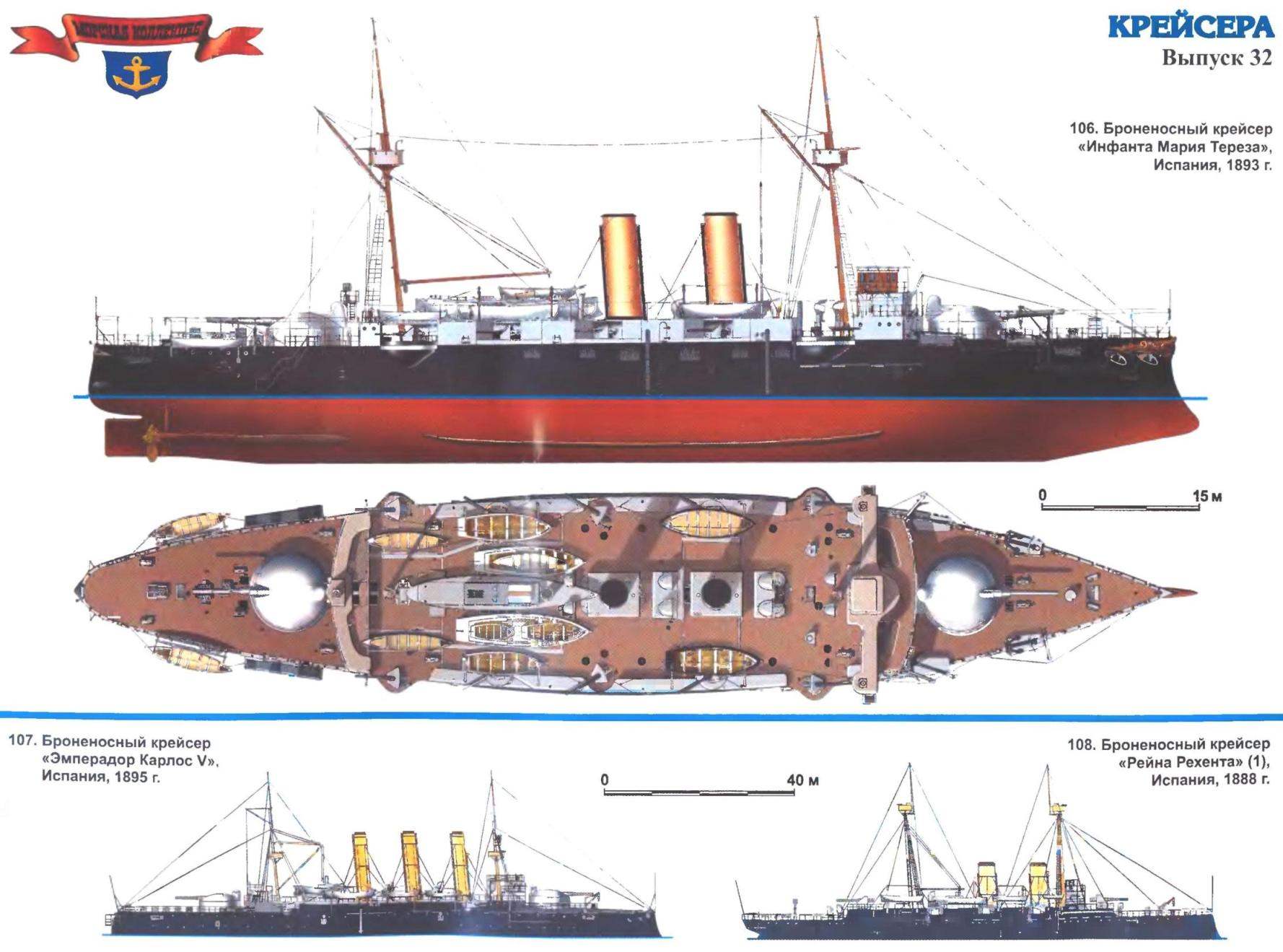 Sometimes at sea the second tier questions the defense put unsoluble problems, missing that great powers have just in principle. So, Spain, its naval policy dictated not by economic interests, not the king, but solely the fact of which government is in power: liberals or conservatives. As usual, both competing office Radel for a strong and prosperous Spain, but ways to achieve this goal, they sometimes differ radically.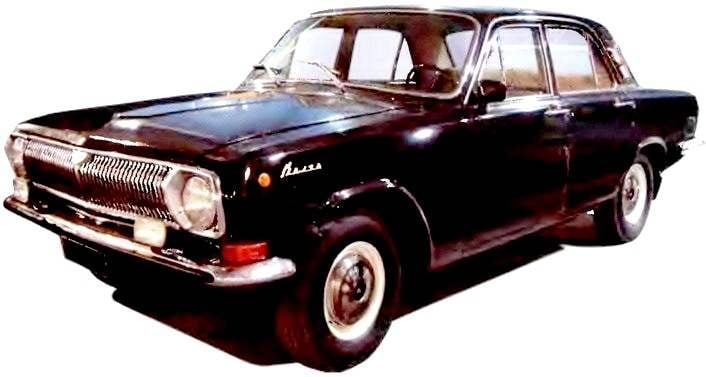
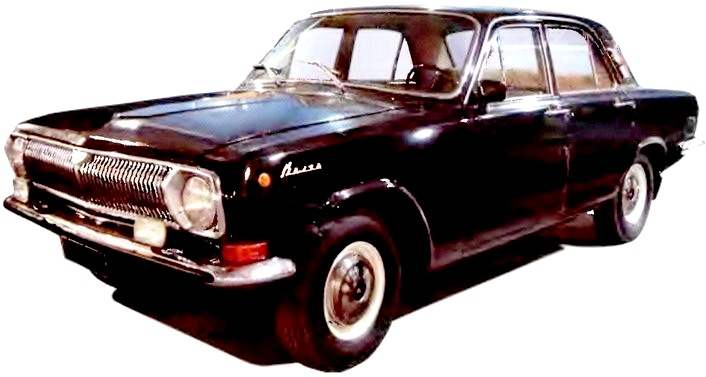 The 1960s, often called a time of change. In this decade changed all the styles and fashion, presidents and General secretaries, and the Soviet Union over Khrushchev’s thaw and Brezhnev’s stagnation began. Varied and principles of automotive design — Empire-style, artsy-rounded turned into Gothic, sharp-faceted…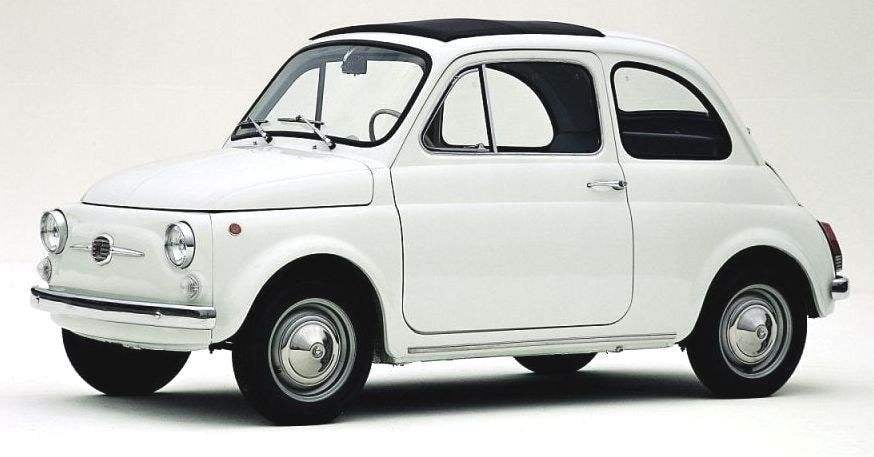
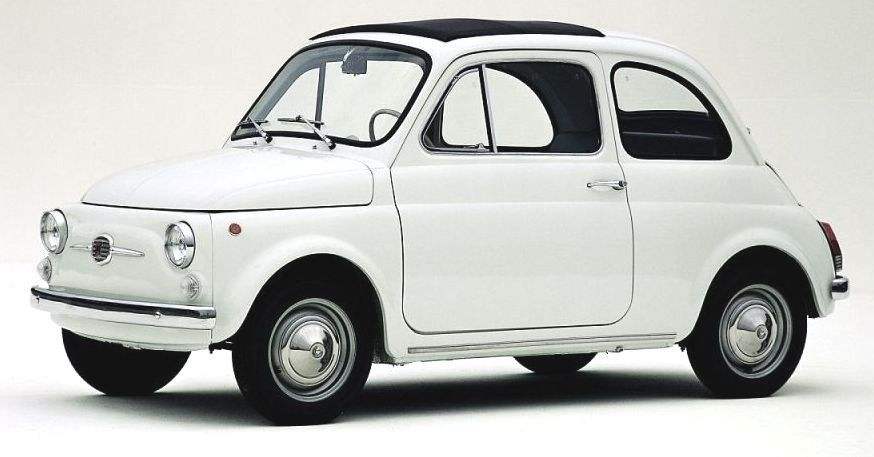
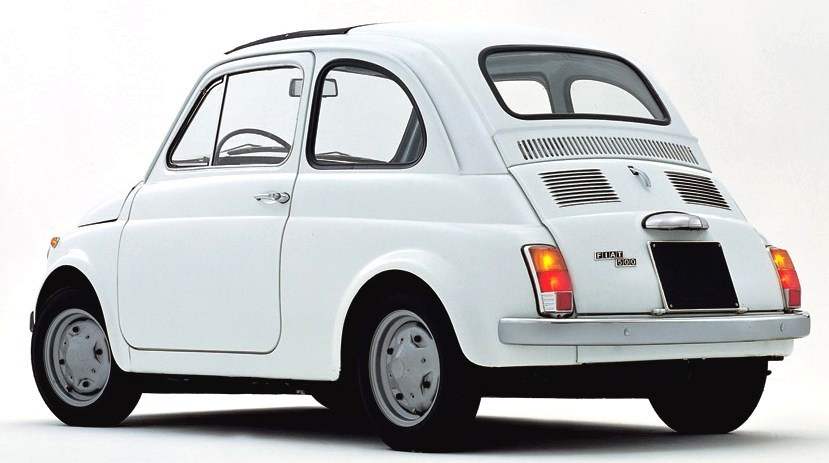 After the Second world war, the automotive industry of many European countries were in deep crisis. The post-war devastation, unemployment, inflation — all of this contributed to the growth of sales of expensive models. In these circumstances, many European firms began to produce a compact motorized wheelchairs, it is available to the public.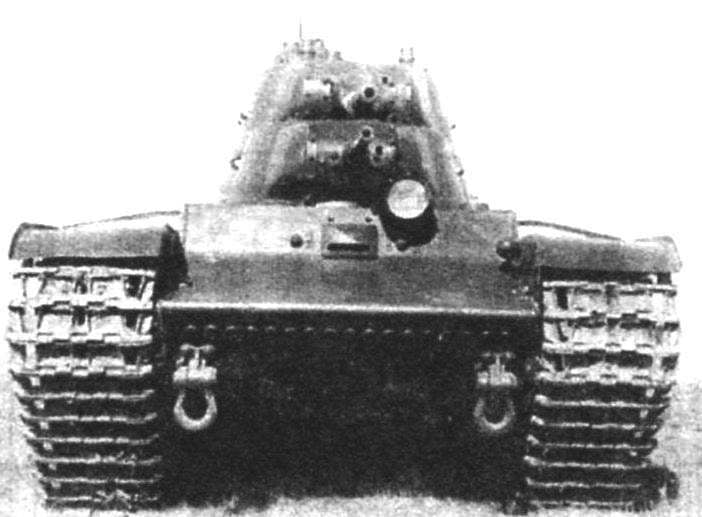
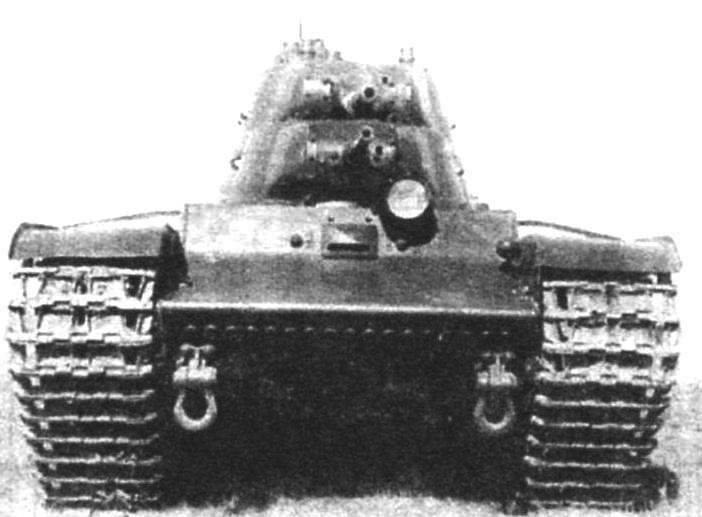 In early December 1939, the T-100 with a company other machines arrived at the front and soon participated in the fighting against the white Finns on the “Mannerheim line” in the composition of the 90th tank battalion 20th tank brigade. It experienced heavy tank, which was not adopted, not mass-produced, has just finished field tests, and the military command decided to continue the test by sending in the army to the front of the Finnish war. Your main battle tank survived the 19th of December during the break the Finnish positions when the battalion managed to break through the line of bunkers in the area of money. But here one of the vehicles hit a land mine and the T-100 had artillery and machine gun fire for a long time to cover it up by stalking the white Finns, while the crew tried to repair the damage.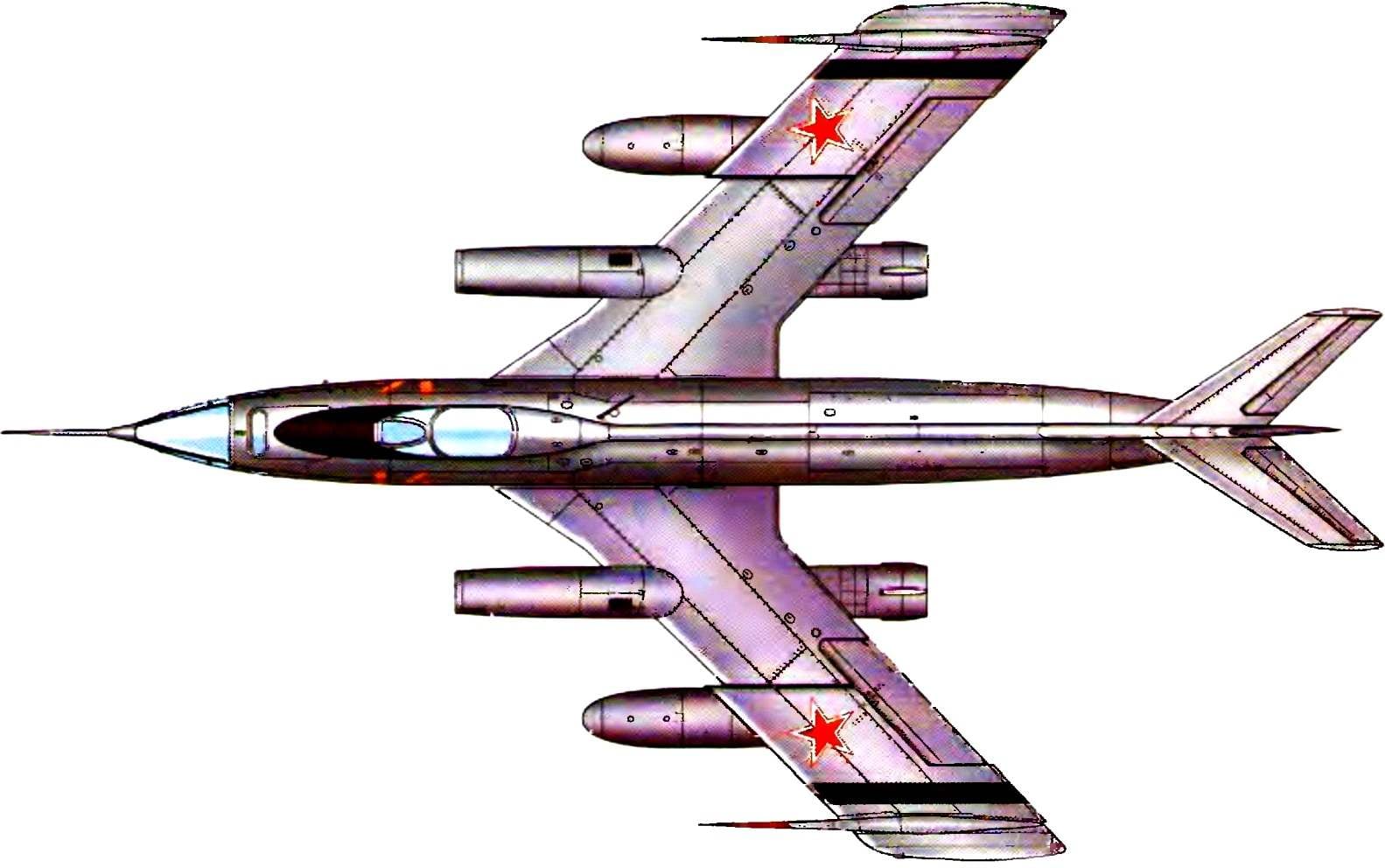
 When creating almost any plane is always a desire to expand its functionality. So, the fighter may eventually turn into a fighter-bomber, a passenger airliner into a cargo and training aircraft in the attack.
 The eleventh June 1956, came a joint resolution of the CPSU Central Committee and the USSR Council of Ministers about the beginning of serial production of aircraft “C” under the designation su-7. 24 June-1 demonstrated at air parade in Tushino. The prototype was piloted by Nikolai Korovushkin. Structure of the planes was headed by Mikoyan E-2, because his design was still considered “the first fighter CB” of the country. But the real leadership was in the Dry – after all, the speed of 2M fighter Mikoyan not yet released.
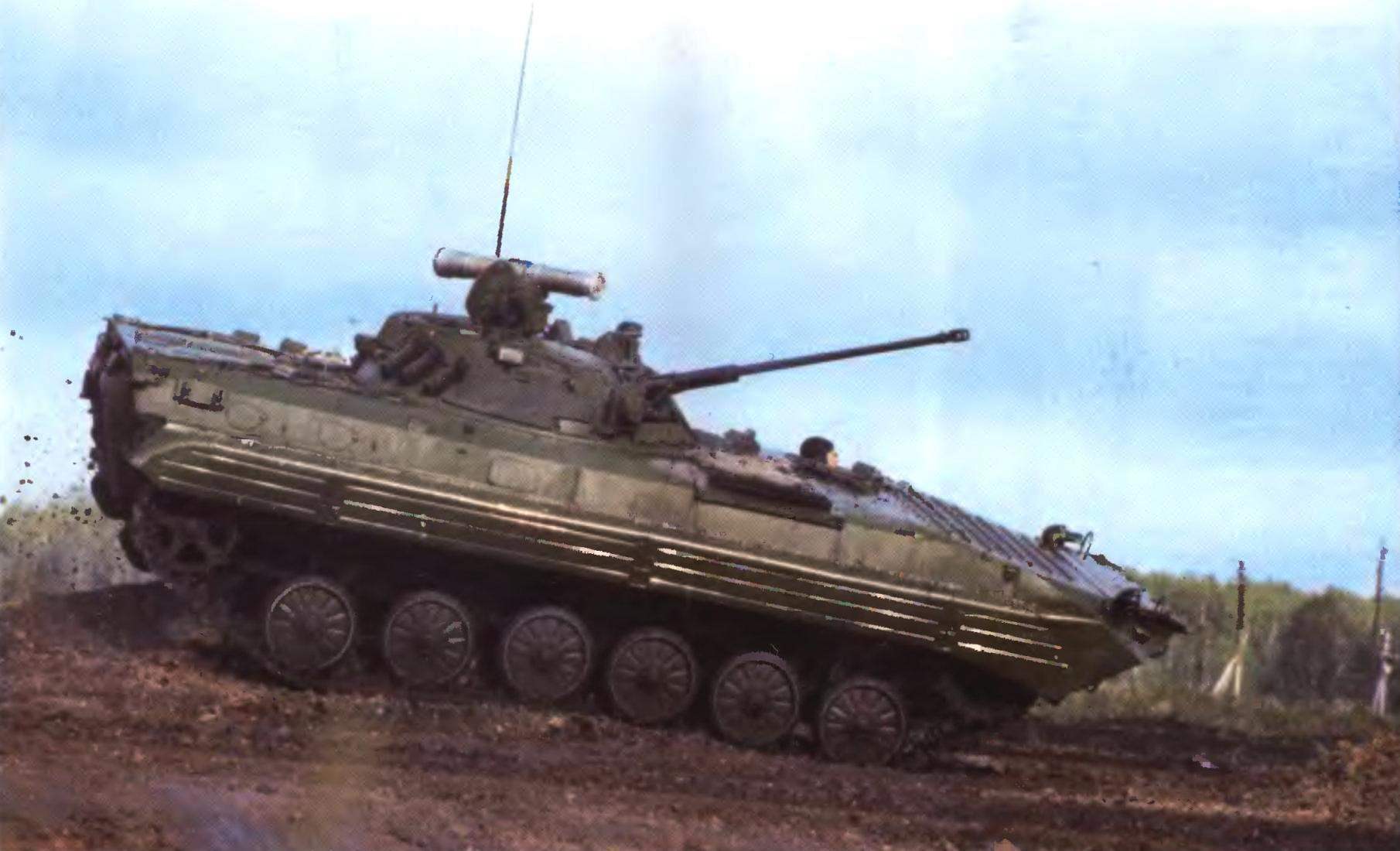
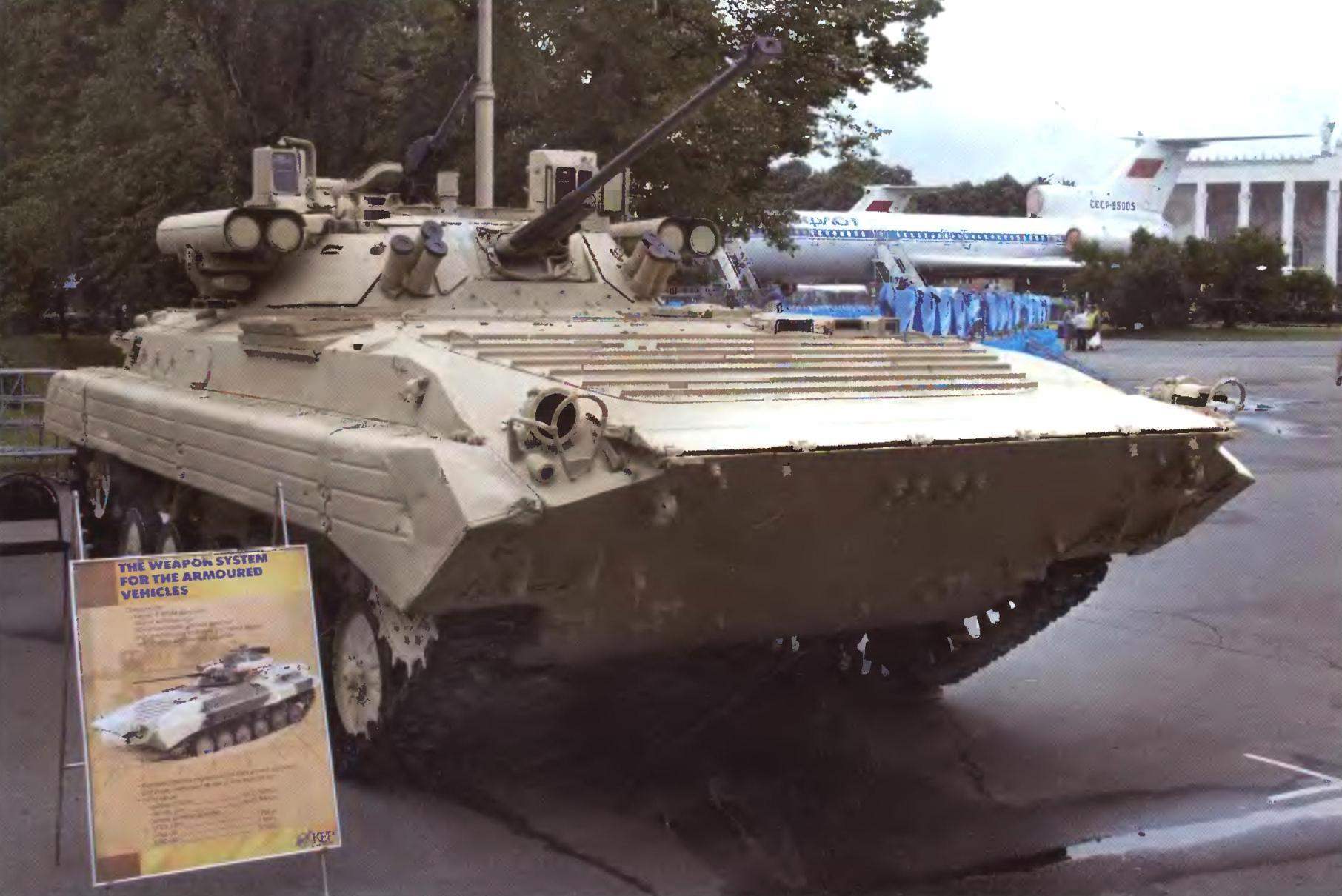 In the late 1950’s — early 1960-ies there has been a backlog of the USSR from Western countries in the creation of heavy tracked armored personnel carriers. During this period in the armies of NATO were adopted by M113 armored personnel carriers (USA), “Trojan” (UK), VТТ M56 (France) S-30 (Germany) did Not depart from them, and neutrals — the Swedes took his PbV302, and the Austrians — 4K3F. All these machines have a completely closed enclosure and powerful enough weapons — up to 20-mm automatic guns. Heavy tracked armored personnel carrier there were in the Soviet Army — BTR-50P (in the roof — BTR-50PCS). However, this machine, compared to its Western counterparts, had too large dimensions and very bad layout with a front of the troop compartment.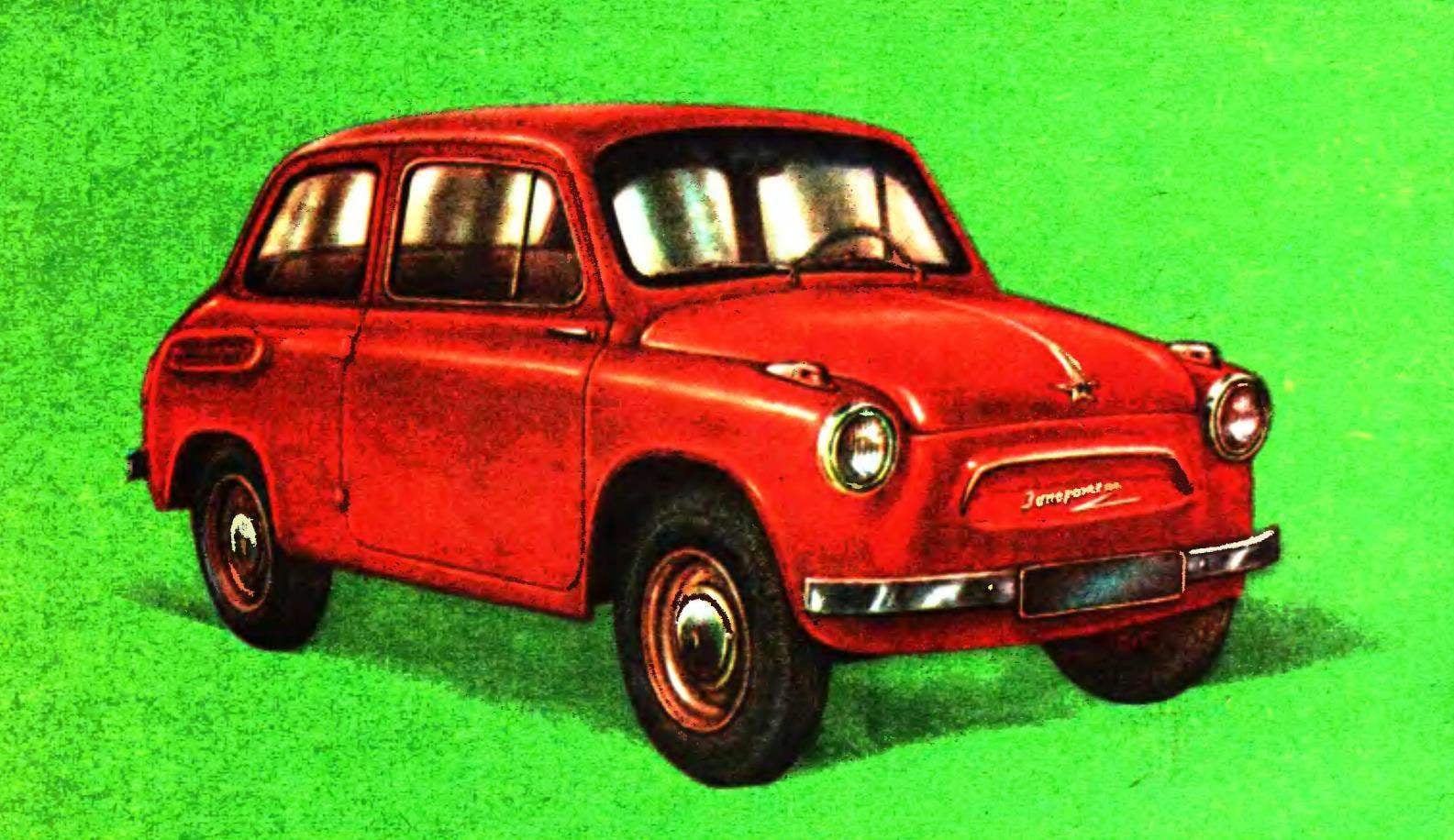
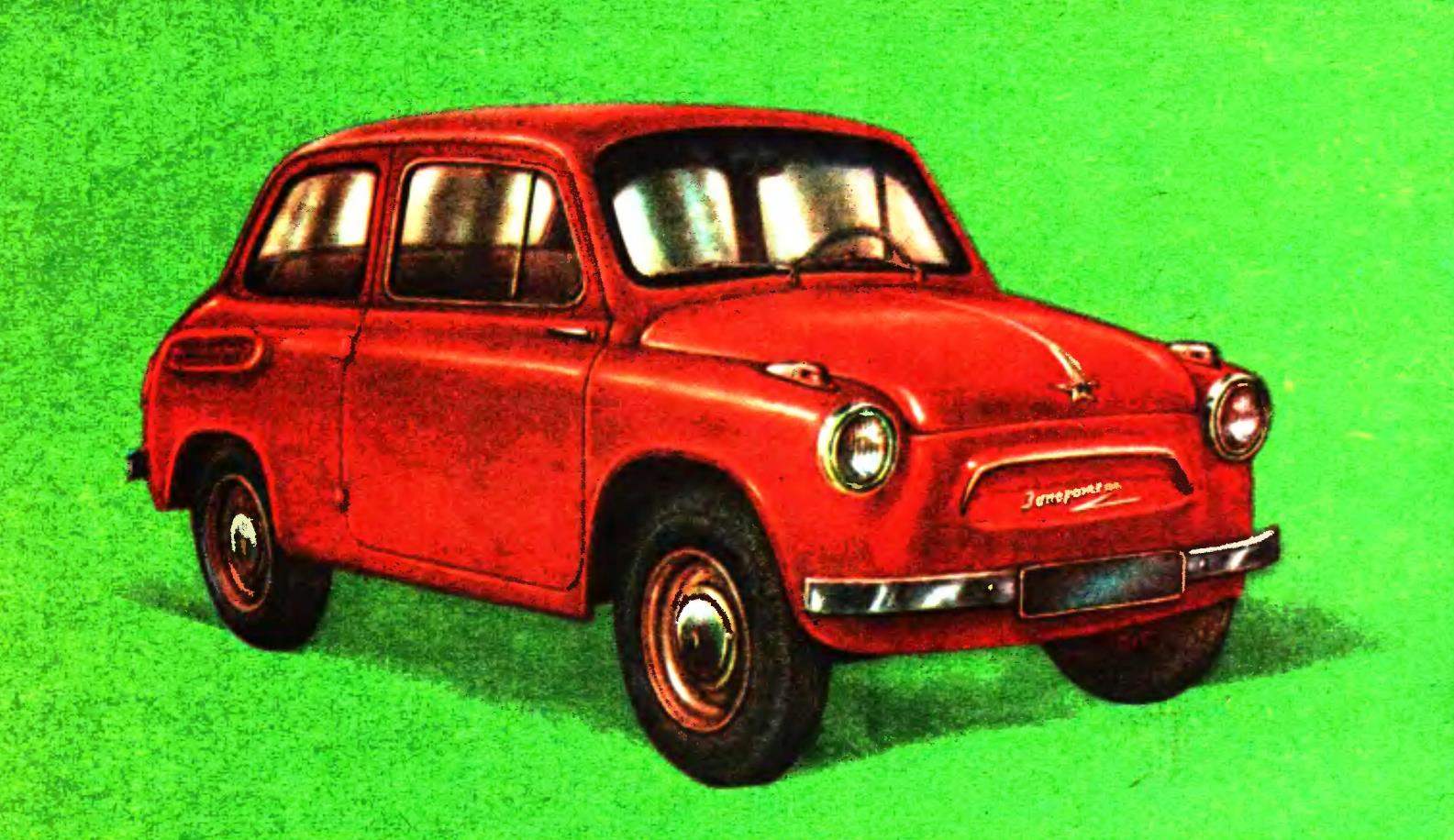 “Soap”, “the Hunchback”, “Fafik” — not once nicknamed little brisk Zaporozhets 965-th model. Many of us that he began his “auto” biography. Not all, however, know how motley was the story that first among the “Cossacks”.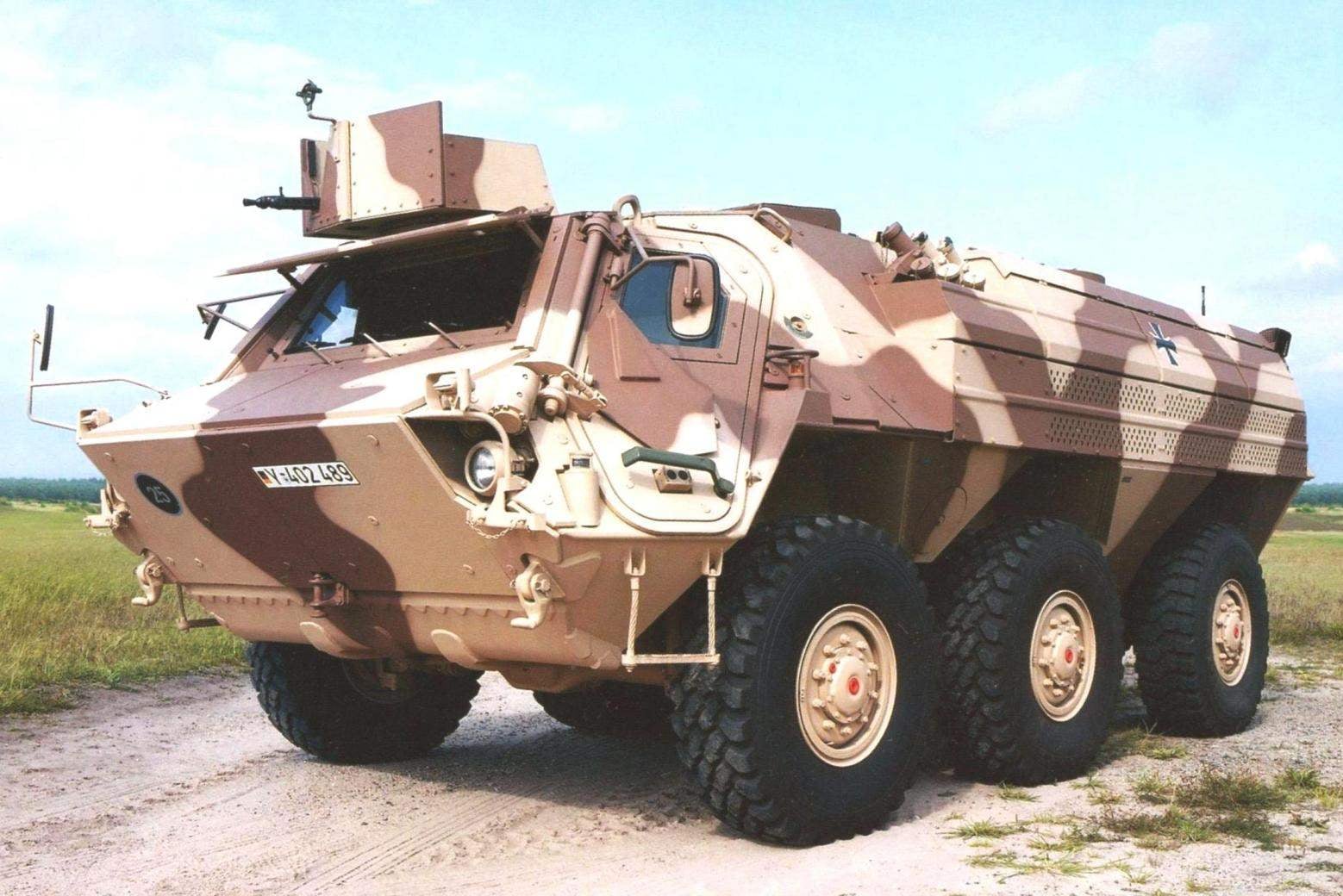
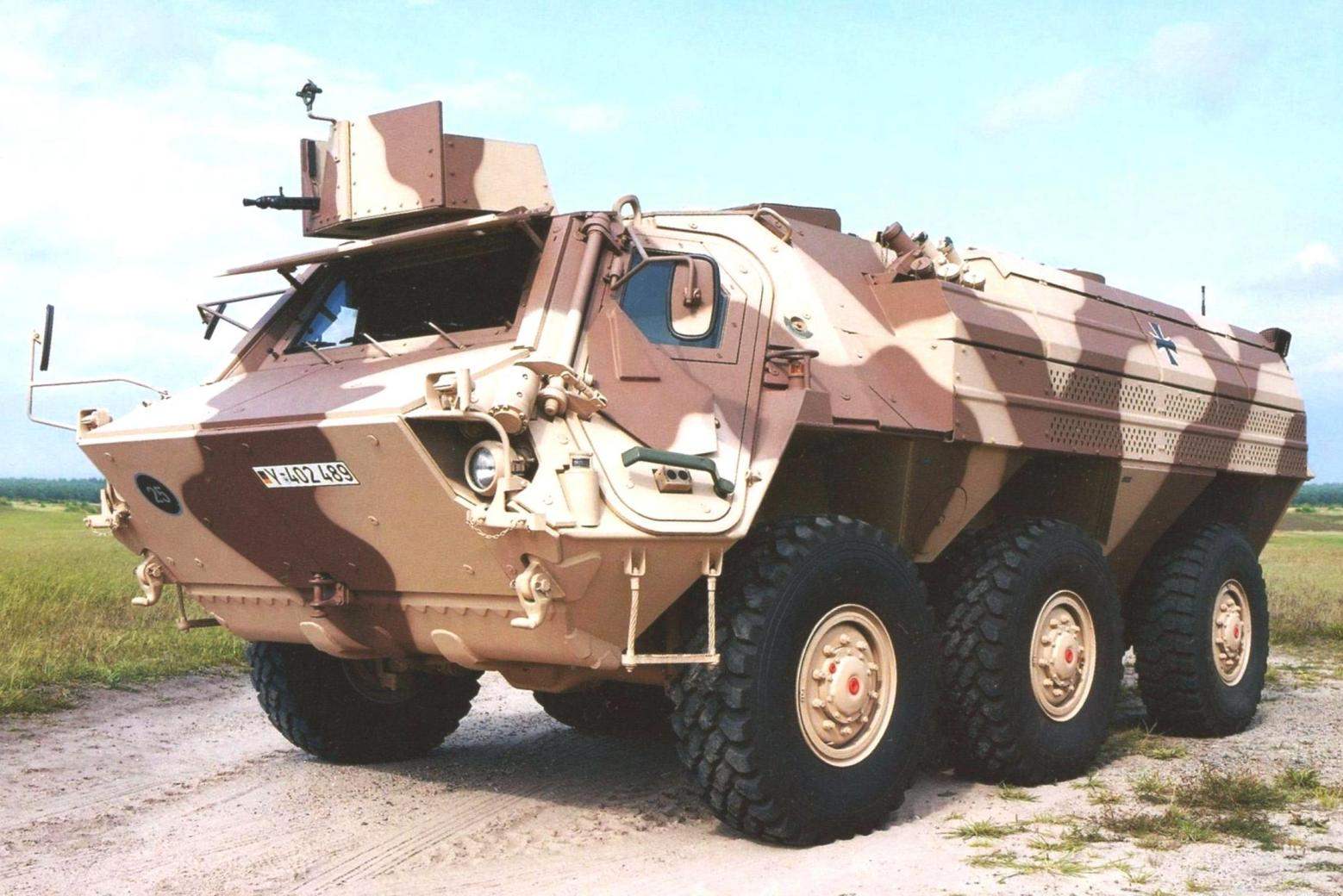 At the end of the 1960s, the army command of Germany felt it necessary to replace the long-standing armed Bundeswehr tracked armoured personnel carriers M 113 American production and the French “Gocci”. It was assumed for this purpose to develop a new wheeled armored vehicle with a carrying capacity of two tons, besides floating.