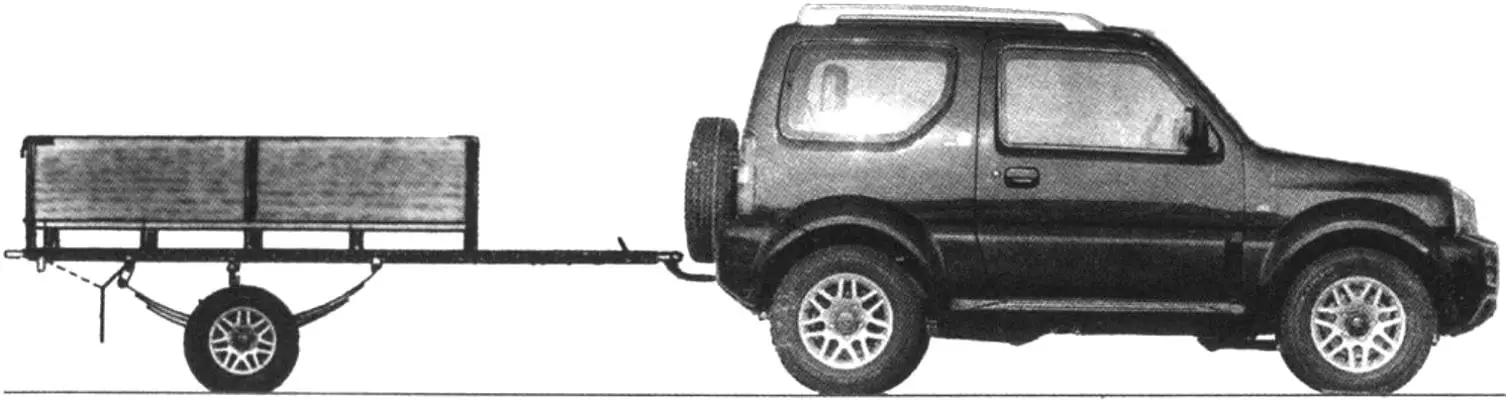
The need for a cargo trailer arises from time to time when you have to haul a load that does not fit in the car cabin or that soils the interior over a long distance. Road haulage services are very expensive, and the prices of ready-made industrial trailers are simply sky-high. After buying a new car, especially on credit, you certainly cannot afford a trailer…
So I decided — I would make a trailer for the VAZ myself (!) and announced it in the family circle. Relatives do not flatter, so the opinions turned out to be most unexpected, and some even unflattering! But the prospect of major savings overcame all doubts.
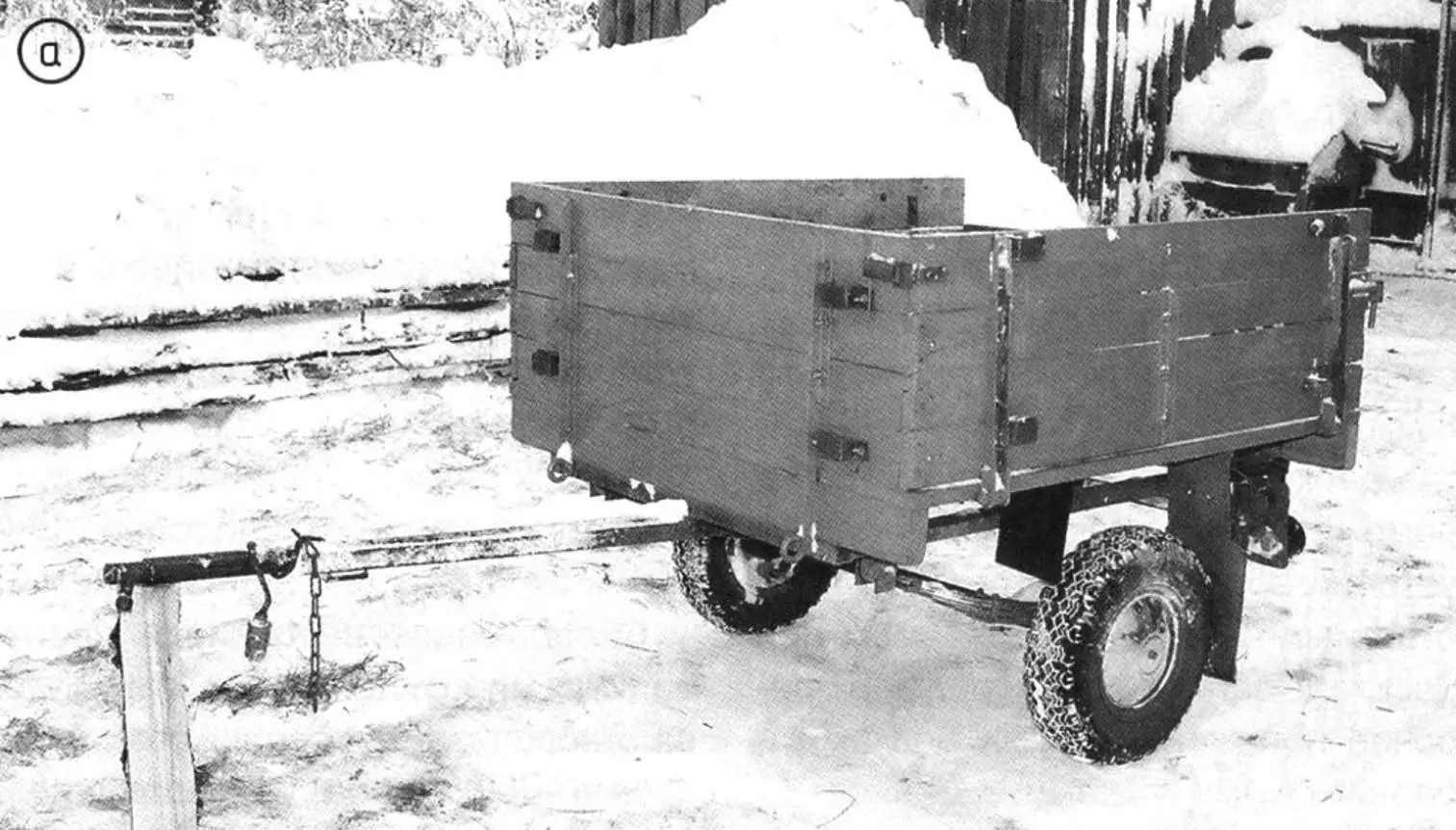
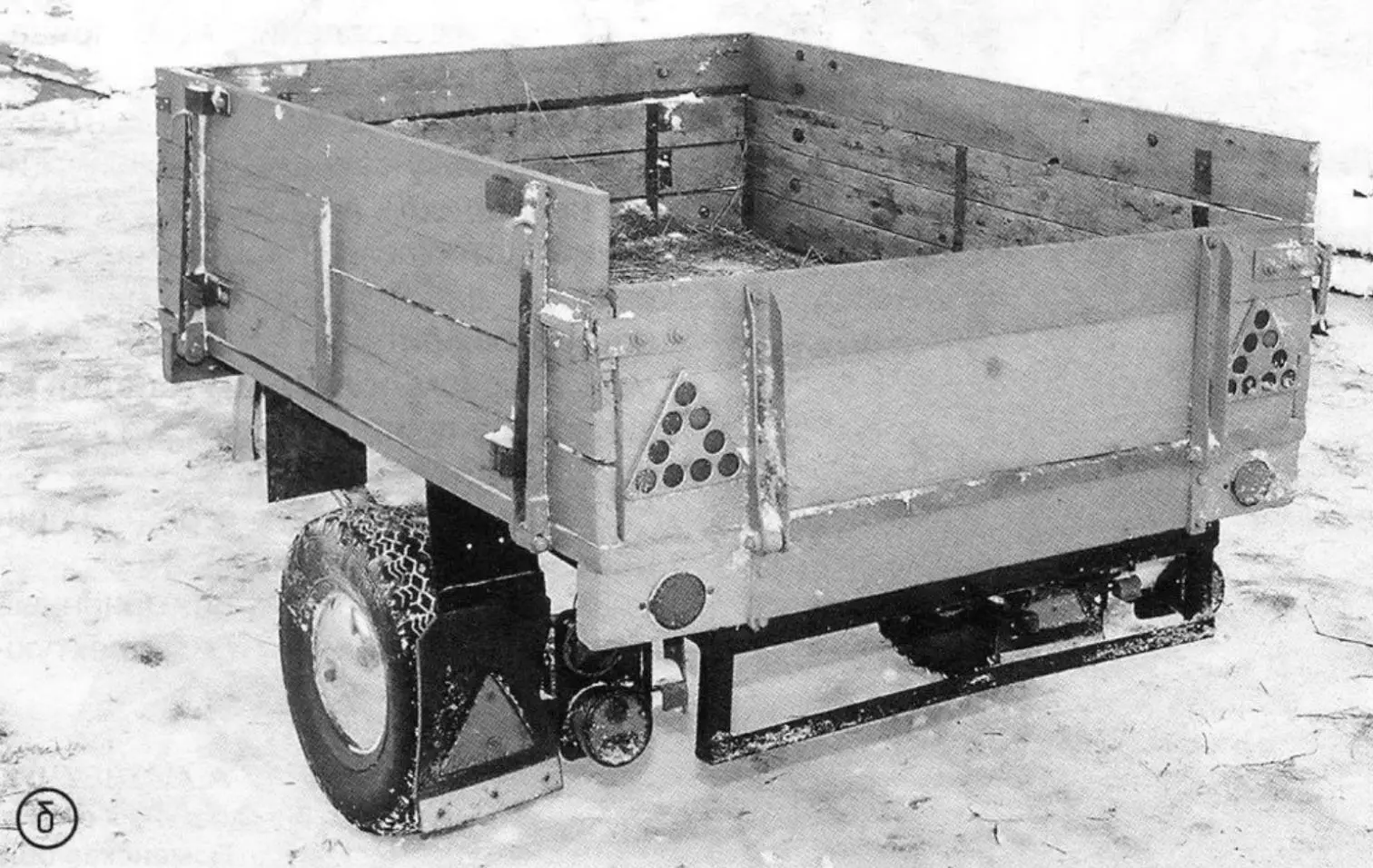
After several days of studying the subject in technical magazine subscriptions and on the Internet, it became clear that:
– building homemade trailers in Russia is still not prohibited, but there are technical requirements for the design, its lighting equipment and documentation that remain from the Soviet Union era and are still in force, and these must be met;
– to operate a trailer, it must be registered with the state traffic inspectorate;
– assembling trailers from spare parts is not allowed.
The last requirement was understandable in times of general shortage, when there were not enough spare parts for products already manufactured by factories. Now it has become an anachronism. Nevertheless, it should be complied with, and one should not get carried away with using ready-made units, although wheels, of course, cannot be made by oneself. The only plus of this requirement is that it stimulates the DIY constructor’s thinking and ensures the originality of the product. As for a unit such as the tow hitch, it is better to buy a ready-made one: making it requires special equipment and metalworking skills, and during trailer registration it may create extra problems with a test certificate.
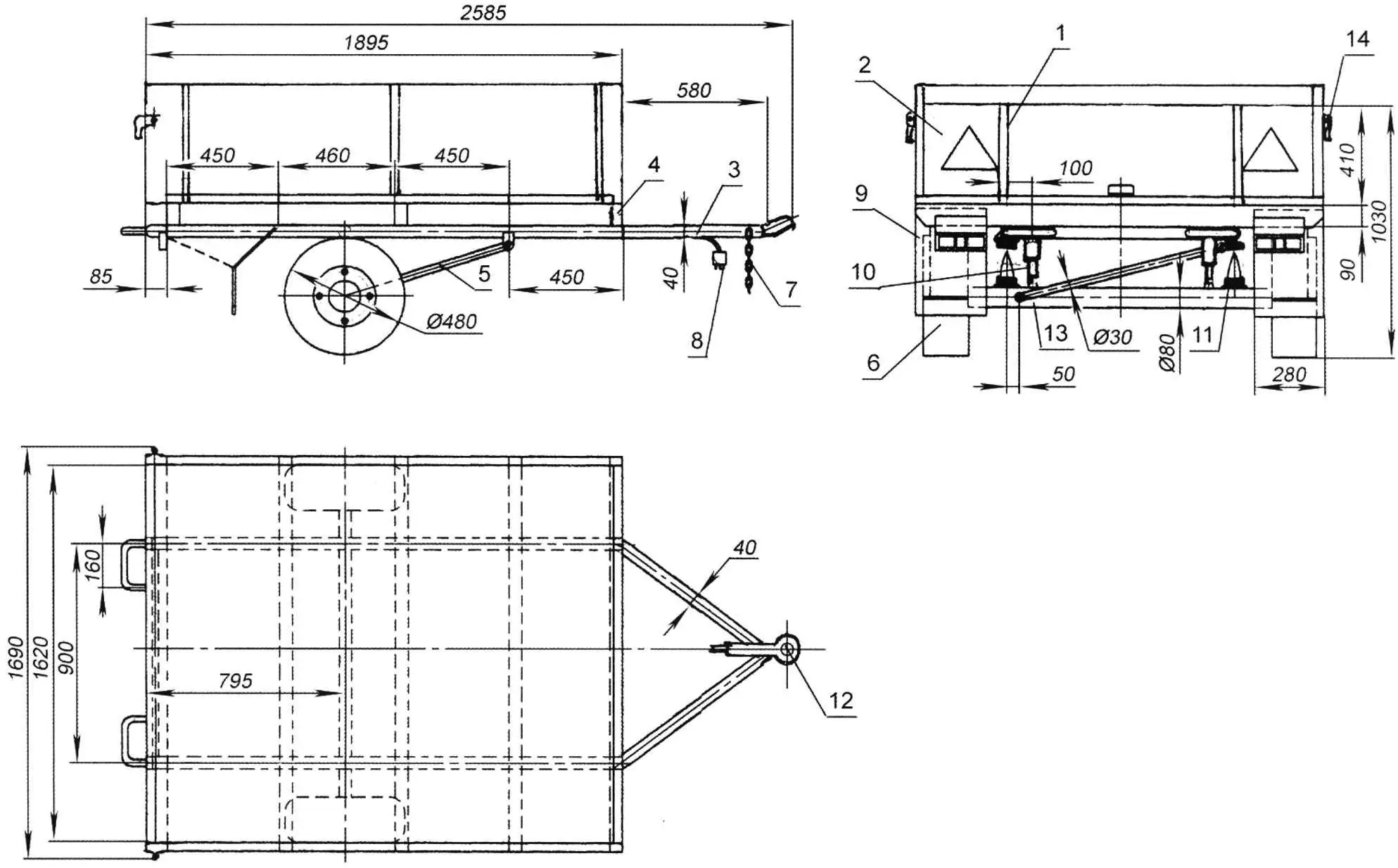
1 – side binding elements (from a tractor trailer); 2 – side board (tongue-and-groove board s16, 4 pcs.); 3 – frame (steel tube 40×40); 4 – crossmember (pine timber 90×50, 3 pcs., middle one short); 5 – link (tube Ø30, 2 pcs. longitudinal, 1 pc. transverse); 6 – wheel with hub (from an agricultural machine); 7 – safety chain; 8 – wiring connector; 9 – mudguard with stay (conveyor belt); 10 – shock absorber (from a Ural motorcycle, 2 pcs.); 11 – spring with rubber bump stop; 12 – tow hitch (purchased item); 13 – axle beam (steel tube 80×5); 14 – rear drop-side latch (2 pcs.)
Humanity has accumulated a huge variety of trailer layouts, arrangements and drawings for every occasion. There are even trailers for transporting yachts and aircraft.
But I was interested in simpler and more practical ones — cargo trailers intended for hauling materials. For myself I classified them as follows:
1 – trailers with leaf-spring suspension;
2 – trailers with coil-spring suspension;
3 – without suspension.
The last type attracted me with its ease of manufacture in a home workshop, but the assumption that not every load carried in such a trailer would withstand shocks and impacts transmitted directly from Russian potholes ruled it out completely.
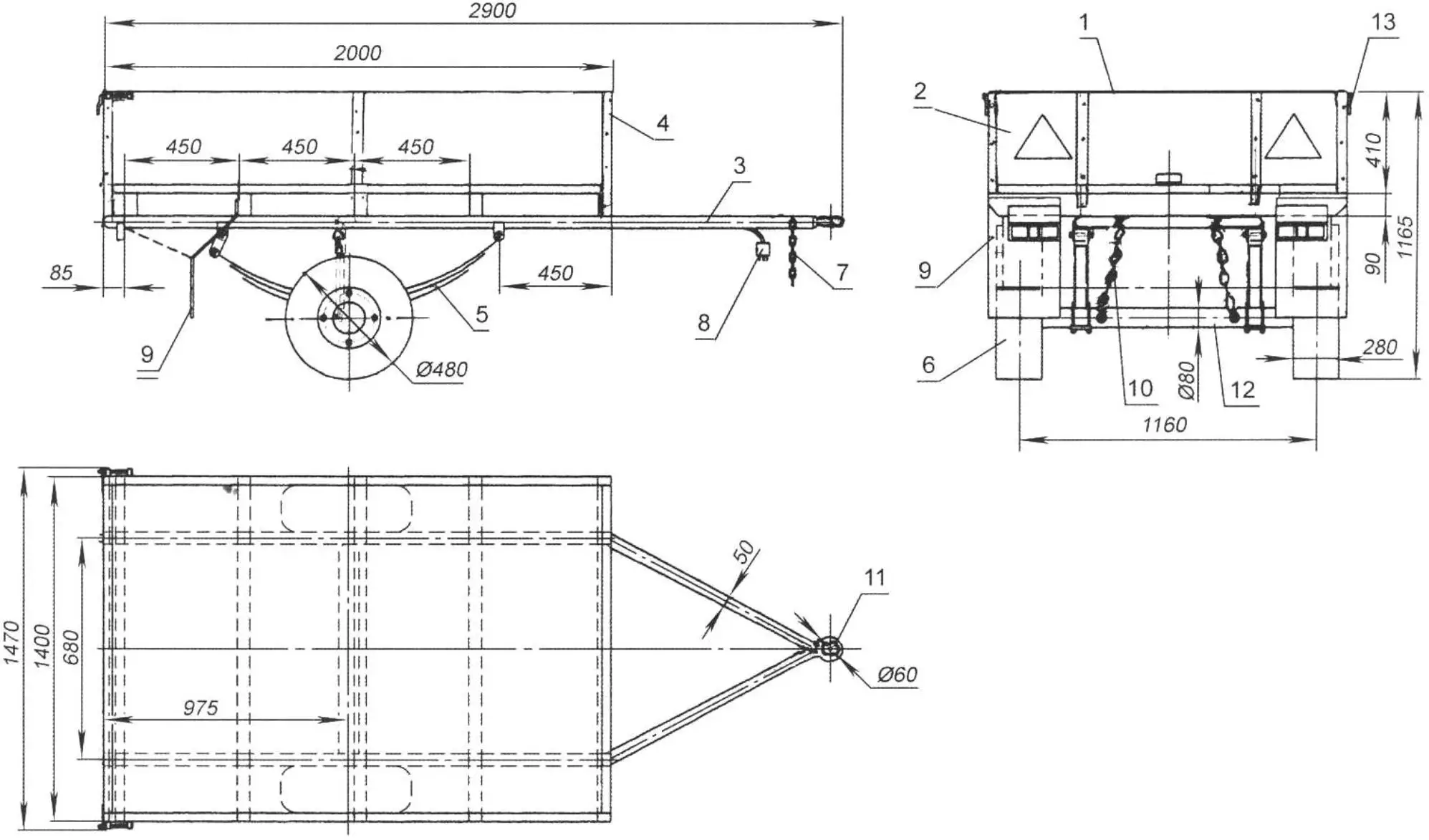
1 – body binding elements (angle 35×35); 2 – sides (board s20); 3 – frame (tube 50×3); 4 – crossmembers (pine bars 90×50, 4 pcs.); 5 – longitudinal leaf spring (from a Moskvich-412 car, 2 pcs.); 6 – wheel with hub (from agricultural machines, 2 pcs.); 7 – safety chain; 8 – wiring connector; 9 – mudguard (conveyor belt) with chain stay; 10 – chain travel limiter for the spring (2 pcs.); 11 – coupling ring; 12 – wheel beam (steel tube Ø80×3); 13 – rear drop-side latch (2 pcs.)
The decision had to be made depending on the materials, spare parts, units and assemblies available. I planned to buy some items. The approach should be creative and sensible:
– based on the future purpose of the trailer, determine its approximate dimensions and sketch on a sheet of paper to scale the overall view and the most complex assemblies. They say that for DIY builders “the pencil cannot keep up with the hands.” But it is still better to think the design through on paper, because trial and error is more expensive and takes longer;
– I collected component units, parts and materials in my garage and from acquaintances, and bought what was missing;
– I prepared the necessary tools, including welding and a cut-off disc saw.
The most acceptable and feasible design for manufacture seemed to be a trailer with a frame and drawbar of square tubes, coil-spring suspension from a Zhiguli car with shock absorbers from a Ural motorcycle. I drew it on a sheet of drafting paper. And from the drawing it was already easier to outline the work sequence (technology). Briefly, it is as follows:
1. Cut blanks for the frame and drawbar from 40×40 mm square tube and weld them. Reinforce corner joints with triangular gusset plates.
2. Make: links — two longitudinal and one transverse, and four spring cups.
3. Weld the wheel axles to the beam and fit the wheels on them.
4. Weld the shock-absorber mounting lugs, links and spring cups to the frame and beam.
5. Assemble the frame with the axle, installing the springs, shock absorbers and links in place, and try on the purchased tow hitch.
6. Weld the tow hitch to the trailer drawbar.
7. Cut angles, weld them to the frame and attach wooden crossmember bars to them.
8. Cut body floor frame angles to size and weld the frame. Lay the floor and screw it to the bars, bolt the frame to the chassis, and cover it with galvanized steel sheet.
9. Assemble the sides from boards or plywood.
10. Run the wiring with a connector and fit the required signal lamps with marker lights, stop lights and turn indicators; reflectors, mudguards.
11. Paint in a preferred color (or with whatever paint is available) — that color will be recorded by the traffic police on registration, and changing it will only be possible with subsequent re-registration.
I made a second trailer for a friend. This version is on leaf-spring suspension (from a Moskvich-412 car). In addition, it has a different tow hitch — of the ring type, because the trailer is intended for a UAZ-469, which already has a towing hook. The frame is made of round tubes 50×3 mm in diameter. The frame side members are made as one piece with the drawbar (the tube length allowed it). However, they can also be welded from separate tube sections.
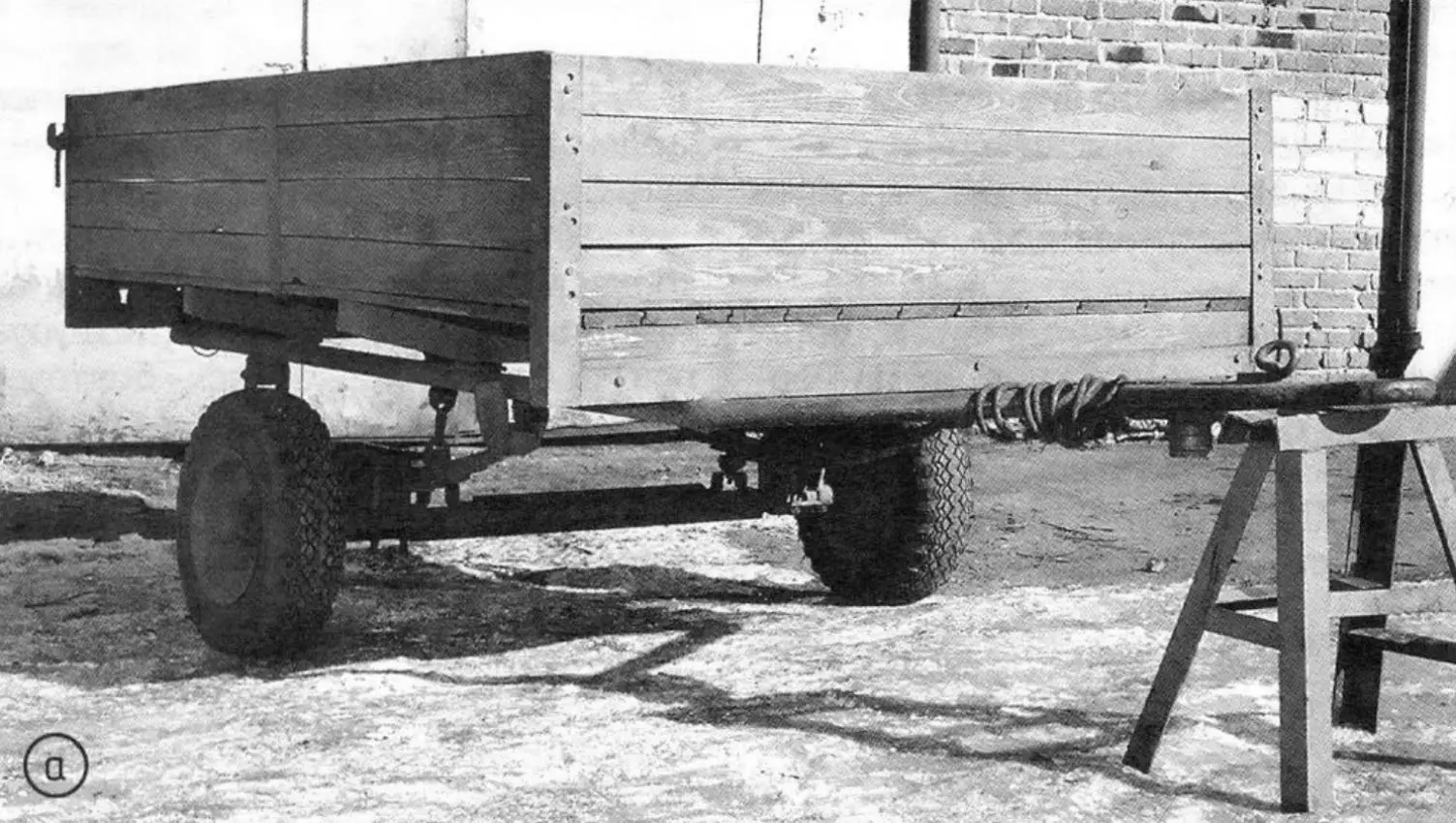
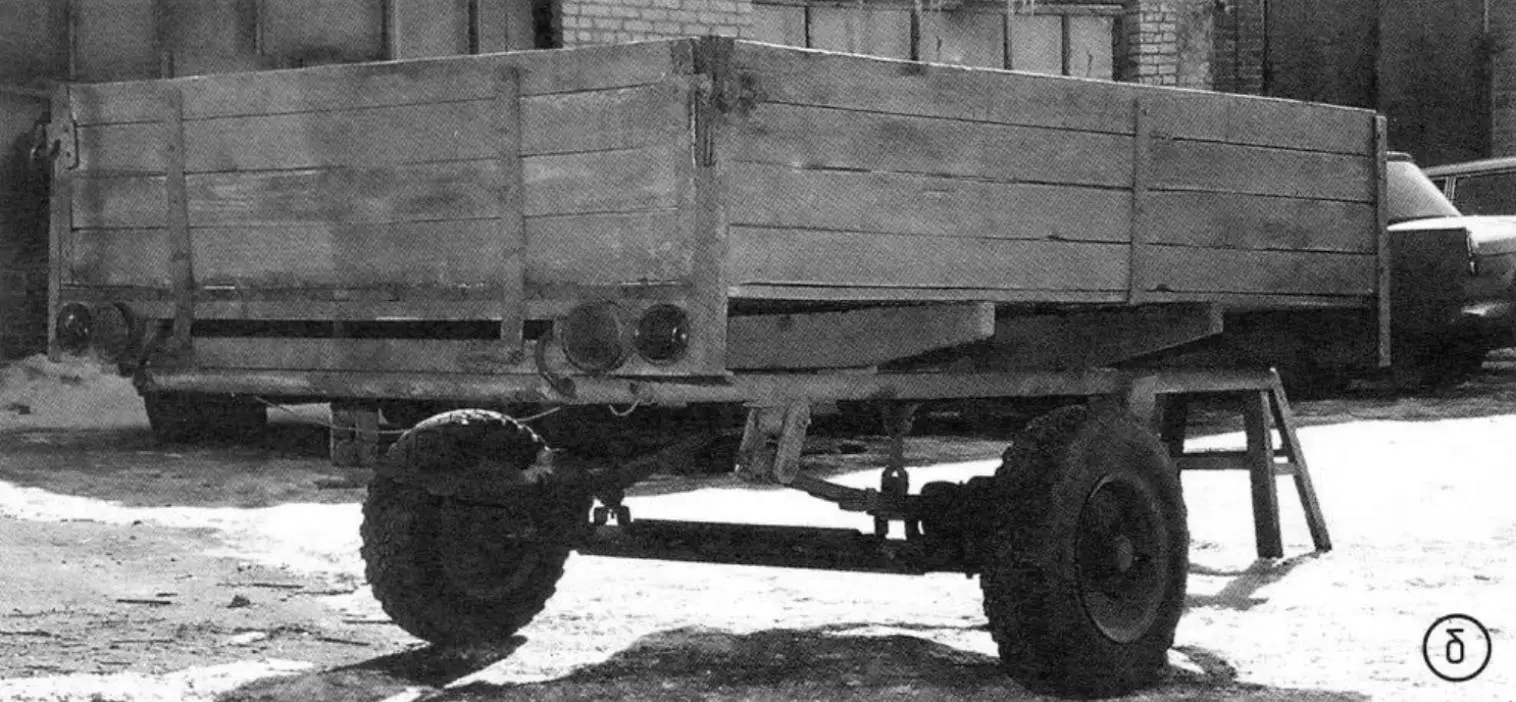
Manufacture is almost the same as in the version described above, but simpler. There is only a rear drop side. Instead of shock absorbers, limiting chains were used.
After manufacture, the path leads to the traffic police registration window, where they will require documents:
1 – an expert opinion certificate on the trailer’s fitness for operation, issued by expert boards of a voluntary motorists’ society (such societies exist in every regional city), but you will have to take the trailer there in the body of a truck;
2 – three color photographs of the trailer from different angles;
3 – invoices for the materials and components used in the trailer.
“Modelist-Konstruktor” No. 2’2012, A. MATVEYCHUK
Recommend to read
 CAN AND CONE
To increase the diameter of the axis bearing, to make the flat-head screws out of the ordinary, to any cone to grind spinner air mover — many operations without a lathe will allow you to... ROULETTE WITH A SPOUT
Conventional roulette is inconvenient to measure in the crevices, folds, blind grooves. I have attached the model to the usual roulette kind of spout — G-shaped bracket of sheet metal;...
