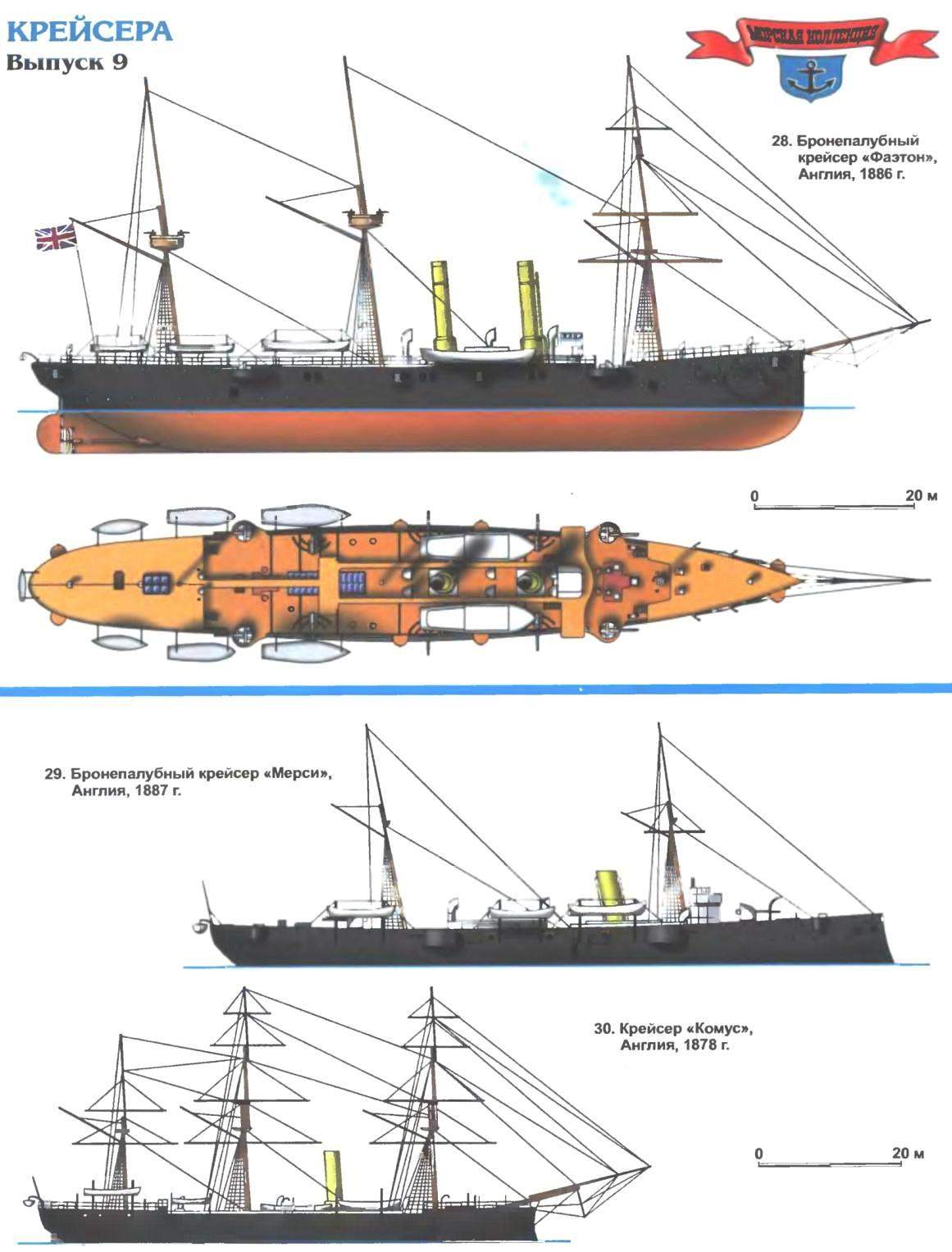
 In the decades after the civil war ghosts lucky raiders — armed ships of the southerners was a constant headache to the lords of the British Admiralty. In the event of war with such countries as all the same, the United States, or France, or, for example, Russia, have become a real threat to be found in the seas already dozens of enemy auxiliary cruisers. Besides, over the years, the characteristics of possible candidates in the raiders kept on rising. The best ships had a very decent speed and the shipowners the government specifically pay extra for a more durable design, allowing, if necessary, to set them on a very solid rifled guns of a caliber of 6 inches In such circumstances, numerous corvettes and sloops “mistress of the seas” lost technical superiority over makeshift opponents. Of course, the military remained the advantage of a ship with a disciplined and trained team, but it might not be enough for a confident victory in battle one on one. Needed a solution that allowed staff of cruisers once again regain its dominant force.
Read more
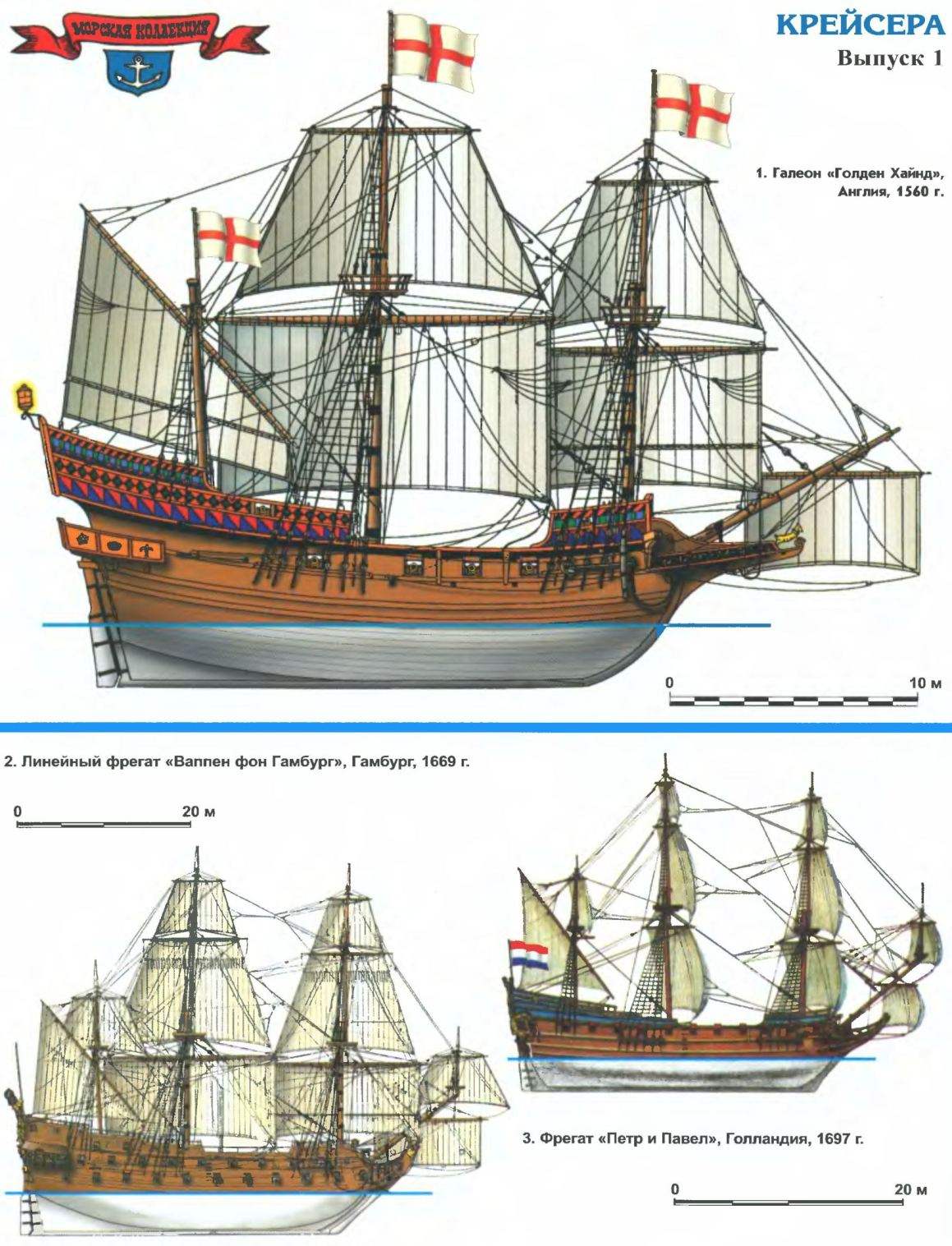 Cruiser… If you ask a contemporary, not too close to the history of the Navy with what he associated that word is likely to hear in response the power and speed to Do in the last decades of its existence, the cruiser has firmly taken the place of the main class of surface warships, inferior in strength and value, except that the aircraft carriers. But the path to this state of was very long and difficult.
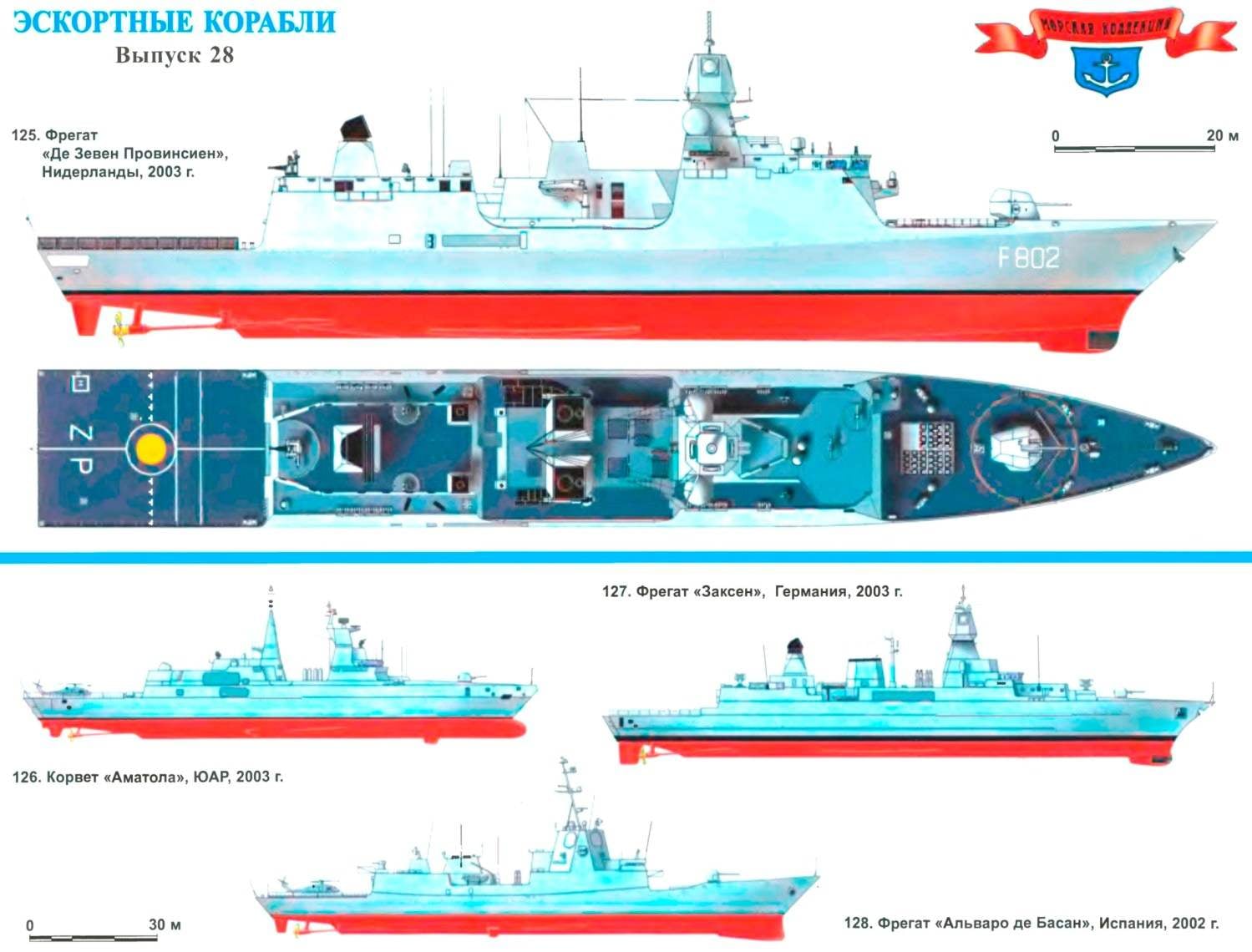
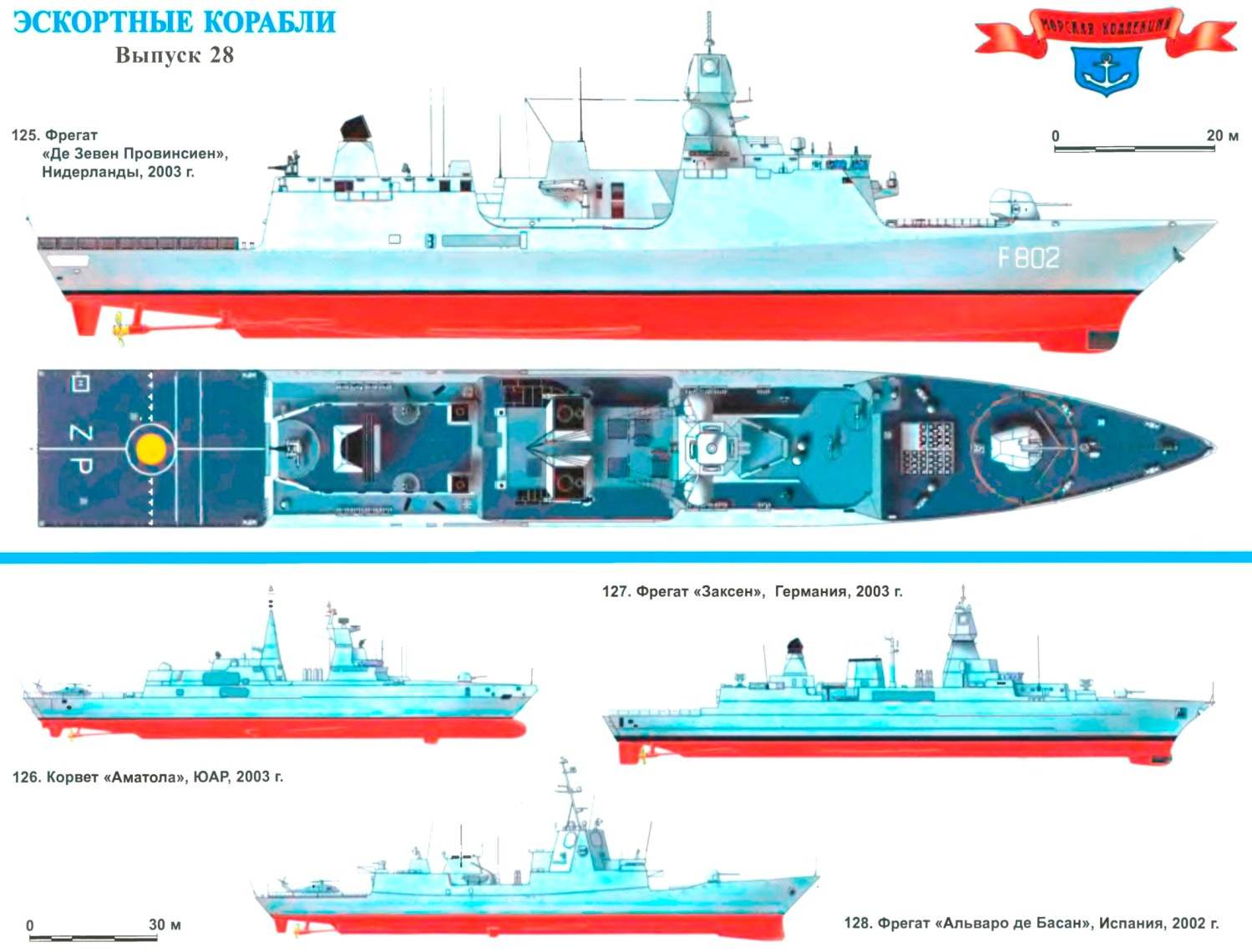 The launching of another ship of the MEKO family of corvettes “Amatola” for the Navy of South Africa — at first glance, were not fraught with anything unusual. Nevertheless, this event, held on 7 June 2002 at the Hamburg shipyard “Blohm und Voss”, attracted attention of specialists from different countries of the world And it was not only that the new draft MEKO-A200 predicted a great future in the international market for naval armaments of the South African Corvette was noteworthy in several respects, clearly describing trends in modern shipbuilding.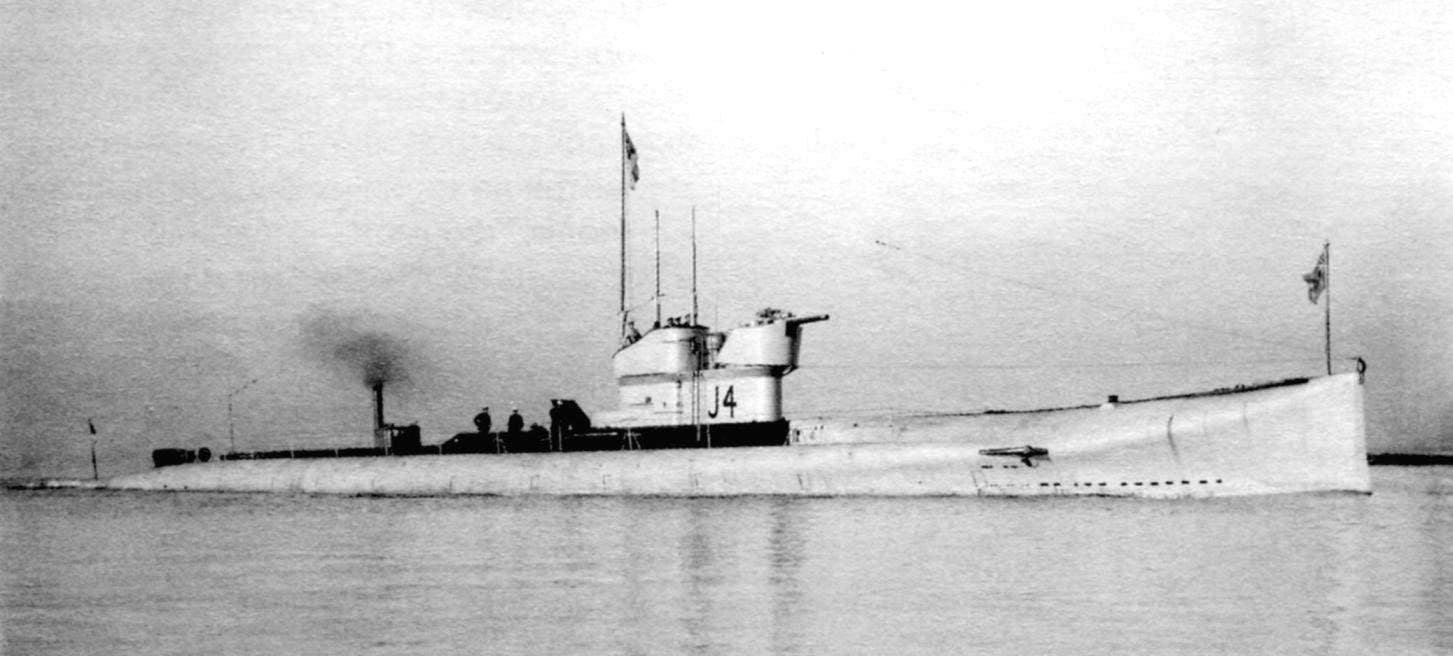
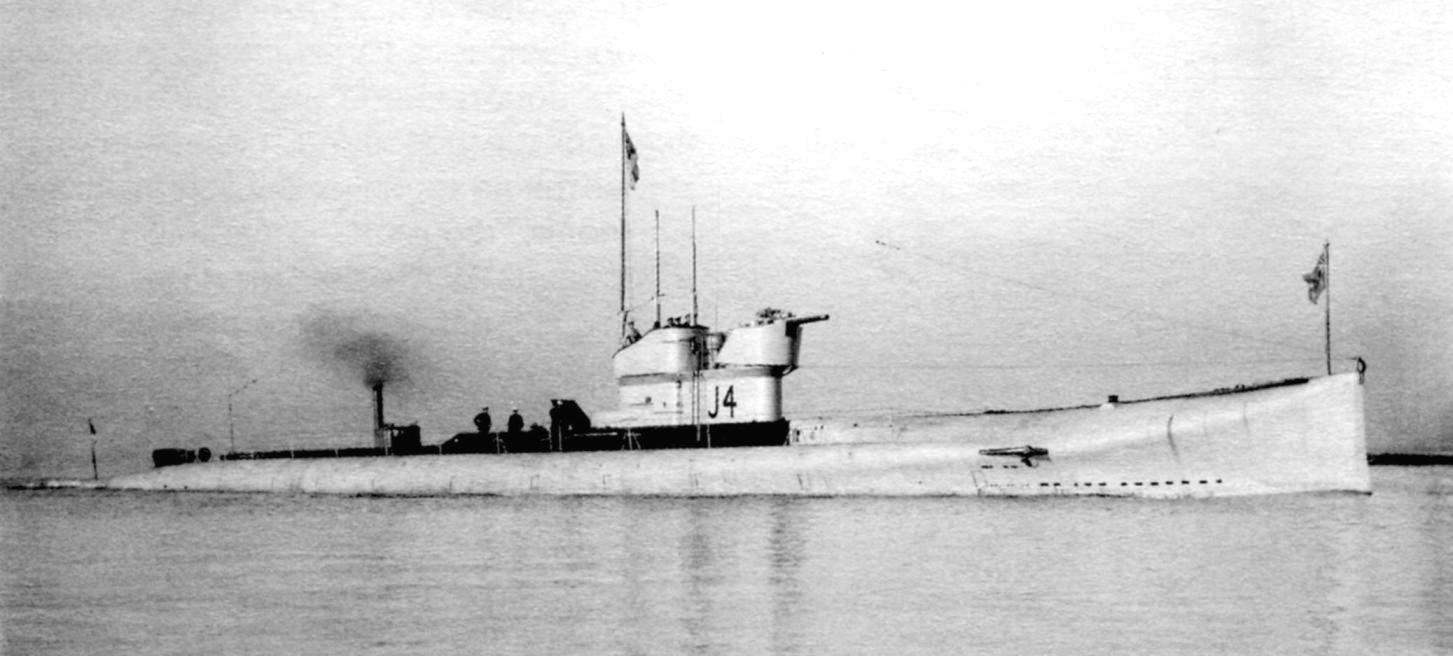 We left Britain in the midst of the “great war” as it was called by the British the First world war. Pretty pinched with German “u-bots” merchant fleet. But with huge military, which now has quite a prominent role began to play and the submarine. And the variety: the richest Empire could afford to actively experiment with a new kind of naval forces, which has gradually become almost a favorite.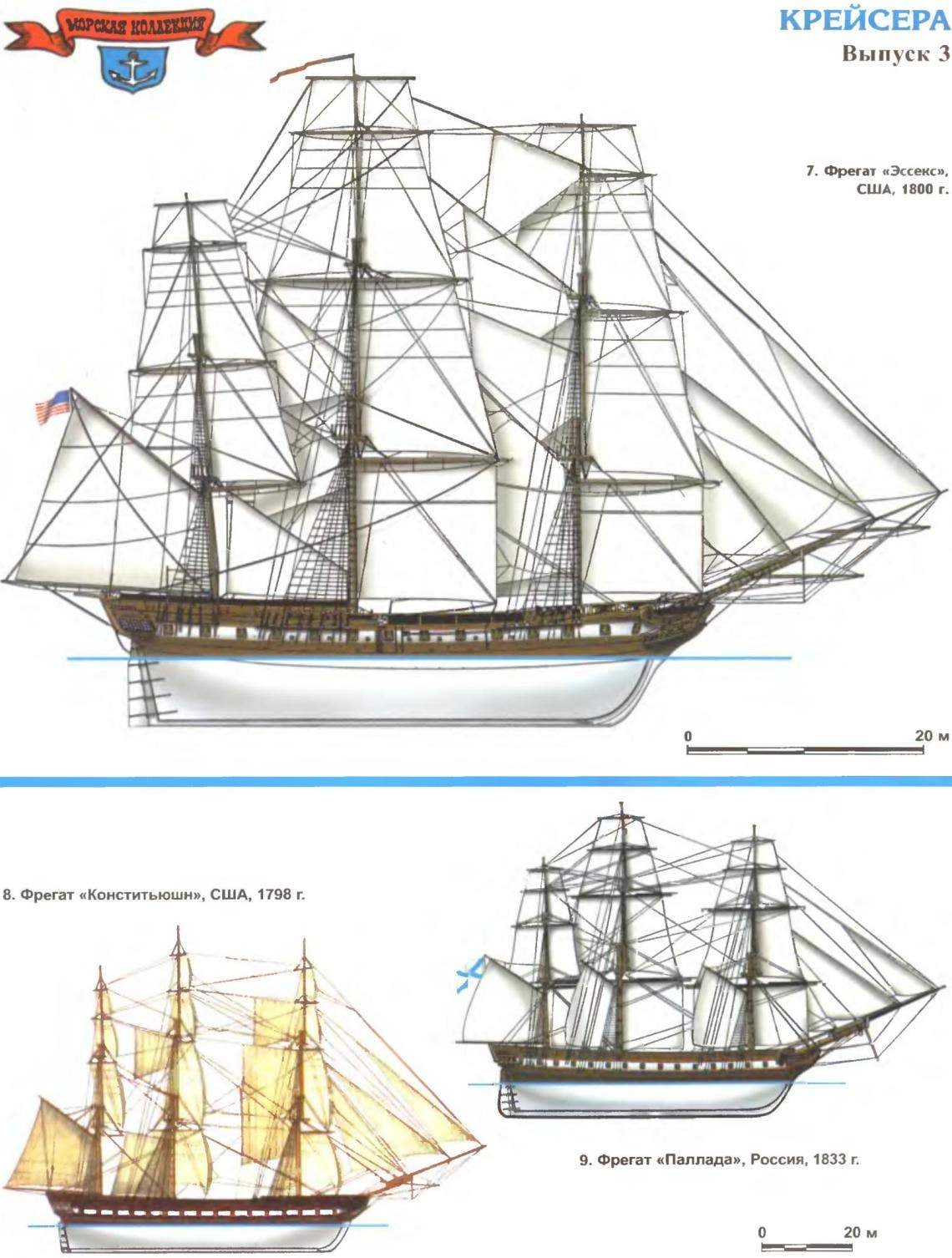
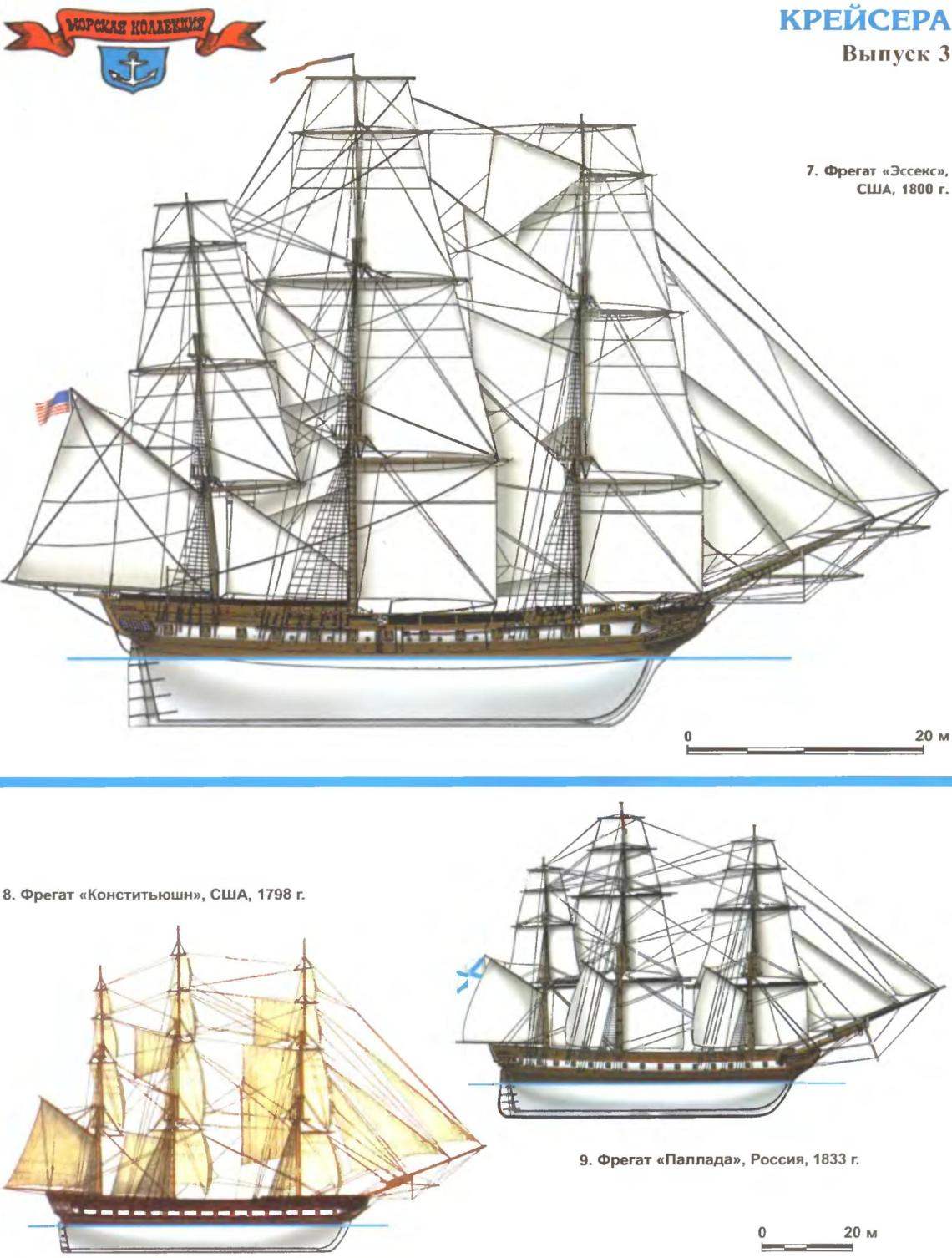 The war for the independence of the United States have clearly shown that it is essential the people of the state of their own Navy. The American revolution pushed many outstanding personalities, including such outstanding military leaders as Admiral John Paul Jones. Especially remarkable was the victory in a single battle between his flagship, the “Bonhomme Richard” and the British frigate “Serapis” on 23 September 1779, which ended in favour of the former colonists. However, such bright scenes could not hide the picture of complete domination of the powerful British Navy. The British almost completely suppressed trade and freely maneuvered his troops and transport them along the coast. In fact, only the intervention of France in the war at sea tipped the scales in favor of the “rebels”.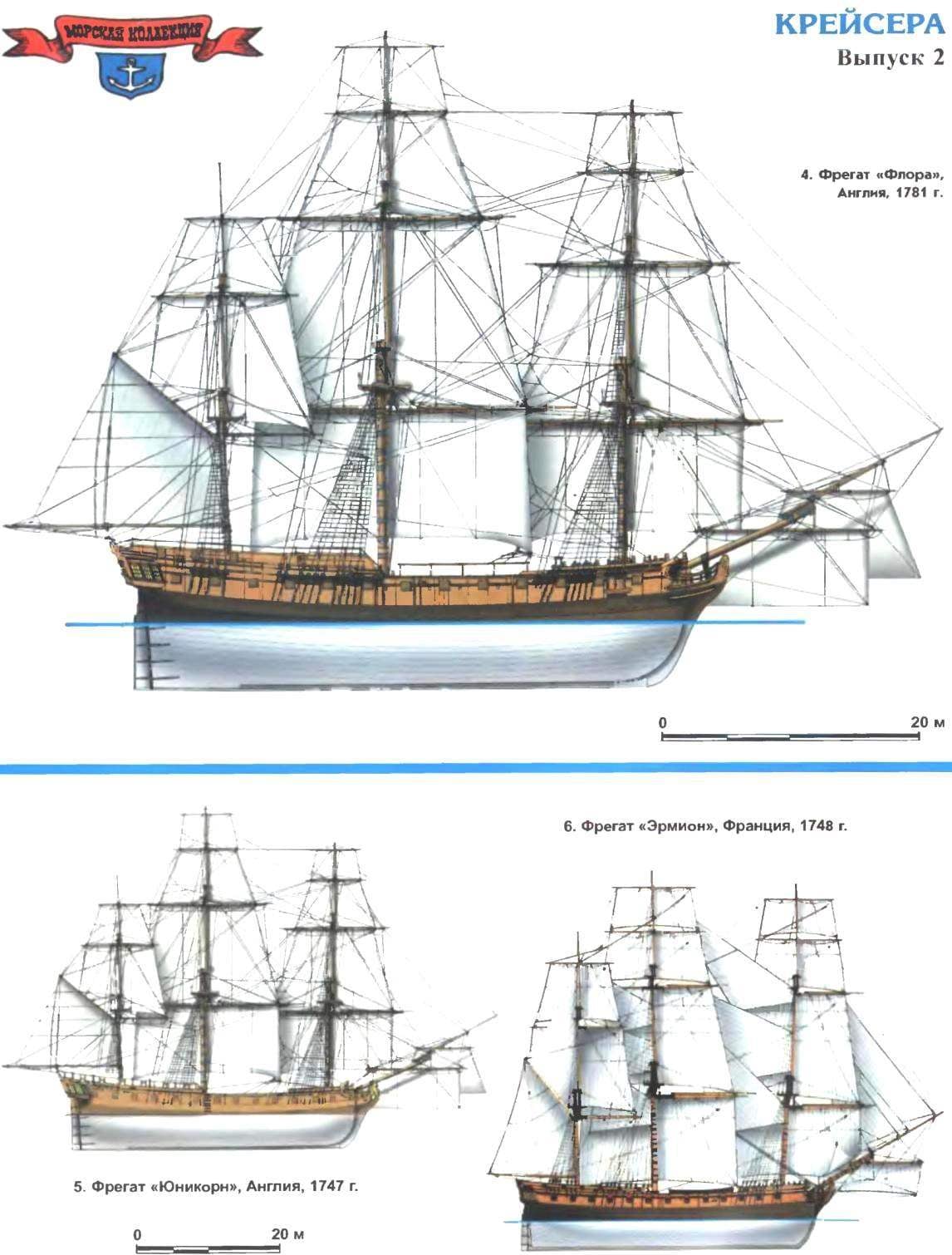
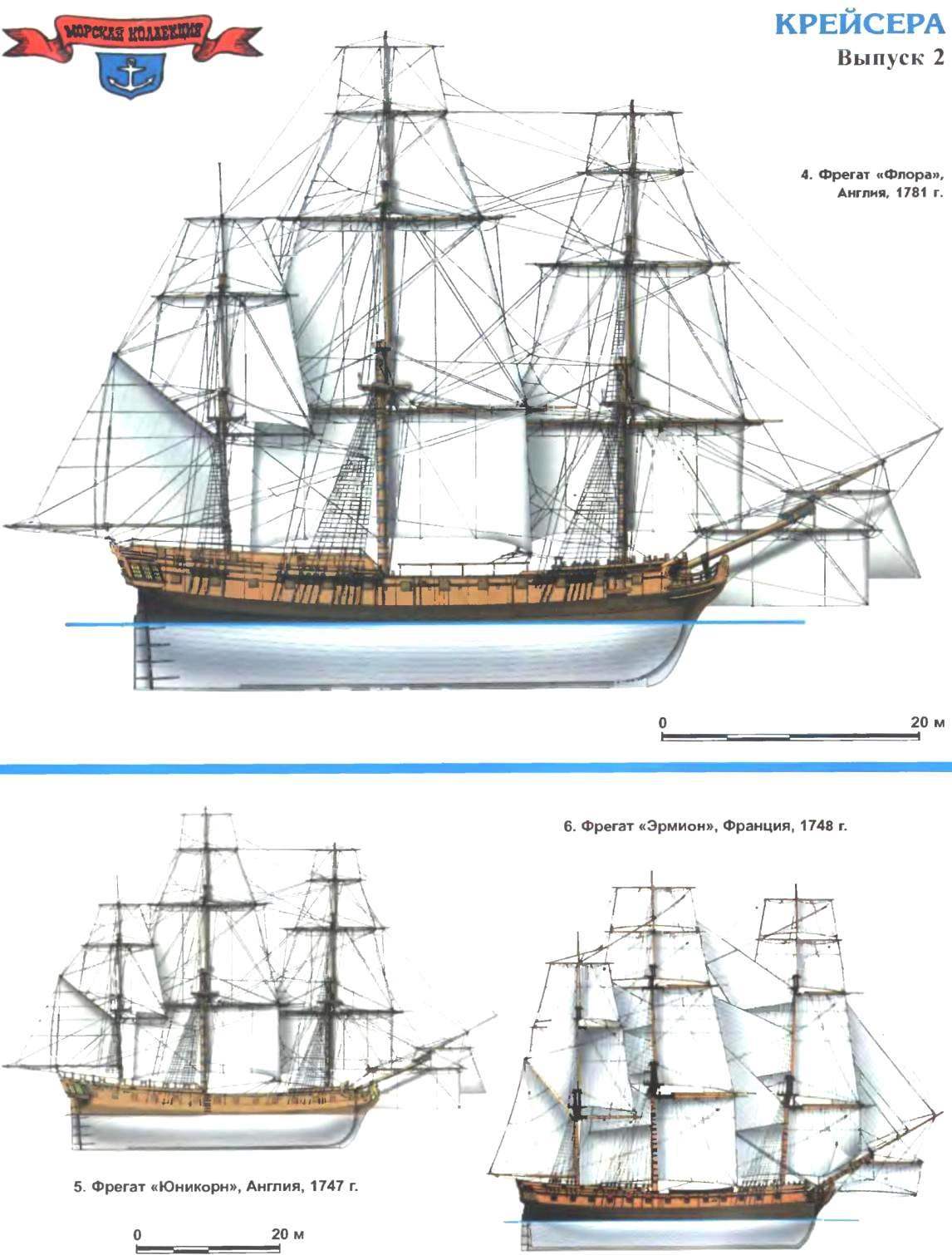 From the point of view of war at sea the eighteenth century has largely been a century frigates. For over a hundred years three major powers of Europe were engaged in a military struggle, often in the most remote corners of the globe. The war of the Austrian succession, Seven years war, the war for independence of the North American States, finally, the Napoleonic wars… At every opportunity, England, France and Spain entered the confrontation, hoping the campaign to acquire overseas possessions of the enemy. Of course, when military action occurred over many thousands of miles from Europe, the importance of acquired fleet. And not only ships of the line, formed the basis of combat squadrons, but also smaller vessels — frigates and corvettes capable of a cruising operation as the composition of the group, and alone.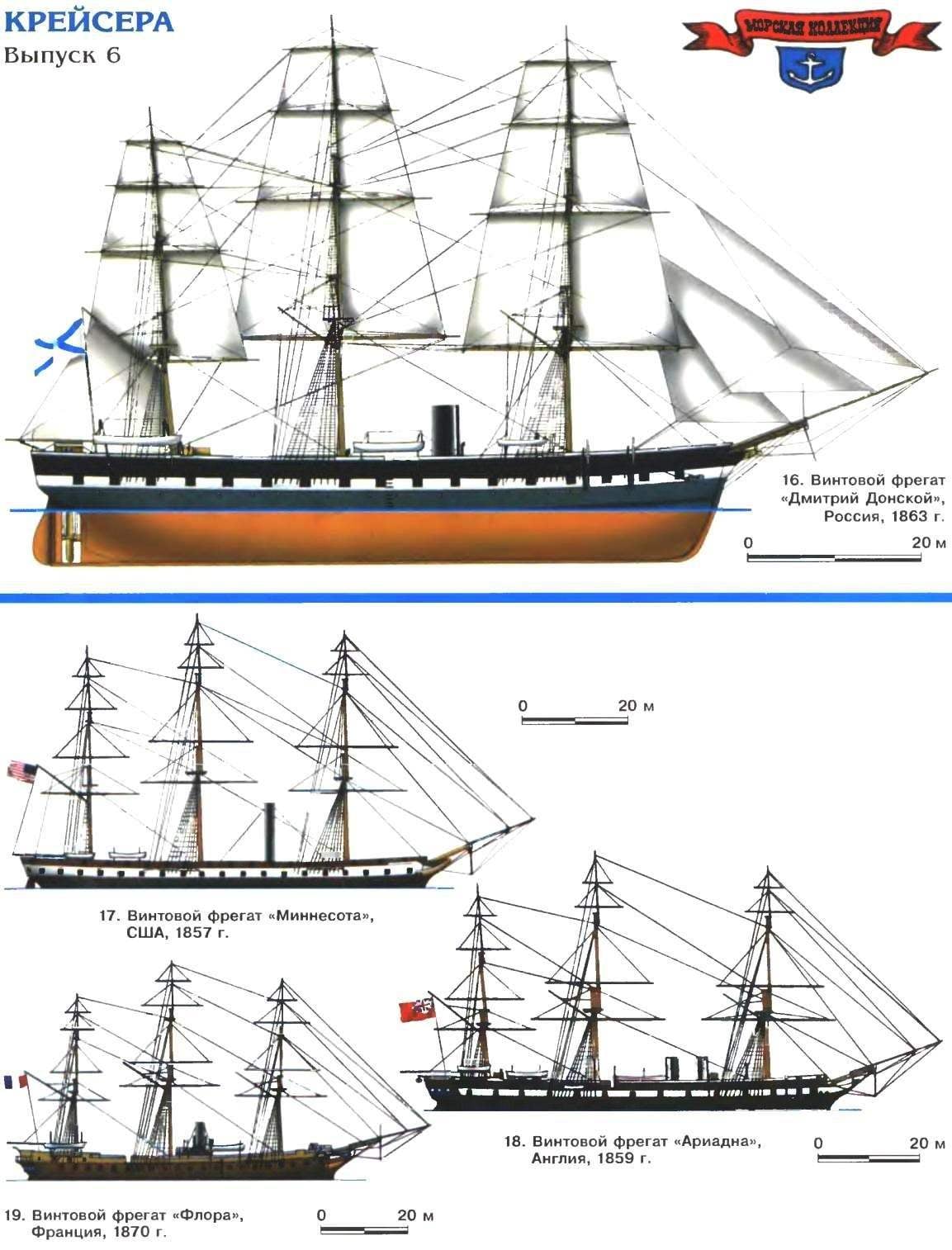
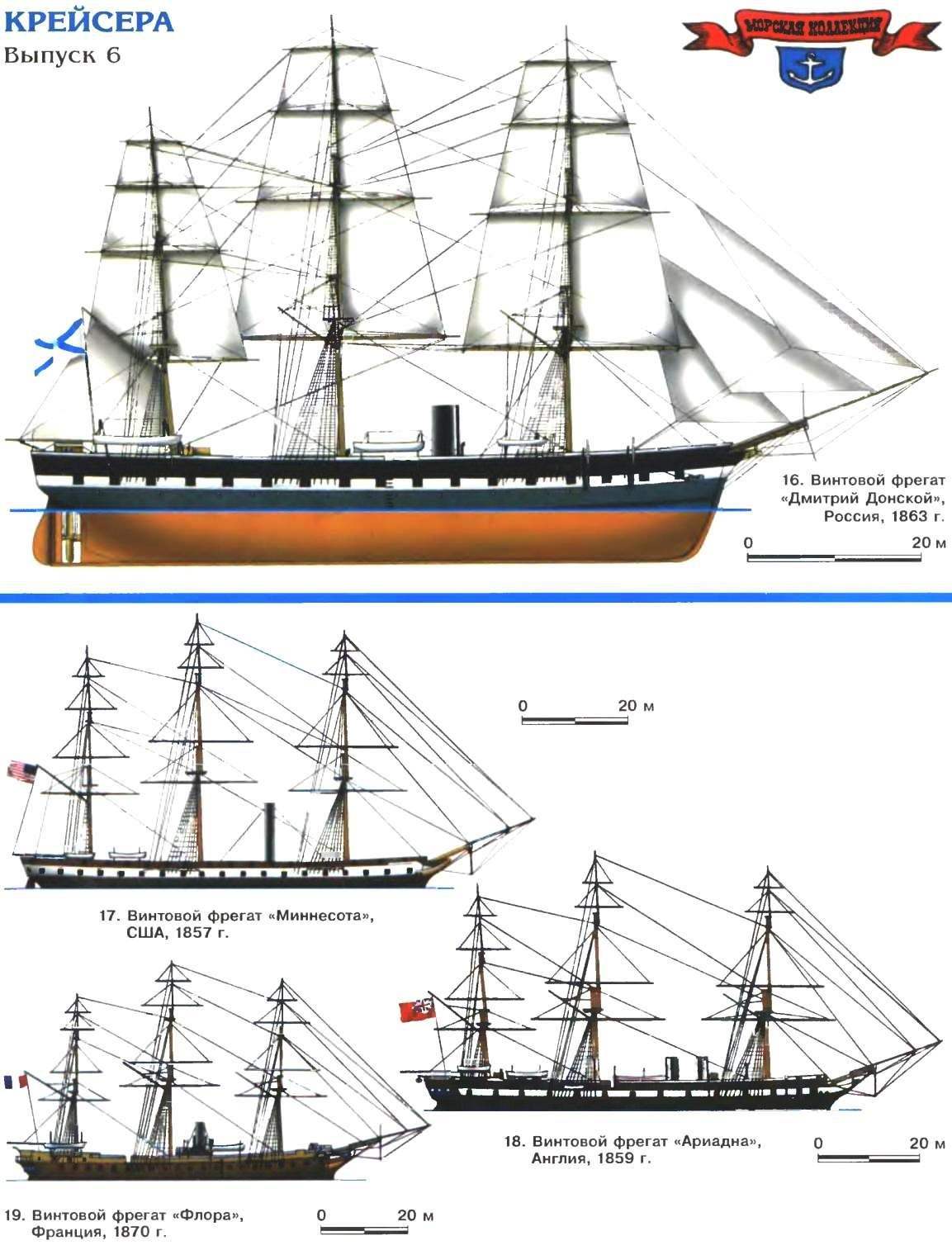 Civil war in USA was suddenly brought to the fore a small improvised cruisers who have achieved outstanding success. However, this does not mean that such ships are immediately received universal recognition. Before, during, and after the exploits of the “Alabama” and “Florida” in all countries legislators naval fashion continued construction of large steam frigates, which was still considered most appropriate for action on ocean communications.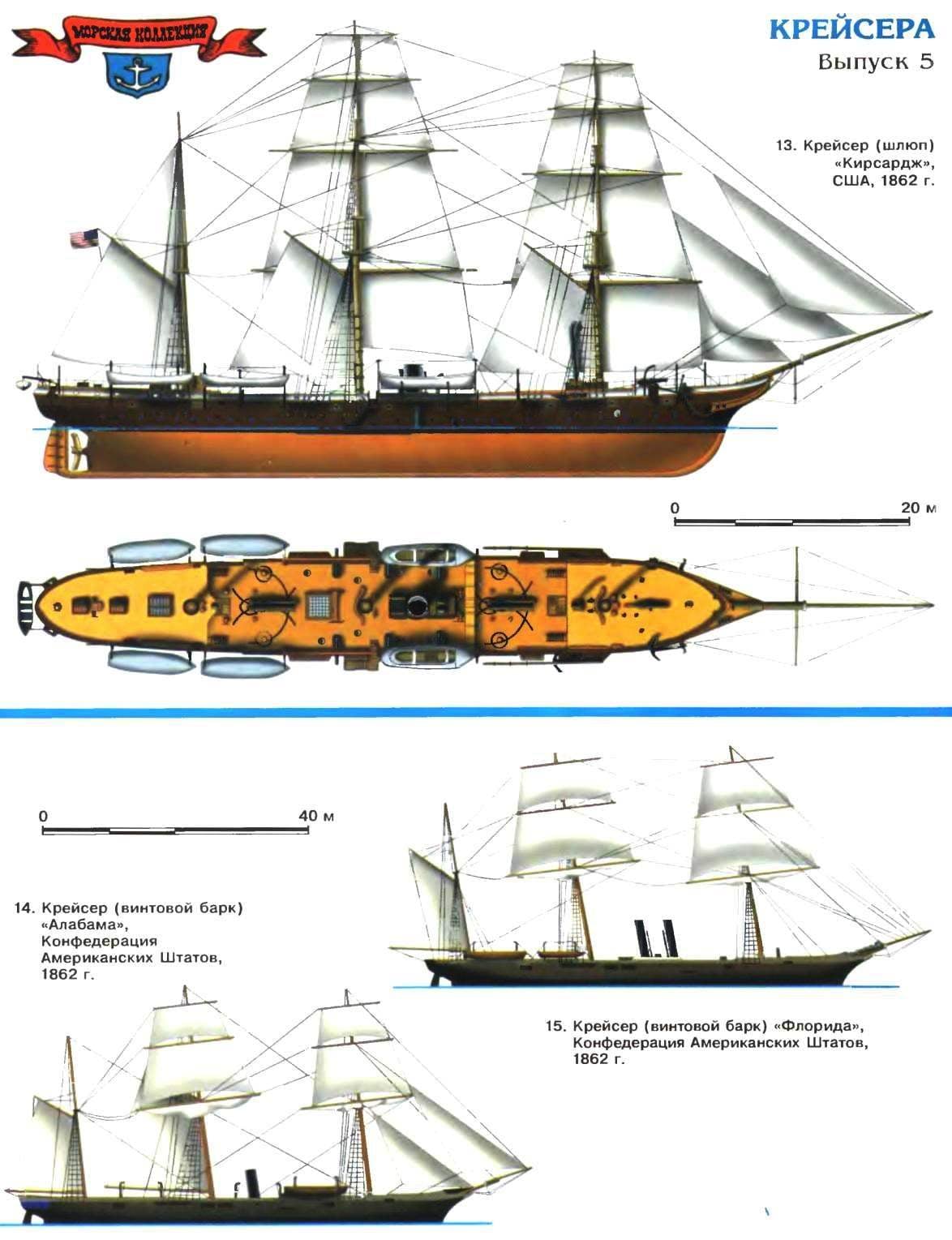
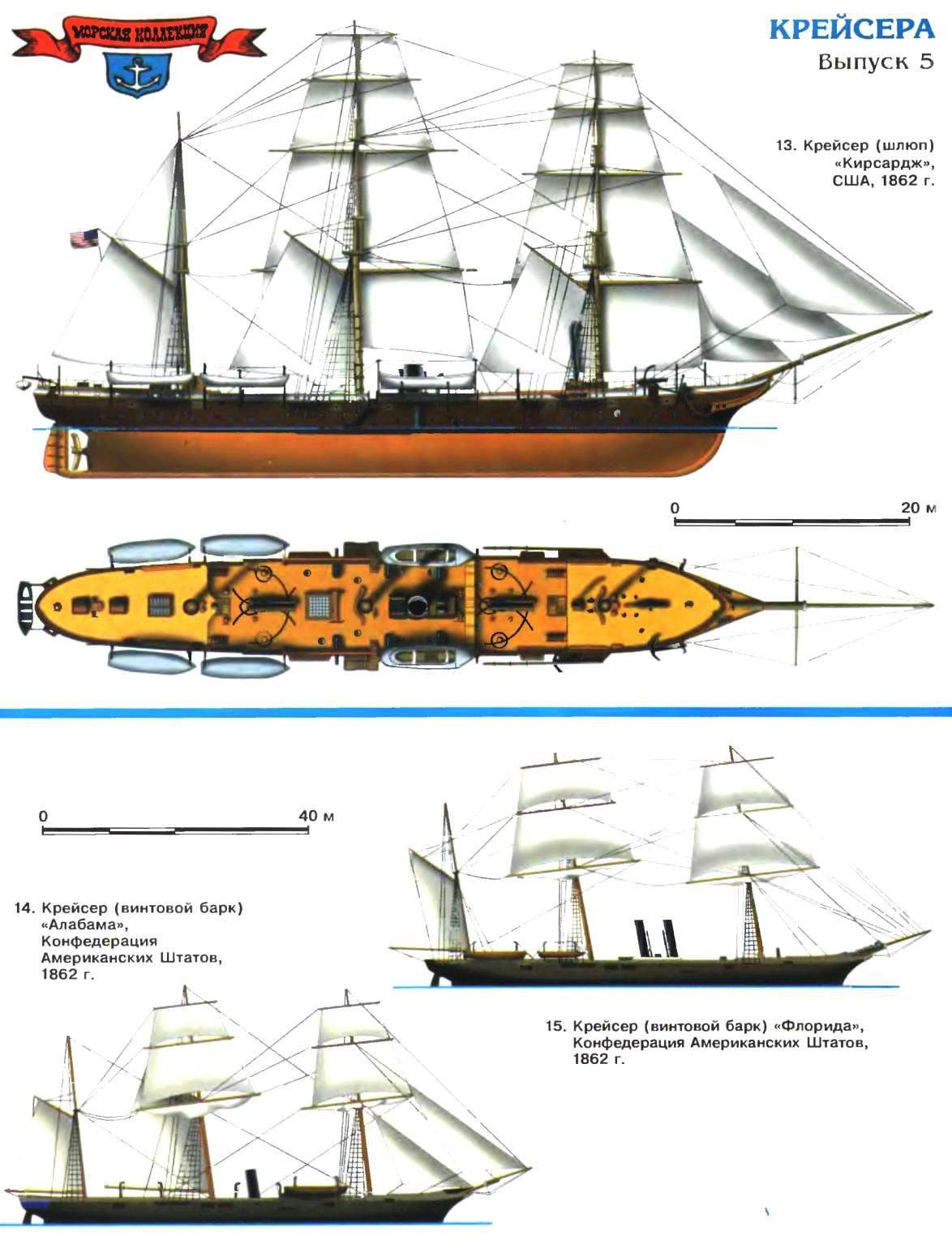 The Crimean war clearly demonstrated the decisive superiority of steam ships over sailing. However, in tactical and in strategic terms, the role of the fleet has not changed. Admirals still believed that fighting at sea can be won only through a General engagement of the opposing squadrons. It took another war, this time civil, in order to understand how the situation could change if the idea of war cruising on the ocean trade routes.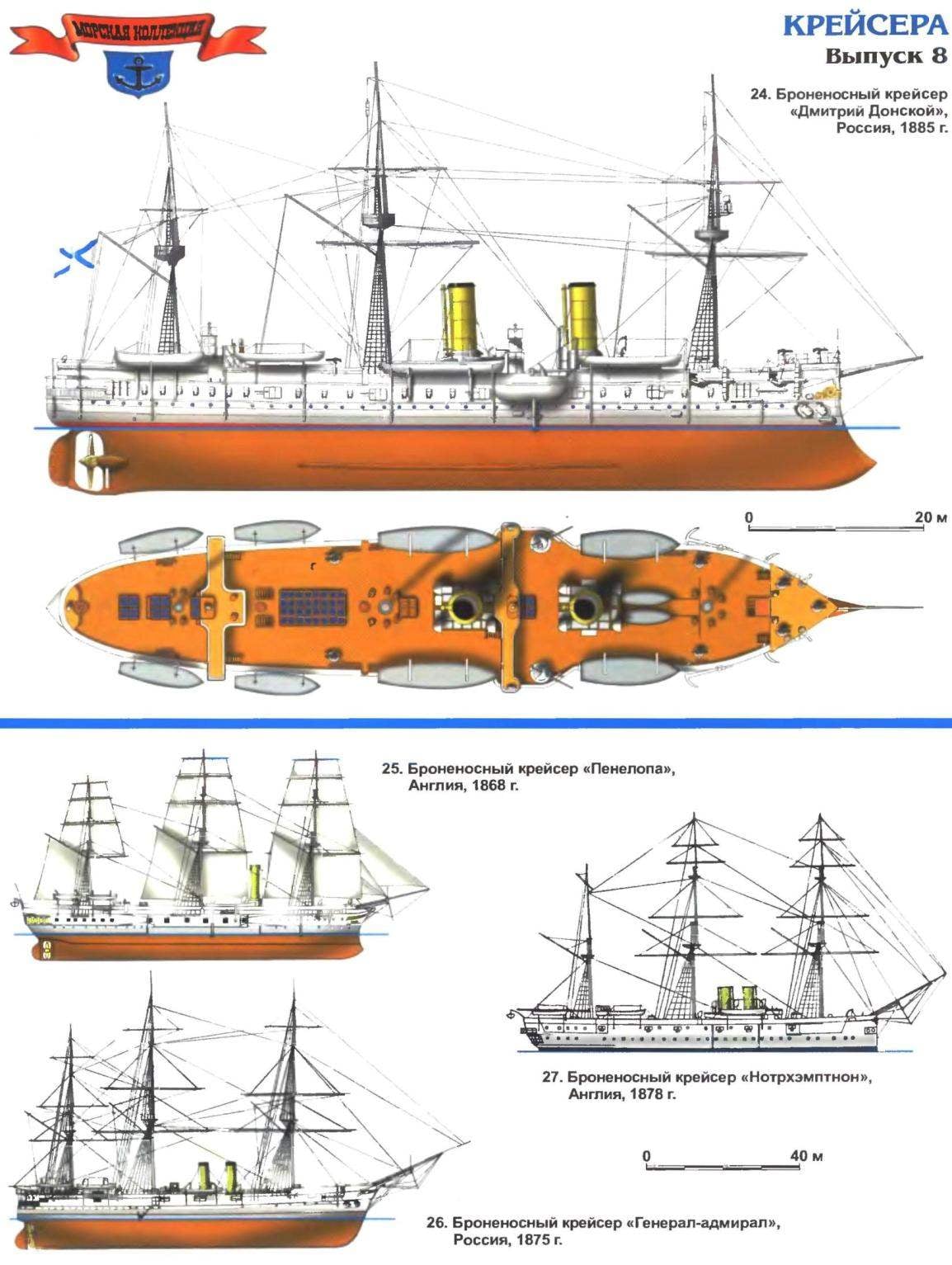
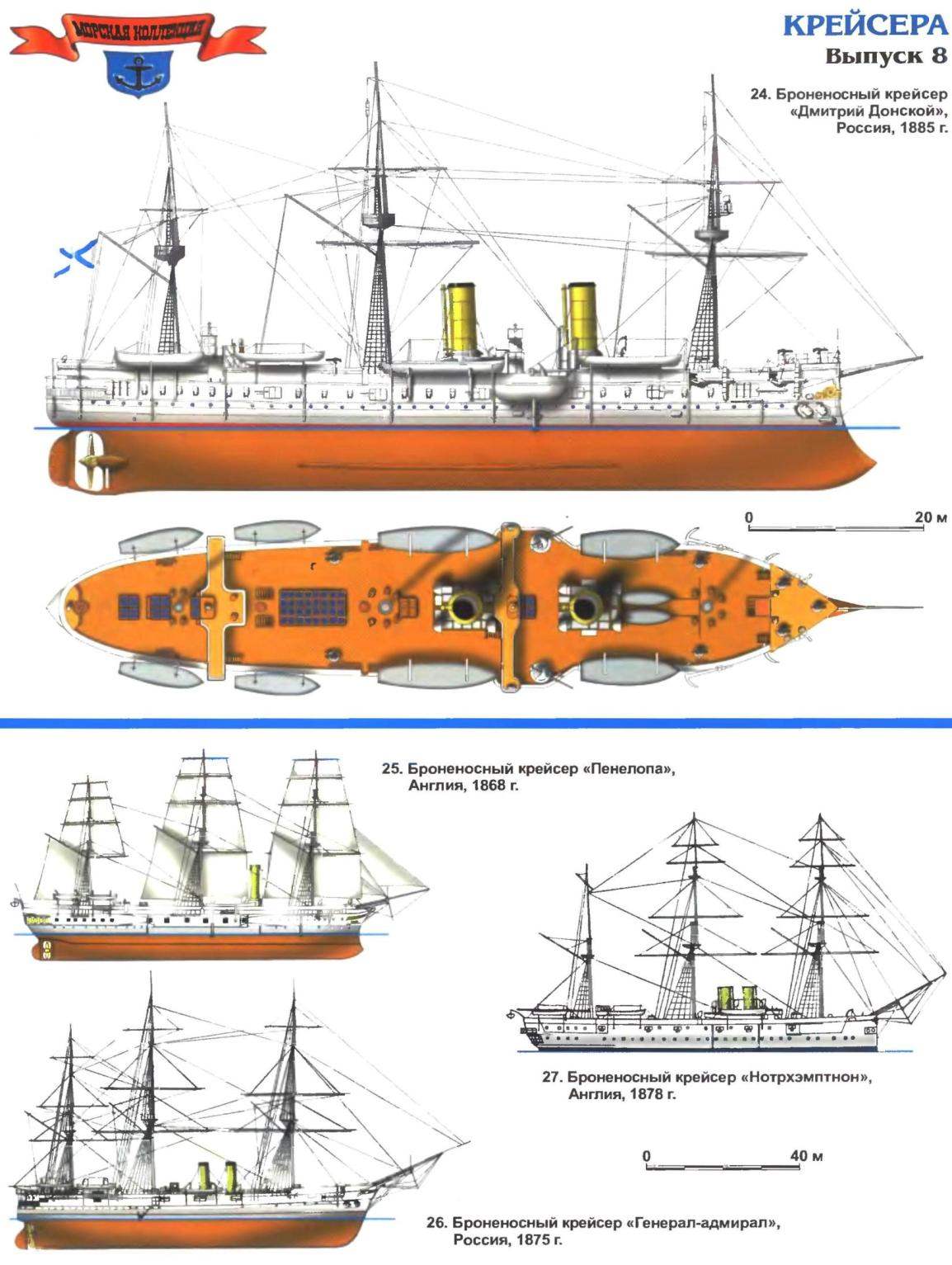 the First British battleship “warrior” with his appearance in 1861 changed naval “table of ranks” in the most radical way. He and other armored frigates suddenly swept from the stage as the wooden ships of the line, and although armed with powerful artillery, but unprotected counterparts. Typical of the cruiser, in fact, become the new battleships. It is not surprising that the designers soon had the idea to do the same operation with units of smaller size.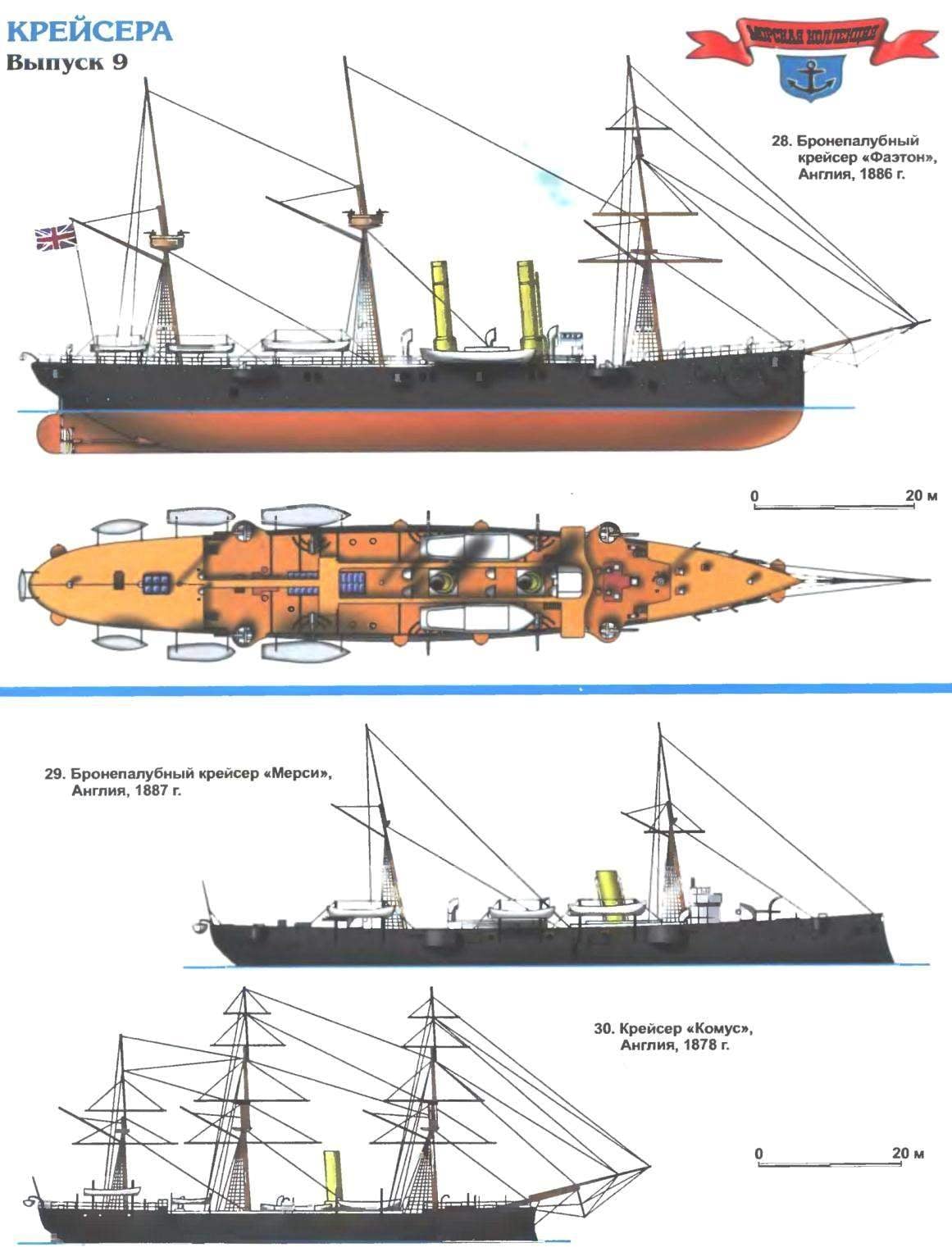
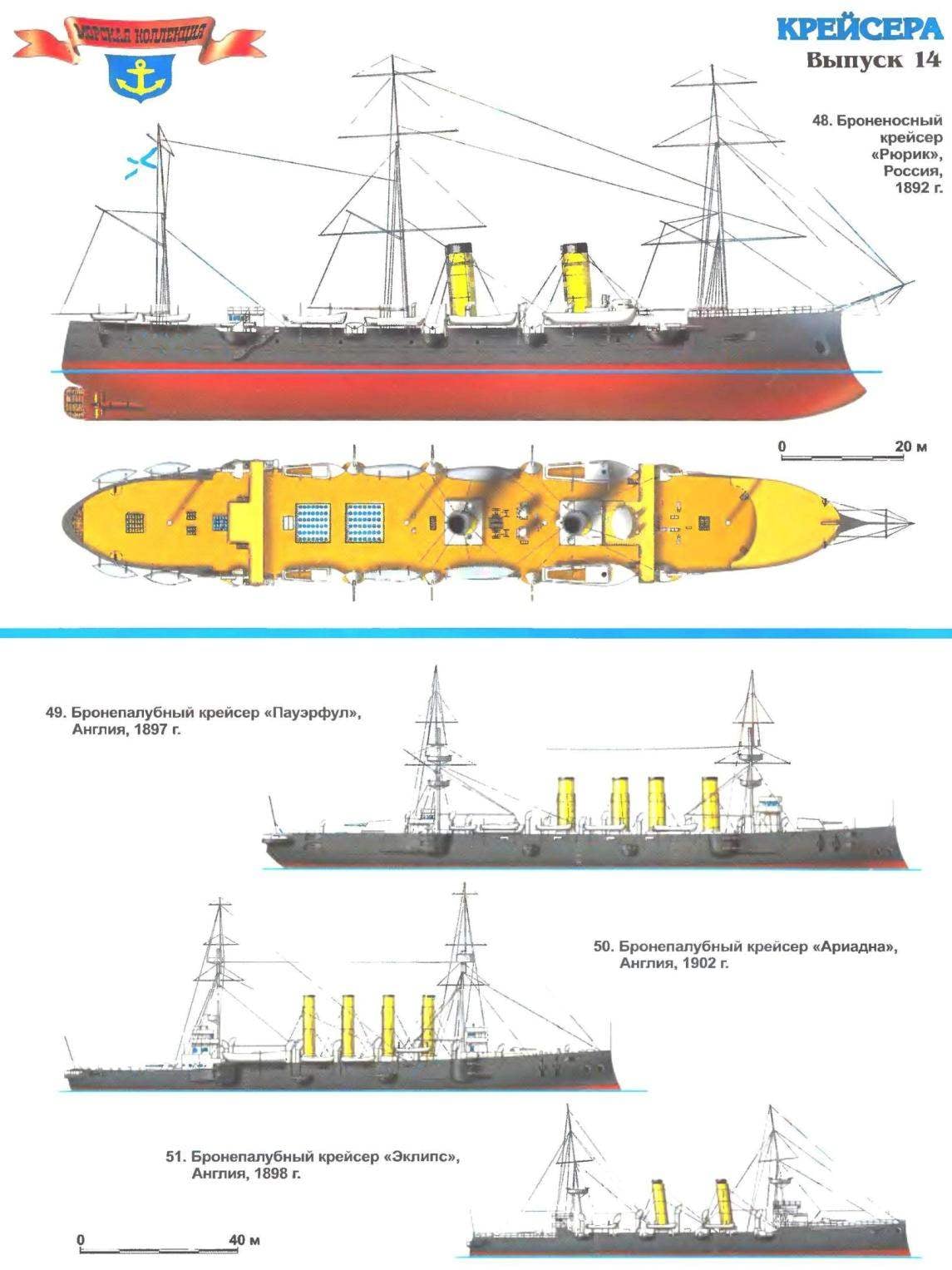
 For the UK the 90-ies of the XIX century was both a time of triumph and anxiety. On the one hand, its fleet was still able to oppose to each ship, any enemy two or even three. On the other hand, Empire every couple of years to grow new territories and peoples; for such an extensive economy required a constant supervision. Increased the number of “countries envious” capable of delivering the mistress of the seas of trouble in the event of armed conflict.