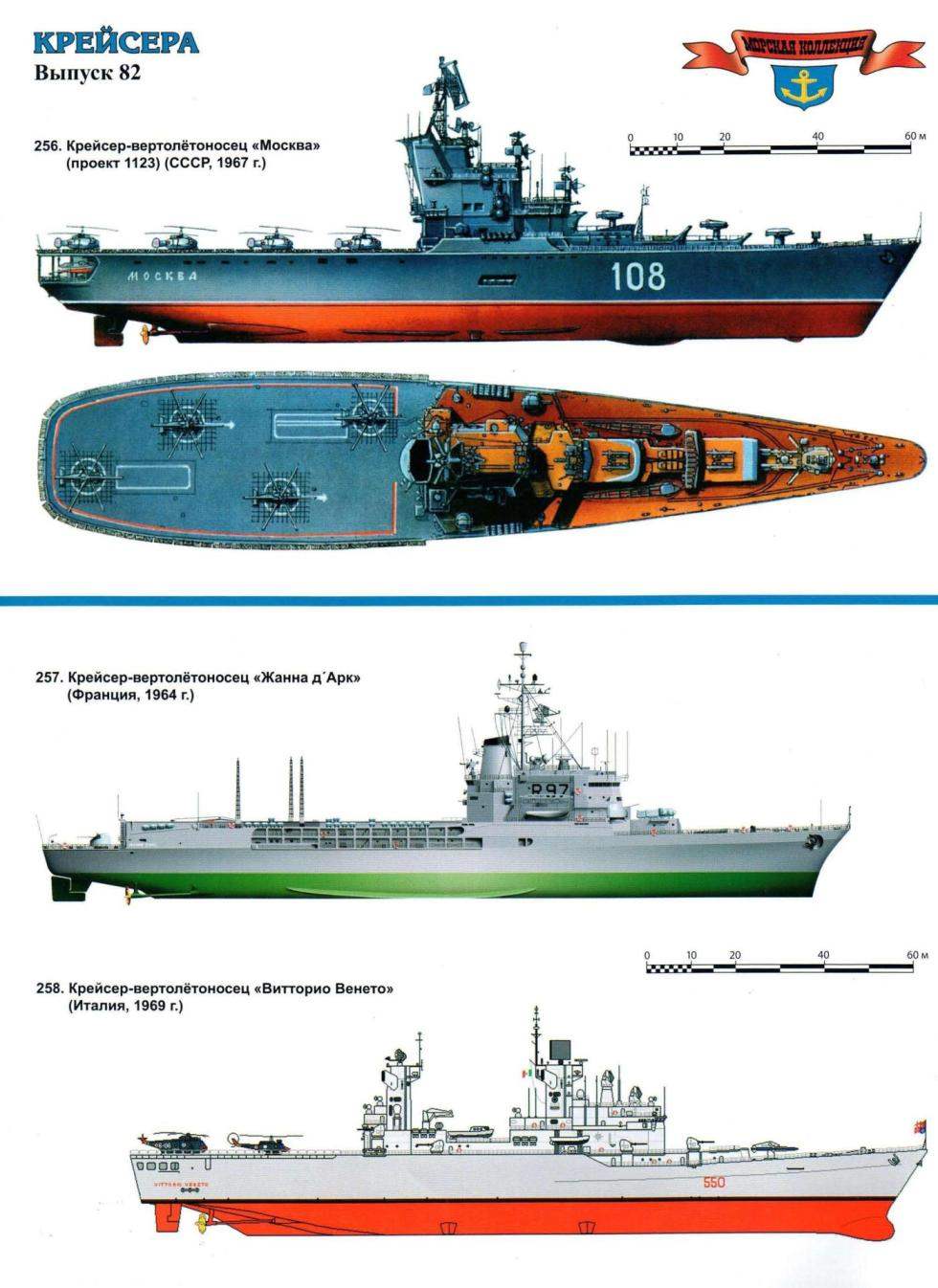
 The emergence of nuclear submarines dramatically changed the balance of forces at sea, not only between countries but also between classes of ships. Indeed, hunters submarines could easily reach speeds sufficient to prosecute his opponent in a submerged position. However, nuclear reactors combined with a new hull shapes were allowed to reach 30 knots and more, available to only the destroyers. Of course, followed by the construction of modern anti-submarine ships, but the advantage is pretty solidly moved to the sources of underwater threats. Lack of range of sonar allowed the submarines in time to escape a dangerous situation. However, as always in the history of arms, and they were equally unpleasant opponent. They became anti-submarine helicopter, which had a huge advantage in speed and the view from the height, especially when using the sonar reentry, which in this case does not prevent the noise of the screws.
THE SECOND COMING OF THE “HYBRIDS”
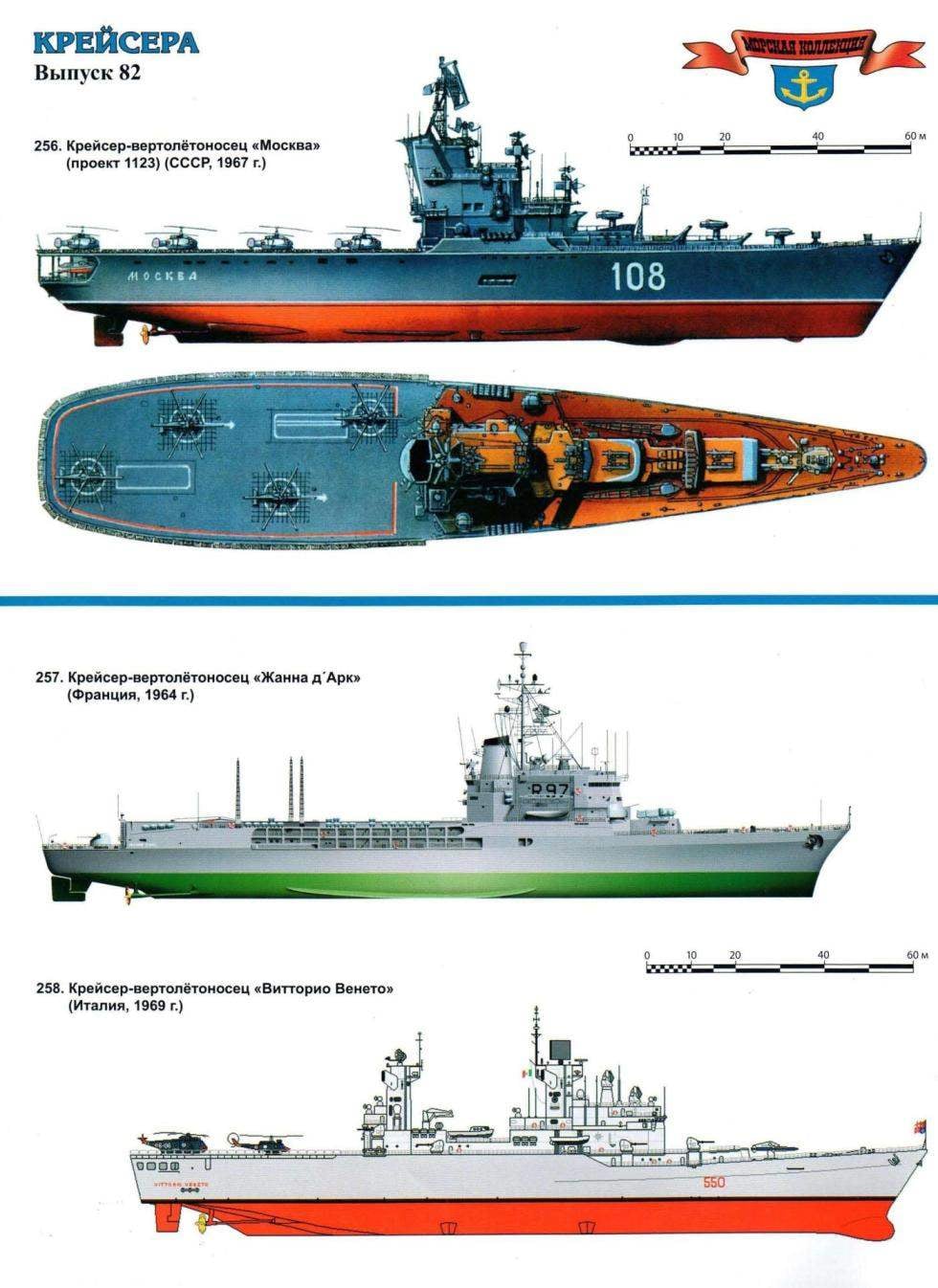
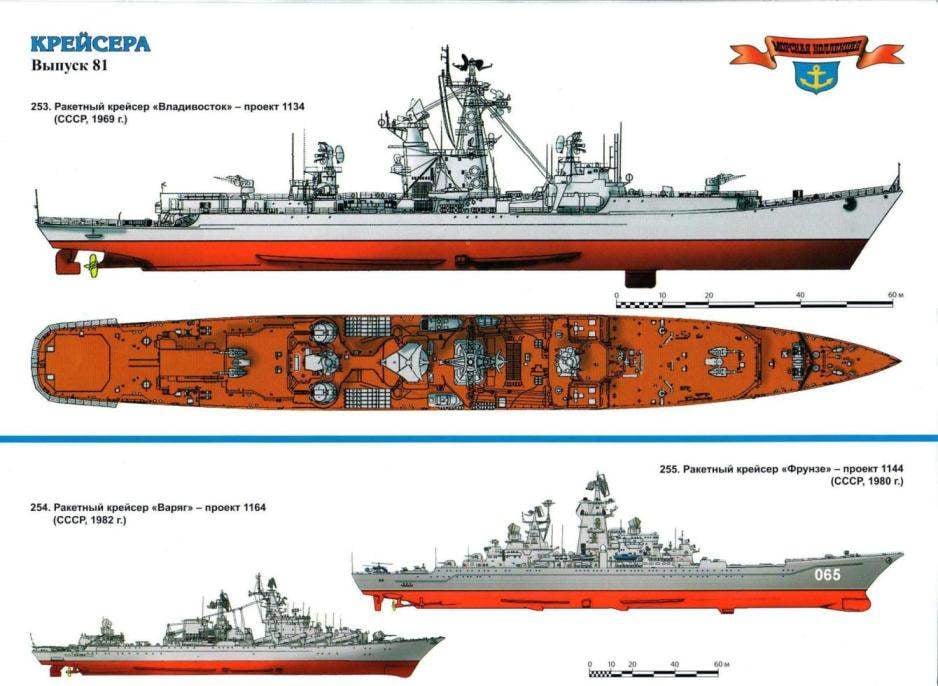
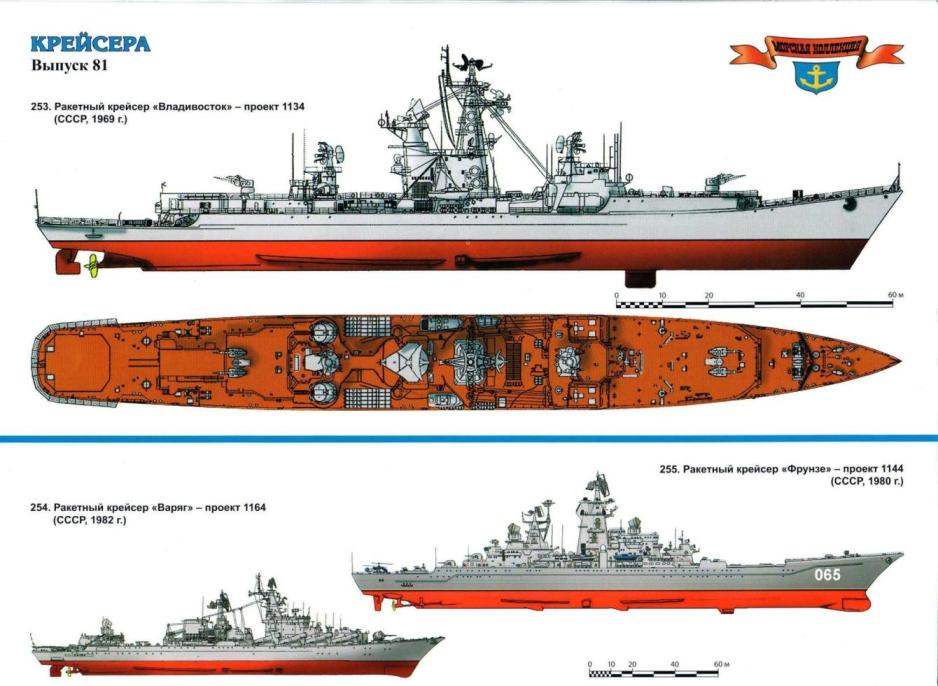 A clear success with the development of missile cruisers of the “terrible”, in fact, the rocket ships of a new type, clearly required further development. However, before the “continuation of the Banquet” was a significant obstacle. We already talked about the fact that originally it was planned to build ten units, but the program rolled out to four. To a large extent this was due to the change in the direction of shipbuilding. Among the big surface ships in the first place came the anti-submarine cruiser, in fact a helicopter. In the absence of aircraft carriers even modest-sized “Moscow” and “Leningrad” at once were among the most valuable combat units. Of course, require additional care.

 We have already told, how was the fate of the original program “atomization” of the U.S. Navy. In fact, the product became experimental single ships: one aircraft carrier -“enterprise” – and his escort: one large cruiser “long beach” and one small “Bainbridge”. Of course, the “experimentalism” and “odinochnoi” does not prevent them to be quite efficient units, but for the fleet-hegemony on the oceans of the world was not a noble, single, and the serial ships. Especially in large series the cost of even very expensive projects decreased significantly. Since the creation of a large-scale cruiser has become the dream of overseas admirals, which had to wait a few decades.

 In the Soviet submarine fleet involved in the sea battles of the great Patriotic war were the submarines of the type “K”, obtained from our sailors affectionate name – “Katyusha”. It was a big ship, comparable in displacement with the largest submarines of Germany, France, USA and England.
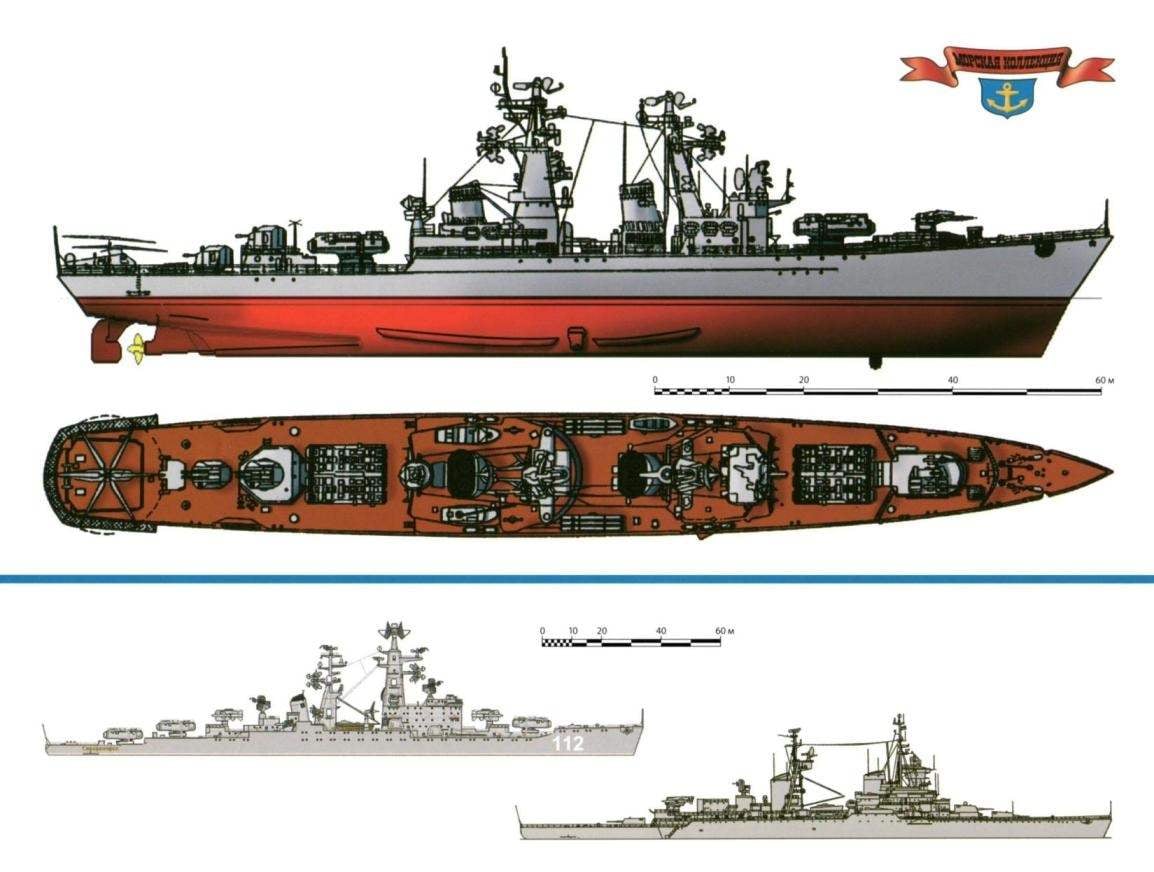
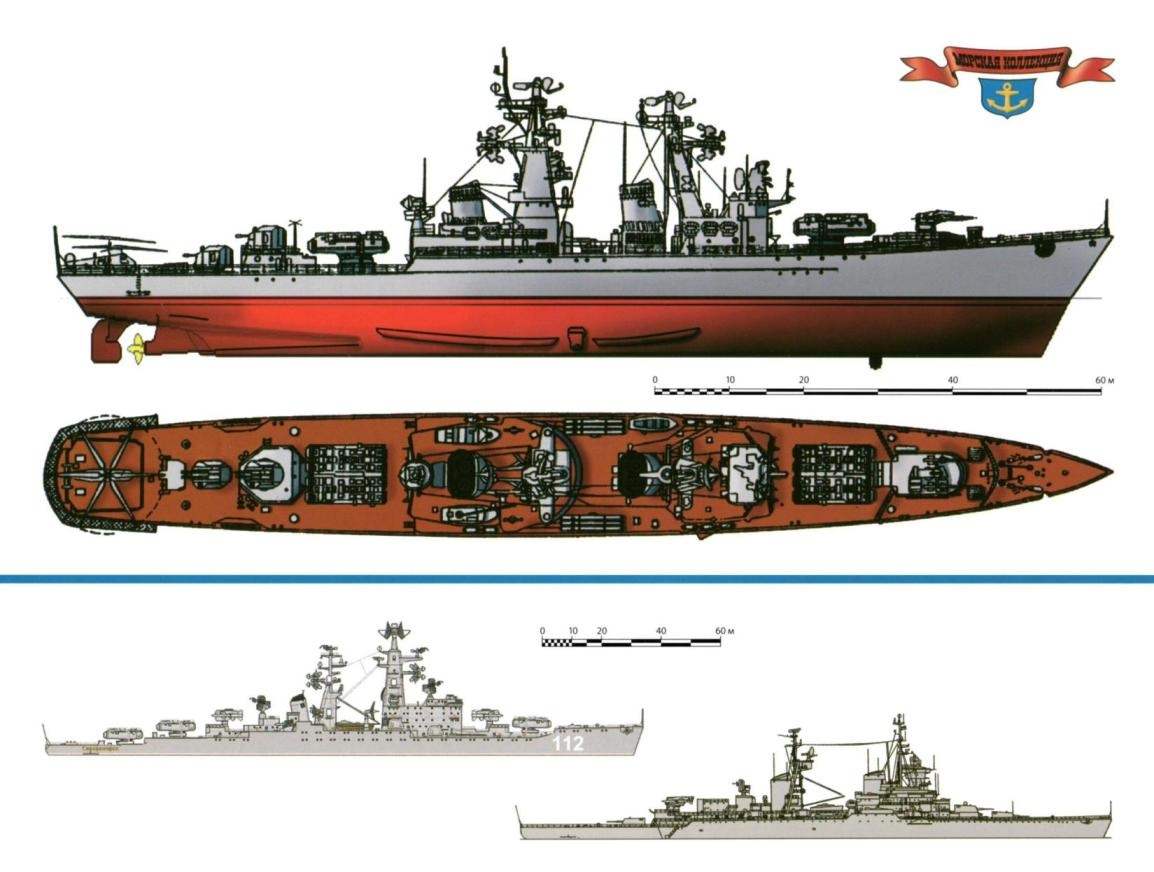 the Main opponents of the American “new order” at sea the fleet of the Soviet Union, naturally could not stay away from the “missile mode”. Especially as its had a good “platform”: just built or still under construction cruisers of project 68, and 68 bis. In fact, shortly after the death of Stalin along with him departed, and plans to create much-beloved, large ocean-going fleet in his artillery. The existing situation demanded a more flexible approach. Undoubtedly a very significant role in the development of new concepts belonged to the commander of the Navy N. G. Kuznetsov. Committed to a balanced fleet, he was forced to battle on two fronts, not only in competition with the “potential enemy”, but in combat is not always reasonable ideas of the new leaders of the state. In mid-1954, under his patronage started to be developed a comprehensive plan for the harmonious development of all types of ships – not only submarines, which are “laid eyes” the Presidium of the Central Committee and First Secretary N. With. Khrushchev and surface. Found the place and the cruisers, part of which had now become the rocket.

 A significant number of cruisers left in the Navy of the United States after the Second world war, some of which underwent major upgrades with the installation of a missile, not an obstacle to create new projects. Although in the 1950-ies the existing forces could handle any opponent in virtually any point of the world ocean, to stop the arms race, the United States was not going to. Naturally, the military and shipbuilding industry associated with the production of new weapons had a powerful lobby in government. Shipbuilding projects meant new jobs for the poor and new profits for the rich. And those and others were directly interested in them – at their level.

 14 Oct 1942. Just beginning to dawn. Wet snow, bands of fog over the sea hanging heavy clouds. But even the usual Arctic weather does not disturb the festive atmosphere. Destroyer “Gremyashchy” under the flag of the commander of the Northern fleet, Vice Admiral A. G. Golovko meets the leader of “Baku” and the destroyers “Reasonable” and “Furious”. On “Rumbling”, having noticed the approaching ships, raise the alarm: “Congratulations on a successful end of the campaign”.

 The postwar hegemony of the United States of America in the World ocean looked unconditional and almost absolute. Their naval forces exceeded the power of the combined fleets of all other countries combined. It is clear that in these realities most of the European powers (with the possible exception of Britain) were agreed with the role of extras “without language”. But even then their marine managers and ship builders have not abandoned able to upgrade your units, equip them newfangled missile weapons. And in some cases in this way even quite succeeded. Often no matter where one or the other power to the camp winners or losers in the great war. Because most Western countries have now become one of the “big military family” -members of the North Atlantic Treaty (NATO). By virtue of this oppression of the winners resorbed very quickly and is relatively painless, and “beaten” were able to join the modern samples overseas weapons.

 Unlike Britain, the United States emerged from the Second world war, not only without any significant losses in the cruising part, but, on the contrary, with a fair surplus. Despite the immediate curtailment of the shipbuilding programme as soon as dawned the signs of victory over Japan, is ready and dostraivaniya units would be enough for the postwar fleets around the world. Accordingly, the question arose: what to do with all this “good”? For the confrontation with the Soviet Union with the stock was missing half of it, but to scrap is really quite advanced ship the hand wasn’t raised. Had to try to integrate them into a new world and new realities. Here, task number one was equipping them with modern weapons – missile.

 The accession of Britain, largely against the will and in a rather unprepared state, in the war with Germany questioned the most promising projects in the field of shipbuilding, related with large artillery ships. The main victim, of course, were the battleships, but got the cruisers. At first, everything was still quite cheerful, the benefit of restricting constructors contractual limitations gone. In early 1940, the Admiralty began development of a new heavy cruiser with three treboradice towers and a displacement of about 15 thousand tons. It was assumed that such a ship can be effectively protected from fire by six-inch with 152-mm armor on the sides and 76 – 63-mm deck.
