Almost a hundred years ago, when automobile manufacturing was taking its first steps, curious phenomena were observed in this field from the perspective of our contemporary. Today it goes without saying that an automobile is a vehicle with a gasoline or diesel internal combustion engine (ICE). But in those days, firstly, the automobile was considered a sports or recreational expensive toy (it was not considered a means of transport due to insufficient reliability), and secondly, machines were then powered not only by gasoline engines.
At the first official automobile race in 1894, along with gasoline cars, steam, electric, spring-powered, pneumatic, and even those operating, as their designers assured, on compressed (!) water or using the force of gravity were entered. Gasoline cars won, however. Nevertheless, in those years they accounted for, for example, in the USA only about a quarter of all produced (in 1898 — 936 out of 4191), steam cars were 40%, electric — 37%.
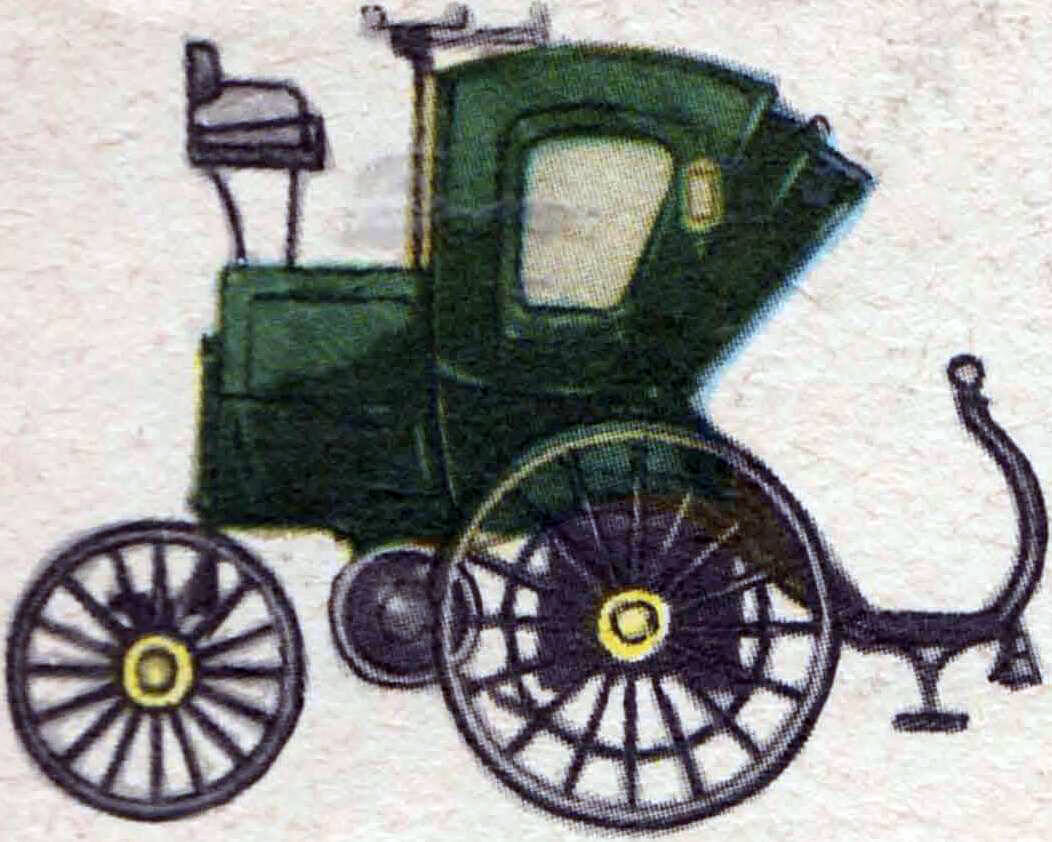
It is interesting that the first car designed in Russia by I. Romanov was battery-powered. A good half of the speed records at the turn of the century also belonged not to gasoline, but to steam and electric cars. In particular, a speed above 100 km/h was first achieved on an electric car (driver Jenatzy)…
Gradually the situation changed. Not only did all non-functional engines, like gravitational ones, fall away, but the share of steam cars also quickly decreased. And primarily due to their bulkiness, the threat of boiler explosion, and the need to “raise steam” before a trip.
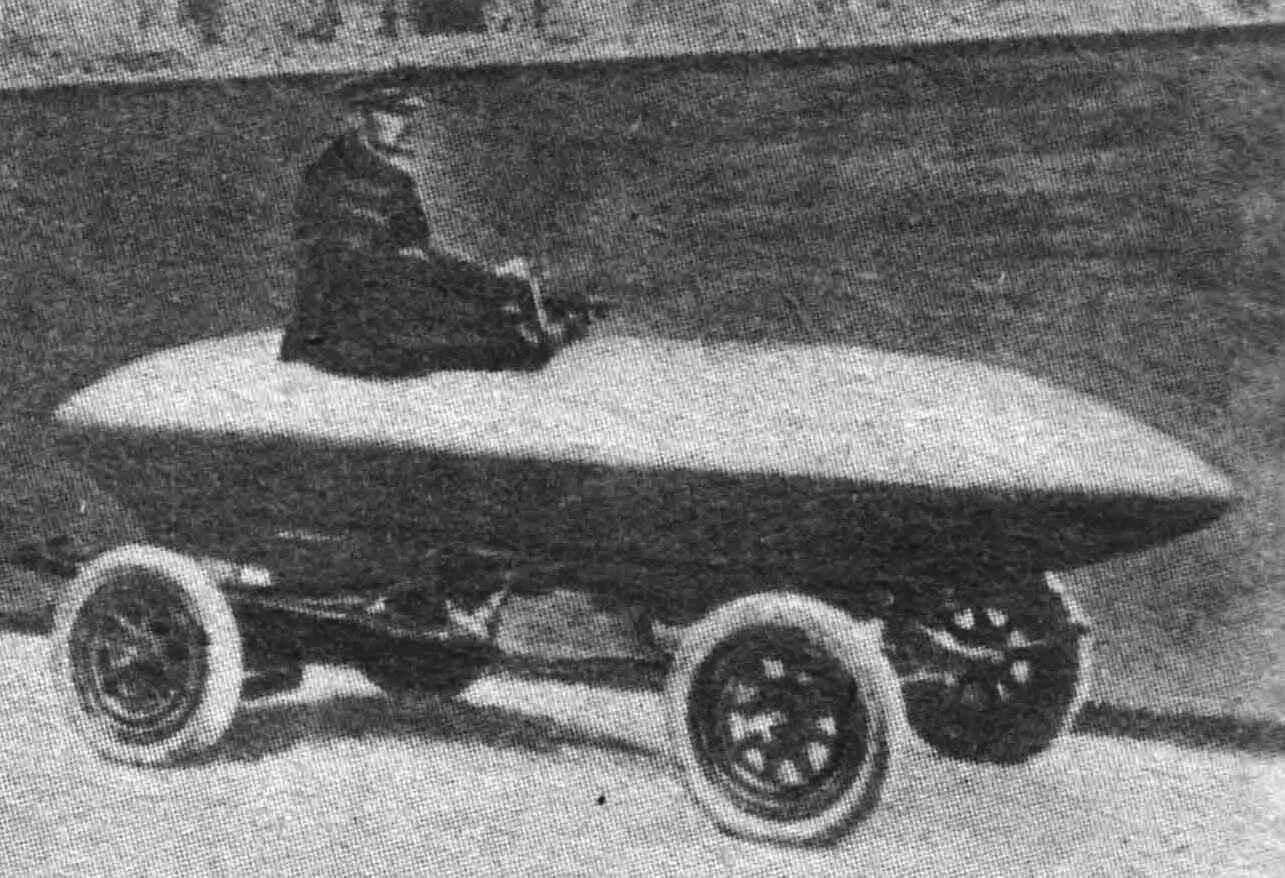
Electric cars lasted the longest. Some of them could still be found in postal service, delivery of goods to stores and customers in Berlin, New York, and other large cities as late as the 30s—40s. But their number in the total vehicle fleet already in 1905 did not exceed 15%, in the 20s it dropped to just 1%, and in the period after World War II — 0.1%. It would seem that in the competition of automotive power plants, the internal combustion engine had won a final victory.
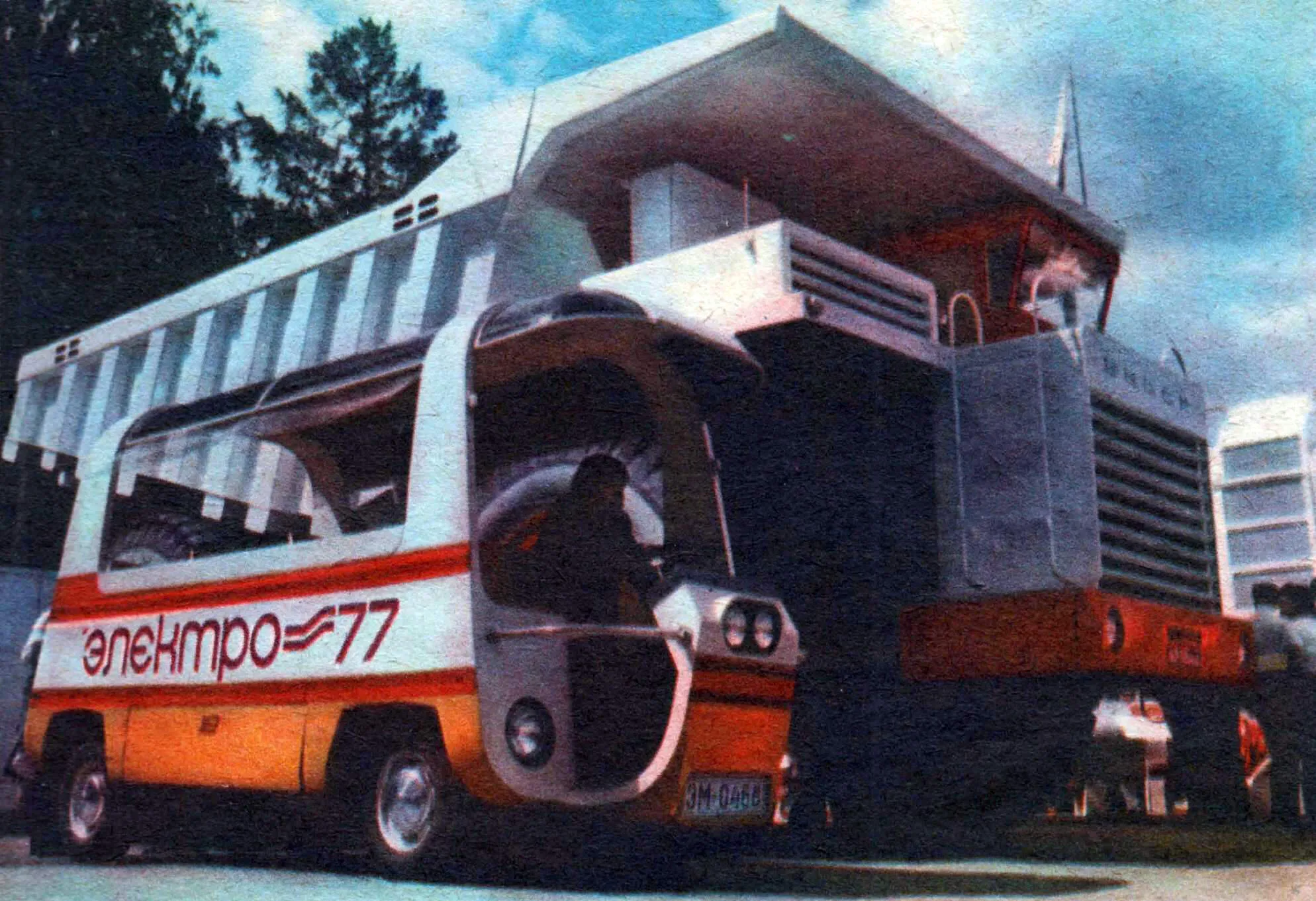
But here are some no less interesting events happening in our days. In all industrially developed countries, cars with various types of engines are being developed again, among which there are especially many electric ones. A number of firms in the USA, England, Japan, Italy, and Poland are already producing electric cars in series. Experimental batches of electric cars are also being operated in our country.
Economists, planners, and sociologists in forecasts for the future predict that by the end of the century the number of electric cars will gradually increase to 50% of the entire vehicle fleet. For 1985—1990, for example, such numbers are cited: for the USA — from 15 to 90(!) million, for West Germany — 2 million, for Poland — 4—6 million.
What has so angered people about the gasoline or diesel car they so dearly loved! And what now attracts them to the defeated electric one!
The matter, of course, is not about love or anger.
To answer the questions posed, let us consider the operating conditions of cars at the beginning of the 20th century, in its second quarter, in our time, and in the future, as it appears in forecasts.
“NO FASTER THAN A TROT”
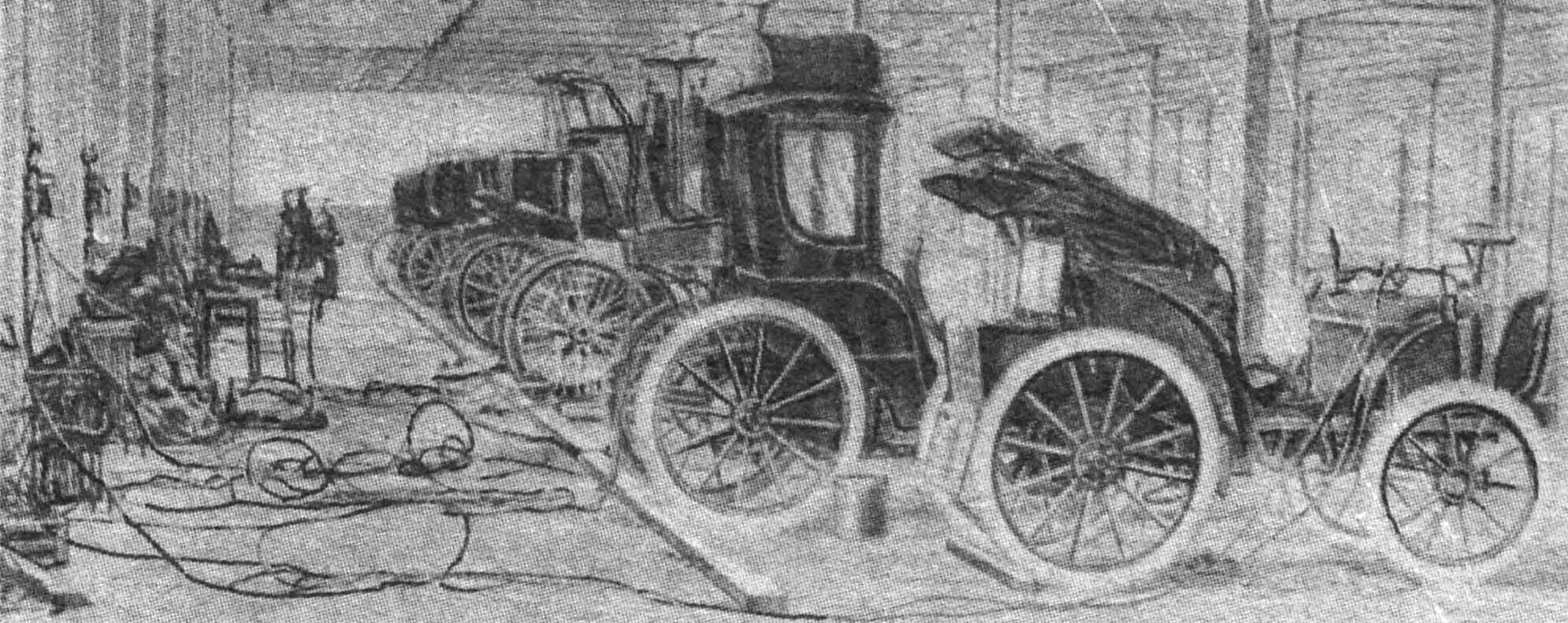
So, picture one. Along streets of cities filled with horse-drawn carriages and carts, occasionally, at a general pace (as written in the then traffic rules, “no faster than a horse’s trot”), horseless carriages — automobiles — roll. They belong to aristocrats, large merchants, factory owners. Cars are driven by hired chauffeurs, serviced by experienced mechanics. Cars do not go outside the city — there are bad roads there, you won’t find a mechanic there if some malfunction occurs. If we translate the strokes of this picture into technical language, we get: speed no more than 30 km/h, range — no more than 50 km, necessary energy reserve (for a vehicle with a total mass of, say, 2 tons) — about 10 kWh. Practically any car of that time could meet these limits, whether it was an unreliable gasoline one or an electric one, with its heavy and relatively weak batteries. The latter even had considerable advantages — smokelessness, noiselessness, simplicity of control, for which it was especially valued by female motorists from high society; they even called it a “ladies’ car.”
Here we need to pause to explain why we called the batteries relatively weak. We are talking about lead-acid (or alkaline iron-nickel) batteries, which by their chemical nature are capable of producing at most 50—60 Wh of energy per 1 kg of their mass. In the heyday of electric cars, this value was three times less, in our days — on average one and a half to two times (30—40 Wh/kg). To this day, such batteries are the only ones suitable in terms of availability, price, and reliability for use in mass transportation. Meanwhile, the ICE already at the dawn of its development showed a specific energy capacity of up to 60 Wh/kg and could provide a car at the beginning of the 20th century with an energy reserve of up to 22—24 kWh (taking into account the tank volume). Looking ahead, we note that for modern cars, typical values are 500— 700 Wh/kg (and more) and 40—50 kWh.
…About a third of a century passed. Picture two. Cars number in the millions. Roads and gas stations have been built for them, so it is no longer necessary to buy gasoline in pharmacies, as was done before. Cars became reliable and fast (up to 100 km/h), anyone can drive them, not necessarily a mechanic. Smoke and noise from engines diminished. By the way, if “at the dawn” the smokiness of cars caused much concern to city dwellers, then in one book from the 20s we read: “The replacement of horse transport with automobile transport is of greater importance for urban hygiene. Horses heavily pollute streets and courtyards… The automobile, it is true, has the inconvenience that it spoils the urban air with the smell of exhaust gases. But when using good grades of fuel, this drawback is almost eliminated.”
But let us return to the automotive ICE. Its specific (liter) power reached 15—20 hp/l (10—15 kW/l), and fuel consumption decreased to approximately 10 l/100 km per ton of total mass. So a 40-liter tank for a car with a mass of 2 tons is enough for about two hundred kilometers. In other words, to meet such conditions, the energy reserve at an average driving speed (in the city and outside) of 50 km/h should be about 40 kWh.
It is very easy to see that meeting these universal conditions using a battery as an energy source is practically impossible, since it alone (at a specific energy capacity of about 20— 25 Wh/kg) would weigh up to two tons, and the entire machine — up to four, for which an even larger battery would be needed… And so on to infinity.
This is why electric cars in their time fell out of use, giving way to more universal cars with ICEs, and survived only where operating conditions remained approximately the same (postal and commercial urban transport, etc.).
MEASURES AGAINST… THE AUTOMOBILE
A few more decades passed, and we reach our days. Picture three. The world’s vehicle fleet has exceeded 300 million cars, it is concentrated in cities and on main intercity highways. It consumes the earth’s fuel reserves so intensively that, according to forecasts, it should exhaust them in 25—50 years. It pollutes the atmosphere so much that in some cities residents are forced to resort to gas masks and special machines from which one can take a gulp of oxygen. It has brought noise in cities to a level threatening people’s health. At the same time, the accumulation of cars has led to a significant decrease in average speed, to prolonged traffic jams, so that sometimes operating a car becomes unprofitable. Despite relatively slow movement, traffic accidents are multiplying, since cars are driven by millions of “ordinary” people, not selected highly qualified drivers.
All of this together forced humanity to take measures — yes, measures — against the automobile: various prohibitions, restrictions. Some of them are aimed at ordering today’s situation, another part — at preventing an even more complex one in the future.
They started modestly by banning sound signals in cities. Then they limited maximum speed. They took control of the content of harmful substances in engine exhaust gases. Further came bans on entering the central parts of cities, or even cities altogether, for example — resort cities. On the other hand, they began to pay more attention to public transport to reduce the influx of passenger cars. The matter is heading toward the vehicle fleet being subdivided — into urban (relatively slow, mainly for public use) and suburban. The latter includes passenger cars for individual use, intercity buses, mainline freight trucks, and truck trains.
However, these measures do not completely solve the problem of air purification, noise level reduction, and fuel reserve conservation.
THEN THEY REMEMBERED ELECTRIC CARS
Despite all the differences between the first and third pictures, significant similarities are also revealed. If a car is intended only for urban service, then for it typical speed and daily mileage are not much greater than at the dawn of motoring, when practically all cars were urban. It turns out that the use of electric cars, despite their still insufficiently energy-dense batteries, is not only necessary but also becomes technically possible.
This is why in recent years the production of electric cars has resumed. Designers, of course, are no longer satisfied with the level of electric car manufacturing from the beginning of the century. The modern electric car is not the former carriage with huge batteries, a heavy (stationary-type) electric motor, and chain drive from it to the wheels. It has borrowed much from modern cars. This does not mean, however, that it is enough to replace the ICE, gearbox, and fuel tank on a car with an electric power plant to create an electric car.
10—15 years ago there were many attempts to build such “electric cars.” They ended in failure: the cars turned out very heavy, and the traction electrical equipment did not lend itself to convenient placement on the chassis. Now designers are inclined to create a special electric car, the design of which is dictated by real operating conditions.
Adaptability to operating conditions determines the rationality of the design of any machine. What does this mean when applied to an electric car!
In the days of early electric cars, for example, it was considered normal to recharge batteries without removing them from the car. Therefore, both complex battery mounting on the frame and difficulty in removing them from the car were allowed. The current approach is different. Perhaps it is suggested precisely by the many years of experience in motoring.
Batteries are considered as if a component of “fuel.” This means they need to “refuel” the electric car. Containers for batteries should be of several standardized sizes, and their replacement — extremely simplified, mechanized. The future electric car “filling station” will become a warehouse of containers, and the “hose” will be some kind of loading device. Will battery charging occur right there, at the “station”? Most likely not. After all, with a large number of batteries, harmful fumes during charging would heavily pollute the atmosphere around the “stations.” So charging will probably be entrusted to special centralized stations located outside populated areas. Containers with batteries will be delivered to “stations,” perhaps through a pipeline system or in another way.
Here we are already looking into the fourth picture. But before completing it, we need to tell in more detail about modern electric cars.
They are also mainly designed for battery replacement. Only in some current designs are electrical circuits with built-in charging devices found. The presence of a current converter in it provides a basis for using an alternating current motor. Since the charging device in the future will apparently not be needed for charging itself, we can expect widespread use of simpler systems with a direct current motor.
If simple and quick battery replacement is ensured, then the problem of electric car range loses its urgency. How can one not recall the time when, setting off on a trip, a motorist took with him several cans, or even a barrel of gasoline!
WHAT SHOULD IT BE LIKE?
The design features of an electric car are suggested by its narrow urban purpose. The strength of parts of most cars is calculated for movement both at high speeds and on bad roads. But the parts of the body and running gear of an electric car intended for slow movement on asphalt can be made thinner, from less strong materials. Thereby the mass of the machine is reduced and to some extent compensates for the still large mass of storage batteries.
We have noted here only the most important features of the specificity of an electric car, proving the necessity of designing it anew (instead of converting a car into an electric car).
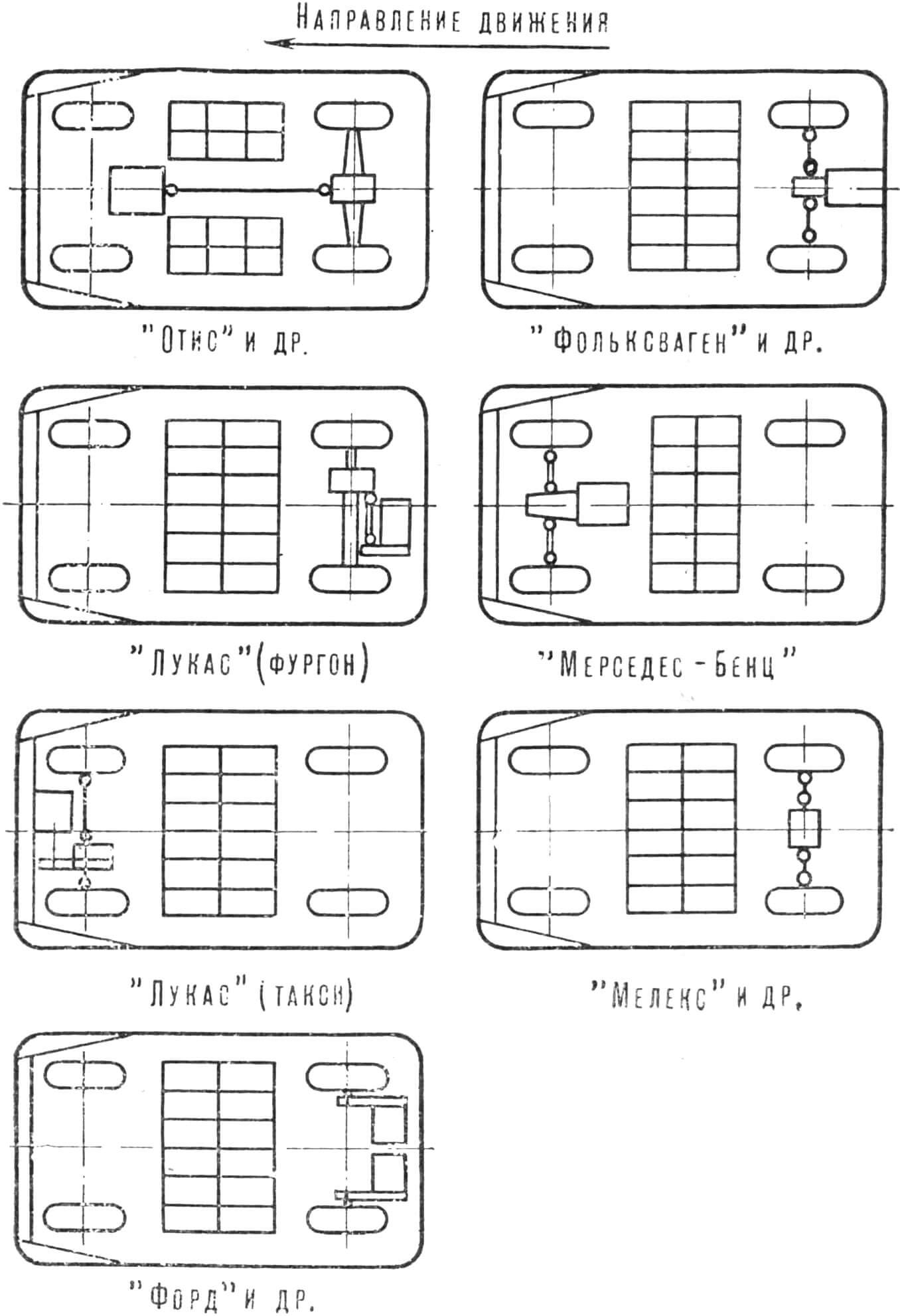
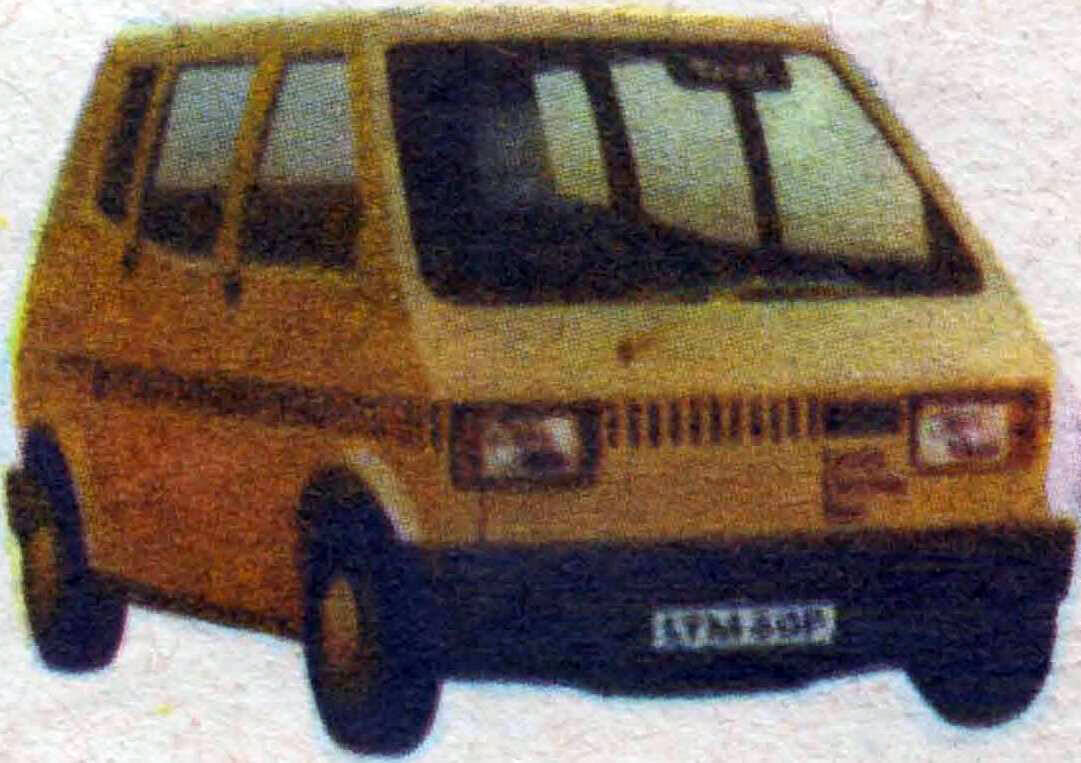
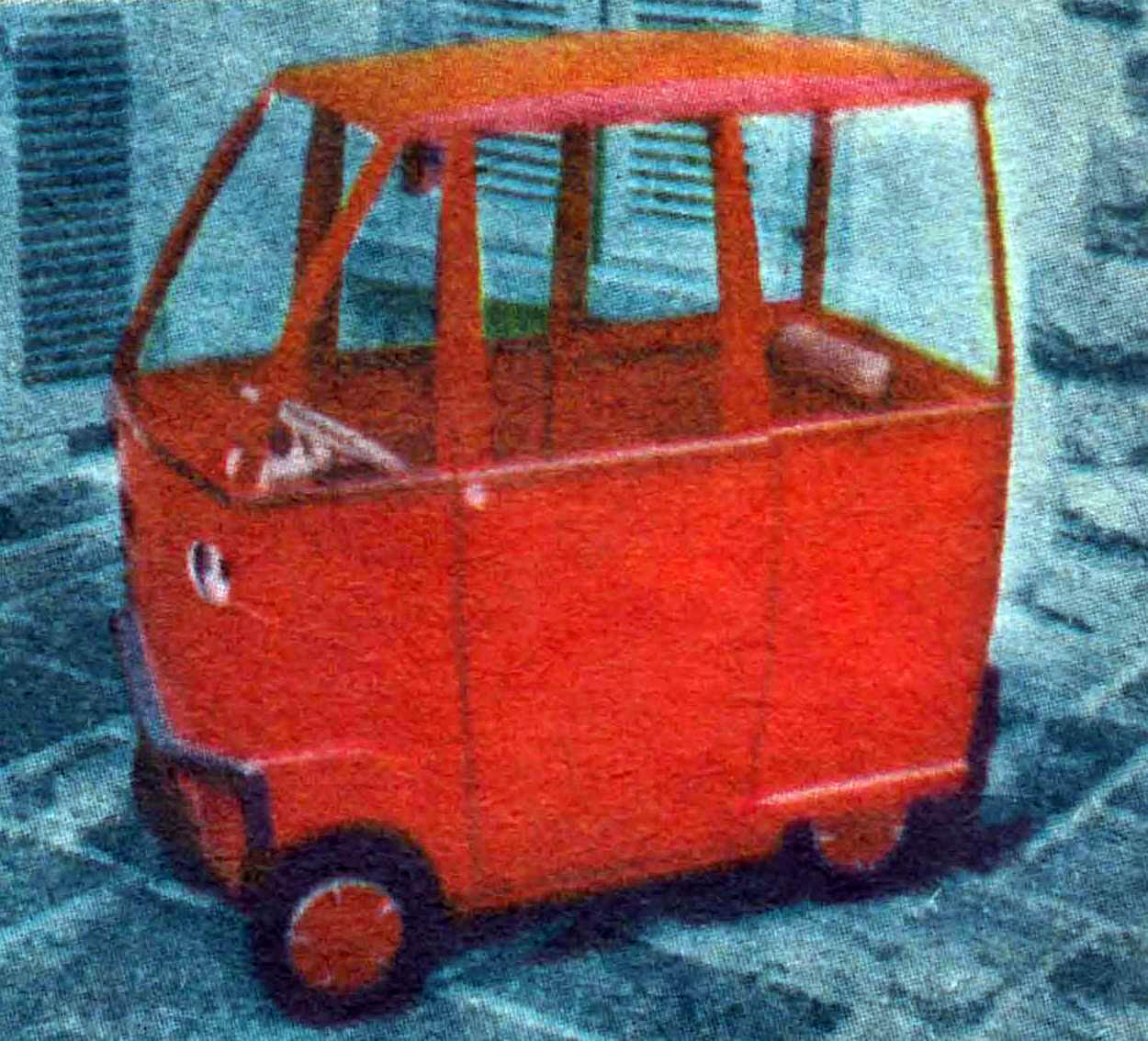
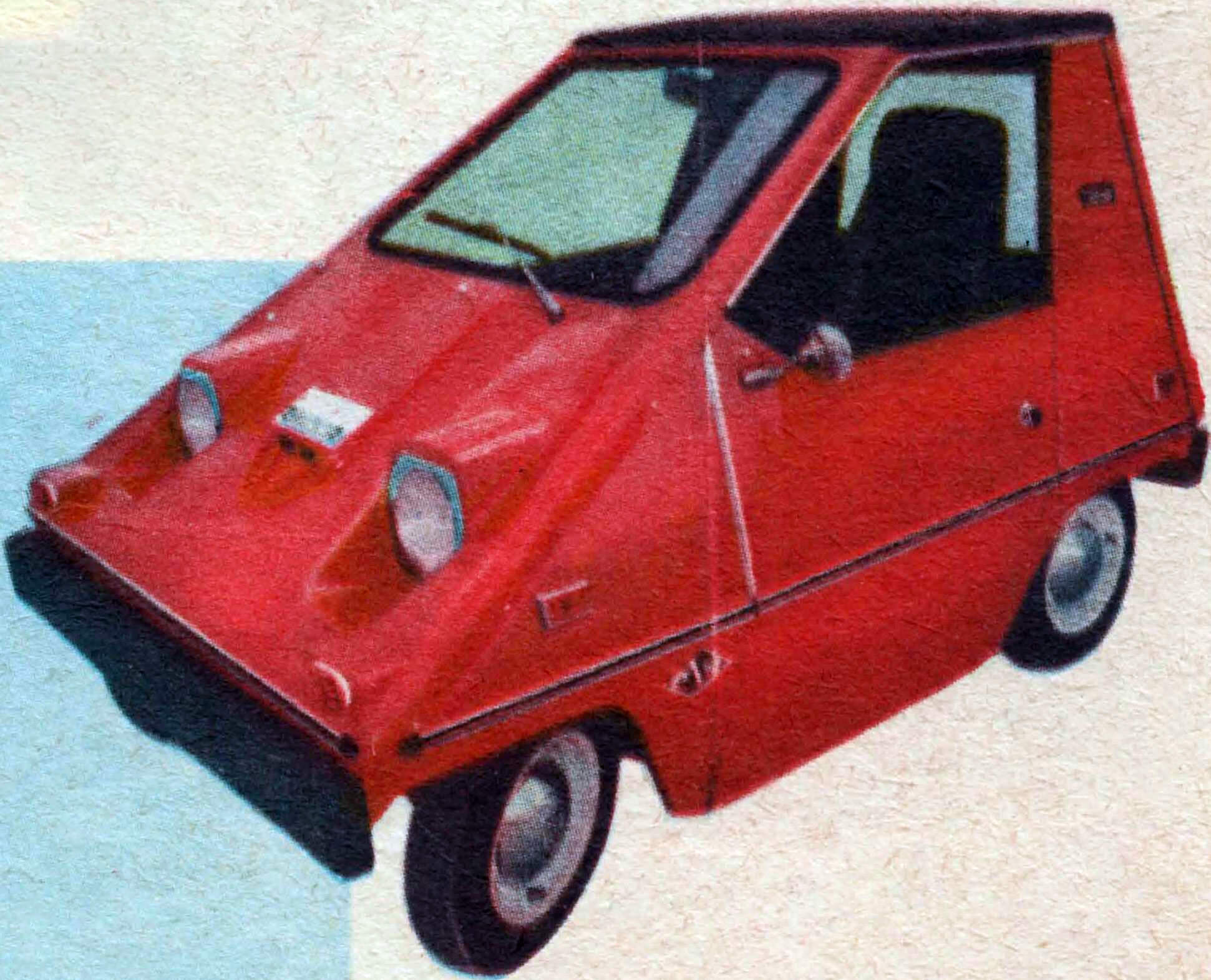
Modern designs are very diverse. In addition to differences in the electric drive system — direct or alternating current, with controller or rheostat control (most designers still adhere to the first system and combine it with thyristor starting and control equipment — see the article by E. Kochnev in “M-K”, 1975, No. 10), — there are no less than seven layout schemes (see Fig. 1) and six varieties of machine purposes: two-seater micro electric car, two-seater small, conventional 4—5-seater passenger (taxi type), light-duty van, municipal (garbage truck, etc.), medium-capacity bus.
All these machines are very needed, each for a certain urban service. For them (except taxis and buses) a small daily mileage is typical. In creating them, designers had to solve a number of tasks, in addition to those described. For example, protection of the driver and passengers from electric shock at high voltage (usually 144 V), body heating, power supply for signaling and lighting electrical equipment. Solving the last two tasks turned out to be not easy. For bus heating, about 15—20% of the energy available to the storage battery is required, that is, one must either count on an even smaller range in winter conditions, or use (as is done on many machines)… a gasoline heater, like the one installed on the “Zaporozhets.”
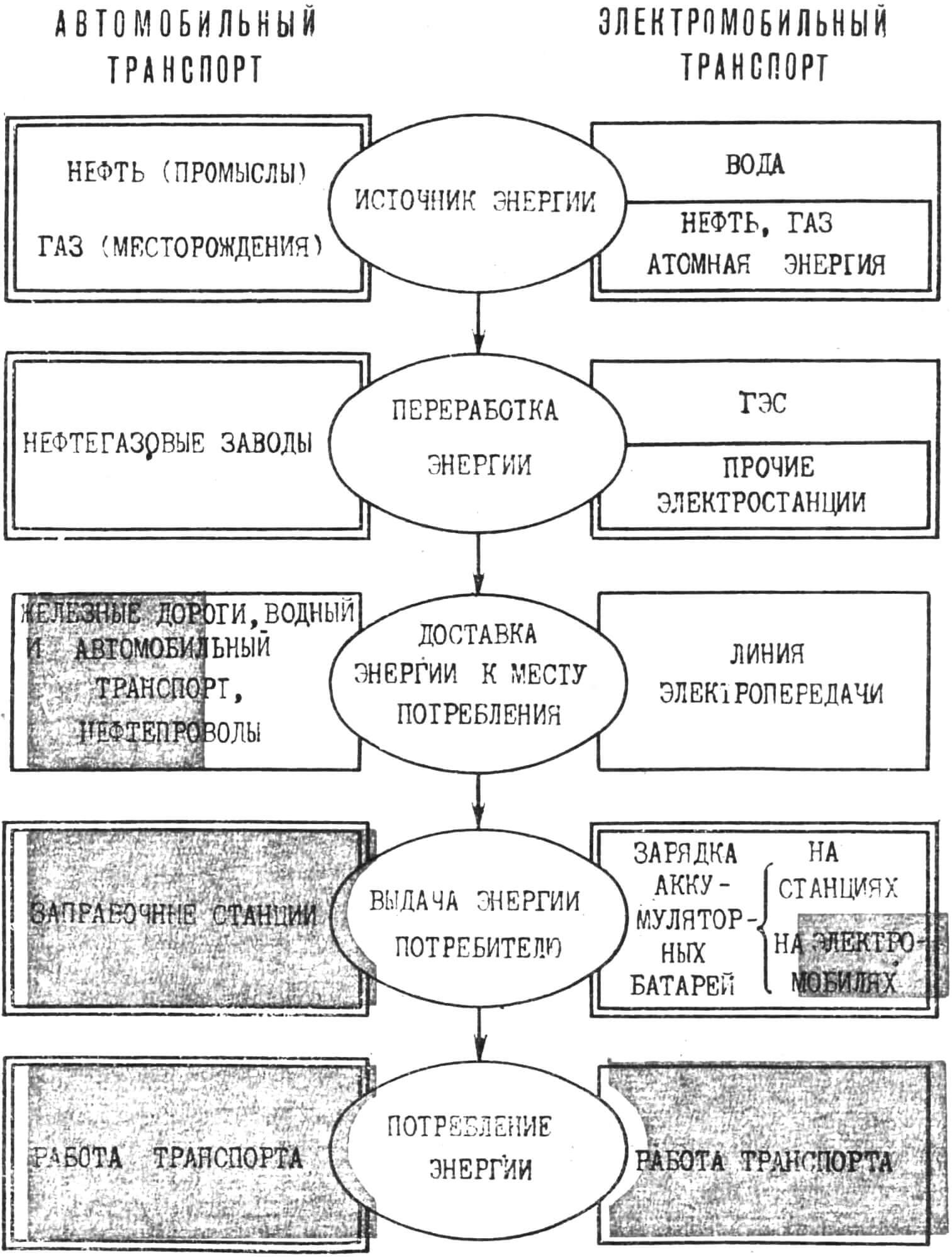
For powering auxiliary electrical equipment, an additional automotive battery is installed, but this creates the problem of its frequent recharging. Most designers go so far as to still consume energy from the traction battery to recharge the auxiliary one, for which a generator is installed on the traction motor. There are also purely mechanical tasks. Thus, in the rear suspension, longitudinal leaf springs are avoided so that their ends do not reduce the space occupied in the middle part of the electric car by battery containers, and do not increase the length (and hence the mass) of the electric car.
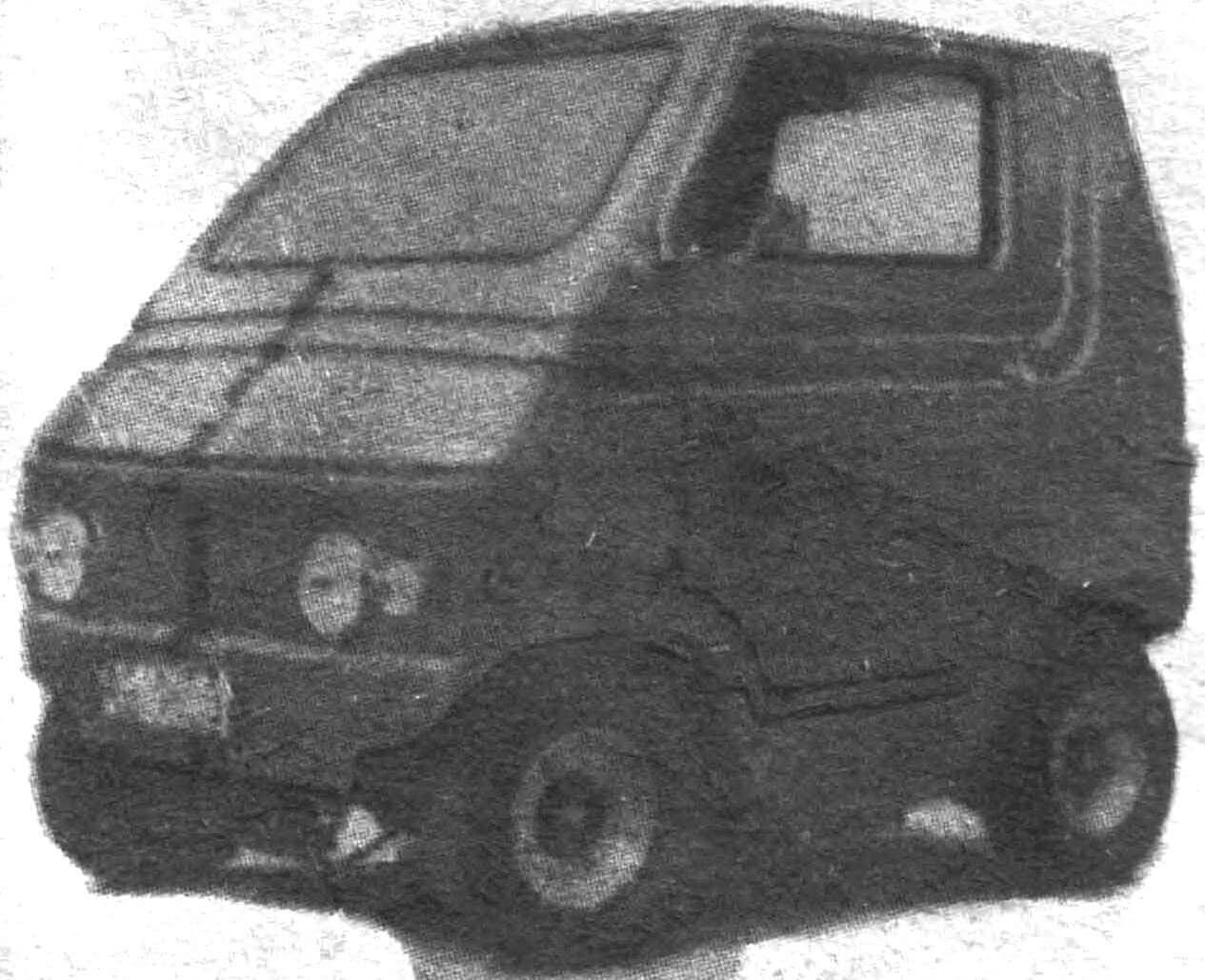
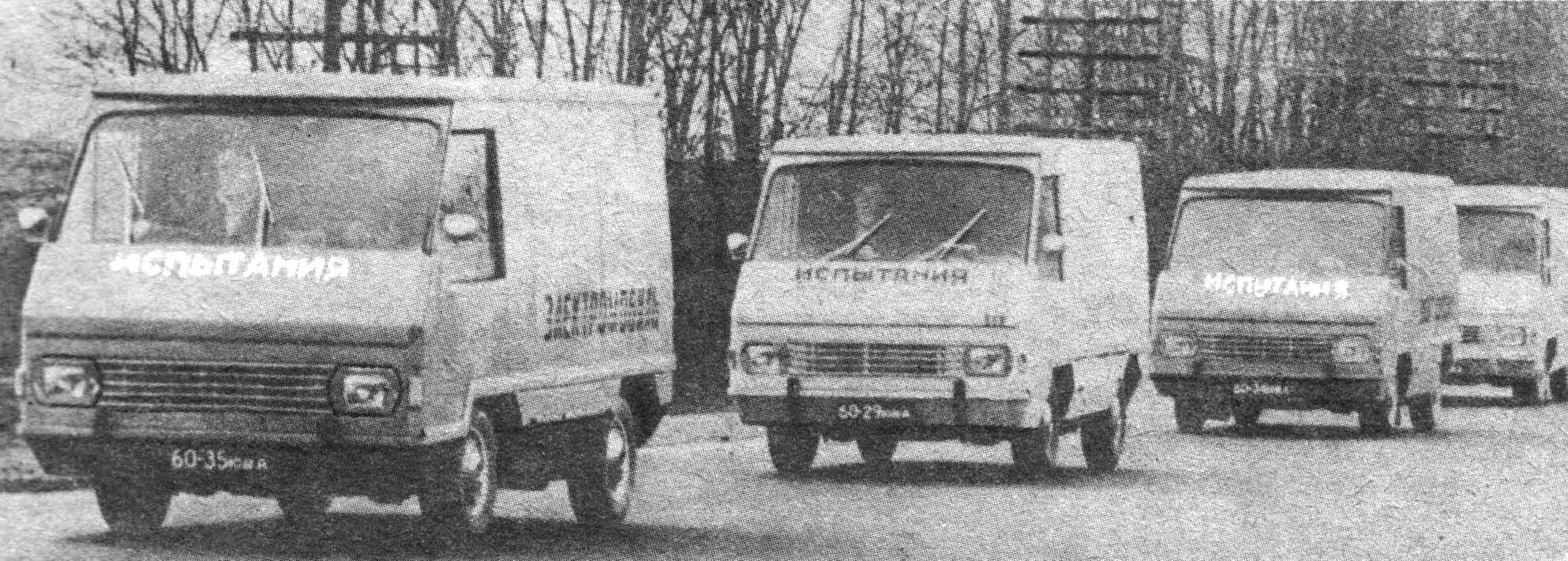
The reader knows from newspapers that in the USSR work on electric cars is being carried out at the Riga, Yerevan, Volga, and Ulyanovsk automobile plants, in a number of scientific institutes of the automotive and electrical engineering industry. Two projects have reached the stage of operating small experimental batches — Glavmosavtotrans together with the All-Union Scientific Research Institute of Electromechanics and the Scientific Research Institute of Automobile Transport together with VNII of Electric Transport (Kaliningrad) and the Riga Electric Machine Building Plant. The load capacity of the machines in both cases is 0.5 tons, batteries are lead-acid; the power plant is located under the body, driving wheels are rear. Electric cars operated in Moscow are created on the basis of the UAZ-451DM cargo truck, equipped with an alternating current power plant, charging device, and electric regenerative (i.e., returning some amount of energy to the batteries) braking. The machine’s own mass is 2.5 tons. NIIAT machines are operated in the Moscow region city of Podolsk. They are designed anew with wide use of running gear units from the GAZ-24 “Volga” car; the power plant is direct current; the machine’s own mass is 2 tons.
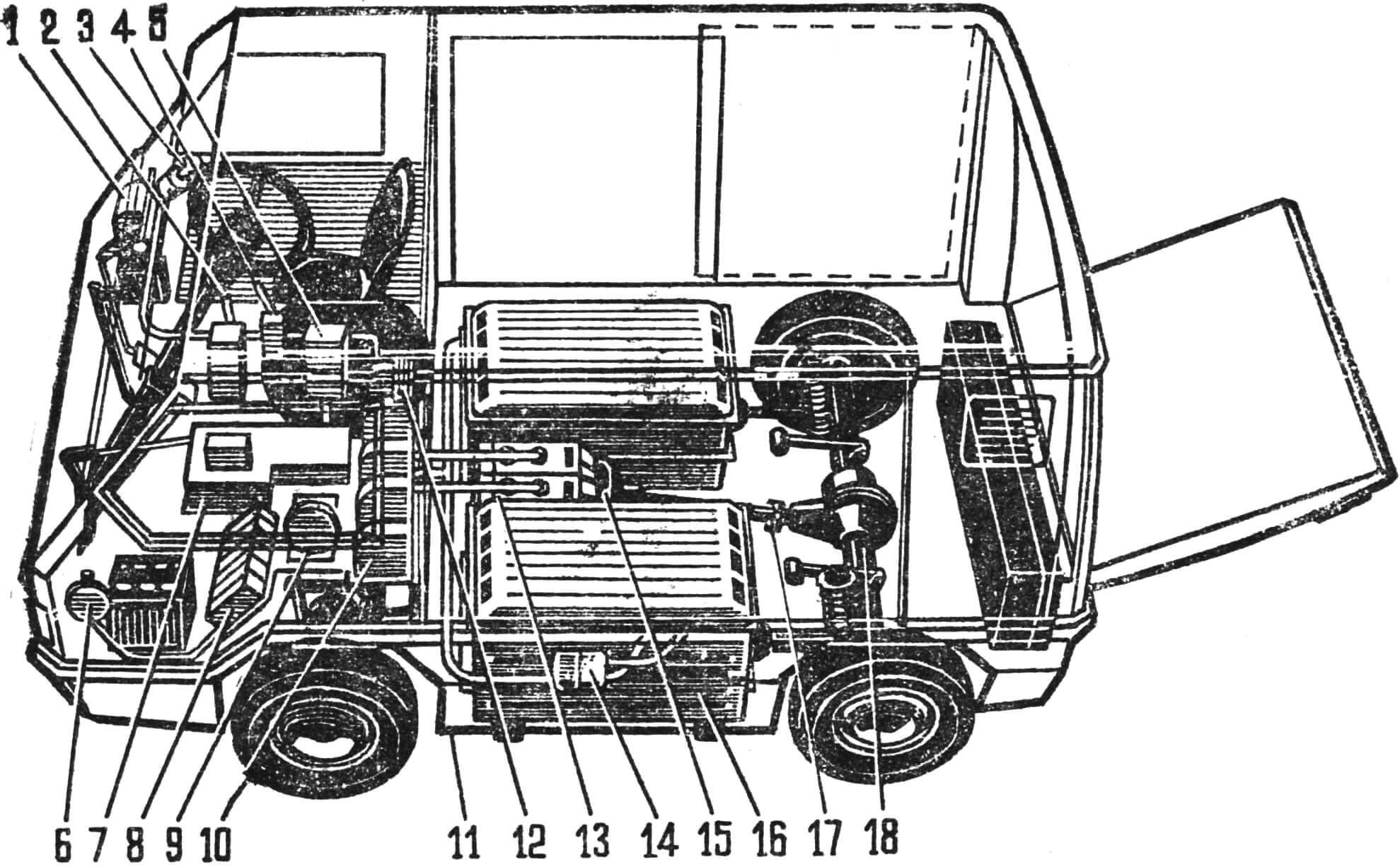
1 — accelerator, 2 — switch, 3 — “ignition key”, 4 — reverse (direction lever), 5 — control unit, 6 — socket for fast recharging, 7 — thyristor unit, 8 — choke unit, 9 — capacitor unit, 10 — contact unit, 11 — battery compartment cover, 12 — emergency circuit breaker, 13 — electric motor, 14 — wiring connector, 15 — reducer, 16 — container with storage battery, 17 — driveshaft, 18 — rear axle.
General interest in electric cars, their prospects, has also captivated amateur designers. They have already built several samples of electric cars, some of which were described in “M-K.” It is not excluded that in homemade designs ingenious solutions to some “electric car” tasks will be found, which the creators of future serial electric cars will be able to use.
A detailed description of electric car designs goes beyond the scope of this article. But we would like to guide the thoughts of designers, prevent their possible mistakes, warn against repeating the stages passed by electric car builders. From what has already been said, some conclusions can be drawn. It is unlikely that most amateur designers can count on batteries of high specific energy capacity. But even on the basis of ordinary starter lead-acid batteries, a quite workable machine can be made. Calculations show that for a 1—2-seater micro electric car with a total mass of about 400 kg, a motor with a power of 1—1.5 kW and a battery of two or three 6ST-60 type batteries used in cars is sufficient. Such a machine can reach a speed of 30—35 km/h and will travel 50—60 km without recharging. It is necessary to take care of easy and quick battery replacement, provide for it a container with rollers and a cart for transporting it from the electric car to the charging location, ensure insulation of the container and tightness of plug connectors (they serve not only when replacing the battery, but also for disconnecting it during long parking). As a motor, one or two automotive starters can be used.
In conclusion, a few more strokes to our fourth picture. Streets of the year 2000. Clean air. With a light rustle of tires and electric drives, carriages roll. Externally, they differ from the cars familiar to us primarily in compactness and relatively great height — after all, at moderate speeds, streamlining is not so necessary, but how convenient it is to enter the body without bending! And the stability of the machines is ensured by the low location of their center of mass: under the floor of the body are the batteries and motor, while the body itself is light. On its sides is another external feature of the machines — the city’s coat of arms. The fact is that almost all of them are for public use. Not only electric buses, taxis, and vans, but also those that residents and visitors drive themselves. These are rental two-seater carriages. Efficient operation of public machines and their compactness have led to unloading of the streets. Now one can move around the city in complete safety at a sufficient (though moderate, as already noted) speed. Safety is also promoted by powerful electric brakes, simplified control (no gear shifting), maneuverability of compact machines, and good visibility from the driver’s high seat.
And on some machines, control is completely automated… But this is perhaps a stroke of the fifth picture, which today is not part of our story.
We also do not speak about the prospects of cars with ICEs. Let us say only that it is precisely the division of the vehicle fleet into urban and suburban that will extend for decades the spread of conventional cars. Passenger cars will develop as machines for suburban business trips, tourism, recreation, sports, while trucks and buses — for mass high-speed mainline transport. The endpoints of their routes will be bus stations, transshipment areas, warehouses, and public garages on the outskirts of cities, within which smokeless and noiseless electric machines will dominate.
Yu. DOLMATOVSKY, Candidate of Technical Sciences
Recommend to read
 ISOTTA-FRASCHINI TIPO-8A
World renowned Italian firm Isotta-Fraschini, founded and 1900 H Isotta and the brothers Fraschini, initially engaged in sale of cars. However, after a few years it organized the... “INTERVIDENIE” IN THE VILLAGE
More rapidly advancing digital satellite TV, coming to replace the bulky radioligand lines. The population of our vast country, even in its most distant corners, appeared a real...
