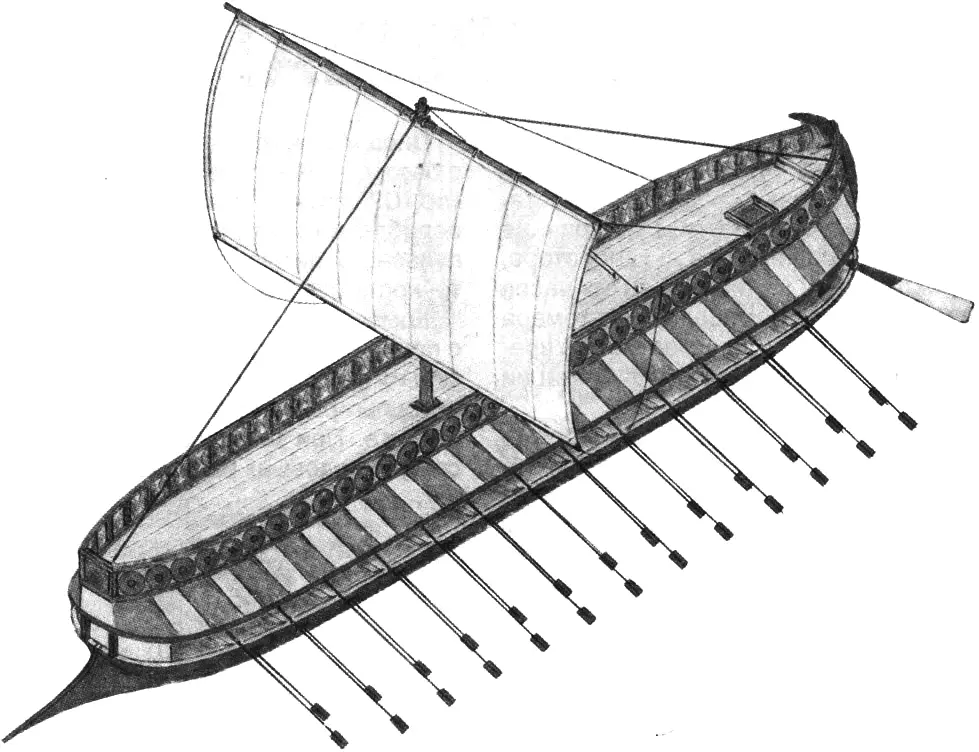
The 12th–9th centuries BC are referred to by historians as the “dark ages”. During this period, the tribes living on the northern and eastern coasts of the Mediterranean Sea, meeting face to face, sparked numerous clashes between peoples. Some states dissolved into the mass of others; in free lands, new colonies arose. Art and knowledge declined, while only weapons continued to improve.
Phoenicia found itself at the center of these events, with its cities turning into camps of many languages. But the conquerors brought not only fear: never before had the Phoenicians had to face such a variety of ship designs and decorations approaching their shores. This circumstance became a driving force for the development of shipbuilding. At the main shipyard of the Near East, people actively adopted others’ experience and adapted it to their own conditions.
In those times, the most widespread in the navies were long warships equipped with rams of the Cretan type. Trying to make them roomier, the masters increased the length of the vessels. Yet even then, almost all the space inside was occupied by the main “engine” of that era — the rowers. Their number on ships of this type was apparently about 50 people. Accordingly, this did not allow increasing the number of warriors in the boarding party. In addition, long ships, compared with shorter ones, were less maneuverable and less strong.
In the same period, warships began to grow taller, and towers for archers appeared on them, as a result of which the enemy suffered heavy losses among its own rowers.
But the truly revolutionary invention that made it possible to resolve all these contradictions was equipping ships with a second deck or a shelter over the rowers. As a result, the hull’s width increased and stability rose significantly. This made it possible to fit ships with a mast and sails, while numerous boarding parties and helmsmen could be stationed on the upper deck. This is exactly how, for example, the Achaeans and Etruscans handled their ships.
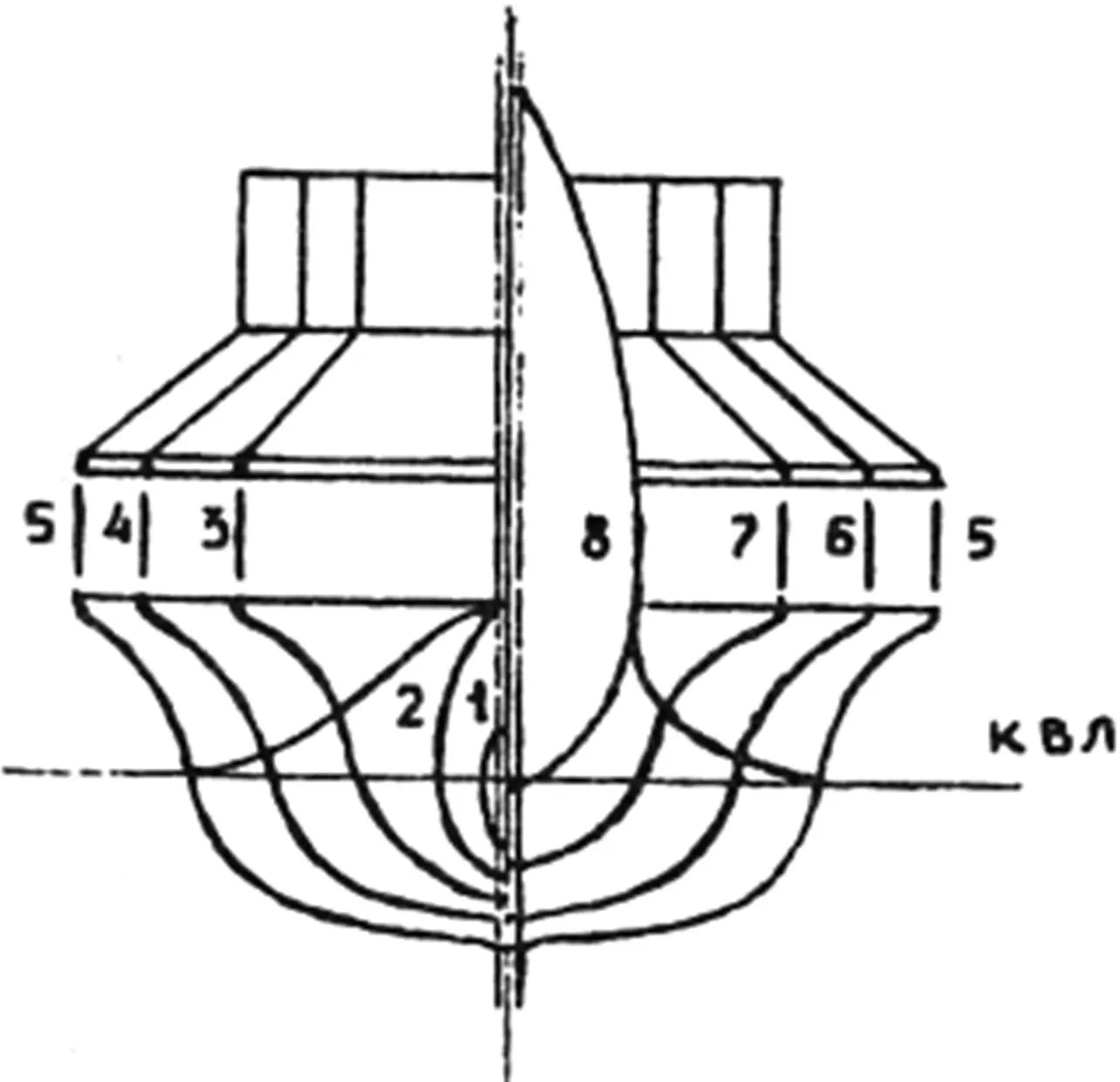
After solving the crew-protection problem, shipbuilders faced another issue: the more spacious and heavier ships lost speed. Meanwhile, the capacity reserve for placing additional rowers had been exhausted. Among the first to find a way out were the Phoenicians. They lengthened the oar handles and increased the distance between the benches — this made it possible to add yet another line of rowers along the side. The oarlocks for their oars were moved to a special balcony.
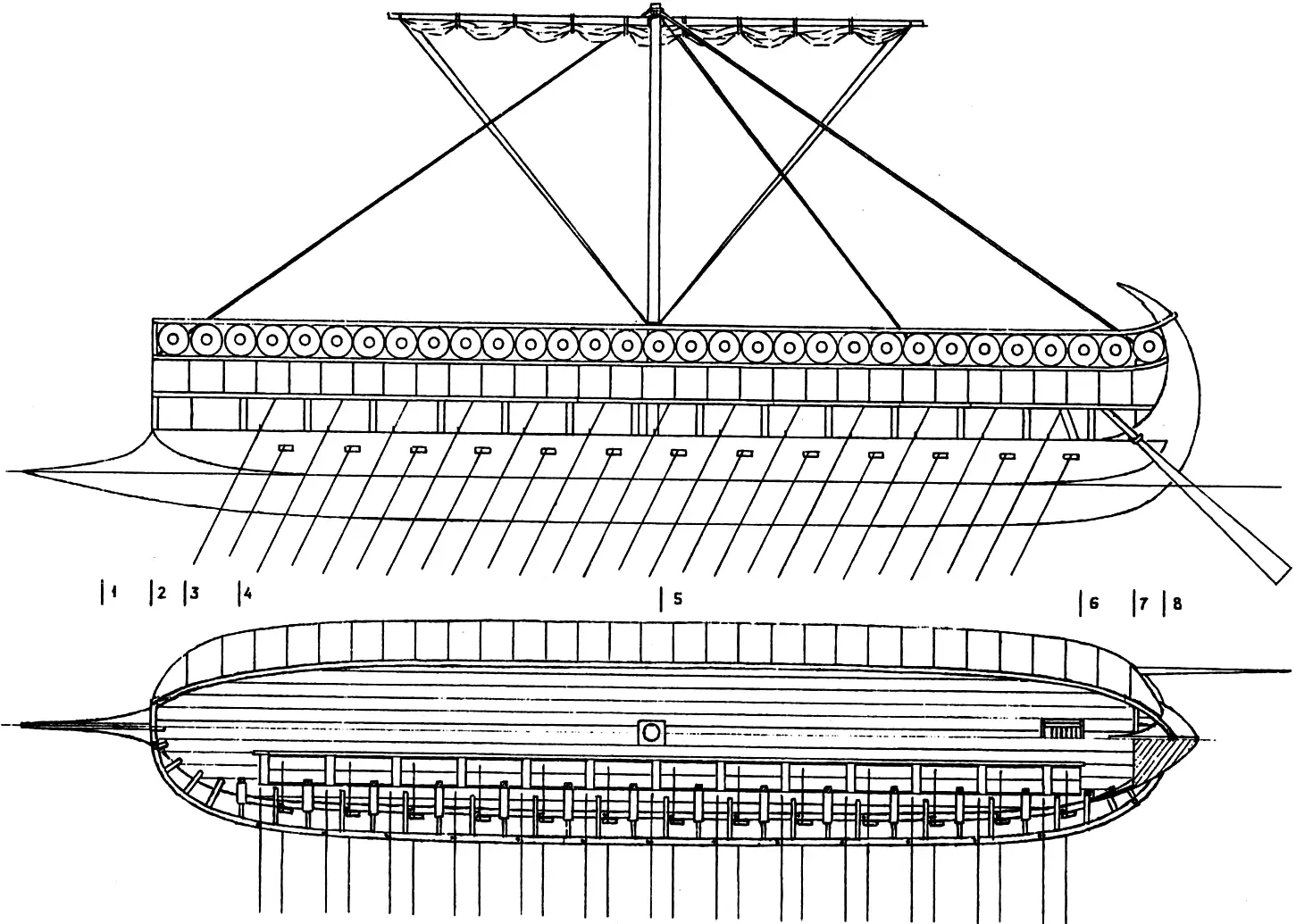
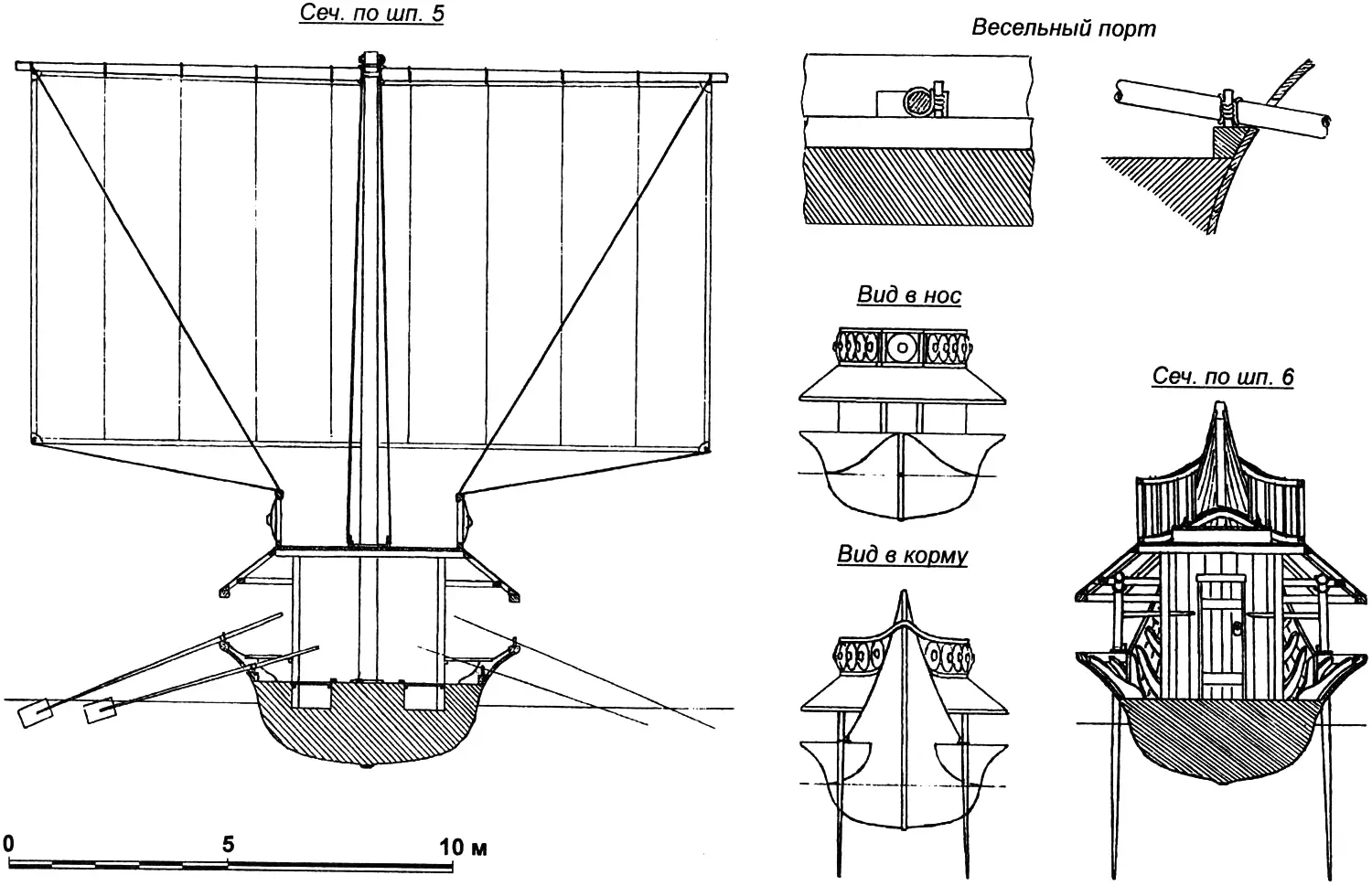
The Phoenicians enclosed the upper deck with railings on which wooden shields were hung. Depending on the customer’s wishes, they could give the ship’s hull a slight longitudinal camber and include a flat or round-in-section ram, which was sheathed with bronze plates for strength. Such ships could already transport cargo or passengers on the upper deck. For the captain there were a chair at the stern and a convenient tent. The lower deck, in turn, was reserved for the rowers, the man who kept their rhythm, two or three supervisors, and a pair of helmsmen. Behind them there was a small cabin or storeroom for ship needs.
The hull of the vessel was most likely painted a dark color. The canopy was decorated with red and white squares. The oars and steering oars were black; the railing was red; and the sails, depending on circumstances and capabilities, were white, purple, or black.
Phoenicia did not retain its independence for long. In the coming “age of great empires,” ships made at its shipyards carried Assyrian and Babylonian standards. They served in the fleets of many countries as line ships, and later, supplemented with a third row of oars, became the main forces of the powerful Persian fleet.
«Modelist-konstruktor» No. 6’2025, Volodymyr KORZUN
Recommend to read
 AND A BACKPACK AND SHOPPING BAG
If you ask someone what a tourist is different from the ordinary pedestrian, the answer, apparently, is simple: a backpack. Indeed, it is a necessary accessory camping gear, and the... SANDPAPER — LIKE NAIL FILE
If the amount of grinding work to be done is large, it is advisable to make a simple tool holder under the sandpaper: work will become much easier and more comfortable. The wooden bar...
