The tram is one of the oldest modes of transport in Milan. Cars of several generations operate in this city. Alongside the most modern ones, Series 1500 trams built back in the 1920s still work here. And these are not isolated specimens — more than a hundred veterans enter regular service every day.
As in many other cities around the world, Milan’s trams were initially horse-drawn. The first such line, Milan–Monza, opened on 8 July 1876. Steam tram operation began in 1878. In 1892, the Edison company presented a project for an electrified tram network. It was formed in 1901, and by 1910 the number of routes had been brought to 30. Milan’s first electric trams were also from the Edison company.
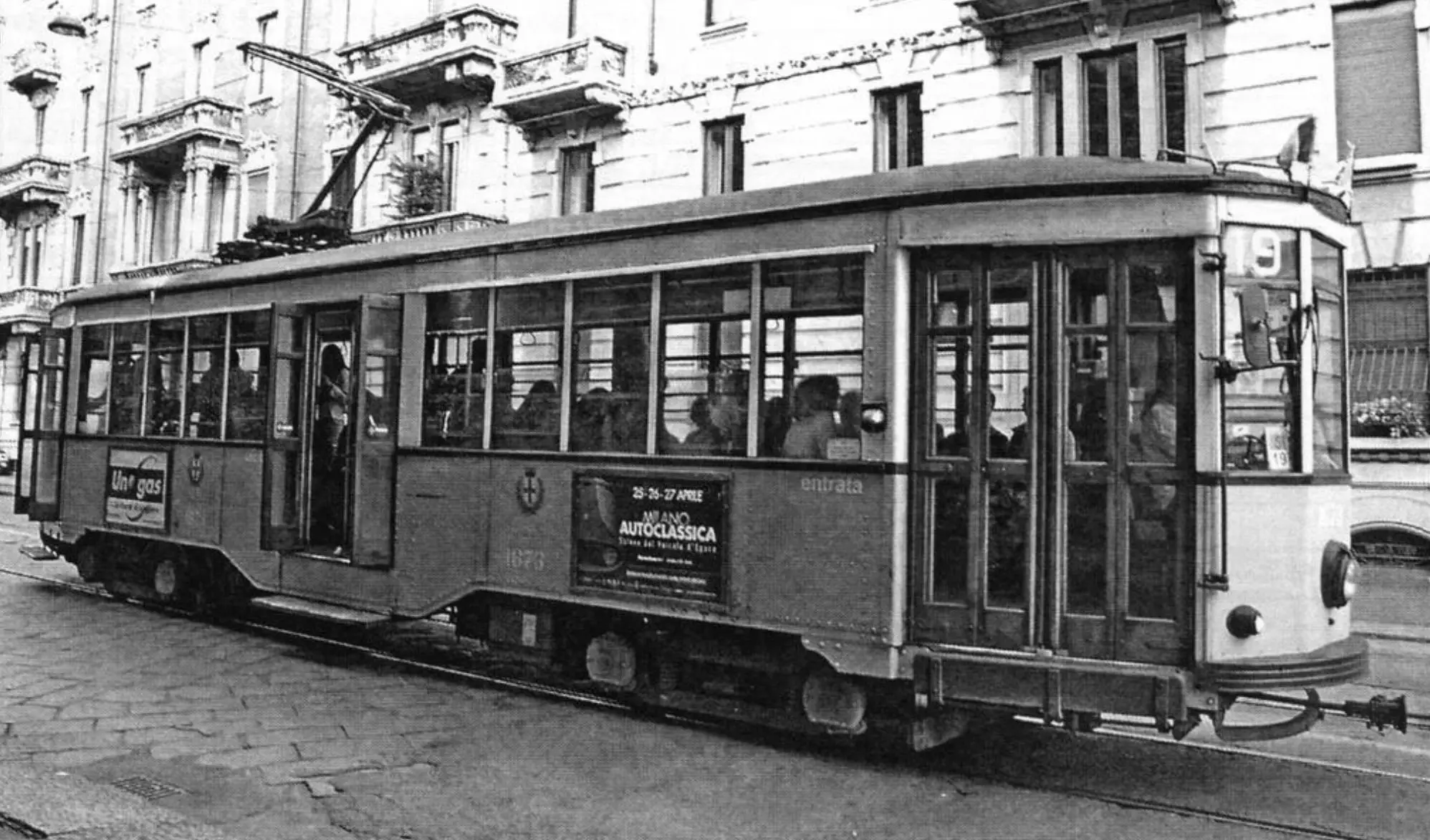
In 1917 the tram transport system came fully under the control of the Municipality of Milan. To manage the network, the company Azienda Tranviaria Municipale (ATM) was created; it still exists today. In the 1920s Milan became Italy’s main industrial and financial center; new districts appeared in the city where the old trams could no longer cope with the load. At that time Italian Series 600 and 700 cars entered service, but even they could not radically solve the transport problem. Help was sought from the Americans…
As early as 1914, Cleveland Railway engineer Peter Witt built and patented a tram of revolutionary design. His cars were about twice as long as standard ones. To cut passenger boarding time, they had two wide doors. The front door was for entry only. The second, placed in the center of the car, served for exit; the conductor’s position was next to it. Witt trams were mass-produced until the early 1930s and ran in many cities in the USA and Canada until the mid-1960s.
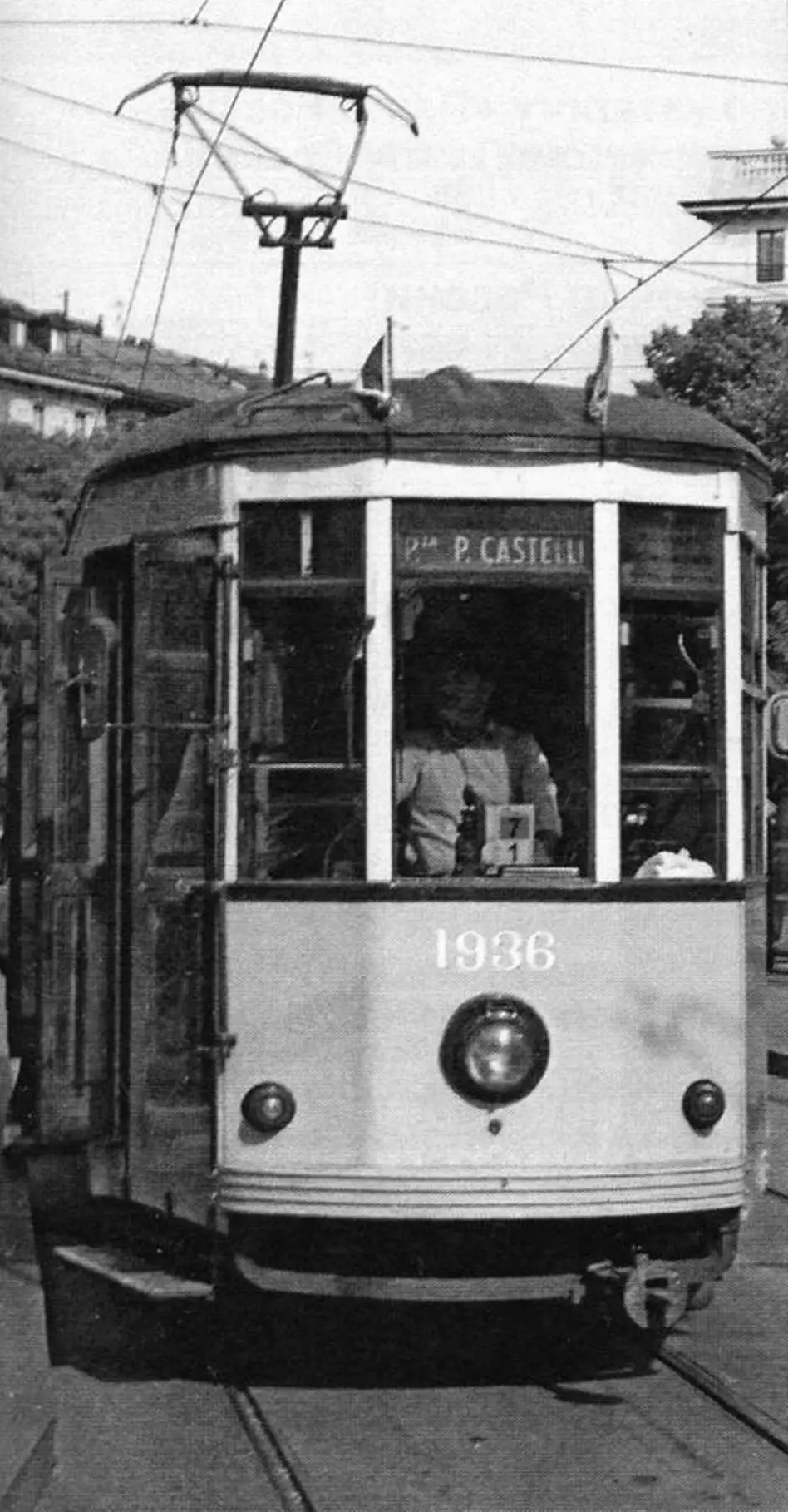
When developing their new tram, named Series 1500, Milan designers took the American prototype as a model. Production was fully localized. Electric motors were supplied by Ansaldo; the trucks were made by Fiat. The first two units, numbered 1501 and 1502, were built by Carminati & Toselli in 1927. The design proved successful, and from 1929 to 1930 Series 1500 cars were already assembled at six Italian plants. In total, 500 were built, numbered from 1503 to 2002. Two trams were supplied to Germany and Belgium. One car with doors on the left side was sold to Australia. It ran in Melbourne and later entered the collection of the Tramway Museum in Sydney.
Over their long service life, Series 1500 trams were modernized repeatedly. In 1932–1935 several units received a third door at the rear. The experiment was judged a success, and by 1940 a third door had been fitted to all cars.
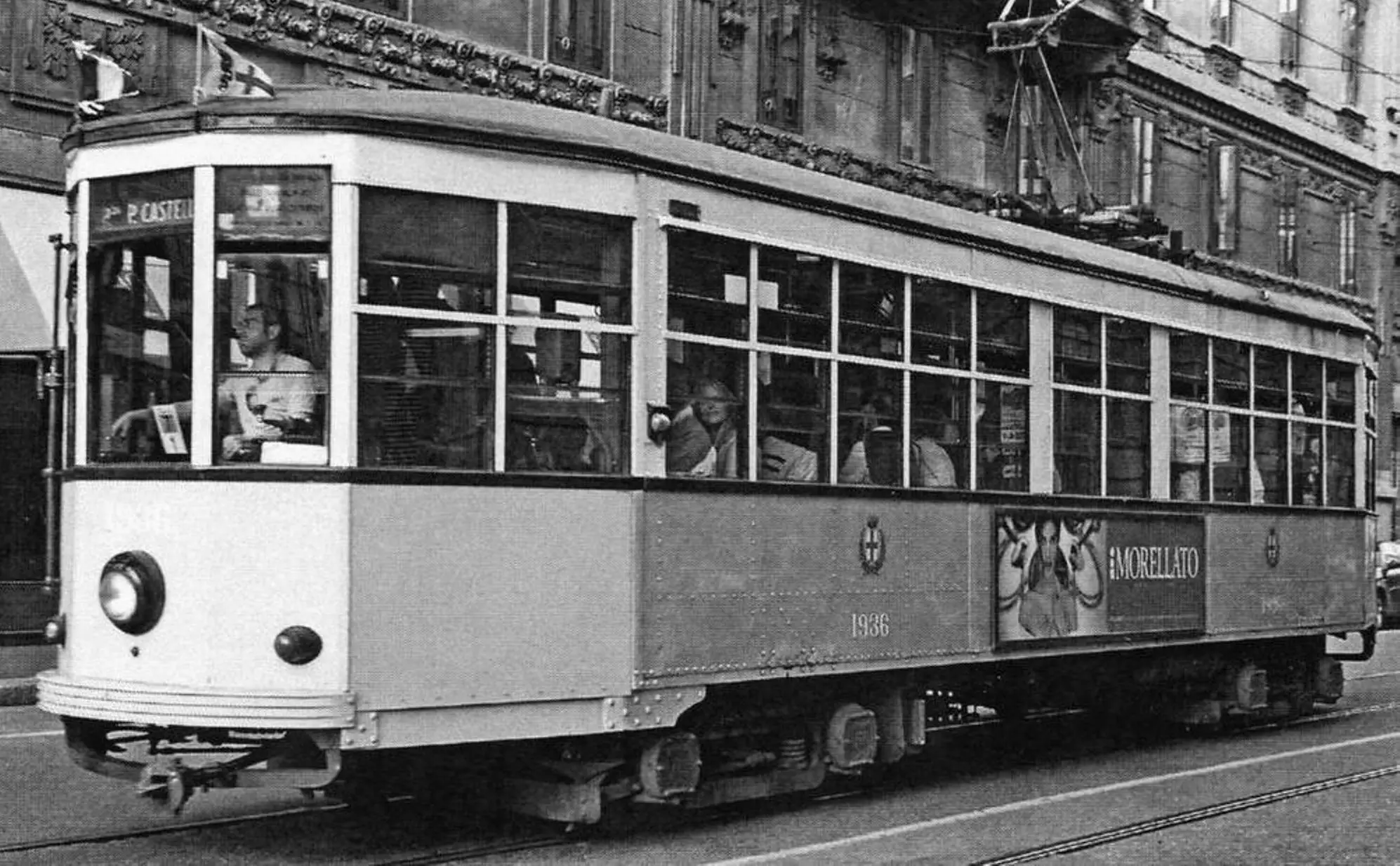
Technical specifications of the Series 1500 tram (Italy)
| Years of production | 1927–1930 |
| Weight, t | 14.8 |
| Passenger capacity | 101 |
| Seating capacity | 29 |
| Engine power, kW | 84 |
| Maximum speed, km/h | 42 |
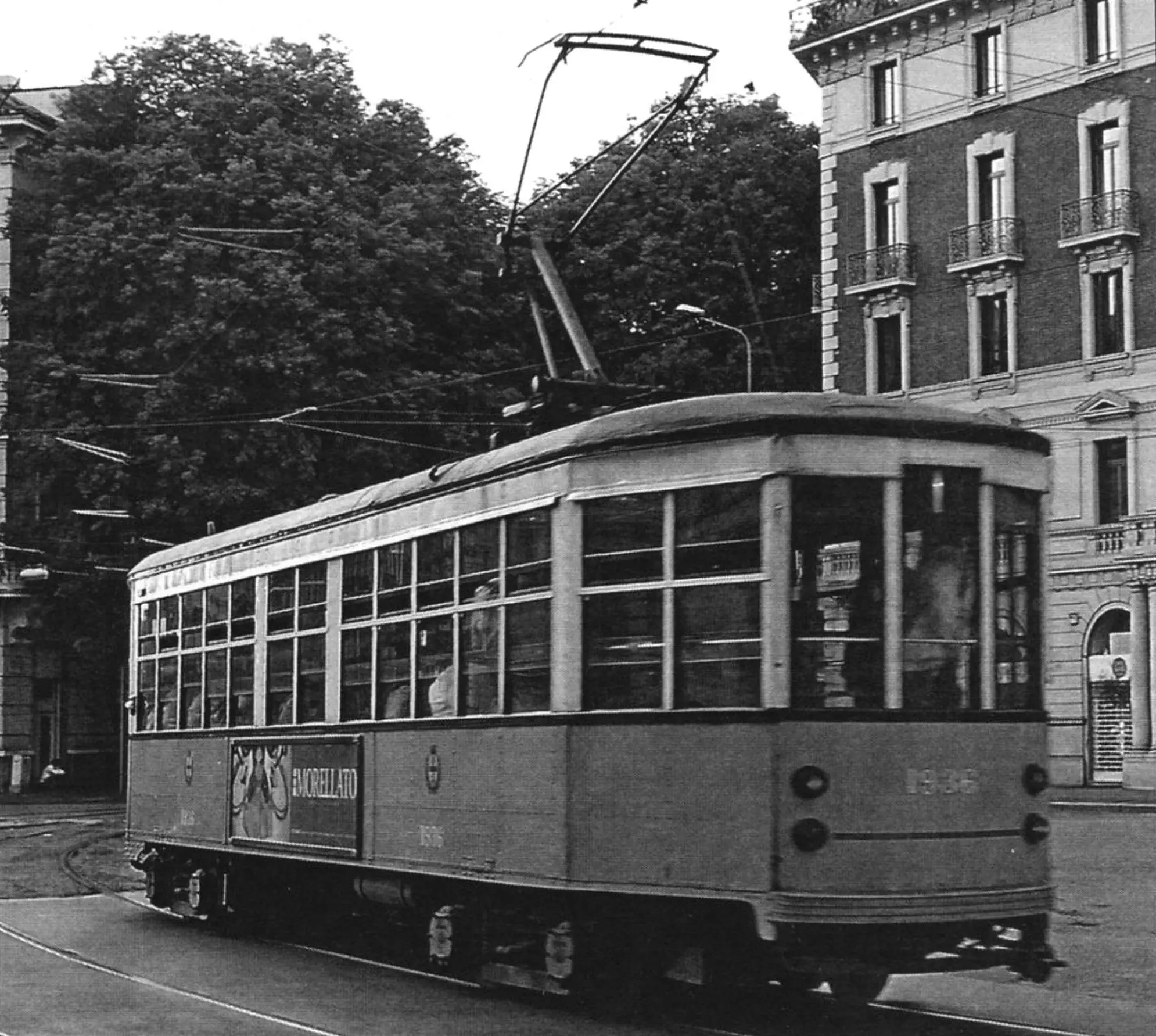
In the early 1970s most cars were repainted from the standard green to yellow. In 1972 the trolleybus-type pole collectors were replaced with modern pantographs. By the mid-1970s Milan had withdrawn all older-type trams except the Series 1500, which became a calling card of the city.
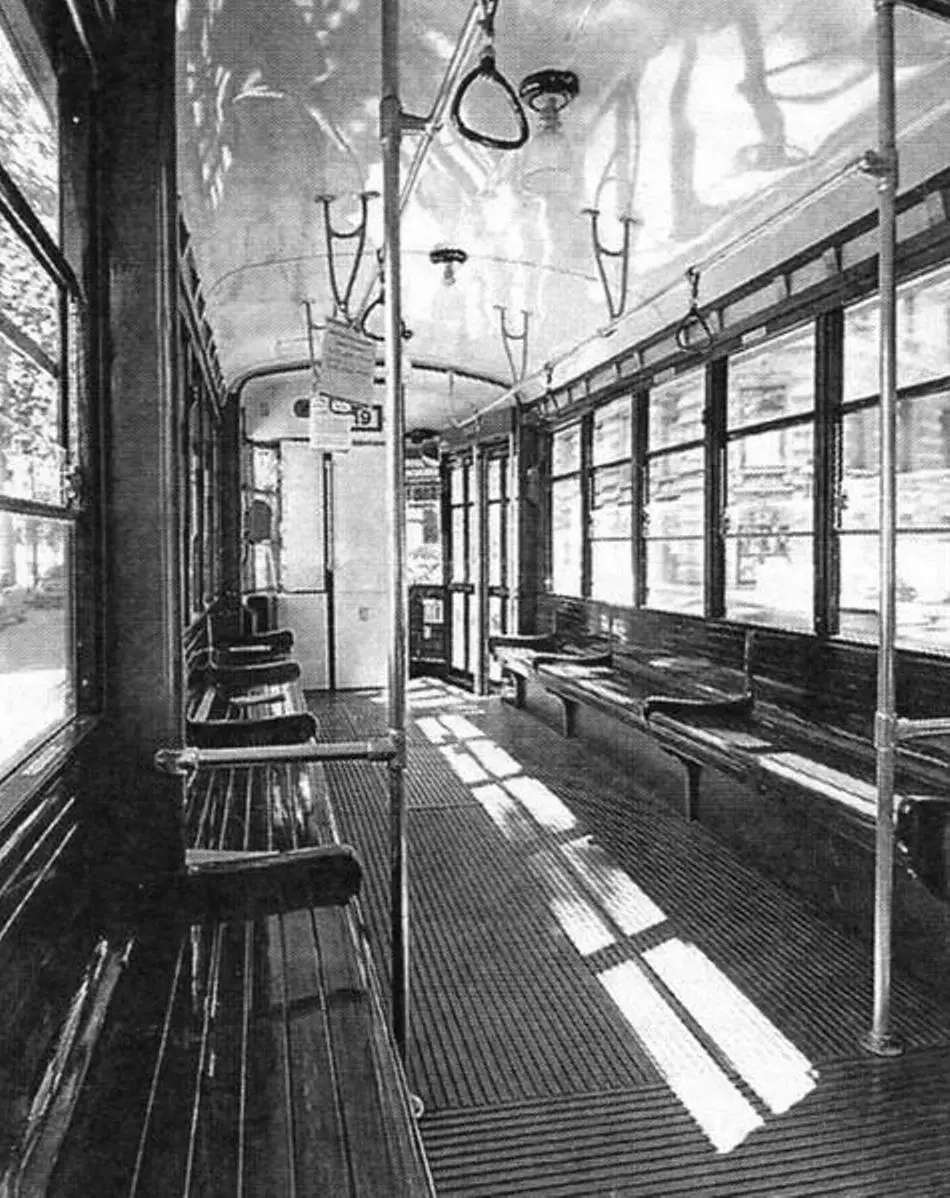
In 2015 Milan hosted the Expo World Exhibition. For that event the historic trams still in service were restored. Many of them retained original doors and glazing, mahogany interiors, and antique lighting fixtures. A new paint scheme appeared: yellow up to the window line, white above, and varnished wooden doors.
Today Milan has 135 Series 1500 trams in running condition, about a hundred of which enter regular service every day. The routes run along the city’s most beautiful streets, so rides on the old cars have become a popular tourist attraction. Many people even deliberately skip modern air-conditioned cars and wait for the “grandpa”.
Several Series 1500 trams are now used as service and training cars. Two have been converted into restaurants, and there is even a special school car. Seventy Milan trams were also sold to North America: they run on regular lines in San Francisco and San Jose, are used on sightseeing routes and in film shoots, and several units entered museums.
“AMERICANS”
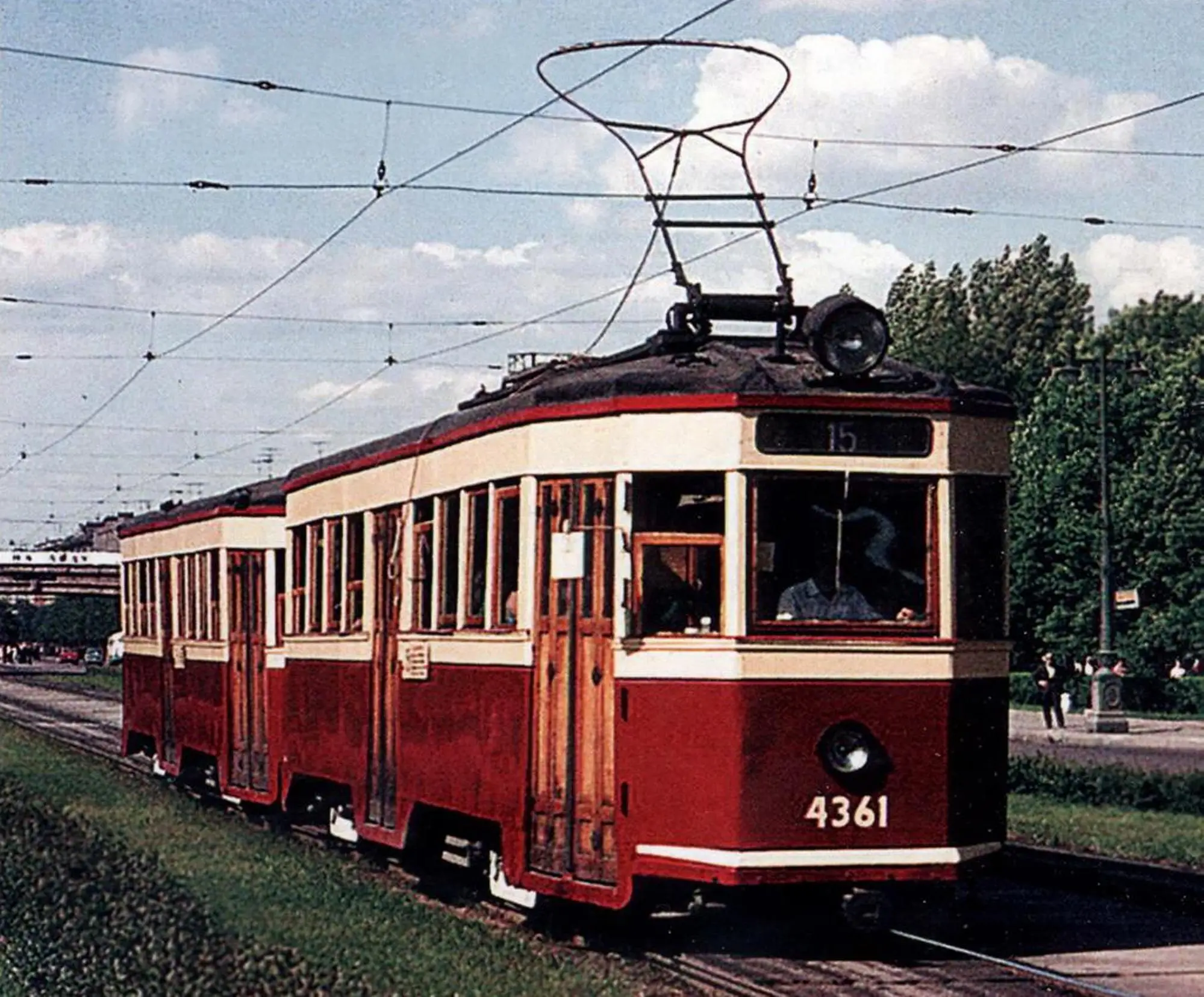
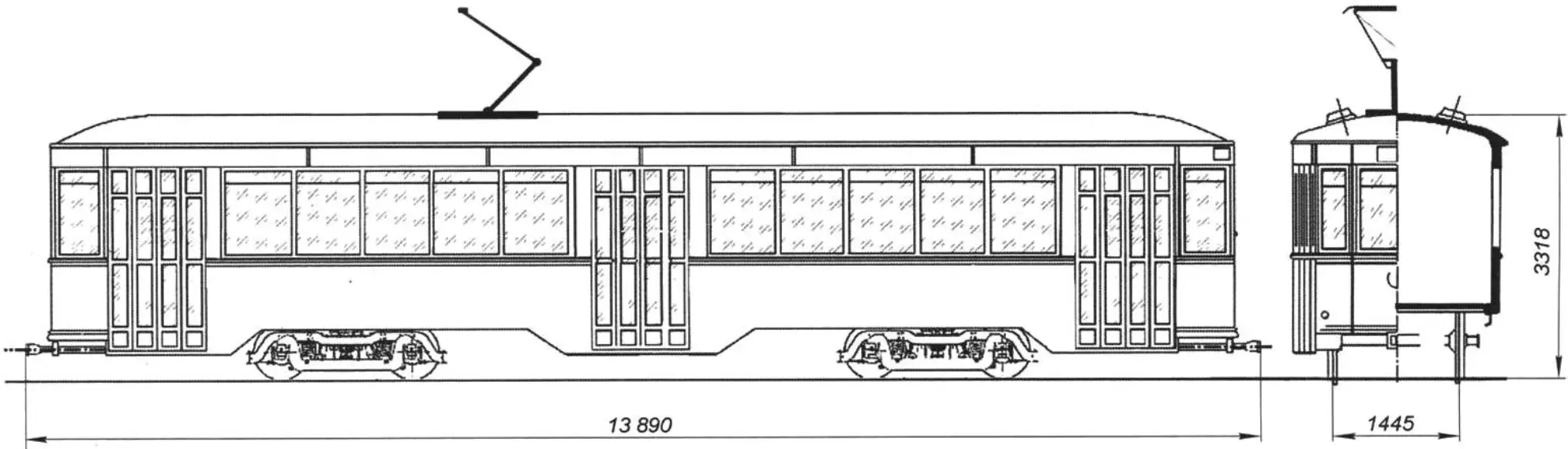
The USSR also had trams built on the Peter Witt design. They differed from the American and Milan cars in overall dimensions and in having less glazed area. Production was set up at the Leningrad Car Repair Plant. In total, from 1932 to 1939, 232 LM-33 (Leningrad motor car, 1933 design) and LP-33 (Leningrad trailer, 1933 design) cars were built. People nicknamed them “Americans”. During the Great Patriotic War some were converted into ambulance cars.
Technical specifications of the LM-33 tram (USSR)
| Length, mm | 15000 |
| Width, mm | 2600 |
| Height, mm | 3318 |
| Weight, t | 22.2 |
| Passenger capacity | 178 |
| Seating capacity | 49 |
| Motor power, kW | 4×40 or 4×55 |
| Maximum speed, km/h | 50 |
In Leningrad the “Americans” ran until 1979. Some cars were converted into freight units and served until the late 1990s. The Museum of Electric Transport in Saint Petersburg preserves one LM-33, one LP-33, and one freight tram with a flatbed platform.
“Modelist-Konstruktor” No. 9’2025, Sergey KUDRINSKY
Recommend to read
 LUNGING — SPEED A-1
Speed kordovye models are very popular among modelers of the USSR. According to the classification of models of the ships they are United in group a-and are divided into four classes:... MEL FILE EACH
When processing a file soft and ductile materials cut quickly becomes clogged with sawdust. Cleaning the same tool is often more time consuming than the workflow itself. That it was a...
