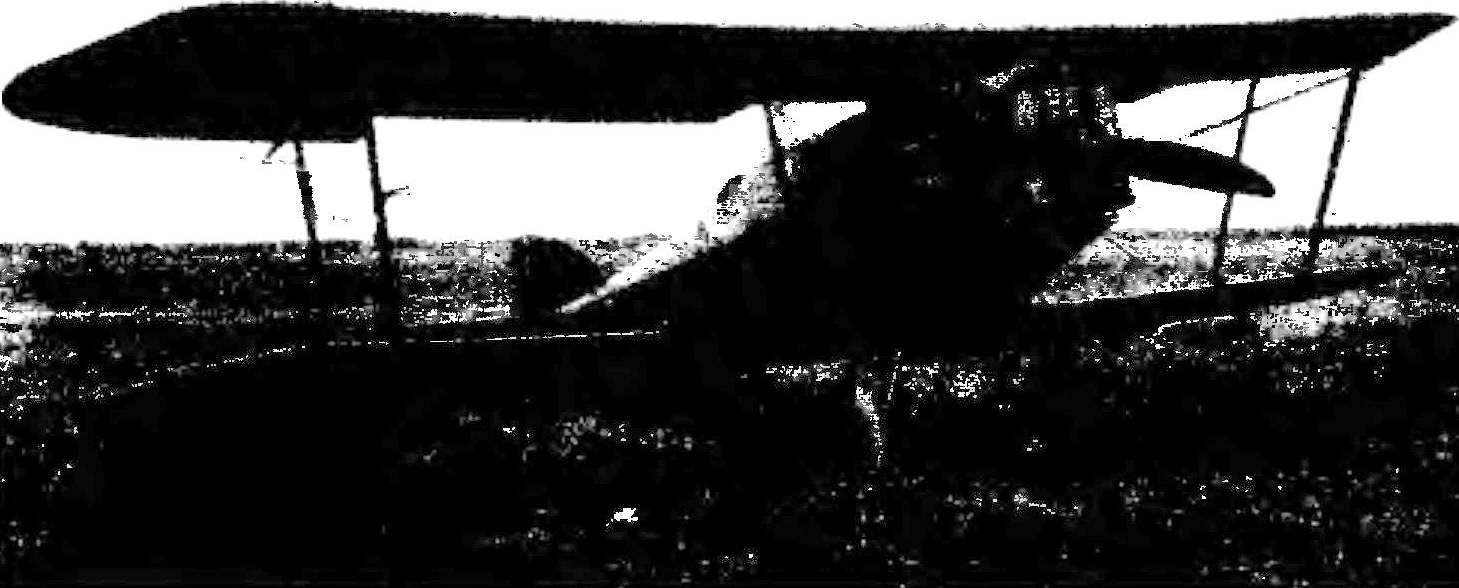
 The British firm “Martinsyde limited” received its name from the surnames of the founders — Martin and Handasyde and at first was called. Later the name for simplicity shortened. This company is interested in us because in the 1920-ies in the red Army was released it fighter F. 4 “Buzzard” (“Owl”). It was called MF-4 or simply “Martinsyde”, as other aircraft of this company in Russia is not there. The design of the vehicle began in 1916, when designers “Martinsyde” led by Hendecagon undertook the creation of a single-seat fighter-biplane. First they made an attempt to modernize the serial biplane “elephant”, but gradually withdrew from him further and further away. The new RG plane fuselage made shorter and higher, the wingspan is significantly reduced, the pilot’s seat moved backwards to improve visibility. Changed chassis and tail. The fighter was expected to feature a 12-cylinder engine liquid cooling “Falcon” power of 275 HP company “rolls-Royce” and arm 7,69-mm machine gun “Vickers”, mounted above the upper wing on the left, and a machine gun, “Lewis”, standing on the right side.
FIGHTER “THE BUZZARD”
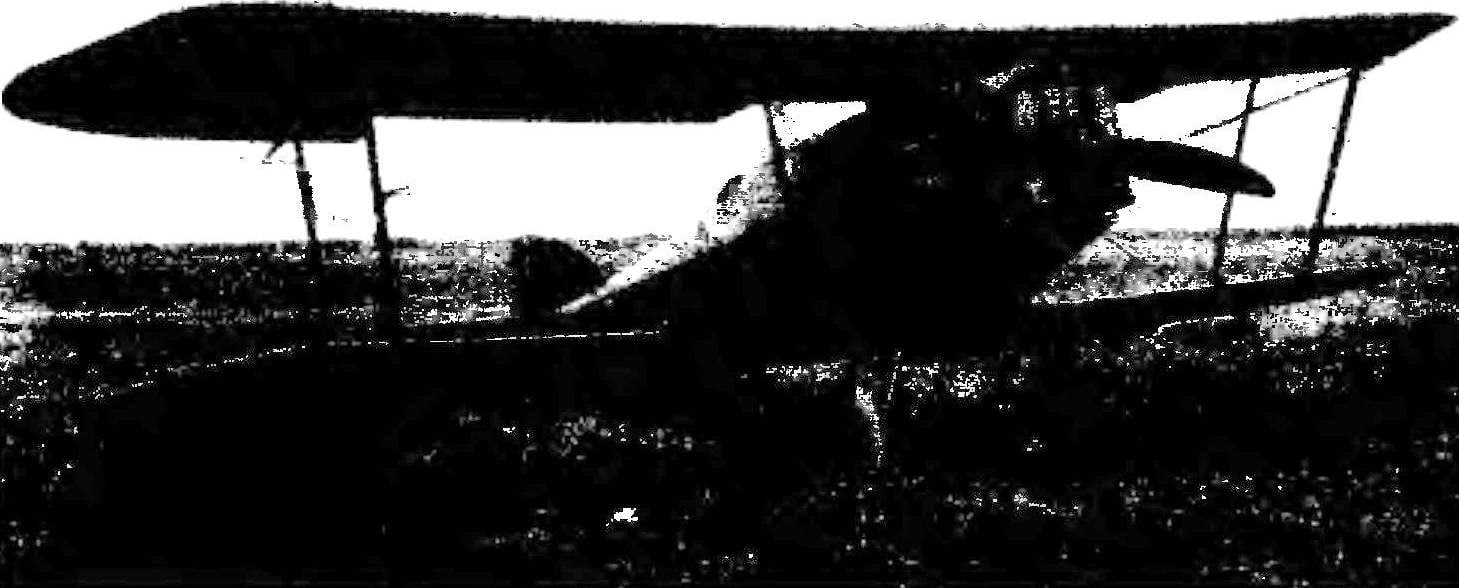 The British firm “Martinsyde limited” received its name from the surnames of the founders — Martin and Handasyde and at first was called. Later the name for simplicity shortened. This company is interested in us because in the 1920-ies in the red Army was released it fighter F. 4 “Buzzard” (“Owl”). It was called MF-4 or simply “Martinsyde”, as other aircraft of this company in Russia is not there. The design of the vehicle began in 1916, when designers “Martinsyde” led by Hendecagon undertook the creation of a single-seat fighter-biplane. First they made an attempt to modernize the serial biplane “elephant”, but gradually withdrew from him further and further away. The new RG plane fuselage made shorter and higher, the wingspan is significantly reduced, the pilot’s seat moved backwards to improve visibility. Changed chassis and tail. The fighter was expected to feature a 12-cylinder engine liquid cooling “Falcon” power of 275 HP company “rolls-Royce” and arm 7,69-mm machine gun “Vickers”, mounted above the upper wing on the left, and a machine gun, “Lewis”, standing on the right side.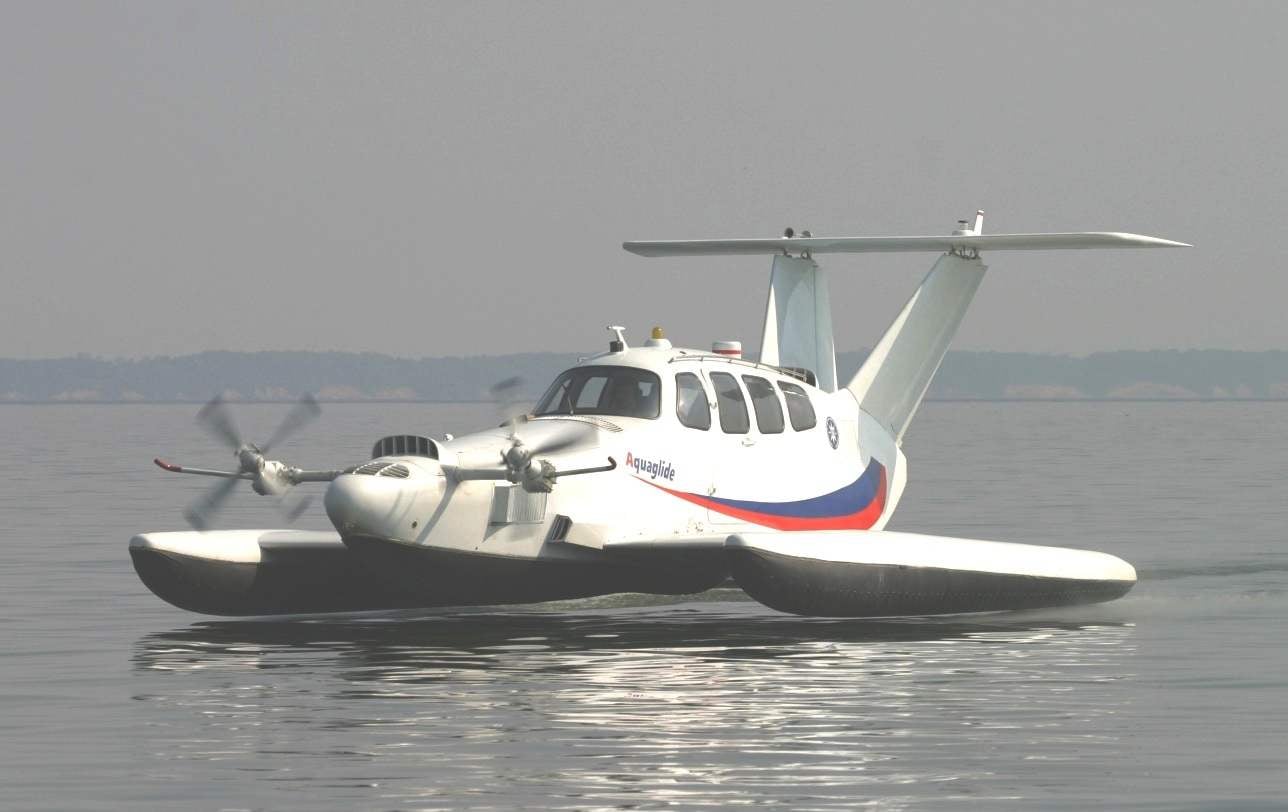
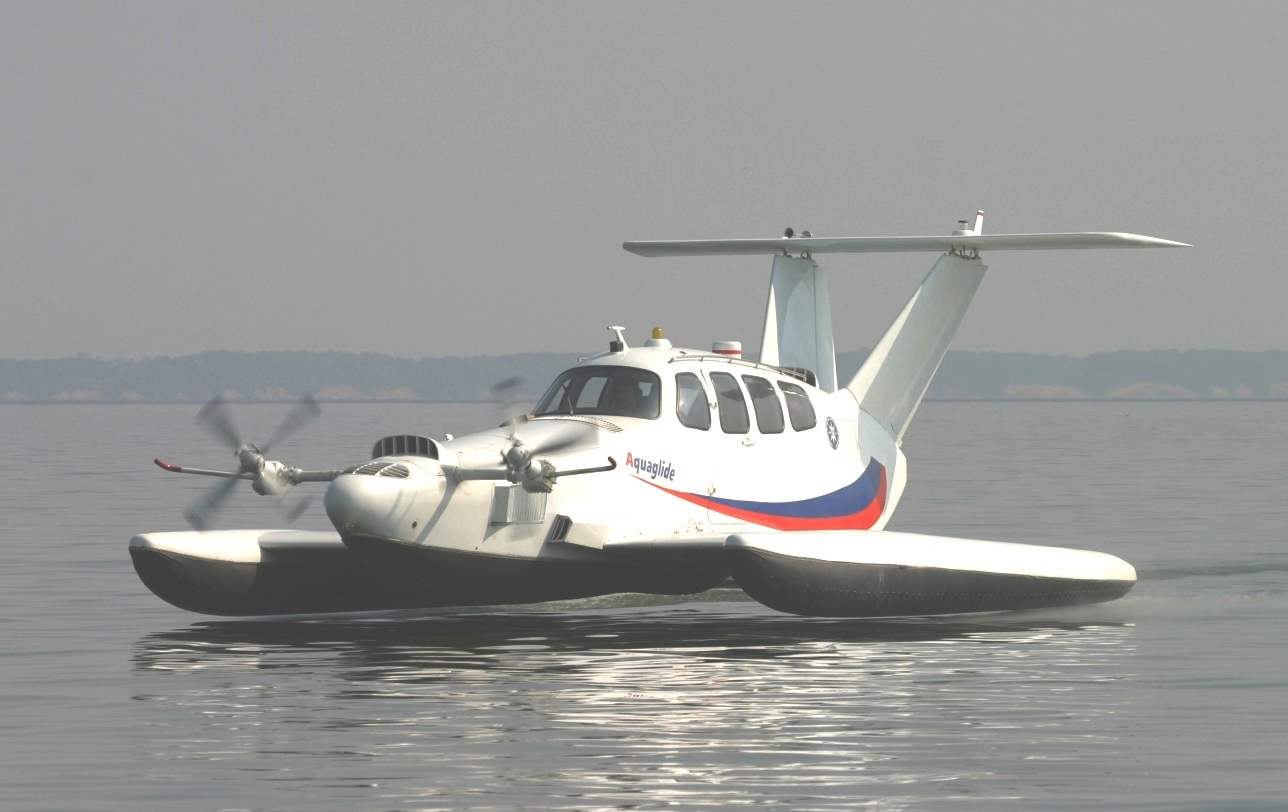 The wig was created with the support of the “Arctic tergovernmental company” in Nizhny Novgorod. “Aquaglide-5” performed by the classical scheme of the aircraft with low-aspect-ratio wing and twin fins. To facilitate take-off unit and output on a hard surface under his wing to create a static air cushion by blowing air from two rotary propellers. About 85% of the lifting power of the apparatus is created by the wing, and the rest — due to the dynamic air cushion. This allows to automatically maintain the altitude.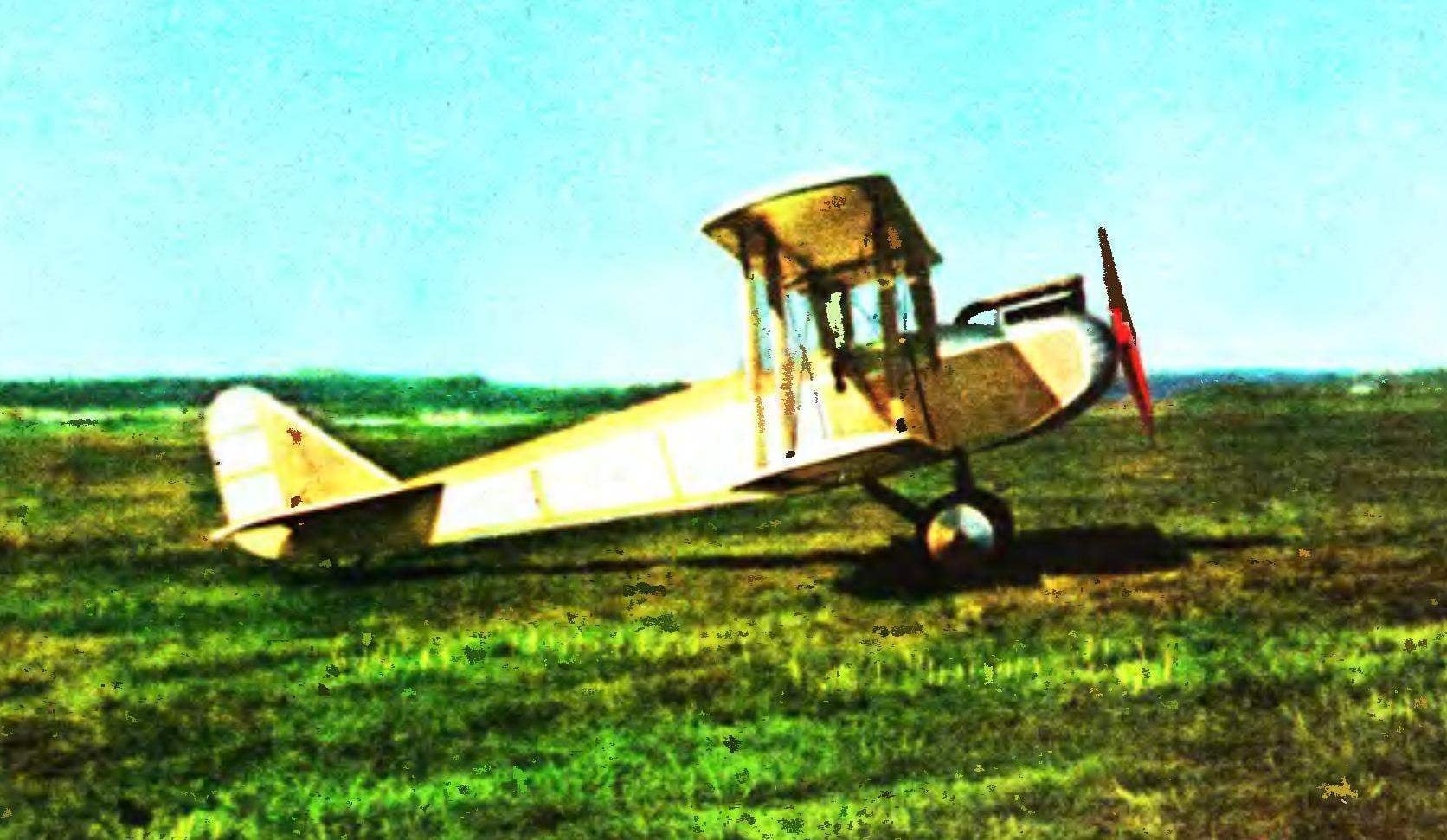
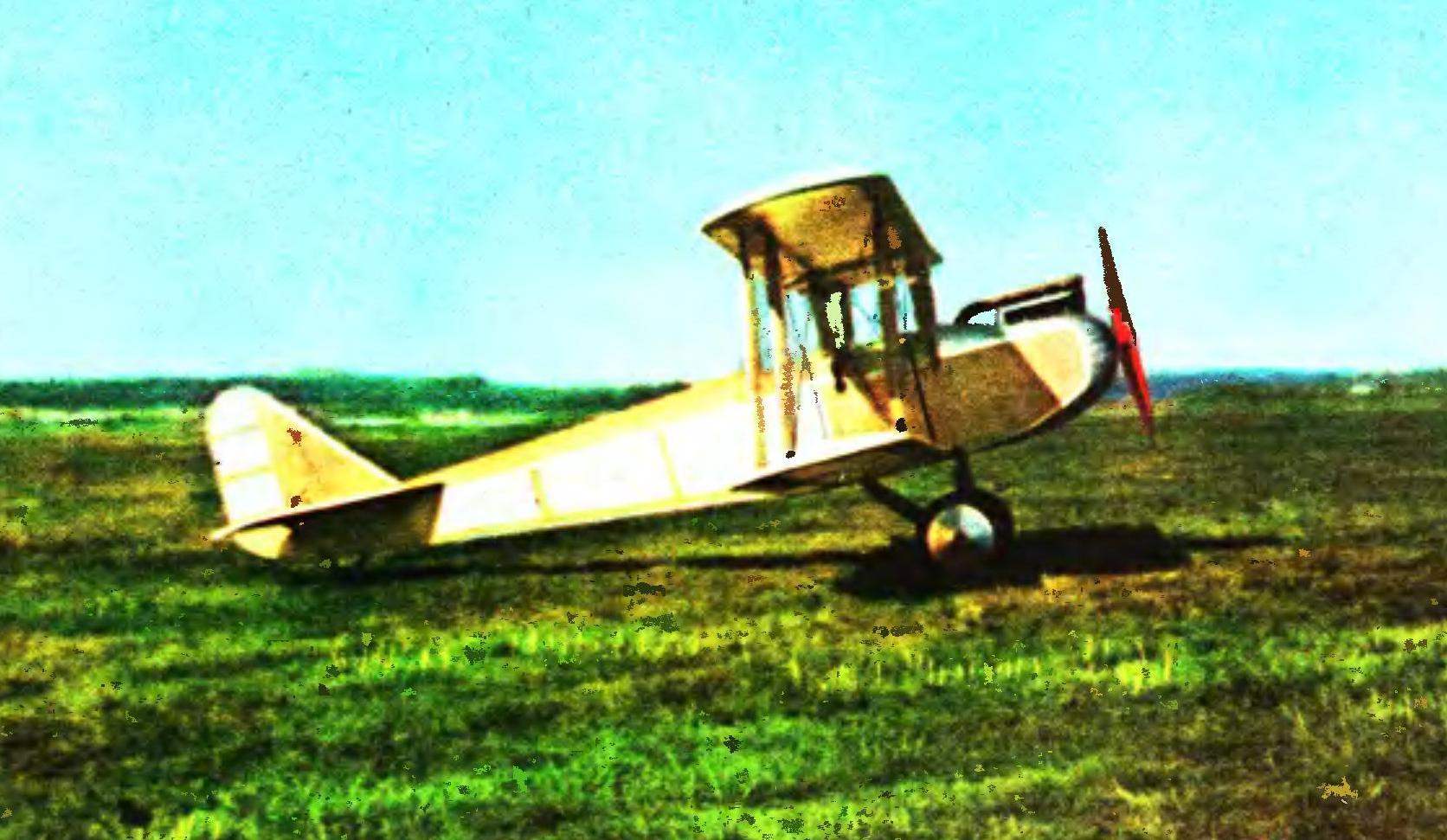 That was in October 1925. Just ended all-Union glider competitions in Koktebel. Among non-motorized vehicles, flown there, considerable success has and the second design assistant mechanic usernamei squadron of the air force Academy named after N. Zhukovsky, Alexander Yakovlev. Winged victory, the young designer decided to take on the matter is much more complex — to build a light sport plane, then according to the accepted terminology — the aviette.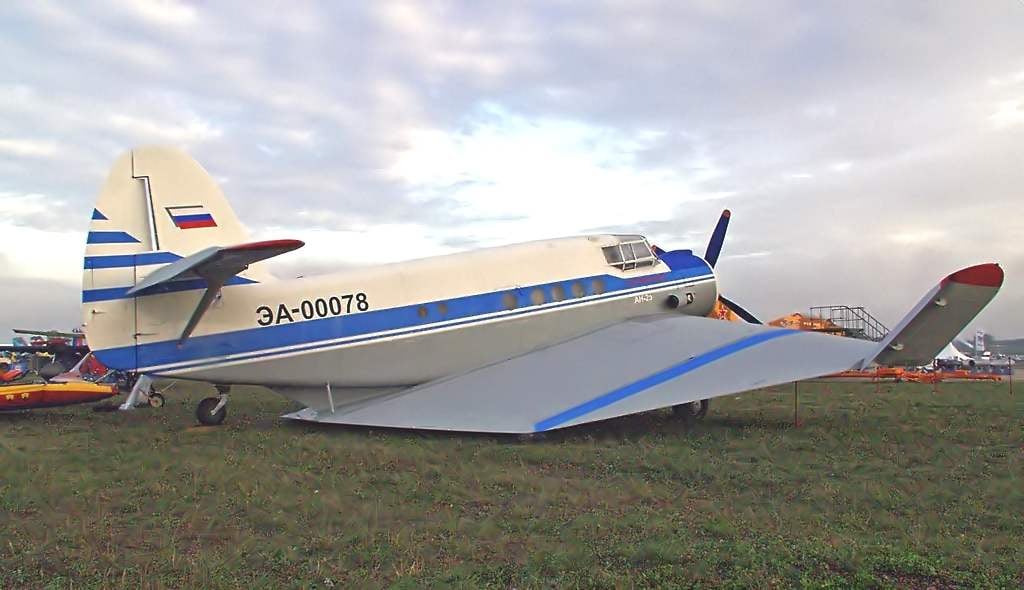
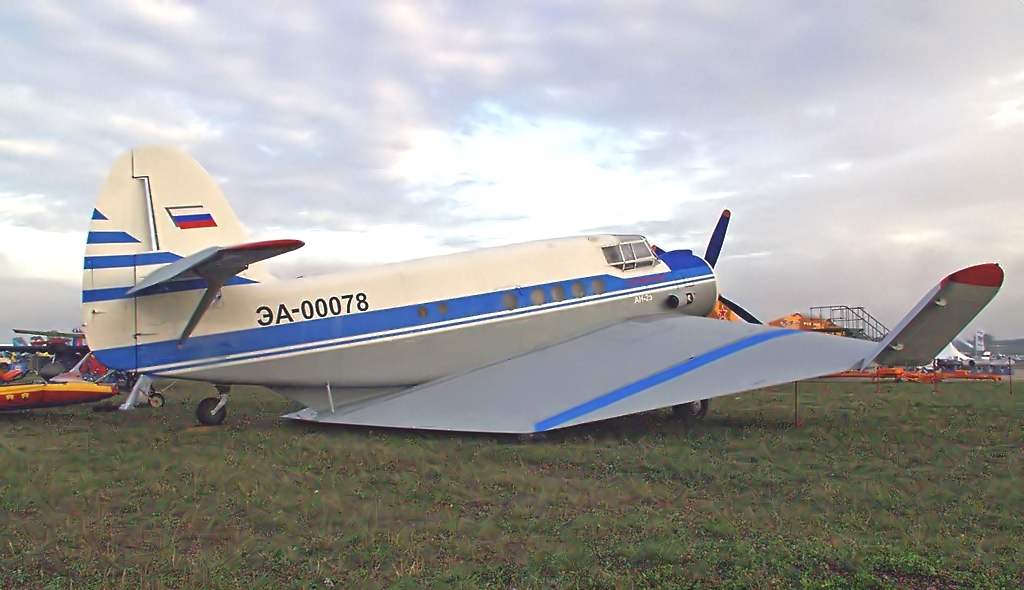 Perhaps the most original and unexpected modification of the biplane was a project of winged An-2E. Currently, a large number of An-2 aircraft put into storage, mainly due to the complete production engines of their resource. Given that the alteration of these machines into the an-3 is going very slowly, a group of enthusiasts headed by YV Makarov suggested that An-2 ekranoplan. This biplane box of wings is replaced by one bearing a triangular surface. This wing will allow you to fly at heights up to 5 m with the use of the proximity effect of the earth. Instead of the engine ASH-62IR a car diesel.
 The Russian Federation is the only country possessing the technology of ekranoplane. In addition to the giant apparatus created under the direction of R. Alekseev, developed and are small, designed for local “airlines”. An example of this is a twin-engine 10-seater airplane EP-7 “Ivolga”, created under the leadership of Vladimir Kolganova EP-7 made according to the classic scheme of the aircraft with a composite wing. On the wing of small aspect ratio located displacement hull floats and propellers in annular channels.
 During the great Patriotic war in the Soviet Union from the United States and supplied under lend-lease twin-engine bombers b-25 “Mitchell” company “North American”. The aircraft started to be developed in 1938 as an attack-bomber. He had dvuhkilevoe tail and tricycle landing gear support to facilitate its operation. After reworking the project into a bomber the machine, adopting, received the designation b-25. Her first flight took place on 19 August 1940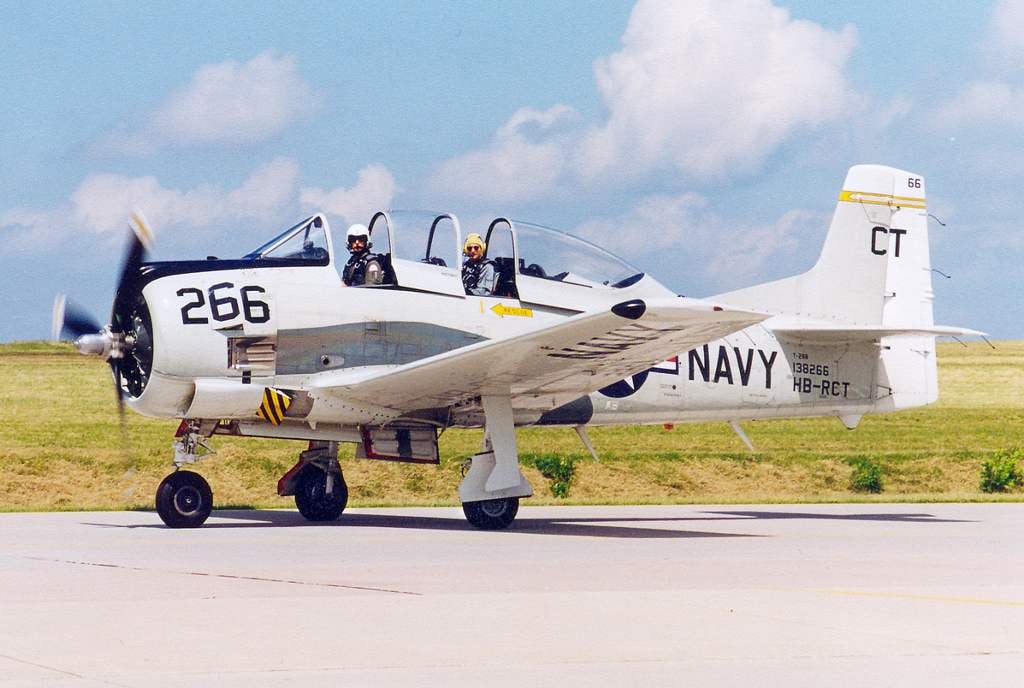
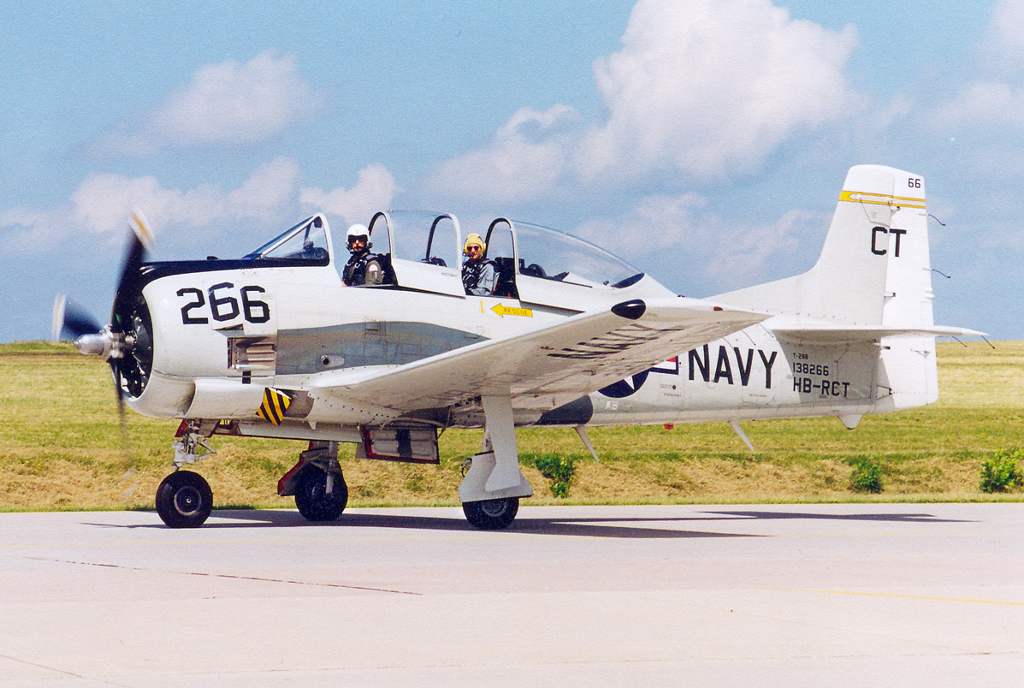 Training aircraft, T-28 “Trojan” developed by “North American” replacement for the T-6 “Texan”. The first flight of its prototype HT-28 was held on 26 September 1949: in mass production was designated T-28A. Double the aircraft was a cantilever low with retractable tricycle landing gear. Built 1194 machines, including variations of the T-28B and T-28C with the brake hook, and intended to study landing on the deck of aircraft carriers.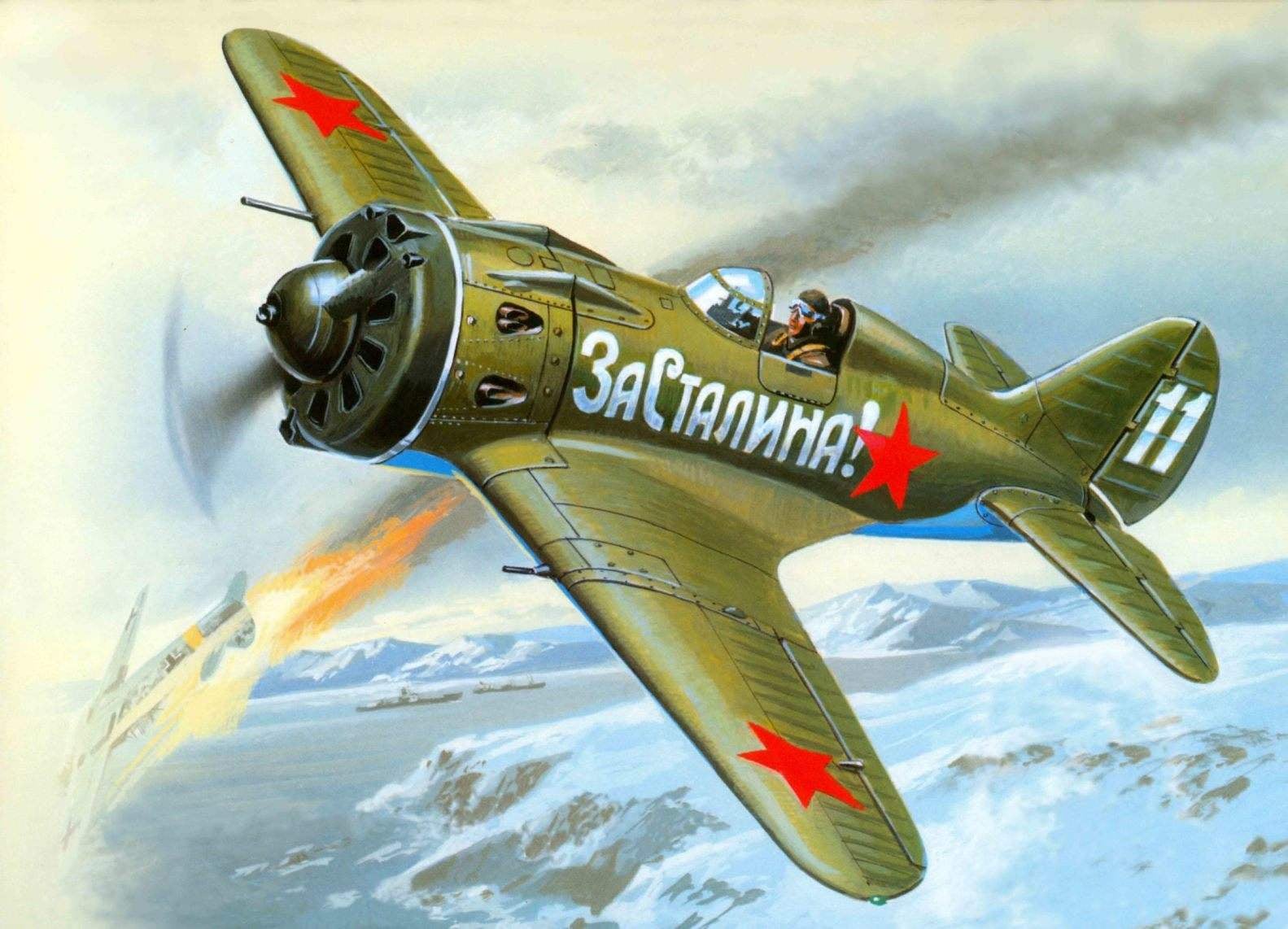
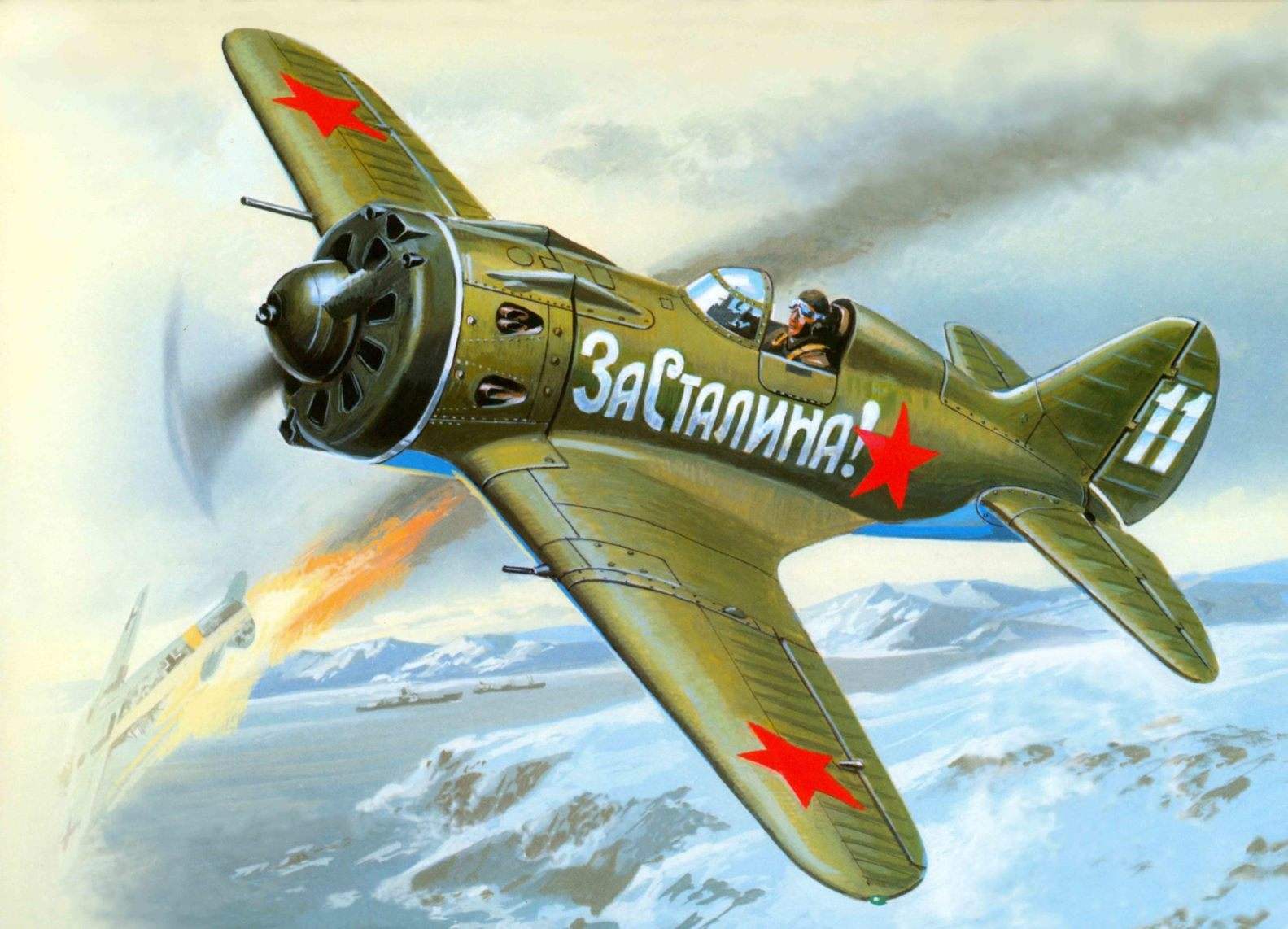 The fighter I-16 in the civil war of Spain. The history of the airplane. This plane was largely first. In the USSR, he was the first popular fighter with retractable landing gear, the first fighter, which the pilot’s seat was equipped with an armored backrest and, finally, the world’s first fighter-bomber. We are talking about the plane I-16, created by the design Bureau of Nikolai Nikolaevich Polikarpov, who in the second half of the 1930-ies deservedly called “king of fighters”.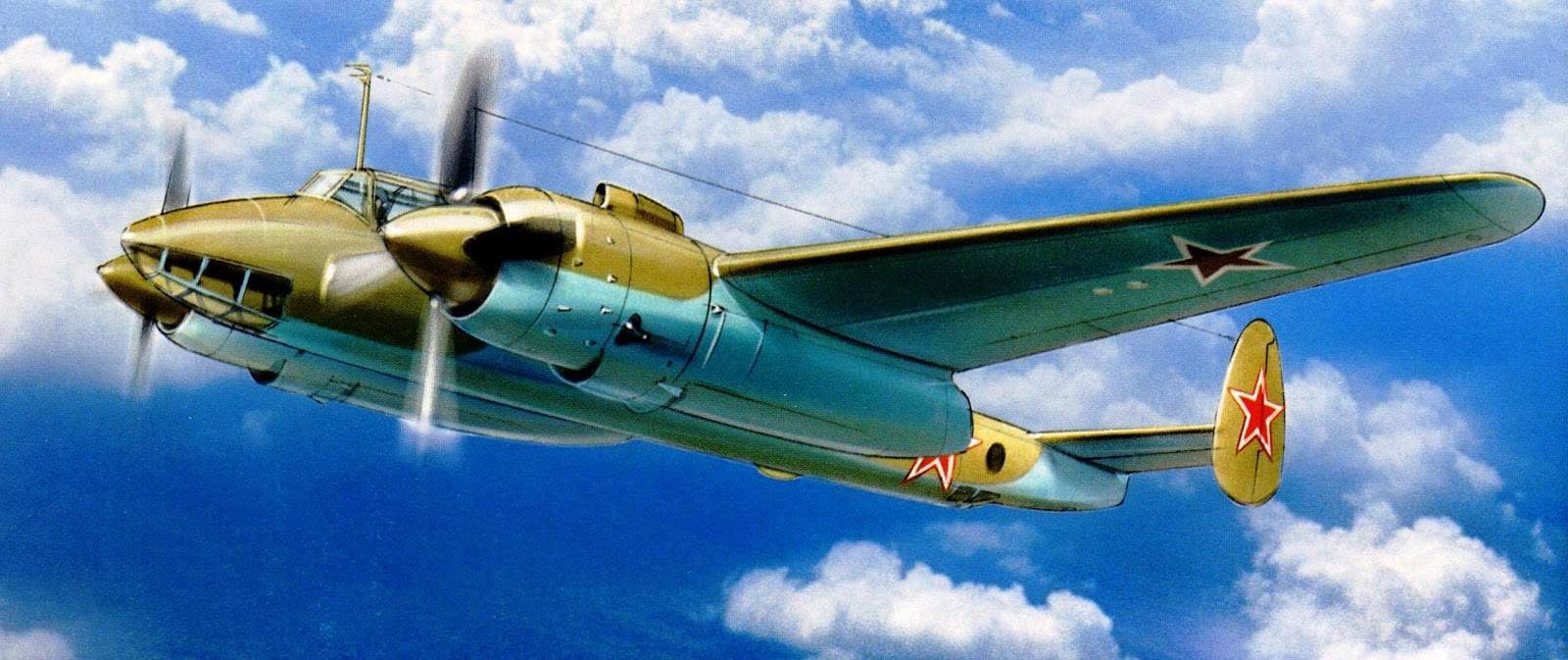
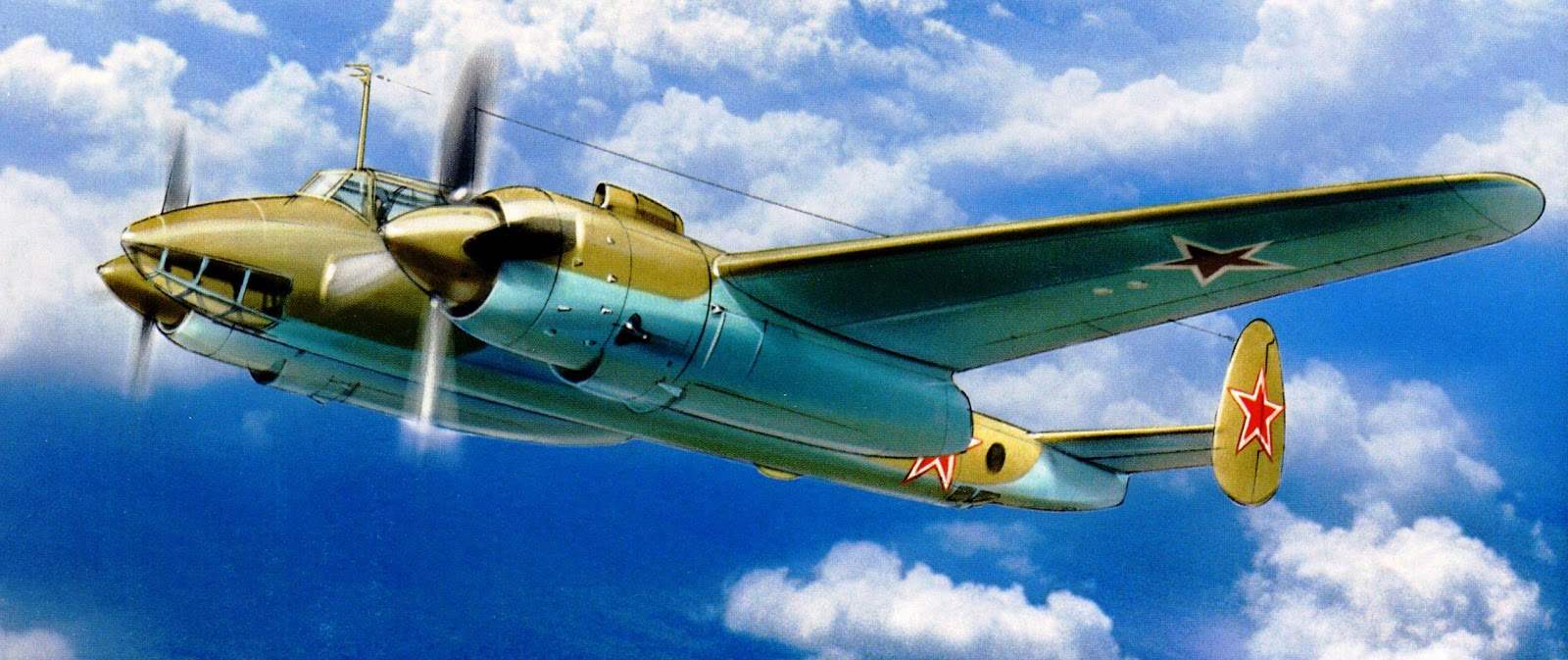 Development of front-line bomber Tu-2 began in 1940 prototype (“103”) built with two engines AM-37. The first flight took place in January 1941 On it during the tests managed to get the settings close to the fighters of those years, but the air force demanded to accommodate the pilot and Navigator in a cabin-type German Ju 88 and mounted under a wing brake grids. The new four-seater has received the designation “103У”. Due to the outbreak of the war she remained in the experimental instance.
 31 October 1945 the technical Department of the Us air command (the name of the U.S. air force) requested the leading firms, they create new weapon systems capable of hitting targets at ranges from 40 to 8000 km.