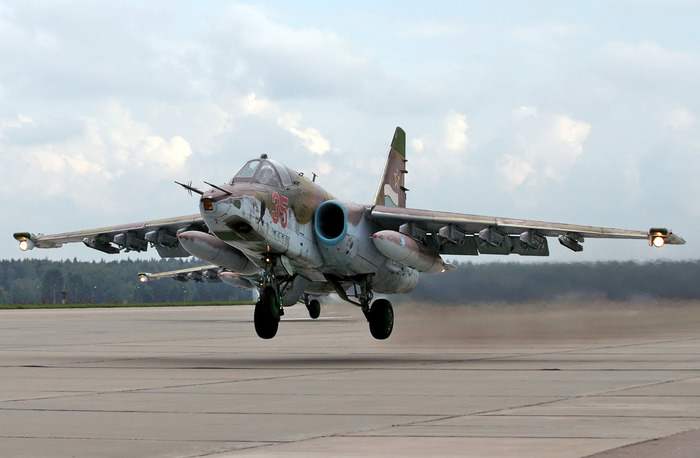
 Dvuhdverny aircraft-su-25 attack aircraft designed for direct support of troops in local conflicts under conditions of strong counteraction of the enemy air defenses. The development the design Bureau of P. O. Sukhoi began in 1968, the First flight of the aircraft. piloted by test pilot V. Ilyushin, was held on 22 February 1975 and the following year started its serial production. The first experience of combat use of the su-25 was obtained in April 1980 in Afghanistan. Subsequently, the plane was used during the suppression of the rebels in Chechnya and armed conflict in the former Soviet republics. Was exported to many foreign countries. On the basis of the airframe of the su-25 created a number of modifications, including the training of the su-25УТ, carrier-based su-25UTG, and su-25ТК. Subsequently, the su-25 came the su-39, which, in turn, served as the basis for the creation of new modifications, more fully meet modern warfare.
Read more
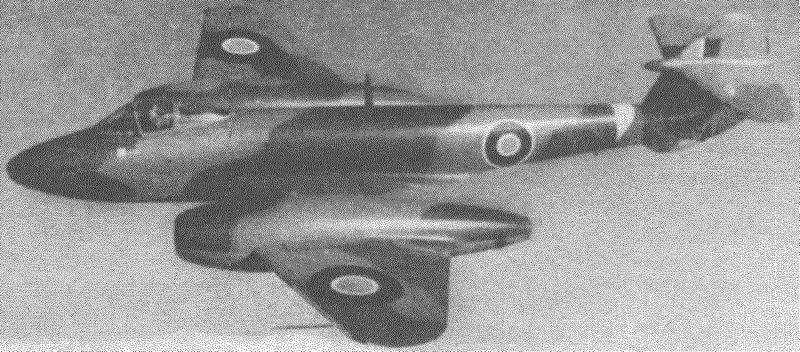 The priority of the German aircraft industry in jet aircraft does not diminish the role of other countries that have joined before the Second world war in the “reactive” race. And each of them has contributed to this difficult process. Am Cradle started to design the turbojet engine (TRD) in the mid-thirties of the last century and do not start a war, probably would have completed it before.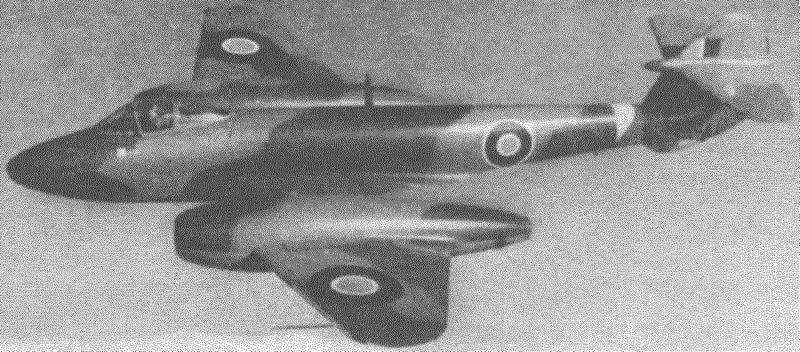
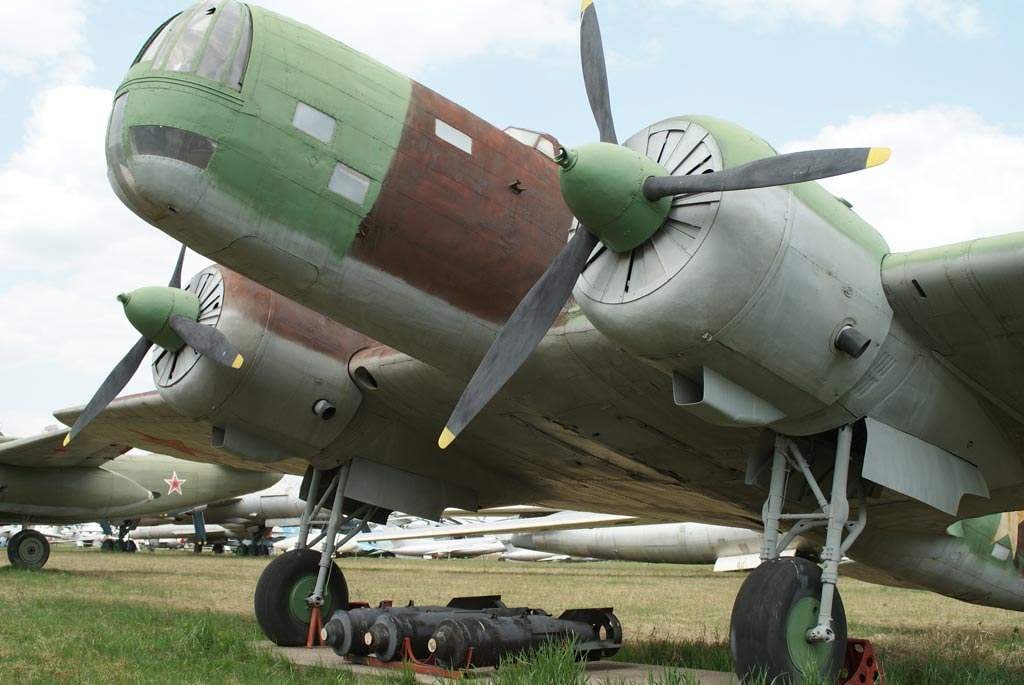
 On the night of 8 August 1941 from the airfield Cahul, located on the island of Ezel (Saaremaa) in the Baltic sea, flew three groups of 15 bombers DB-ZT of the Baltic fleet. Aboard each plane were eight stokilogrammovye high-explosive bombs. To Berlin had to go through the 1760 km, of which 1400 over the sea at an altitude of 7000 m out of sight of land and the same back. That night in Berlin for the first time over the past two years howled air RAID siren. The Germans, not believing in the capabilities of Soviet aviation, reported on the RAID of British bombers. However, soon the whole world heard the TASS report about the RAID of Soviet aircraft, razveyatsya the myth of the invincibility of Germany.
 Fighter-bomber FIAT G. 91. In February 1952, at the ninth session of the Atlantic Council in Lisbon, the decision was made for the NATO standard combat aircraft is a light fighter-bomber LWSF (Light-Weight Strike Fighter). In December 1953, NATO headquarters on the basis of the analysis of the Korean war he developed tactical and technical requirements for light single aircraft support ground troops — NATO Basic Military Requirement No. 1 (abbreviated — NBMR-1). March 18, 1954 this document is sent to all interested aircraft manufacturers of Europe.
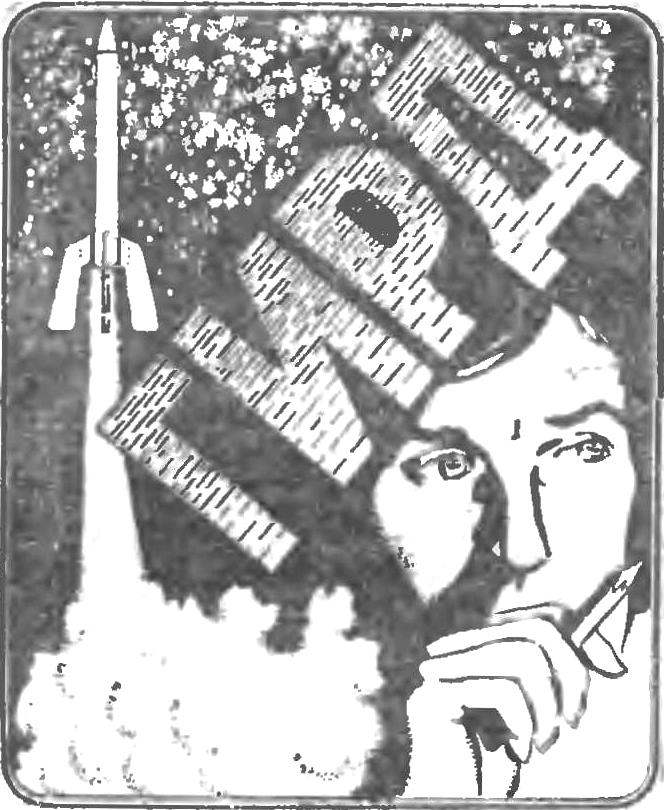 The exploration of outer space has the beginning, but the end of these proceedings, with no end of the universe, where they are conducted. But whenever in the future, we turned to the topic of penetration of earthlings into space, we will inevitably look back to seek the origins.
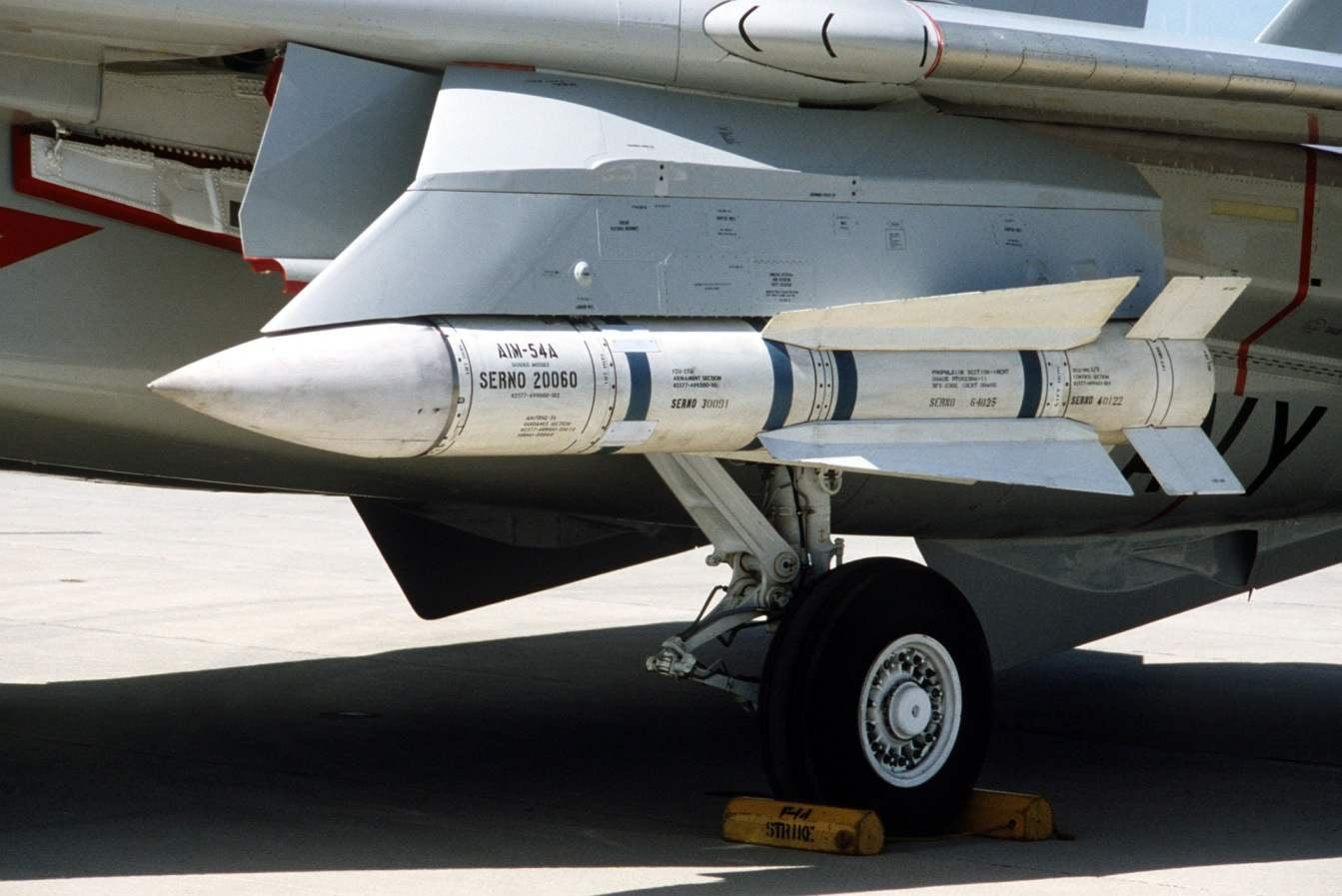
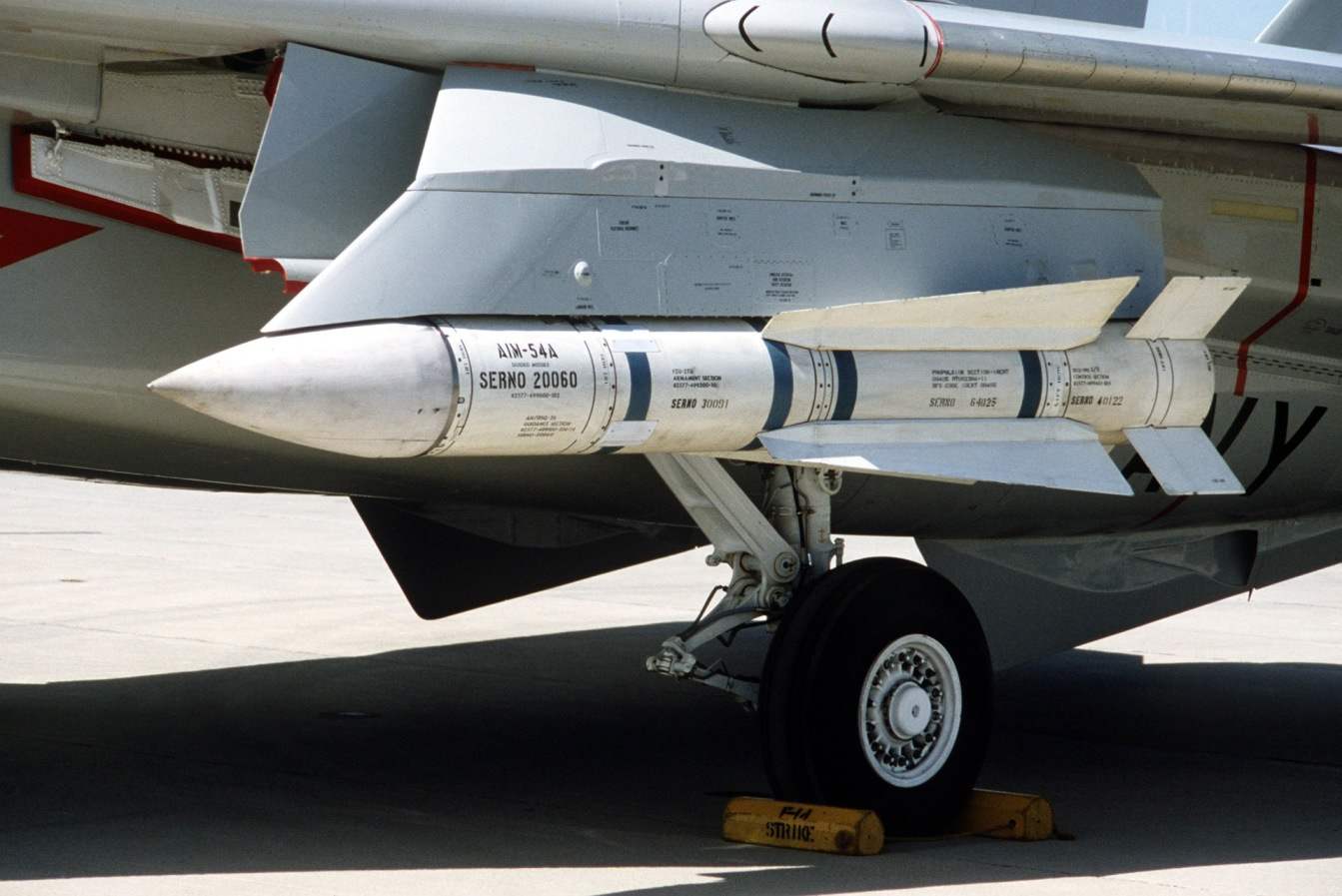 The main ships of the U.S. Navy aircraft carriers are always ready not only to strike at the enemy, but also to reflect the Vietnam War revealed the limited capabilities of us carrier-based fighters for the conquest of the air. Assessing the first results, the management of the fleet air arm in 1965 has supported research of the company “Grumman” on the program of creating a multi-purpose carrier-based fighter and, having their priorities in this program, in July 1968, officially declared the competition for carrier-based fighter-interceptor VFX (Variable Geometry Fighter Experimental). Their proposals presented to the company “Grumman”, the “North American”. “McDonnell-Douglas, General dynamics and Ling-Temko-out”.
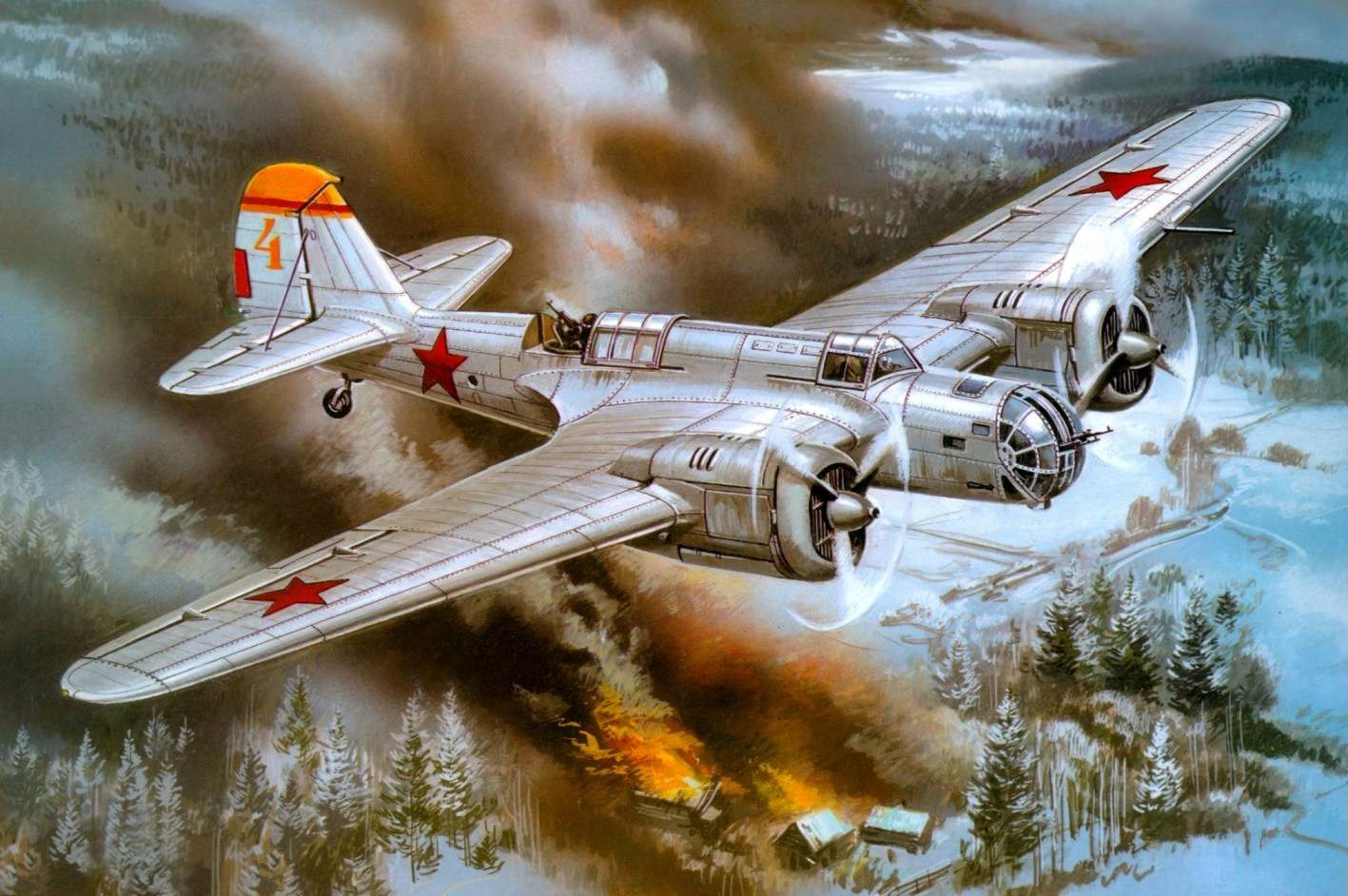 In 1933 A. N. Tupolev proposed to make the Soviet analogue of “Martin”. He undertook this task, but decided it differently. His ANT-40 in no way resembled an American bomber. For maximum speed the fuselage is very compressed, completely abandoned corrugated cladding and outer charms of bombs.
 In 1933, after the purchase by the Soviet Union license on 760 HP engine “Islamo-Suiza” 12ybrs. N. N Polikarpov again returned to the idea of creating a fighter with a liquid-cooled engine. The planned armament of two synchronised ShKAS machine guns and two promising guns ShVAK (nonsynchronous) caliber 20 mm. To achieve high speed, the fuselage is compressed to the limit, causing the cockpit was very cramped. Flight tests of the first instance And-17 began in the fall of 1934, but due to the identified deficiencies was short-lived.
 SB was briefly the fastest bomber in the world. In June 1936 in the UK launched the “Blenheim” at about 30 km/h. This aircraft was created initially as a high-speed passenger type “142”, which had the engines “mercury”. But under the influence of his high flight data military was required to remake the car into a bomber. Prototype combat “type 142M” building did not immediately proceed to the serial production.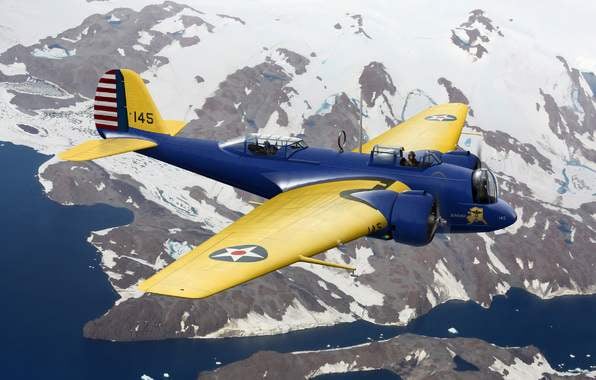
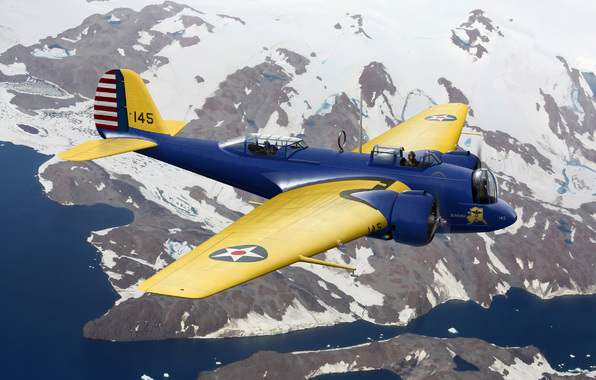 In the early 1930s in the US, the bombers appeared a new generation of high – speed twin-engined all-metal cantilever monoplanes with retractable landing gear. At the rate they are ahead of the then fighters-biplanes. The most successful was Martin 139.