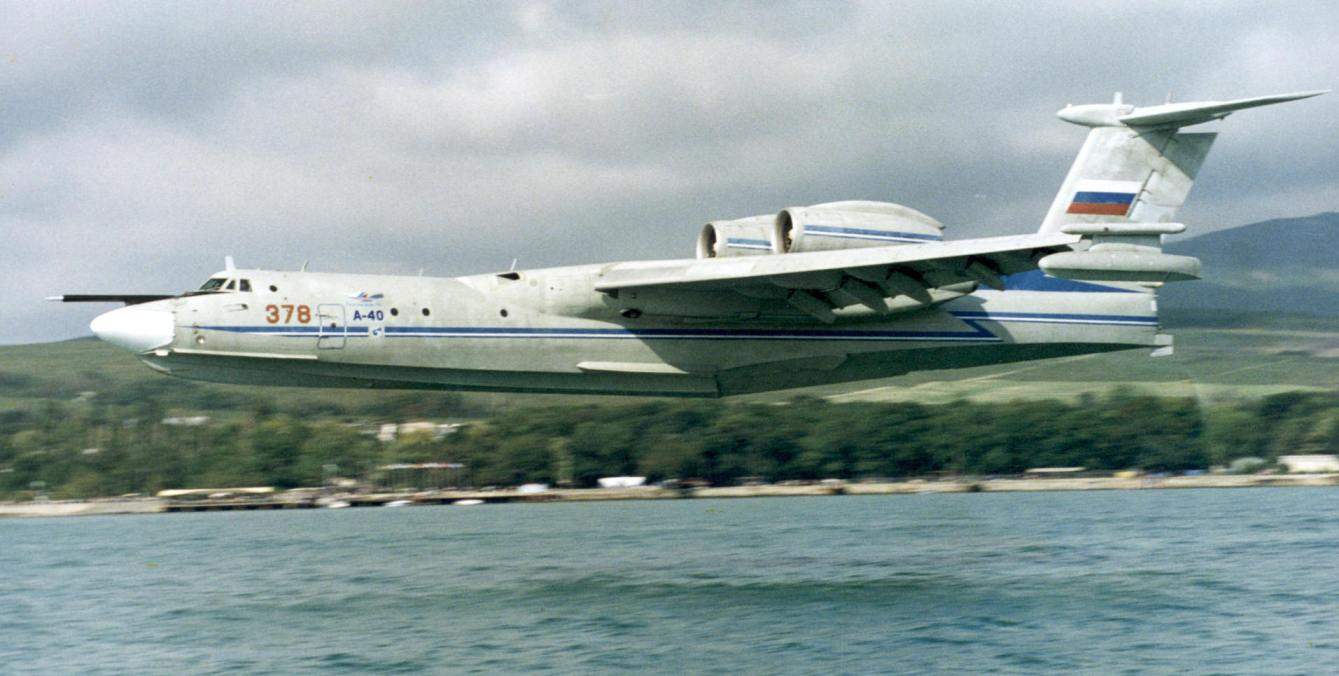
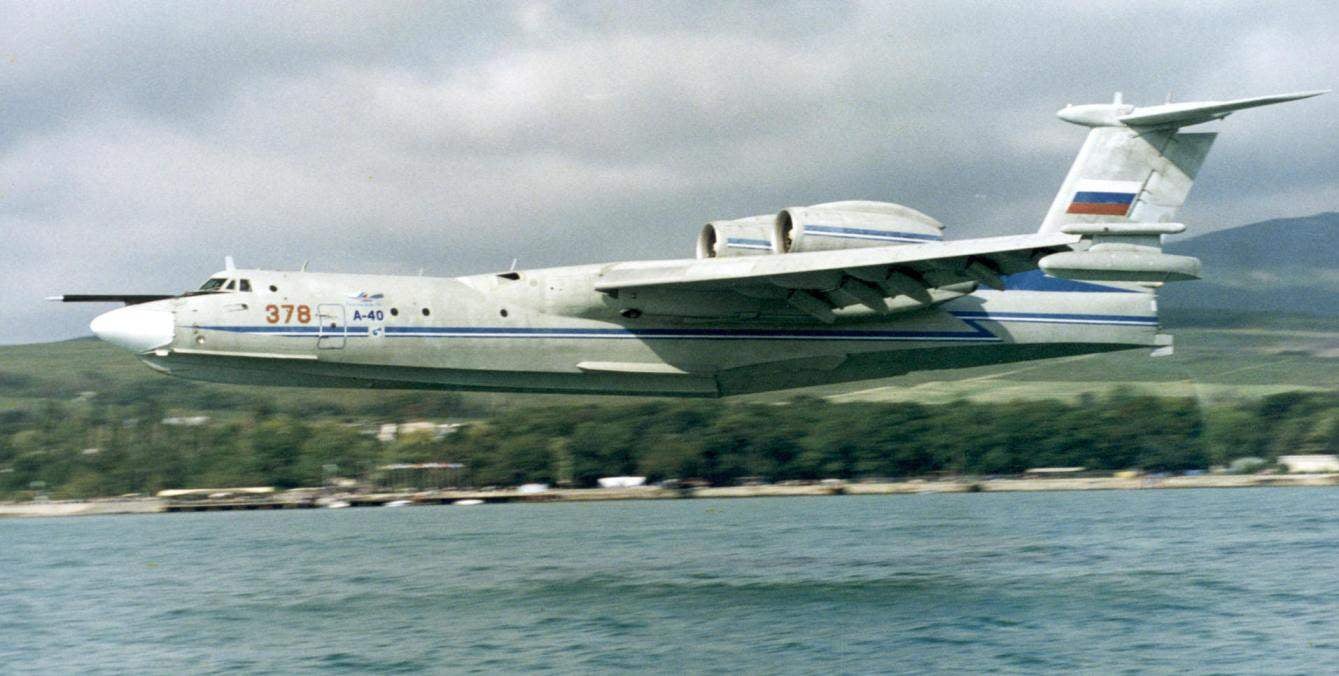
 The peak of development of hydroaviation was in the middle of the 1930-ies. The main advantage of amphibians compared to ground vehicles, flying over extensive areas, it was considered a possibility to land on water surface in case of an emergency, even with waves up to five points. But as time went on. The reliability and service life of the aircraft led to the rapid displacement of the seaplane first with the airlines and then military aircraft. Operation of land planes was easier, and their weight returns payload, as well as a high aerodynamic efficiency has reduced the cost of commercial transportation. The development of the airfield network and other transport arteries, and the appearance of helicopters resulted in an almost complete elimination of the flying boat in commercial aviation. There was only a small segment of the lungs of amphibians, serving tourists and residents of remote, “forgotten God” corners of the Earth.
MAN-MADE BIRD “ALBATROS”
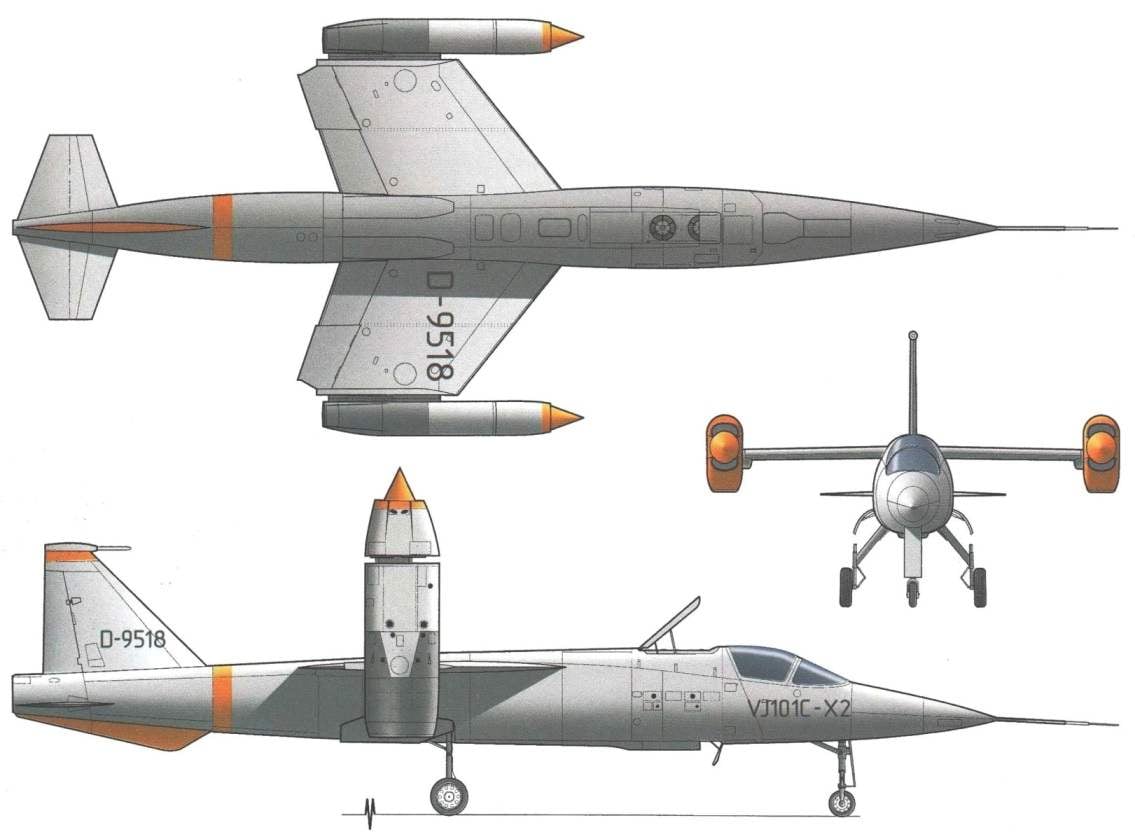
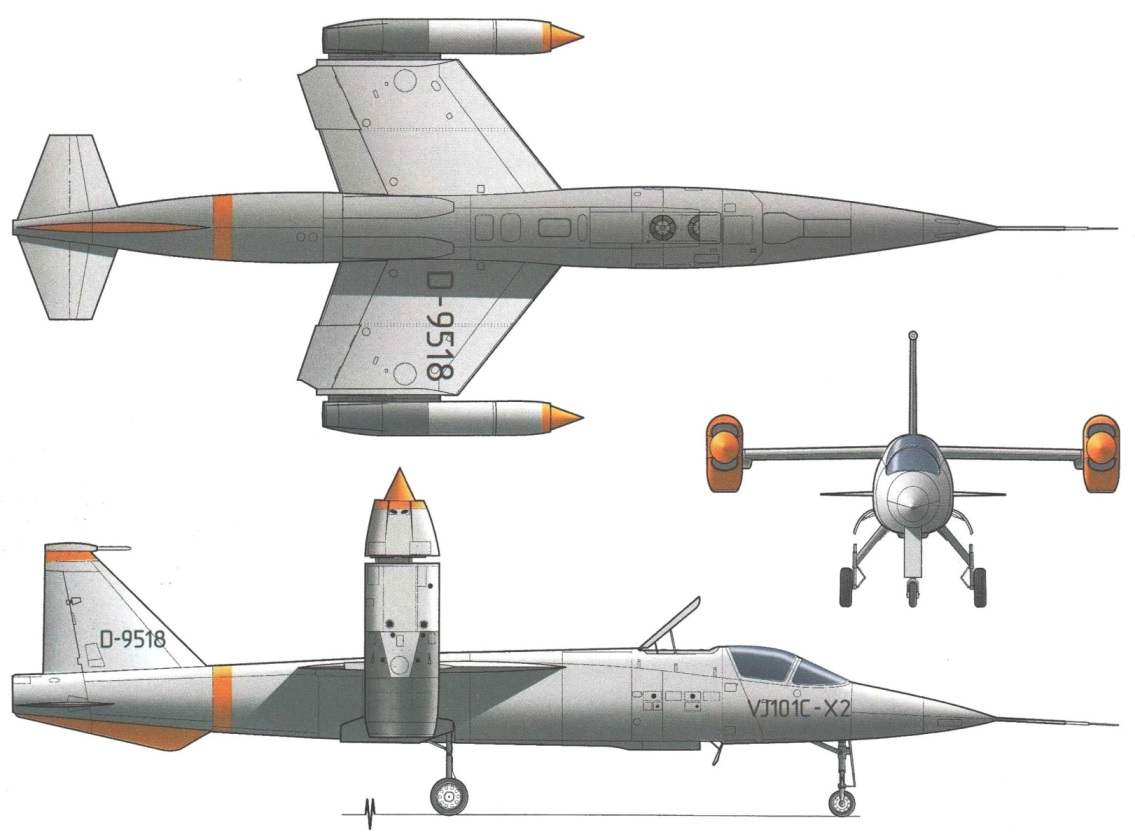 In the mid-fifties of the last century the theme of vertical take-off aircraft excited the minds of the designers and the military in many countries. Was no exception and West Germany. After graduating in 1955, G. ban on the development and production of military aircraft of the German defense Ministry proposed to create a modern fighter-interceptor. Research conducted a year later, the firm “Heinkel” and “Messerschmitt”, showed that for a fighter with a high supersonic speed will require a new, extra-long runway.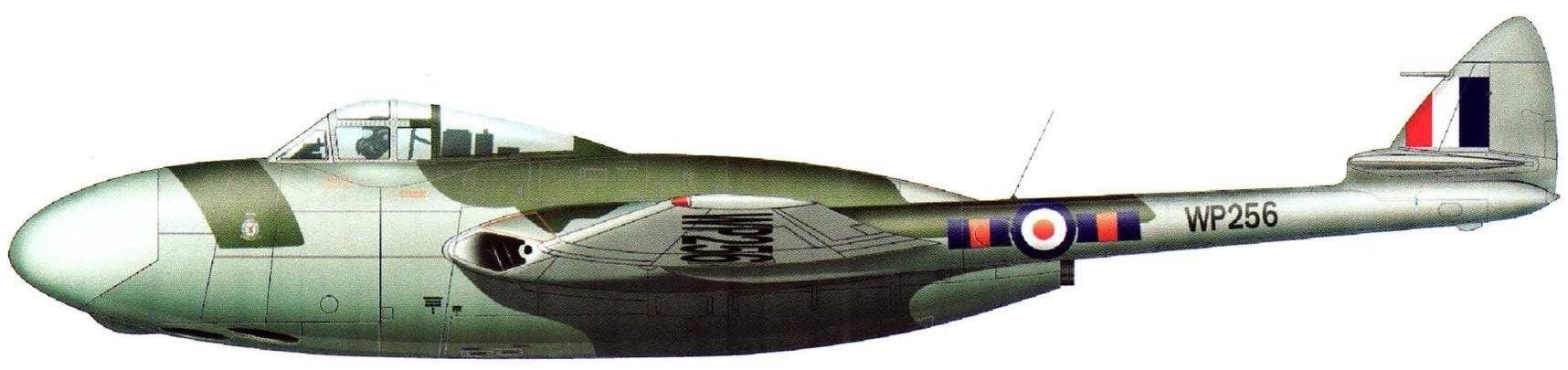
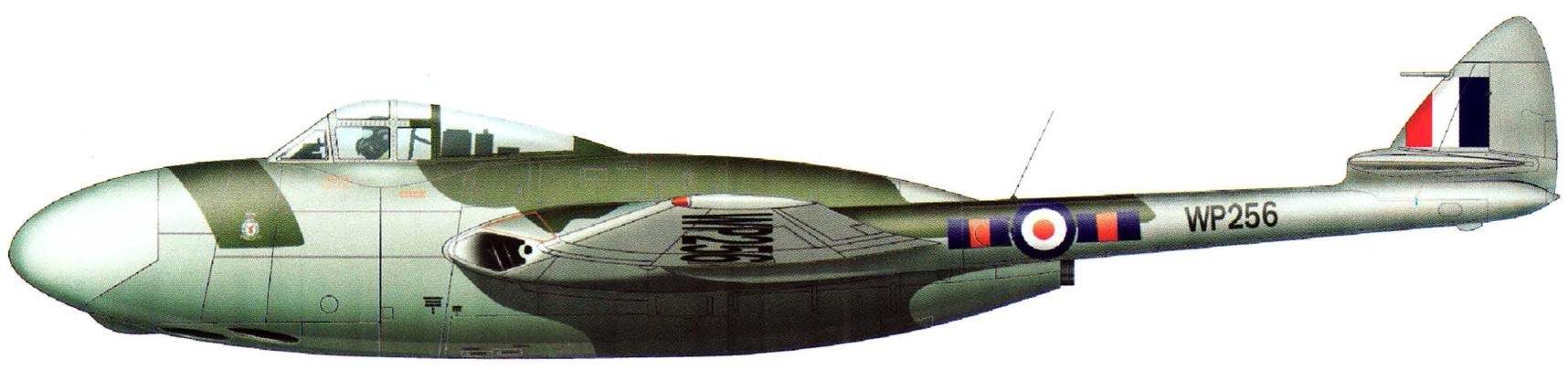 This project began with specification E6/41, dated November 1941 In her Ministry of aviation industry of great Britain has offered the firm “de Havilland air craft company” to explore the issues of creating a jet fighter and engine for it. By that time, the company proactively developed an experimental twin-boom DH’s car.99. It was a single-engine monoplane of all-metal construction with a tricycle landing gear with nose wheel. The development of the engine in April 1941 did the firm “Halford”, headed by Frank Halford, simplifying the design of the turbojet engine with centrifugal compressor and through the location of the combustion chamber between the compressor and the turbine.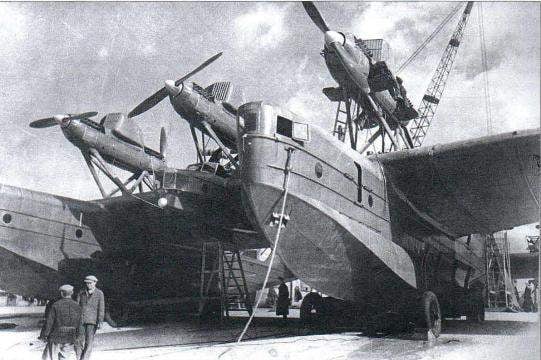
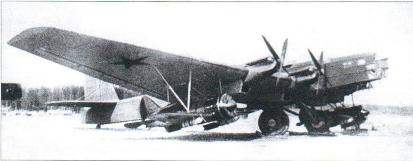
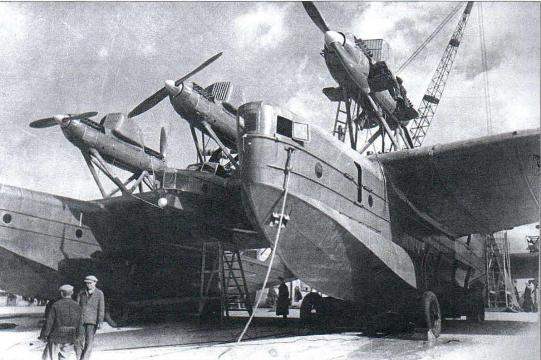 The weakness of the Navy of the USSR in the prewar years, tried to compensate by creating flying cruisers – multi-engined and heavily armed seaplane, able to deal with both surface and underwater ships, ground targets, and engage in mine production. As a result, in July 1931, the air force issued TSAGI reference for the development of seaplane MK-1 (ANT-22) with a lifting capacity of six tons. The plane had to fly at a speed of 300 km/h and have a radius of 1000 km. the Defensive armament was raised from four to five machine guns and two or three guns.
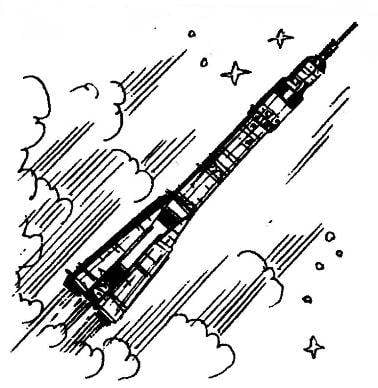
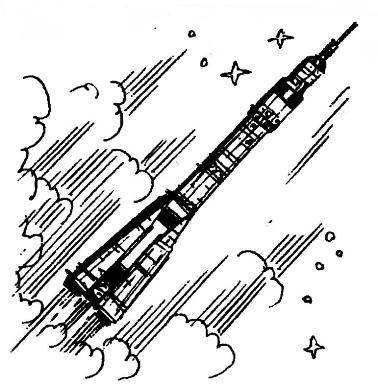 April 23, 1968 carrier rocket 11А511 was launched into orbit a new spacecraft 7K-OK, called the “Union”. The ship was piloted by pilot-cosmonaut, hero of the Soviet Union Vladimir Komarov. During the flight revealed a lot of failures due to the imperfections of design, what was the reason for the reduction program. On April 24th, during the descent from orbit, the crash occurred — refused recovery system of the lander. He was broken from hitting the ground, and an astronaut, unfortunately, died. It was the first victim of manned spaceflight.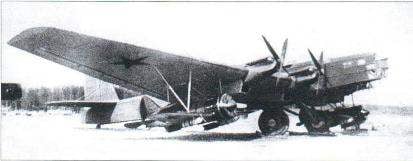
 During the Second world war, 15 oil refineries of Romania gave Germany more than 7% of petroleum products supplied dependent countries and satellites. The aircraft long-range and frontline aviation periodically attacked the oil-bearing regions of Romania. However, the transportation artery connecting them with the port of Constanta, continued to operate. The most vulnerable were considered section of the pipeline laid on the bottom tier of Chernovetskogo bridge over the Danube river.
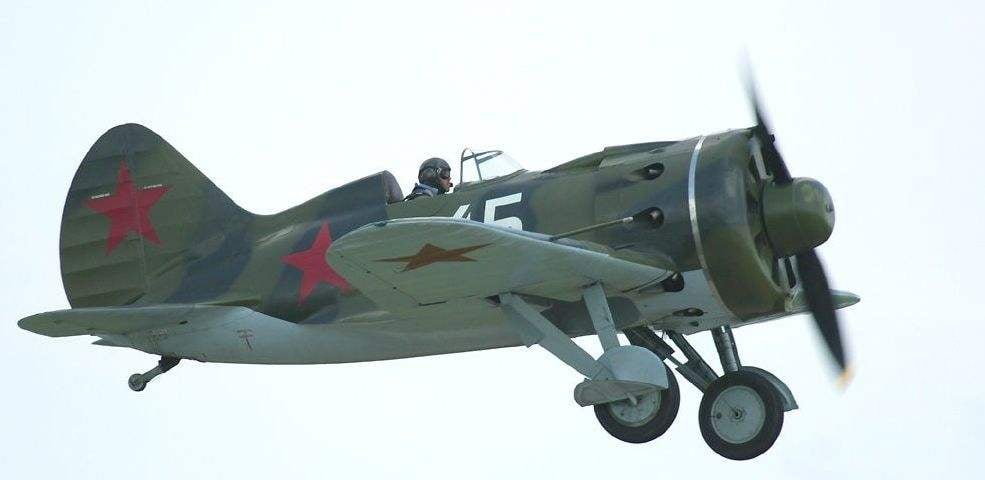
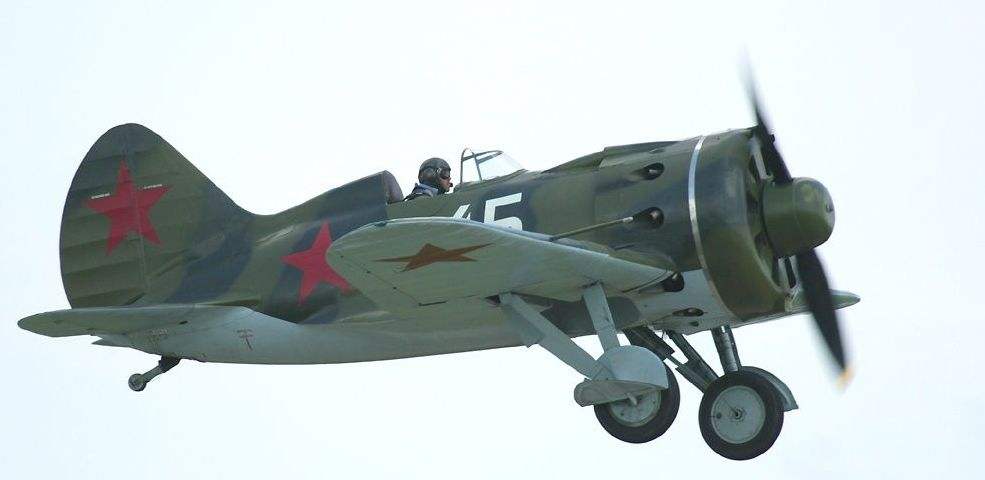 In the summer of 1932 on the initiative of H. H. Polikarpov, who worked at the Central design Bureau began development of a promising fighter-monoplane with retractable landing gear. In may next year, the BBC confirmed their interest in the car and gave Polikarpov for the task. Six months later, the client approved the layout of the aircraft, designated the TSKB-12, and in the same month, the Council of labor and defense (STO) of the USSR adopted a decision on starting the machine received the designation I-16, in serial production.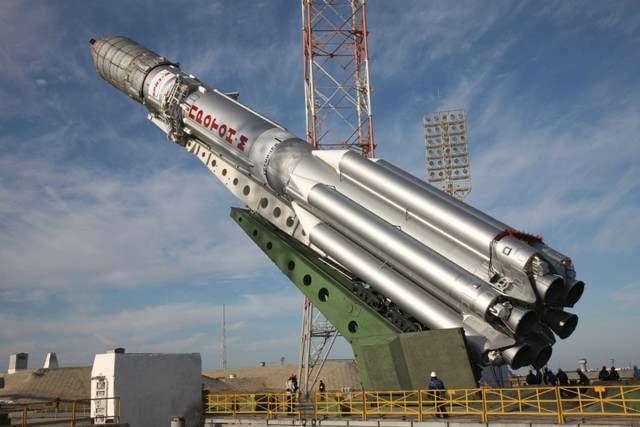
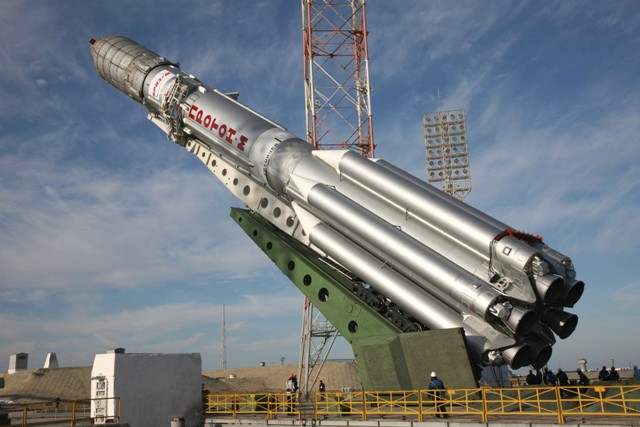 This slogan was the basis of the life and work of one of the founders of Russian space engineer Friedrich Arturovich Tsander, who developed the 20-ies of the last century one of the first projects of the spacecraft for flight to Mars. However, he was not only a dreamer — in the early 30-ies took an active part in the development of the first domestic liquid-propellant rocket engines and rockets in the famous gird.