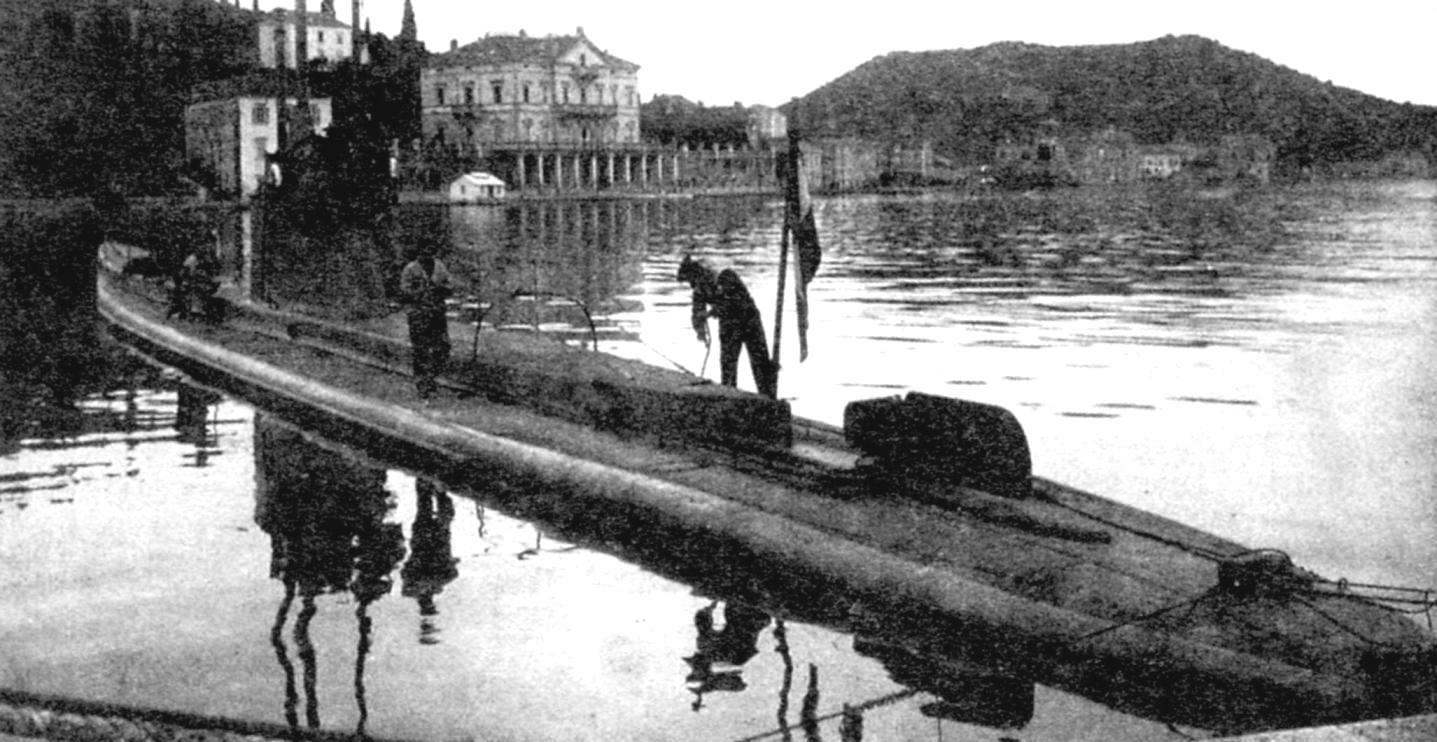
 By the beginning of the First world war, all naval power was quite easy to divide the main with a significant naval power with diverse and numerous ships of all classes, and secondary, having only a purely local fleets, including, at best, a few dozens of small units and only a few large warships. The former, of course, include the UK, USA, Germany, Russia and France; with some doubt they can add more and Italy. In a wide range of second hits most of the rest of Europe and most developed countries in Latin America. Well, the third category of countries, the Navy of which can be seen only through a magnifying glass, treated other countries in the world, owners is that a pair or two very small gunboats (sometimes proudly referred to as “cruisers”) and other boats, military value has not possessed.
THE “PATCHWORK” OF SUBMARINES
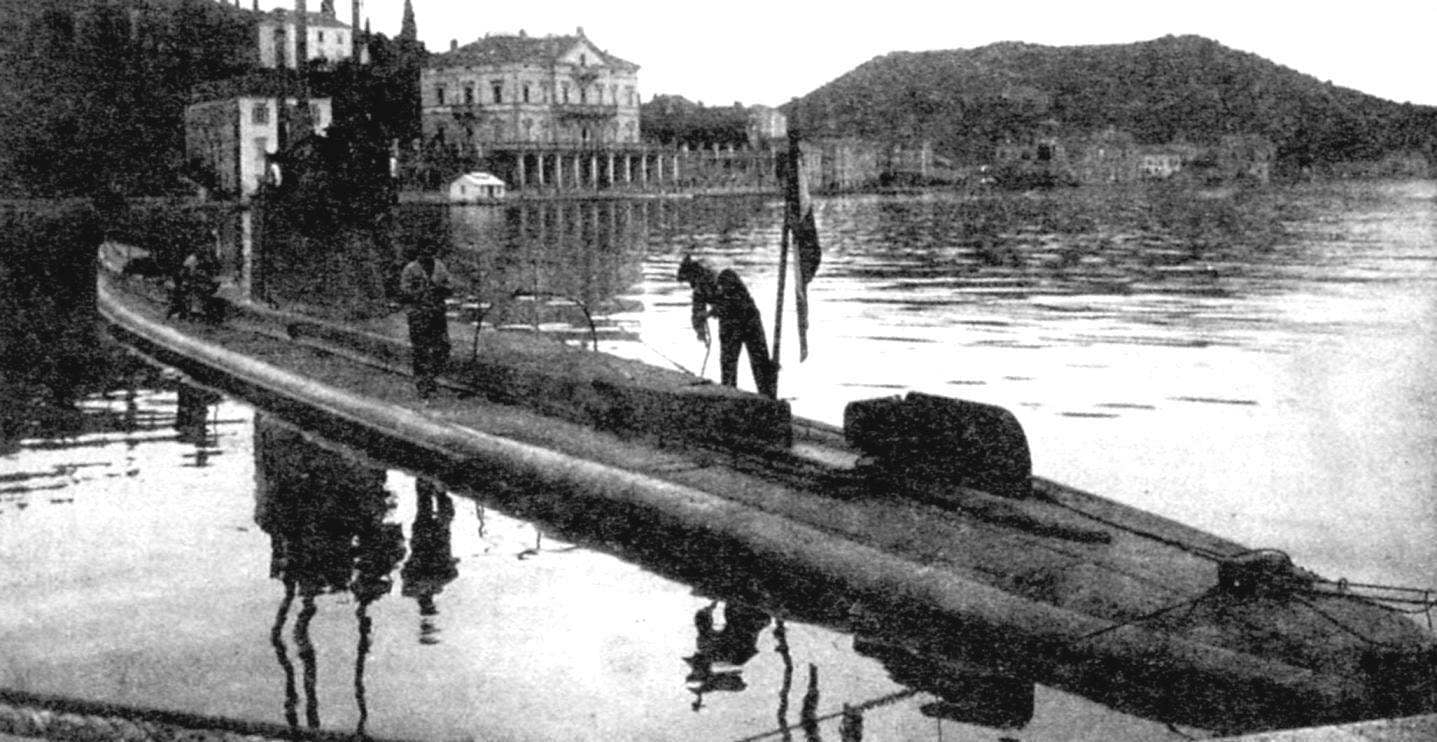
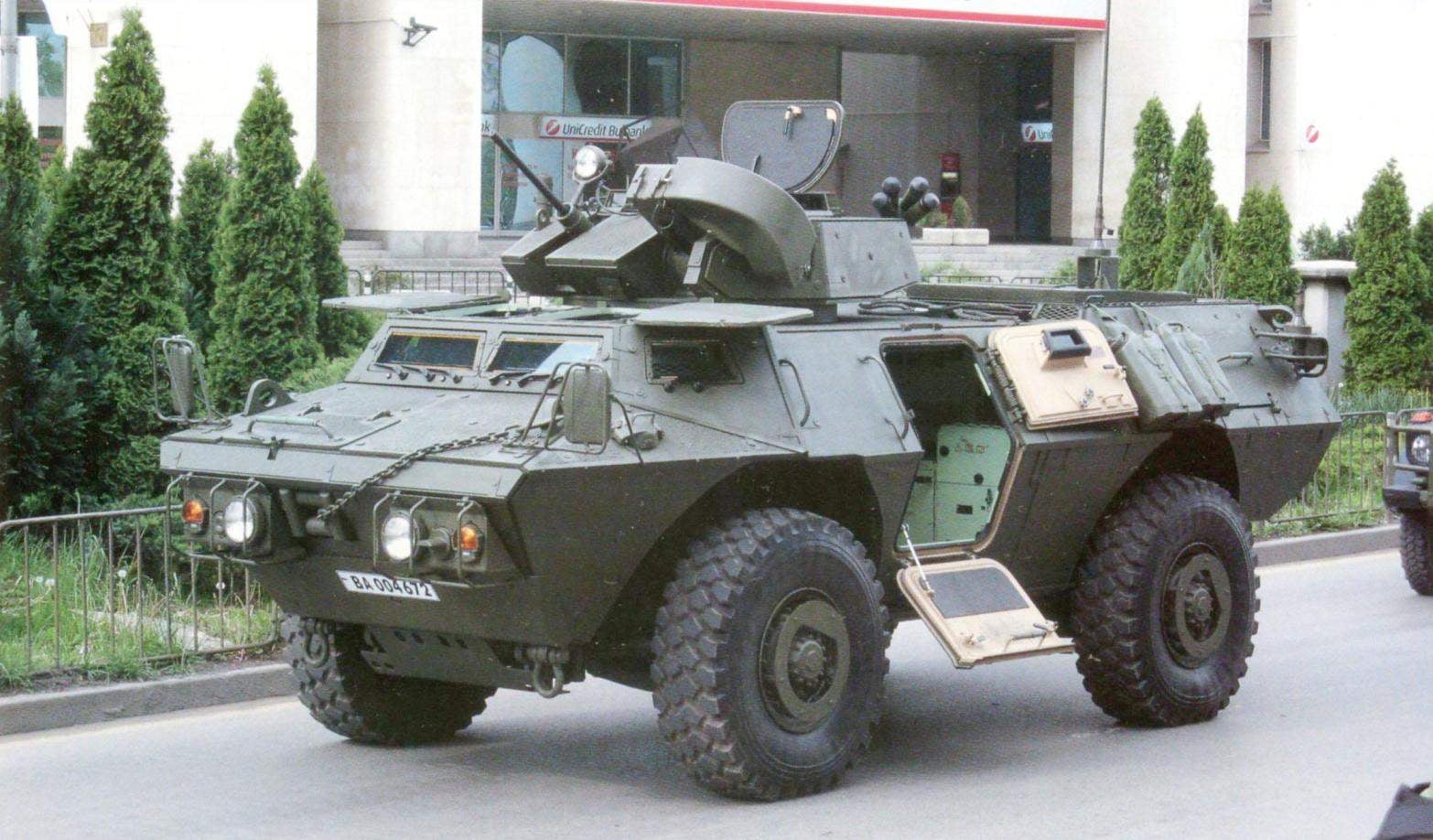
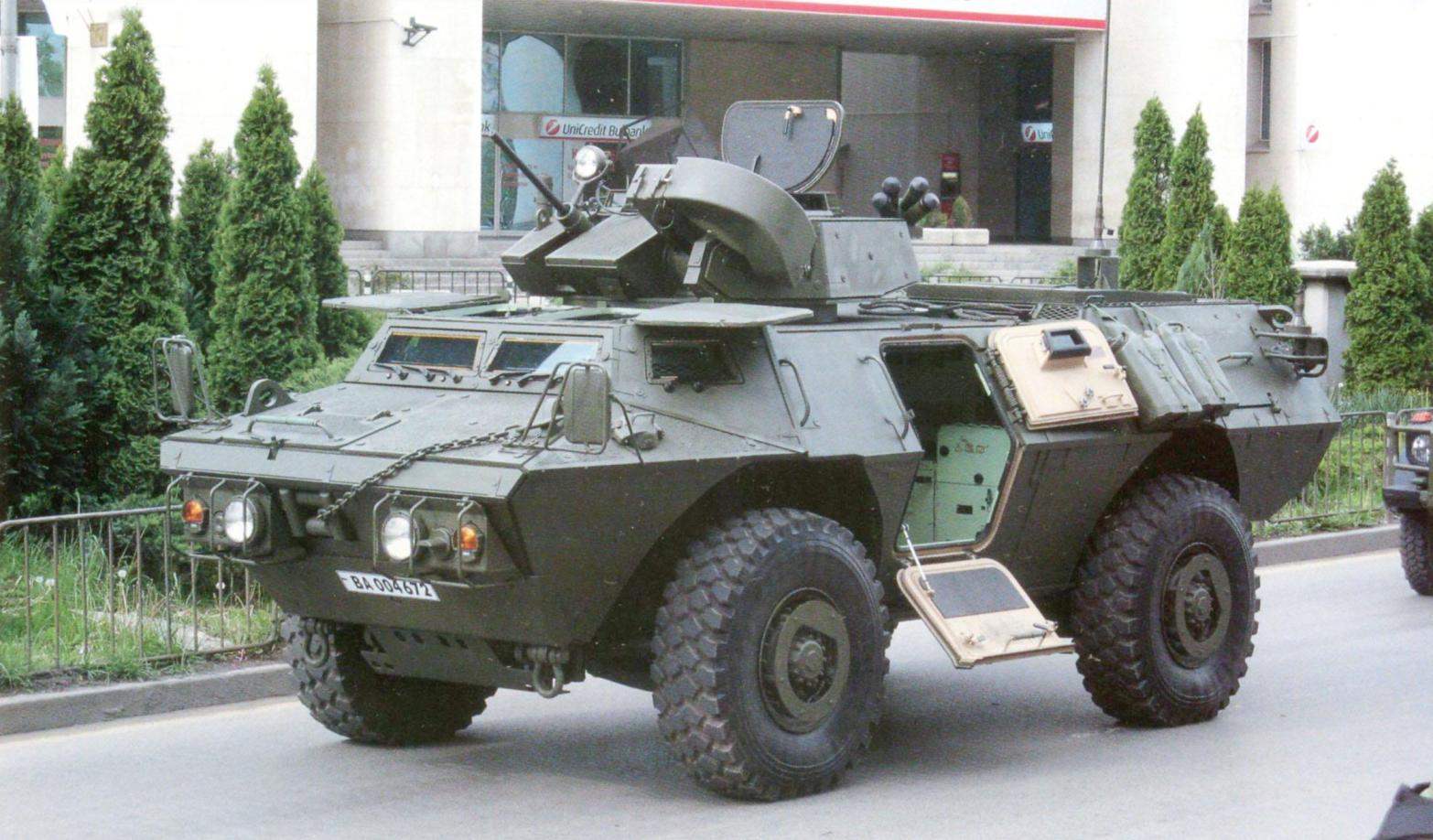 In the mid-1980s, the famous “jeep”, many years in service with the us army, had to be substituted. Then the military picked the car М1025/М1026 (HMMWV – Hammer “Hummer”) produced by AM General firm, recognized as a “highly mobile multipurpose wheeled vehicle”. It turned out to be more functional and powerful, larger in its dimensions, but left only four-wheel drive General purpose machine.
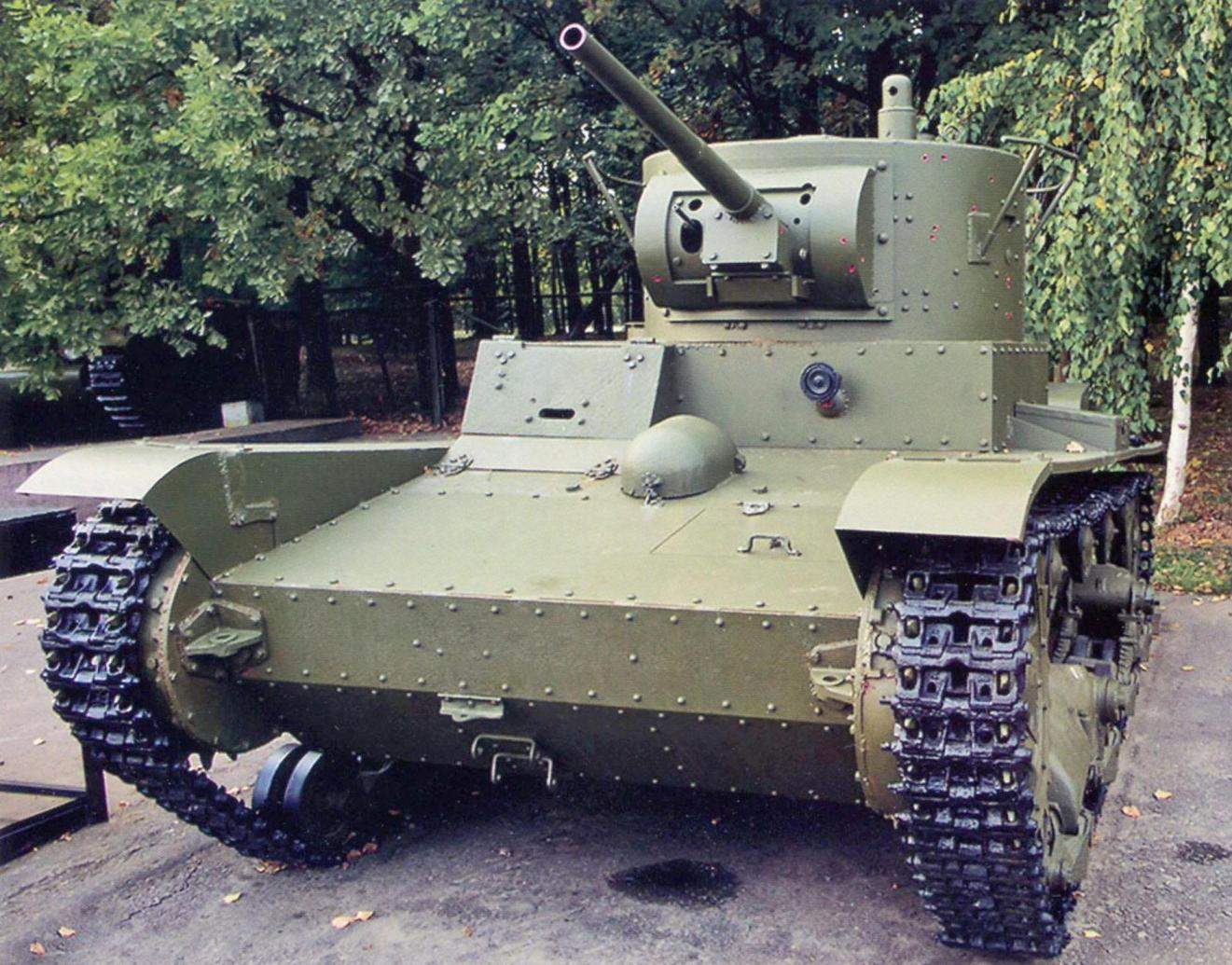 The first meeting of these armored vehicles occurred in rebel Spain in 1936 to September this year, arrived at 41 German tank Pz-1. After a month on the boat “Komsomolets” was delivered 50 tanks T-26. In the first combat quarters revealed a considerable advantage of the Soviet machines. 45 mm gun 20K any range punched through Pz-1, which was the only spark 7.92-mm machine guns, dangerous for our machines – the T-26 was also more powerful.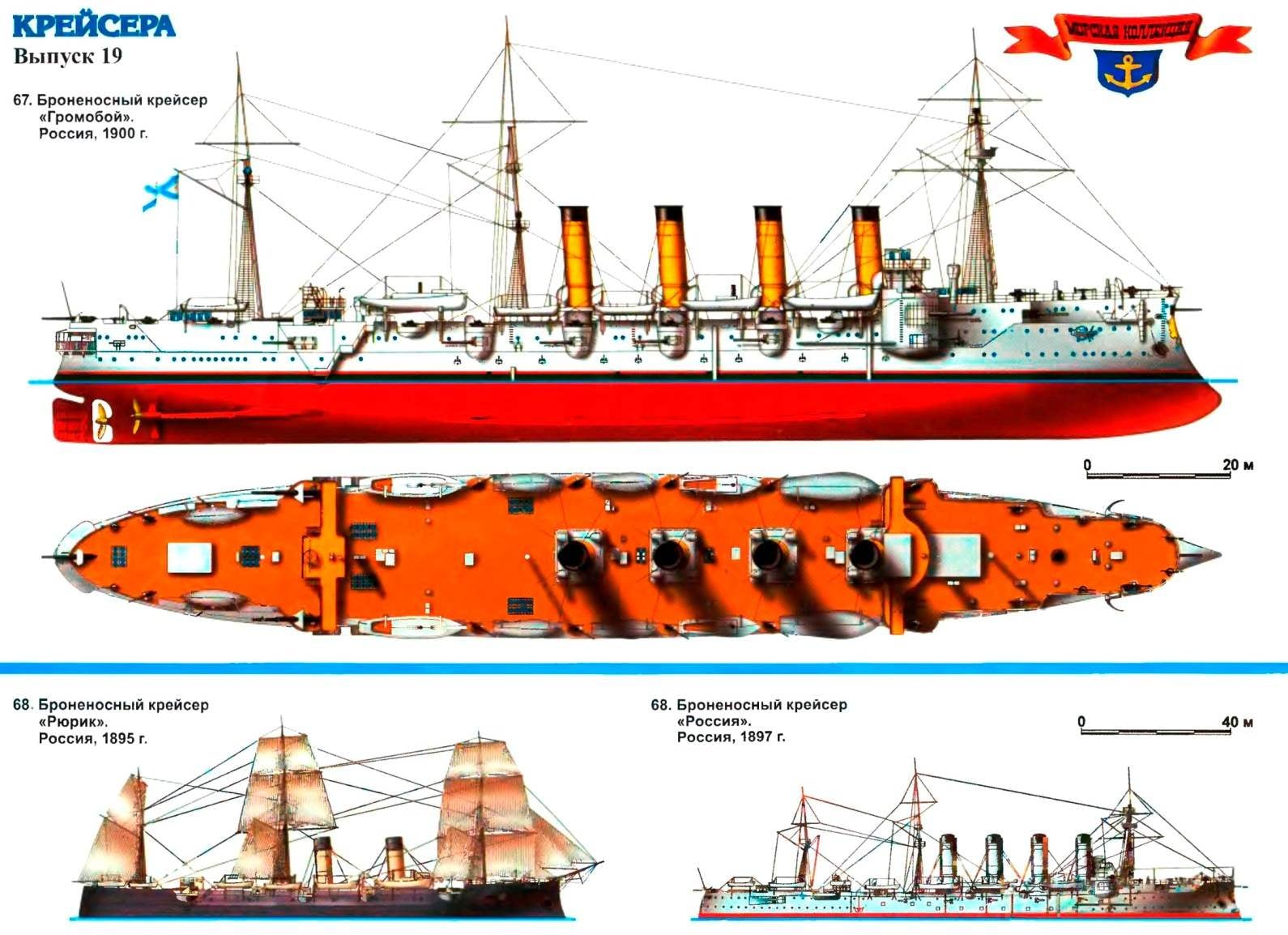
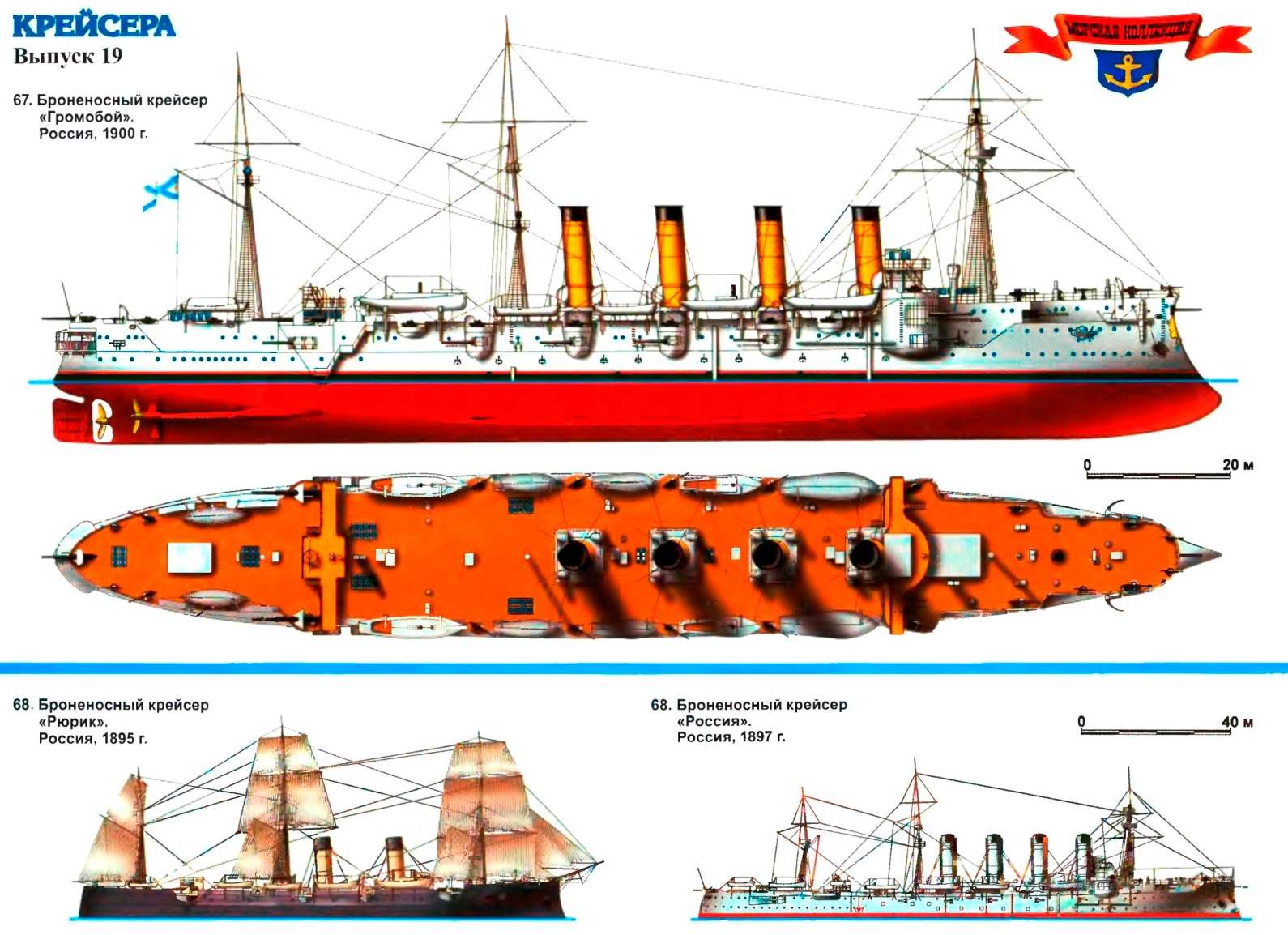 The end of the 80-ies of the XIX century was for the Russian shipbuilding a turning point. The Navy finally became “steel”; changed the materials, machinery, artillery, ammunition, tactics. Gradually began to change the approach to shipbuilding programs: separate “model” ships have passed into history, because the creation of each of the “unique” require a lot of money, and the fleet strength of such loners has increased slightly.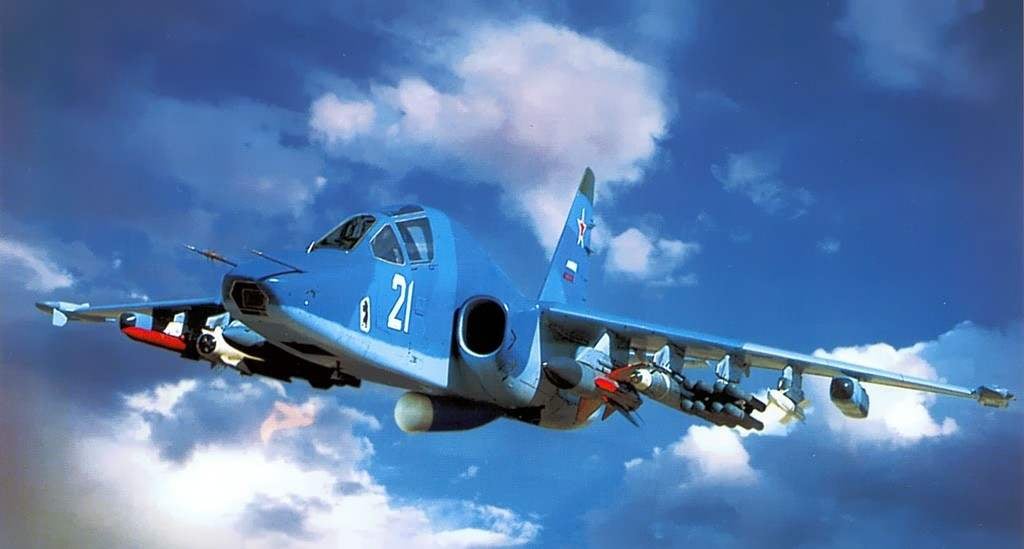
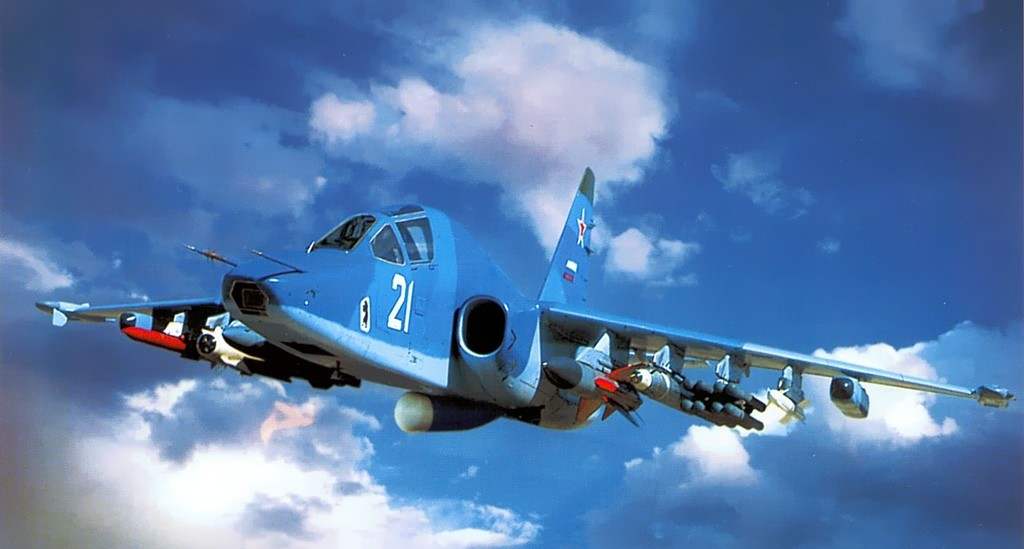 The interaction between aviation and ground forces—one of the conditions for the successful conduct of modern warfare. The form of this interaction is determined by the accepted military doctrine. Local wars of the 1960s years has dealt a serious blow to the supporters of nuclear missile strategy, is now considered front-line aircraft as means of delivery of nuclear weapons. Vietnam and the Arab-Israeli war revealed the need to enhance survivability and effectiveness of tactical aircraft with conventional means of destruction under intense fire counter enemy air defenses. Partly these problems were solved by modifications and rearmament of the existing fleet of tactical guided missiles “air—surface”.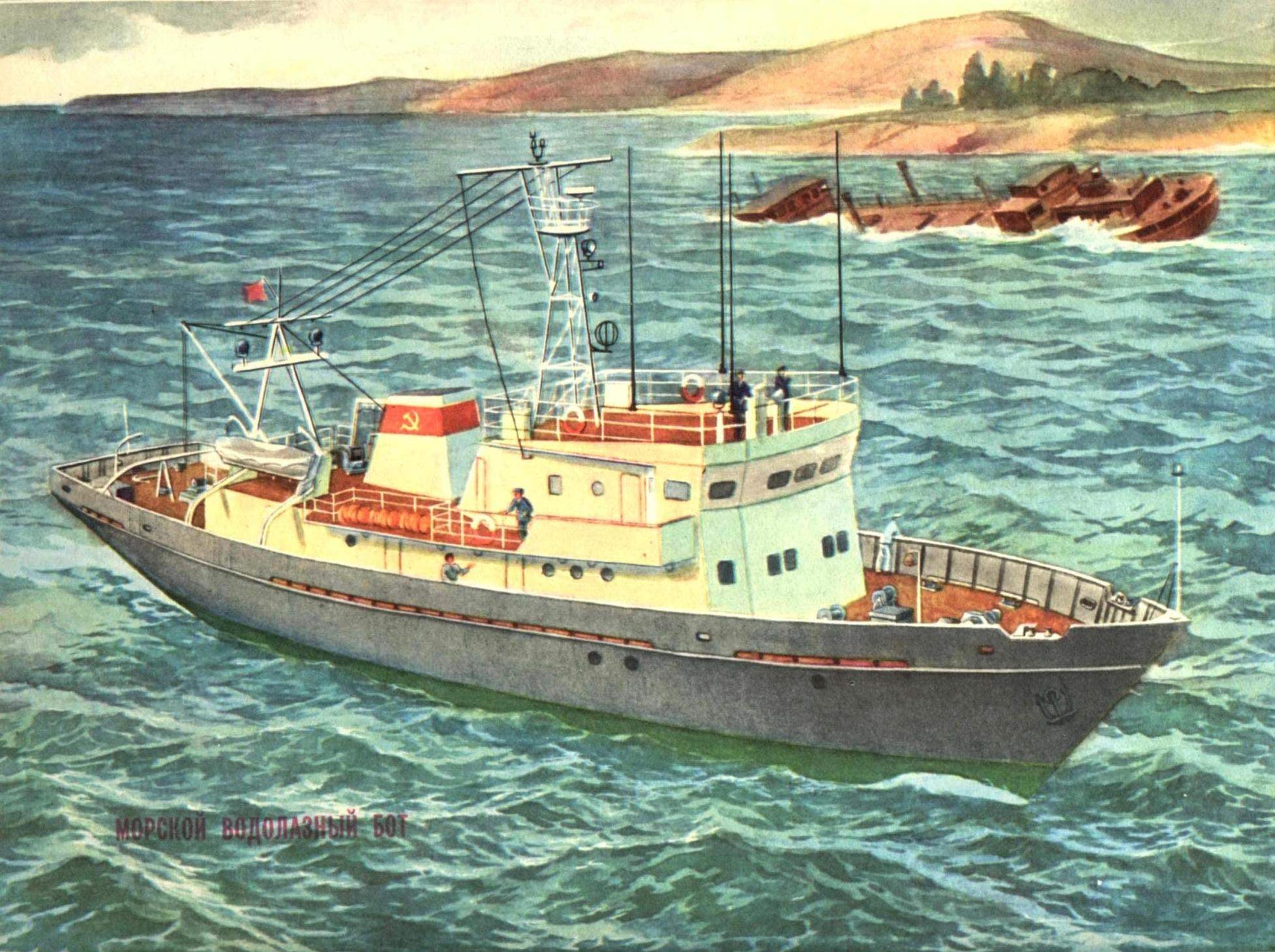
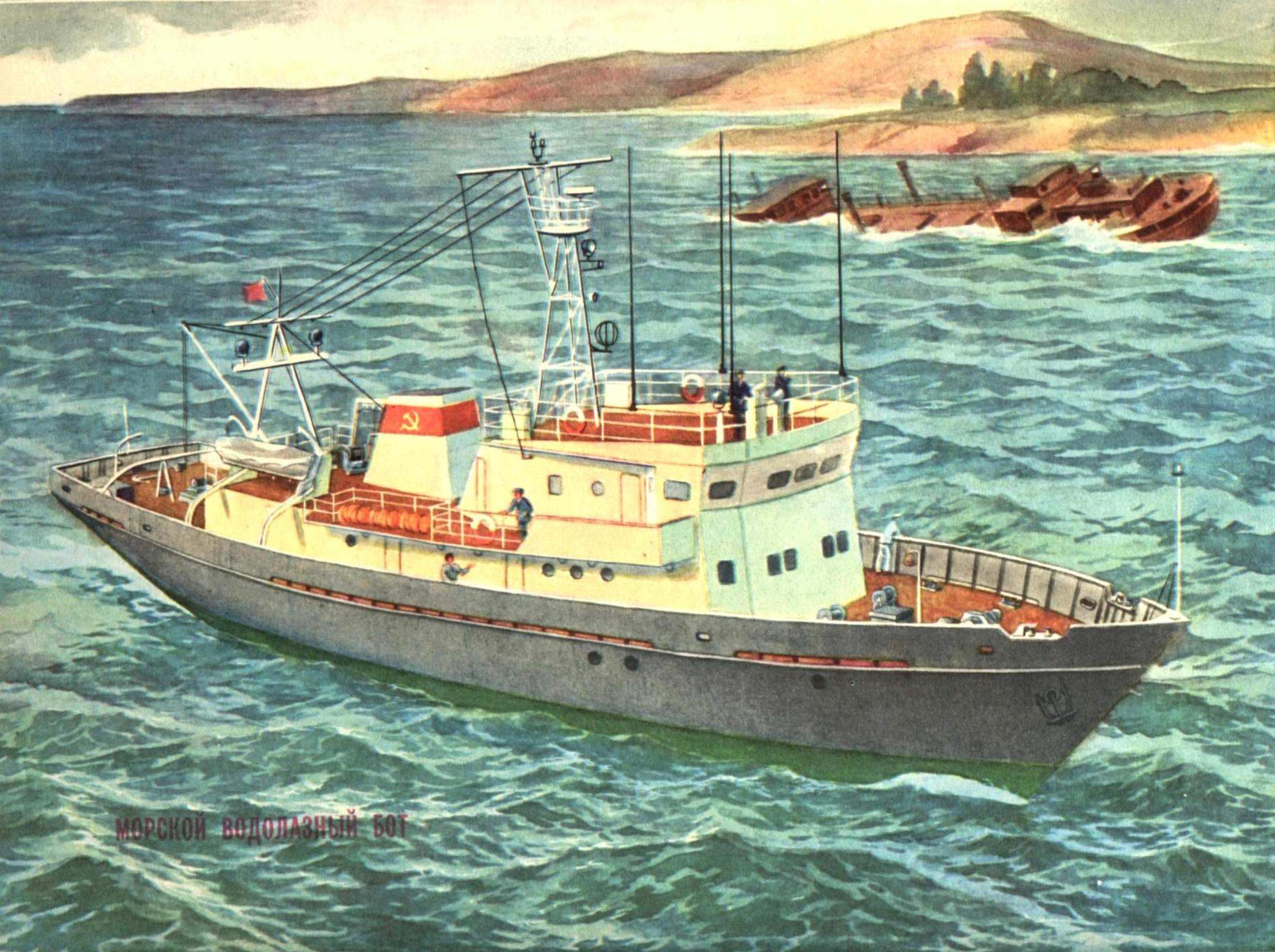 These small maneuverable vessels are used for long-term diving operations. With their Board examined the bottom waters is inspected the underwater part being afloat or stranded vessels. In addition, they are adapted for underwater excavation, blasting and rescue operations.
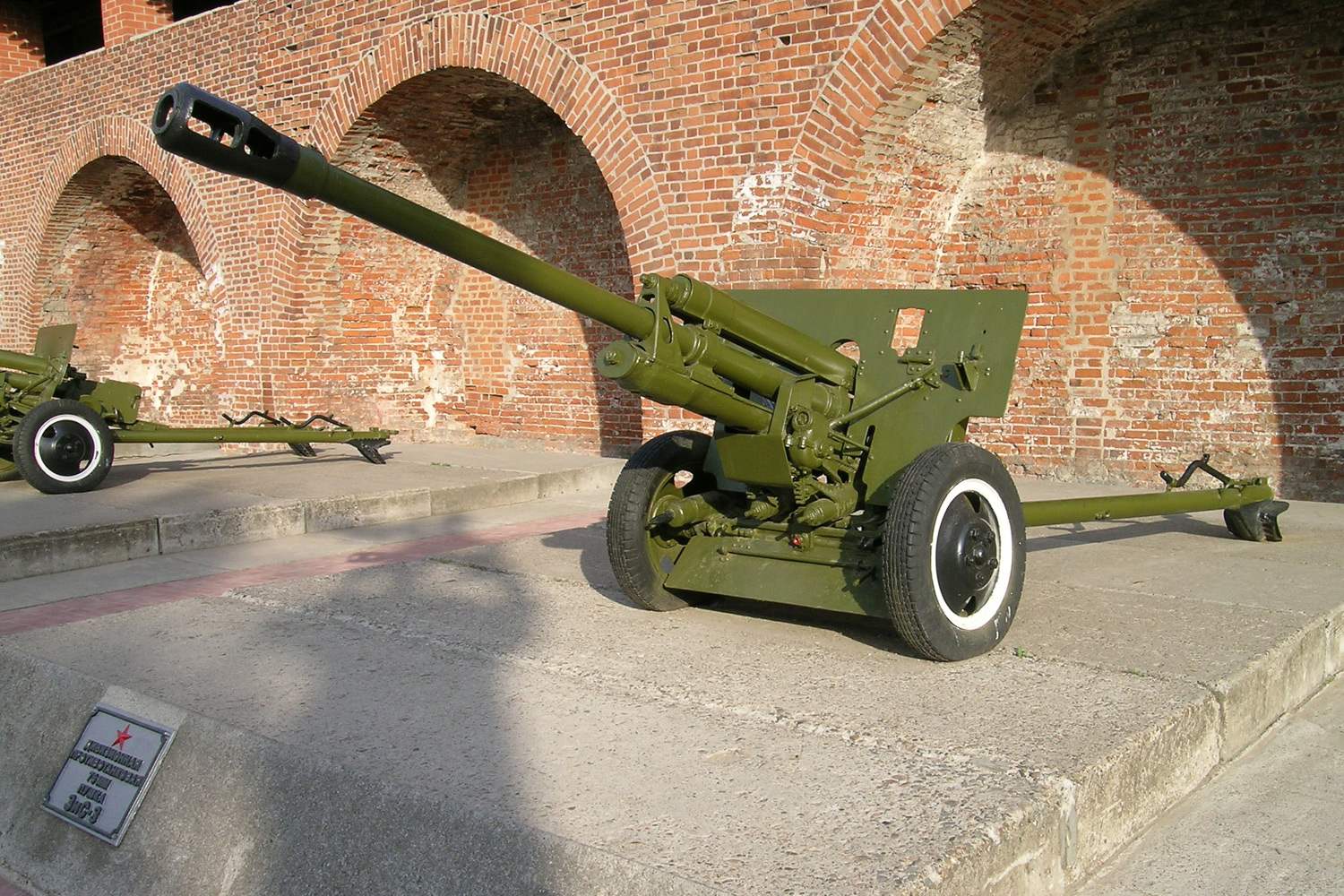 Among the many exhibits already the Leningrad Museum of artillery, engineer and signal corps holds a unique exhibit—76-mm divisional gun model 1942 with serial number 4785. This is one of the 46 thousand 76-mm field guns of this type are made in the factories of the people’s Commissariat of arms of the USSR during the great Patriotic war.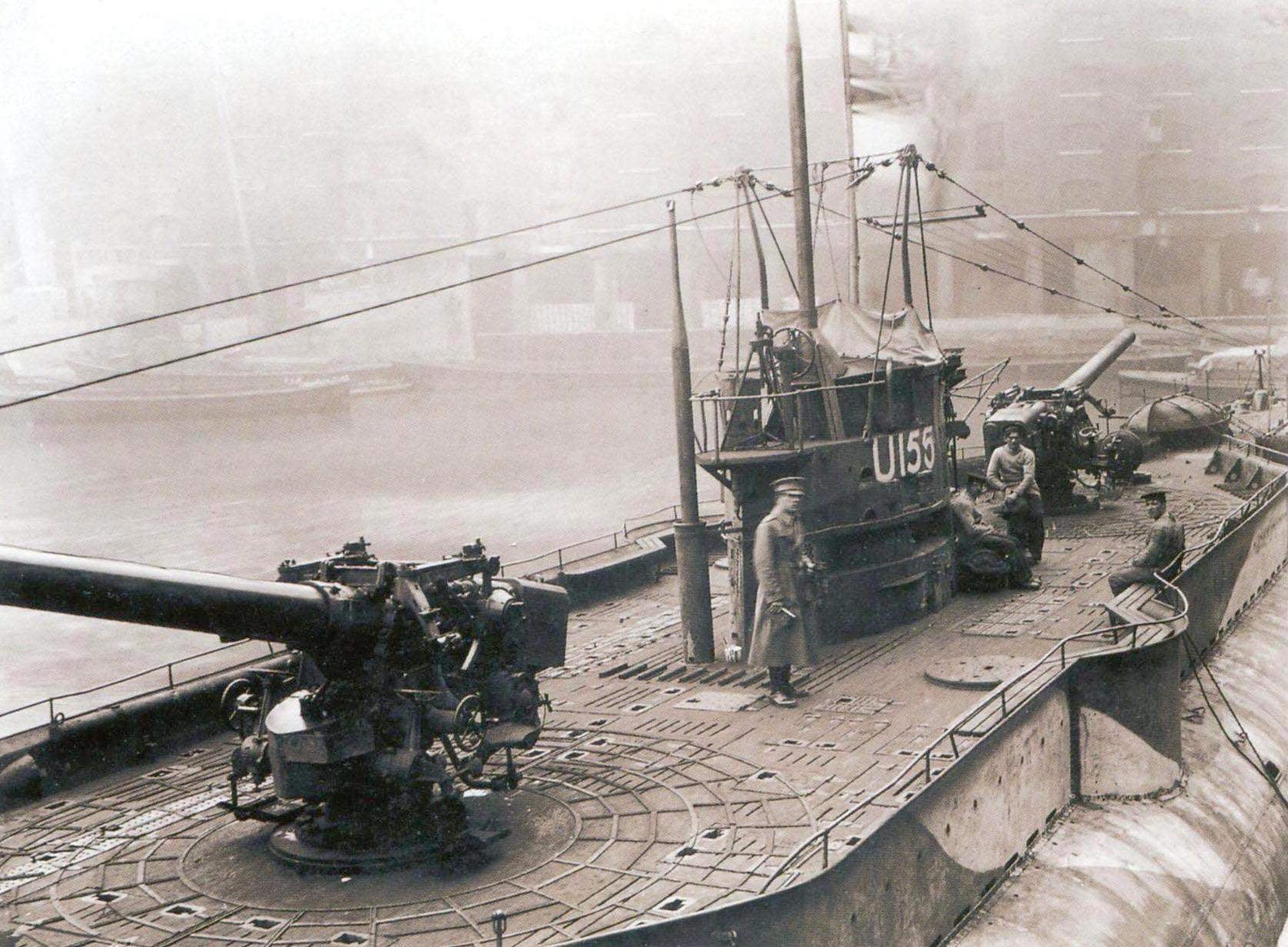
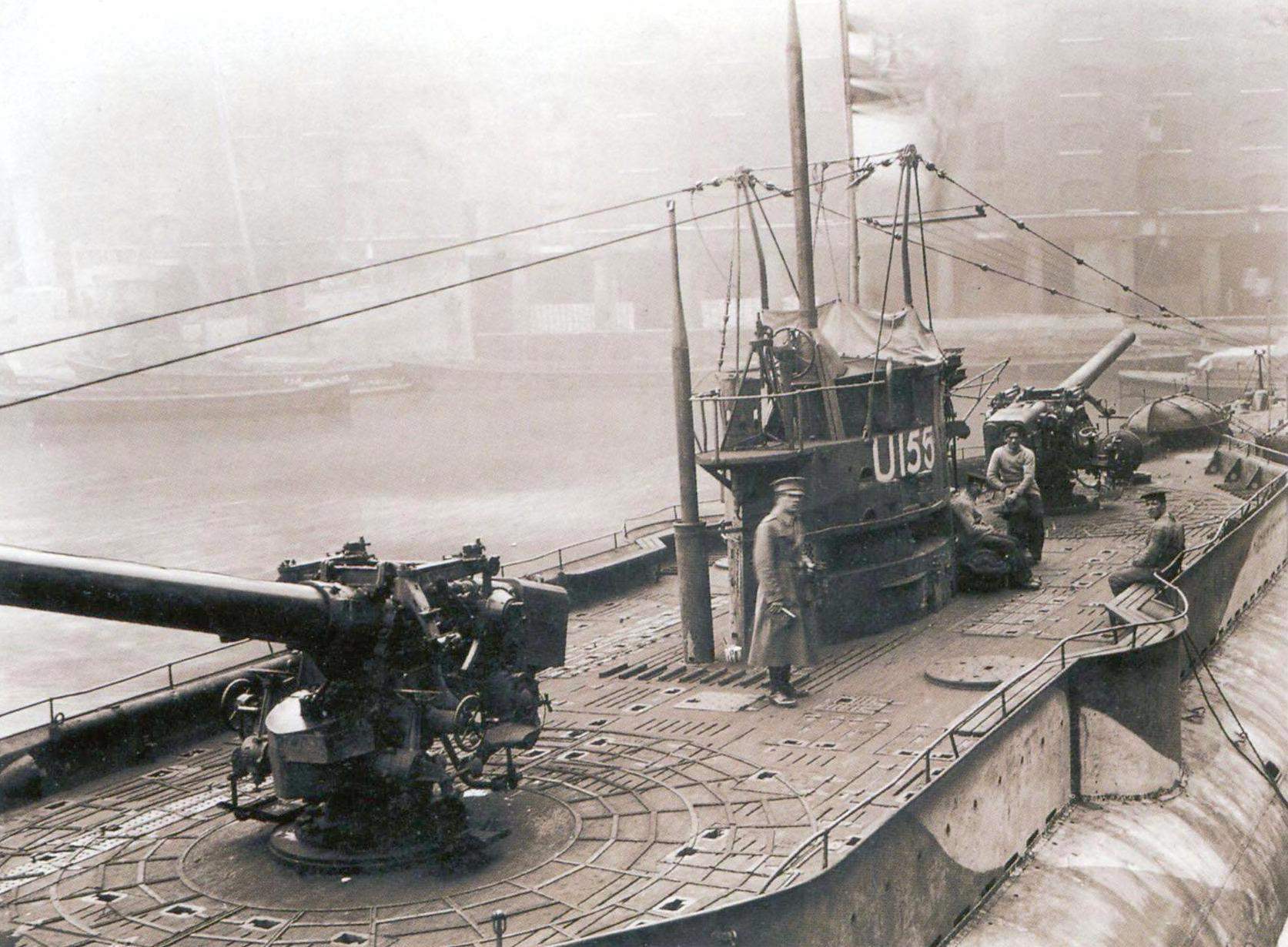 Fighting submarines “against all” (and basically struggle with the poor merchant ships), turned around after only a few months after the outbreak of the First world war. For four years, “the human massacre” of German submarines tried several types of weapons, and almost all very good indeed. On truly fateful for the British cruising fleet the use of torpedoes we have already spoken. However, the number of deadly “fish” on Board “U-Baotou” was very small. Accordingly, if their commanders could only use this kind of weapon, the number sunk in one campaign ships could not exceed a torpedo ammo, then there are 8-10 pieces.
 French fighter-interceptor. In 1967, the firm Dassault, in cooperation with Swiss engineers aircraft factory in Emmen, started work on the modernization of Mirage, known as “Milan” or “kite”. The main feature of the Milan was canards (PGO), which received the unofficial title of “whiskers”, intended to reduce takeoff and landing distances and increased maneuverability in dogfighting. The principle of operation of the PGO was to create pitching moment at low speeds without losing lift and increasing drag.
 In 1936, the British firm Vickers-Armstrong, the initiative has begun to develop a light reconnaissance tank, designed to replace the light tank Mk.VI, did not meet the military mainly in terms of weapons. The design of the new machine was carried out under the direction of engineer Leslie little. The new tank differed sharply from all previous models of the firm and embodied many revolutionary ideas tank builders.