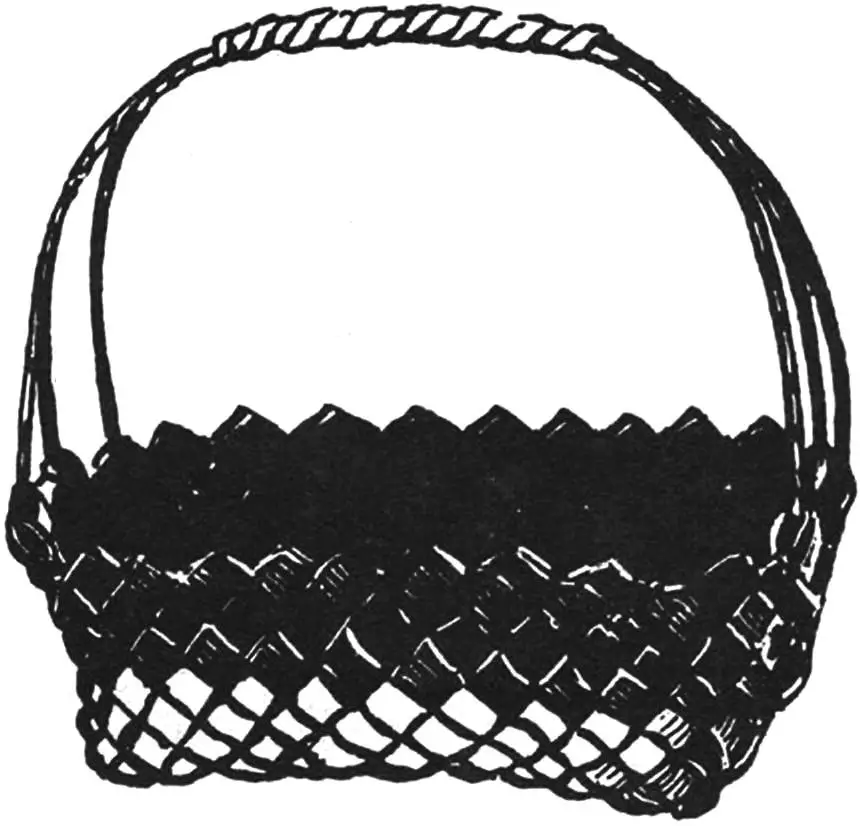
I suggest that readers of the magazine make attractive, hard-wearing mats from plastic packaging straps from crates. You can place them in front of the entrance door of a country house or dacha, or in a city apartment—for example, in the bathroom; they are also handy in a car interior.
The weaving technique is not complicated and is reminiscent of birch-bark weaving. From crate straps you can also make items of more complex shape—baskets of different sizes, boxes that people used to make from birch bark and that were indispensable in rural life.
To gather “raw material,” I went to a flea market and soon filled a whole bag with good straps of various colors and lengths. Their width is usually 1 cm (but can be wider), and the length will depend on the size of the mat. By choosing straps by color, you can create a particular pattern.
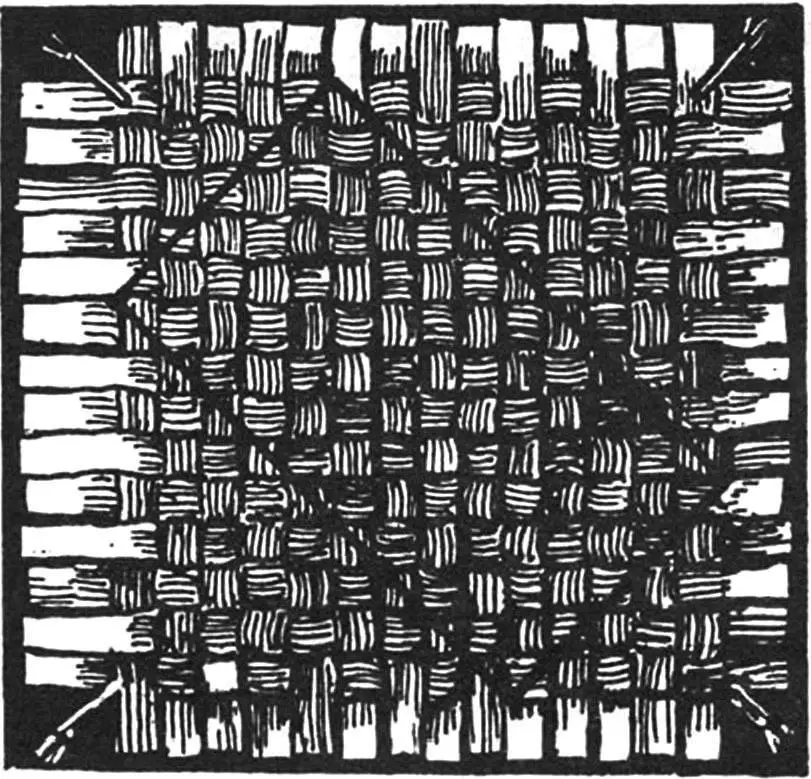
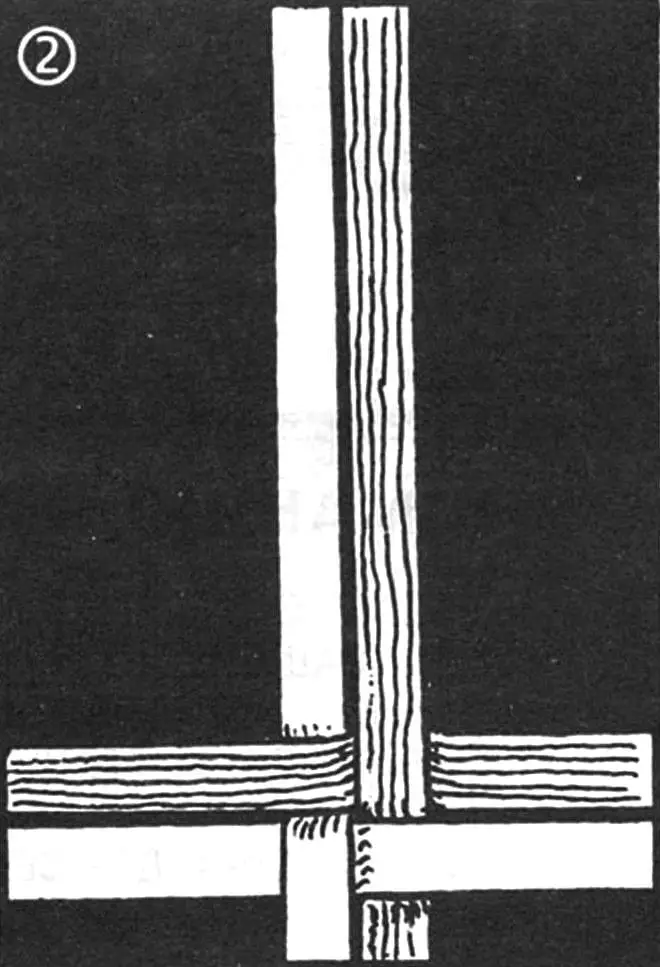
As noted above, weaving such mats is quite simple. For example, you plan to make a mat measuring 100×50 cm. Choose straps 110 cm long and lay them on the floor flush against one another. Then weave across them with straps 60 cm long, pushing each row tightly against the next and keeping the rows parallel. Trim the excess strap length after the mat is finished with a sharp knife or scissors.
You can start weaving from any corner that is convenient. You do not have to lay out all the straps at once—it is enough to weave ten straps along the length and ten along the width. This “starter” holds together without extra fastening of the edge straps. Next, weave in 110 cm straps until the width reaches 50 cm—that is, the width of the future mat. Then weave the short 60 cm straps with the long ones, keeping them tight and straight until the mat length reaches 100 cm.
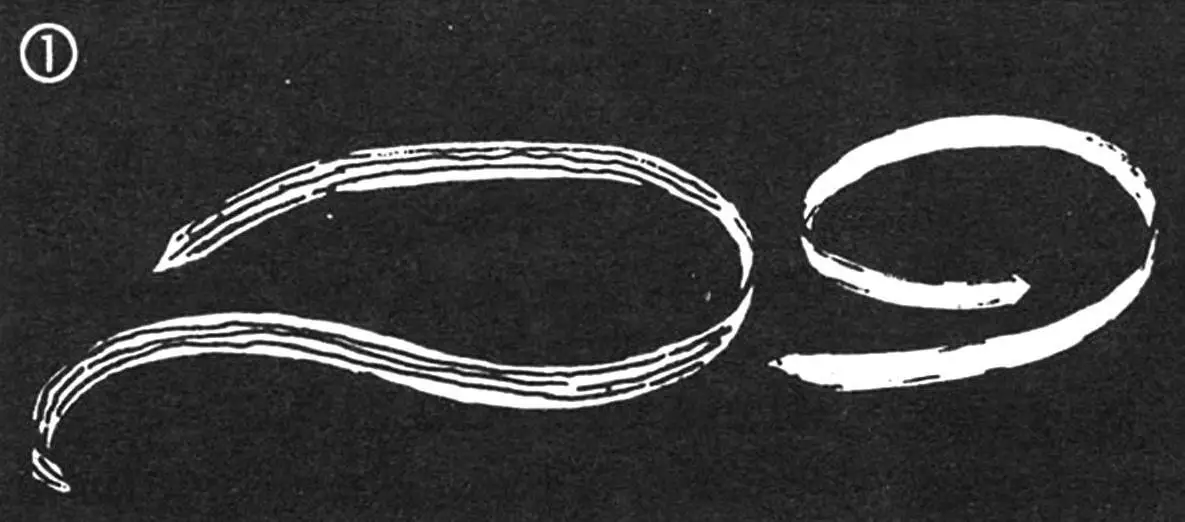
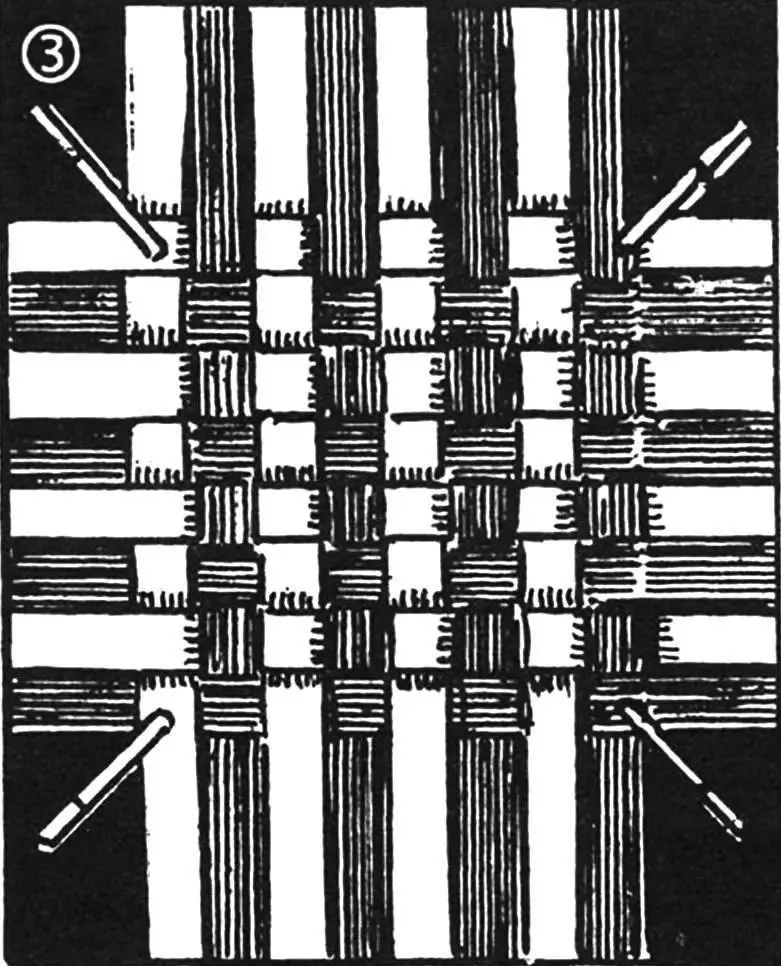
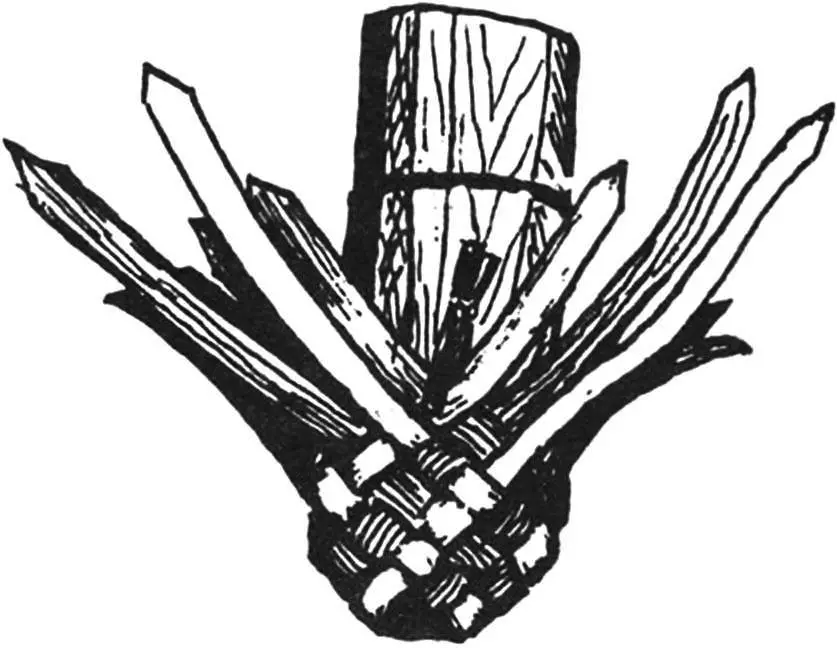
The weave ends up fairly strong, but for safety the edge straps should still be secured. To do this, heat a large nail red-hot in the flame of a gas stove burner and, holding it with pliers, melt through the straps starting from any corner at even intervals, pressing the melted spots with a wooden block. The straps fuse together and give the weave extra strength.
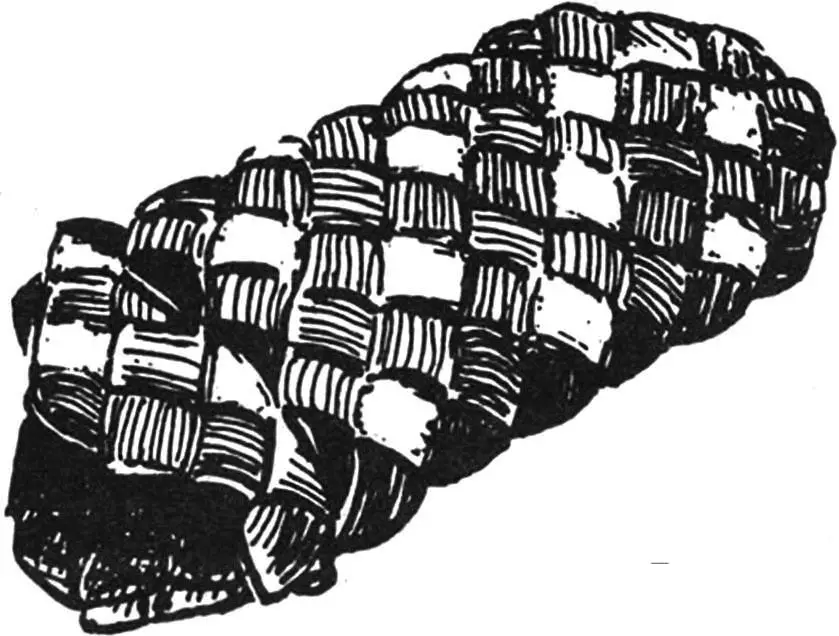
A mat made this way looks good, cleans shoes well, and washes easily. The fact that such woven items attract attention right away is shown by the author’s experience: mats left at the front door kept “disappearing” in a short time. Eventually, to avoid temptation, the mat had to be moved to the hallway.
Plastic straps are also suitable for other woven items—wallets, laundry boxes, chair seats, screens. An interested reader can turn to the wide literature on decorative and applied arts with detailed descriptions of such work. When choosing material for the mat, the author also thought of using colored plastic straps, only wider, to make fence sections. Done in diagonal or straight weave, such sections would look good in the village or the city. And they would cost far less than metal or wooden fencing.
Modelist-Konstruktor No. 11’2001, I. RUDZYK, Khmelnytskyi, Ukraine
Recommend to read
 WITHOUT CUTTING THE FILM
To view footage of film is convenient to use diazapam, making cuts to the film advance. D. NOVIKOV, Krasnoyarsk FOR A SAILBOAT SKIING
When going on a long journey, skier, usually relying only on its own strength. However, it is possible to summon the wind, erecting for this purpose a sailing ship. To collect such...
