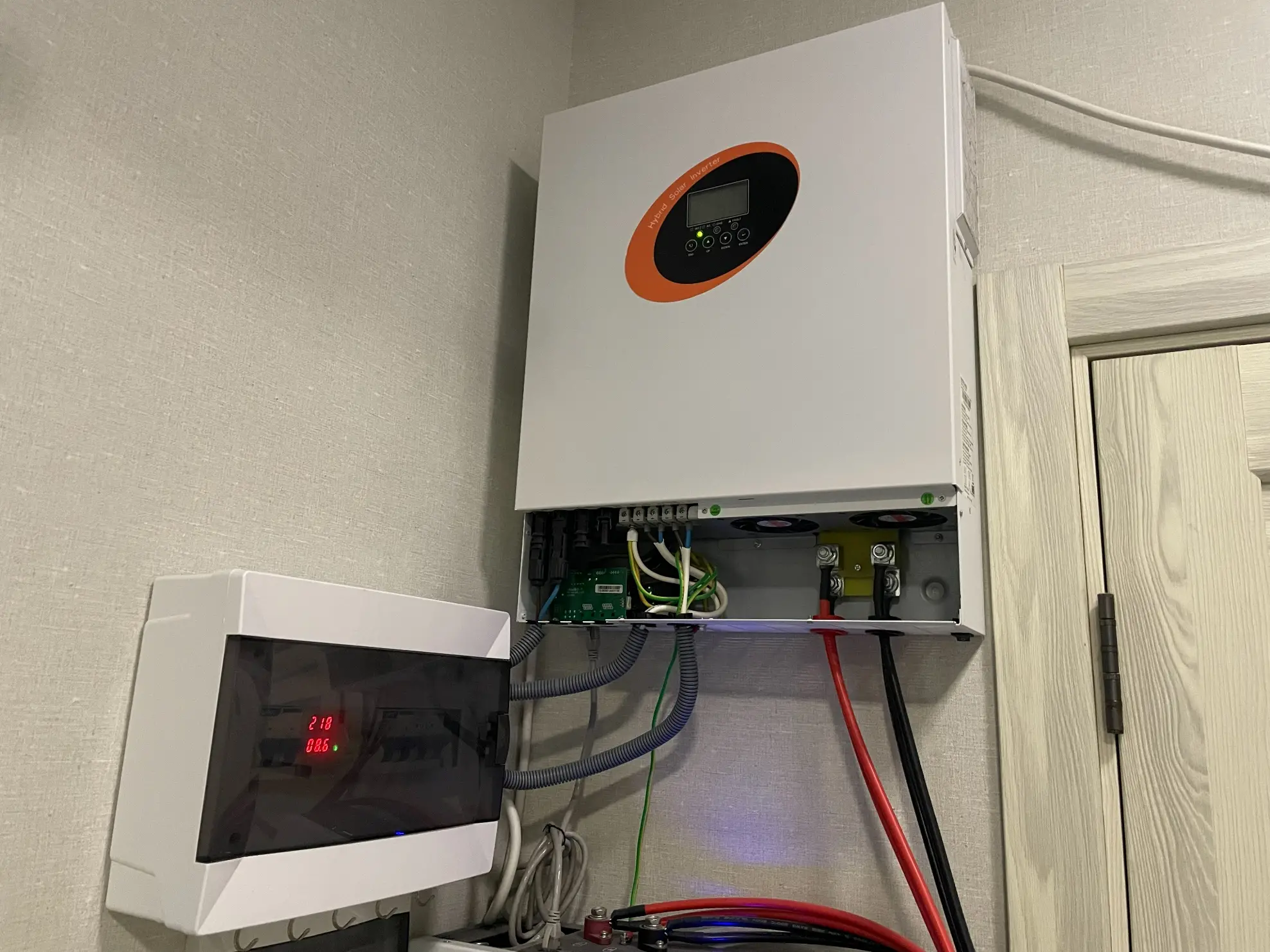
If you’ve already put a couple of solar panels on your balcony and gotten used to the fridge and laptop running on “free” sunshine during the day — congratulations, you’re halfway to real autonomy. But at some point almost everyone hits the same ceiling: a standard 3–5 kW inverter handles lights, phone charging, and the TV just fine, but turning on an electric stove is like asking a bicycle to overtake a truck on a hill. A single stove burner eats 6–7 kW, and the system simply gives up.
Today we’ll look at how people escape this trap by installing an 11-kilowatt hybrid inverter — most often under brands like JSDsolar, Anenji, EAsun, PowMR, or even no name at all. I see this inverter as an attempt to get the power of expensive systems for a laughable price. The attempt succeeds — but only if you’re ready to count volts, plan space, and not be afraid of dirty work during installation.
Why 11 kW in an ordinary apartment?
The honest answer: it’s not bragging and not an “arms race” among neighbors. It’s pure physics. When you already have a serious battery — say, 10 or 14 kWh — the weak link isn’t battery capacity but inverter peak power. Imagine a tap with a thick pipe but a narrow filter: there’s plenty of water in the tank, but you can’t fill a bucket quickly.
11 kW gives you headroom to calmly turn on the stove without tripping off the kettle, microwave, or washing machine. But there’s a nuance many people remember only with the box in their hands: this unit is noticeably wider and heavier than smaller 3.5–6.2 kW models. Balcony, storage room, utility cabinet — everywhere it needs more “air” than a compact inverter. Plan space in advance, or installation turns into a puzzle.
Low startup voltage and dual MPPT: a lifesaver for balcony generation
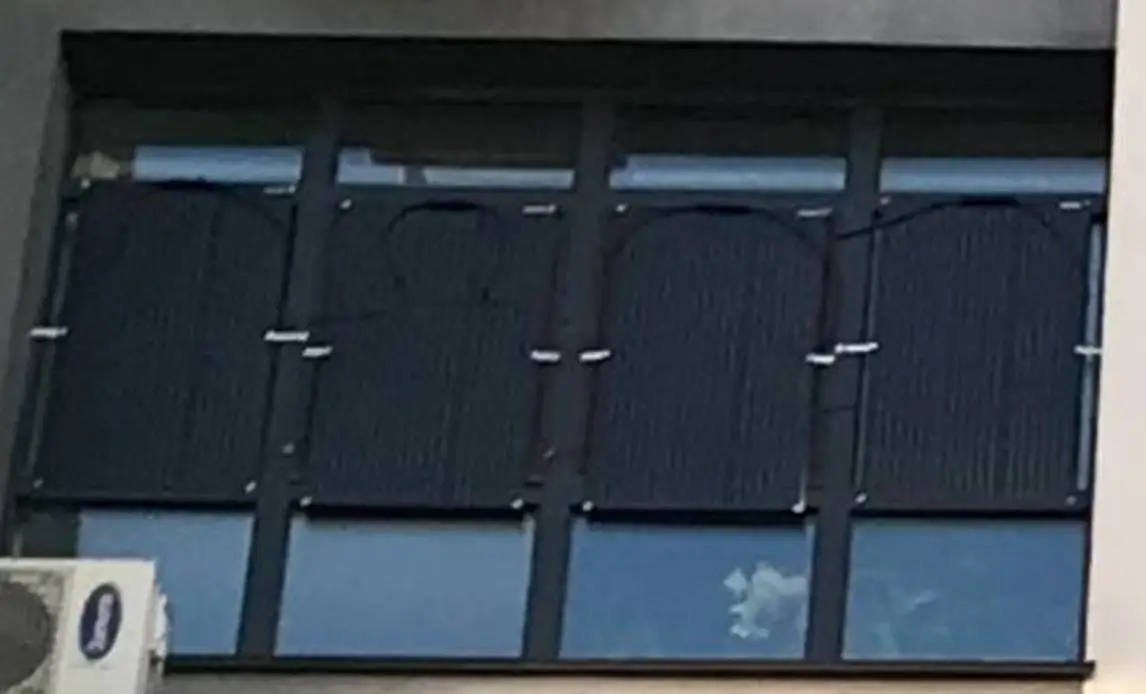
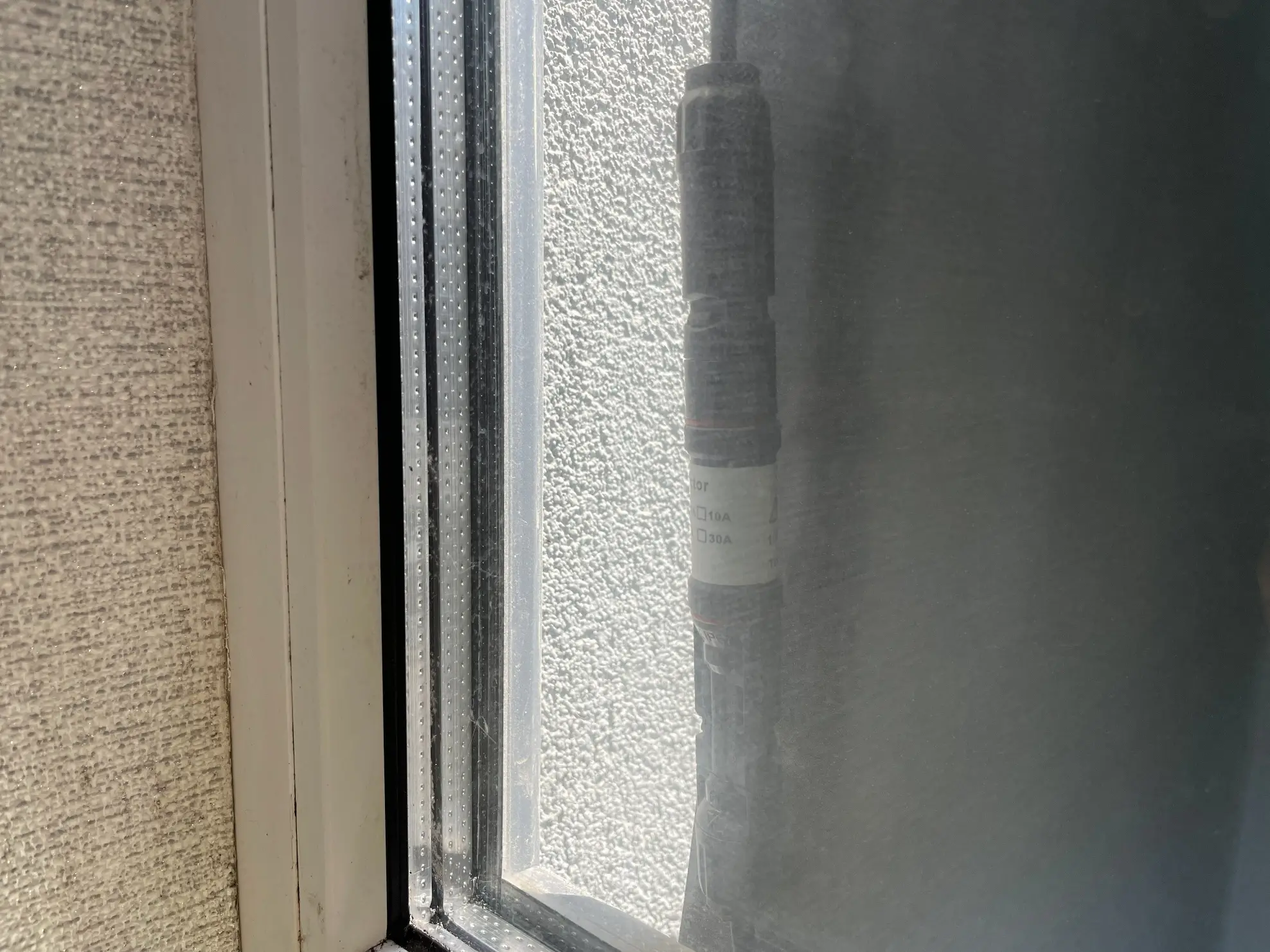
On a balcony, space for panels is always gold. You don’t have the luxury of a perfect south-facing angle for ten modules — usually two or three panels, some in shade, some at a different angle. And here MPPT startup voltage decides whether your station “wakes up” at dawn or dozes until noon.
On an 11-kilowatt inverter, the tracker comes alive at just 50–60 volts — a real gift for low-voltage builds. Plus there aren’t one but two independent MPPT trackers. It’s like two separate “conductors” for different strings: panels with different orientations don’t drag each other down; each delivers the maximum it can. Owners of such systems set exactly this goal: “the tracker should start at fifty-something volts” — and on that point the inverter keeps its promise.
Winter trap: a 500-volt limit with no margin
Here I have to be blunt, without sugarcoating — this is the most important technical point in the whole article. Inside are capacitors rated strictly for 500 V. Premium brands usually have a 10–20% safety margin “just in case.” Here there is none. Zero. Like a bridge with no railing: you can cross, but one step to the side and it’s over.
When designing strings you must calculate open-circuit voltage (Voc) accounting for the coldest winter temperatures in your region. In summer, 450 V at the input looks fine, calm, everything works. Then frost comes — Voc creeps up, and if it passes 500 V, the capacitors can simply burst. There’s no room for error: every volt must be calculated in advance, like a chess player thinking ten moves ahead. If you’re unsure about the math — use fewer panels per string or consult someone who has already built such systems in your climate.
Connections: convenient terminals and the danger of a short circuit
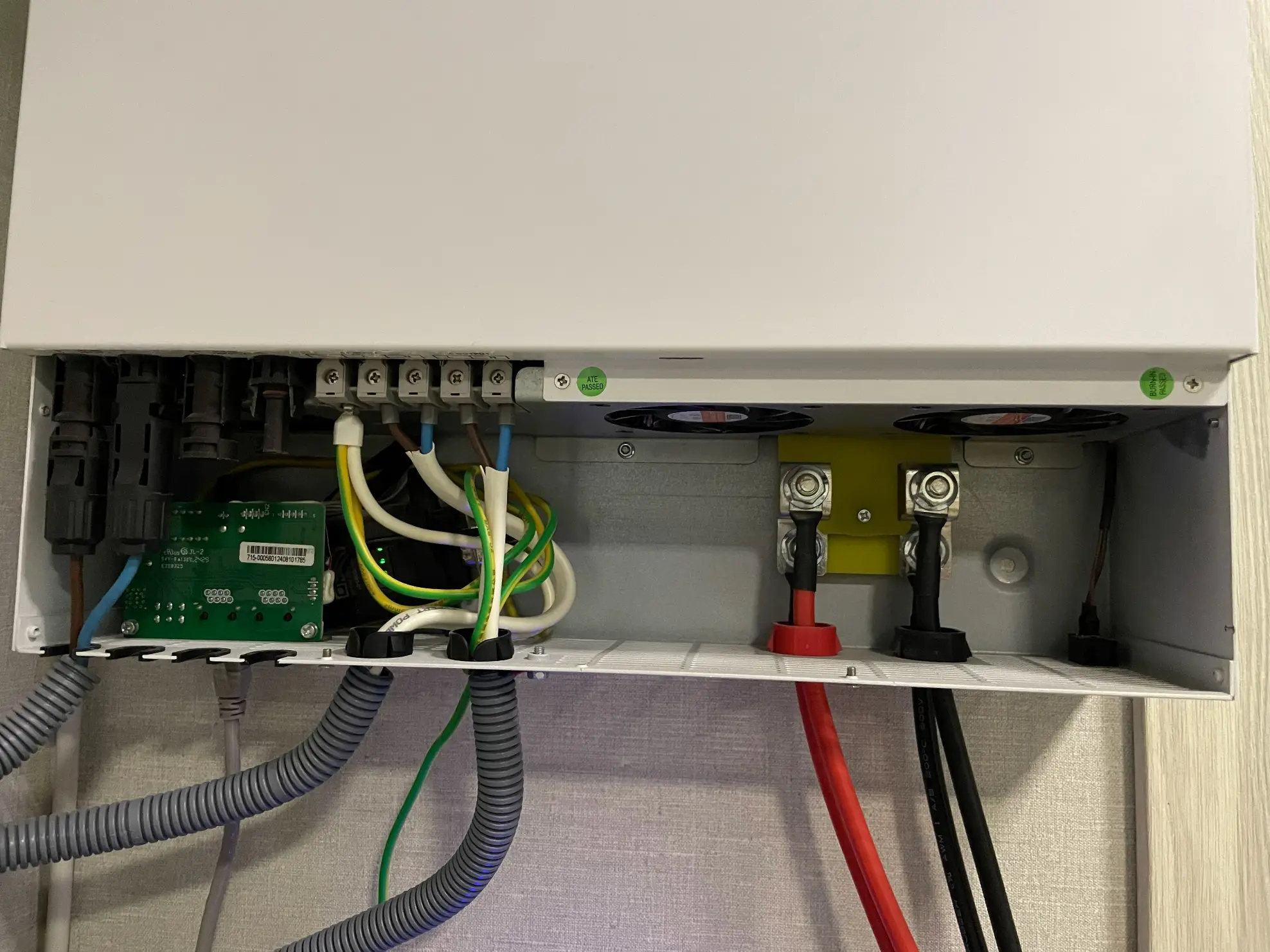
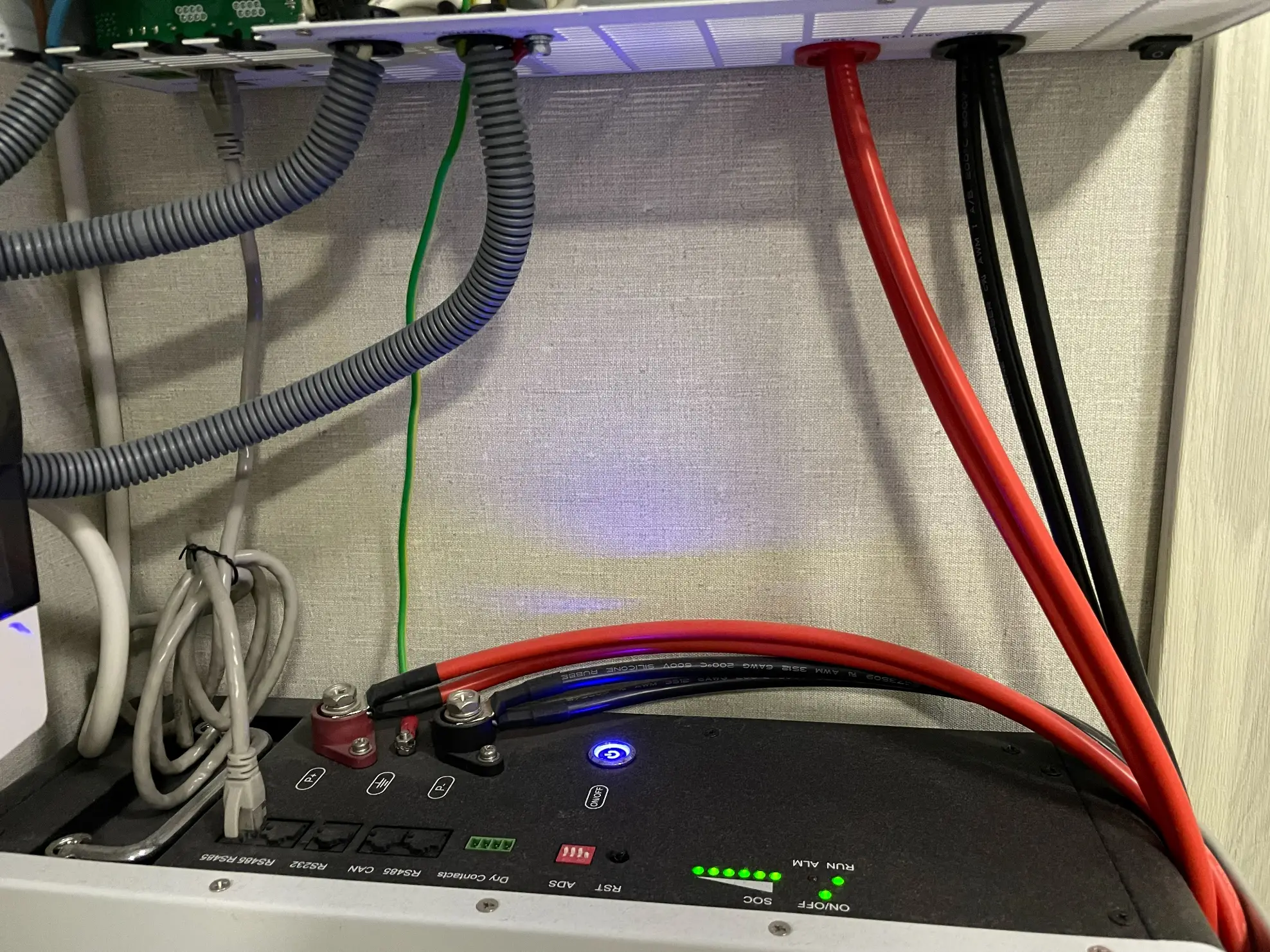
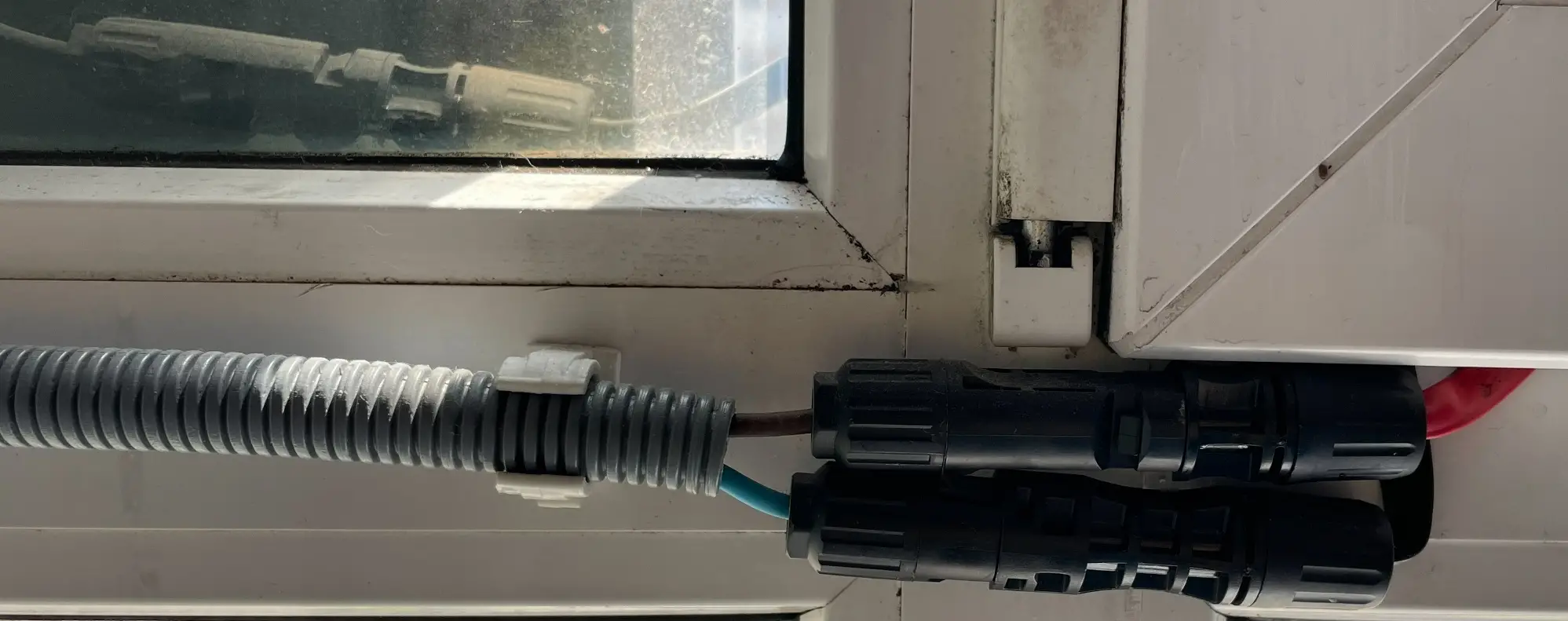
The engineers did one thing right — staggered battery terminals. Plus and minus at different heights; you can bring two thick cables to each pole. Handy if you have two batteries or thick busbars. Solar panels sit on proper MC4 connectors, not screw terminals — less chance the contact loosens after a year.
But between the positive and negative battery terminals there is no plastic barrier. No dielectric bridge. It’s like bare wires a couple of centimeters apart: one clumsy turn of a screwdriver and you get a catastrophic short circuit. During installation, work three times more carefully than usual: remove jewelry, use insulated tools, don’t rush. Haste here costs more than the inverter itself.
Under the hood: charging, currents, and grounding
Despite the budget price, the power section looks serious. The AC charger can pour up to 120 amps into the battery from the grid. Total maximum charge current — solar plus grid — reaches 160 amps. For a home system that’s no toy but a full “refueling station” for the battery.
On the BATT+ line there’s an internal fuse covered with heat-shrink tubing — a small thing, but it shows assembly is neater than on completely nameless clones. On grounding: internal earth is brought to a common bus, but I still recommend duplicating it — run a 4 mm² copper wire to a chassis bolt. In electrical safety, extra grounding isn’t paranoia but common sense.
Price, noise, and everyday compromises
An 11 kW inverter is sold under different names or with no logo at all — roughly $430 to $600. For 11 kW that’s a price that leaves competitors mildly shocked. But you pay for cheapness with comfort:
- Noise. Three fans at 0.43–0.5 A run loudly. If the inverter sits in a living room or near a bedroom — expect background hum, especially under load.
- Cooling. Side blow-through via simple foam filters; hot air is exhausted downward. Don’t put anything heat-sensitive under the case — router, low-voltage panel, battery.
- Scaling. Parallel operation isn’t supported. 11 kW is your ceiling. Want more — only a different inverter entirely.
This isn’t a defect but a deliberate manufacturer choice: they gave power and features, took away quiet operation and capacitor reliability margin.
Who it’s for, and who should walk past
This inverter is for people who know what they’re doing. For an apartment or balcony solar owner with a high-capacity battery who dreams of cooking on sunshine and is ready to calculate strings carefully. For low-voltage builds of two, three, or four panels with early MPPT startup — an excellent candidate. For those who want “install and forget” in a quiet bedroom without winter Voc calculations — probably not.
Bottom line: is it worth it?
An 11 kW hybrid inverter is a pragmatic workhorse. It lets you run an electric stove from solar for about half the price of a top brand like Deye. But it’s not a jeweled Swiss movement — it’s a powerful tool: in skilled hands a find, in unskilled hands a source of trouble.
Are you ready to sacrifice quiet, give up parallel expansion, and calculate winter volts every time you design a system — just to cook borscht on balcony power? If yes — an 11 kW inverter deserves attention. If not — maybe smaller power is enough for now, and leave the stove on the meter. The choice is yours, and I hope you see it a bit more clearly now.
My apartment uninterruptible power system
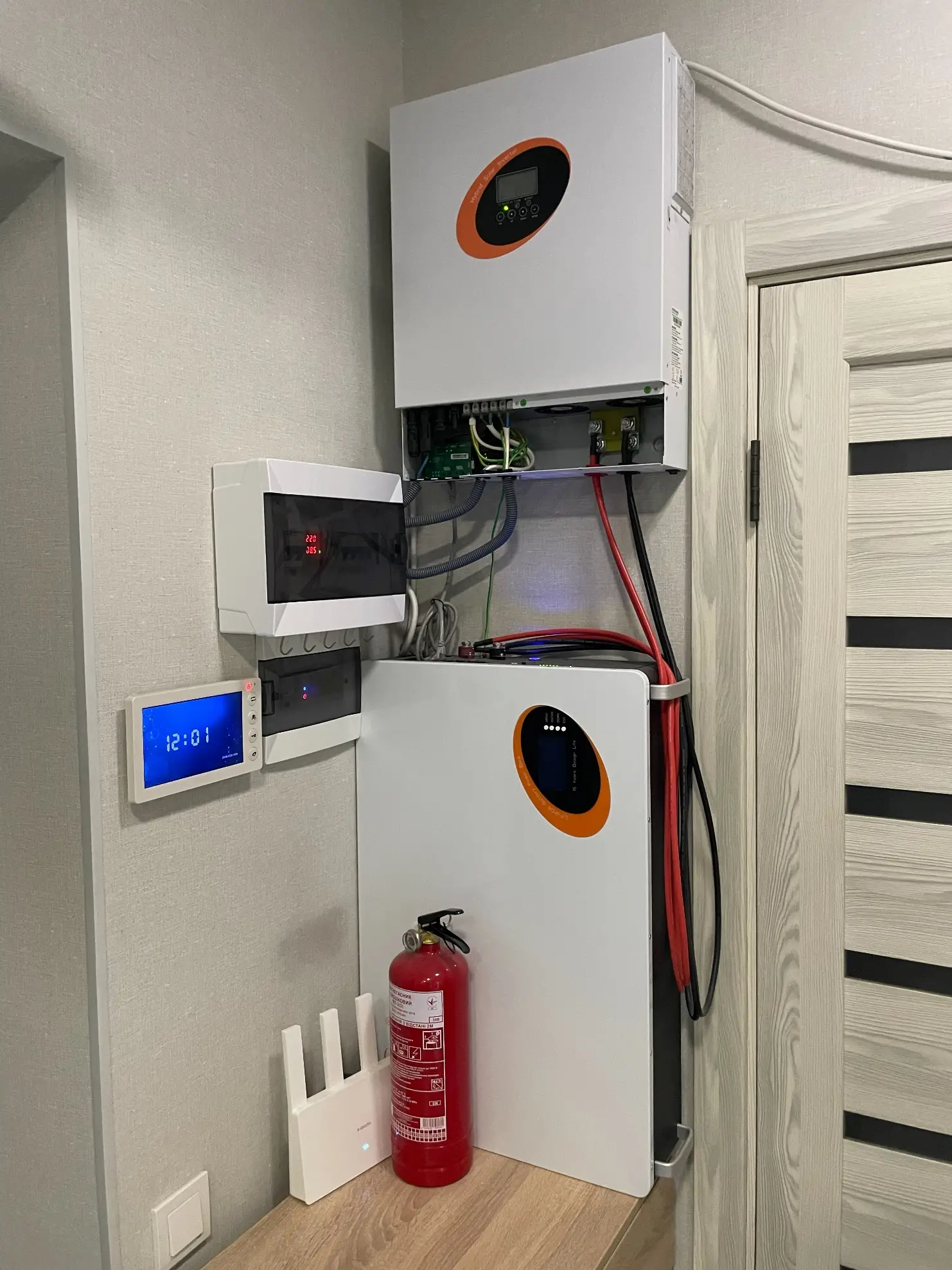
- Hybrid inverter – JSDsolar 11KW 48V
- Battery – JSDsolar 48V 200Ah 10KWh
- Solar panels 440W – Jingyang ETFE 110W x4
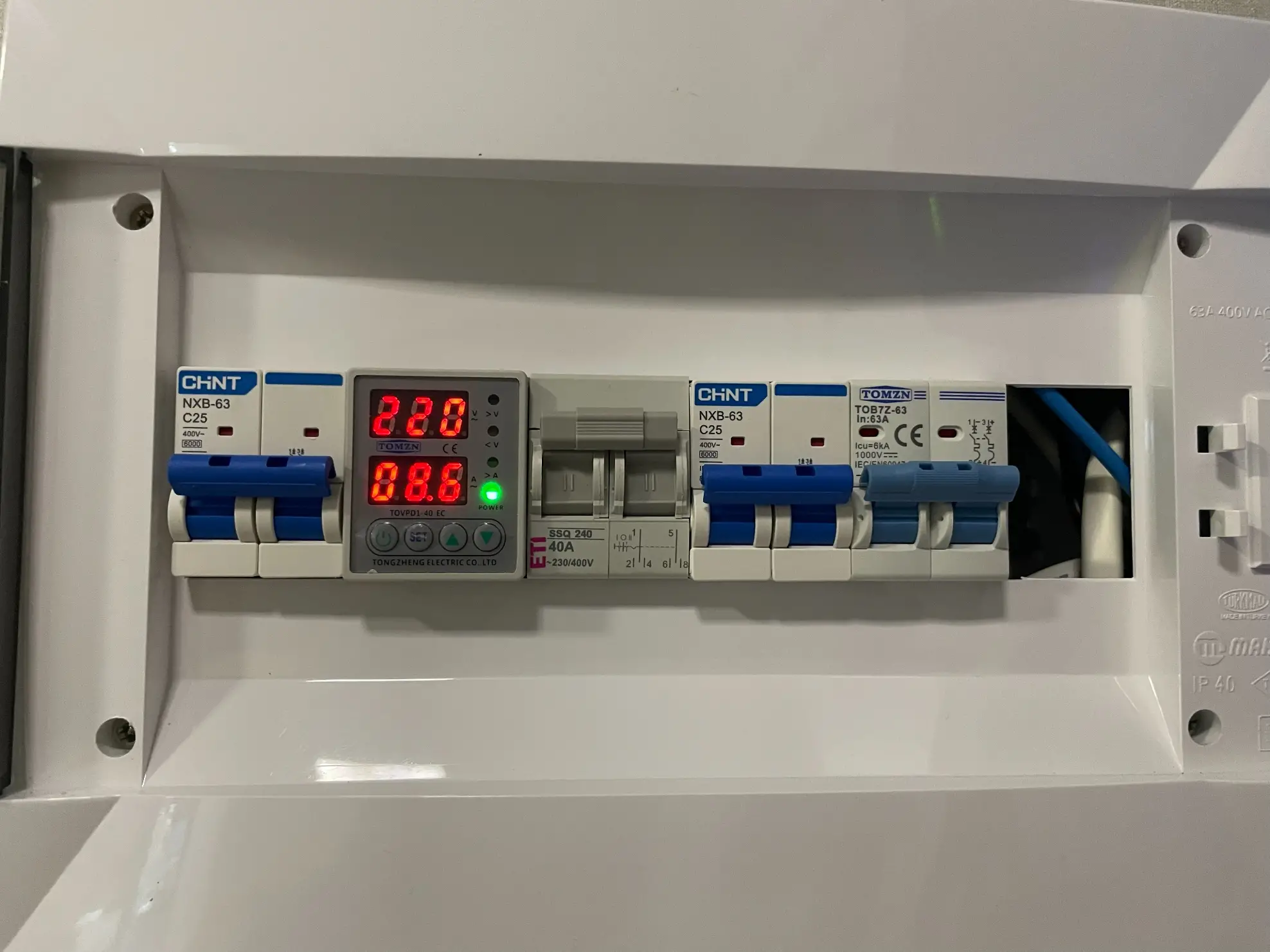
- DC breaker 63 A 1000V – TOMZN
- Fuse for solar panels 1000V 15A – Snaterm
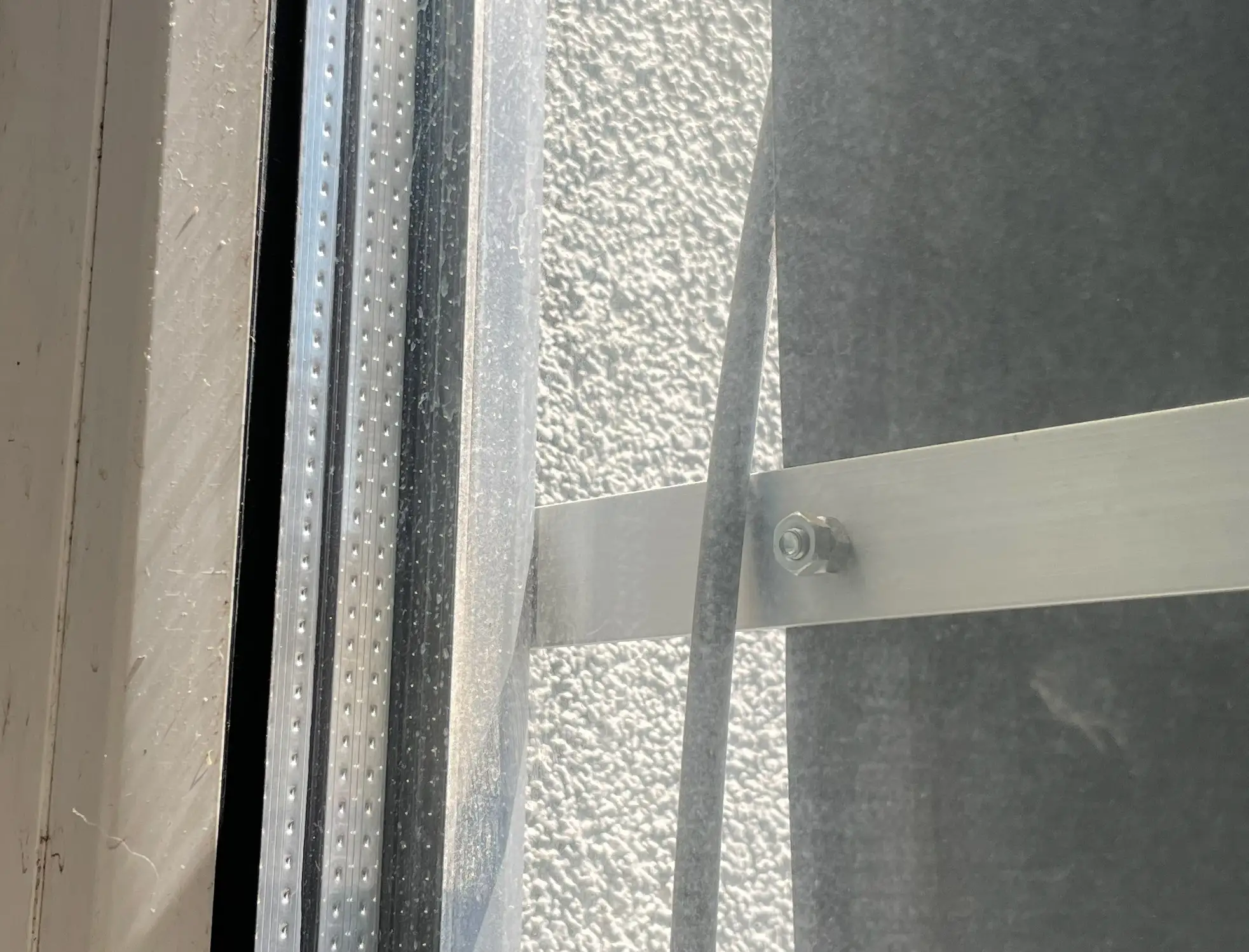
- Flat cable to connect solar panels through the window seal without drilling – LEADER
- Sealed connectors for solar panels 1000V 30A
- Relay for high/low voltage or overcurrent protection – TOMZN
- WiFi smart meter for tracking and viewing grid consumption statistics via the Tuya app – TOMZN
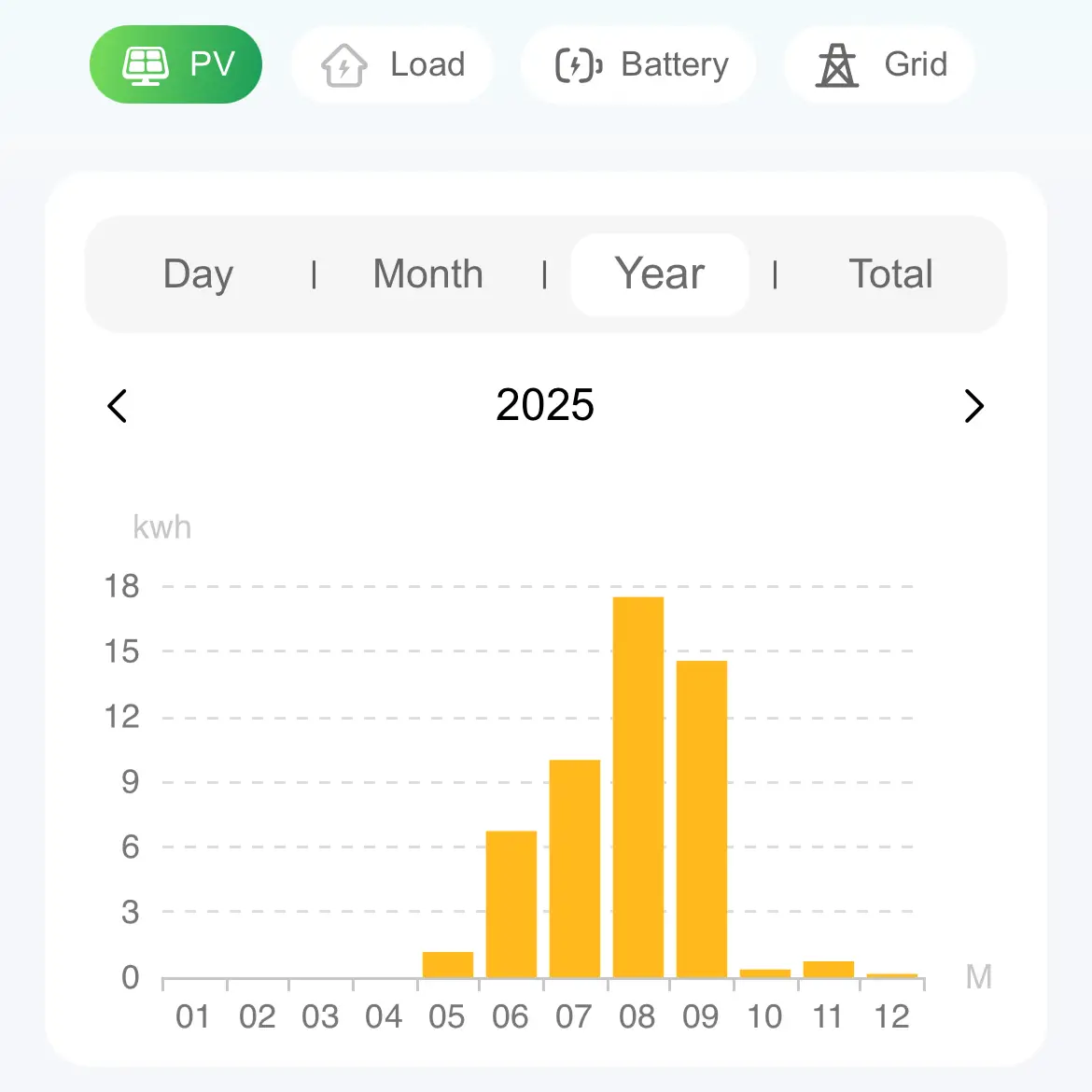
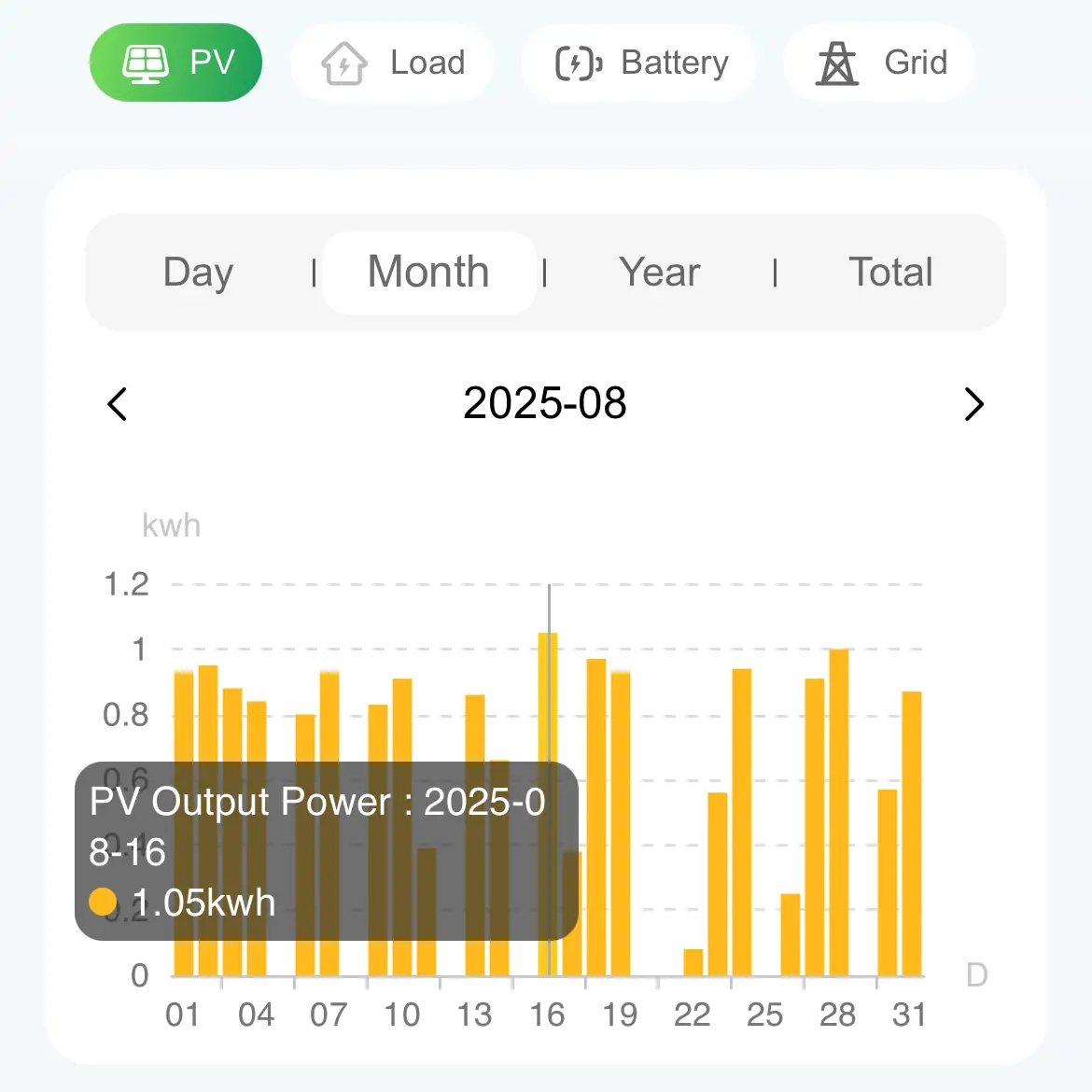
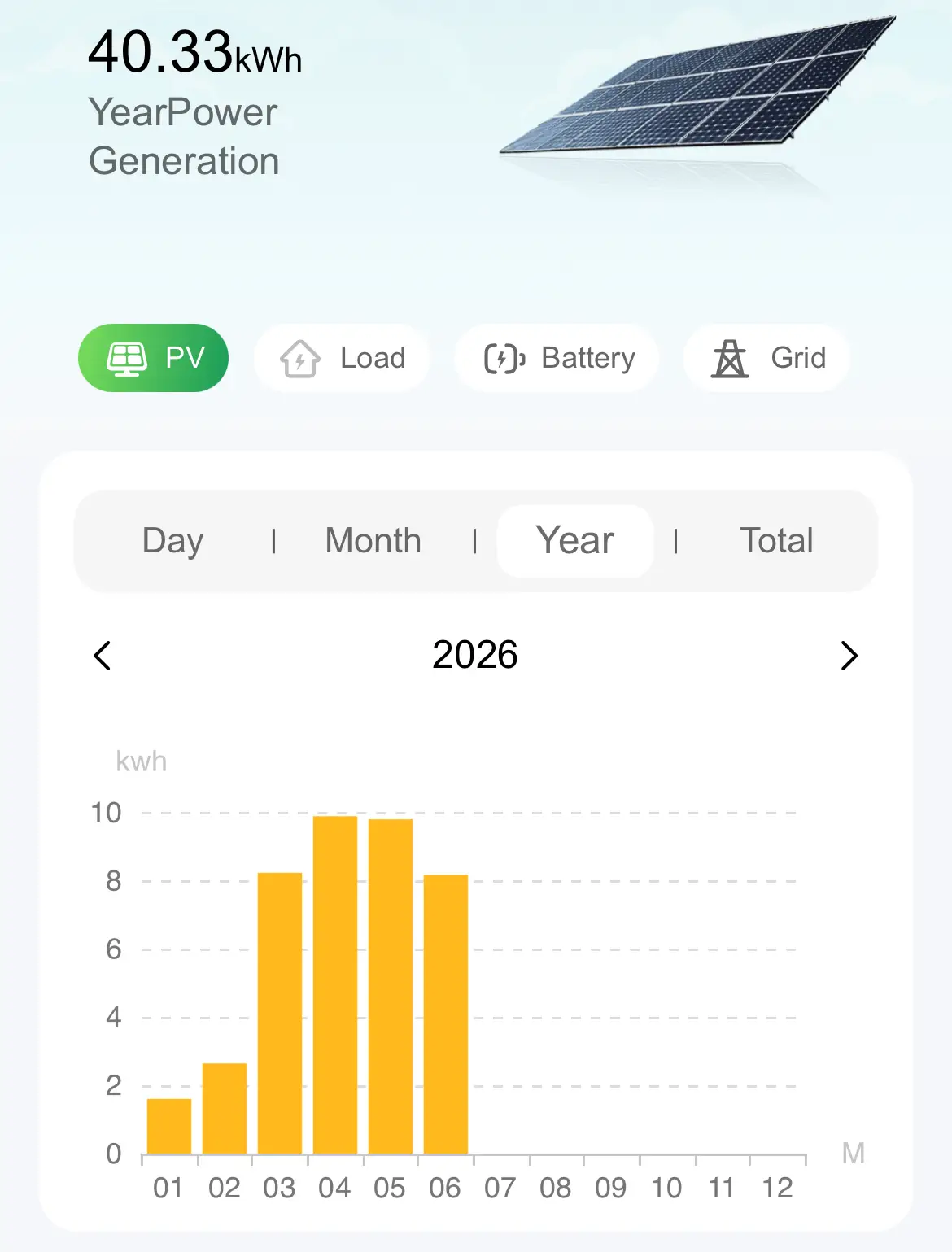
It has been running non-stop for more than a year. In that time the solar panels generated about 100 kWh of electricity. The system runs on battery from 07:00 to 23:00, and at night from 23:00 to 07:00 the battery charges on the night tariff, saving about 40% on electricity bills. Power outages are no longer scary. I can recommend installing it. If you have questions, I’ll answer in the comments on Telegram or on YouTube.
“Modelist-Konstruktor” No. 6’2026, S. REDKO, Kyiv
Recommend to read
 JIGSAW
The proposed design of the jigsaws are manufactured in workshops Menzelin-sky teacher's College in Tatarstan Republic. To ensure the reciprocating motion of the saw in that jigsaw... STENCIL
Draw the circuit diagram, weathering adopted the proportionality of graphic symbols electronic elements, it is not as simple as it might seem at first. Great help here can have a stencil...
