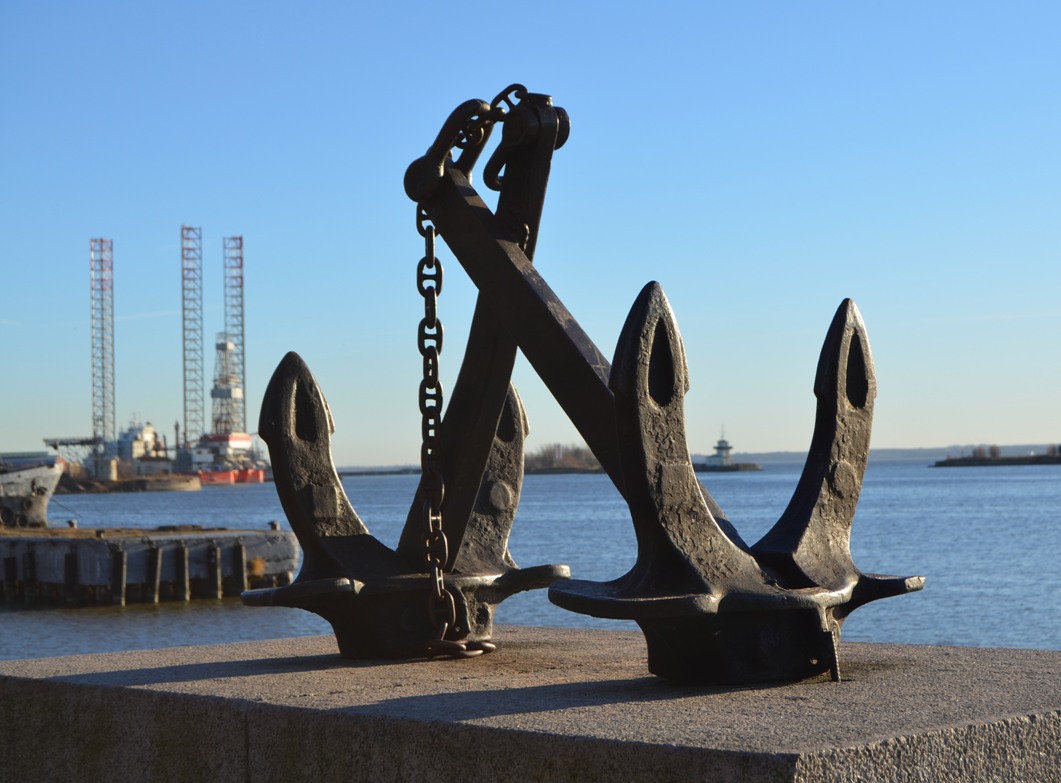
 Oddly enough, but we tend to think of Ancient Rus agrarian power, traded mainly salt, hemp, wax, fur goods, linen. Meanwhile our ancestors were taken abroad and iron, and iron, famous for its quality all over Europe. He was put in stripes and in the form of finished products — axes, chisels, bells, anchors. Yes, the anchors, because it is now proved that the Russian masters forged them long before the baptism of Rus. This is evidenced by the many exhibits of local history museums, tells the epic.
ANCHOR — FROM ANCIENT TIMES TO THE PRESENT DAY
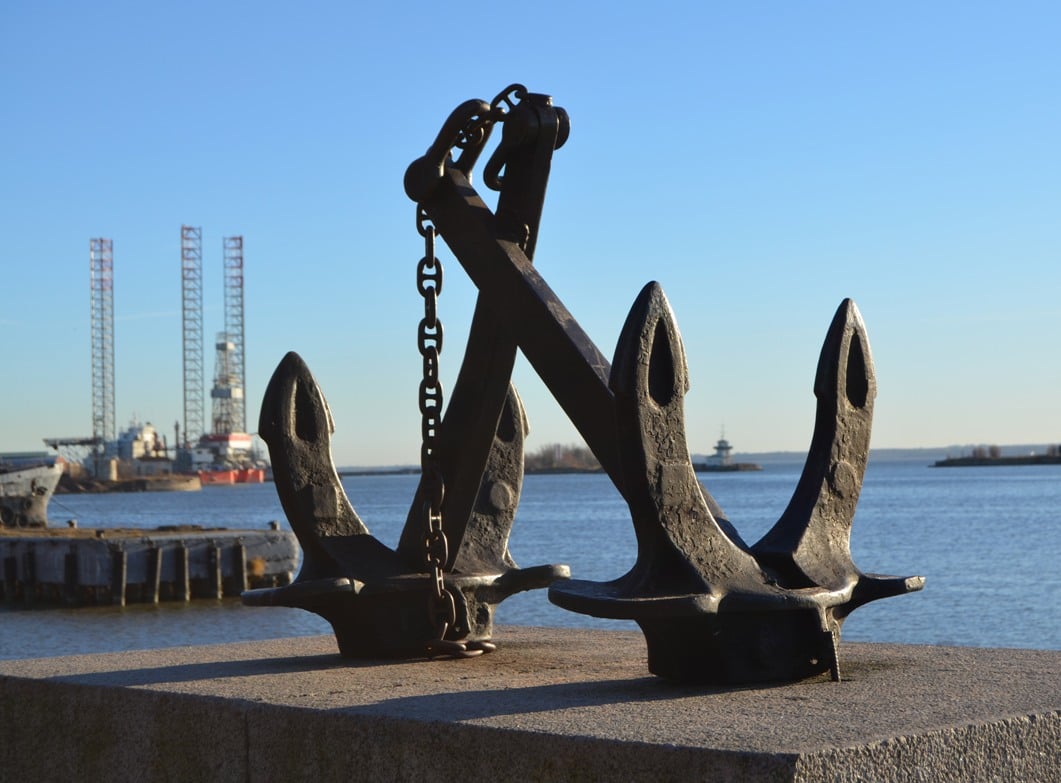 Oddly enough, but we tend to think of Ancient Rus agrarian power, traded mainly salt, hemp, wax, fur goods, linen. Meanwhile our ancestors were taken abroad and iron, and iron, famous for its quality all over Europe. He was put in stripes and in the form of finished products — axes, chisels, bells, anchors. Yes, the anchors, because it is now proved that the Russian masters forged them long before the baptism of Rus. This is evidenced by the many exhibits of local history museums, tells the epic.
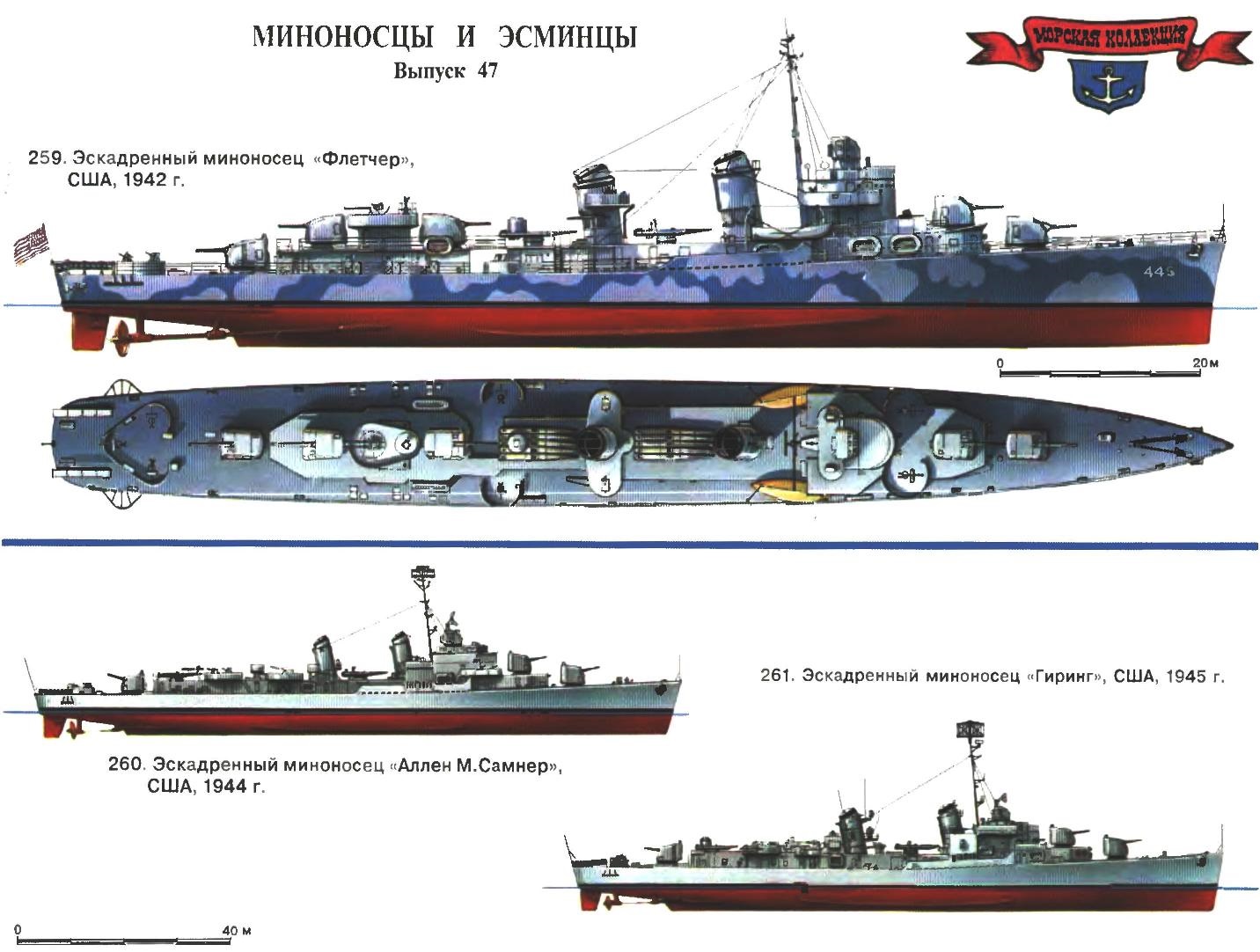 The attack on the destroyer “Hadley” in radar patrol from the Japanese island of Okinawa, where she landed U.S. marine corps, began early in the morning. The aircraft flew singly and in groups, dropping bombs and firing from onboard weapons. Some of them managed pilots-suicide bombers tried to RAM a lone ship. The Americans resisted fiercely. Guns and machine guns of the destroyer watered the enemy’s steel; by the end of this fateful day, the sailors claimed to be twenty-downed aircraft! But “Hadley” paid in full: 250-kg bomb struck his nose, a guided rocket bomb “Baka” (essentially a small plane) got in the middle part, and a kamikaze crashed into the stern.
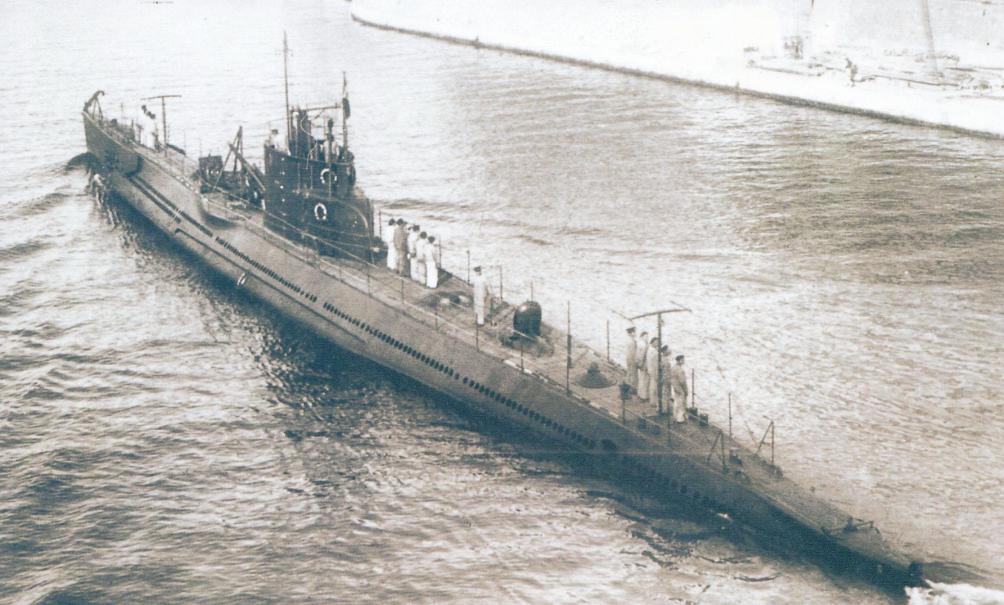
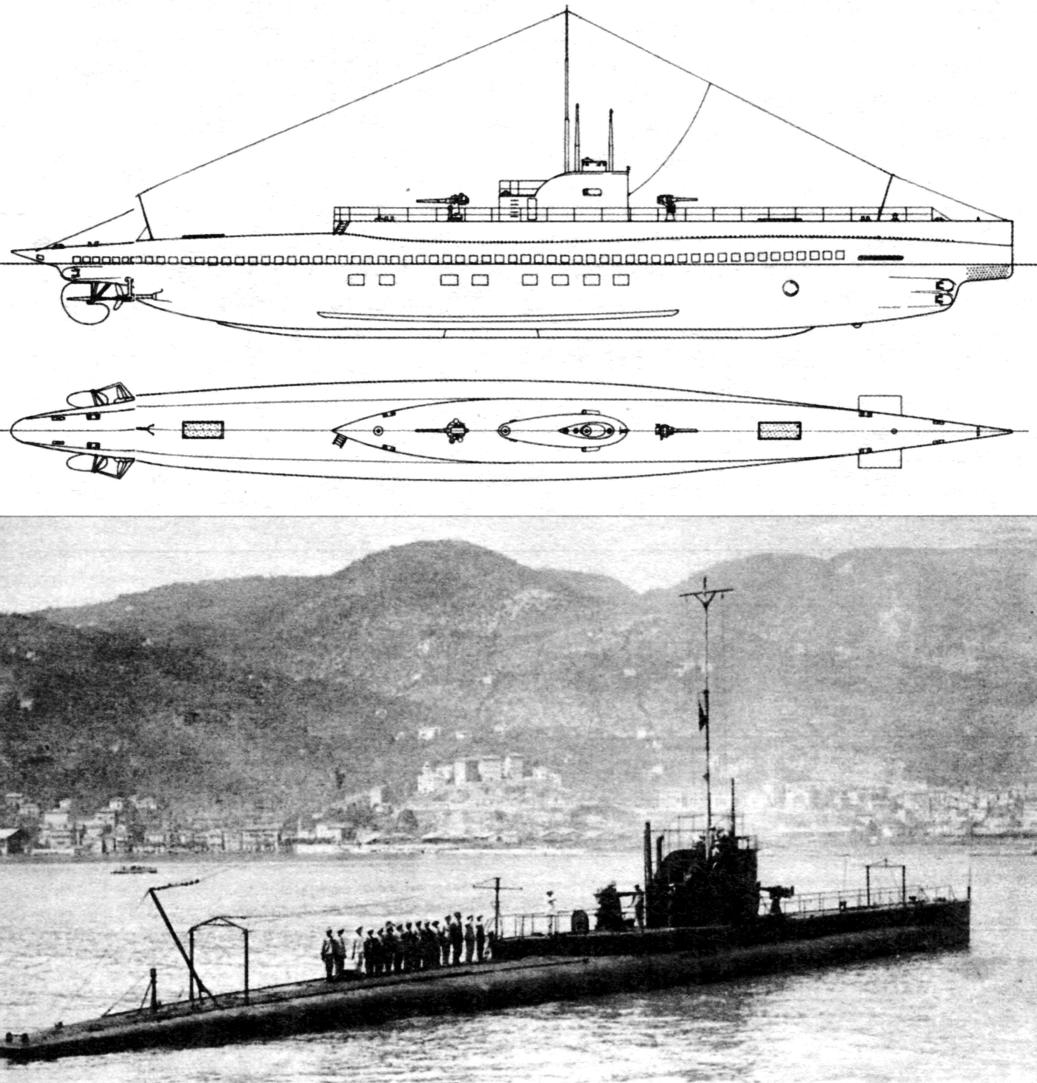 We left the Italian fleet during the “great war”. Unlike France, Italy is not as strongly experienced its hardships; in fact, the only really available to the enemy, Austria-Hungary, “processed” beyond its fleet. The allies have allocated more than sufficient power. So, the Italians stayed mainly to prevent possible attacks of the Austrians against their shores. And to continue the development of all marine weapons, including, of course, and so “fashionable” submarine forces.
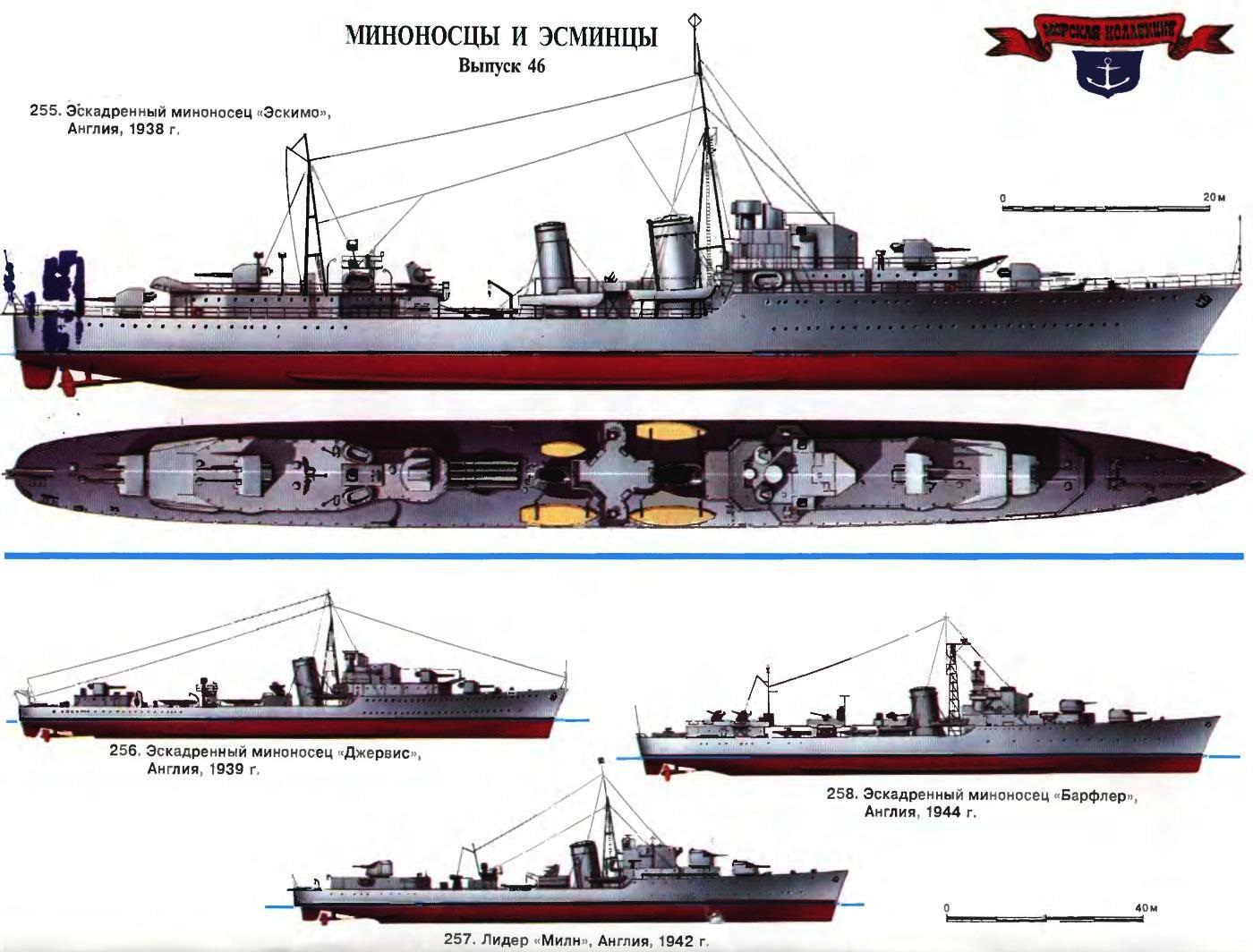 The prospects for the British economy in the interwar period could not be called bright. The biggest Empire in the world is only superficially looked unshakable; in fact the problems were coming from all sides. The economic crisis has caused serious reductions in the armed forces, which affected and Navy — Holy of holies “nation of sailors”. The new ships had to develop first of all of the conditions of austerity.
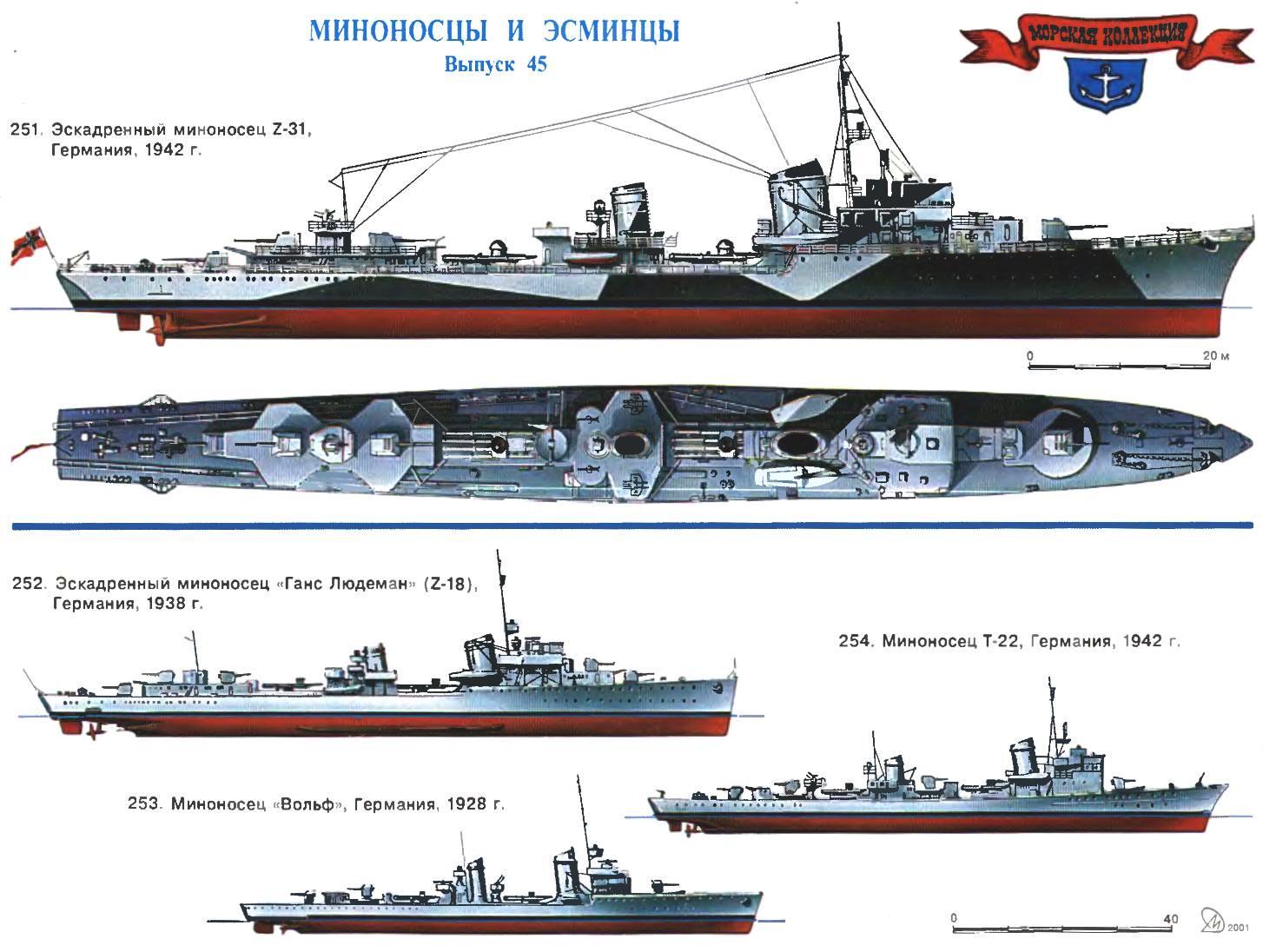 Conditions signed in 1919 in the Versailles peace Treaty that ended the First world war, the German Navy was devastating. The winners, especially the British, insisted on almost total elimination of the fleet once the second naval power of the world. The Germans were allowed to have mine force, consisting of only twelve destroyers and an equal number of destroyers. The latter can be attributed to this squadron destroyers only conditionally: they all belonged to the pre-war series had weak arms and worn-out mechanisms. It is significant that the newest unit of the fleet of the Weimar Republic was the destroyer S-23, which came into operation six months before the start of the war.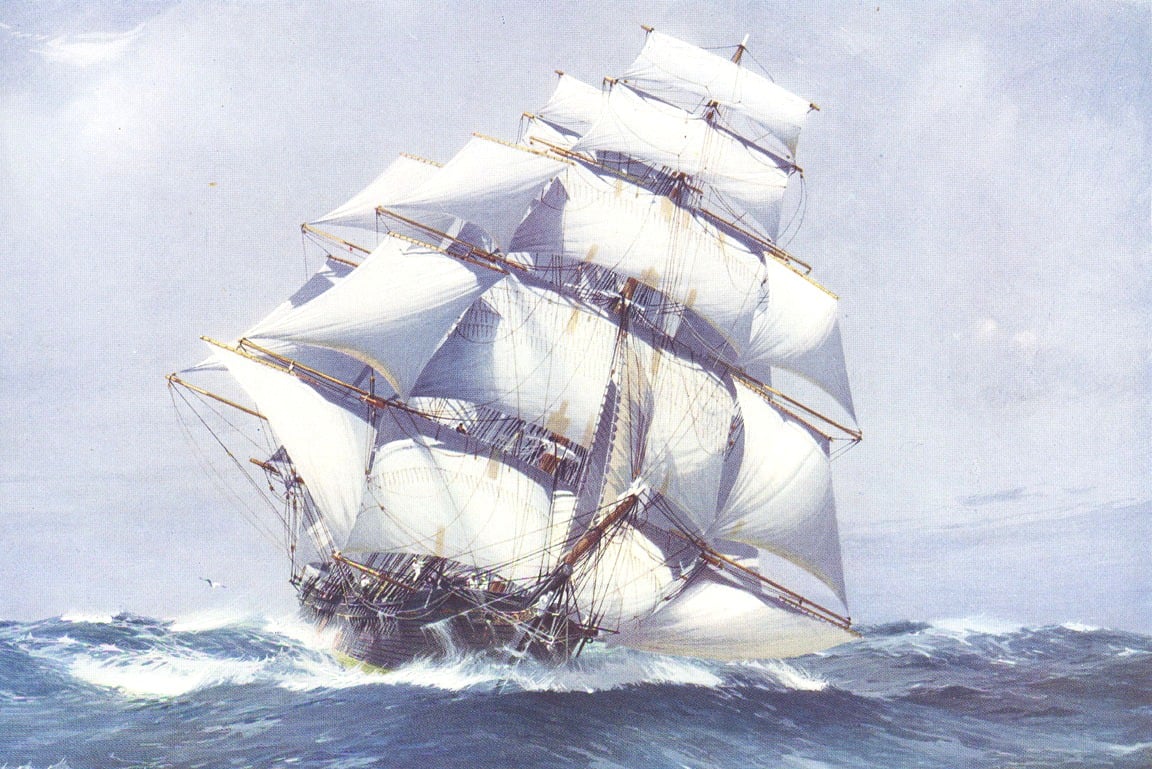
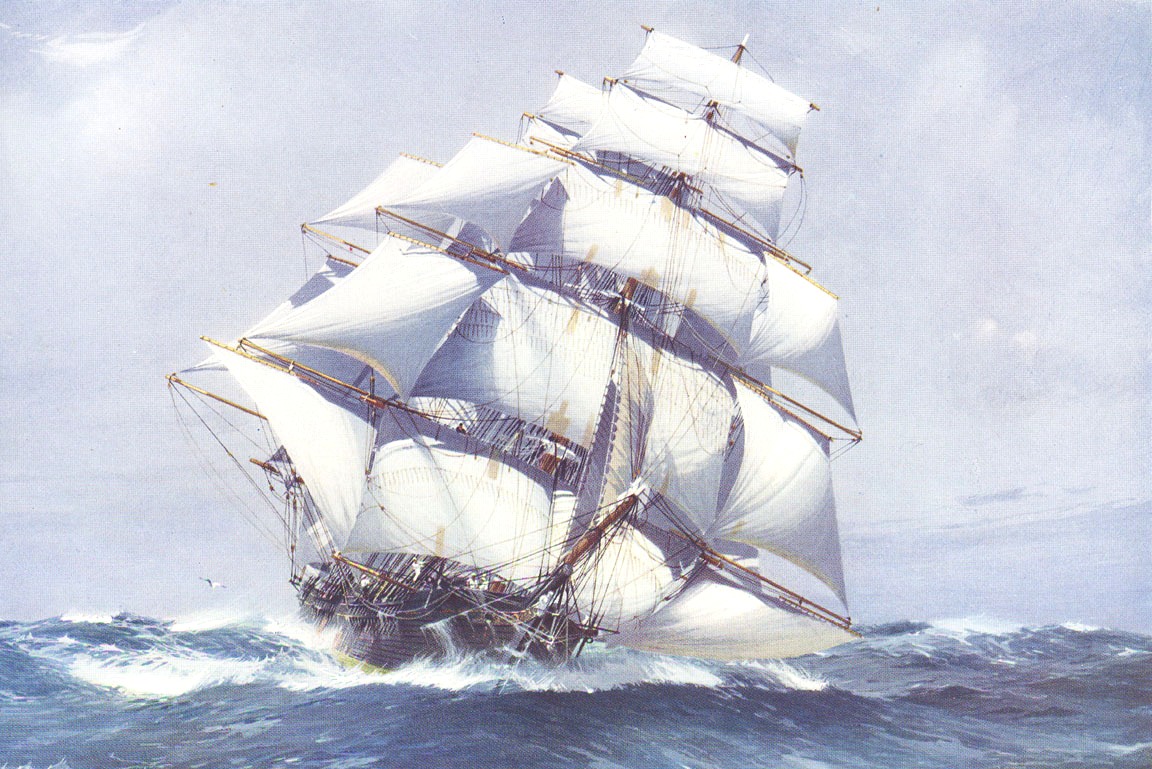 Ships across the Seven seas. In the history of navigation between 1845 and 1875 called “the Swan song of sail”, or “era of the clipper ships”*. Clipper as a type of sailing ship appeared in America.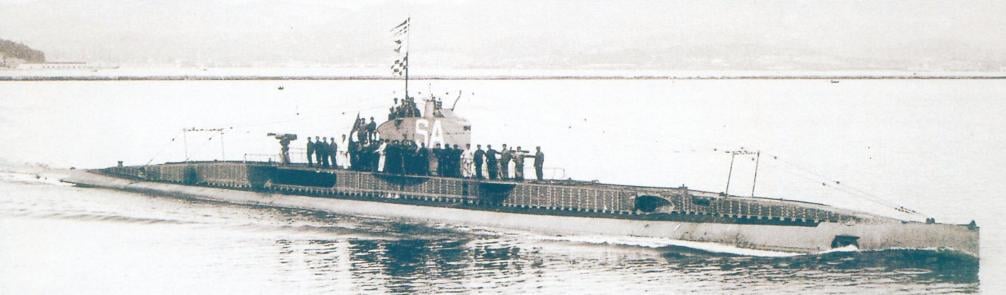
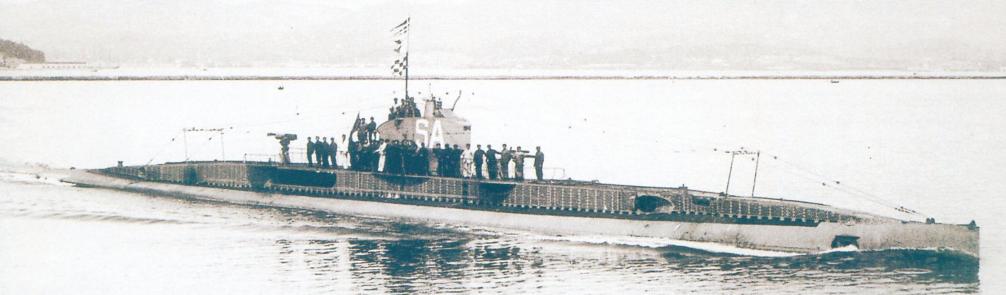 We have previously described a pretty complicated path of development of the French submarine fleet before the First world war (see “M-K” No. 4 of 2014), consisting in the infinite “adjustment to the ideal of” small series of submarines that are created by different designers, had sometimes opposite views on what should be an underwater vehicle, using a variety of engines. But they have all been very far from ideal, and often just a little efficient. Although gradually emerging common to all ship builders in different countries the idea is pretty universal large boats, the French version of the fatal August of 1914 looked still very indistinct.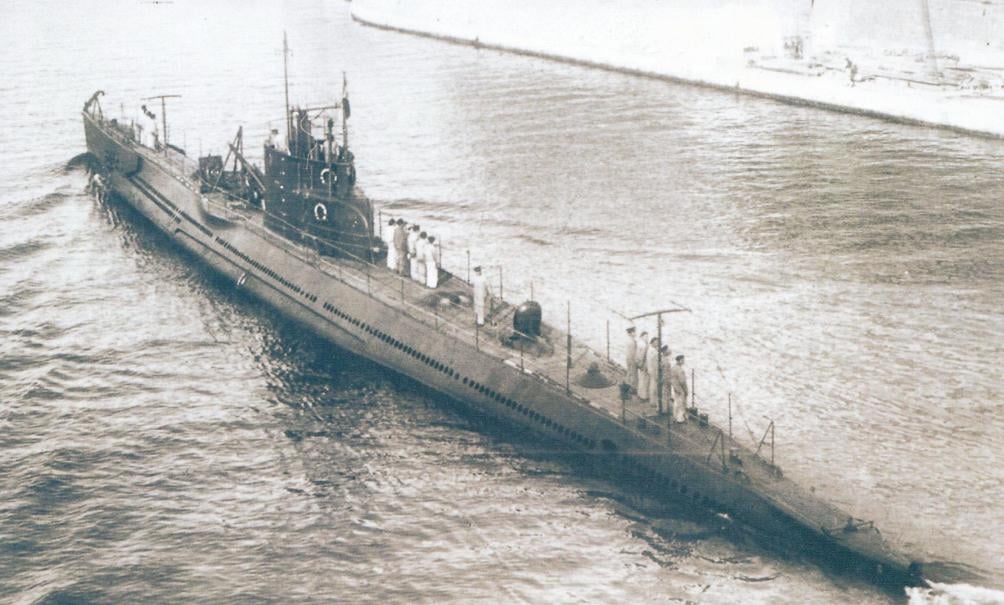
 In early may 1938 in one of the most beautiful places in the world, the Bay of Naples, reigned naprjazhennejshie waiting. On the vast surface of the water lined up more than two hundred ships under the flags of the Kingdom of Italy with small patches of German. However, the celebration was held not in honor of the king met the two leading Nazi leader, autocratic rulers and dictators of their countries, gathered to soon conquer all of Europe and, if possible, and the world.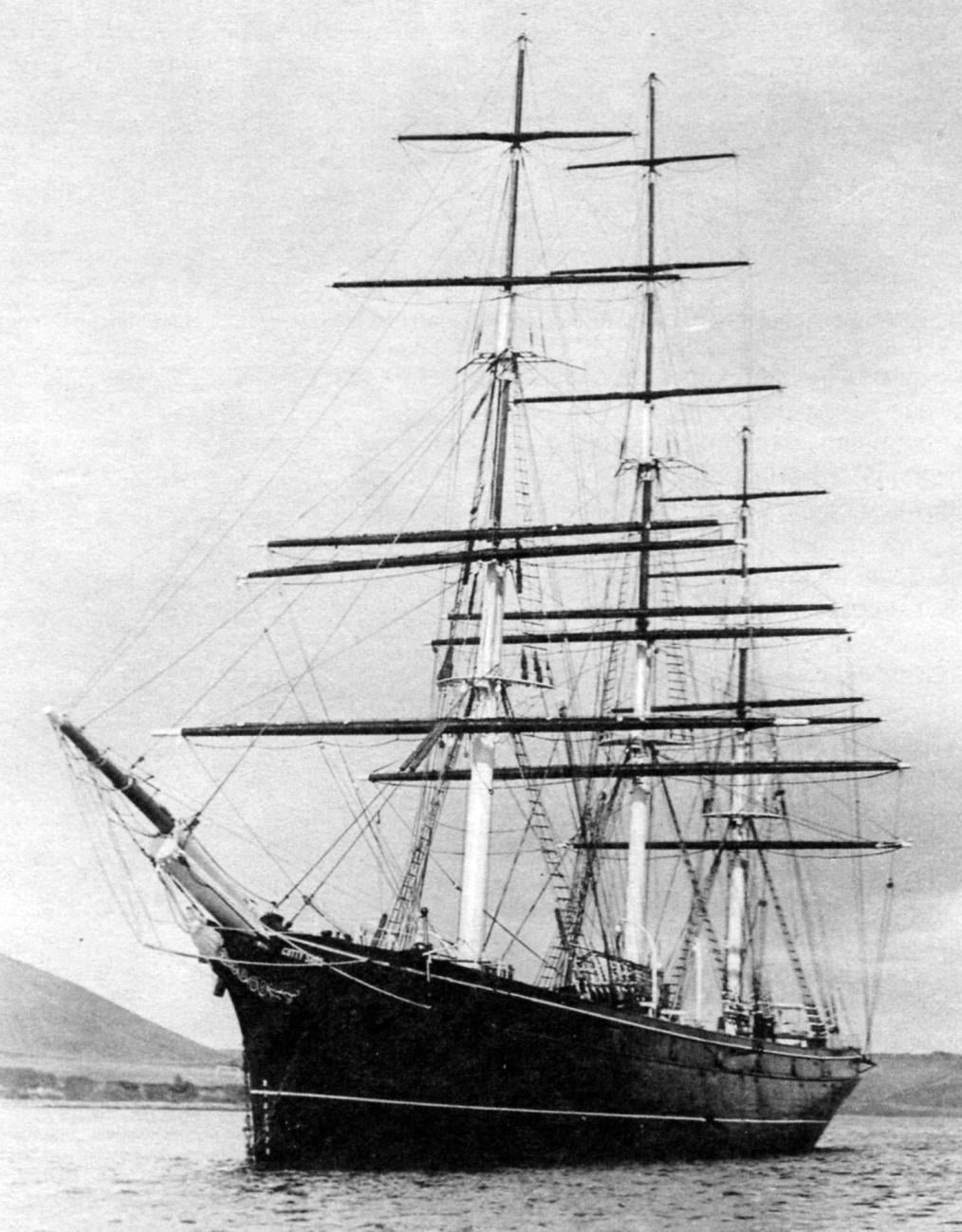
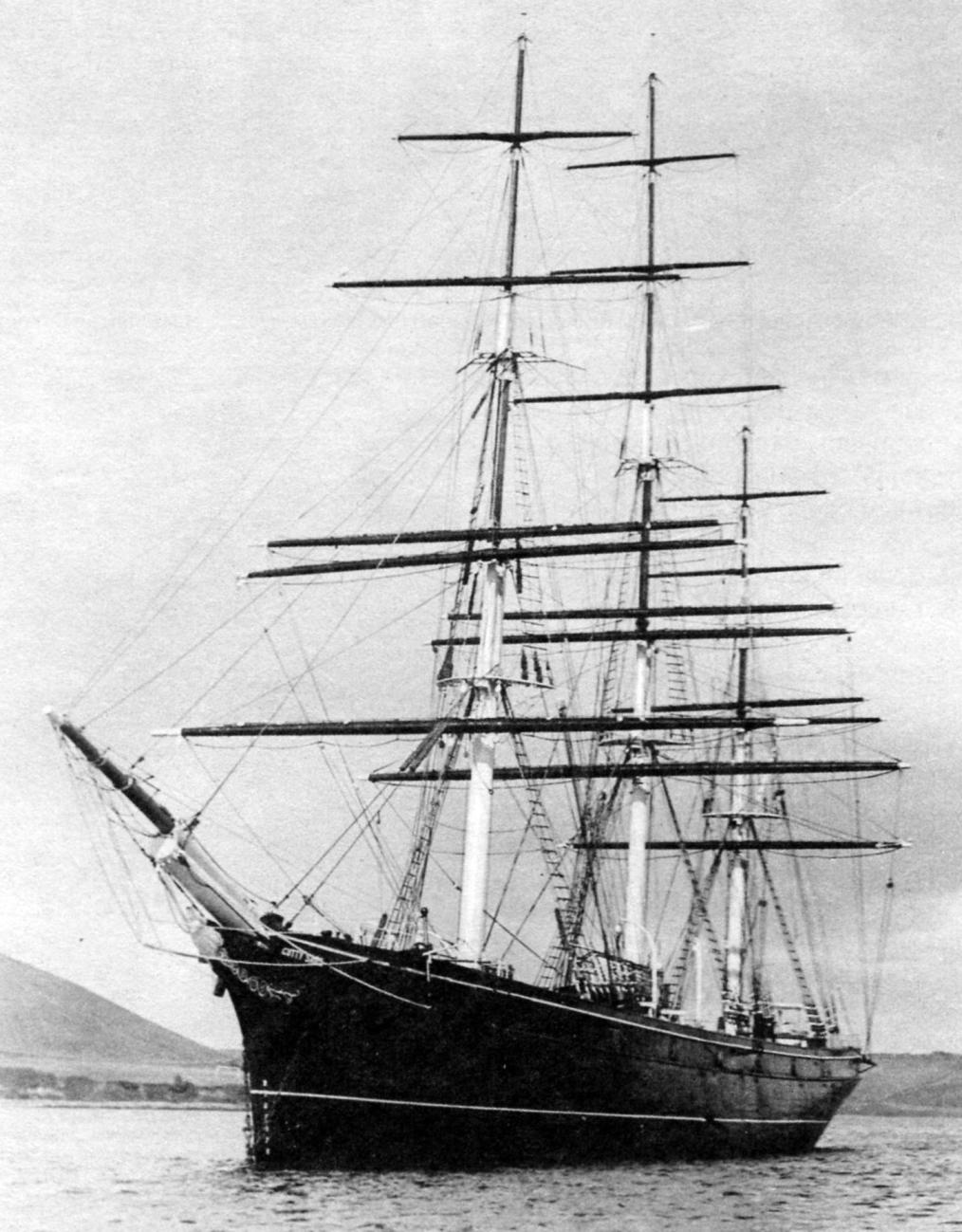 November 23, 1869 from the yard of Scott and Linton on the river Kleid in Dumbarton (Scotland) was launched on a new clipper. The wife of the first captain, smashing a bottle of champagne on the bow, gave the ship the name “Cutty Sark”, which in English means “short shirt”.