
One cannot help but admire the swift glide of a windsurfer catching the wind across the water, or the no less dizzying descent down a cresting ocean wave on another board resembling a wide ski.
Both of these sports craft, under a fairly thin outer shell, have a fairly soft foam filling, so damaging such a vessel is easy — even a fairly weak impact is enough. However, patching the “hole” as recommended by the Hungarian magazine Ezermester is not particularly difficult. The proposed method is also interesting because it can be applied in other similar cases and analogous constructions.
The essence of the method is a kind of “plastic surgery” in which the damaged part is “surgically” removed and a patch is installed in its place. The sequence of operations is shown in the accompanying figures.
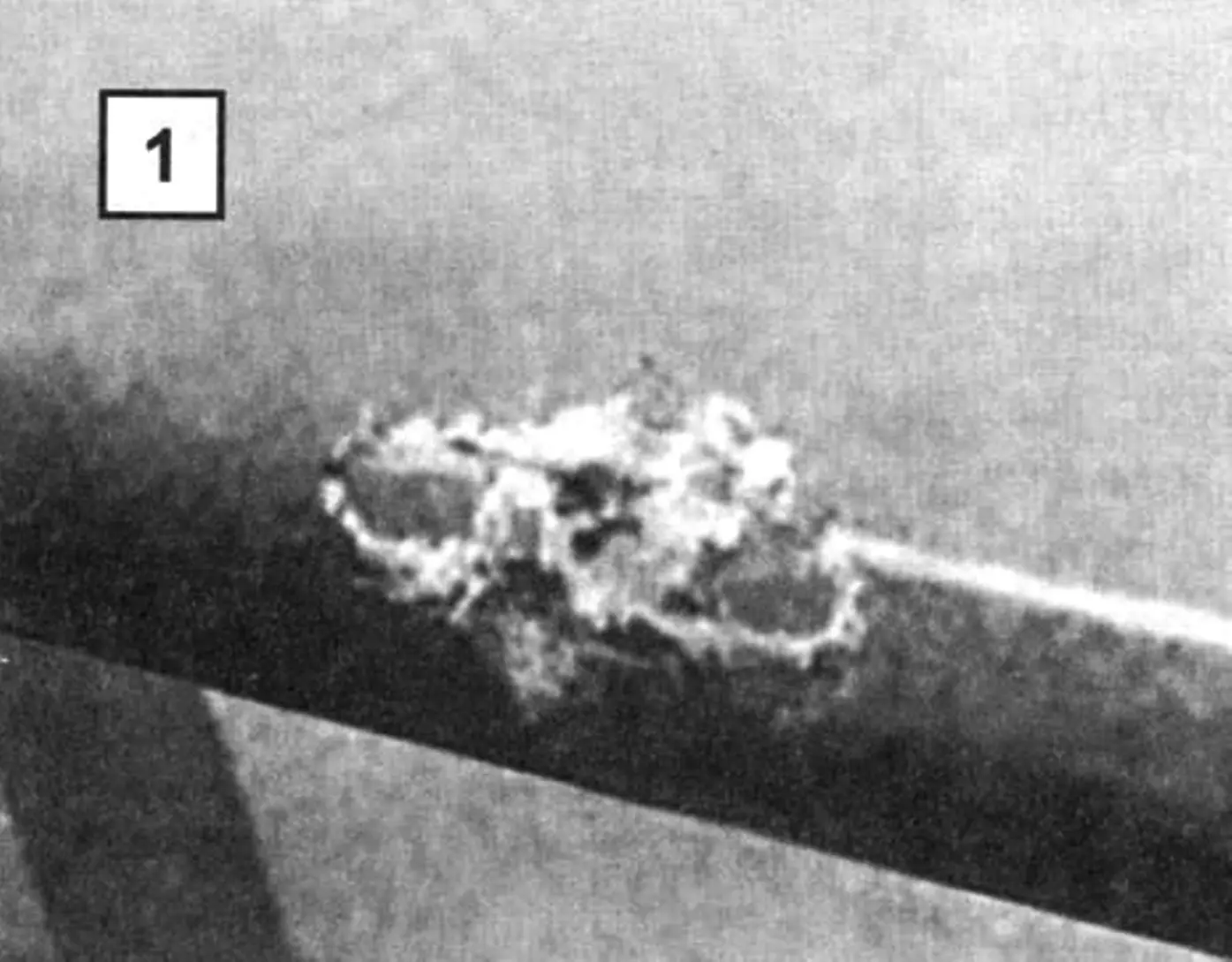
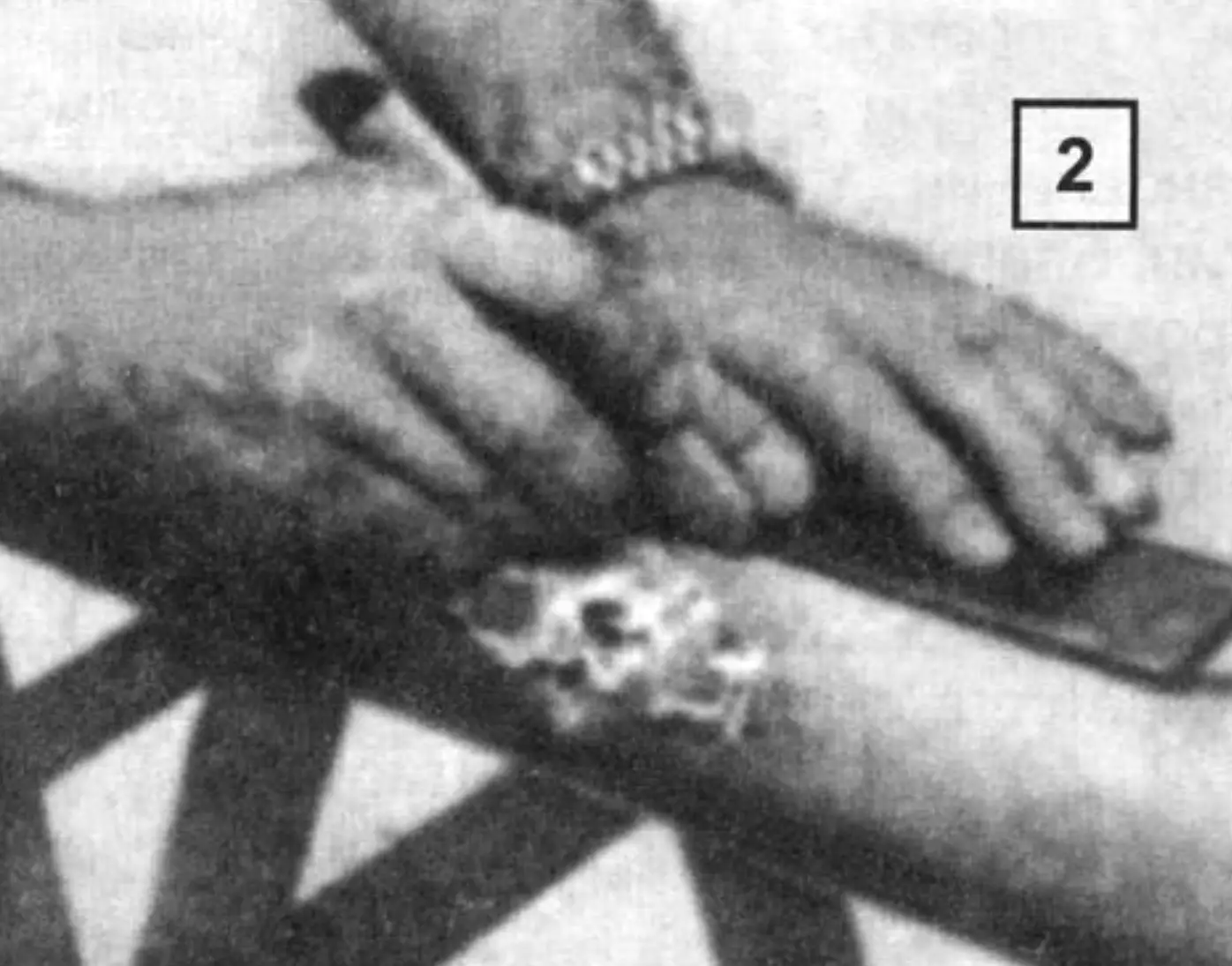
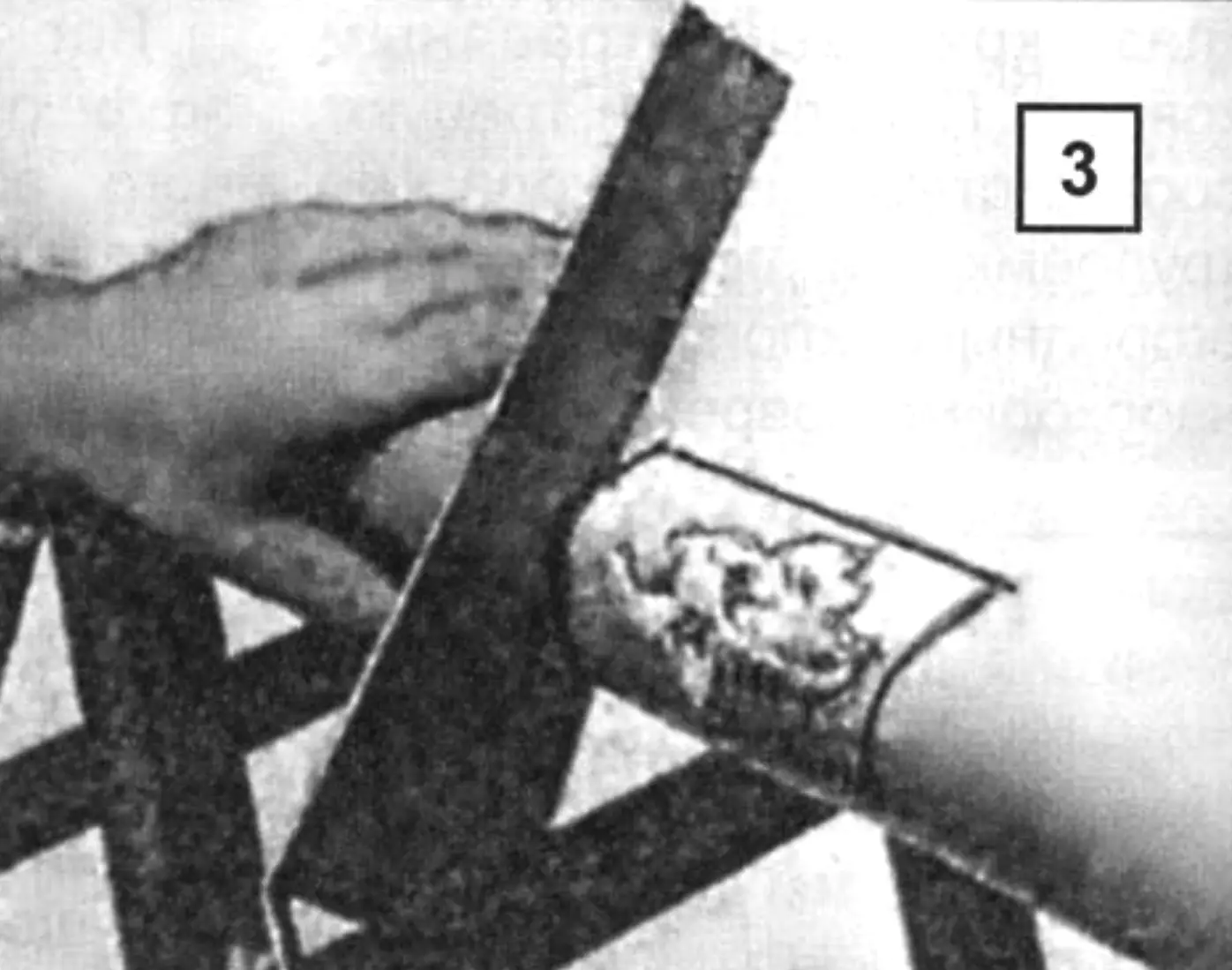
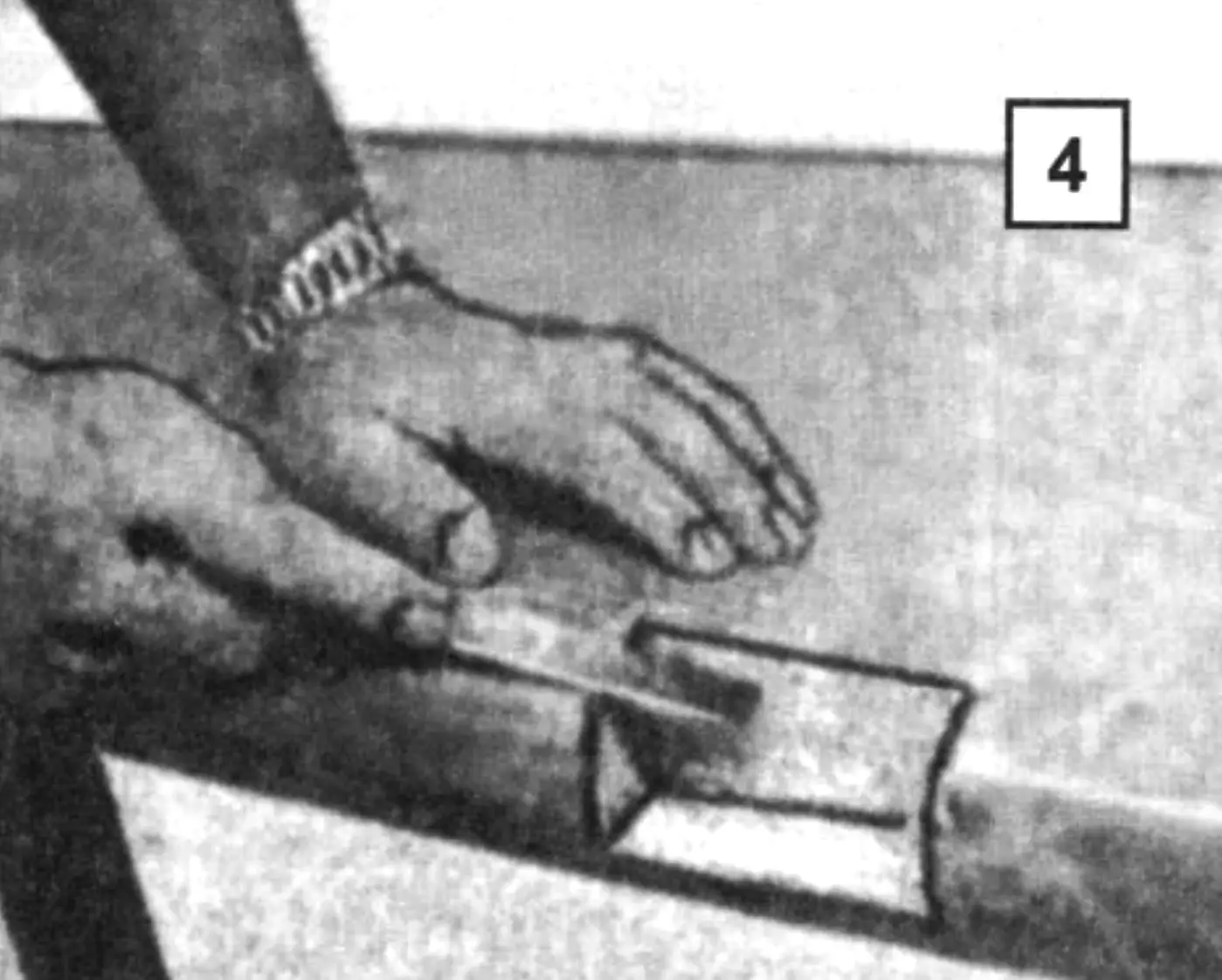
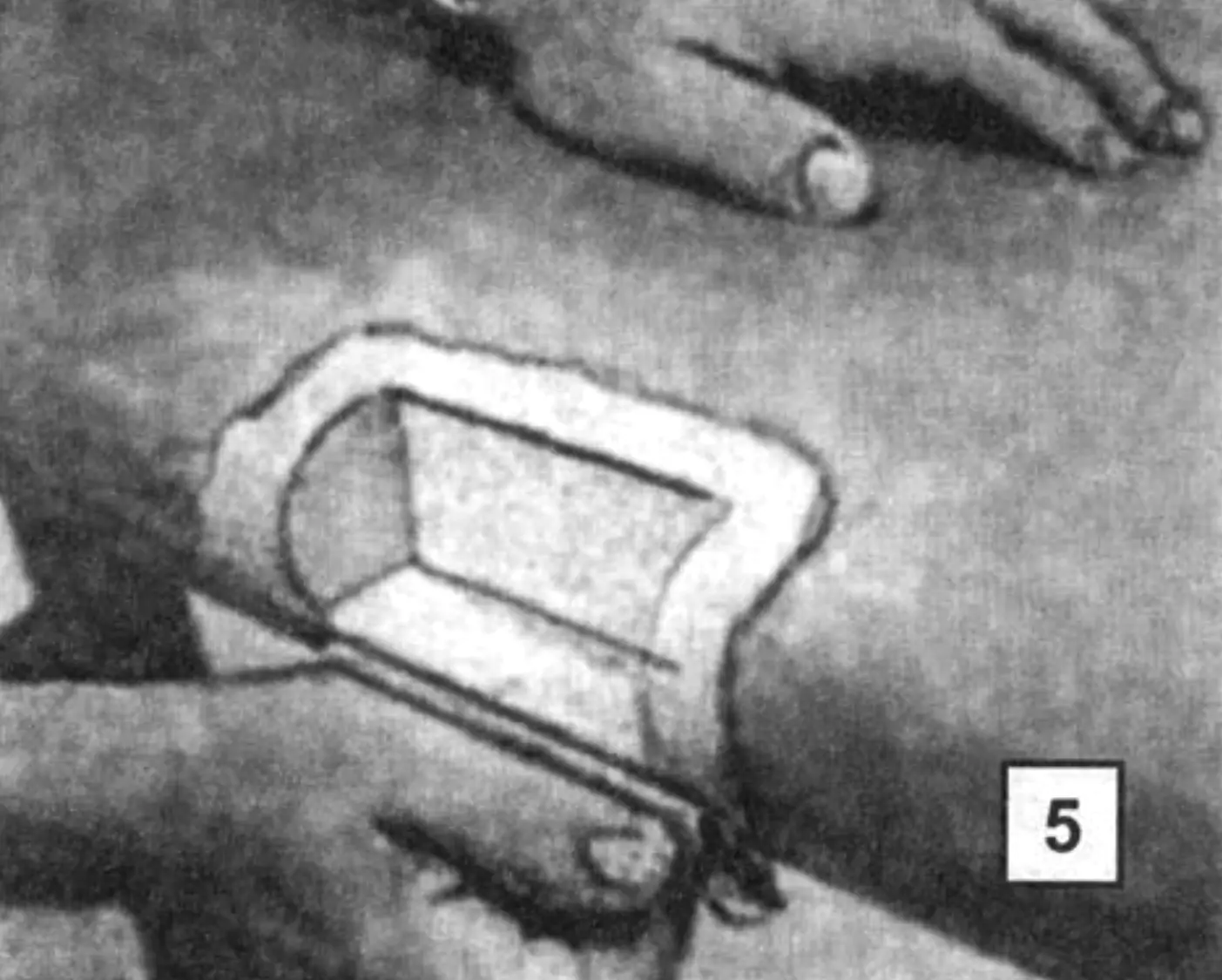
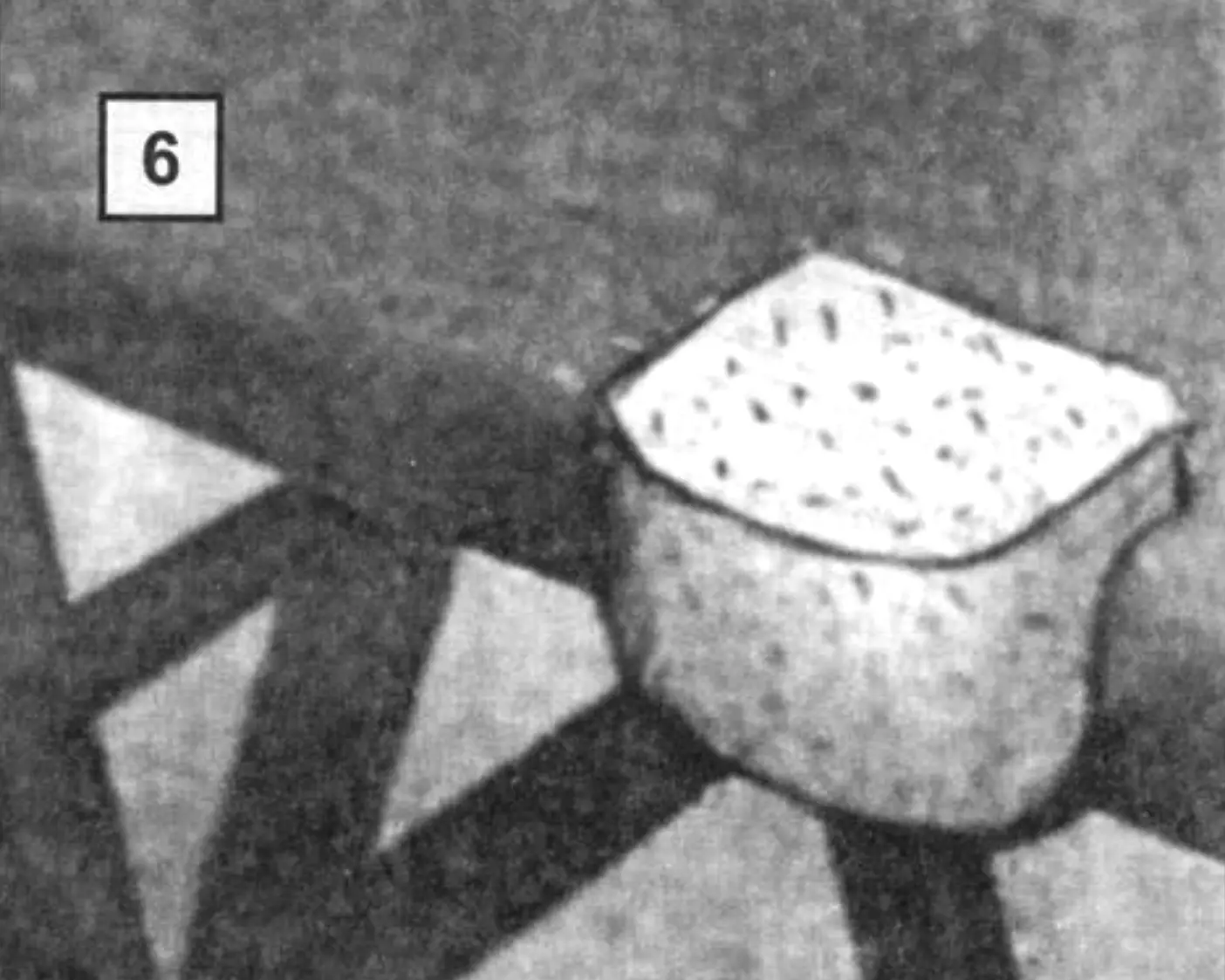
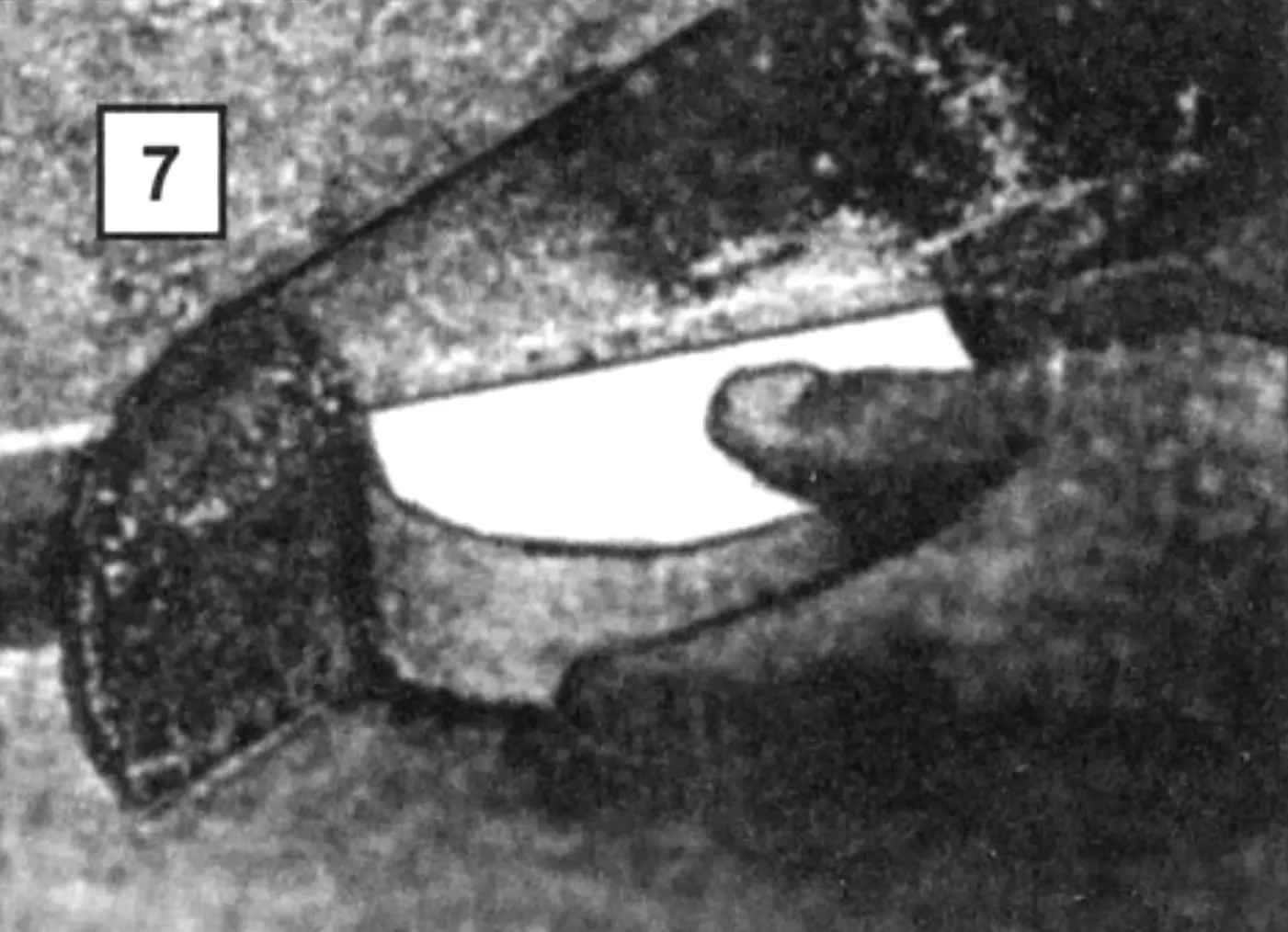
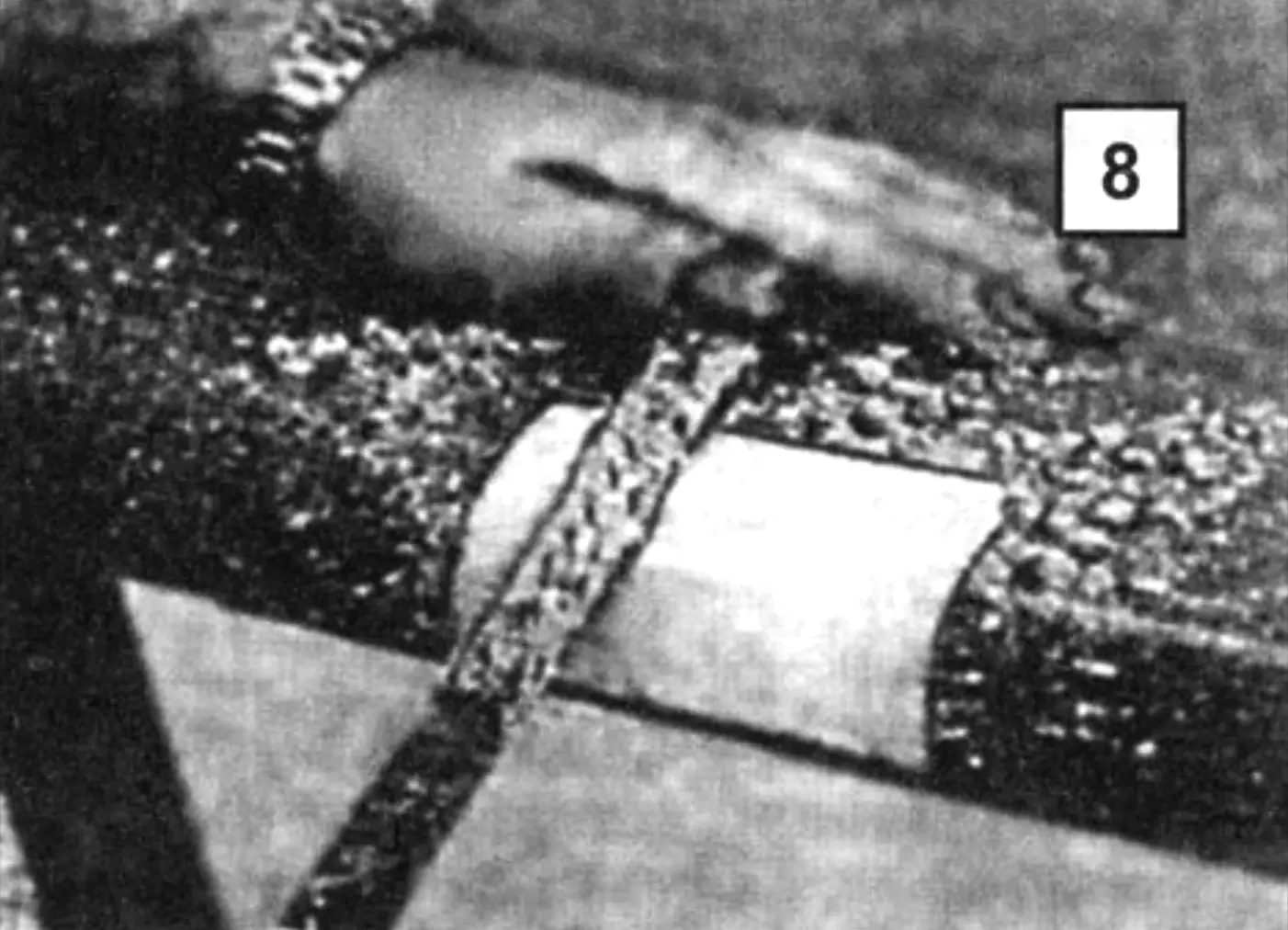
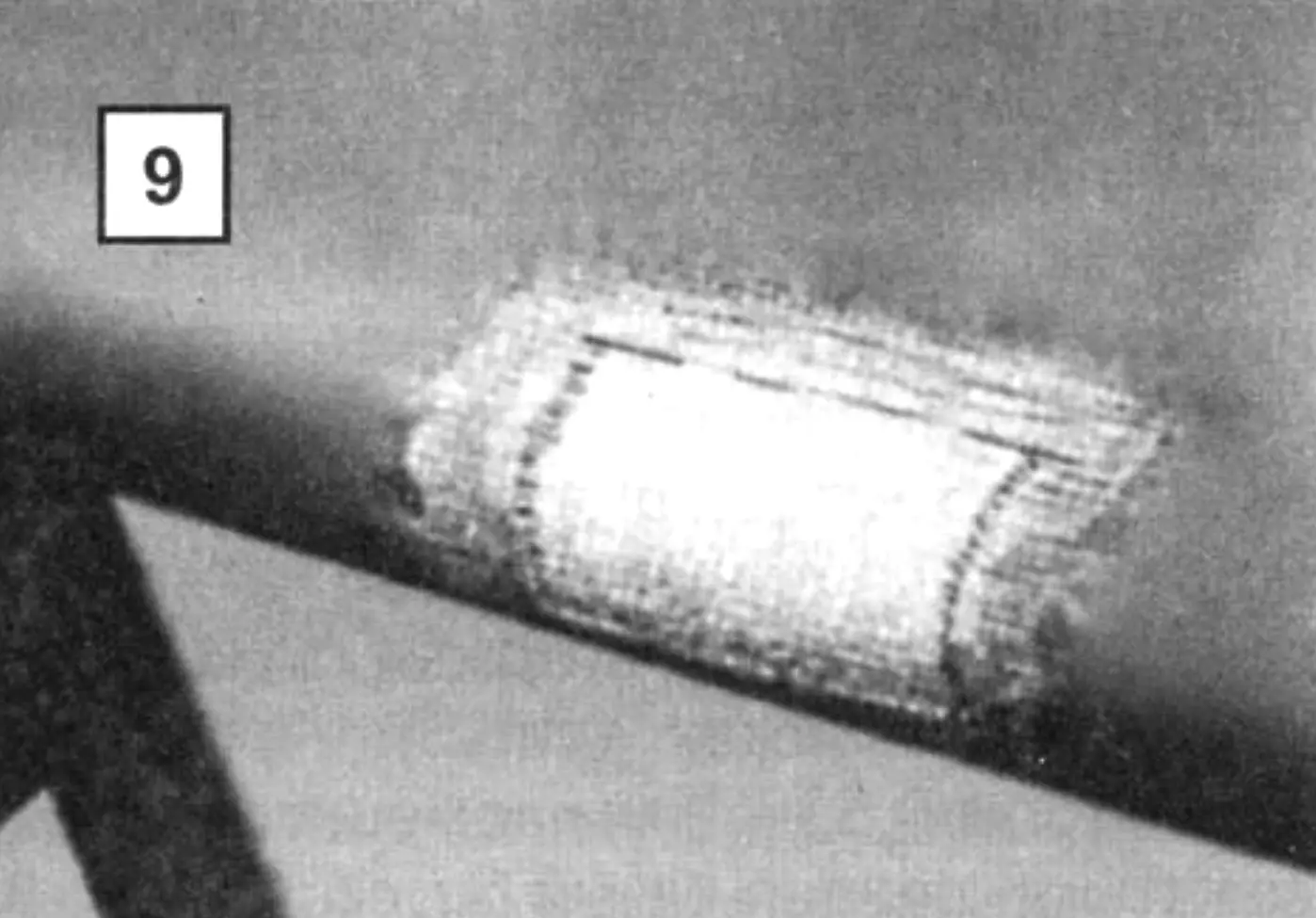
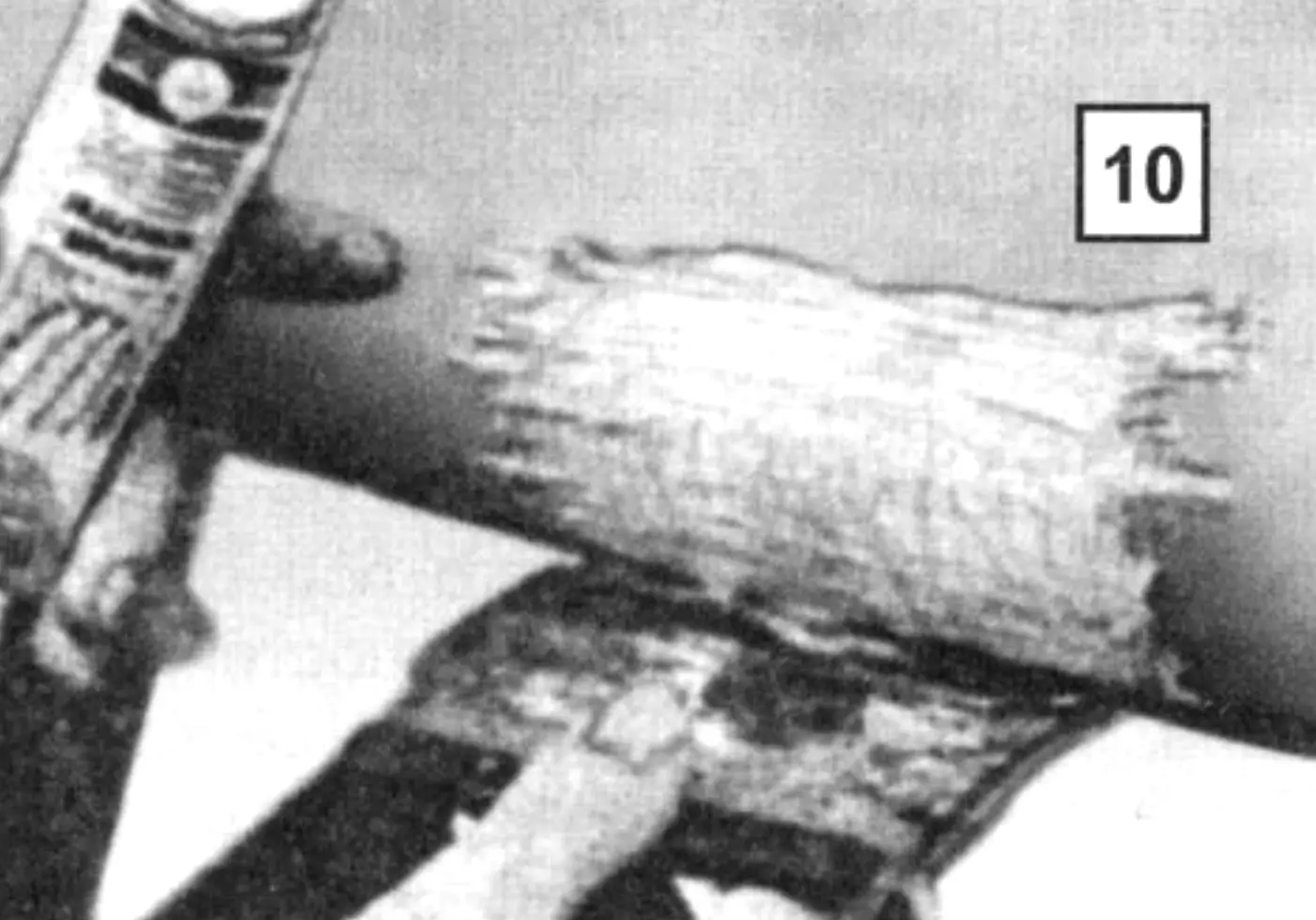
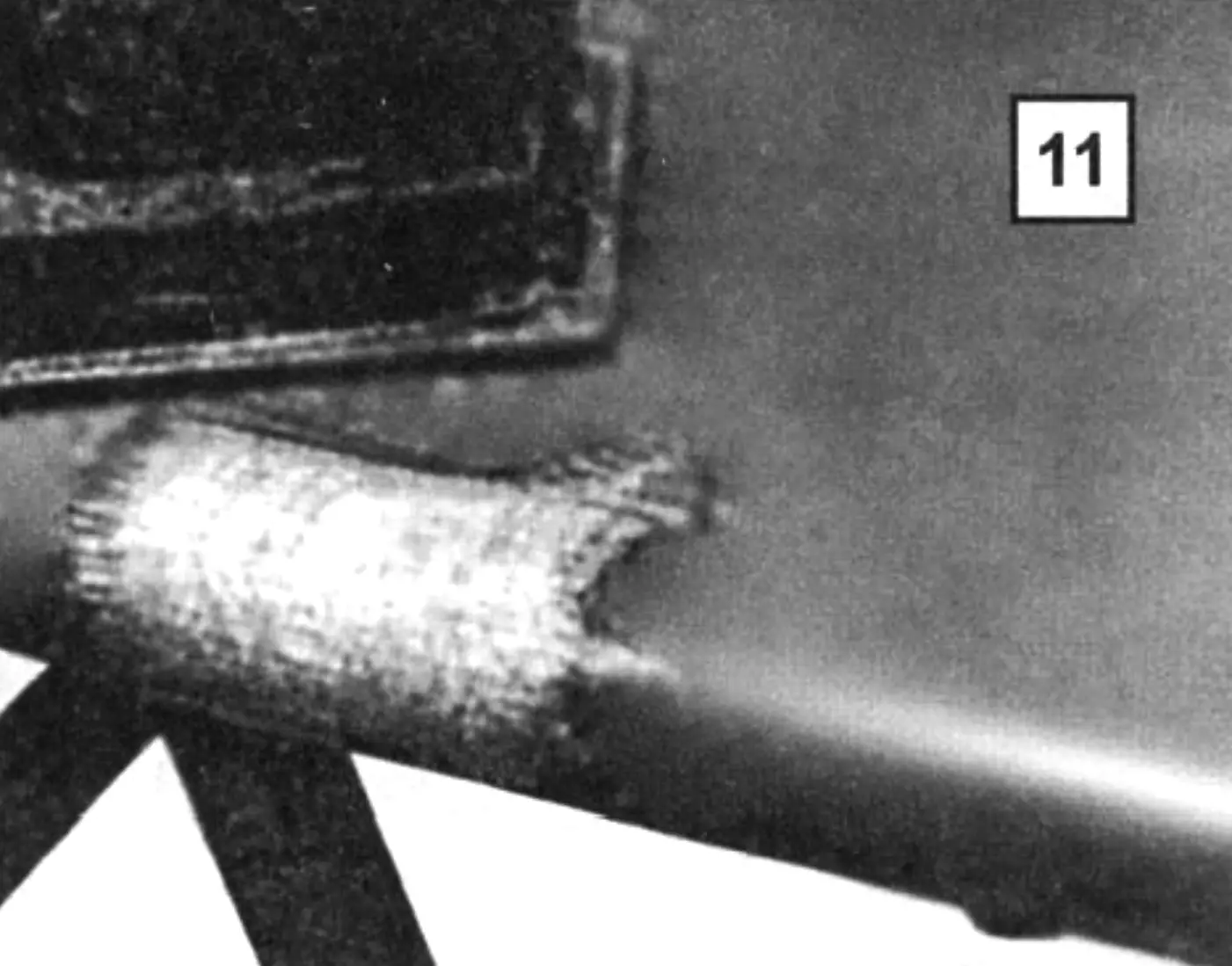
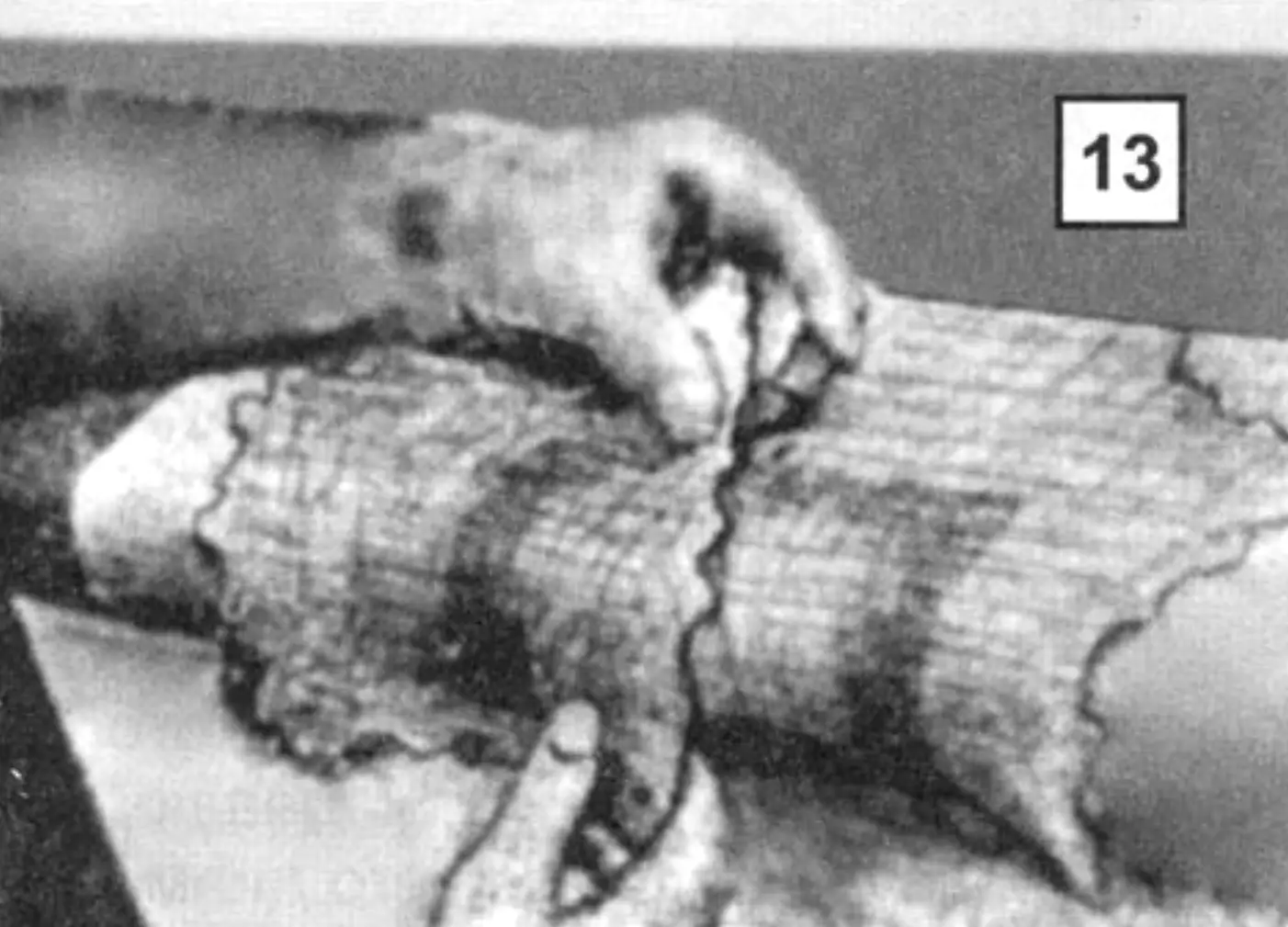
So, as a result of an accidental impact, the hull received damage (1). First, with a ruler and pencil or marker, you need to clearly outline the “hole” area (2). Then carefully cut it out with a fine-tooth saw (3). After removing the hole area, this place is carefully cleaned with a chisel, and the edges — with a file and sandpaper (4, 5). Then a suitable block of dense foam is glued in (PVA) (6), and the excess part is cut off with the same fine-tooth saw (7). Now a rasp or file with a coarse cut comes into play: with their help, the glue-in is given a configuration (8) that exactly repeats the areas adjacent to the glue-in. Then a “patch” is applied to this place — building mesh (serpyanka) or simply gauze is glued on (9). It will hold well the putty applied to it (10), which is allowed to dry thoroughly and is carefully sanded with sandpaper glued to a wooden board or block (11).
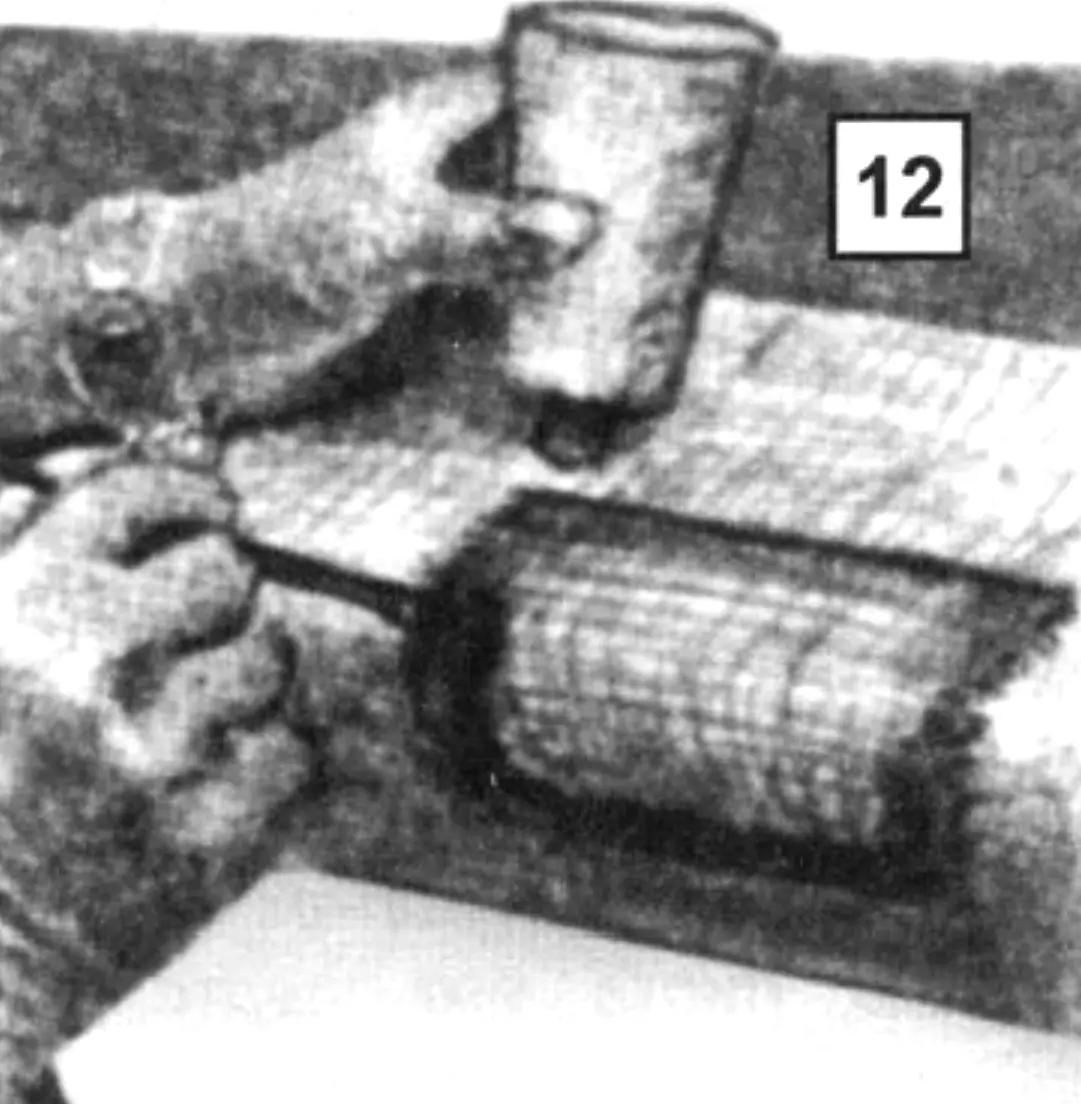
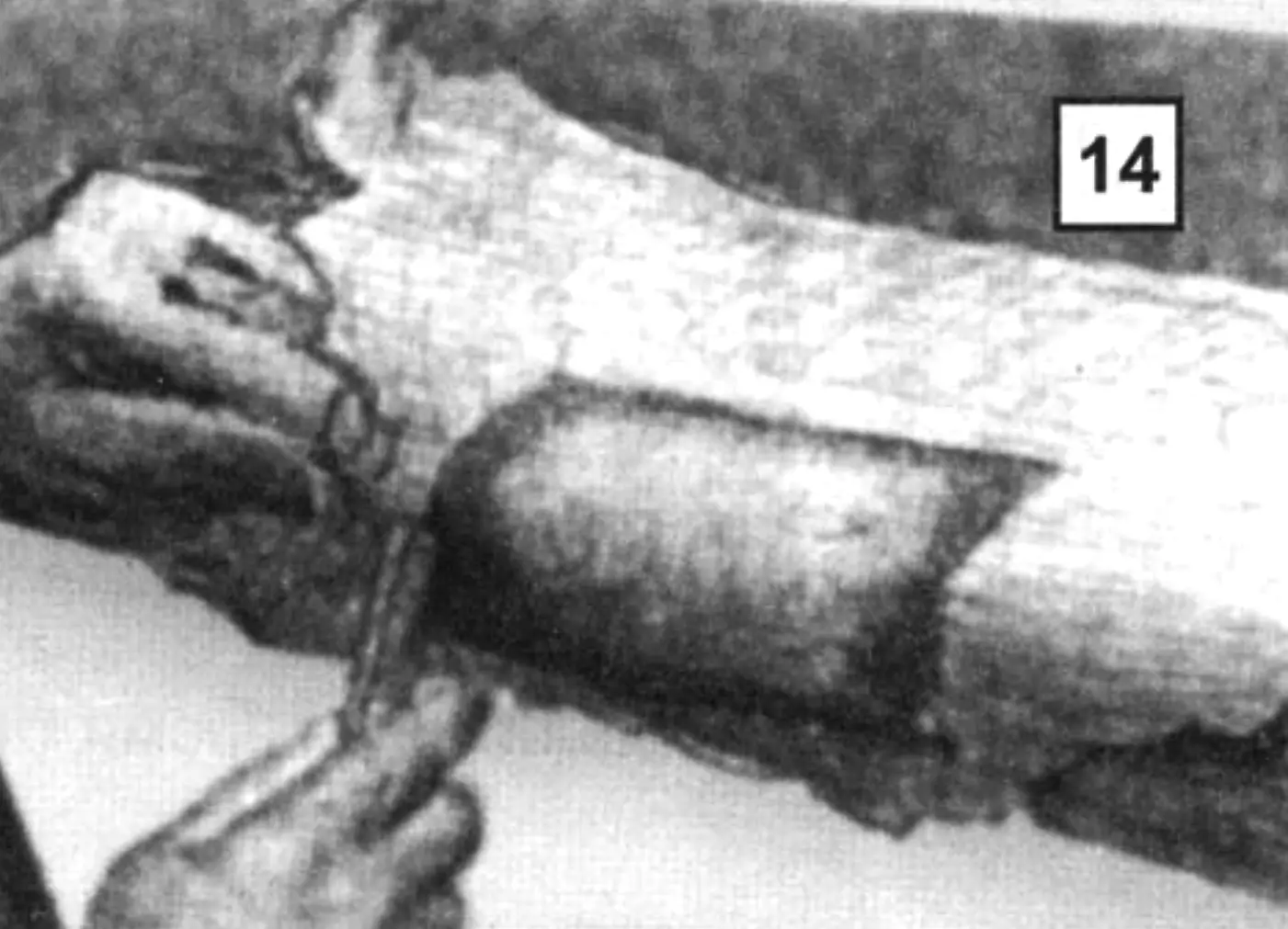
The final operations follow. Another piece of gauze is glued onto the patched area, glue is applied over it (12), and another layer of gauze on top (13). After the multilayer patch has dried, the excess gauze is carefully trimmed off (14) and this place is finally sanded.
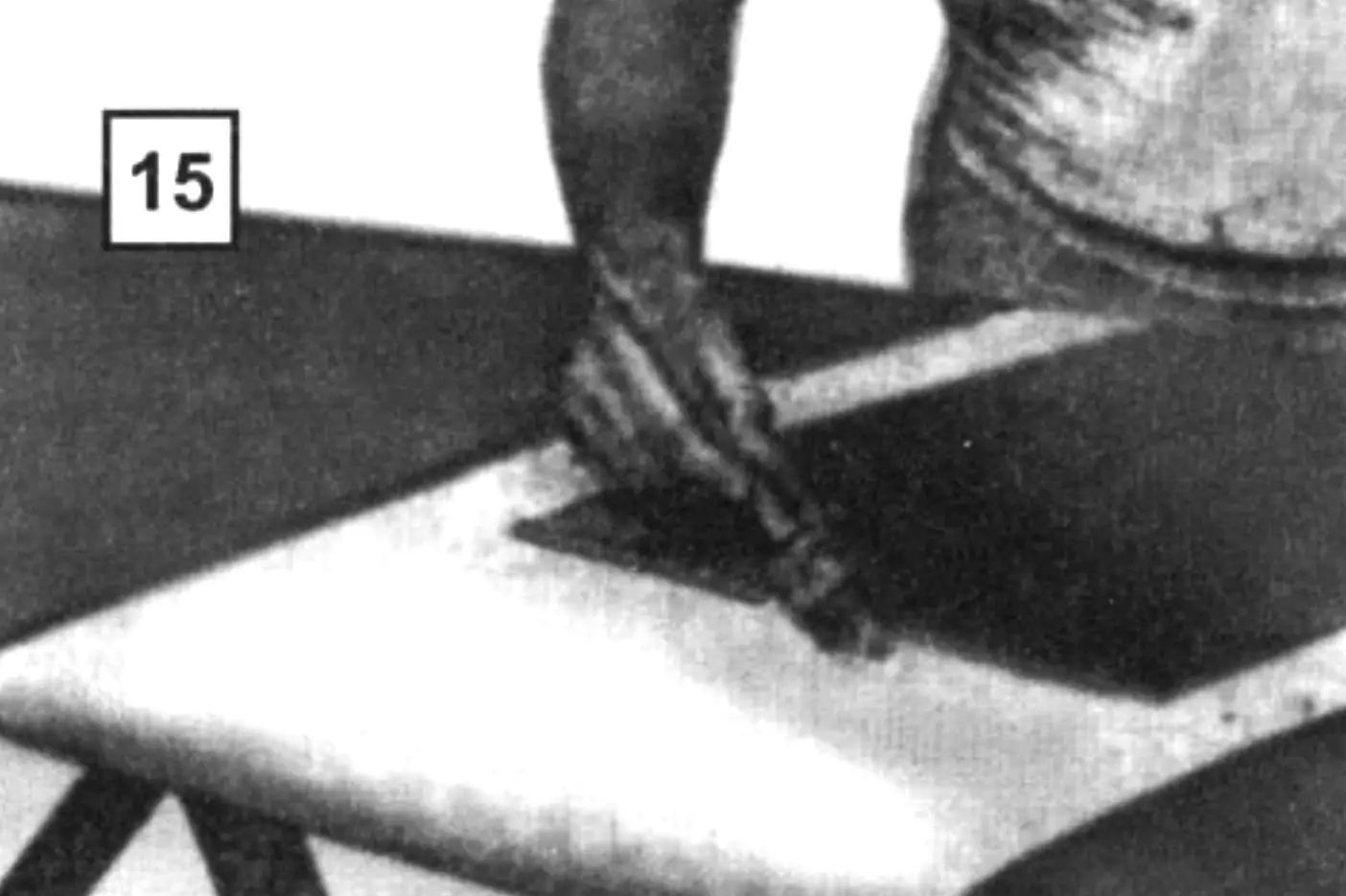
Thus, the damaged area of the hull is restored — you can paint this place with waterproof paint or varnish (15), applying two brush coats with intermediate and final drying.
Modelist-Konstruktor No. 6’2011, B. VLADIMIROV
Recommend to read
 LACE HOUSE
The decoration of houses, carved wooden items — the traditional folk decorative arts — widespread in our country. Remember how much joy the eye gives light and elegant, beautiful trim... SHEATH ALL THE KNIVES
Kitchen wall hangers allow you to place them in limbo the many auxiliary devices — from the ladle to tolkushkoy, which, of course, very convenient: all in the mind, everything is at...
