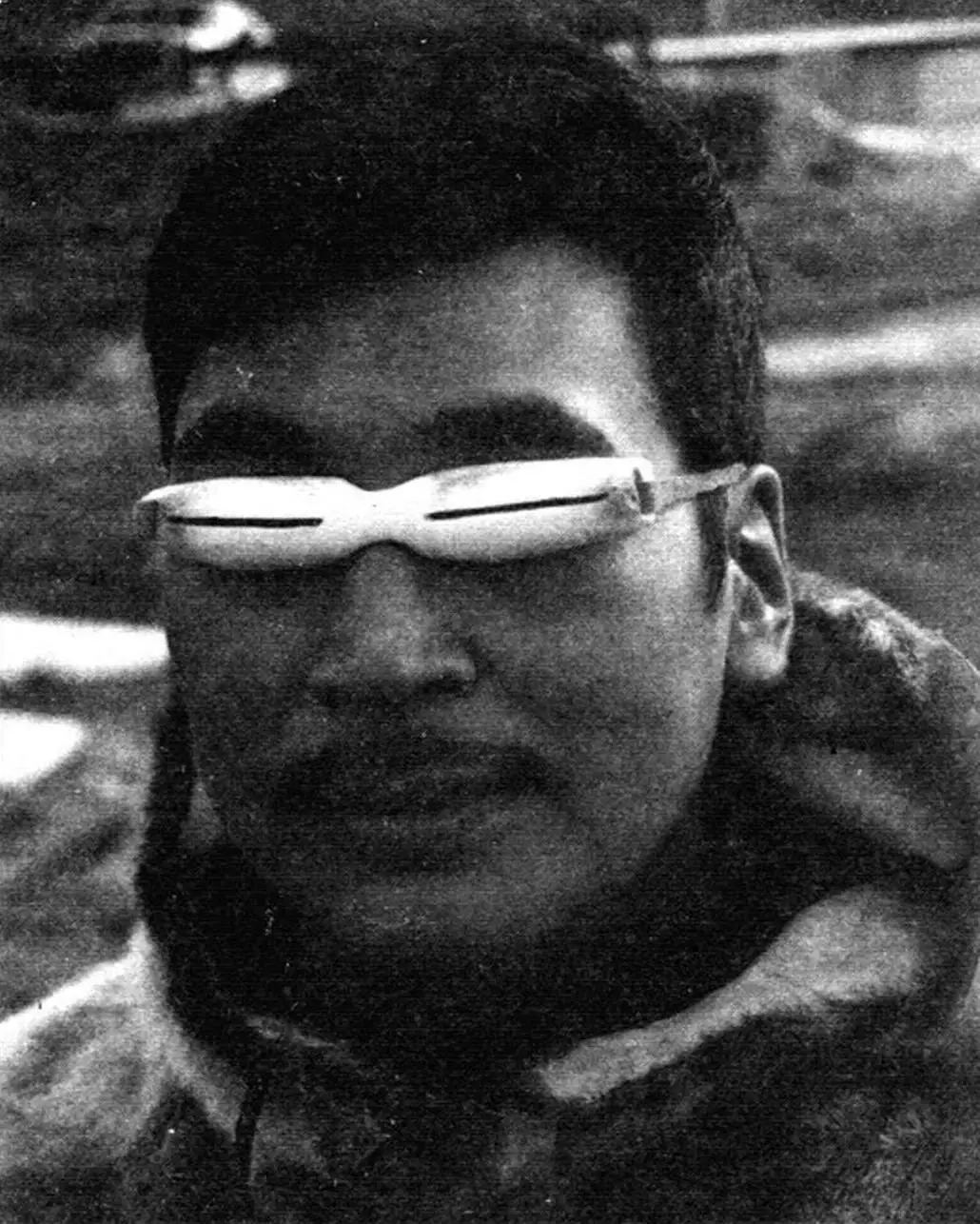
While choosing equipment for snowboarding, I came across an article on the internet about Eskimos. More precisely, about how representatives of this people of the far north protected their eyes from sunburn. This problem is known to winter sports enthusiasts – skiers, snowkiters, mountaineers, snowmobilers – everyone who spends a long time on white snow under bright sun. Today, masks with various visor-light filters are used to protect the eyes from “snow blindness”. The Eskimos, however, have long used special glasses with narrow slits that limit the light flux for this purpose. Put on such “pince-nez” and it’s as if you squinted.
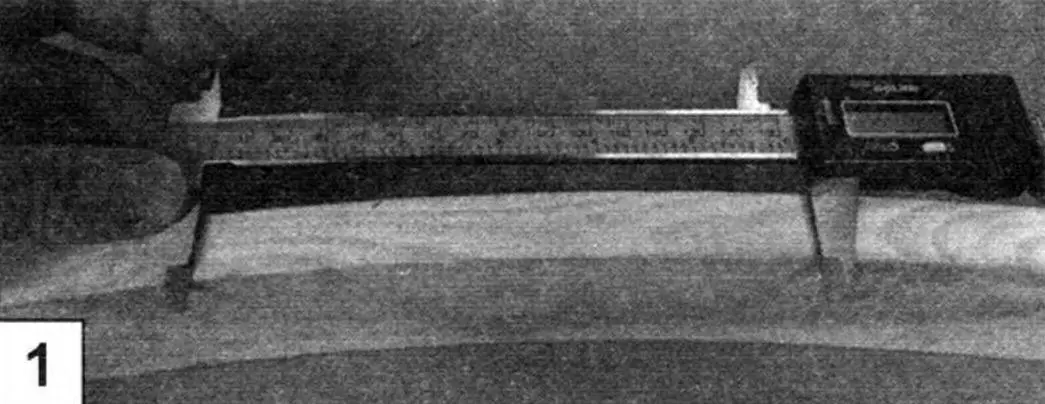
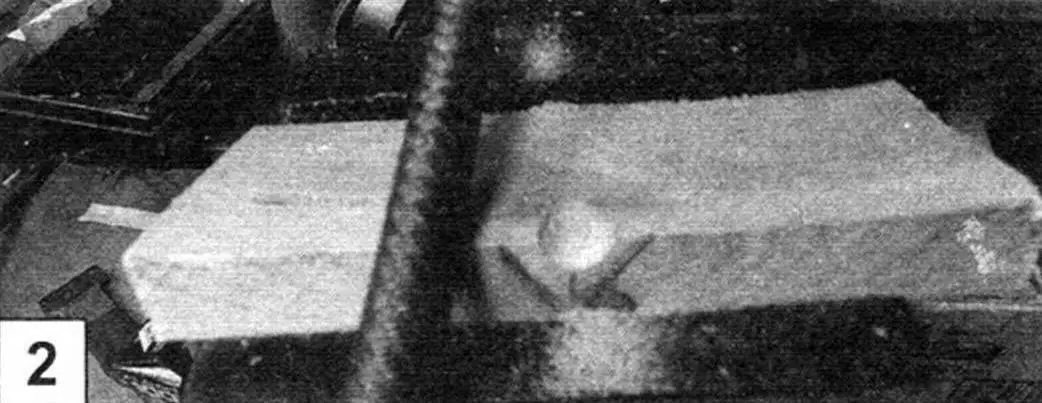
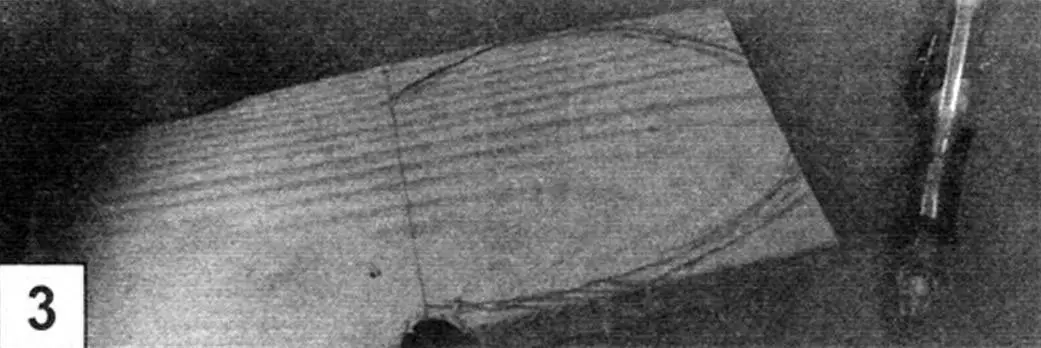
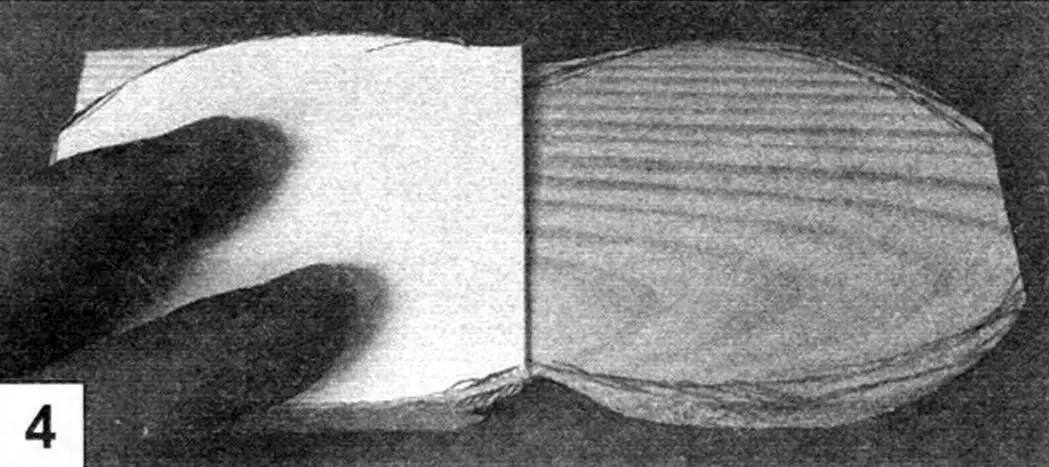
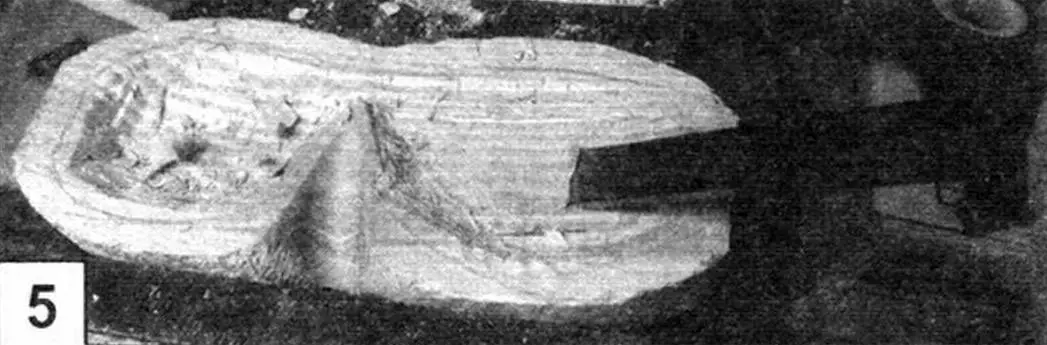
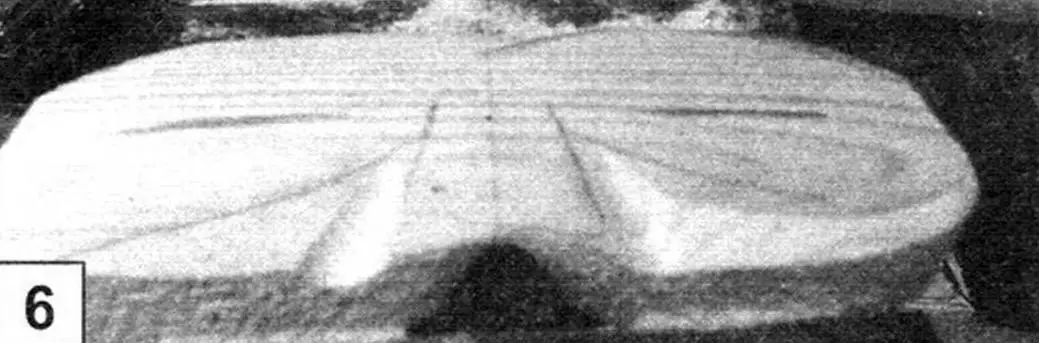
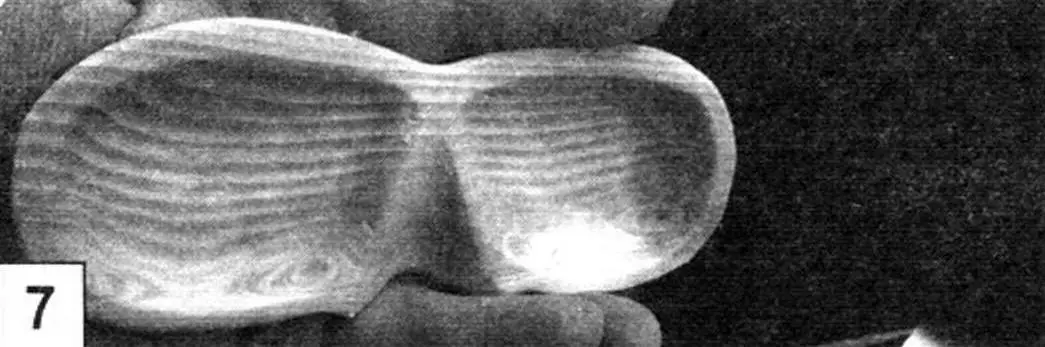
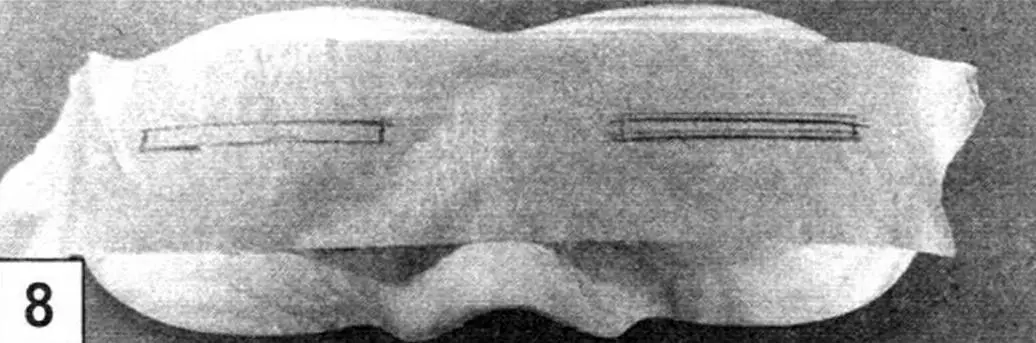
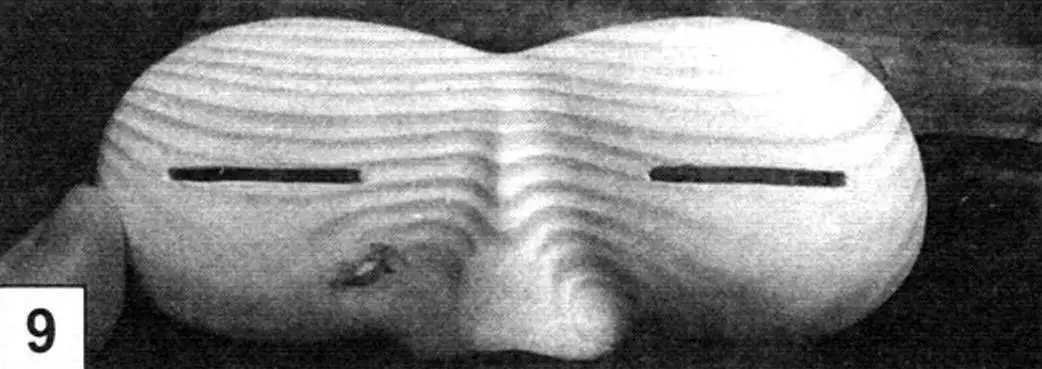
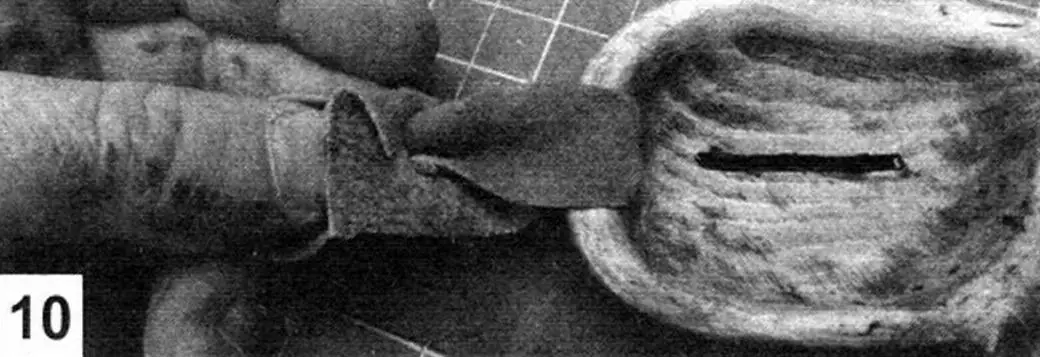
The Eskimos made sunglasses from bone or leather strips. I decided to make them from wood. They are functional, but for utilitarian use, of course, they are not intended. I just wanted to practice working with hand tools: chisels, gouges, files, etc. Nothing from machine equipment, except for an electric drill, was fundamentally used. It took a whole day to make the craft.
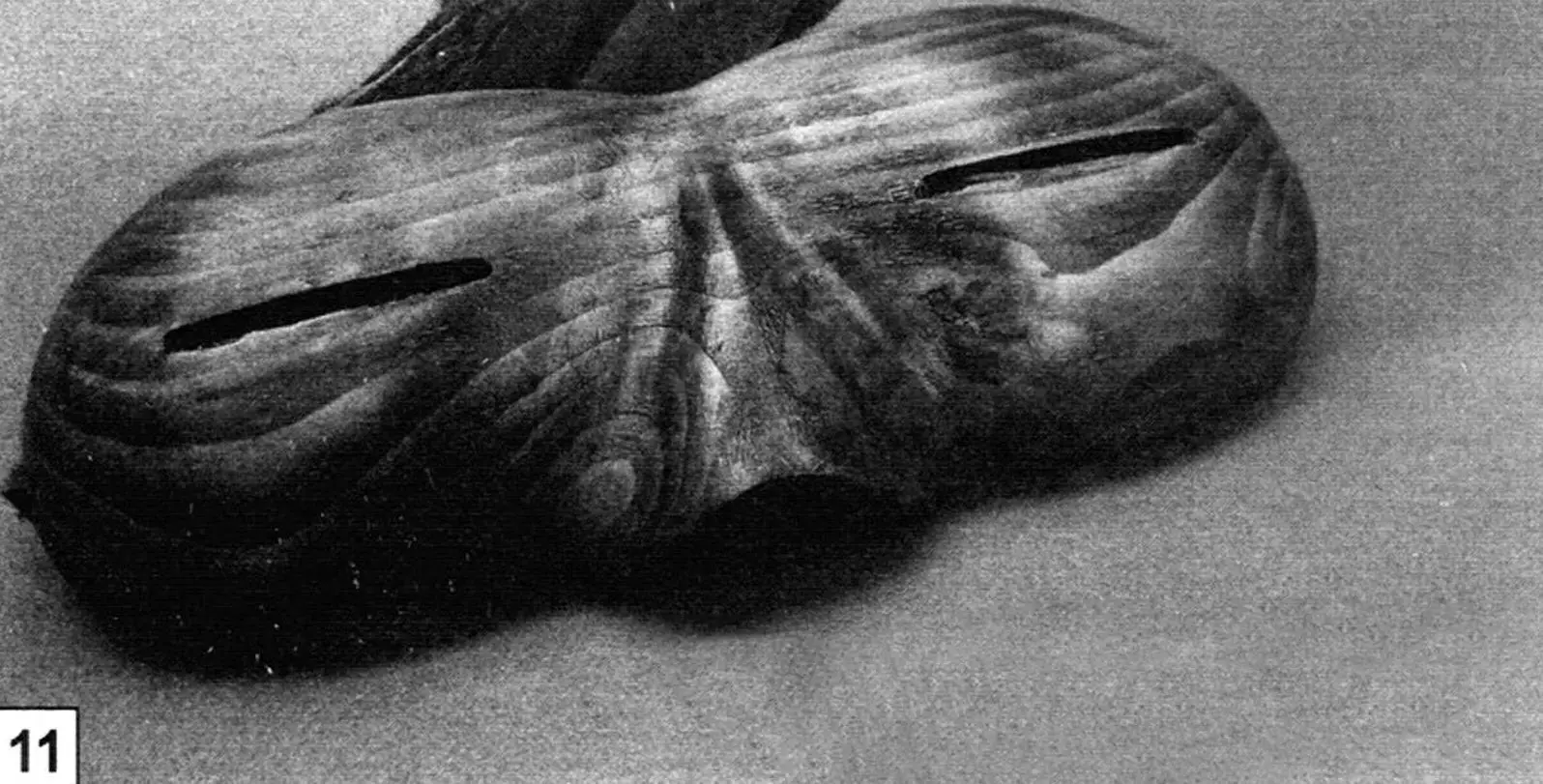
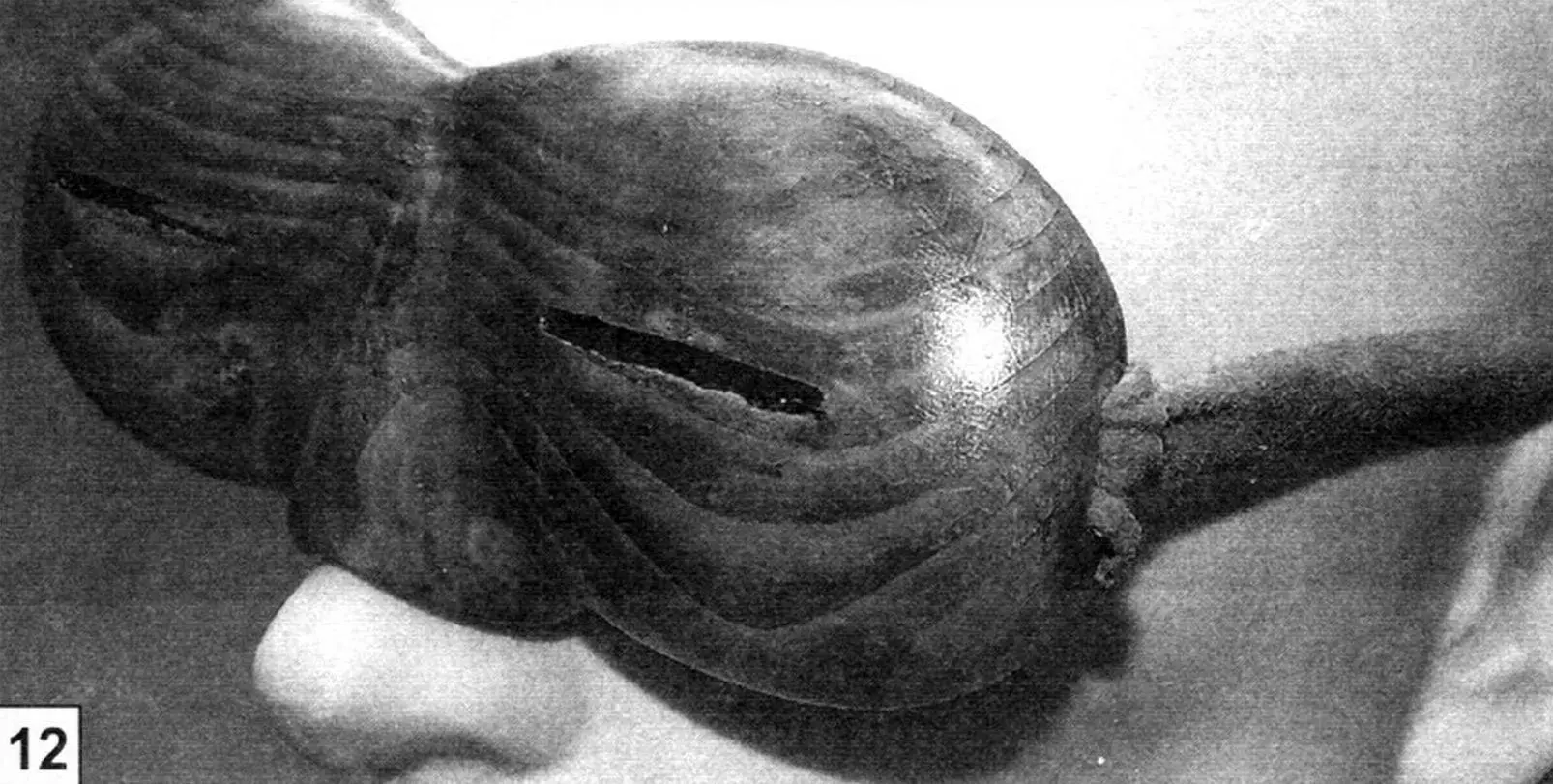
I offer the readers of the magazine a small photo report with explanatory captions.
«Modelist-Konstruktor» No. 4’2025, Denis SAMARIN
Recommend to read
 SHARPENING — SO ON THE MACHINE!
"From work saw burn until white!" — wrote Vladimir Mayakovsky in his poem "Whom to be?" Meanwhile, heat the cutting tool in the first place means that he is dull. In this case, the... “Satellite — Combi”
There was a time when artistic design pursued purely decorative goals. Artists worked only on the form of machines. This explains the presence of a large number of decorative elements in...
