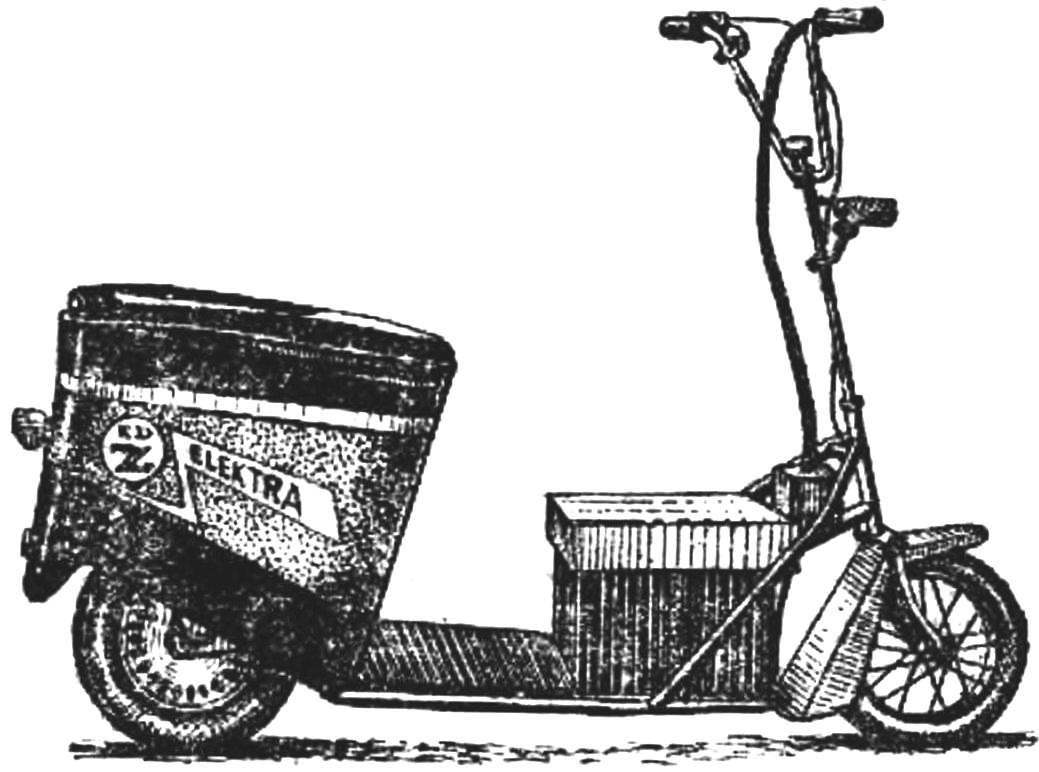
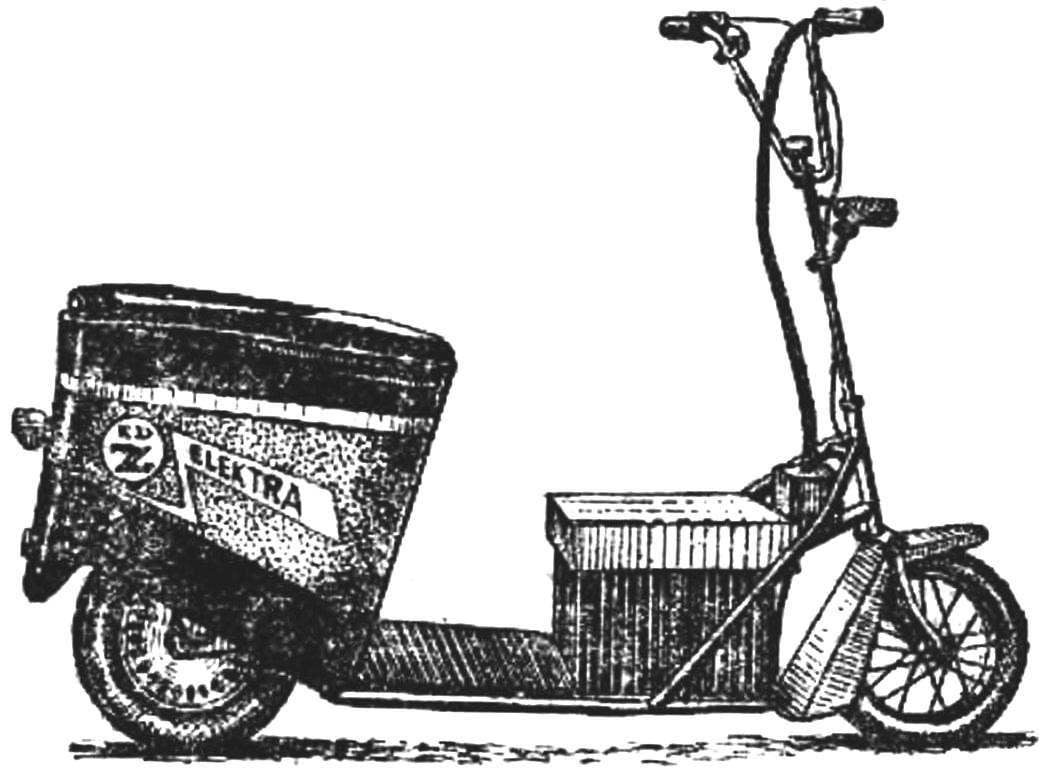
 Autonomous electric vehicle for urban master-lay is born in pain. The searches are in many countries and firms, and individual enthusiasts, yet Balk at the same impasse: power, drive. Design created by analogy with the used in production areas, being “dragged” on the streets, reminiscent of a fish out of water — they also “choke” from lack of electricity, the power required speed. Because the developers have to deal with existing types of batteries, the energy intensity which does not allow to use electric motors, similar in power to the internal combustion engines. Hence, not the same acceleration and ground speed, and the range obtained is very far from desirable.
Read more


 In the case when you need wooden circle perfect quality to produce such, without special tools is difficult. Here will not rescue the diligent filing of the workpiece in the usual hacksaw; and even the use of a jigsaw will not be able to guarantee the desired purity of the edge of the disc: his brush with all the ability to “cut” roughly. To get out of a difficult situation will help original device recommended by the Hungarian magazine “Earmaster” self-made from scrap materials.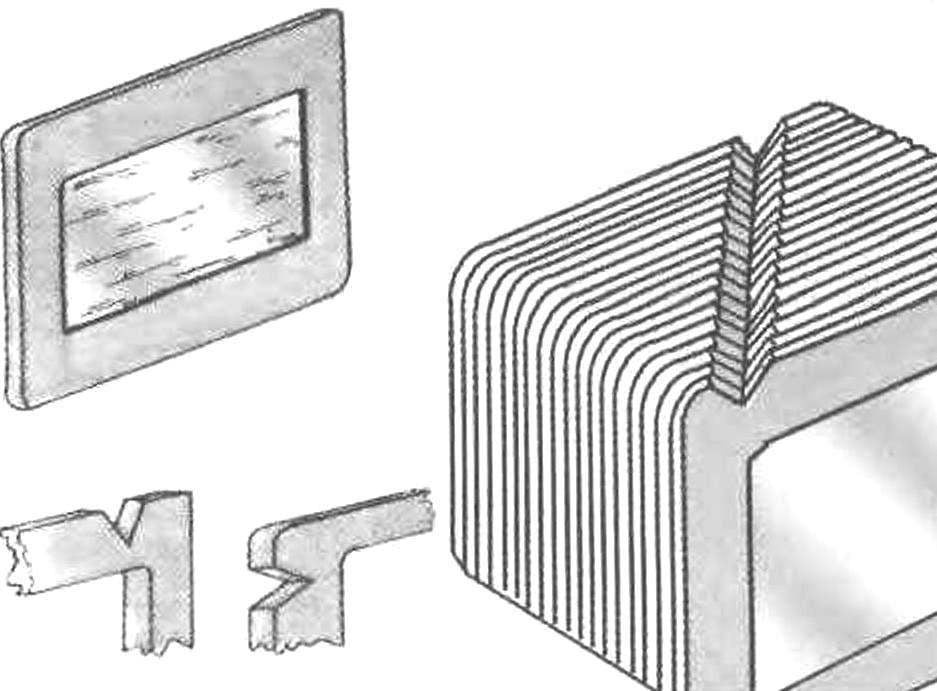
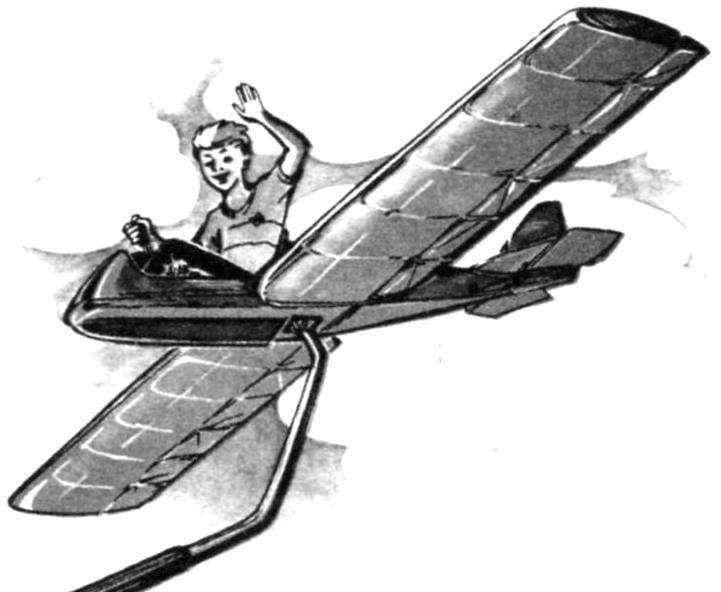
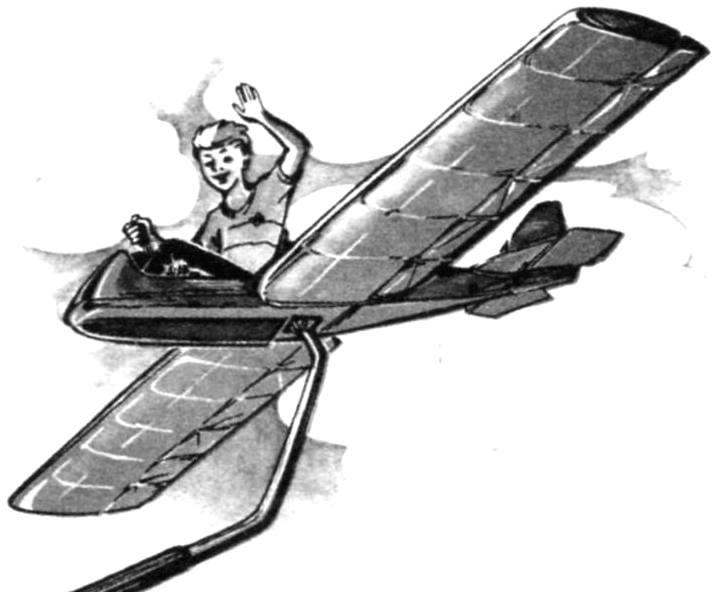 …Control knob soft is selected, the glider can easily lift the nose off the ground and shoots up. There, on a five-meter altitude, where popiskivaet on planes fresh wind, we are now going to demonstrate what they have learned to parry the roll of the glider, deviation from course, it’s a “press” machine to the ground, find the optimal angle kupirovaniya, which is necessary for a proper take-off… everything in this free flight! Meanwhile, our glider… can’t fly. Installed it on the building, resembling a well sweep. And is, in fact, the layout. To make such a trainer in the club or at the station of young technicians is not so difficult. It will allow children, dreaming of the sky, to practice a lot of exercises necessary for mastering flying skills.
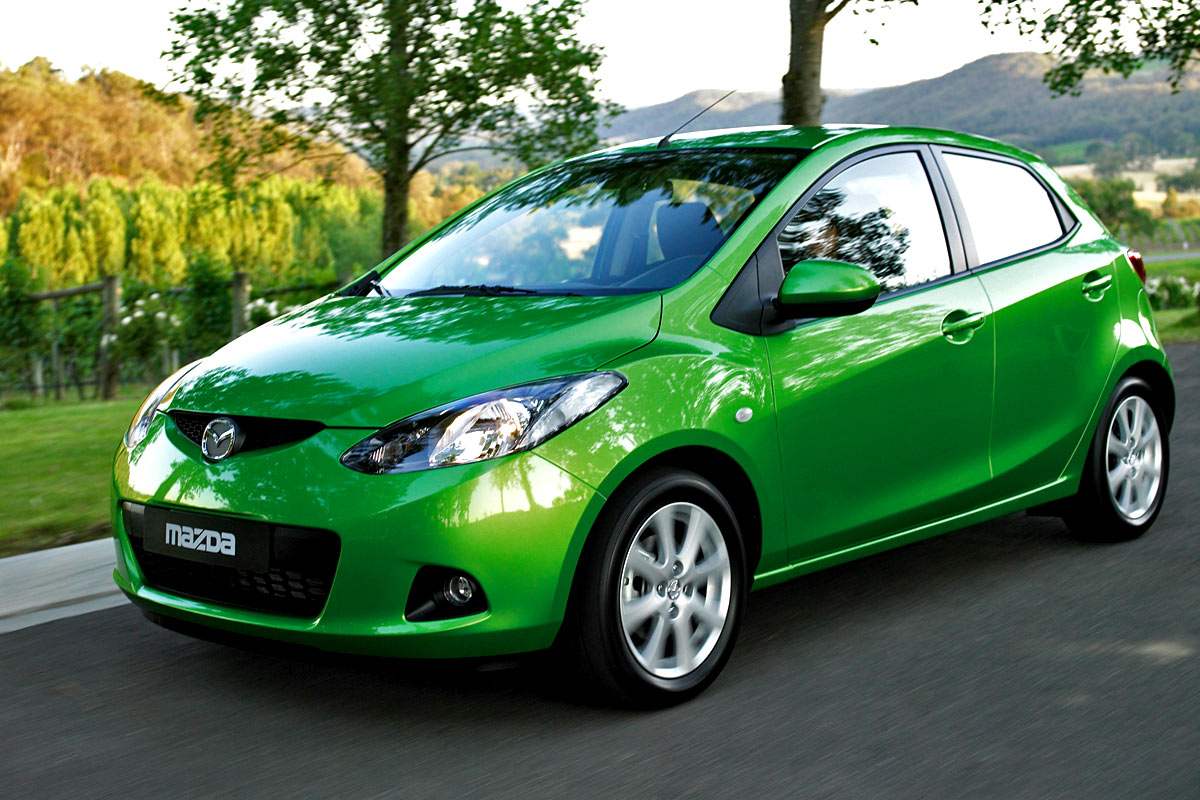 The creation of the Japanese car firm MAZDA (previously it was called Toyo Cork Cogyo) started in 1960 by running a series made popular minicar R-360. Today as popular Mazda2 is a compact front wheel drive model size class. It is enough to remember 2008, the year when the Russian buyers not only choose an appropriate quota of 2 thousand cars, and together joined in a five-month long queue to buy these cars.
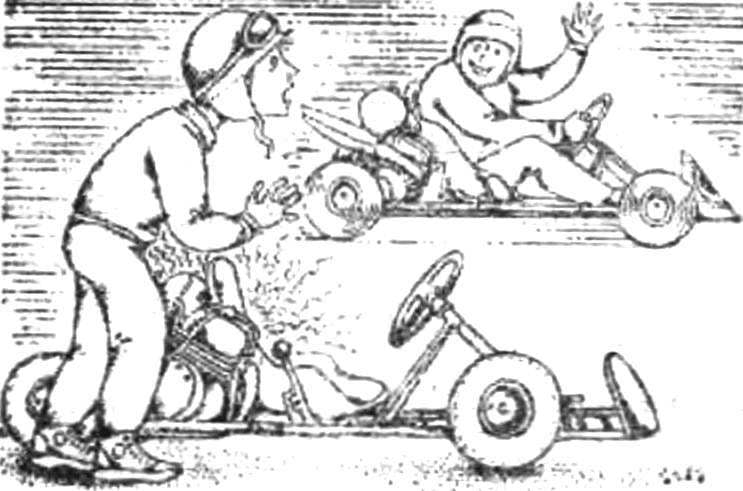
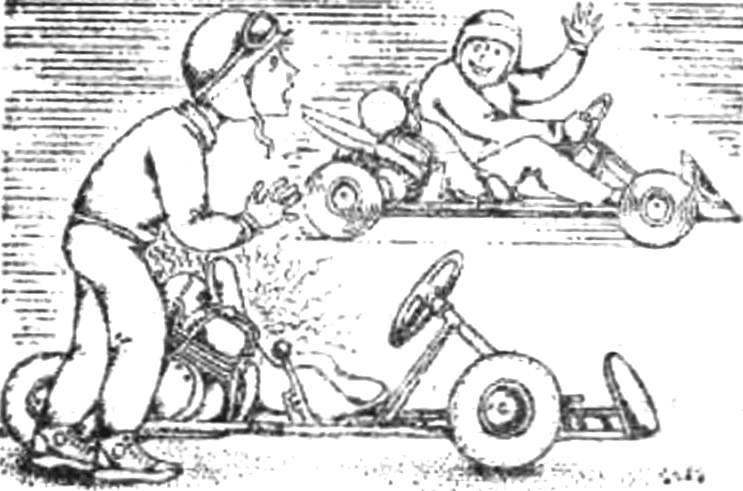 In such technical sports, such as motorcycle, automotive, karting, and beginner athlete and the more experienced master in competition or in training often have to drop out of the race due to technical defect of the engine, in particular breakage of the crank mechanism.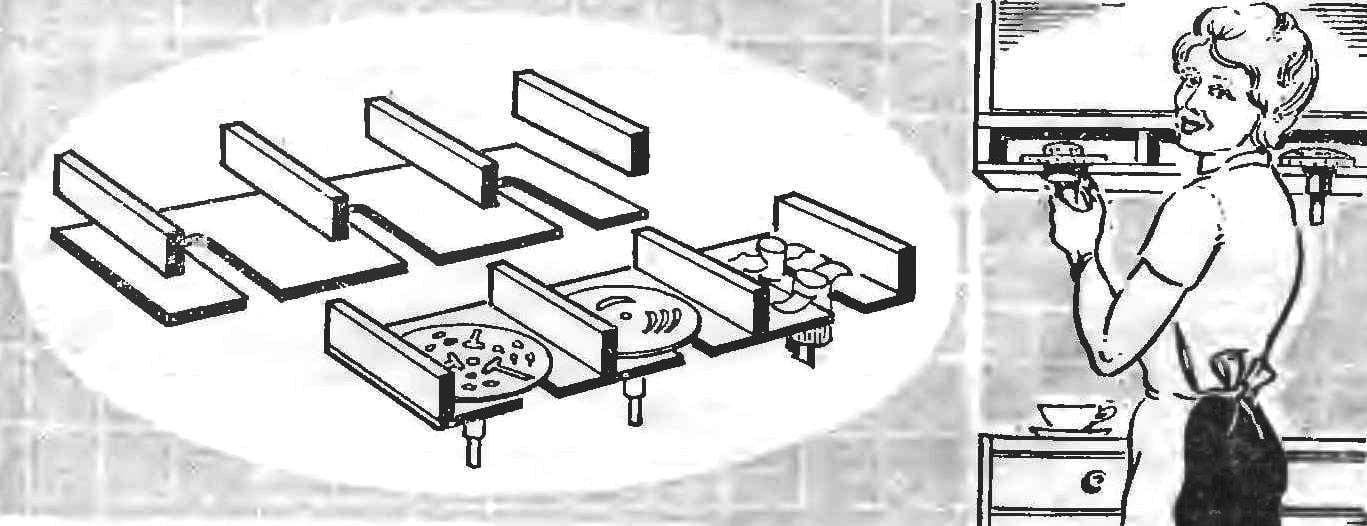


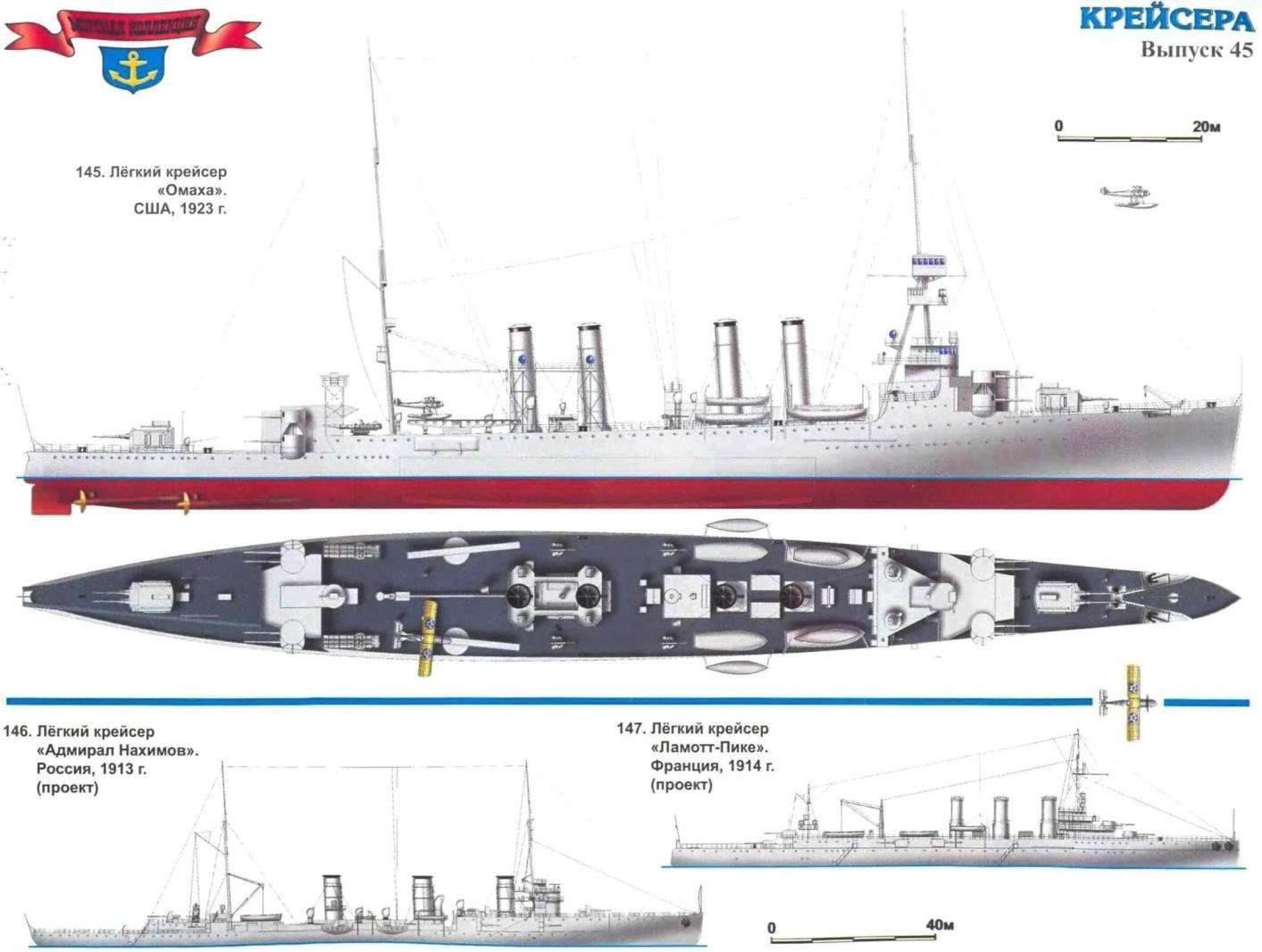 We have already talked about several episodes of the British cruisers, latecomers to participate in fighting the Great (First world) war. But the “mistress of the seas” and are not left alone. The others made where large and absurd mistakes, remained throughout the five years of war entirely without much-needed combat units, which are then rebuilt “into the void”, or even never born.