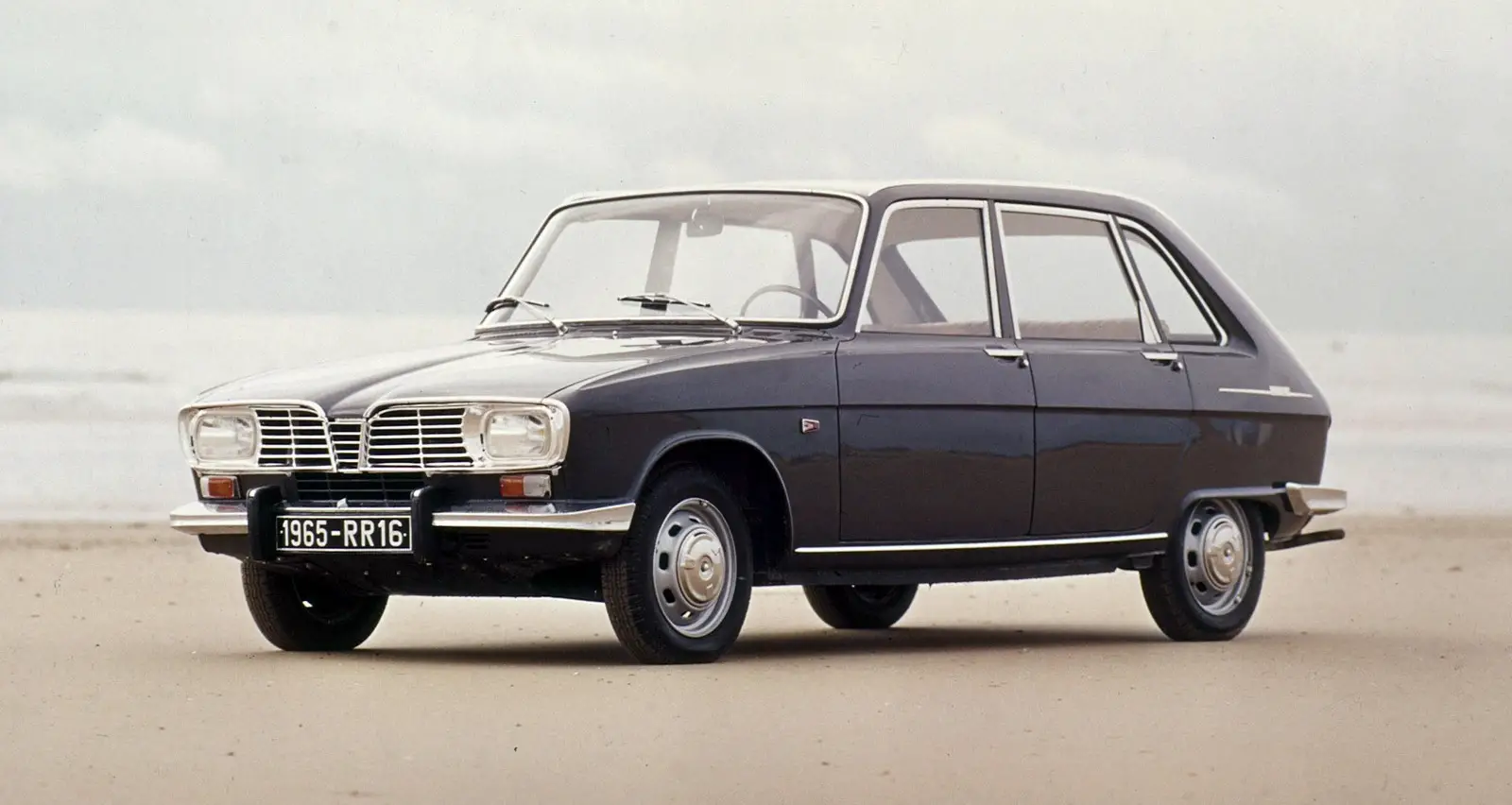
Sixty years ago, one of the most remarkable and progressive cars appeared — the Renault 16. It was produced for 15 years without major changes to its appearance and had a substantial influence on vehicle design in many countries, including the USSR.
The Renault 16 entered history as the world’s first hatchback. That is not entirely accurate, however, because as early as 1958 Britain launched series production of the three-door Austin A40 Countryman with this body type; but it was a little-known compact car sold in only a few countries. And the term “hatchback” itself had not yet entered common use. The French positioned the newcomer as a car combining the prestige of a sedan with the practicality of a station wagon; the export American version was even called the Renault 16 Sedan-Wagon.
In the late 1950s France adopted a state program for industrial development. The government partially subsidized the construction of plants, but only in regions that previously had no automobile production. Under this program Renault began building a plant in Sandouville (Normandy). As is well known, a production line reaches its highest efficiency at an annual output of 180–200 thousand cars, but to reach that volume one needs a competitive model. Strong demand for it must last at least 7–10 years, both at home and abroad. In those years Renault was a state company, and funds for its development were not spared, so the design of the prospective car was entrusted to industrial design master Philippe Charbonneaux.
In the early 1960s Renault had no flagship model of its own design and had to sell a lightly restyled American Rambler Classic Six sedan in its dealerships. The newcomer was expected to replace it. Development of the new car under the code name Project 114 started in 1961. At the initial design stage a classic-layout sedan with a six-cylinder engine was considered. But that same year series production began of the highly successful compact Renault 4 station wagon with front-wheel drive. So the flagship was also made front-wheel-drive; the program for creating it was named Project 1500.
The designer of both the Renault 4 and the 16 was the same man — Yves Georges. The suspension on these cars is identical: independent torsion-bar suspension front and rear. Because of the sequential arrangement of the rear transverse torsion bars, the Renault 16 has unequal wheelbases (2,717 mm on the left side and 2,650 mm on the right). Unlike the smaller model, the Renault 16 was fitted with anti-roll bars. A new aluminum OHV four-cylinder 1.5-liter engine producing 55 hp was installed longitudinally within the wheelbase, with a 4-speed manual gearbox ahead of it. This layout has its pros and cons. Main advantages: ideal weight distribution (empty car 55.9% and 44.1% on the front and rear axles; fully loaded 50.4% and 49.6%); good handling and directional stability thanks to the long wheelbase. There are drawbacks too: the engine bay is not as compact as on cars with a transversely mounted engine; and the gearbox linkage is long and complex.
Among advanced engineering solutions one should note the body with a load-bearing base and a subframe for the powertrain — in Soviet technical literature of the time this was called a “skeletal mixed layout.” The body base and subframe are made of steel 1.2–1.5 mm thick, while the floor, roof, side panels and fenders are of 0.7 mm metal. The result was a light, strong and production-friendly structure. A bare Renault 16 body without doors and hood weighs 323 kg (the more compact Moskvich-408 weighs 350 kg). At the same time body stiffness, which directly affects service life and handling, is about one and a half times higher on the Renault.
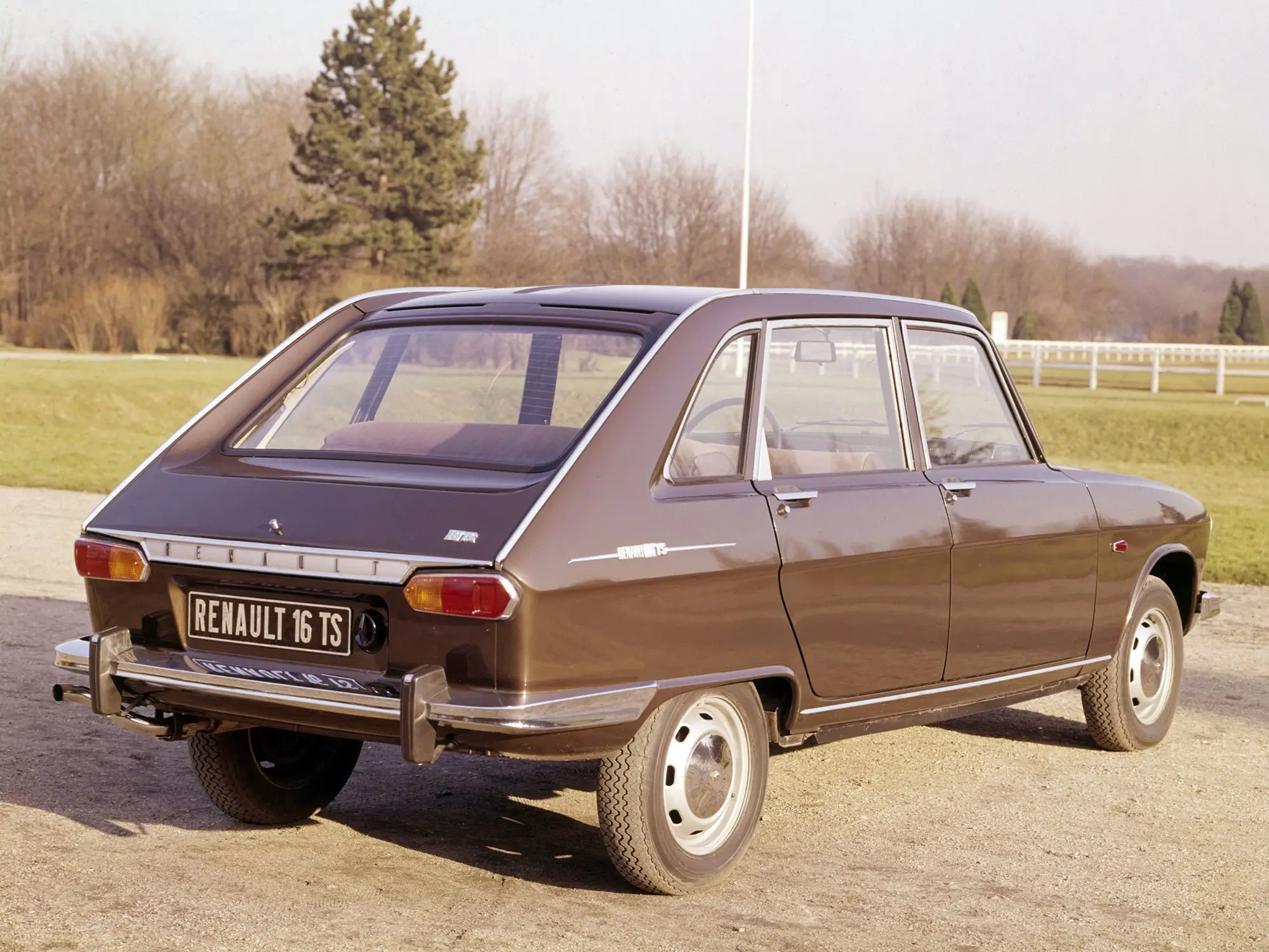
Originally the Renault 16 family was intended to have four body variants: hatchback, sedan, coupe and convertible. But in the mid-1960s Renault and Peugeot signed a technical partnership agreement and agreed not to produce cars that competed directly with each other. As a result almost all Peugeot models of the time came as sedans, wagons and convertibles, while all planned Renault 16 variants except the hatchback remained prototypes.
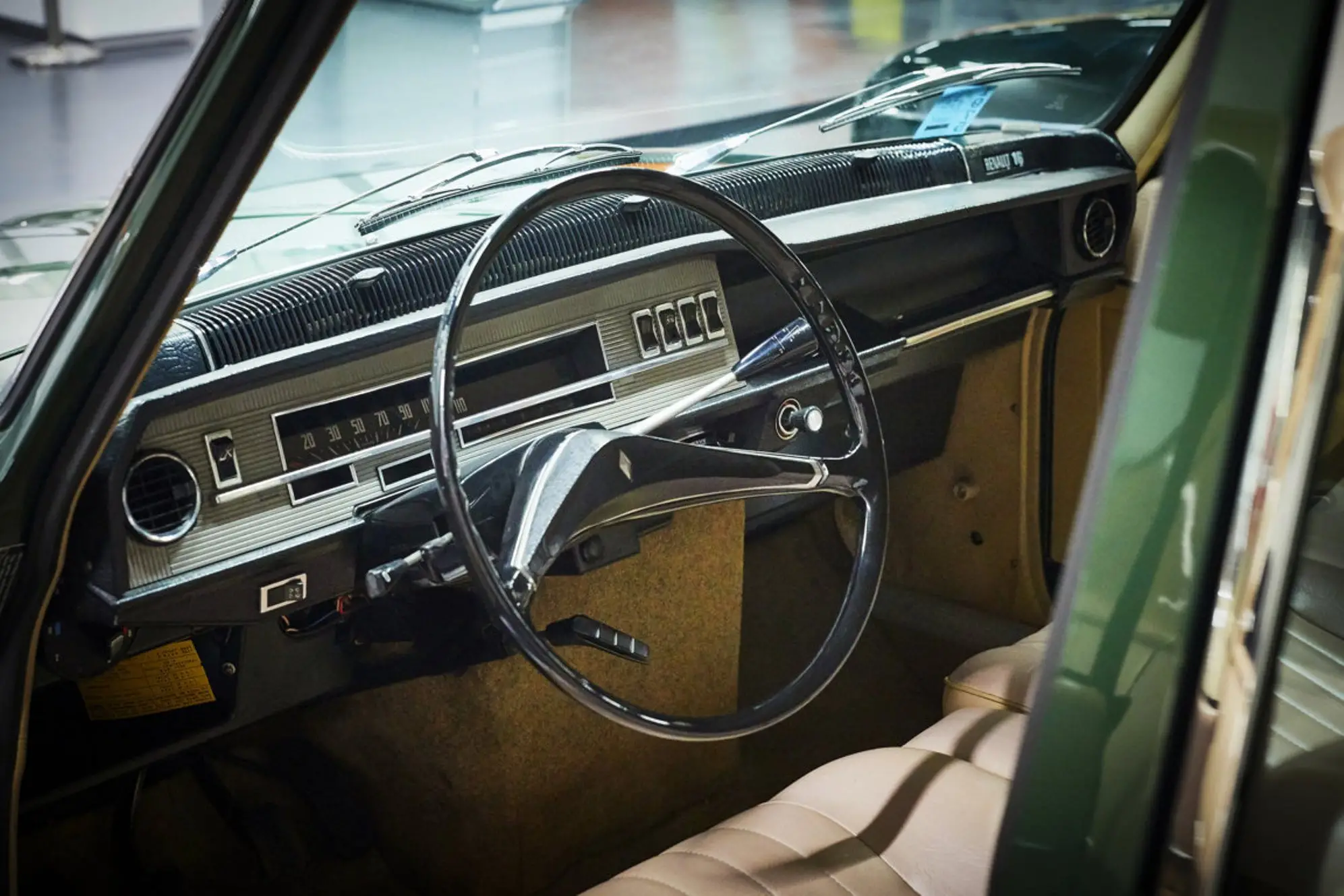
The Renault 16 had two principal designers: Philippe Charbonneaux and aerodynamics specialist Gaston Juchet. They managed to create an elegant and timeless look. Their style can be traced in all Renault cars through the end of the last century. The Renault 16 was among the first to receive rectangular headlights and recessed door handles. But the most interesting feature of the newcomer is the interior. It is unique! There were seven ways to transform the cabin. The rear seat could be slid forward by 150 mm; the backrests and cushions folded separately. To carry long loads the rear backrest could be removed and mounted horizontally above the luggage-shelf, or left in the garage. The seats also unfolded into a convenient double bed. To increase luggage volume the spare wheel and tools were placed under the hood.
The car’s equipment was also advanced: front disc brakes, an electric fan in the engine cooling system, and headlamp leveling from inside the cabin.
Usually, when launching a new model, a manufacturer tries to hide it from competitors until the last moment. Here Renault decided to hedge its bets — in case the public did not accept it, there would still be time to make changes. The first official photographs of the Renault 16 appeared as early as summer 1964; in October experimental cars were shown at the Paris Motor Show. Series production, however, started only in January 1965, and the official premiere took place in March at the Geneva Motor Show. The car went on sale in April 1965 in two trim levels: Grand Luxe and Super. Success exceeded all expectations! For the first years the plant barely kept up with orders. In France the car occupied a niche between the conservative SIMCA 1500 and Peugeot 404 of classic layout and the extravagant but expensive and complex front-wheel-drive Citroën DS. Other countries also demanded the Renault 16.
Technical specifications of Renault 16 and Renault 6 cars
| Model | 16 | 16 TS | 6 | 6 TL |
|---|---|---|---|---|
| Length, mm | 4237 | 4237 | 3851 | 3859 |
| Width, mm | 1648 | 1648 | 1536 | 1536 |
| Height, mm | 1450 | 1450 | 1500 | 1500 |
| Wheelbase, mm | 2717/2650 | 2717/2650 | 2401 | 2401/2449 |
| Ground clearance, mm | 115 | 115 | 125 | 125 |
| Dry weight, kg | 915 | 995 | 770 | 820 |
| Engine displacement, cc | 1470 | 1565 | 845 | 1108 |
| Power, hp | 55 | 83 | 34 | 47 |
| Compression ratio | 8.6:1 | 8.6:1 | 8:1 | 9.5:1 |
| Top speed, km/h | 142 | 160 | 120 | 135 |
| Fuel tank capacity, l | 50 | 50 | 40 | 40 |
| Average fuel consumption, l/100 km | 8.5 | 9.0 | 4.0 | 7.5 |
In the 1960s automobile tourism developed on a mass scale; there were no crossovers yet, and station wagons did not suit everyone. A hatchback with a comfortable and spacious cabin became a real find for travelers, because cars of this body type from other makers would appear only in the early 1970s.
In 1966 the Renault 16 won the title of European Car of the Year. Cars built from French CKD kits were assembled in many countries, including Australia and Canada. In autumn 1965 production of a right-hand-drive version began. In 1968 Renault 16s began to be exported to North America; they were fitted with round headlights and massive bumpers.
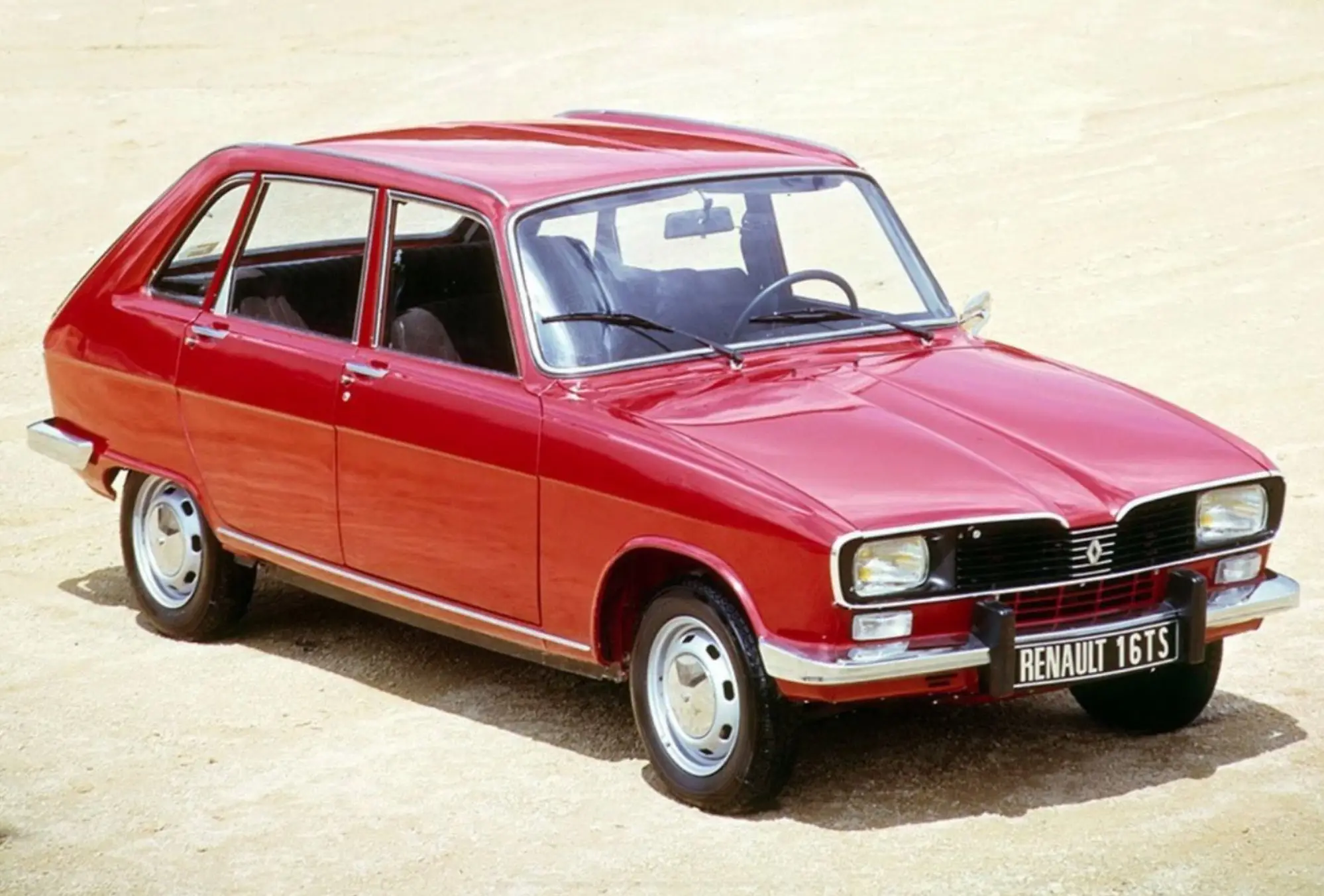
In 1968 an improved Renault 16 TS joined the range. It was fitted with a new 1.6-liter engine producing 83 hp. Equipment became richer: a new instrument cluster with a tachometer, power windows in the front doors, and a sunroof. In 1969 an automatic gearbox became available as an option.
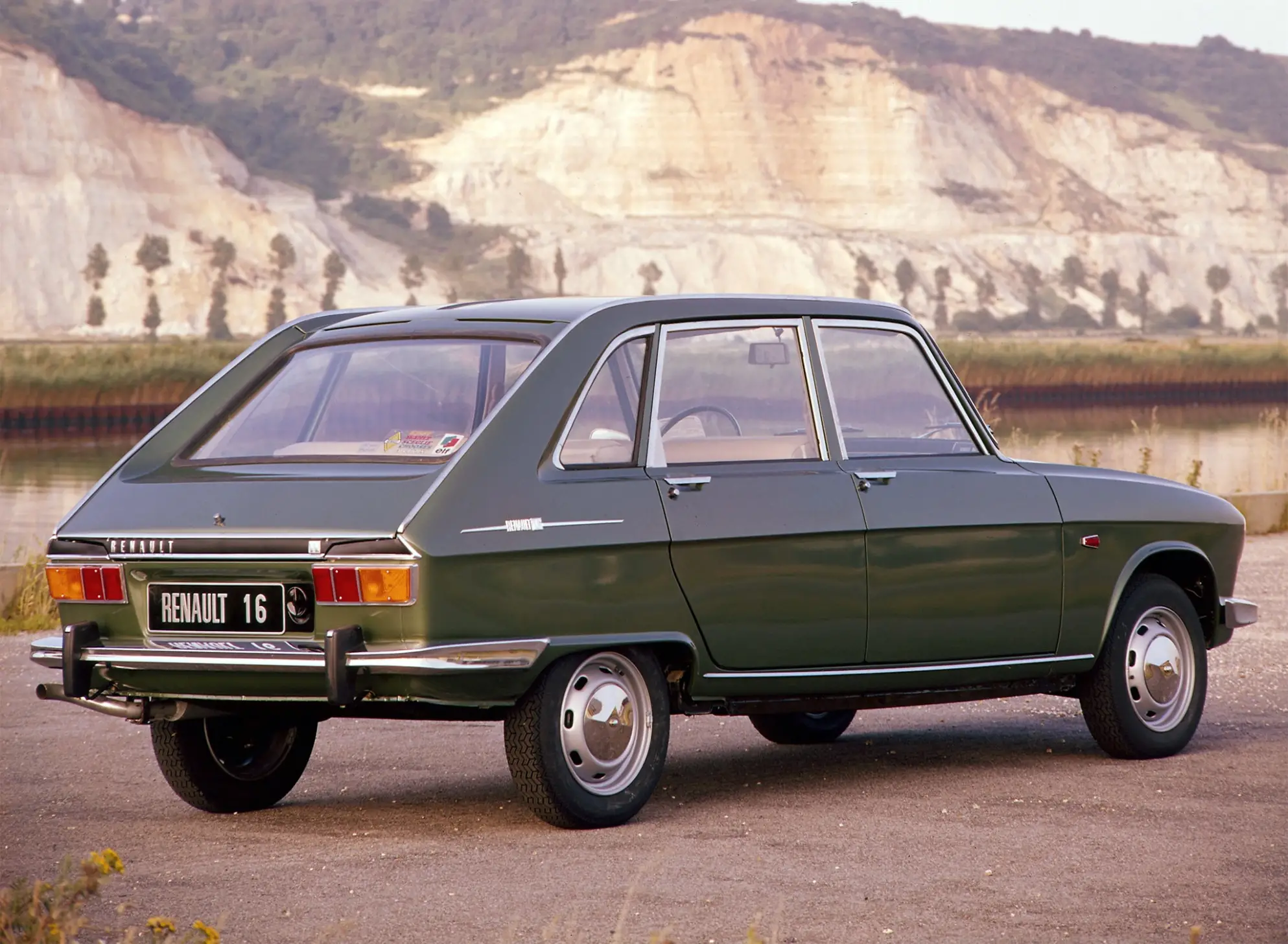
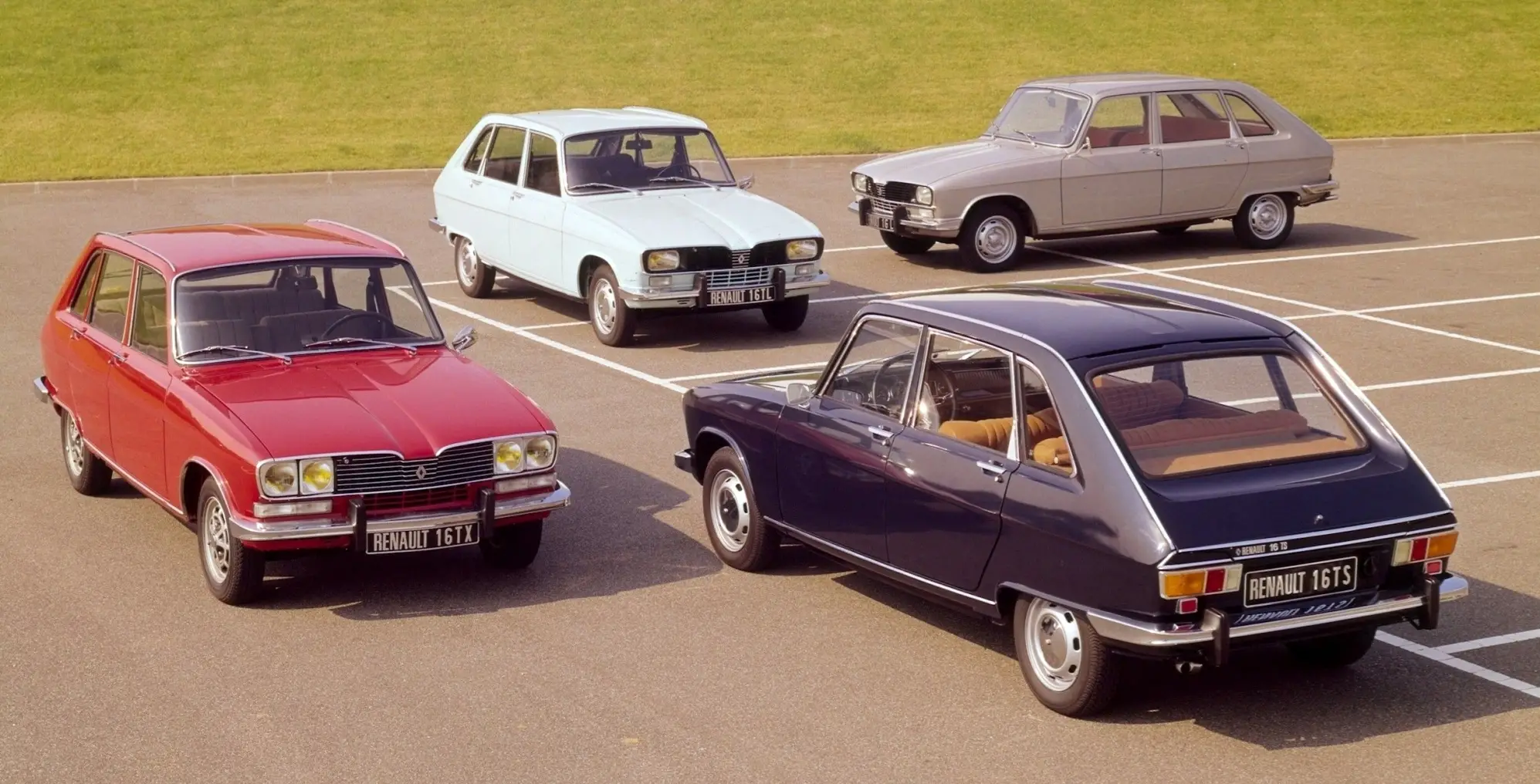
1971 brought the first restyling; the main change was new rear lights. The Grand Luxe and Super versions were replaced by L and TL. They received 1.6-liter engines producing 64.5 hp. Besides passenger cars, commercial Commerciale versions without a rear seat were also built.
In 1973 production of the top Renault 16 TX began. It was fitted with a 1.7-liter engine producing 93 hp and a 5-speed manual gearbox. Externally this version was distinguished by four rectangular headlights and large turn indicators. Options included air conditioning, central locking, a rear wiper on the hatch, a rear spoiler, and Gordini wheels.
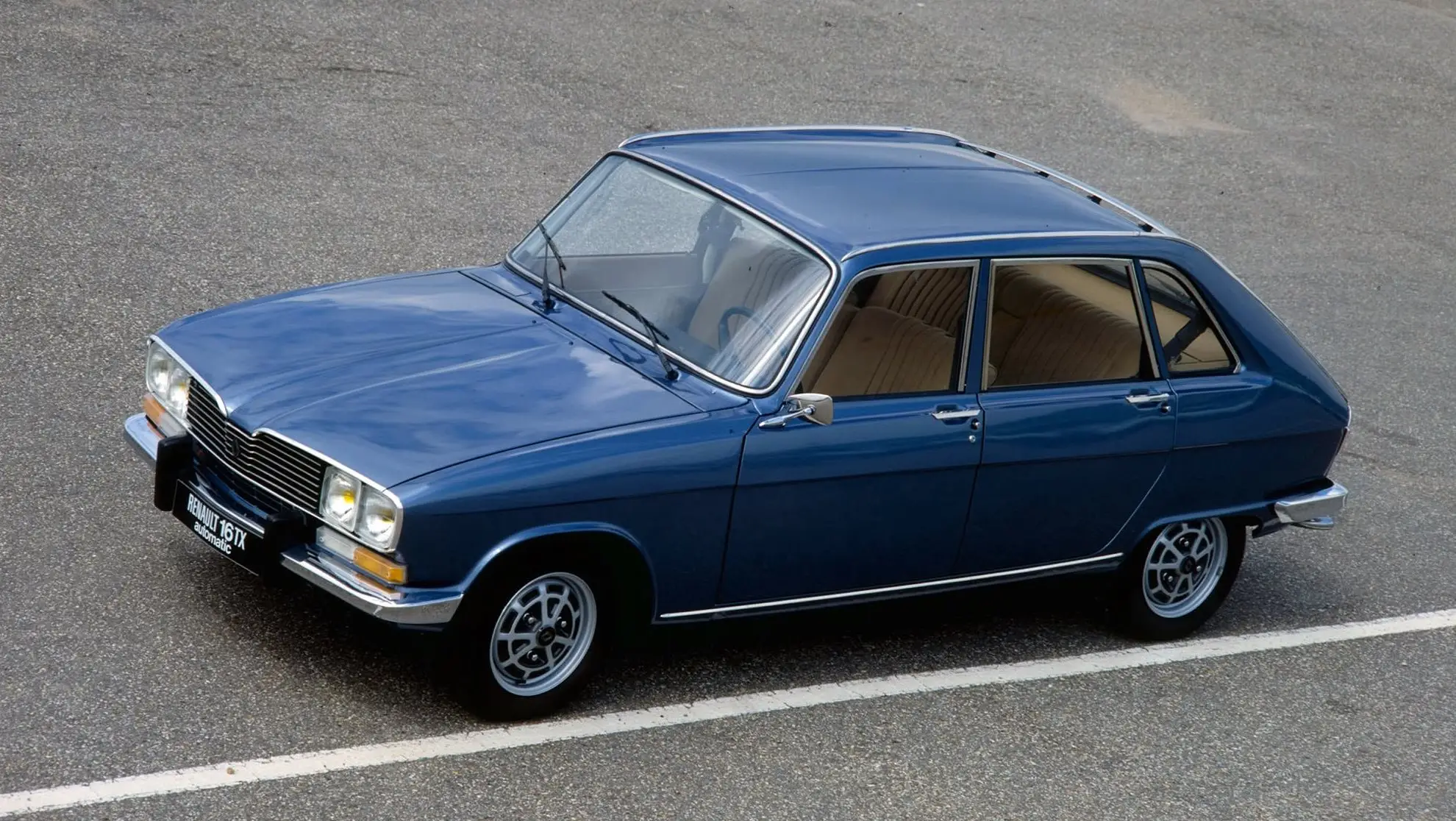
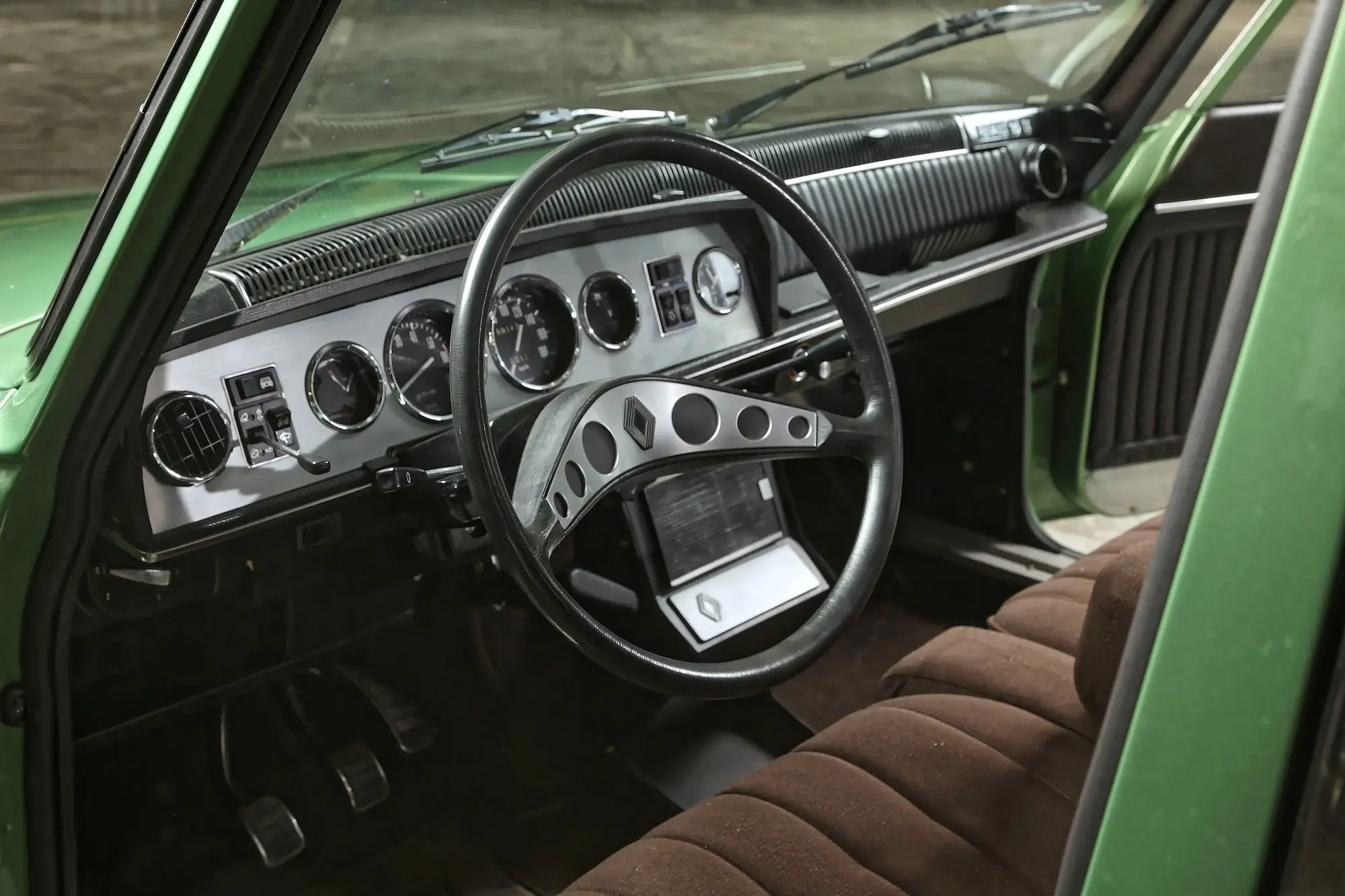
In 1975 the new flagship Renault 20/30 family debuted. Nevertheless, the Renault 16 continued to be built until January 1980. The number of trim levels was reduced, and base versions received a plastic radiator grille. In total, 1,845,959 Renault 16 cars were produced over 15 years.
The “Frenchwoman” in the USSR
In our country the first Renault 16 appeared as early as 1965. The car was purchased for design study and comparative testing at NAMI alongside the Ford Taunus 12M, Morris 1100, Peugeot 204, Skoda 1000MB, Moskvich-408 and ZAZ-966. In July 1966 they were joined by the Fiat 124. The next test cycle was tougher and included off-road sections. The Renault 16 won by a wide margin over its rivals and was recommended by NAMI for series production. Interestingly, after endurance testing the car’s body showed almost no fatigue damage, whereas the Fiat 124 in its original form failed the tests altogether. As NAMI veterans recalled, it literally fell apart — the parts were gathered into a sack and sent to Italy.
Testers praised the outstanding handling of the “Frenchwoman.” NAMI archives preserve a documentary film in which one episode shows a Renault 16 confidently performing a slalom on ice at a good speed. The Fiat 124 and Moskvich-408 found the exercise beyond them. The final report noted the high technical level of the car’s design and its spacious, well-planned cabin, comparable in volume to a Volga. Three substantial drawbacks were identified: a single body type, limited ground clearance (105 mm fully loaded), and an uninformative gearshift with long rods and a column-mounted lever. As we know, a sedan version was developed but never put into series production. The torsion-bar suspension design made it possible, if desired, to increase clearance substantially: for countries with difficult operating conditions a version with ground clearance raised to 160 mm was built. And in 1969 an automatic gearbox began to be fitted to the car.
Nevertheless, for political and economic reasons the Fiat 124 was chosen as the prototype for the VAZ-2101. A car of Renault 16 class, but with rear-wheel drive, was included in the Prospective Model Range of the Ministry of the Automotive Industry for 1971–1980. AZLK was to develop and produce it. Such a car was created, but for a number of reasons it never entered series production.
Another attempt to launch mass production of the Renault 16 in the USSR was made in 1971. At that time the French were actively supplying equipment to Izhmash, and the idea arose of buying a ready-made model together with tooling and dies. Izhevsk designers chose the Renault 16 with an automatic gearbox. The partners agreed, especially since the model was due to be discontinued soon anyway, to be replaced by the Renault 20/30 family. According to the business plan, Izhevsk intended to build up to 300 thousand Renault 16 cars a year. Costs for the Soviet side were small: equipment was supplied on installment or credit at a low interest rate, and payment would have been in finished products and auto components. But such a scheme did not fit the Soviet economic model. Moreover, AZLK management (at that time the Moscow plant was the lead developer of models for Izhmash) issued a scathing report on the Renault 16 design, claiming the car was outdated and unsuitable for mass production. The only truth in that document was that French engines at the time had no substantial advantage over the Moskvich-412 engine. But already in 1973 Renault introduced a new powertrain range that substantially surpassed domestic designs in performance. In the end Izhevsk designers built their own liftback (a hatchback with an extended rear body section), the IZH-2125, on the outdated Moskvich-412 mechanical base.
And yet the Renault 16 left its mark on our country’s history. Besides the cars tested at NAMI, several examples were purchased for the Izhevsk plant in the early 1970s; one of them survives to this day. Two company cars long served in the capital at the Stankoimport organization. Also, on one of her visits to Moscow Marina Vlady arrived in her personal Renault 16: she brought a large mattress to the cemetery that would not fit in other passenger cars. The car entered the USSR under a temporary-import scheme without customs clearance. Vladimir Vysotsky duly crashed it. After repairs the car returned to France — and perhaps it is still alive today.
Younger brother
Inspired by the success of the Renault 16, Gaston Juchet, by then the firm’s chief designer, created the Renault 6 in 1968 — essentially a scaled-down copy of the flagship, meant to compete with the budget Citroën Ami 6 and Dyane. The newcomer was assembled from what was available: the platform came from the front-wheel-drive Renault 4, and the 845 cc engine from the rear-engined Renault Dauphine Gordini sedan of 1957. The only new element in the design was the rear suspension with a transverse beam, two trailing arms and an anti-roll bar.
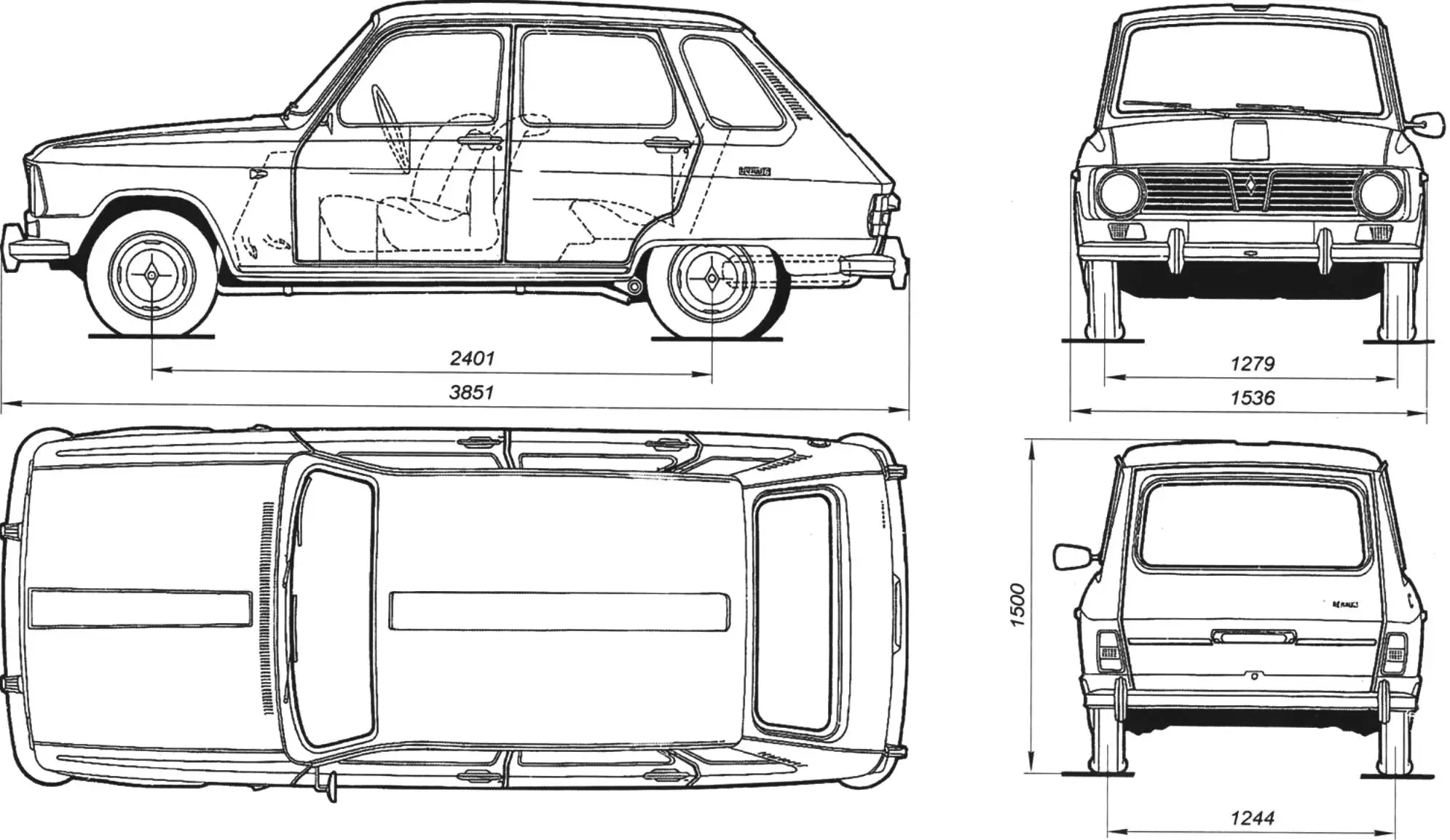
In 1970 the Renault 6 was updated: it received a new gearbox, front disc brakes, and a modernized cooling system. The range gained a 6 TL version with a 1,108 cc engine from the Renault 8. On the Renault 6 TL they returned to the time-proven torsion-bar rear suspension, so this version has unequal wheelbases: 2,401 mm on the left and 2,449 mm on the right.
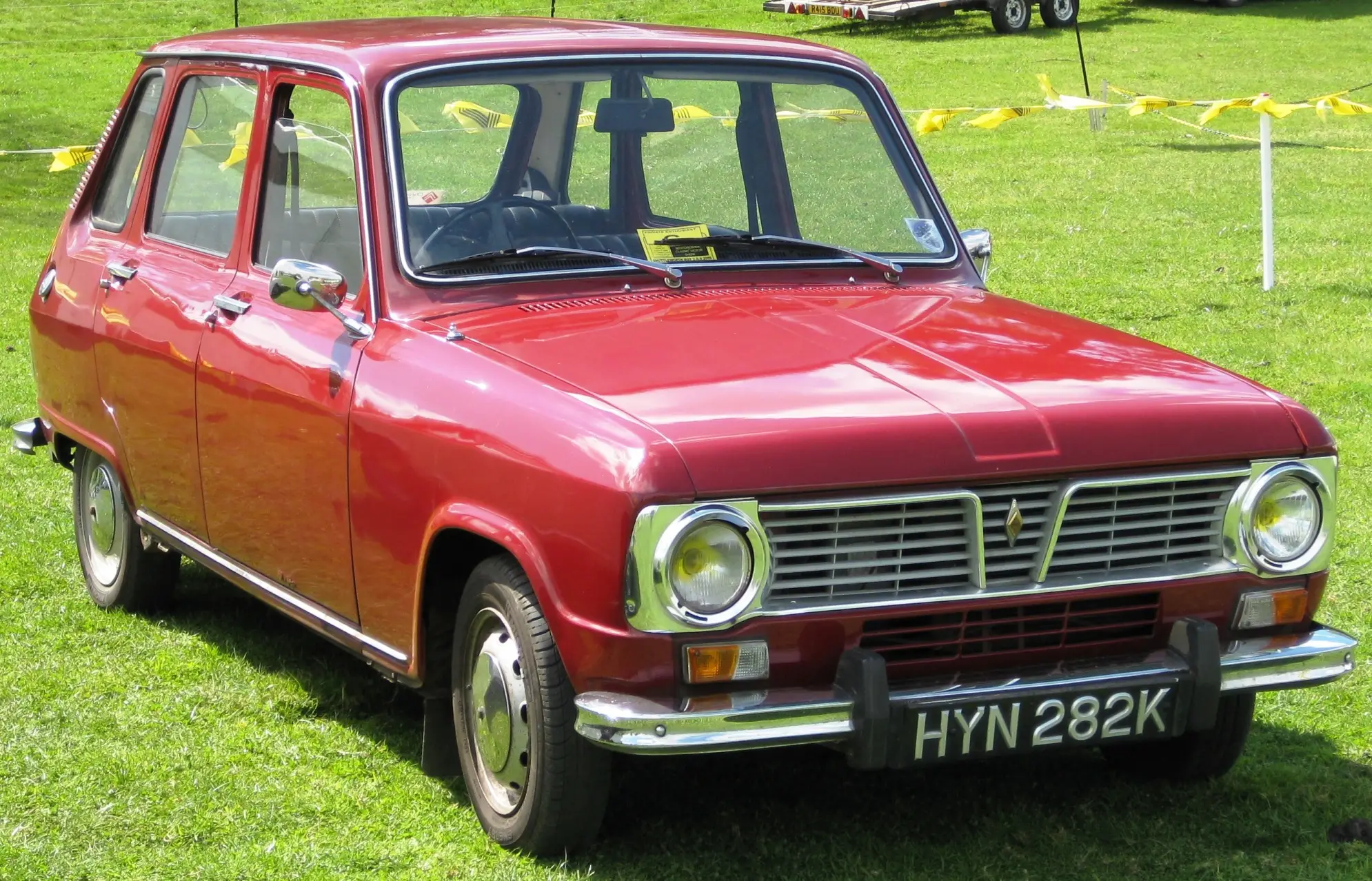
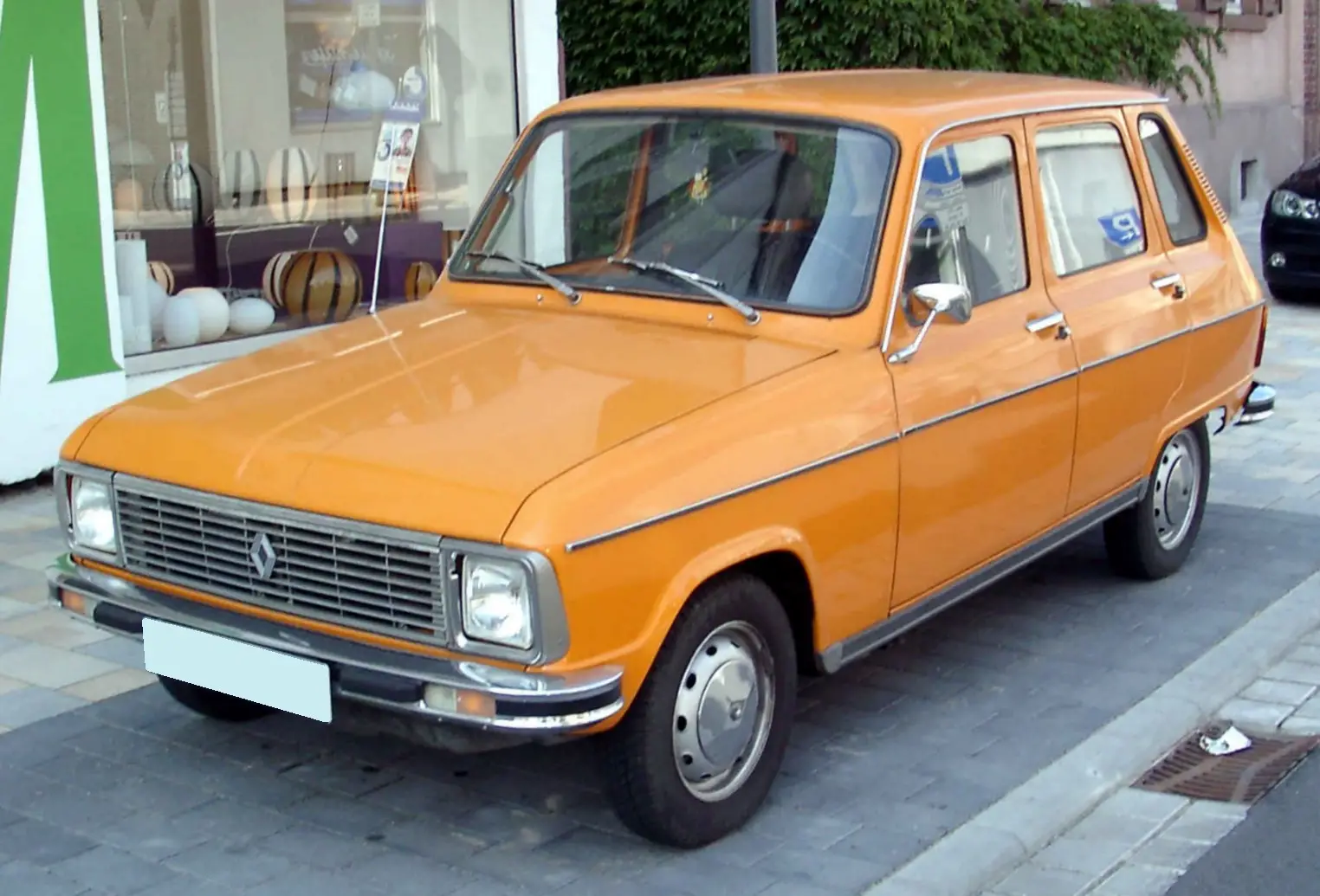
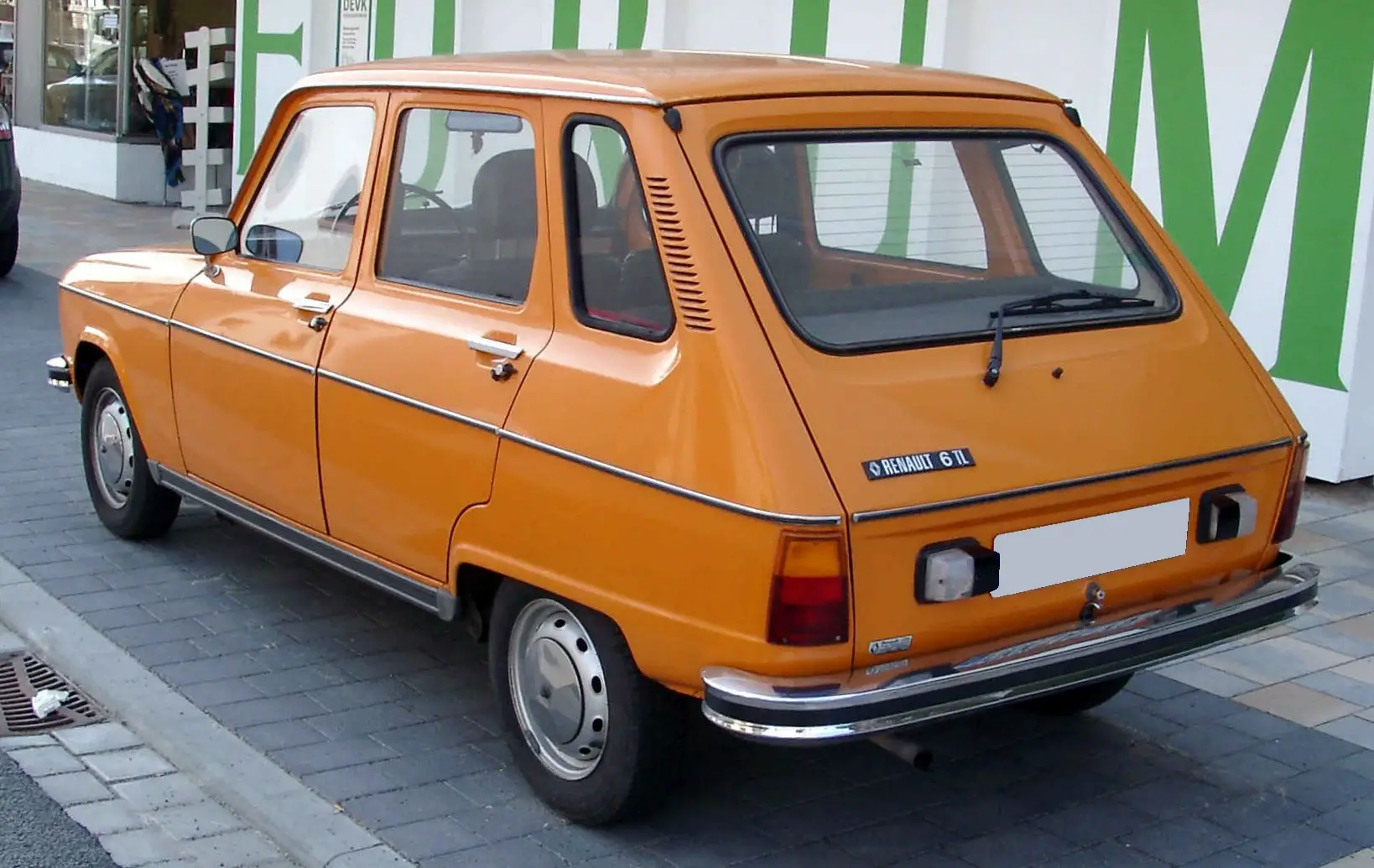
In June 1973 the car’s appearance changed substantially. It received square headlights, new rear lights and bumpers, and a revised radiator grille. Front parking lights and turn indicators were integrated into the bumper.
The Renault 6 became as successful as its older brother. The model was built in France until 1980; in total 1.77 million of these cars were assembled.
Besides France, the Renault 6 was mass-produced in Spain and Argentina. Structurally these versions differed from the French one. The Spanish Renault 6 was initially fitted with a 956 cc engine. Later a 1,037 cc engine was installed — the same as on Spanish-built Renault 5 S and 7 S models. In 1981 the range gained an improved Renault 6 GTL with a 1,108 cc power unit. Production of the Renault 6 family in Spain continued until 1986; altogether 328 thousand units were built there.
In Argentina the “sixes” were built at the IKA-Renault joint venture. From 1969 to 1978 they looked no different from their counterparts but were fitted with 51 hp 1,118 cc engines. In 1978 Argentina developed its own Renault 6 GTL version with distinctive bumpers, grille and lighting. The cars received 60 hp 1,397 cc engines. By 1986 South America had assembled 80,869 Renault 6 cars of various versions.
In the 1970s the small French firm ACL built beach cars with open bodies in the style of the Citroën Méhari on Renault 5 and Renault 6 chassis. They were called Renault ACL Rodeo and were sold at some Renault dealerships. Some of them were fitted with Sinpar four-wheel-drive transmissions.
TECHNOLOGY IN MINIATURE
A fairly accurate 1:43 scale model of the 1969 Renault 16 TS was made by ixo. The body is finished in an attractive brown metallic — a color that really was in the factory palette. The wipers are photo-etched. The interior is well detailed and neatly painted, and there is an instrument-panel decal. Drawbacks: exterior door handles, rear lights and side repeaters are merely painted on, and there is no headliner in the cabin.
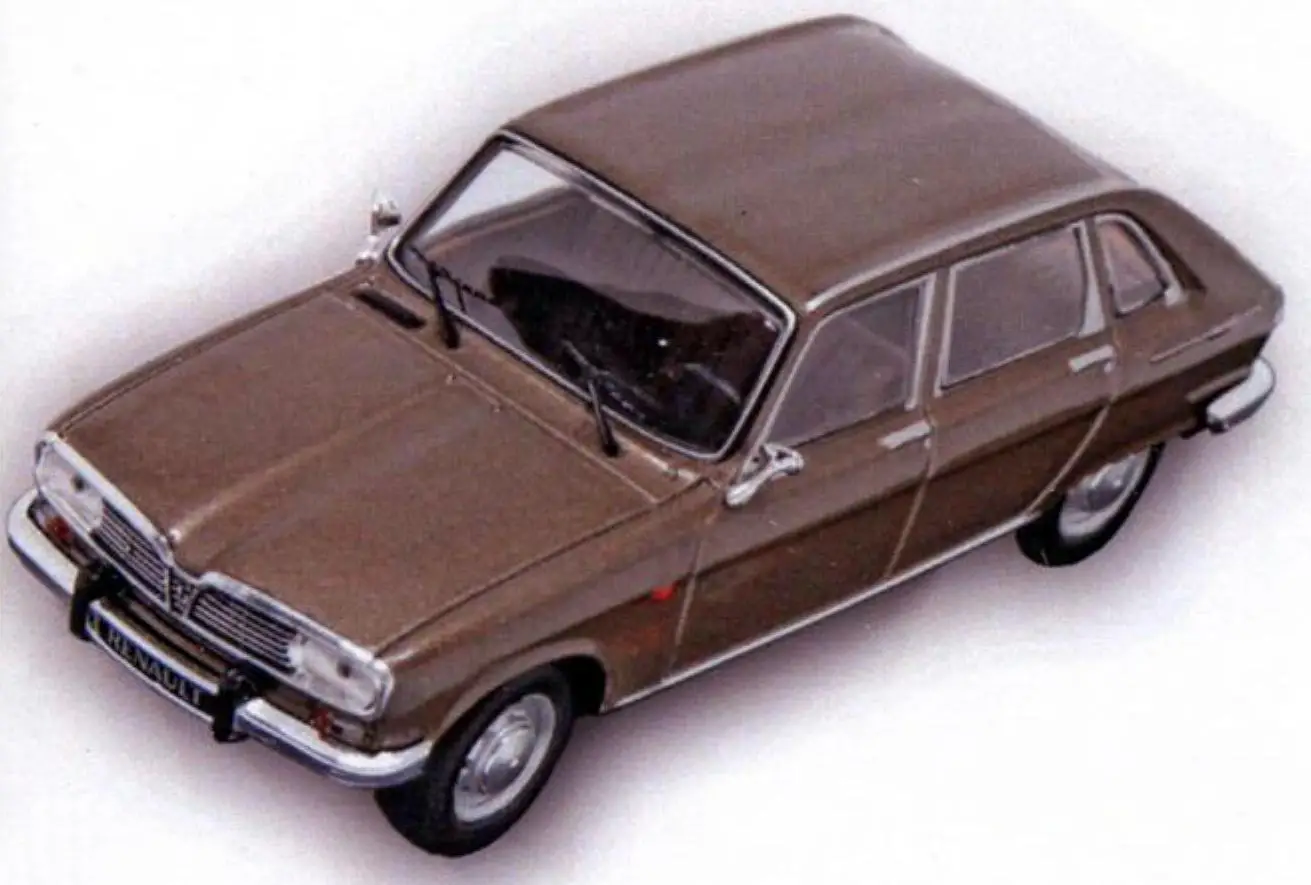
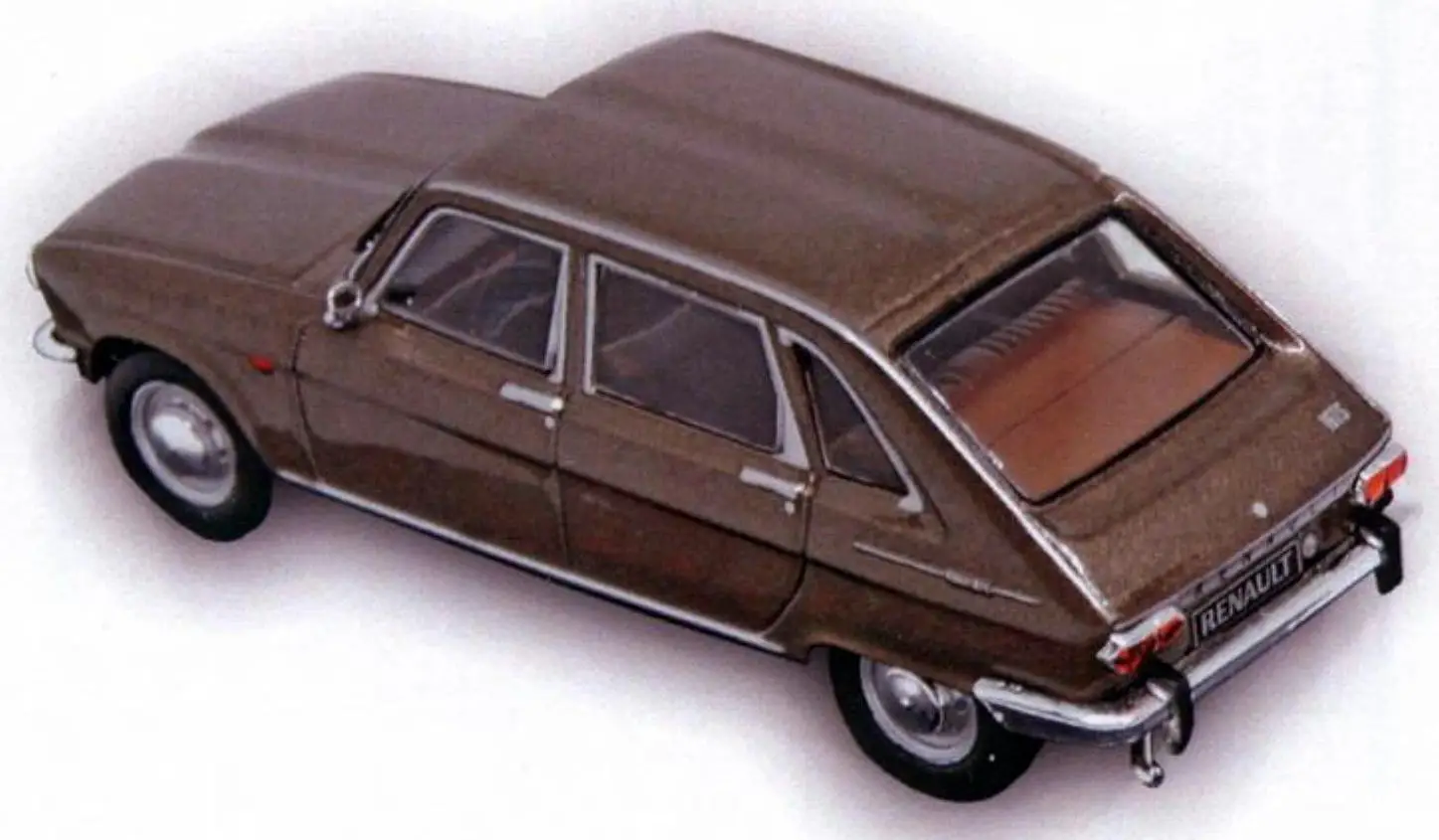
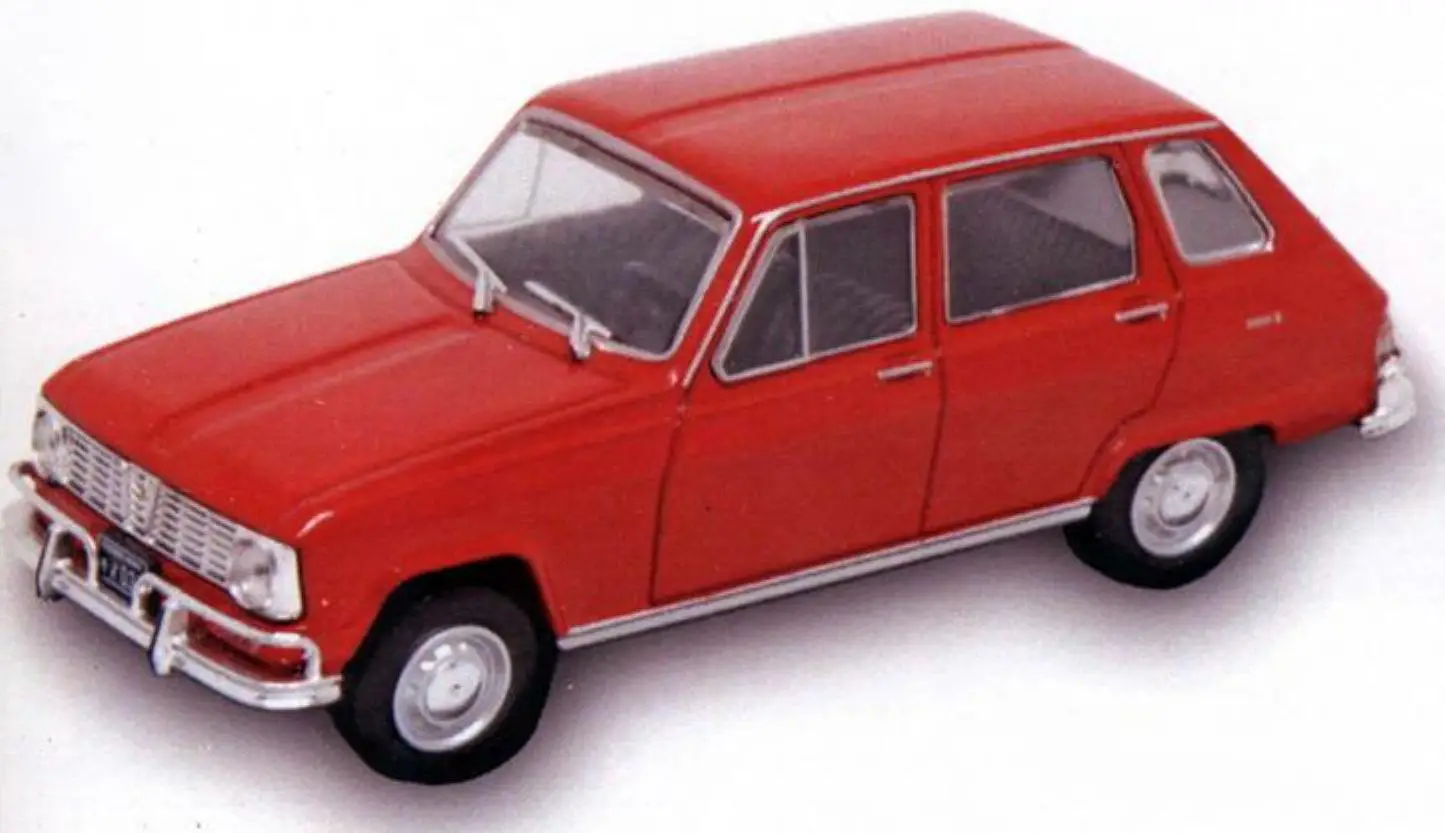
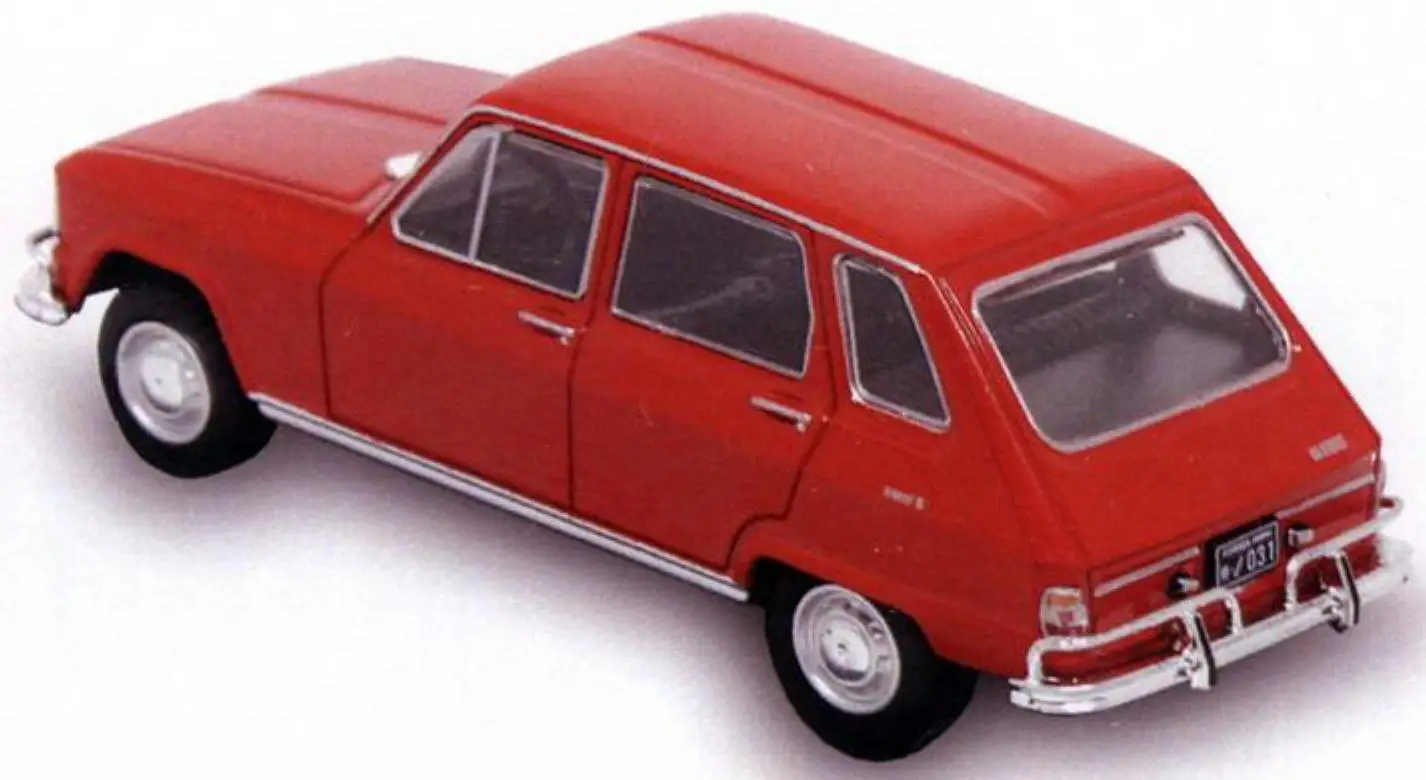
A scale replica of the 1969 Renault 6 appeared several years ago in Altaya’s magazine series on Argentine cars. It is neatly made and painted, carries all the badges typical of this car, and has Argentine license plates. But simplifications remain: the interior is unpainted, and the rear-light segments are not clear plastic but merely painted.
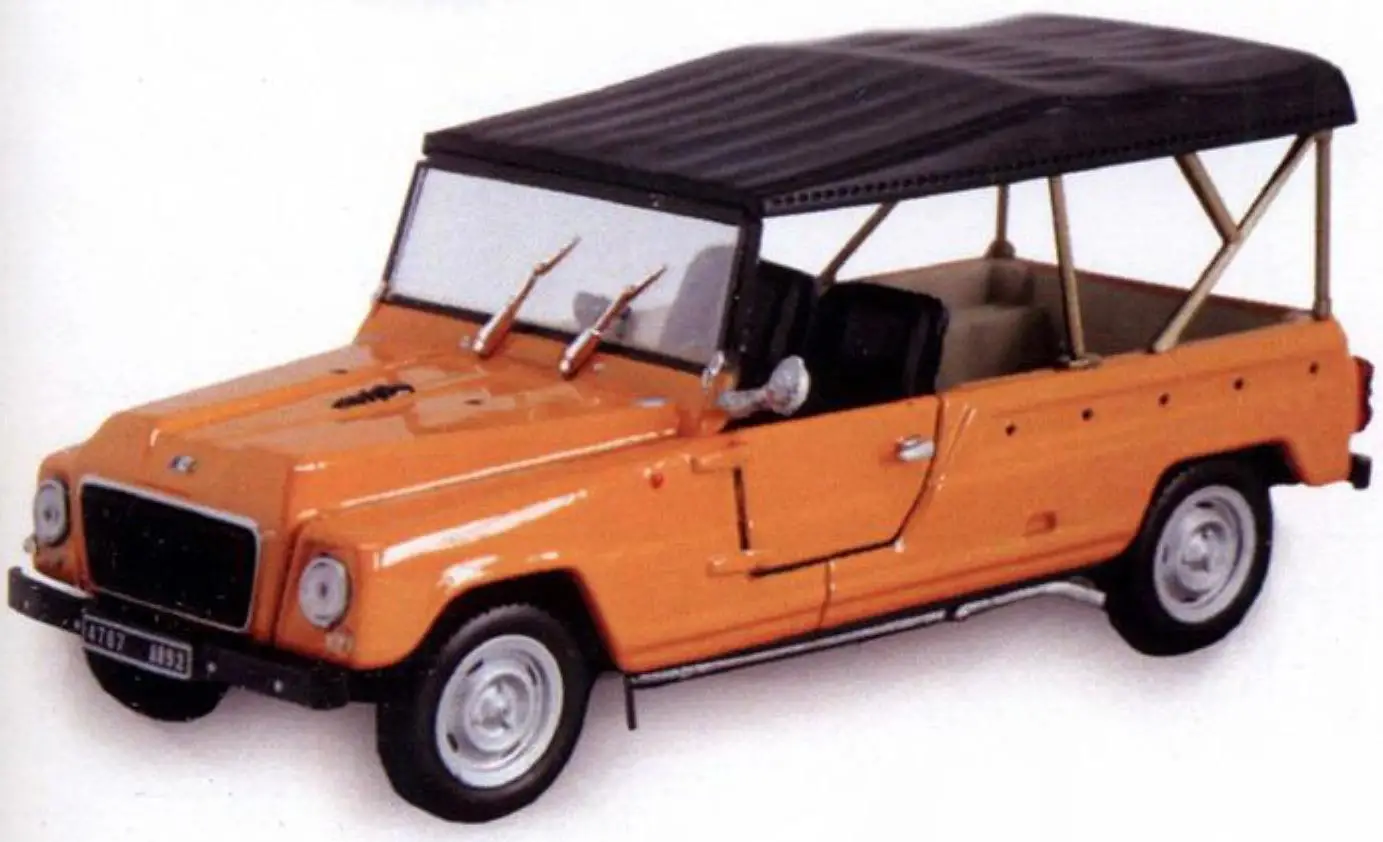
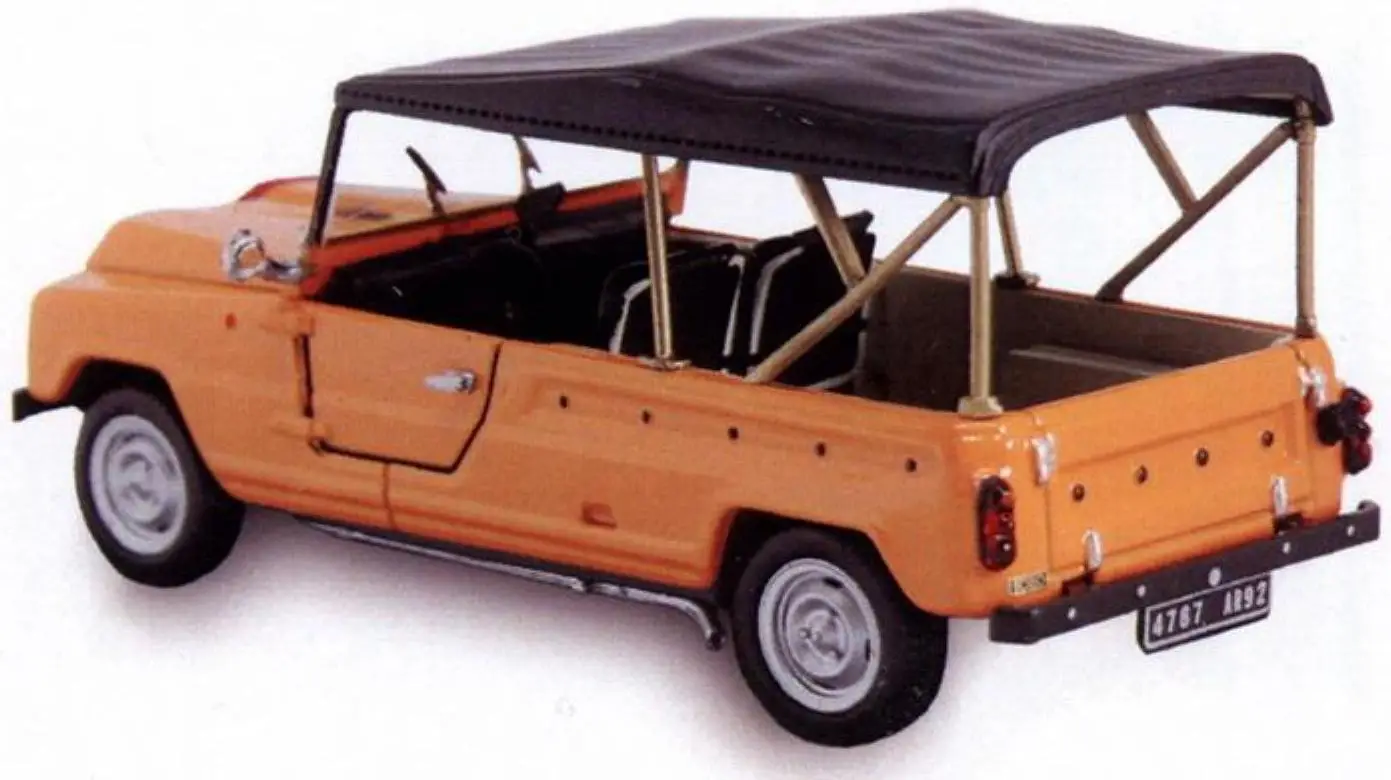
Altaya’s model of the 1972 Renault ACL Rodeo beach car, however, turned out excellent. All the optics are clear plastic, French plates are fitted, and the interior is painted. The canopy and its frame are well done. The only drawback is the lack of an instrument-panel decal.
“Modelist-Konstruktor” No. 9’2025, Sergey DYAKONOV, illustrations provided by the author
Recommend to read
 THE PLANE ON THE RAILS …
For individual construction is often necessary to make processing of logs for construction of wood with different cross-sections (beams, plates, boards). Due to the large weight of logs... TABLE ON TWO LEGS
it is Known: if the furniture is on legs, she's usually four, at least three. However, some items may be one Central pillar. But two is not found. However — maybe two. For...
