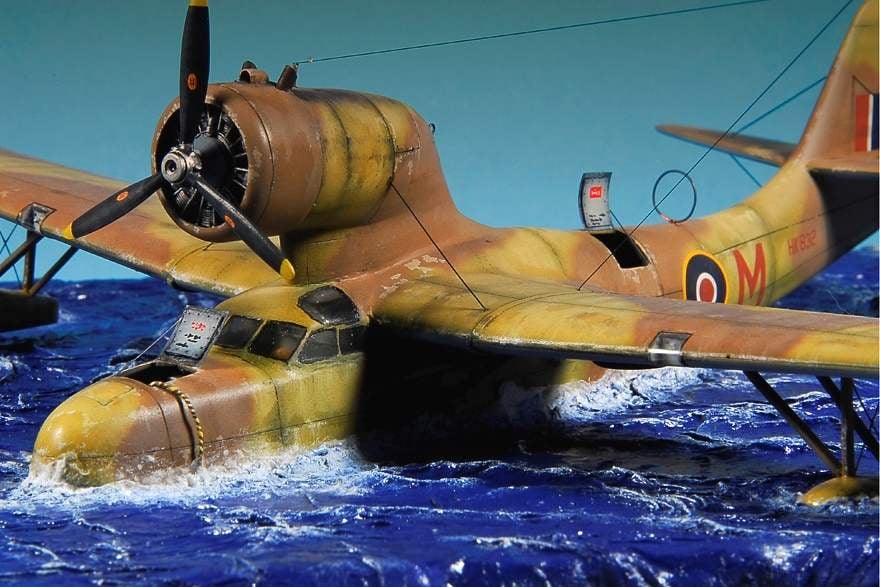
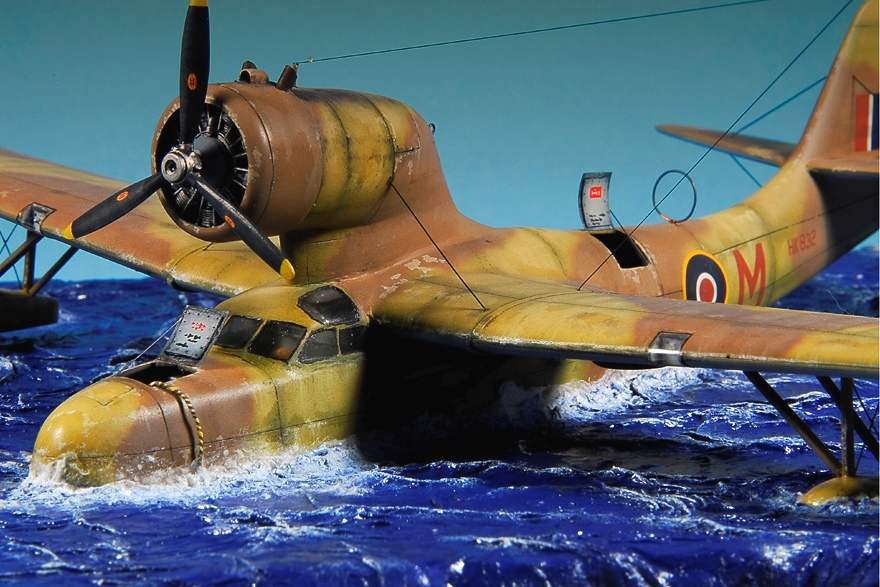
 Flying boat Fairchild F-91. This small flying boat designed in 1934 by the American firm Fairchild, was calculated for mass production, but, despite its excellent flight characteristics, she never went into big series. The firm has managed to produce only seven units of the machine. However, the fate of these seaplanes were interesting enough. They had a chance not only to visit most of the continents of the globe, but also to participate in hostilities and, in particular, in the civil war in Spain.
Read more
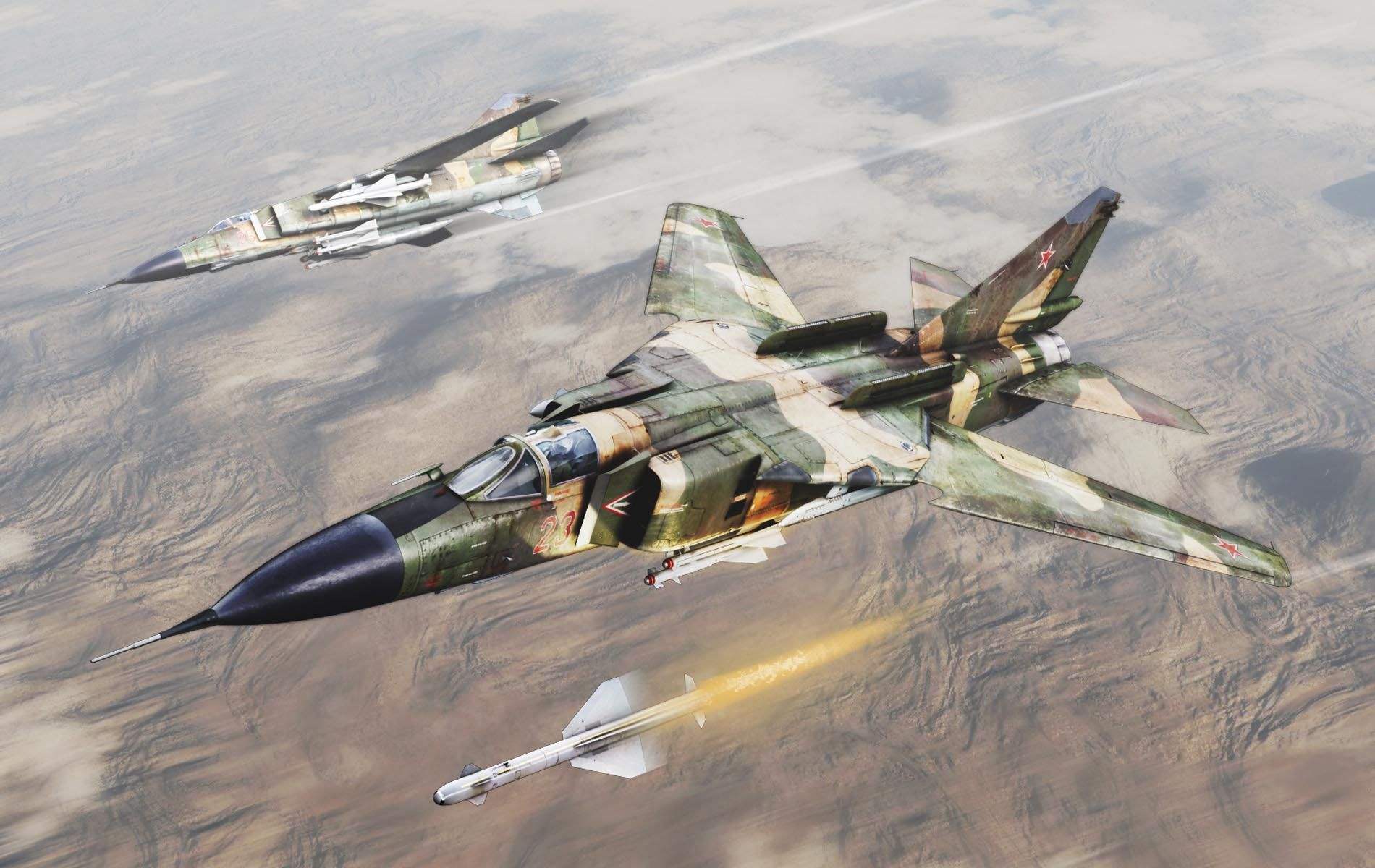 In July 1967 a new Moscow Domodedovo airport held a Grand air show dedicated to the fiftieth anniversary of the Oct. He is Pro-plagued an unforgettable impression on thousands of spectators: the parade was attended by the aircraft for various purposes, the existence of many of them in the West only became known after their show in Domodedovo.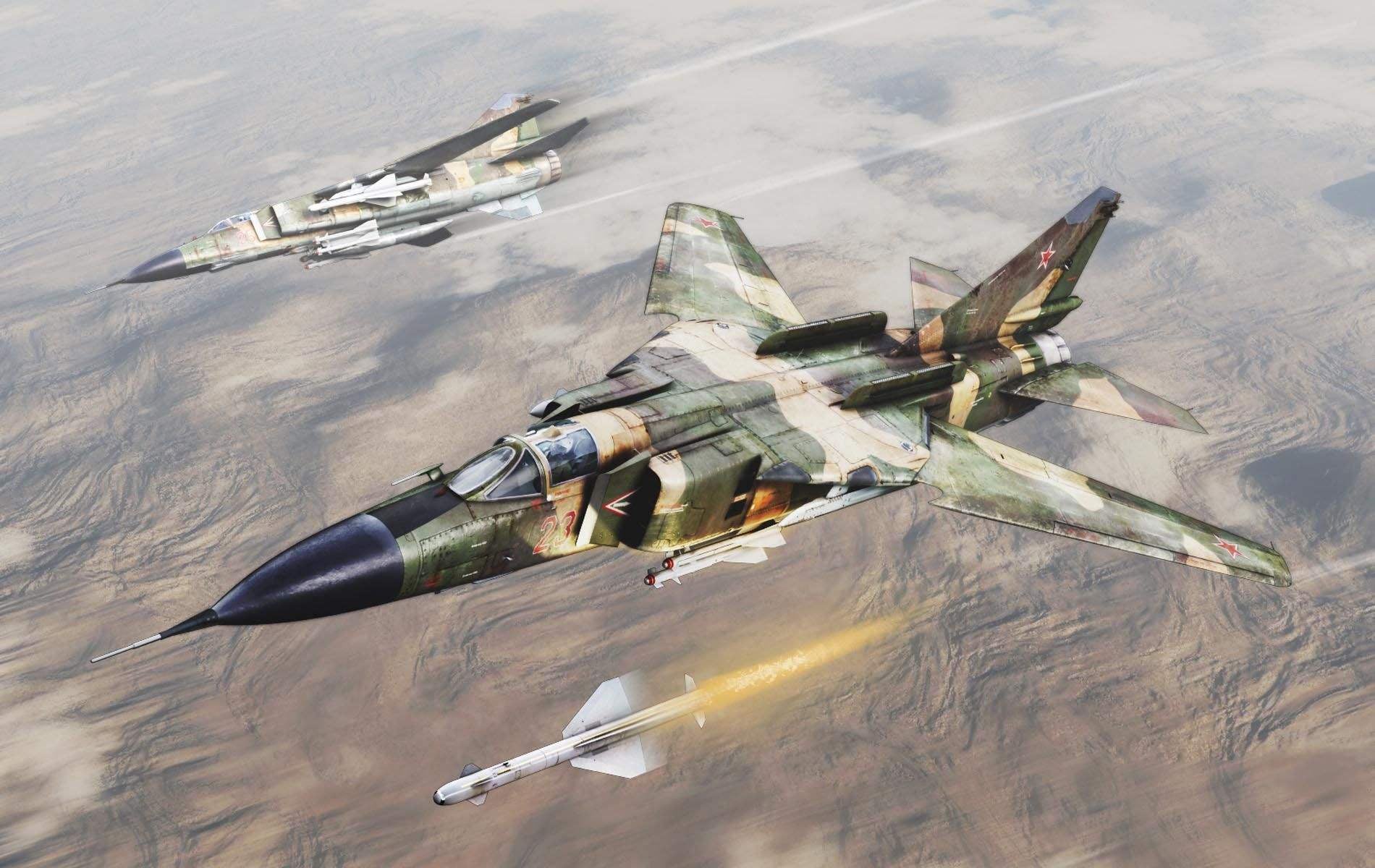
 Patrol flying boat NC-4. During the First world war, the only transport artery between America and Europe was a sea passage across the Atlantic. This way for the transport ships was quite a long and risky as the oceans they lay in wait for German submarines and warships.
 In 1921 pyatnadcatiletnij student Alexander Yakovlev read a book on the history of technology. In one of the chapters talked about the emergence of aviation, there was a model description of the airframe and was given his scheme. And here’s the apartment… turned into a workshop. Smells like glue, the floor littered with shavings and scraps of paper. No games, walks, entertainment. More than a month was built by Alexander of thin pine planks, obtiva them with paper and fastening with nails and glue glider model.
 The cold war, which lasted for several decades, was one of the most devastating in the history of mankind. Huge forces and means were involved in research and development of high-tech weapons, which was to deprive the enemy of the chance to win.
 It is natural that interest to the transport plane, superior in its basic parameters of Li-2, has long mastered the air force showed the military. March 11, 1947 issued a decree of the Council of Ministers of the USSR, OKB-240 was instructed to build on the basis of passenger Il-12 and transfer in July 1947, the state tests a troop transport plane with the specified characteristics (see table).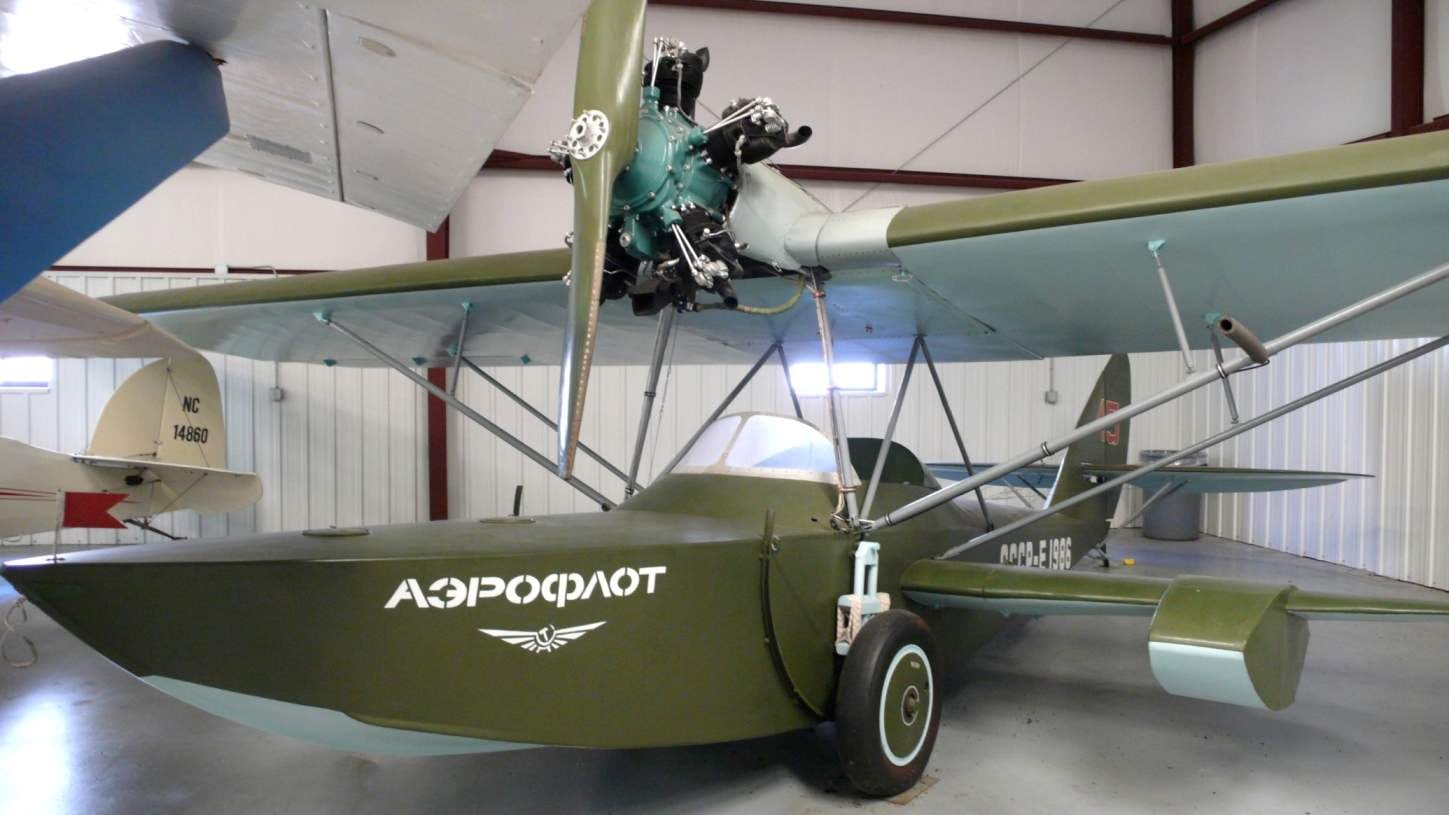
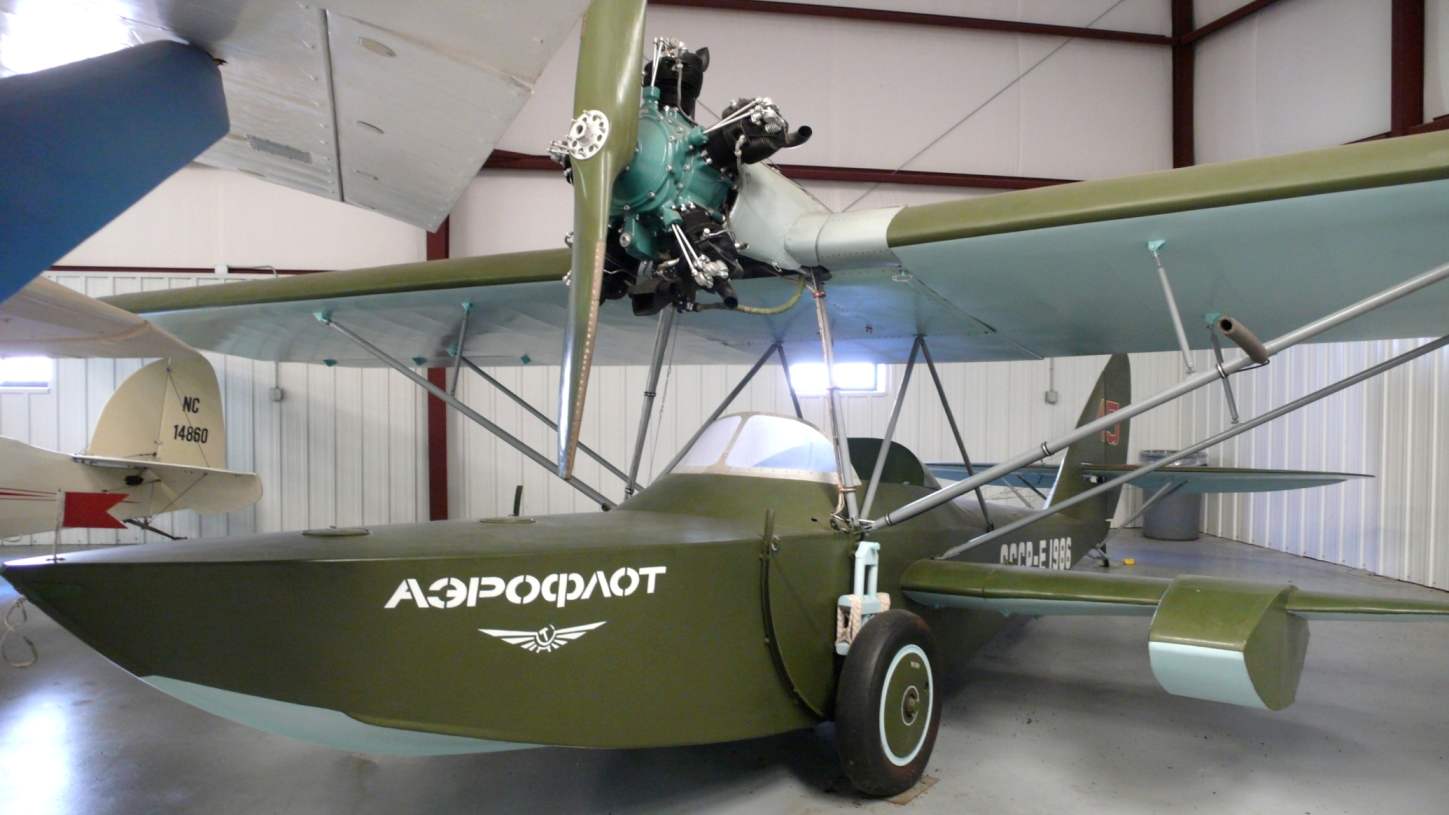 In the summer of 1929 went up in the air the first Soviet amphibian. It was a W-1 with a 65 HP motor, built by aviation enthusiasts — thirty-year-old engineer Vadim Borisovich Shavrov and his friends in one of city apartments. Flight tests were successful. After a year on the instructions of the chief of the Air Force created a second, somewhat increased in size, the copy machine under the series motor M-11 rated at 100 HP and this Is the origin known in aviation circles around the world plane W-2.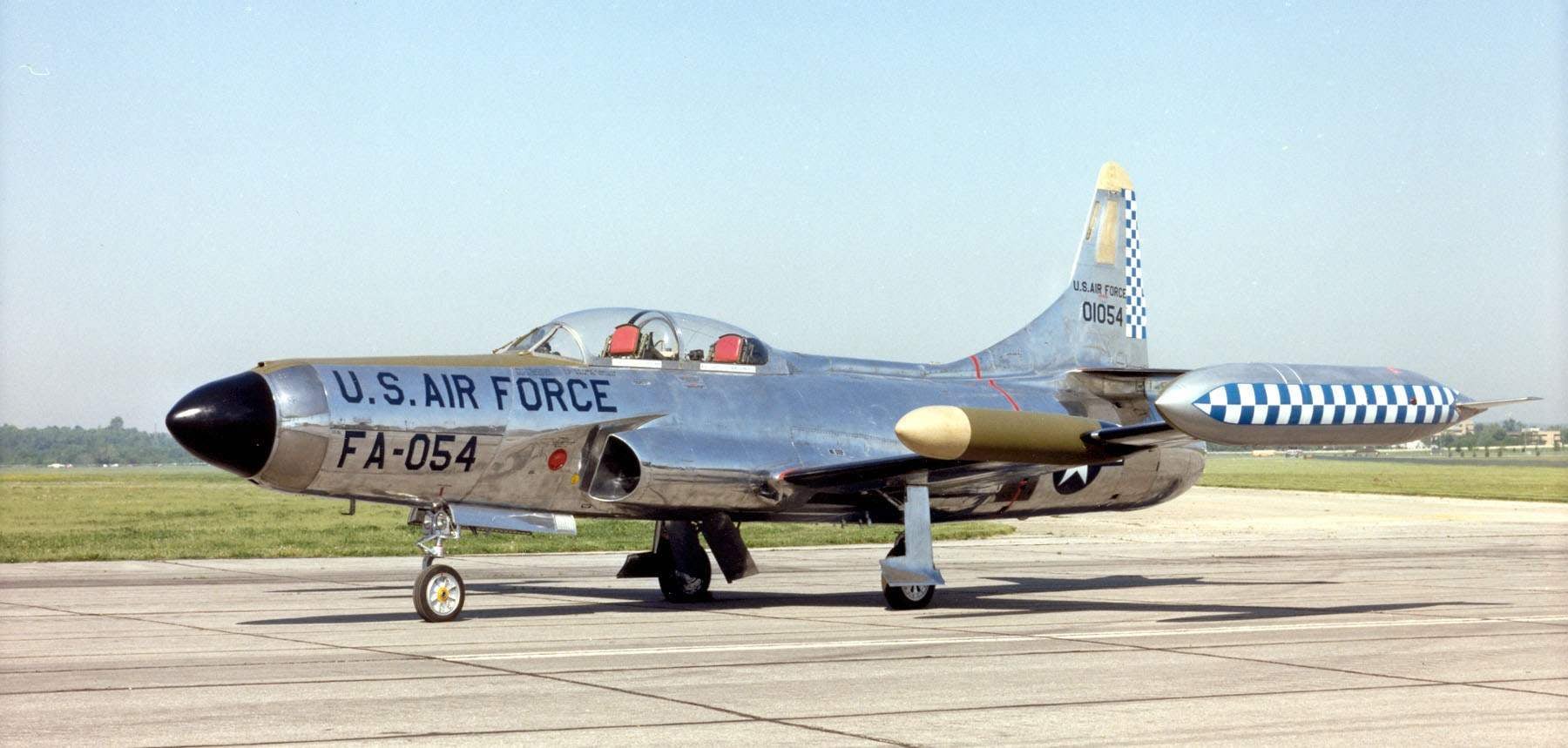
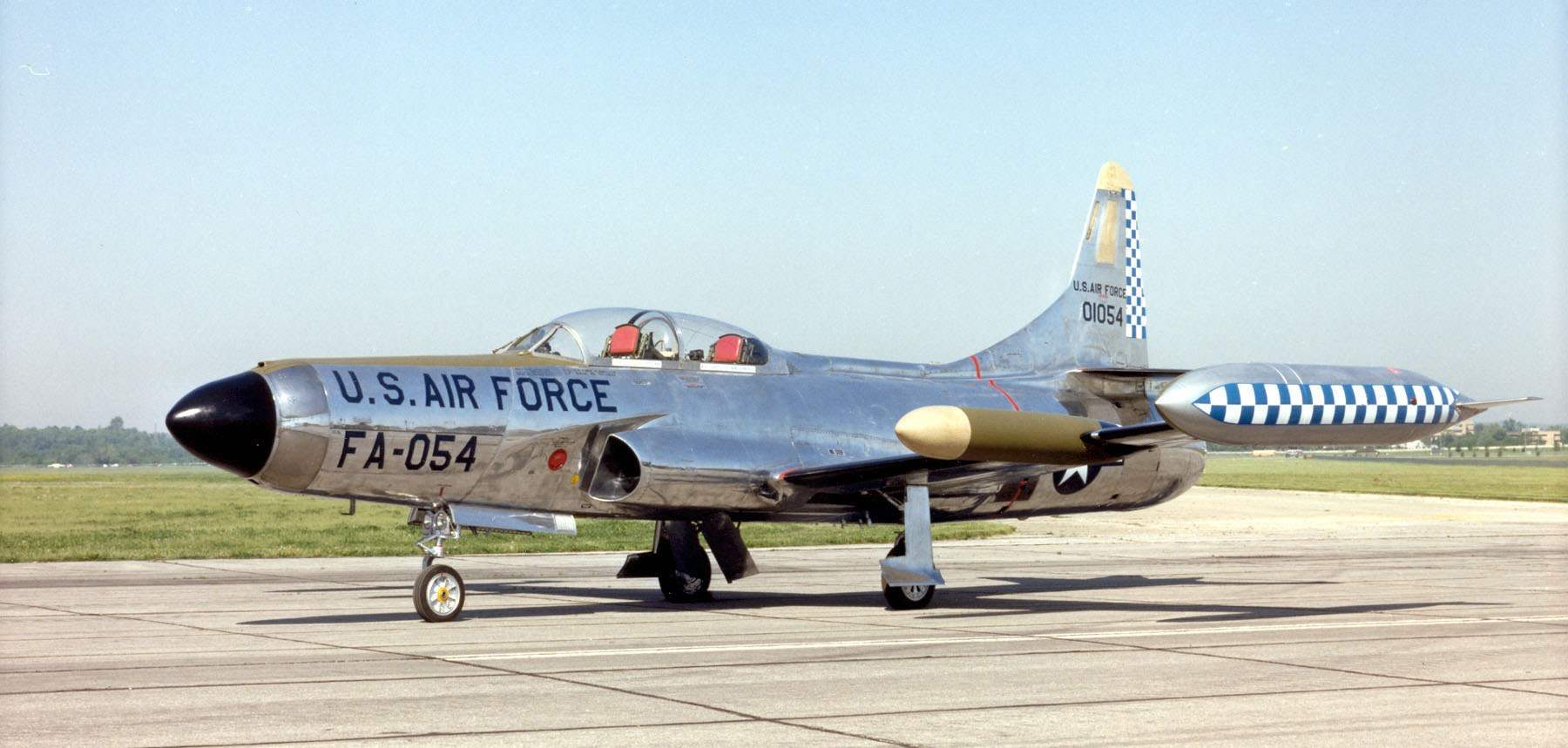 At the end of the Second world war the allies: USA, Britain, France and the Soviet Union tried to demonstrate their peaceful intentions. The United States, to acquire nuclear weapons, was calm for his country and selflessly indulged postwar liberated Europe. But it was only some two years and a friendly handshake between the leaders of the three superpowers – Churchill, Roosevelt and Stalin ended. At the same time stopped, and the US monopoly on nuclear weapons.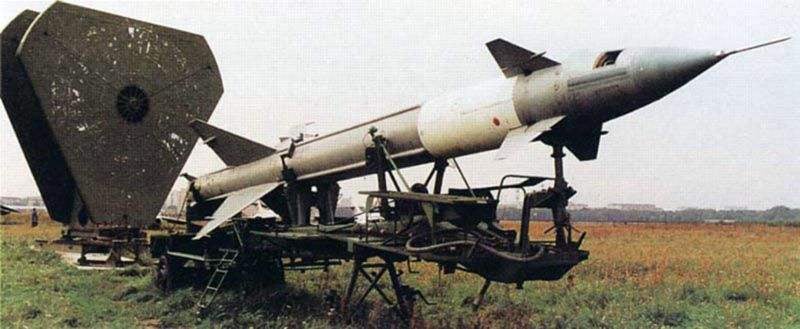
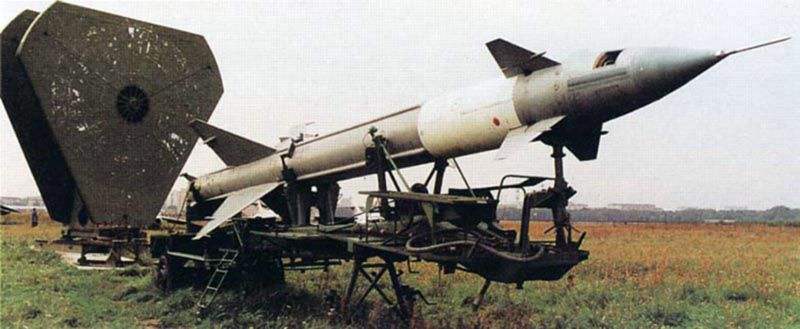 Guided missile anti-aircraft missiles V-300. It was designed to defeat aircraft with a flight speed of 1500 km/h at altitudes from 5 to 25 km and at a distance of 35 km the First anti-aircraft guided missile (AAGM) with radio command guidance was single stage, liquid fuel, pressurization feed system components.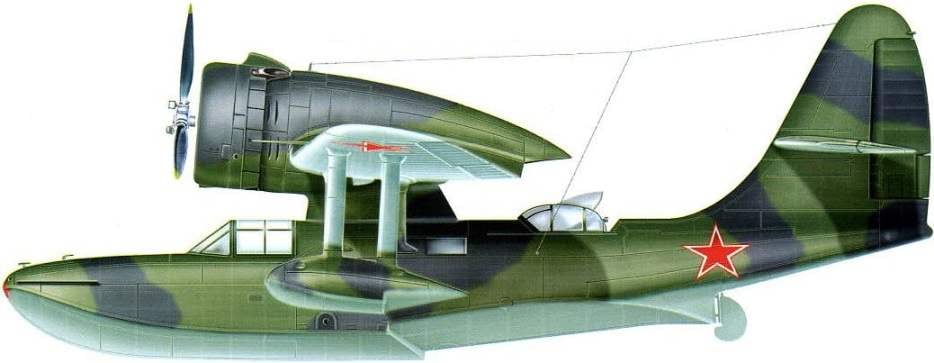
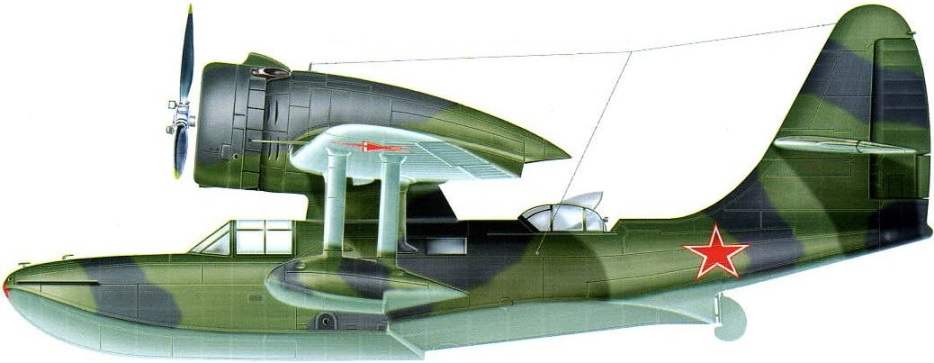 We can safely say that the class of the ship ejection of seaplanes was the most short-lived in the history of Soviet aviation. There are many reasons, but chief among them is that in the heyday of ejection aviation fleet of the Soviet Union played a secondary role. In its structure there were only a few ships equipped with ejection systems.