Building homemade cars is a unique phenomenon. Apart from the USSR, nowhere else did this movement become widespread. People of the most varied professions took up amateur car design: doctors, artists, musicians, workers and engineers. It is known that the space conqueror A.A. Serebrov had a homemade car, and cosmonaut V.A. Aksyonov took part as the chief judge in the “Samavto” runs held annually with the support of DOSAAF. In the 1990s, technical creativity declined — it became simpler and cheaper to buy a used foreign car and restore it than to build a car from scratch. Today’s homemade builders mainly create off-road vehicles — highly functional and structurally quite advanced.
However, oddly enough, interest in homemade vehicles of the Soviet era grows every year (for some of them, see “M-K” No. 9-2024), and entire sections devoted to such machines have even begun to appear in many museums across the country.
A rich collection of homemade cars has been assembled in the village of Novoselye, near the city of Pereslavl-Zalessky, where Roman Kurchenko and a group of enthusiasts organized the “Museum of Homemade Cars of the USSR”. In all, more than 40 different vehicles are here now. Many are in running order (and even have official papers); others await restoration.
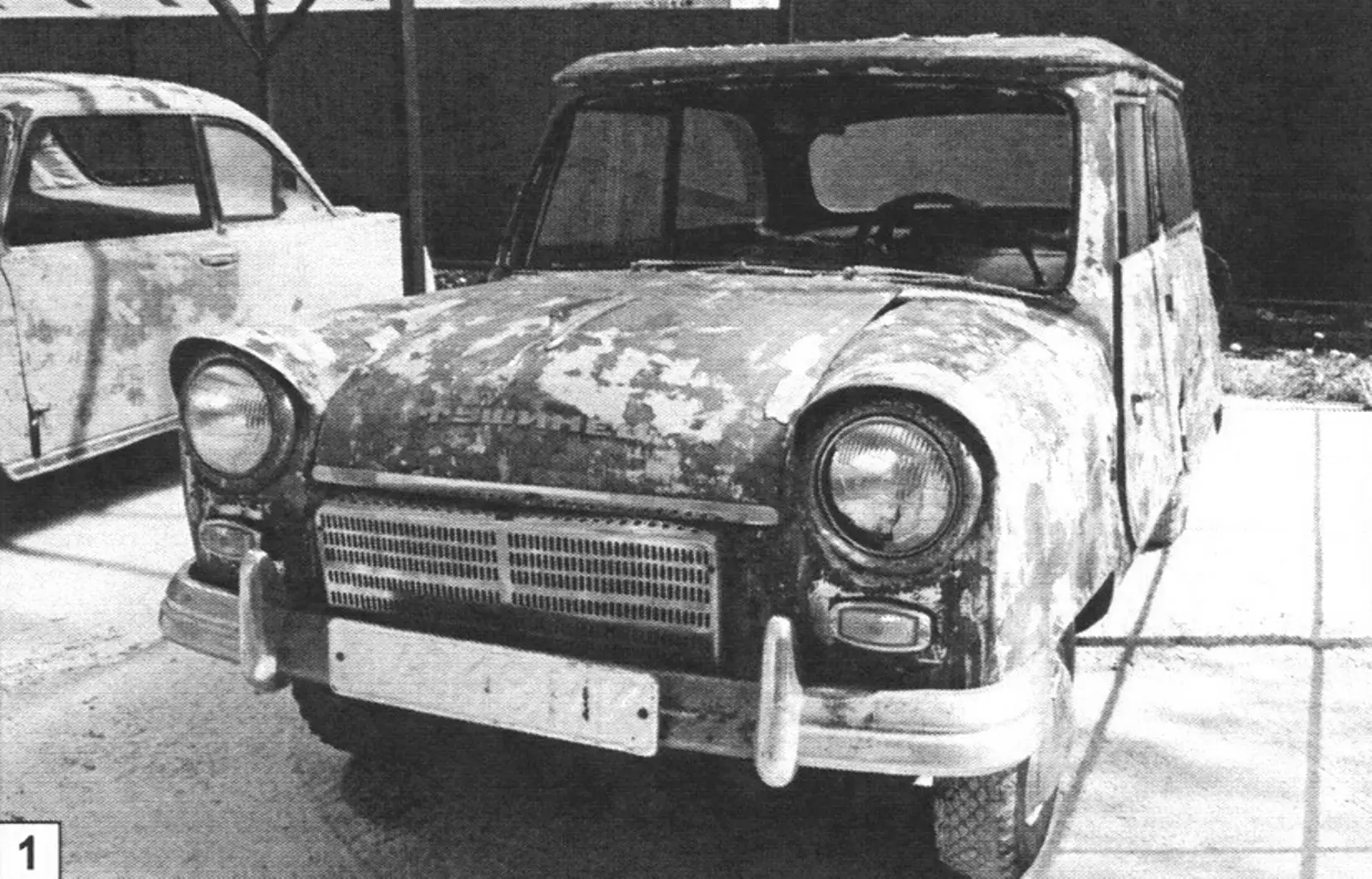
The oldest exhibit is the “Tushinets” car (photo 1). It was built in 1958 in the town of Tushino (part of Moscow since 1960) on the basis of units from an S-3A disability motorized carriage. An M-72 motorcycle engine is mounted at the rear. The body is metal, of the author’s design, with an eye-catching paint scheme: a cherry-colored lower section and a white roof. The bumpers and wheel covers are from a Moskvich; the lighting equipment is from a Pobeda. The car took part in many “Samavto” runs, but then was not used for a long time. It was discovered by chance in 2012 during the demolition of old garages. The museum plans to restore “Tushinets” to its former glory. Fortunately, it is fully complete — even the original nameplate has survived.
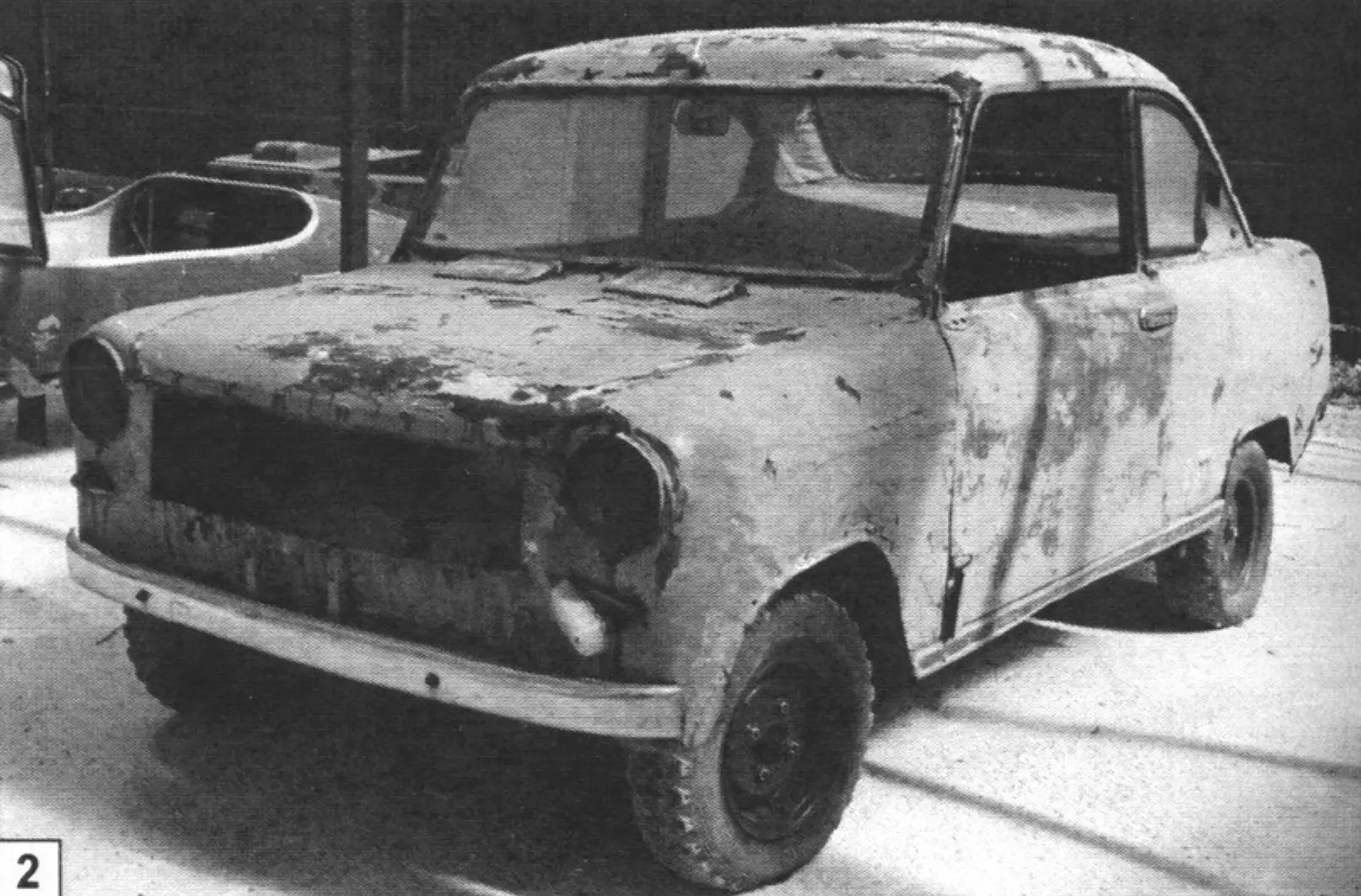
Another object from the past, also assembled on motorized-carriage components, is the “Kvarta” car from Yekaterinburg (photo 2). It took part in the first gatherings in the Urals. Despite its small size, it even has a compact 12-volt television — fantastic for the time! The exhibit is now being restored to running condition.
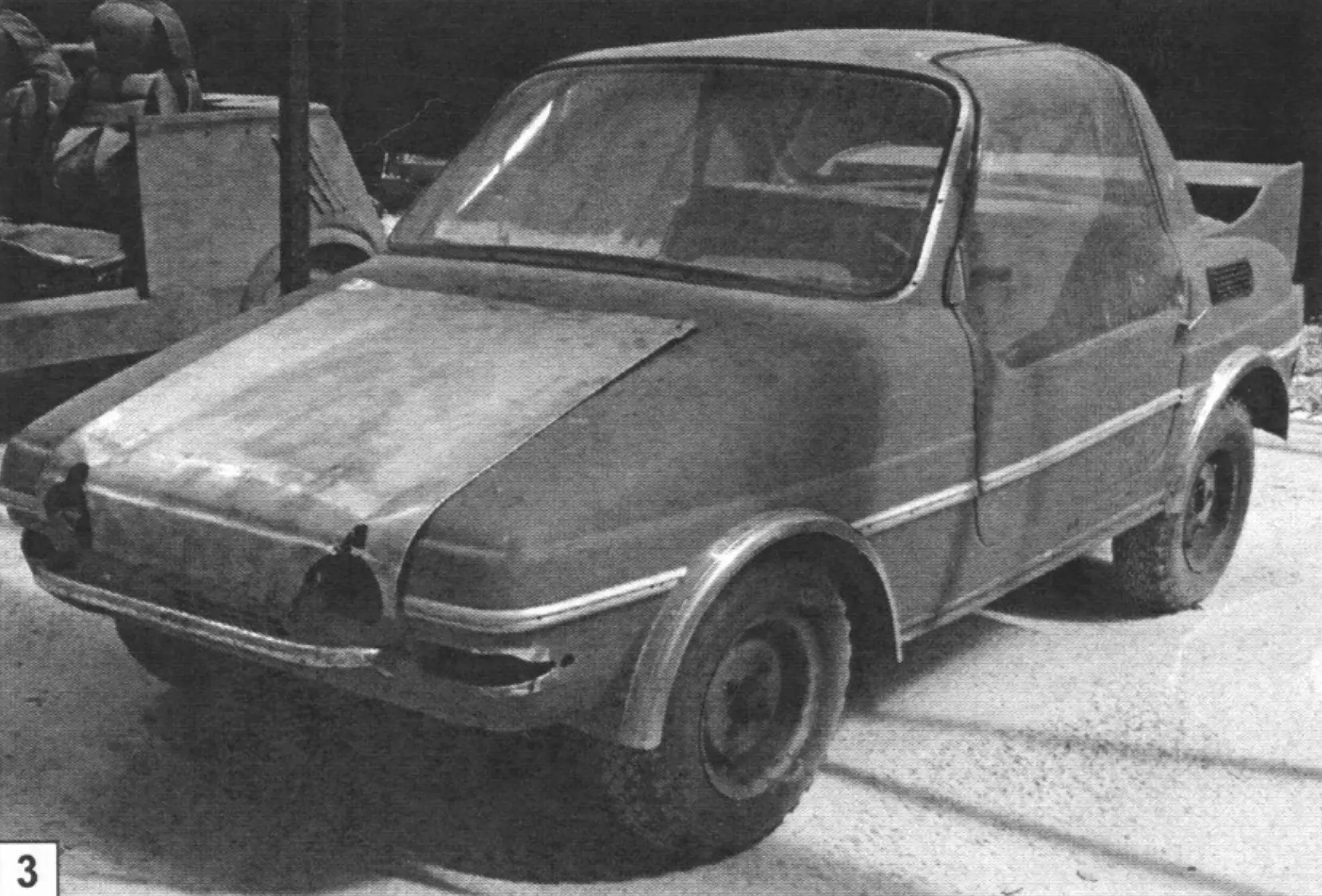
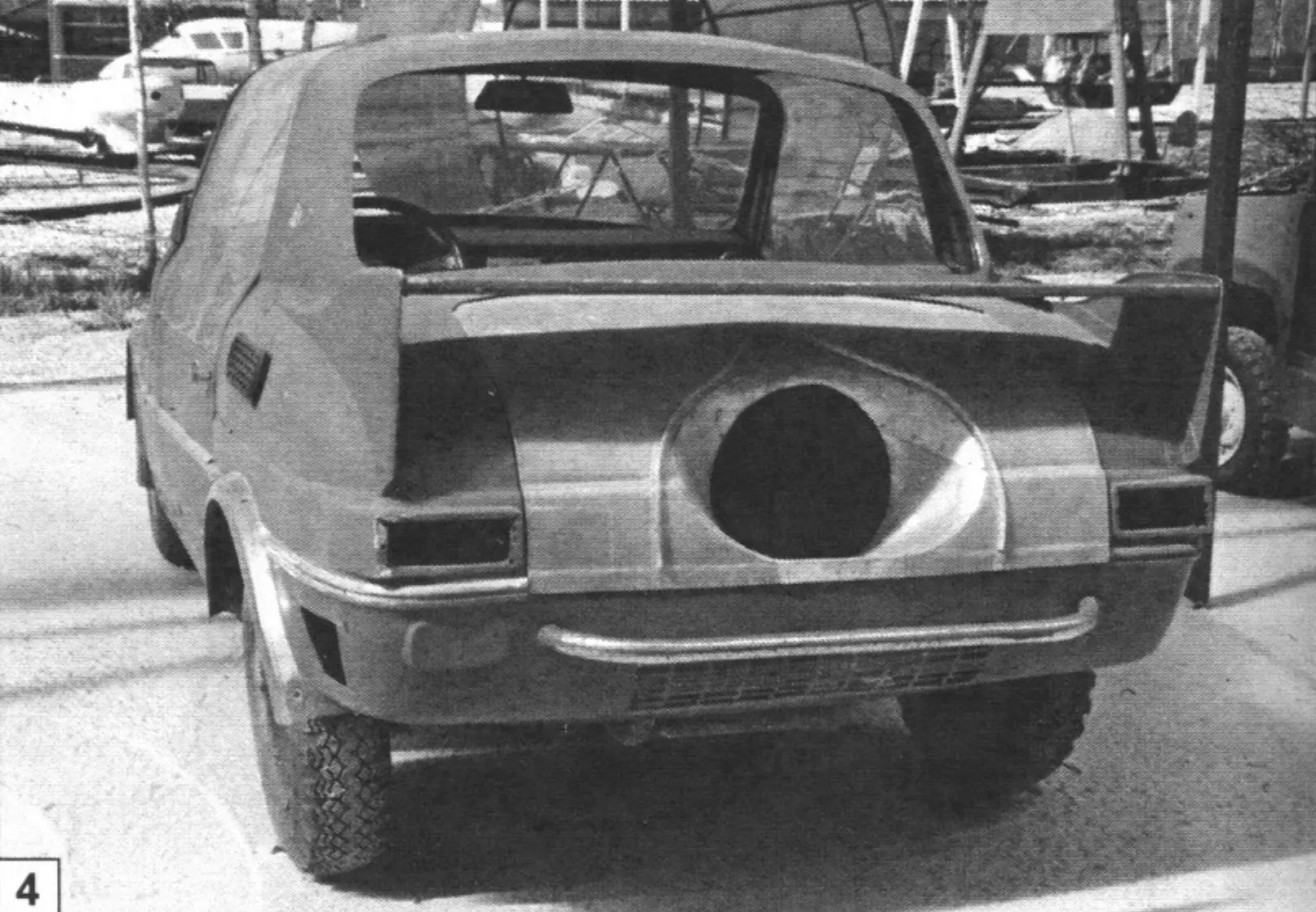
And this car is a mystery (photos 3 and 4). The story of its creation has not yet been uncovered. (Perhaps “M-K” readers can help? If you have information, contact the editorial office, write to our e-mail [email protected] or directly to the museum.) Outwardly, the machine looks like a vehicle from the cartoon about Leopold the Cat. There is a suggestion that its creator was connected with the aircraft industry, because the body is made of an aluminum alloy. It is assembled to a very high standard, and the interior finish is not inferior to a factory one.
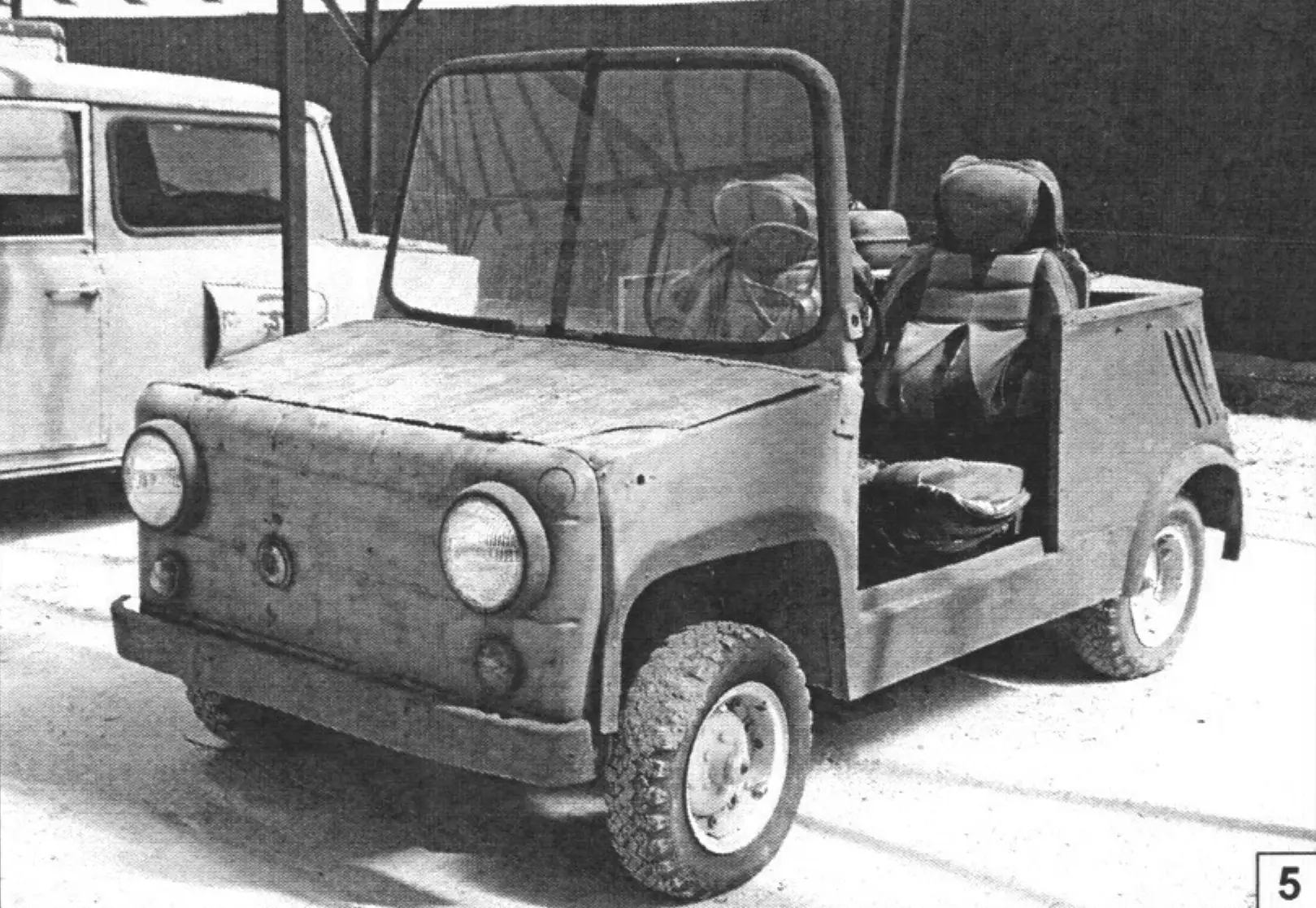
Things are clearer with the Yaroslavl “Kozyavochka” (photo 5), made in the classic style of homemade builders of the 1960s–1970s on disability-carriage components. The body, however, is lengthened. The controls were converted to foot operation, and the interior was reworked several times. The car was in use until 2023 and is still in working order.
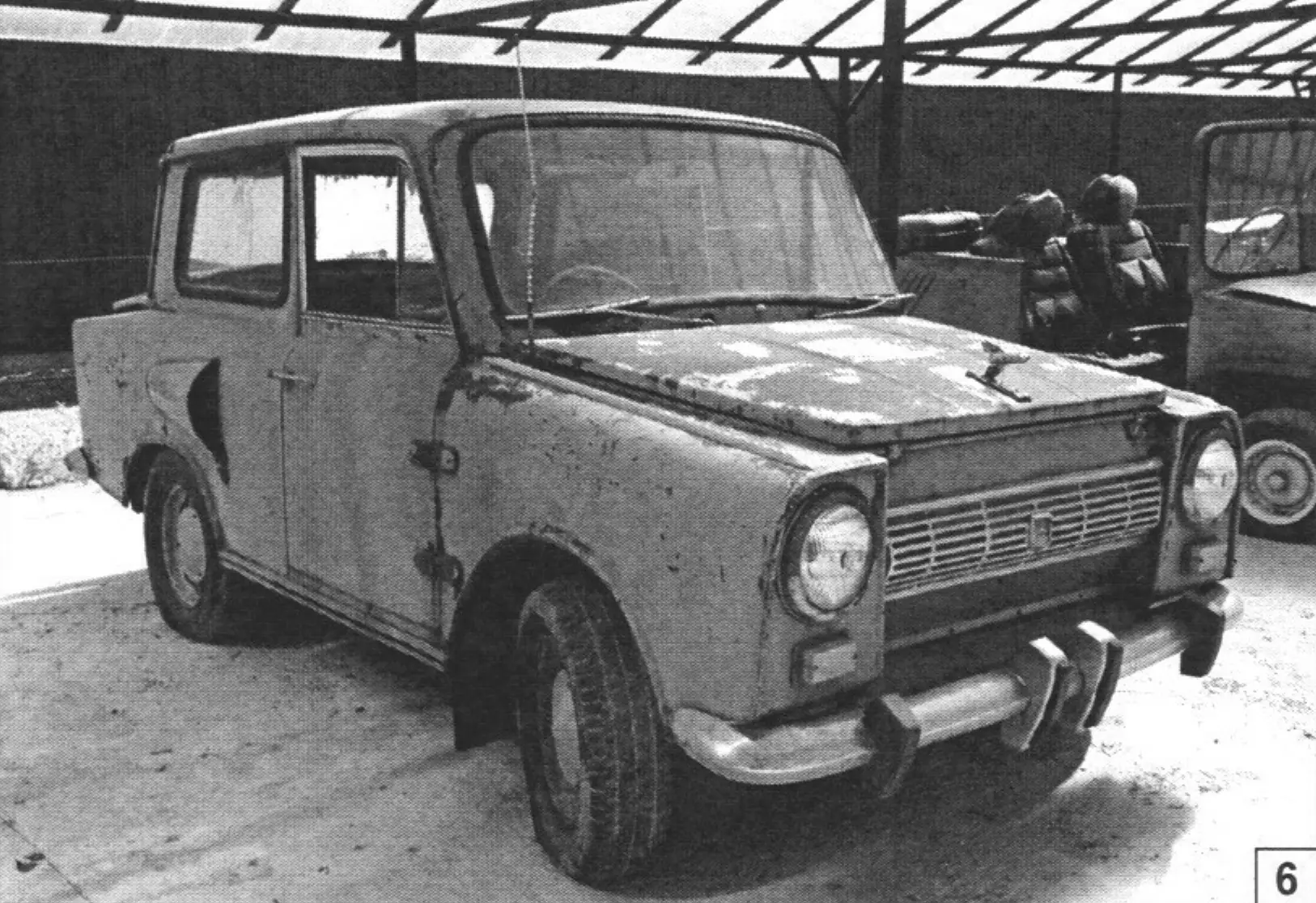
“Yuzhanin” came from Krasnodar (photo 6). Its body is made of very thick metal. People say of such cars — built to last for centuries! A rocket figurine is mounted on its hood, and the nozzle lights up. Space themes were popular then; even schoolchildren knew the cosmonauts by name and were very proud of the country’s achievements.
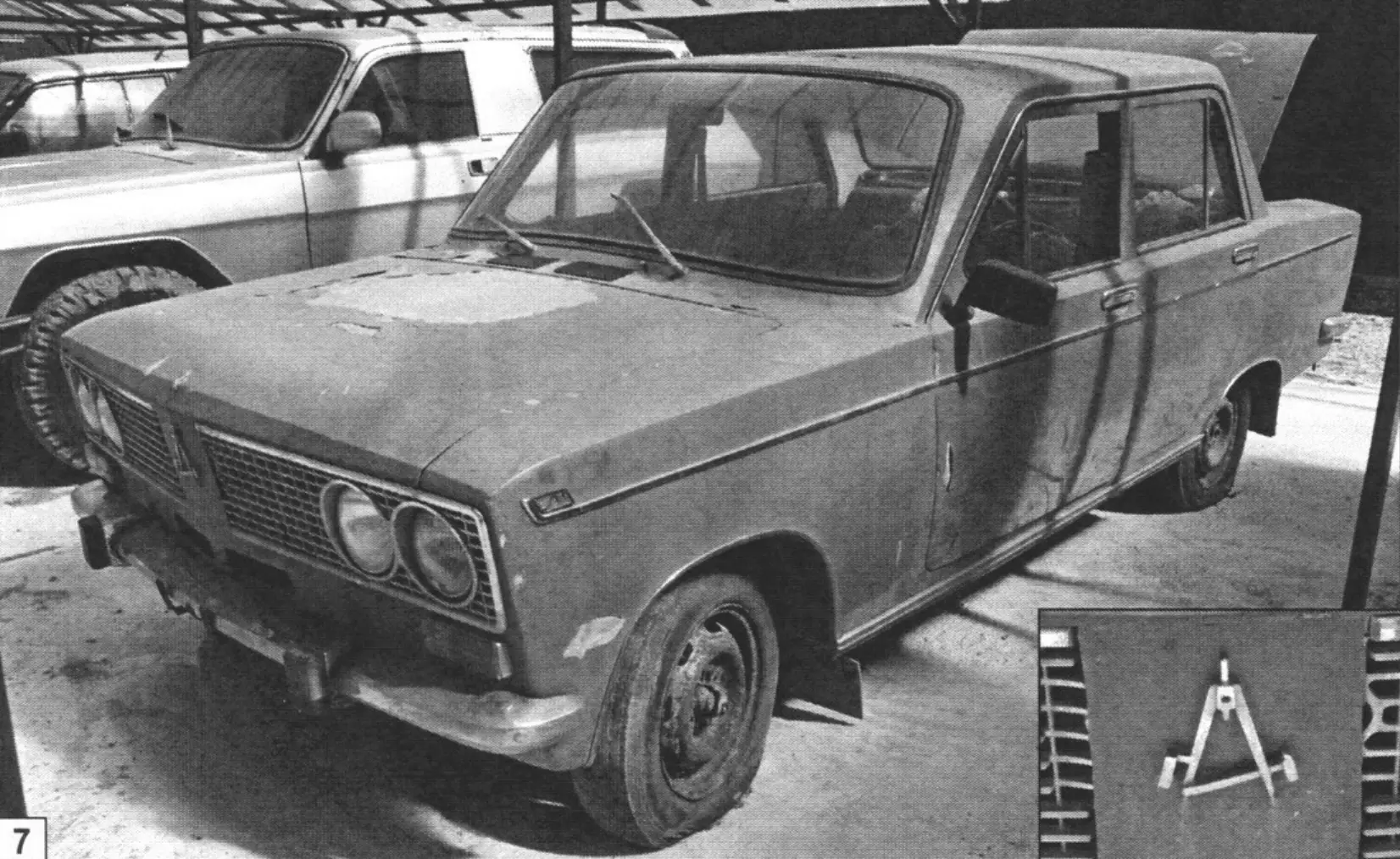
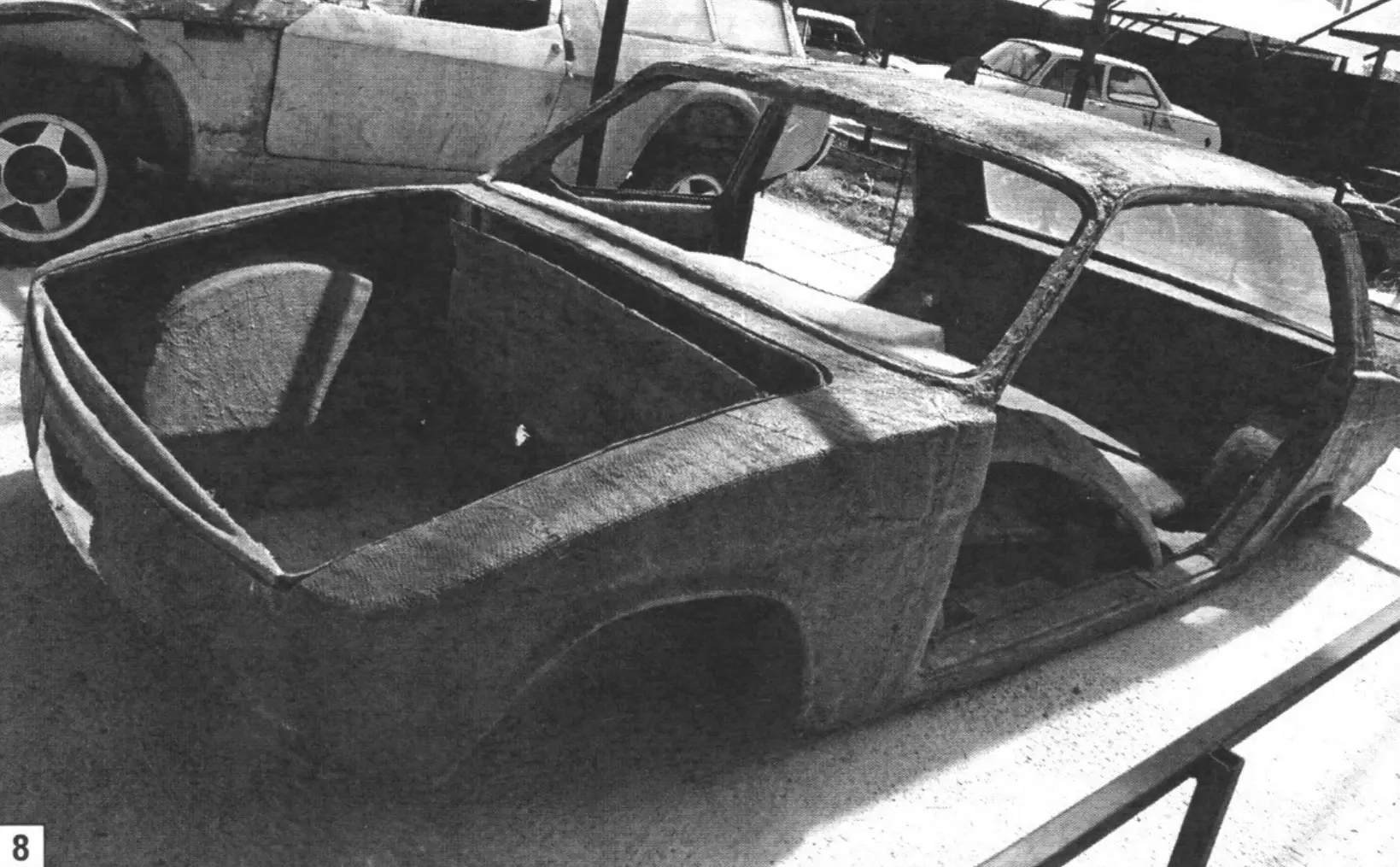
The Simferopol homemade car outwardly resembles a VAZ-2103, but it is considerably wider (photo 7). At the front, the sedan is adorned with the author’s emblem depicting a compass and a hammer. The power unit, lighting equipment and radiator grille were borrowed from a Zhiguli. The body is entirely original — it is fiberglass, and moreover was laminated not on a mold but on board templates. The front and rear windows are from a Volga. The car has a spacious interior and a roomy trunk. It was registered in 1979 and has since covered about 100,000 km. It is known that from 1987 to 1991 its designer built a sports car by the same technology, but then lost interest in it. Only an unfinished body has survived (photo 8), where the technique of making a fiberglass shell can be clearly seen.
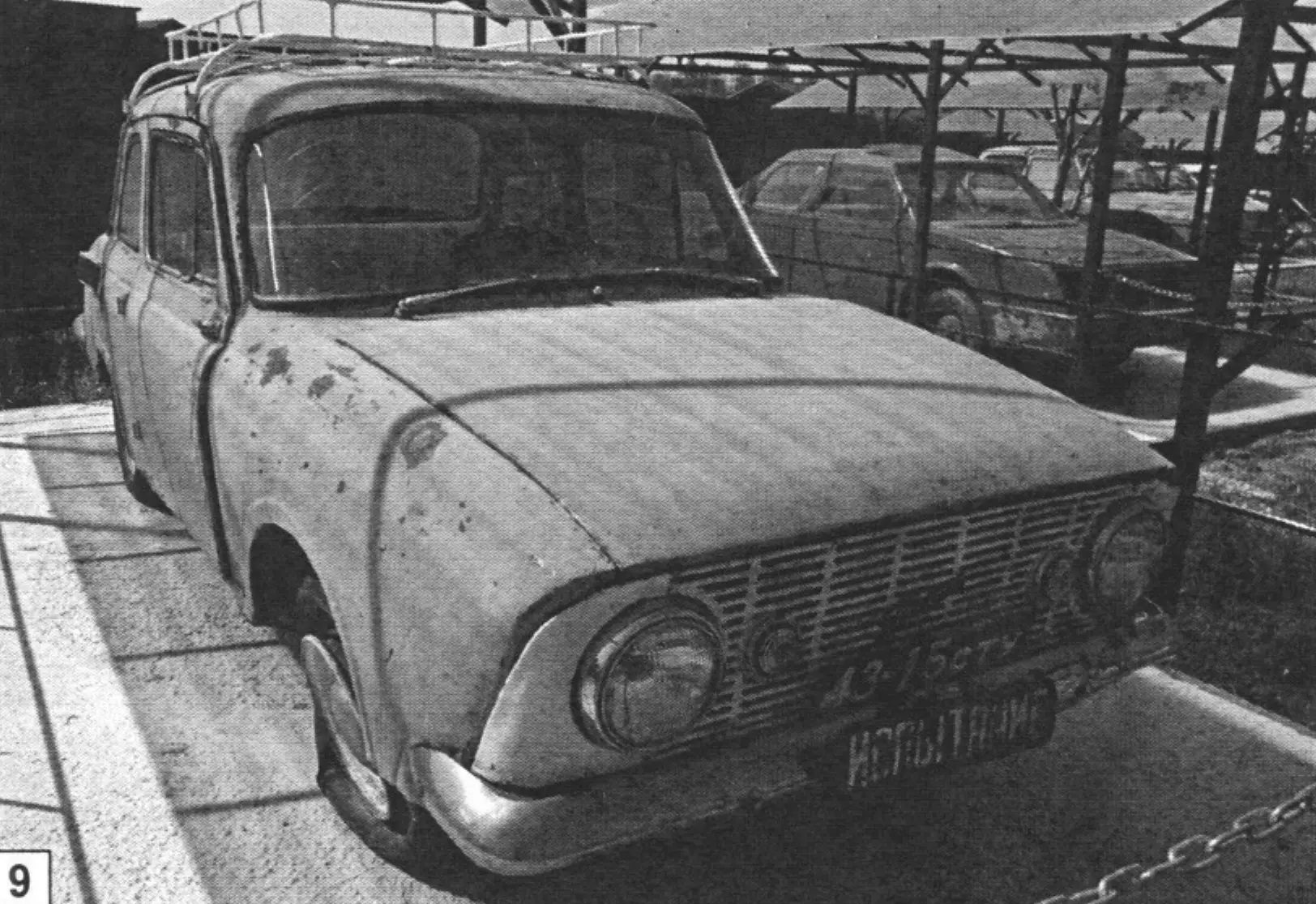
Soviet homemade builders also used highly unusual solutions that still surprise today. A striking example is the “Kavkaz” car from Krasnodar Territory (photo 9). Thanks to the rear engine layout, excellent weight distribution and reinforced front knuckles, it could move… on three wheels! If any tire was punctured, the right front wheel could be fitted in its place — a spare was not needed. The only limitation was that in that mode a passenger could not be carried in the right front seat.
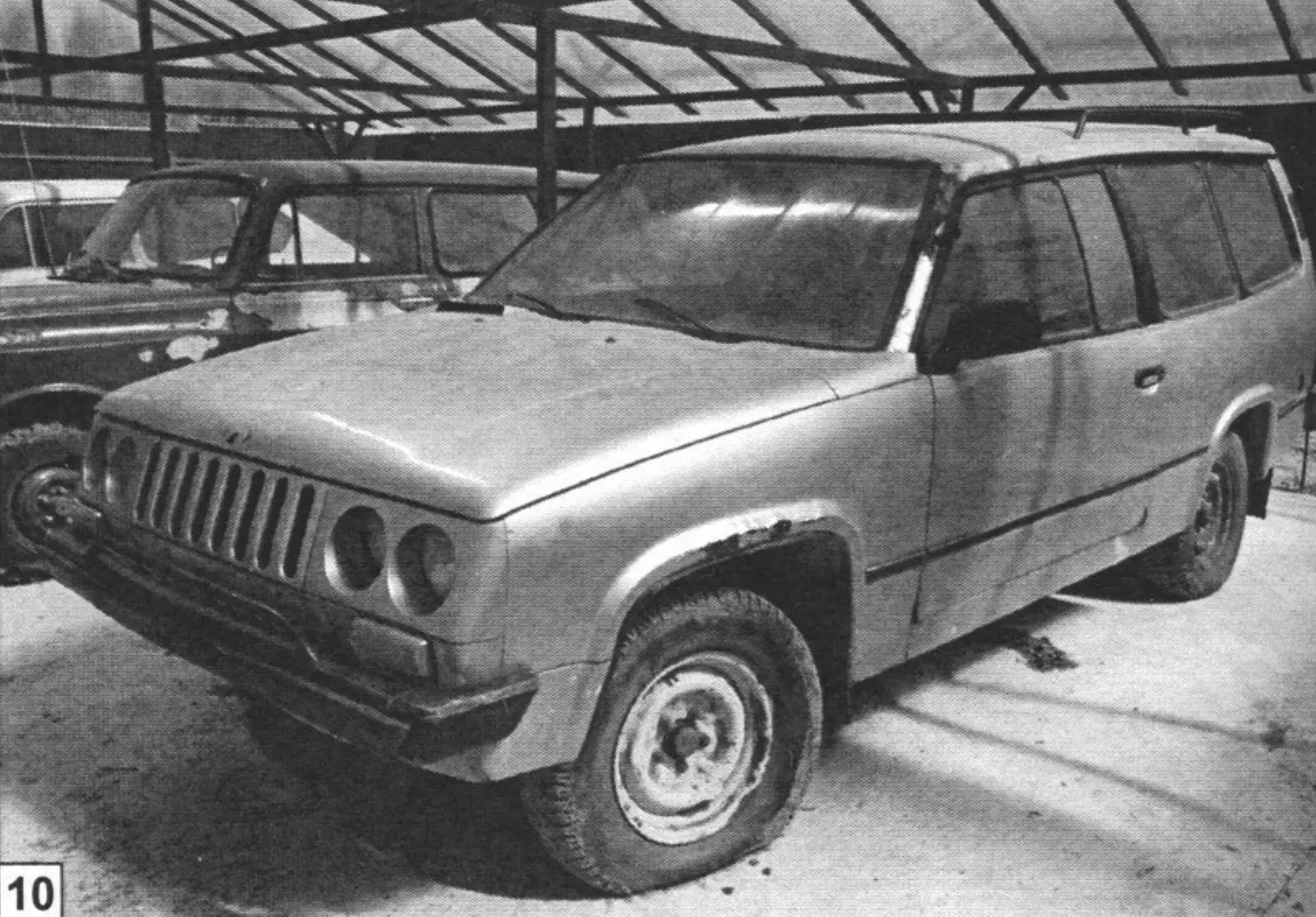
The “Tashkent” station wagon with a metal body is from Uzbekistan (photo 10). In build quality it is not inferior to factory examples. The radiator grille looks like an early VAZ-2123 grille, but in fact it is made from the front facing of a GAZ-53 truck.
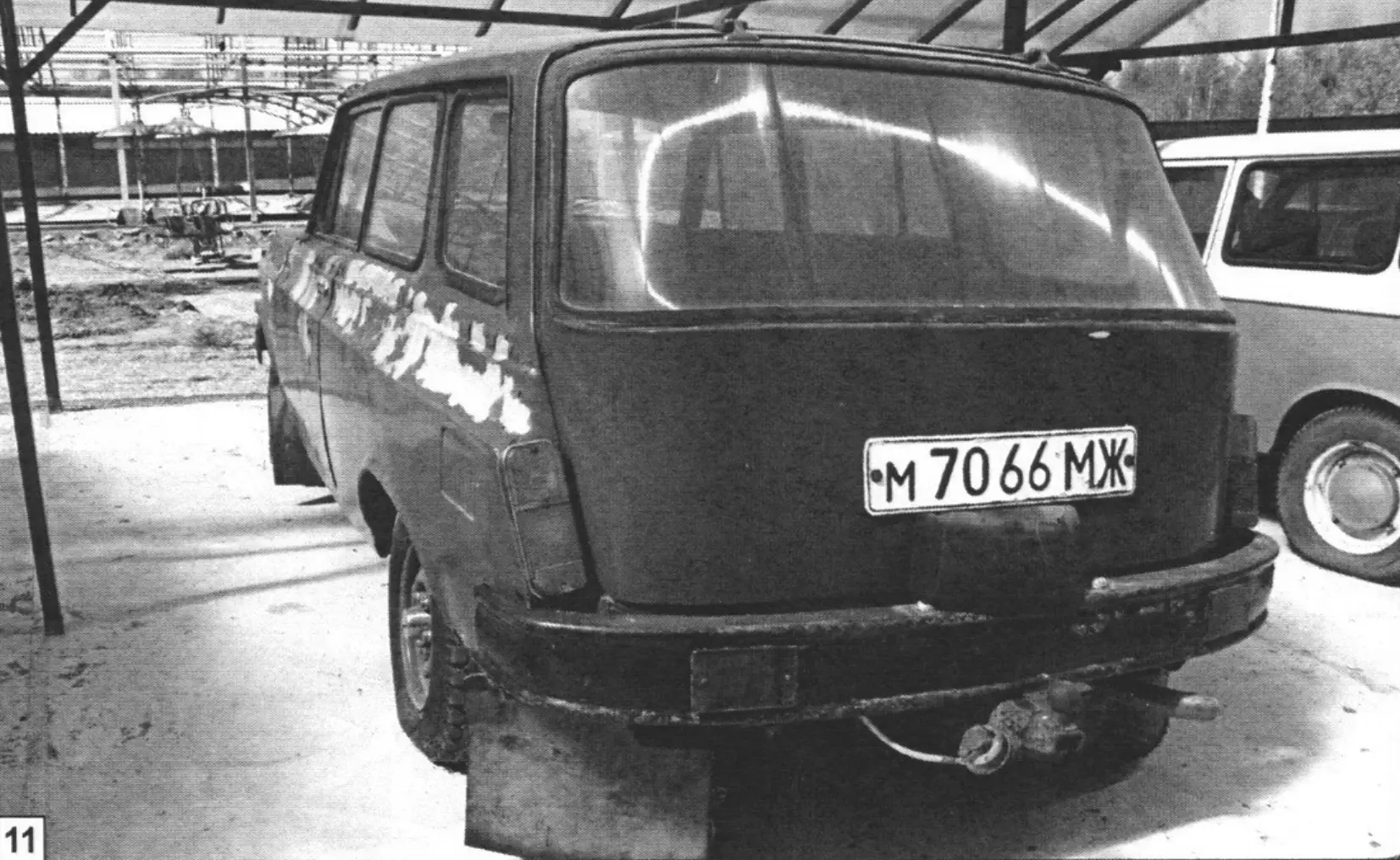
Another station wagon — “Ivolga” — reached Pereslavl-Zalessky under its own power from Podolsk (photo 11). It is interesting for its design and high-quality workmanship. It has one door on the left side and two on the right. The car is fitted with Zhiguli components and is, by all accounts, pleasant to drive. There is one problem, though. The body is fully galvanized or tinned, so over many years of use there is no corrosion on it at all. However, restorers have so far failed to find a suitable primer — the paint keeps peeling off.
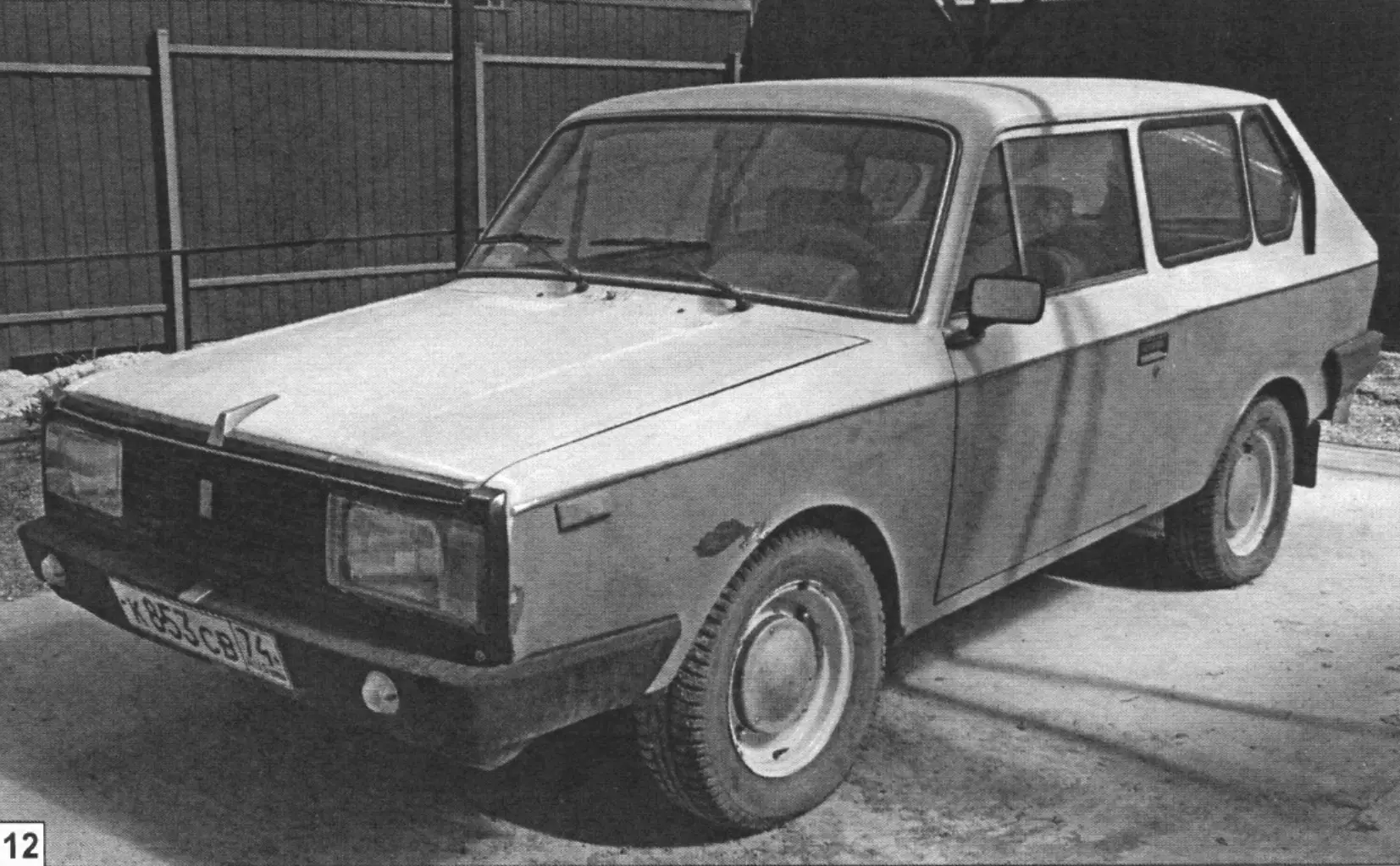
The exhibits in the museum are arranged chronologically with great care, and the display clearly shows how the skill of our “Kulibins” grew over the years. Here, for example, is the “MYUK” station wagon from Chelyabinsk (photo 12). It looks as if it left the workshop only yesterday! The car was rebuilt many times. In the final version, a Zhiguli engine is mounted at the rear, while the independent rear suspension from a Zaporozhets was retained. The result is a spacious interior with excellent ergonomics (roughly like a Moskvich-2141) and a roomy trunk.
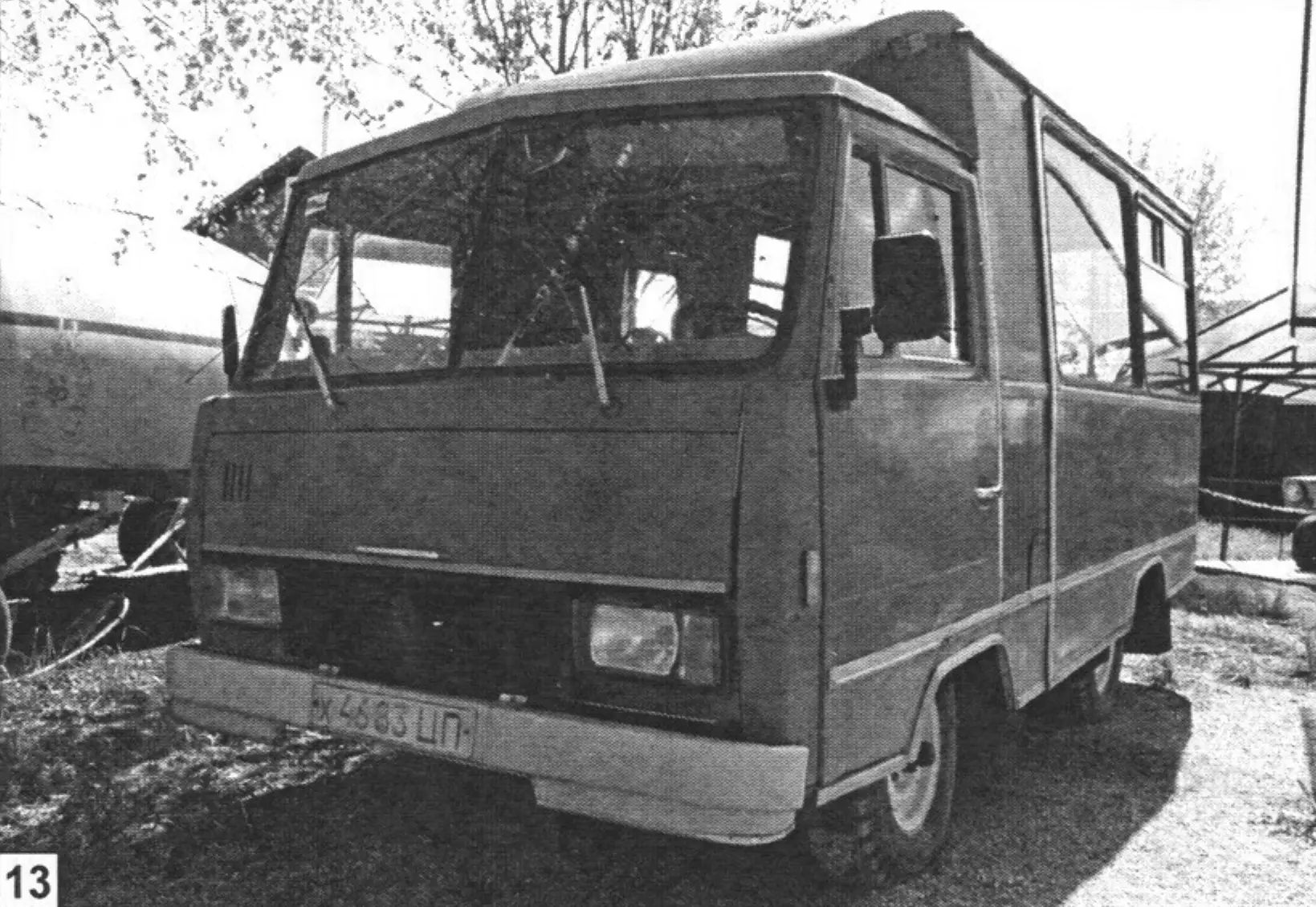
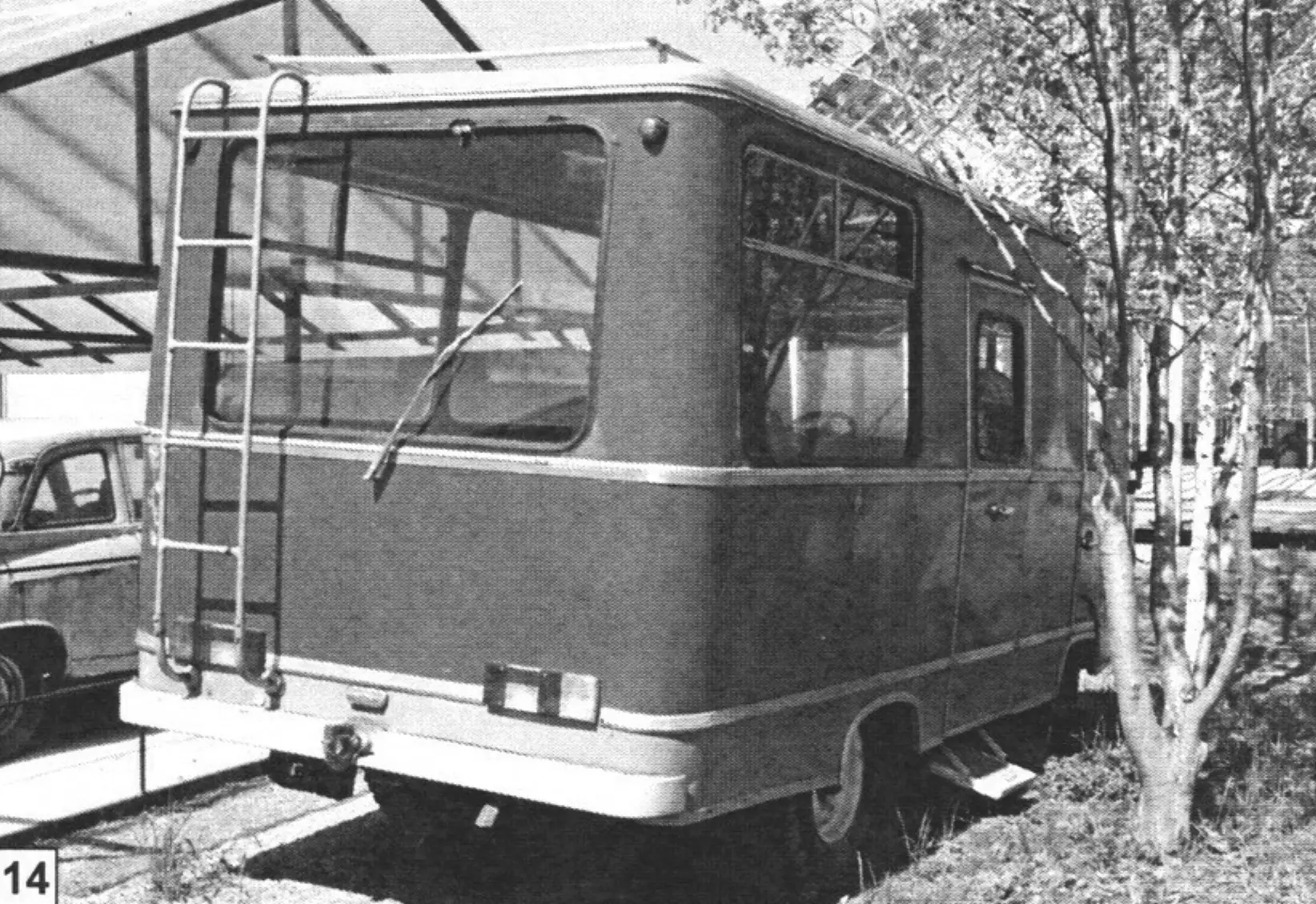
It is no secret that the UAZ-452 was already outdated in the 1970s. Nevertheless, Ulyanovsk never managed to bring a more modern model into production. But a helicopter pilot from Georgia went and built a real cottage on wheels on a “loaf” chassis (photos 13 and 14). The front end is styled like a KamAZ, with headlights from a VAZ-2105. There are many aircraft instruments on the dashboard. The highlight of the design: the door into the passenger compartment lifts upward, creating an open veranda for a picnic with rain protection.
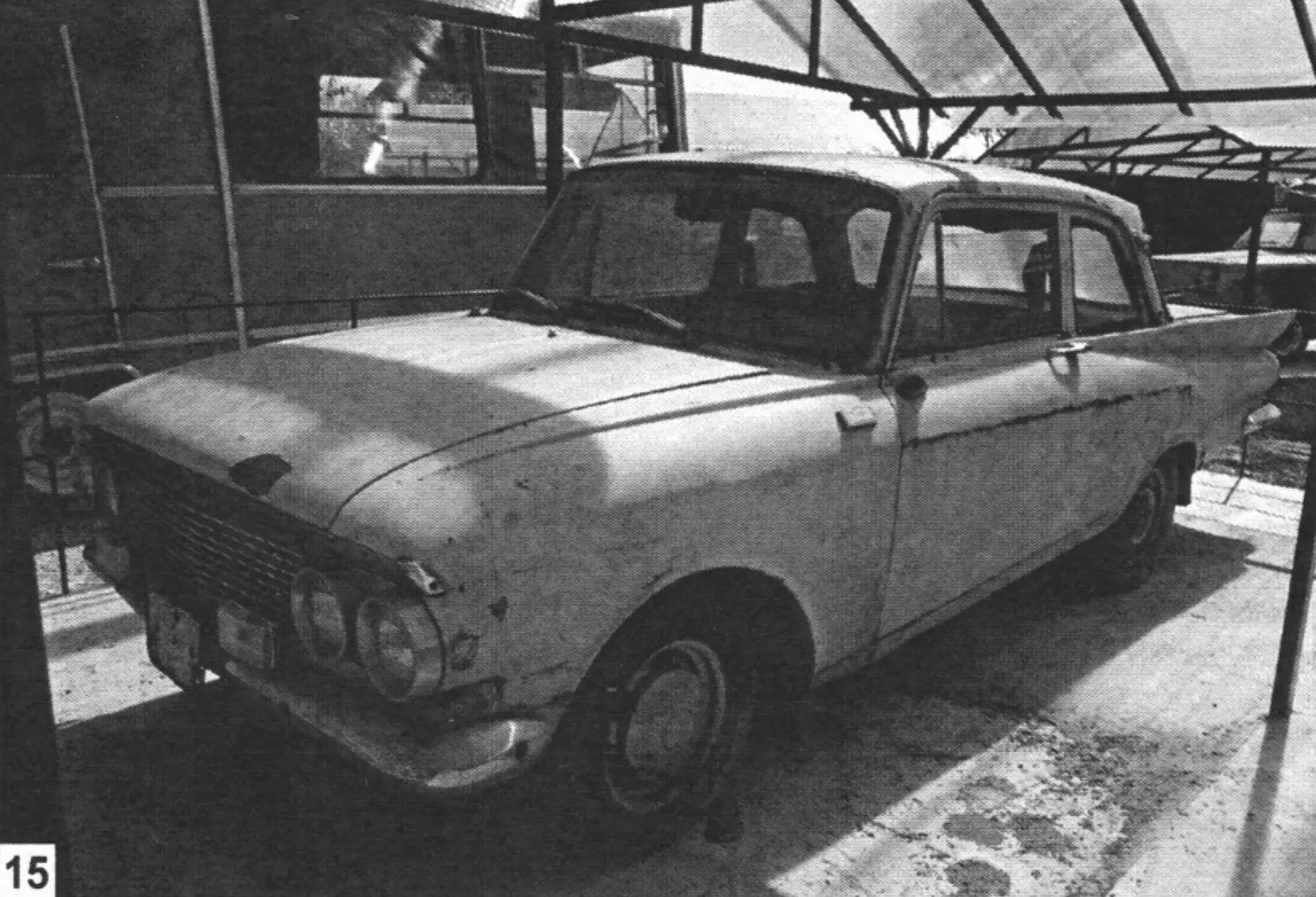
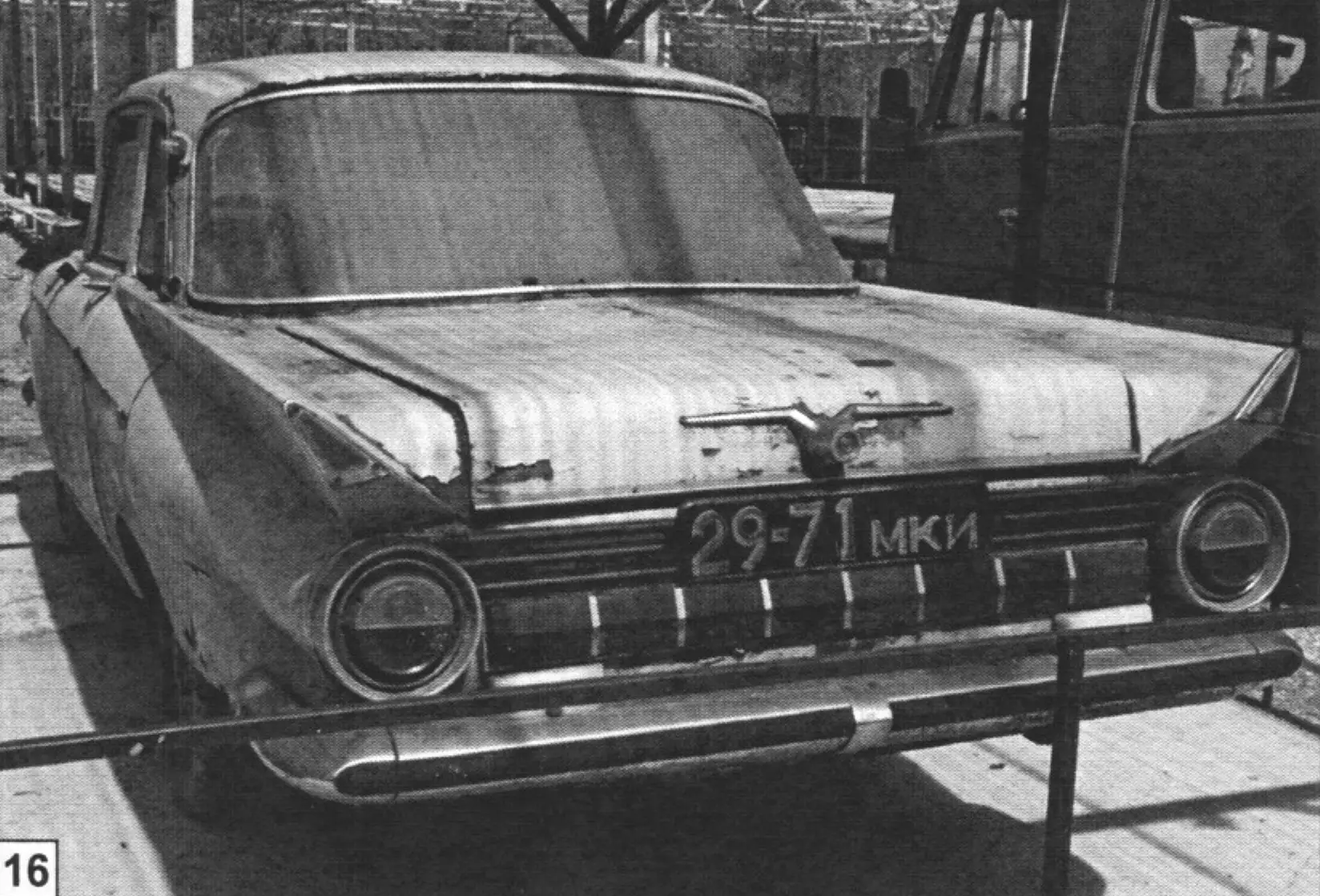
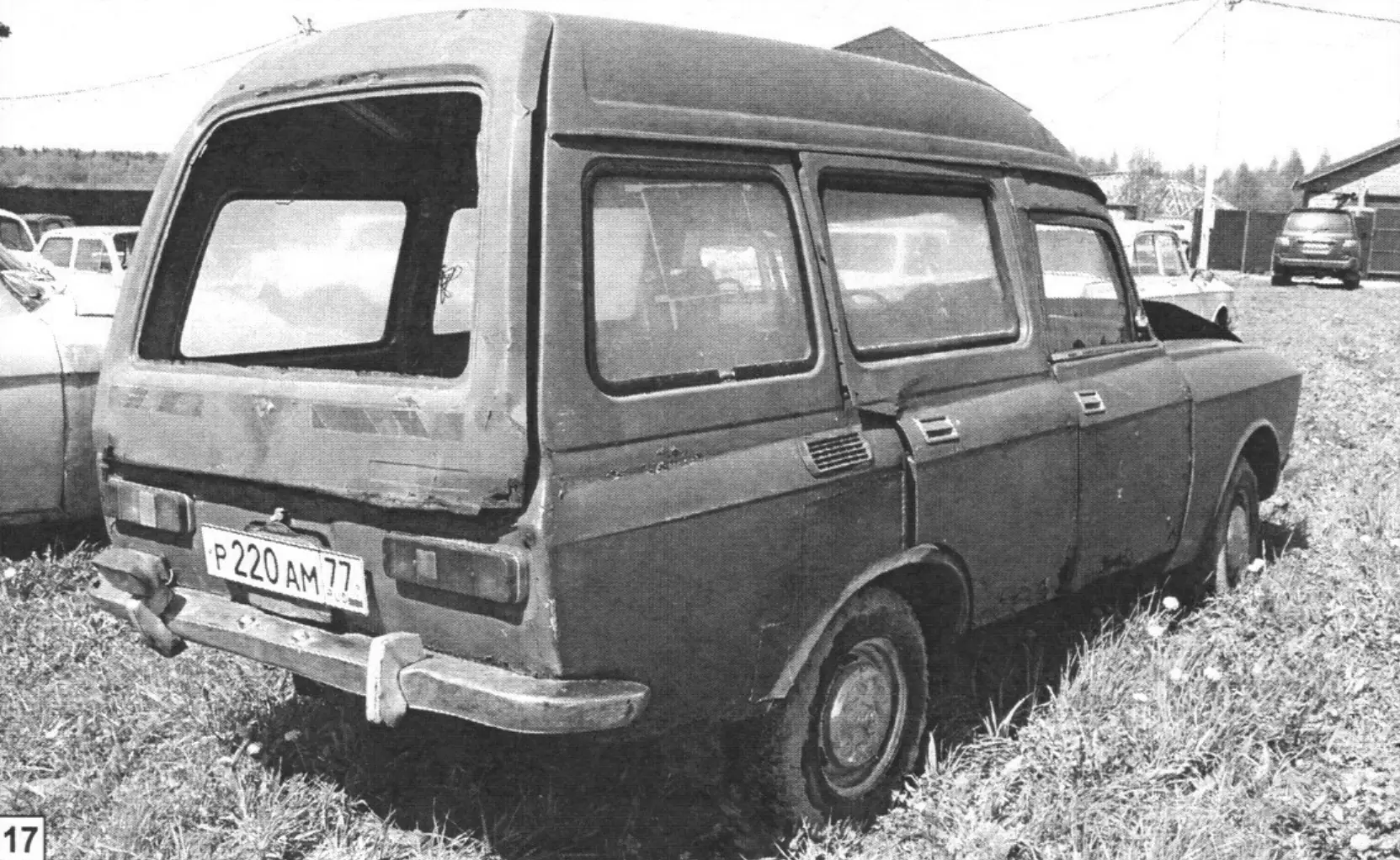
AZLK’s range never stood out for variety either. Sedans were mass-produced, and a small number of then-scarce station wagons were made. Those who were not satisfied with the standard options remodeled cars. Thus, on the basis of an export Moskvich-408, an elegant two-door “Streamline” coupe appeared, inspired by American classics (photos 15 and 16). Another example is a Moskvich-2140 sedan converted into a high-capacity station wagon with a raised roof (photo 17).
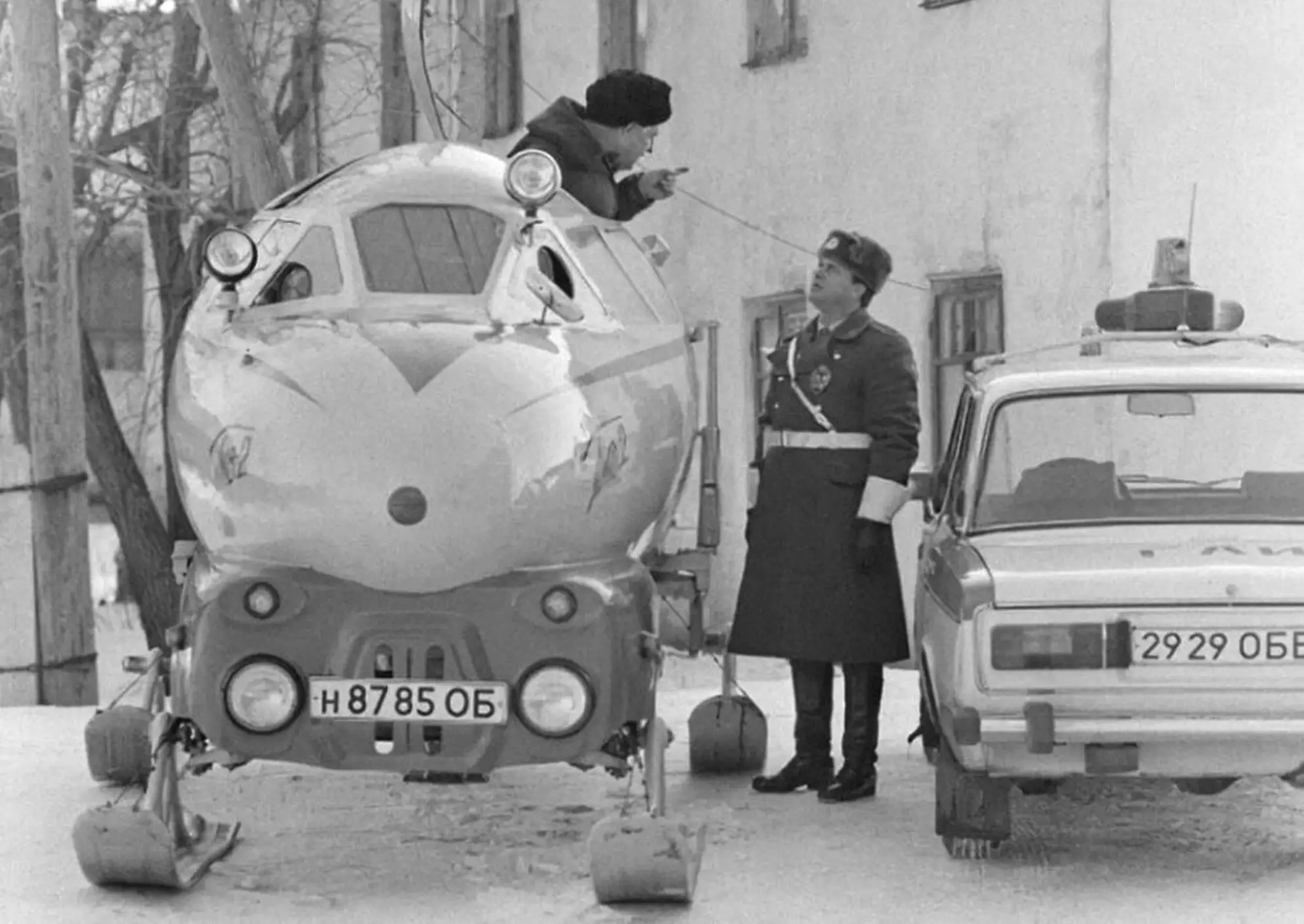
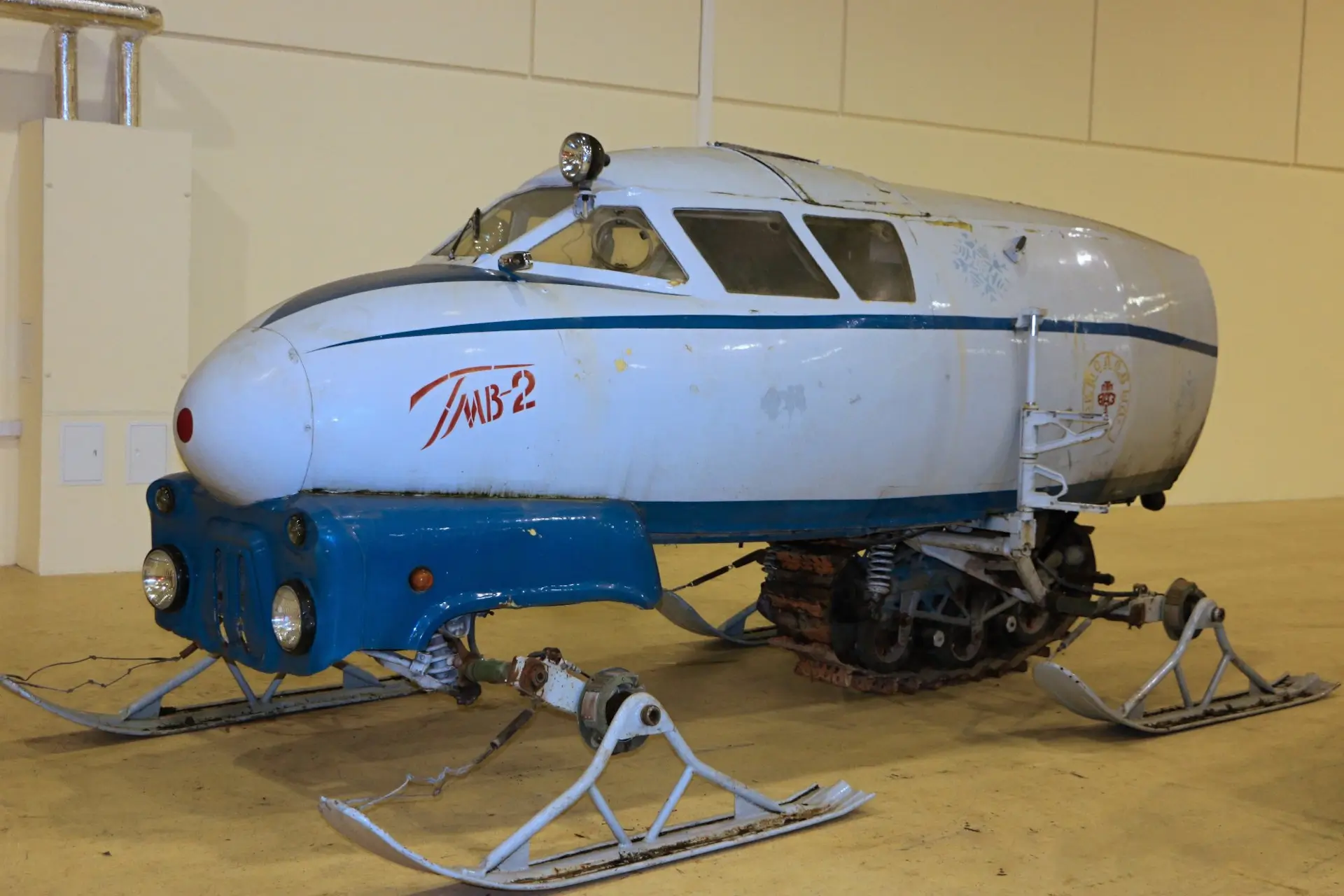
Finally — probably the most unusual exhibit in the “tech park”. This is the GMV-2 all-terrain vehicle, built in Orenburg. Its body comes from… an Il-28U training bomber! At the same time, the machine is officially registered as a car. A detailed article about it, with the history of its creation and drawings, was published in “M-K” No. 11-2012.
In this review we have not covered nearly all the objects in the “Museum of Homemade Cars of the USSR”, which even has a “gold collection” of cars that became well known back in Soviet times. More about them — in one of the forthcoming issues of the magazine.
“Modelist-Konstruktor” No. 7’2025, Sergey DYAKONOV, Andrey FAROBIN
Recommend to read
 KITCHEN – IN THE CORNER
Inaccessible part of kitchen table will be within reach if the shelves are in it to make a semi-circular and rotating. Such a kitchen table-Cabinet you will not find in stores.... DRY TIGHTS…
Woolen clothes, carelessly hung to dry after washing, usually elongated, deformed. Do not save even a coat hanger from them, too, there are traces of stretch yarn. To avoid all this will...
