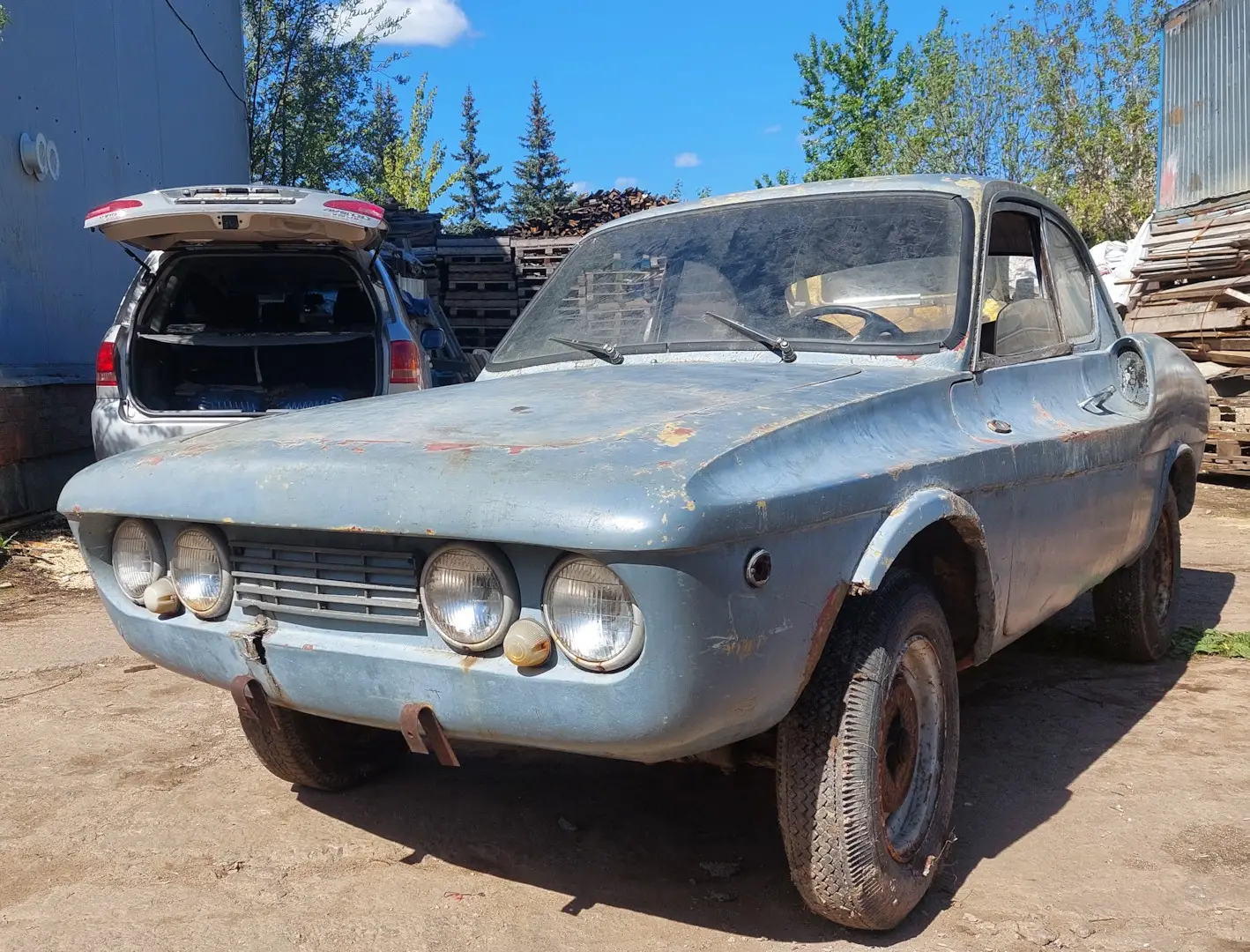
According to the “table of ranks,” the Gran Turismo class covers comfortable, high-speed cars in a sporting style, intended for long-distance travel on motorways. Soviet industry never produced anything of the kind, and there were almost no high-speed roads at the time. Even so, such cars were built by amateur designers to individual projects (and even in small series!). Today some of them can be seen at the Museum of Homemade Cars of the USSR. About the Museum of Homemade Cars of the USSR and its exhibits, read also in M-K No. 7-2025. Its founder, Roman Kurchenko, rightly considers this part of the exhibition the “Golden Collection.”
The first small-series homemade car (only six were assembled from 1963 to 1969) was the KD, or Sport-900. The design author was the well-known designer-artist Eduard Molchanov. Engineers the brothers Igor and Lev Durnov, chemist Anatoly Syvorotkin, and artist Vladimir Yeltyshev took part in creating the car. In concept this two-door coupe was close to European compact sporting rear-engined cars such as the Volkswagen Karmann Ghia and Renault Caravelle Floride (see M-K No. 11-2018), but the style is entirely original. At the heart of the Sport 900 design is a space frame of steel sections; the body is fiberglass.
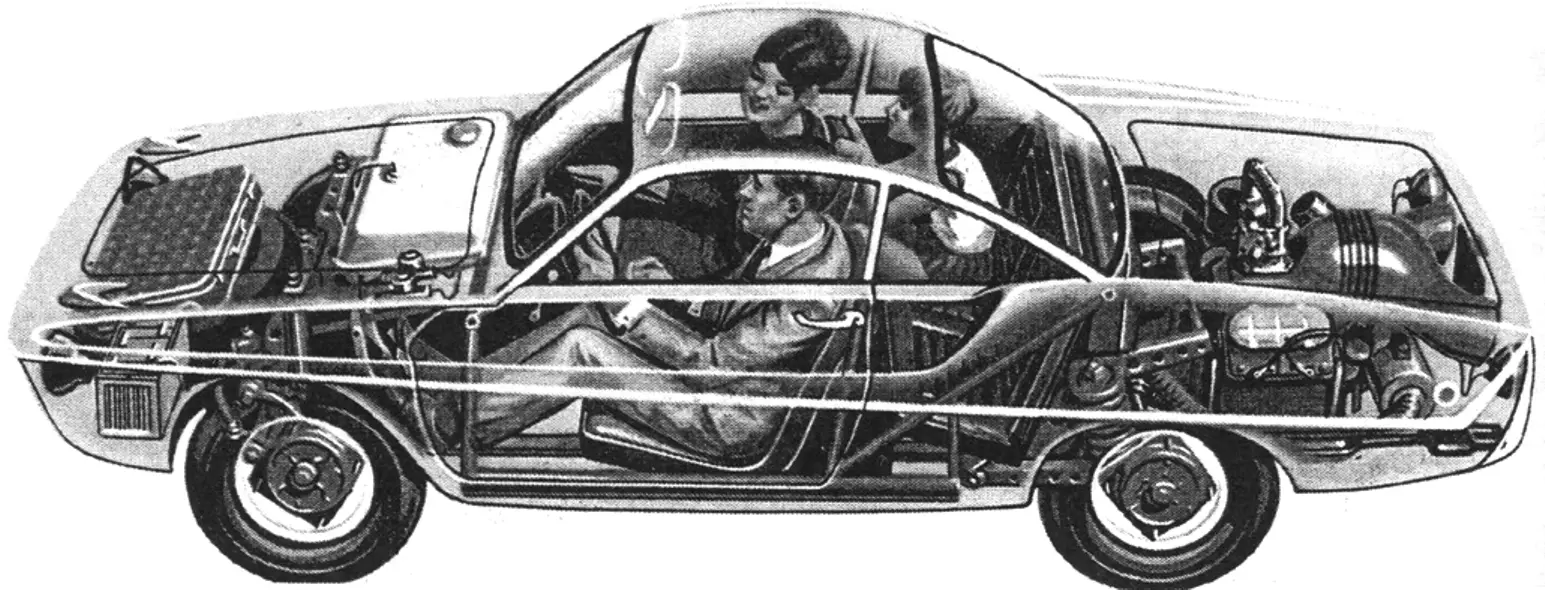
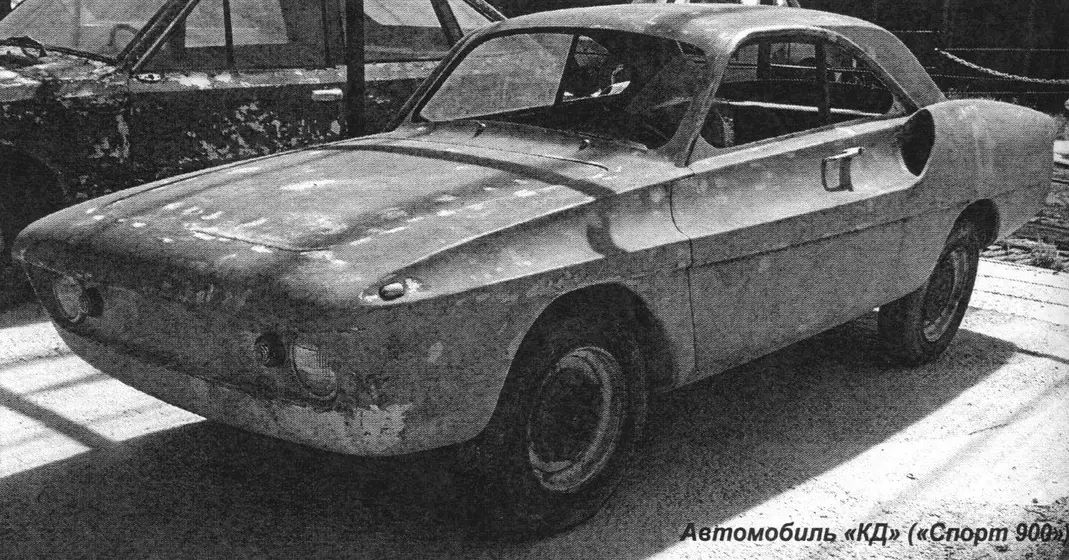
All six cars differed slightly from one another. For example, on some the rear of the body was built up to increase space in the rear row of the cabin. The engine used was a Zaporozhets unit (ZAZ-965A). In those years more powerful engines were forbidden on homemade cars, so the performance is not as good as one would have liked. In their day the Sport 900 cars were widely covered in the press. In particular, M-K No. 1 for 1973 published an article with colorful drawings by Eduard Molchanov.
The collection of the Museum of Homemade Cars of the USSR currently holds two such cars and the “original” mold for making the fiberglass body. One of the cars is effectively new, because it never went out on public roads. The nearest plans are to put it in running order.
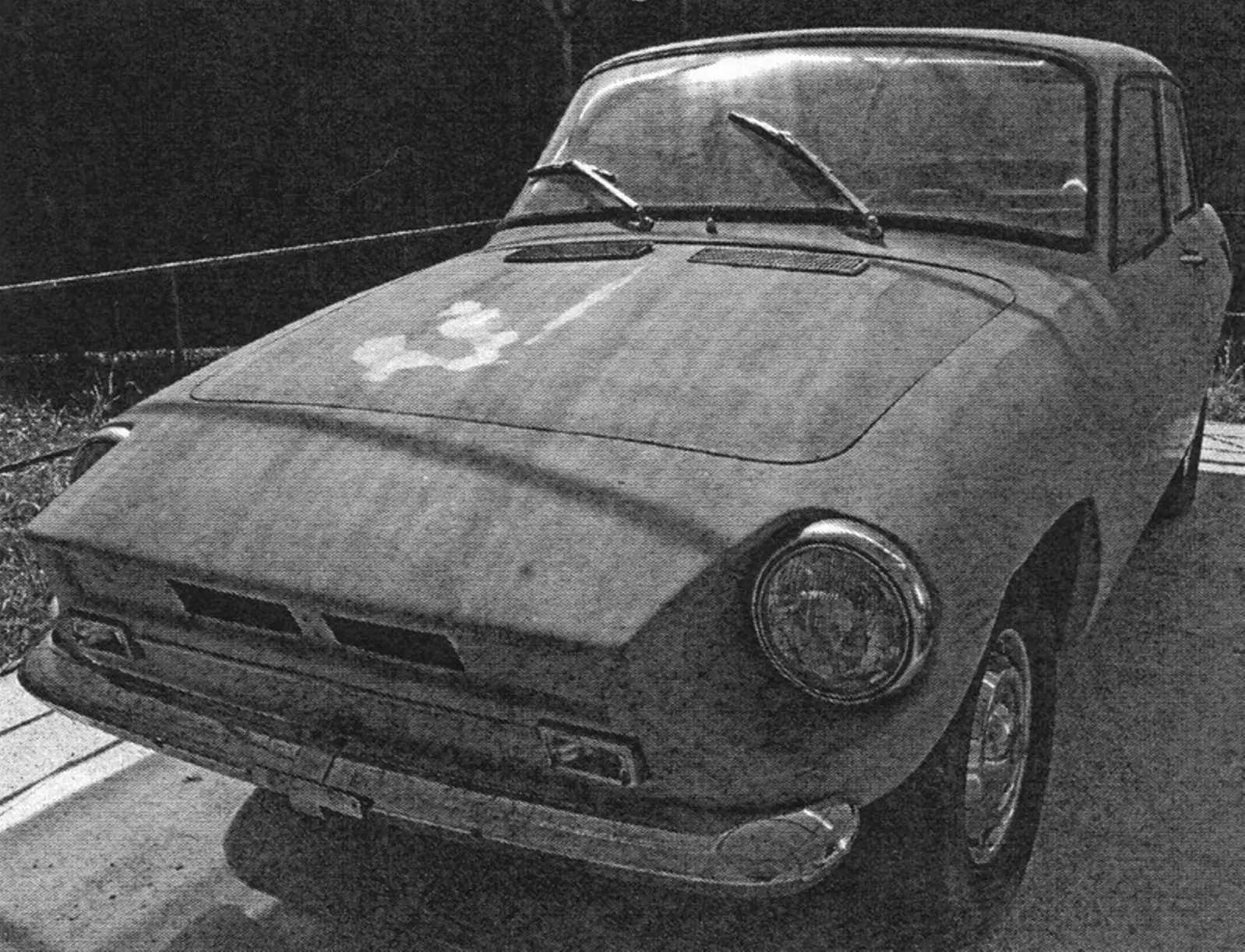
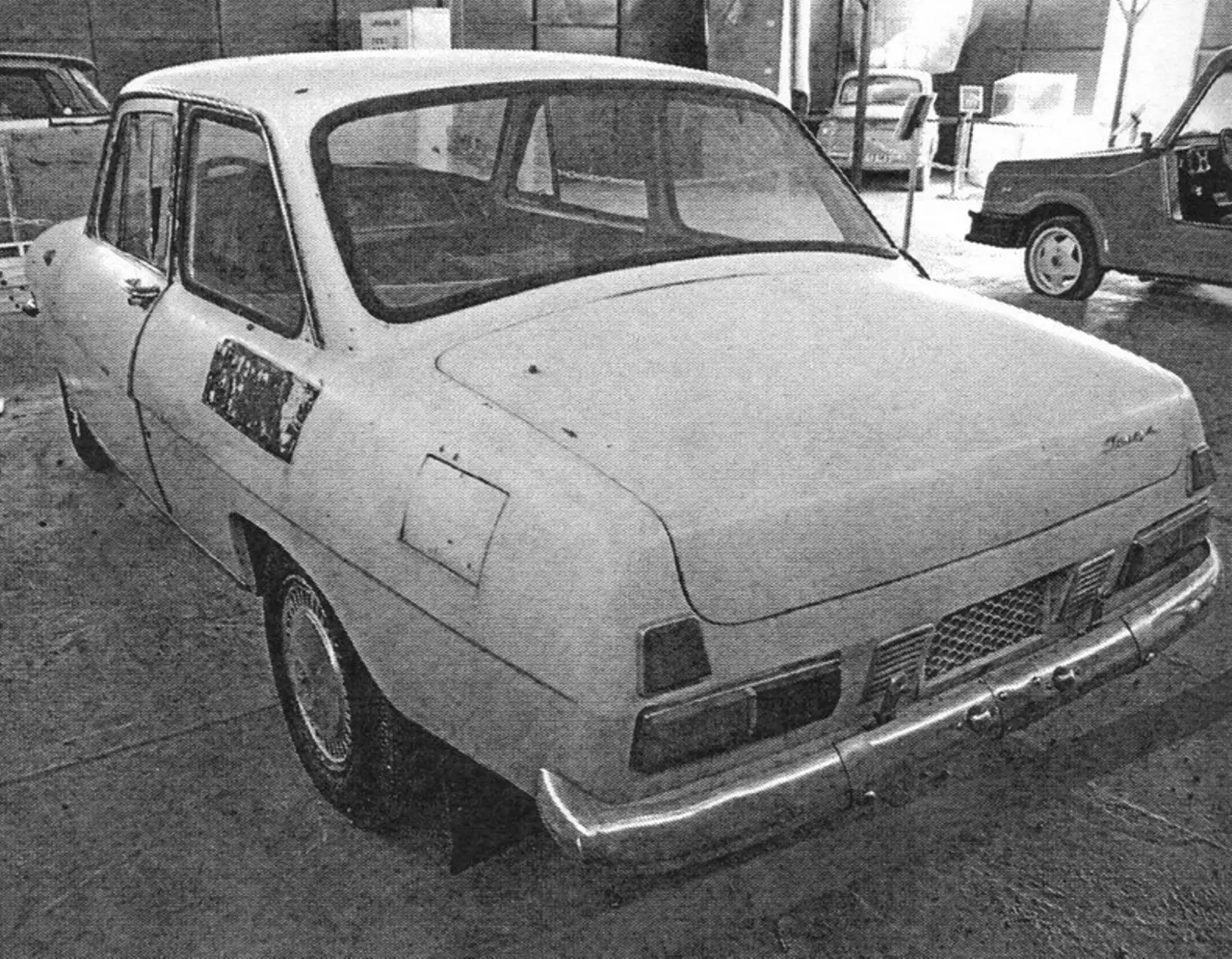
Less well known are the Yaroslavl Gepard cars. Unlike the Sport-900, these two-door sedans have more spacious cabins. The Gepards were built to a semi-unitary scheme with subframes. The bodies are fiberglass. Five people took part in the project: Yu. and A. Krylov, V. Volkov, V. Kasyanov, and A. Lebedev. Accordingly, from 1966 to 1968 the enthusiasts built five cars from a single mold. They differ slightly in exterior trim details. The power units came from the ZAZ-966 and ZAZ-968, and one used a powerplant from a Czechoslovak refrigerator van.
In design these cars were a match for series-built foreign examples of the time, and they were also made to a very high standard. One of the Gepards, it is true, was wrecked back in the Soviet years, but four have survived to the present day, and three of them are shown in the museum collection.
Of course, with Zaporozhets engines a true Gran Turismo could only be dreamed of. There was, however, a loophole that allowed amateurs to fit even Volga engines to their creations. To take part in runs and rallies, a homemade car did not have to be registered with the traffic police — it was enough to hang a “Tests” plate in place of the number, and travel the country! Later the regulations already allowed any engines, provided their specific power per tonne of the vehicle’s gross weight did not exceed 50 hp.
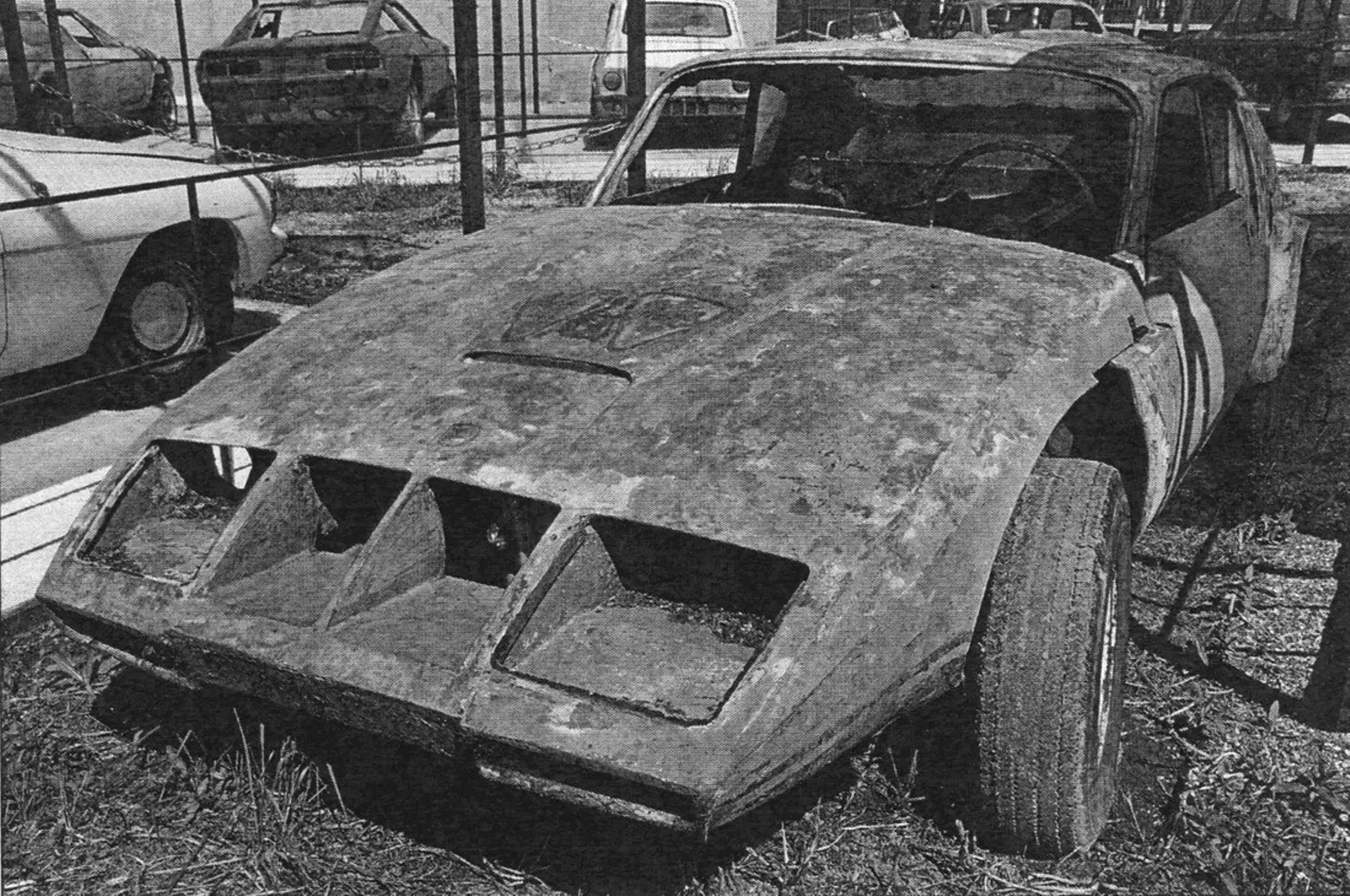
The first car under the new rules was built in 1969 by the artist twin brothers Vladimir and Anatoly Shcherbinin. It was named GTSh (Gran Turismo of the Shcherbinins). The design is a frame chassis with a classic layout. The frame was welded right in the courtyard of an apartment building. The body was laid up in fiberglass from a mold. Final assembly of the car was done in a seventh-floor apartment. To lower it to the ground, the window opening had to be taken apart and a crane used. The first version had a GAZ-21 engine; with it the GTSh could accelerate to 150 km/h. Components from the GAZ-69 and ZIM were also used in the design.
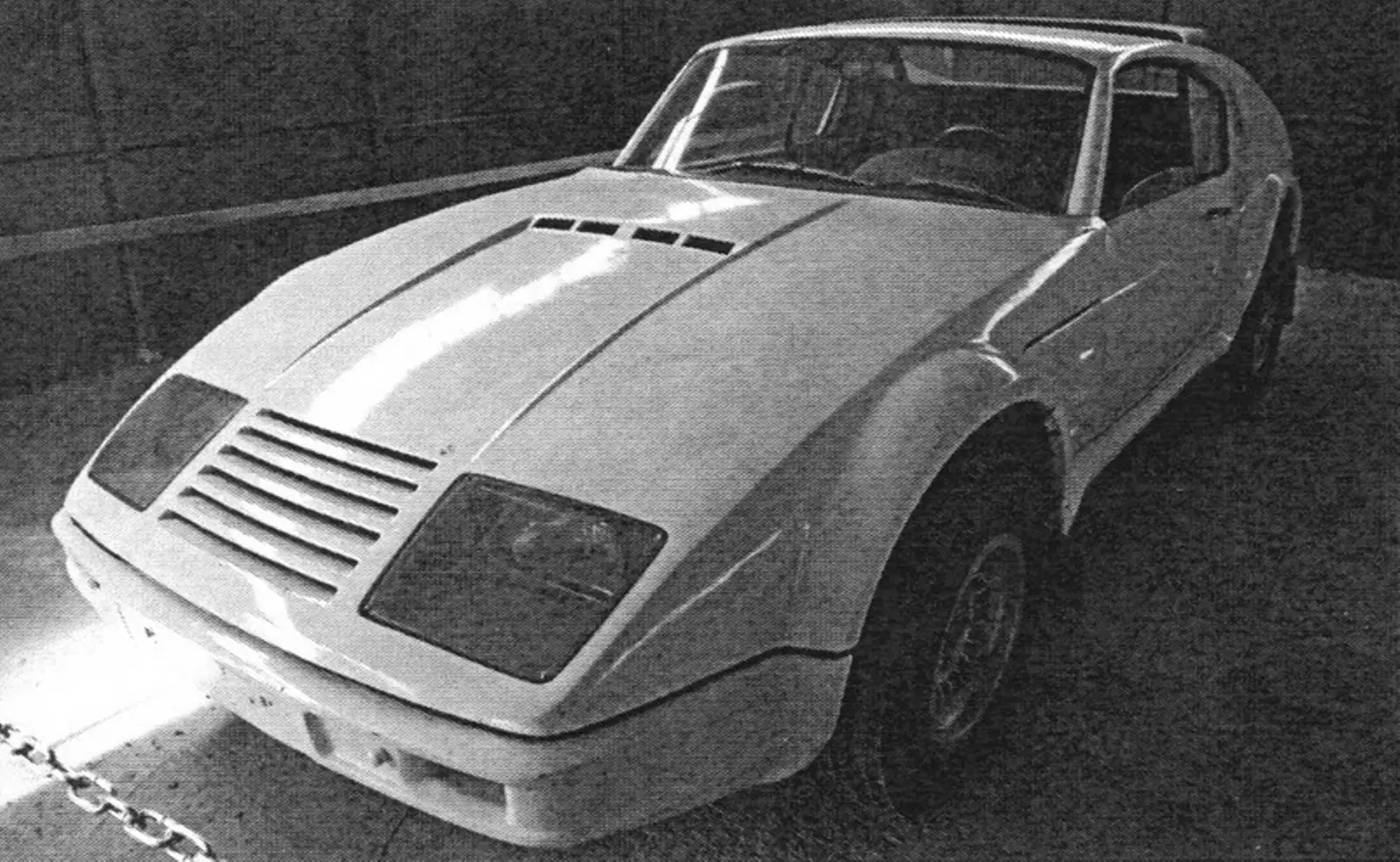
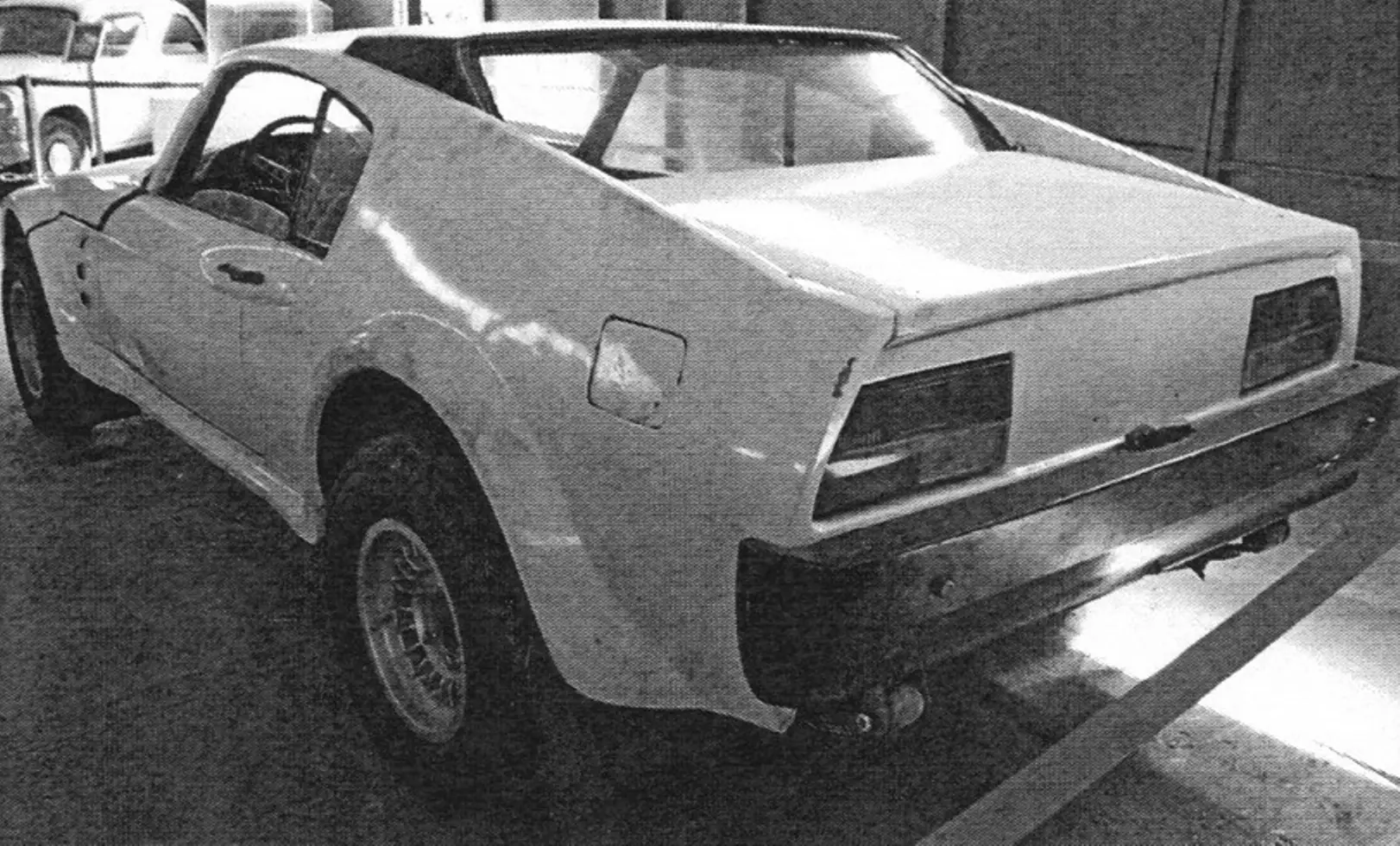
A further development of the Soviet amateur Gran Turismo theme was the Satan car, whose design began in the same year, 1969. It was already conceived with small-series production in mind. The Shcherbinins were responsible for the design; the technical side was handled by the brothers Stanislav and Yuri Algebraistov. The frame was calculated by specialists at the MZMA plant. The prototype’s body frame was welded in the Algebraistovs’ workshop; the body itself is fiberglass. Assembly was still carried out in the Shcherbinins’ apartment.
The first Satan was completed by 1977; that summer it took part in the all-union Samavto run on the Moscow–Sevastopol–Moscow route. After an expert review at NAMI it was possible to register it.
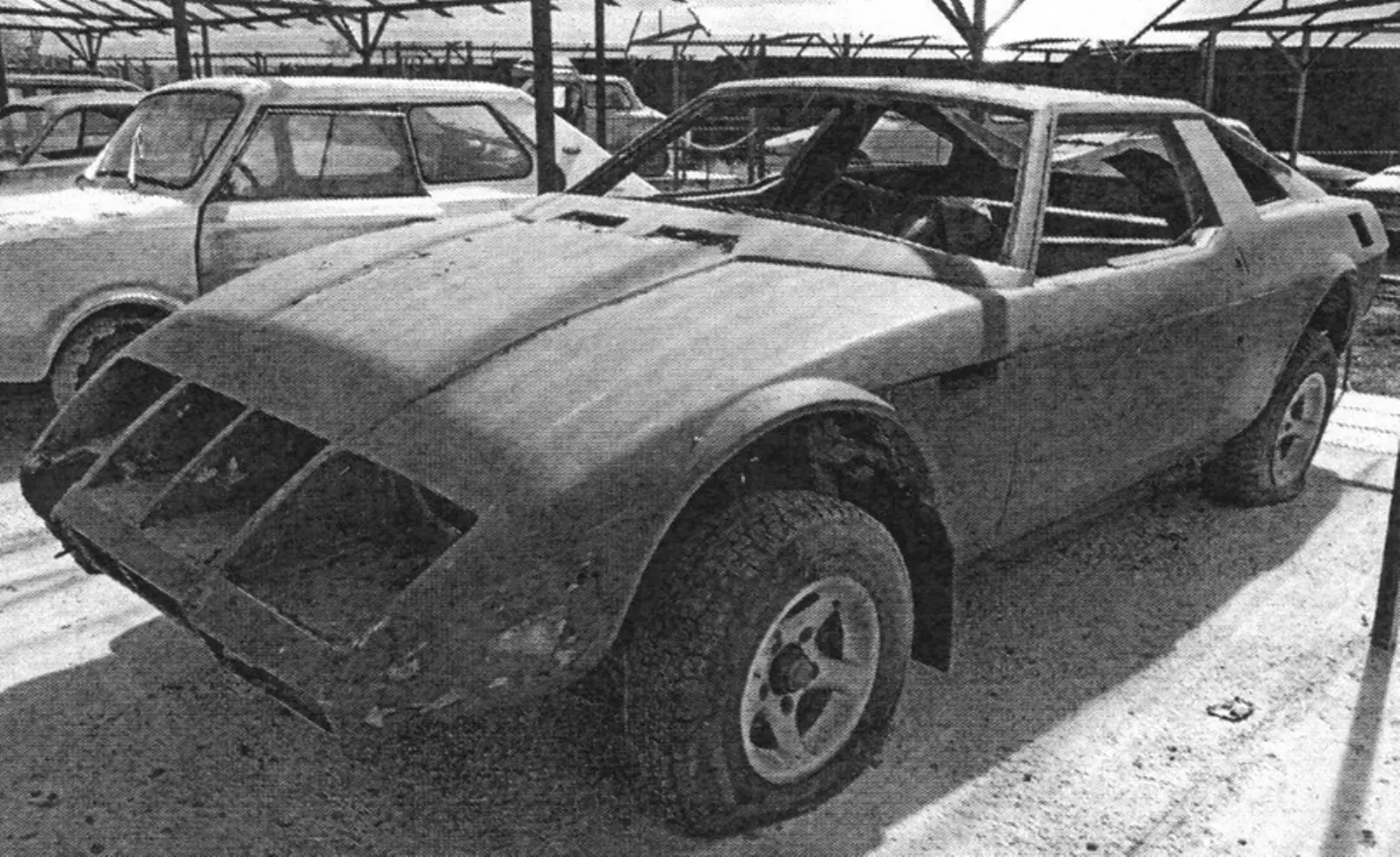
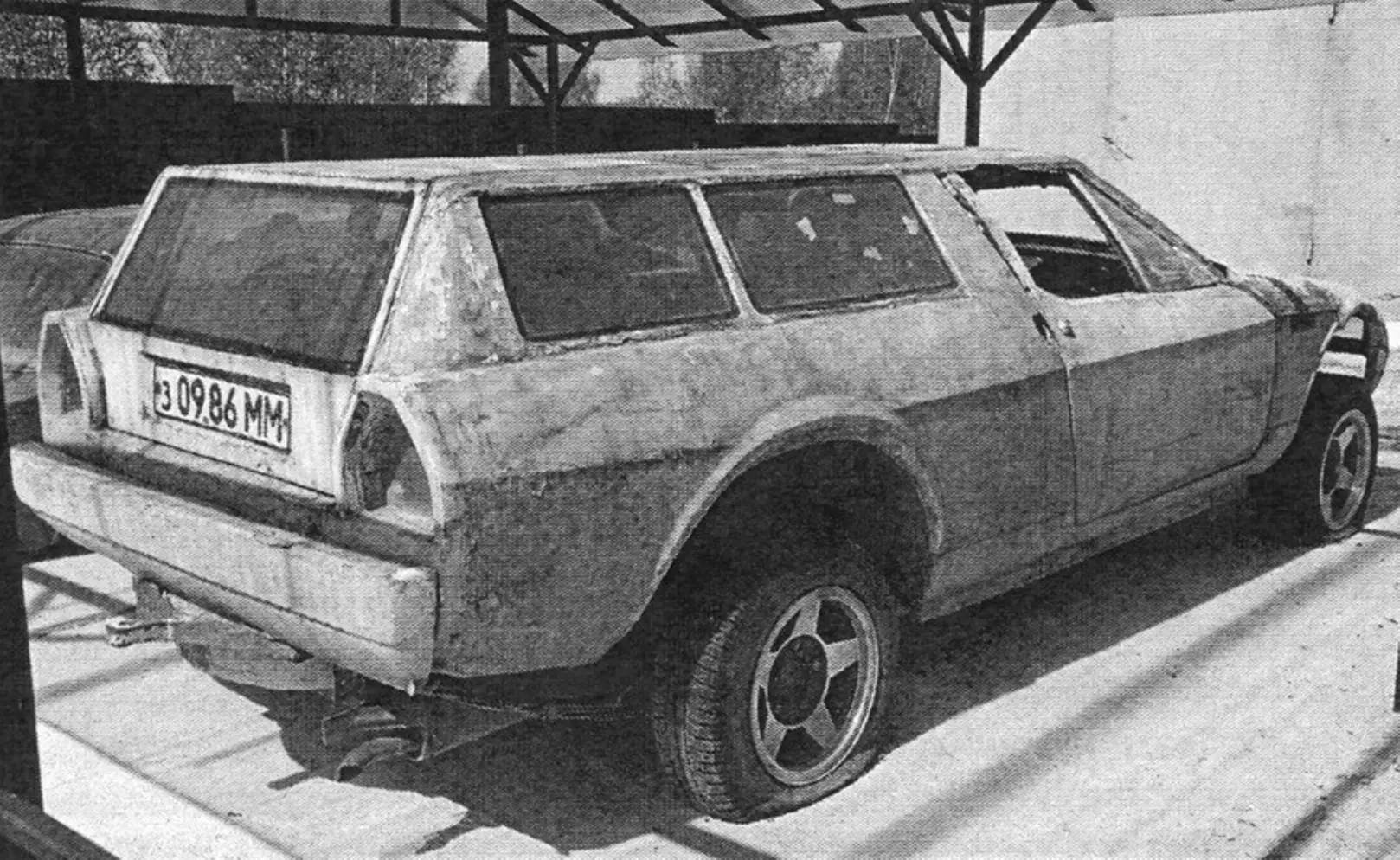
Later, body frames were made at the Irkutsk Aviation Plant. At one enterprise a batch of cast wheels of original design was also made specially for the Satan. The engine and front side members came from the GAZ-24. The ZMZ-24D engine is easily boosted to 115–120 hp, but because the GAZ transmission is not designed for such power, some cars of the series received a final drive from the Chaika.
They started with a batch of five cars. In all, according to various sources, from 15 to 20 bodies were assembled, and there is information about ten complete cars. All had a coupe body except for a station wagon built as a one-off.
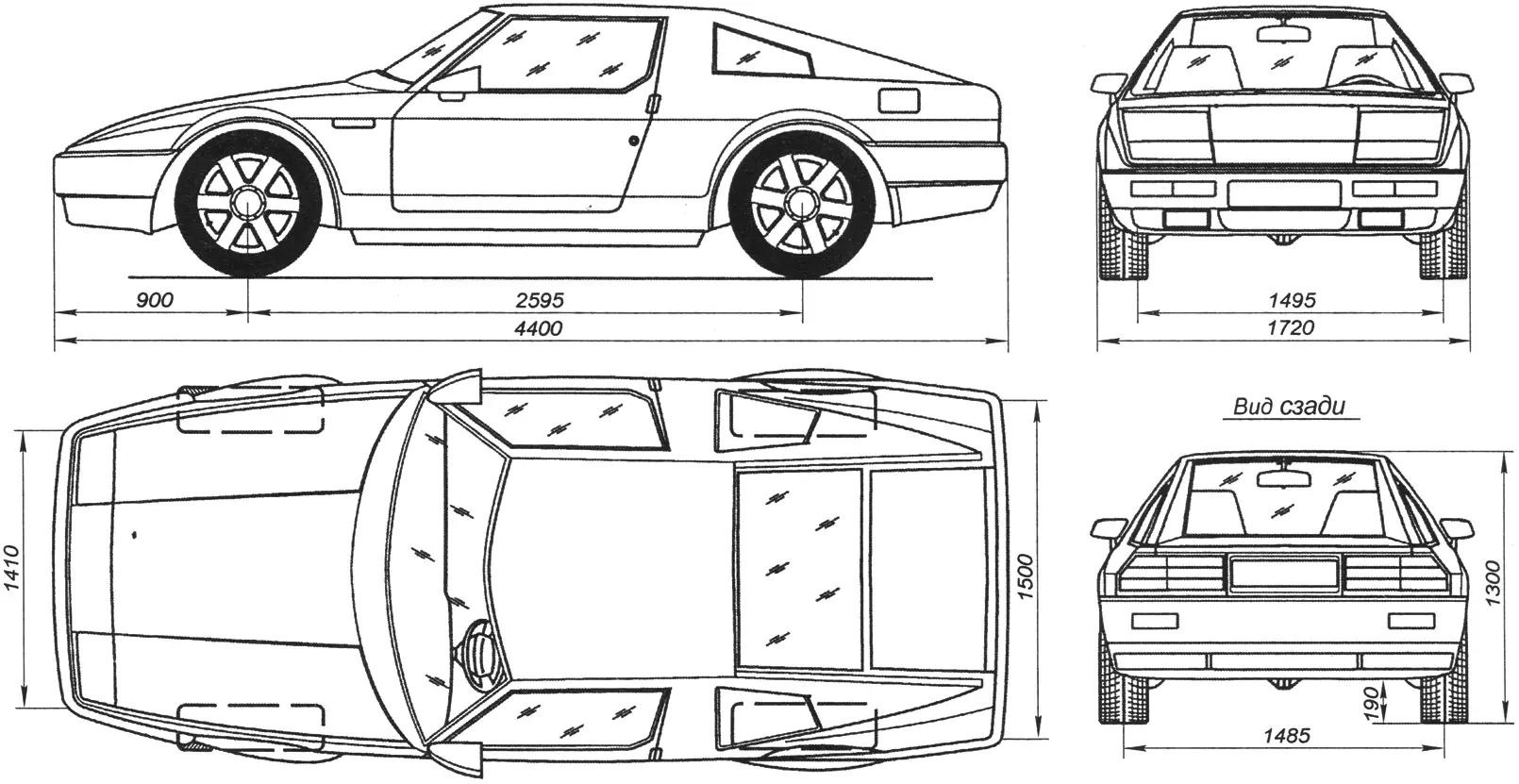
The second car in the series belonged to the Algebraistov family and was named YUNA (Yuri and Natalya Algebraistov). It was ready in the spring of 1982. The car appeared in the film Testers and in 1988 took part in the Moscow–Prague–Moscow run.
In the 1990s YUNA received a 2.8-liter inline six from a BMW 528. Then it was replaced by a more modern Bavarian 3.5-liter engine complete with an automatic gearbox. Top speed exceeded 200 km/h, and the 0–100 km/h time fell to 8.5 s. Disc brakes appeared.
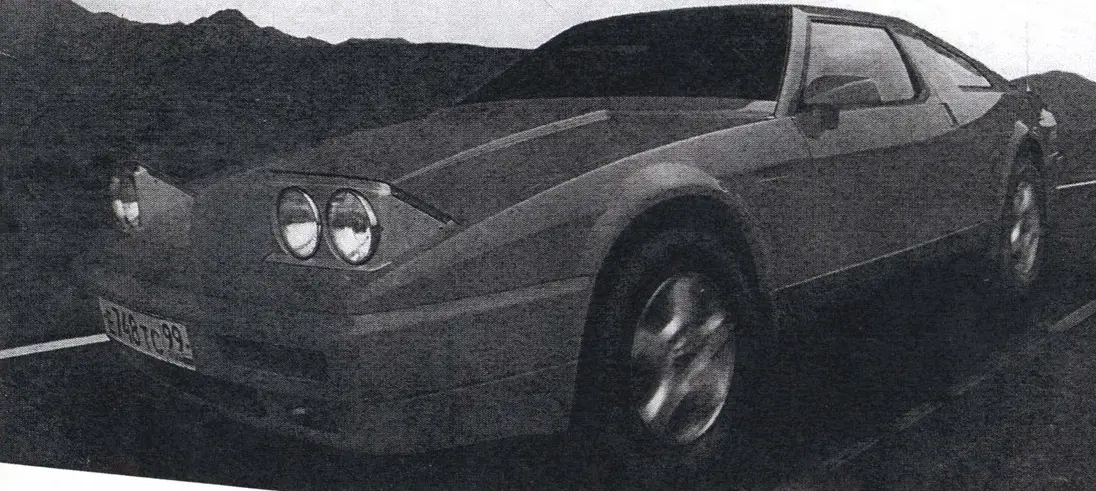
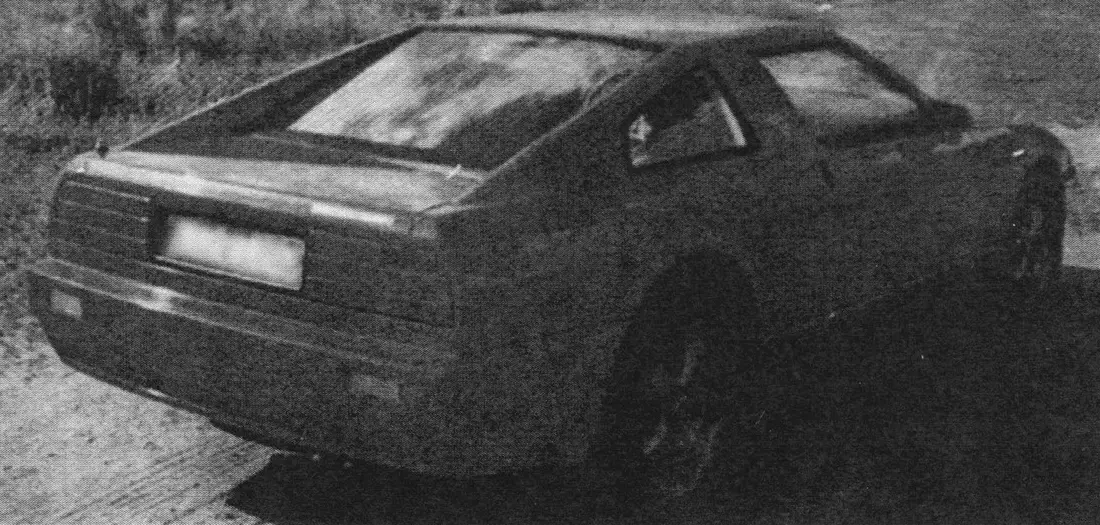
The body’s exterior styling also changed several times. By now only the frame and the GAZ-24 front-axle beam remain from the original design, and even there a kingpin-less suspension from the GAZ-31105 has already been fitted. The rear axle is from a Volvo 940. A detailed article by Yuri Algebraistov on the creation of the car was published in M-K No. 6 for 2005.
In all, YUNA has covered more than 500 thousand kilometers. But the years take their toll, and it too has now become a museum exhibit, though it is still stored in a Moscow garage.
Modelist-Konstruktor No. 8’2025, Arkady SEREBROV
Recommend to read
 ON AQUADROME TORPEDO
This little torpedo boat continues a series of models for competitions. The model is simple to manufacture and has good driving characteristics. Construction begins with the... PLAYING IN THE YARD
Familiar and typical of most courtyards of residential areas of the picture: instead of equipped children's playgrounds — a traditional sandbox with no less than the traditional...
