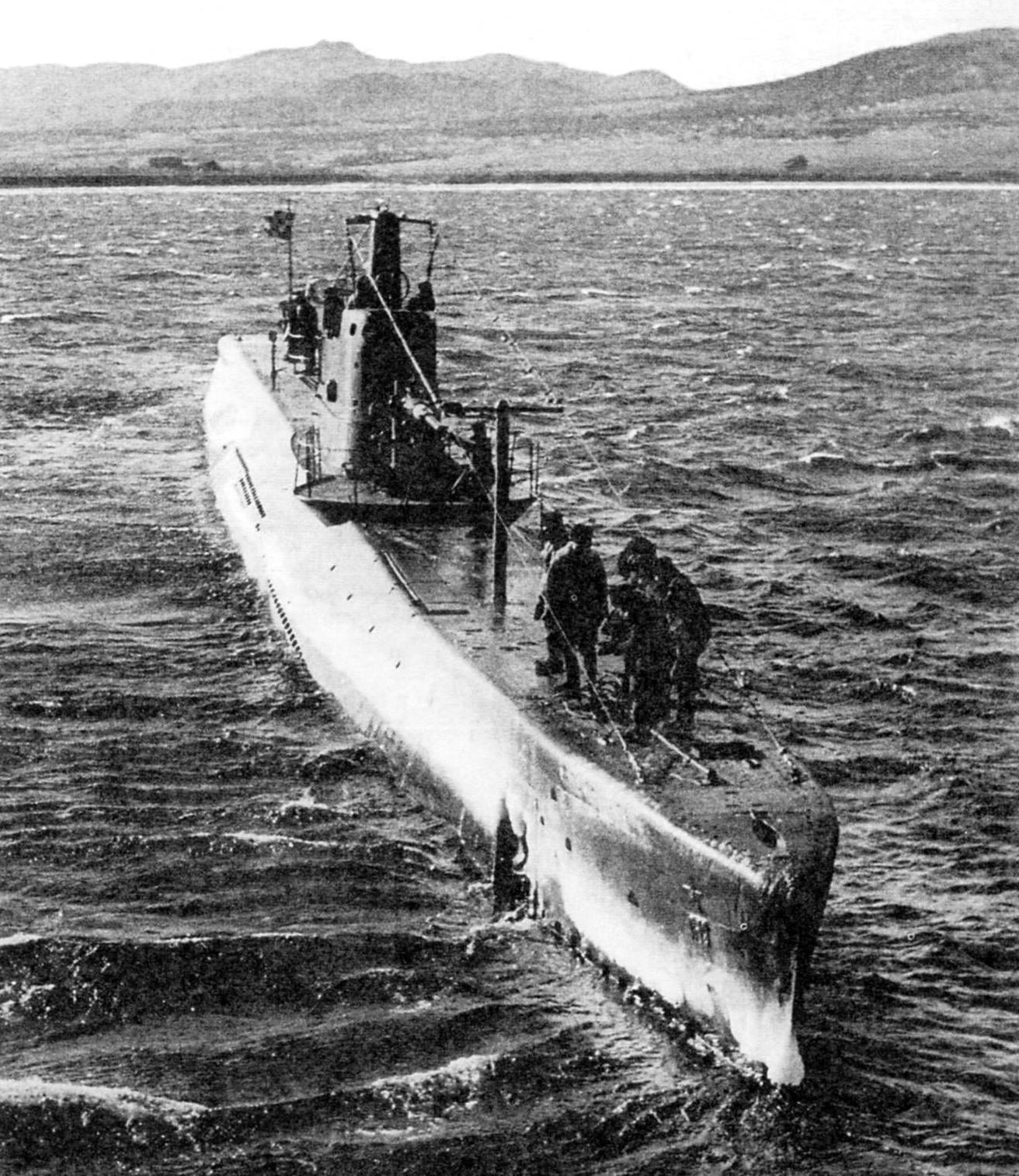
 The hardest for Russia the First world war, followed by even more destructive for the country’s civil war, rejected the Navy powers for many years. The winning “red” had to use the pieces of the former “Imperial” power. This was the case with the submarines. In the 1920-ies in the system was gradually introduced surviving pre-war units, and not always the best. Rather, the best preserved, which can be put into service without a Herculean effort and cost. As for the future, the legacy remained a motley bunch of projects for the development of domestic “leopards” overseas “Holland” and “products” of the Italian Laurent, who were in very different stages of development. An important problem was that the cut for several years by the global military-technical thought Soviet Russia could not make good use of the experience gained in the development and operation of submarines in other countries during world war II.
Read more
 By the end of the First world war the British Navy had a fair amount of patrol type “flower”, but at the end of the 1920-ies it became clear that these hastily built ships will be developed very quickly. Therefore, the renewal of the composition of forces escort and protection, the British started ahead of time.


 Only six months after the outbreak of the First world war Britain, the strongest Maritime power, it seemed, had no rivals on the oceans, was in dire Straits. New, not taken seriously weapons — submarines — now threatened to “foggy Albion” hunger and deprivation.

 In the second half of the nineteenth century the fishermen of the Atlantic coast of France, and especially popular were the so-called “Icelandic” schooner — two-masted wooden vessels with increased width of the body and good seakeeping. Despite its modest size, they could make long voyages and endured serious storm. The peculiarity of their snap was that all the sails (including direct marceli) were placed and were removed directly from the deck, as the modern yacht is allowed to increase safety during inclement weather. On fishing schooners usually left to the shores of Iceland — from this came their name.
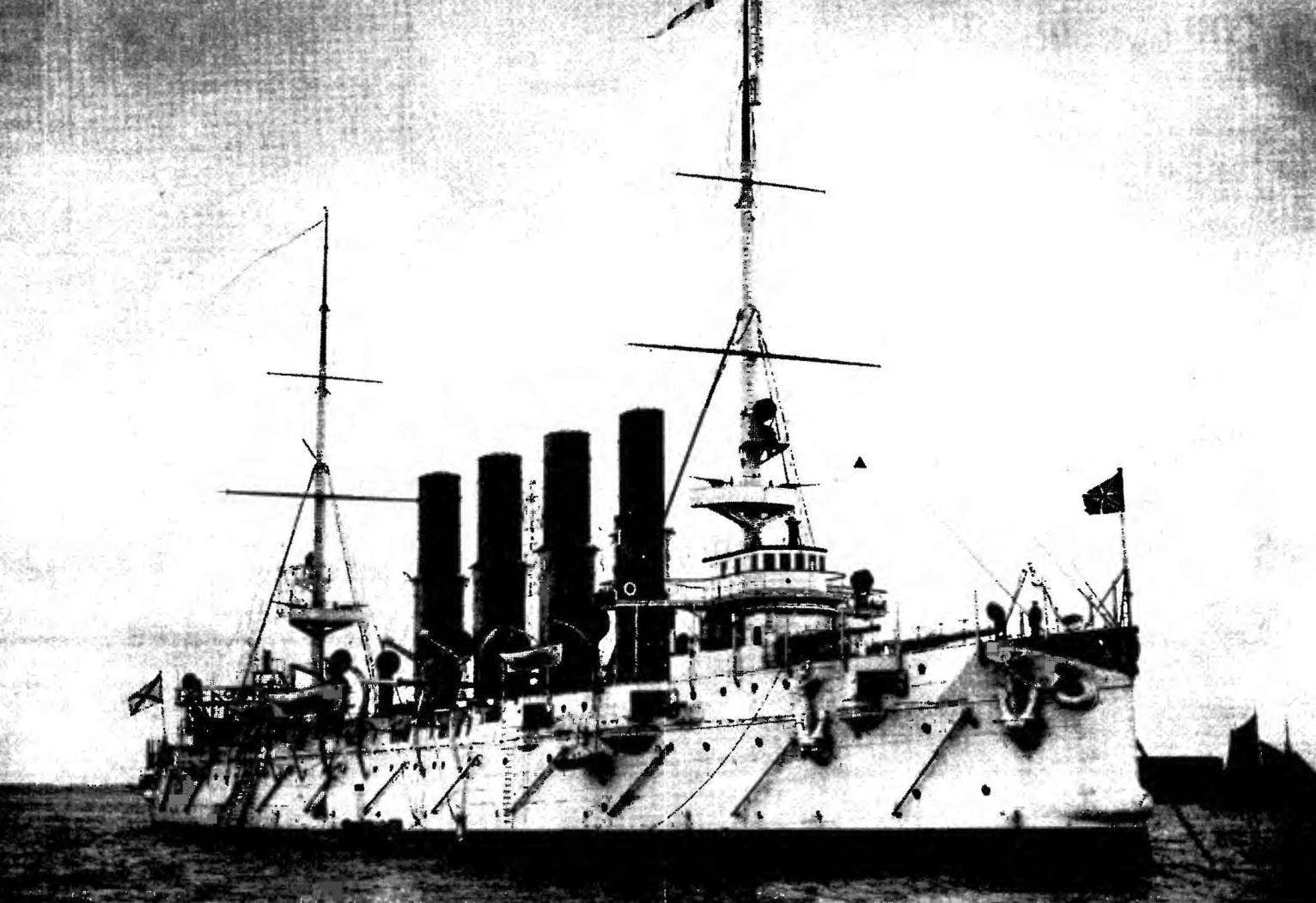

 Exactly one hundred years ago the name of this ship became known around the world. On the morning of 9 February (January 27 old style), 1904 the cruiser “Varyag” was on the RAID of the Korean port of Chemulpo, when his commander—captain 1st rank V. F. Rudnev received the news of the outbreak of the war with Japan. By this time, the exit of the Bay blocked the enemy fleet and the Japanese offered the Russians to surrender. Despite the fact that the enemy was a clear superiority in forces, the Russian Navy rejected the offer and took the challenge coming to an unequal battle. At 11.20 both caught in a neutral port, the Russian ships— the cruiser “Varyag” and the gunboat “Korean” weighed anchor and headed to Sea. “We saluted those heroes who so proudly marching to certain death,” — so expressed his admiration for the witness of the battle, the commander of the French cruiser “Pascal” V. Sanes…

 European Nazi Empire, Germany and Italy, showed a coincidence of interests on many issues. Was no exception and the construction of a naval fleet. Both the “leader” — Hitler and Mussolini — were eager to have powerful ships in the greatest possible number. But “nepredstavleniem” classes — in particular, the escort forces paid no attention. Both powers entered into world conflict with virtually complete absence of specialized combat vessels suitable for convoy and anti-submarine warfare.

 It would seem that Imperial Japan was preparing for an inevitable clash with their enemies very carefully. Why are only plans to capture the Philippines, Singapore, various Pacific Islands, is gorgeously designed and, despite their riskiness, successfully implemented. However, Navy staff and command of the combined fleet knew all this was good only for “lightning” war. The outcome of prolonged confrontation with the United States is not in doubt — the Japanese economy could not compete with the us, that sooner or later would inevitably have led the descendants of the samurai to a heavy defeat.

 No prior war had given such a diverse experience of sea action as the first world. Never before has combat experience has not been studied so carefully. And never before this experience is not done the conclusions so contradictory.

 Far from the flares in Europe, the war, even the Americans in 1940 still did not think about creating your own escort destroyers. They continued to build its “big fleet”, which included a huge number of destroyers: believed that these versatile ships will be able to solve all the problems. As for specialized anti-submarine defense forces, have refused them for financial reasons: inexperienced designers managed to create a kind of “miracle of technology”, which had a displacement of just 775 tonnes, but that cost almost as much as a full 1850-ton destroyer of the “Benson”-“Glows”! It is not surprising that the squadron destroyers and favored.

 When February 10, 1904 Japan officially declared war on Russia, first shots have already sounded: the Russian ships were suddenly attacked at Port Arthur and Chemulpo neutral. Initial successes provided the insidious attack that has caused some neglect to a completely new and, at that time still very primitive tool like submarines. Contributed messages agents. So, the captain of 1 rank Kaburagi reported the results of its mandated mission – to see the small submarines. Designed for deployment on ships, in these terms: “Personally inspected submarines; consider them to be quackery and absolutely not fit for fighting”. However, this opinion is quite clear: it refers to the miniature submarines.
