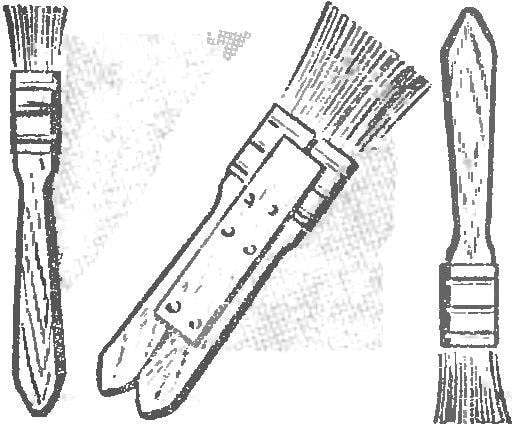
 It is not difficult to do even the novice hobbyist. And materials needed for this available.
CANDLESTICK-IMPROMPTU
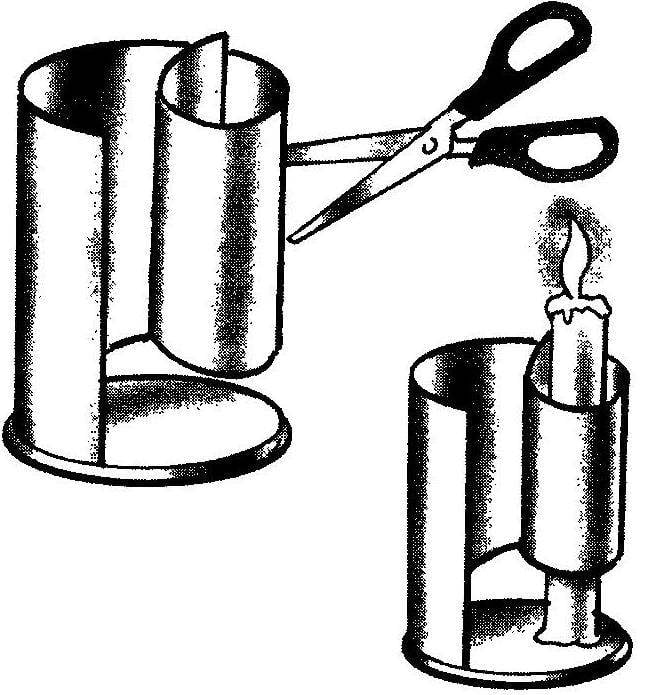
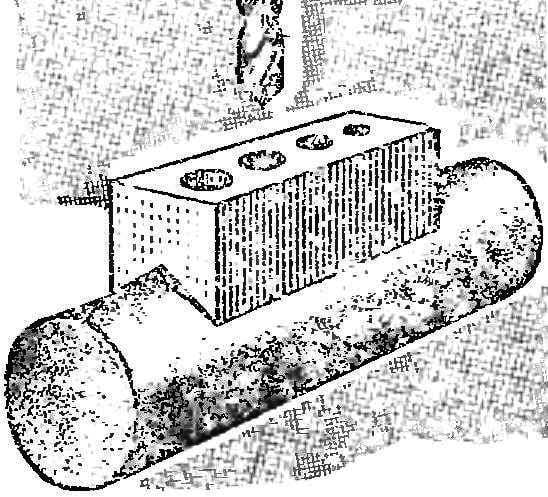
Camping or at the cottage is easy to make in just a minute original and comfortable, and most importantly—reliable in terms of universal fire candlestick. This will require a tin can and scissors: they incision the soft part of the plate and is bent in the form as shown in the figure.
 Turn indicator, which are explained in this article is intended for motorcycle “Java”. The advantage of the self-made device before the industrial — low inertia: the scheme starts to work immediately after switching on the battery.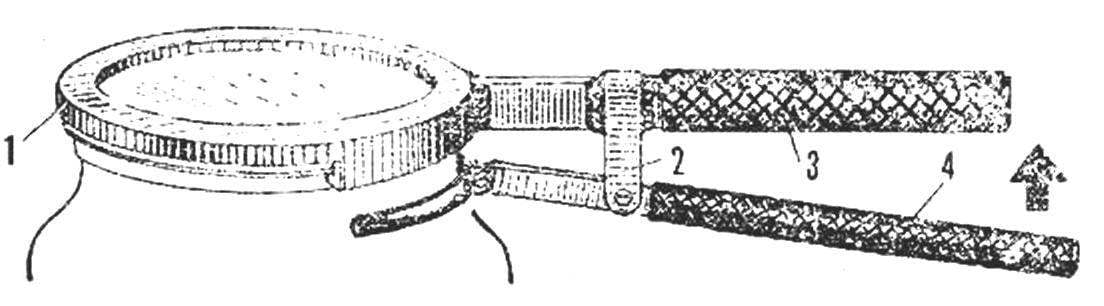
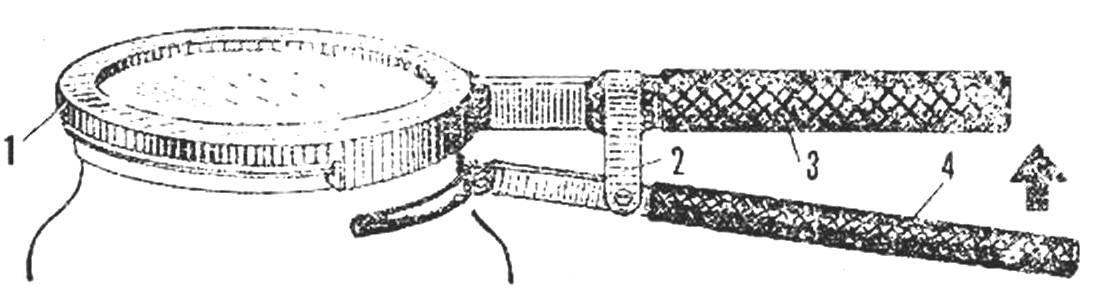 Offer a design key for removing lids from cans nakatannyh. Device instantly reveals not only the Bank, but also keeps intact the lid and the rubber grommet. At the same time (most importantly!) they remain suitable for reuse.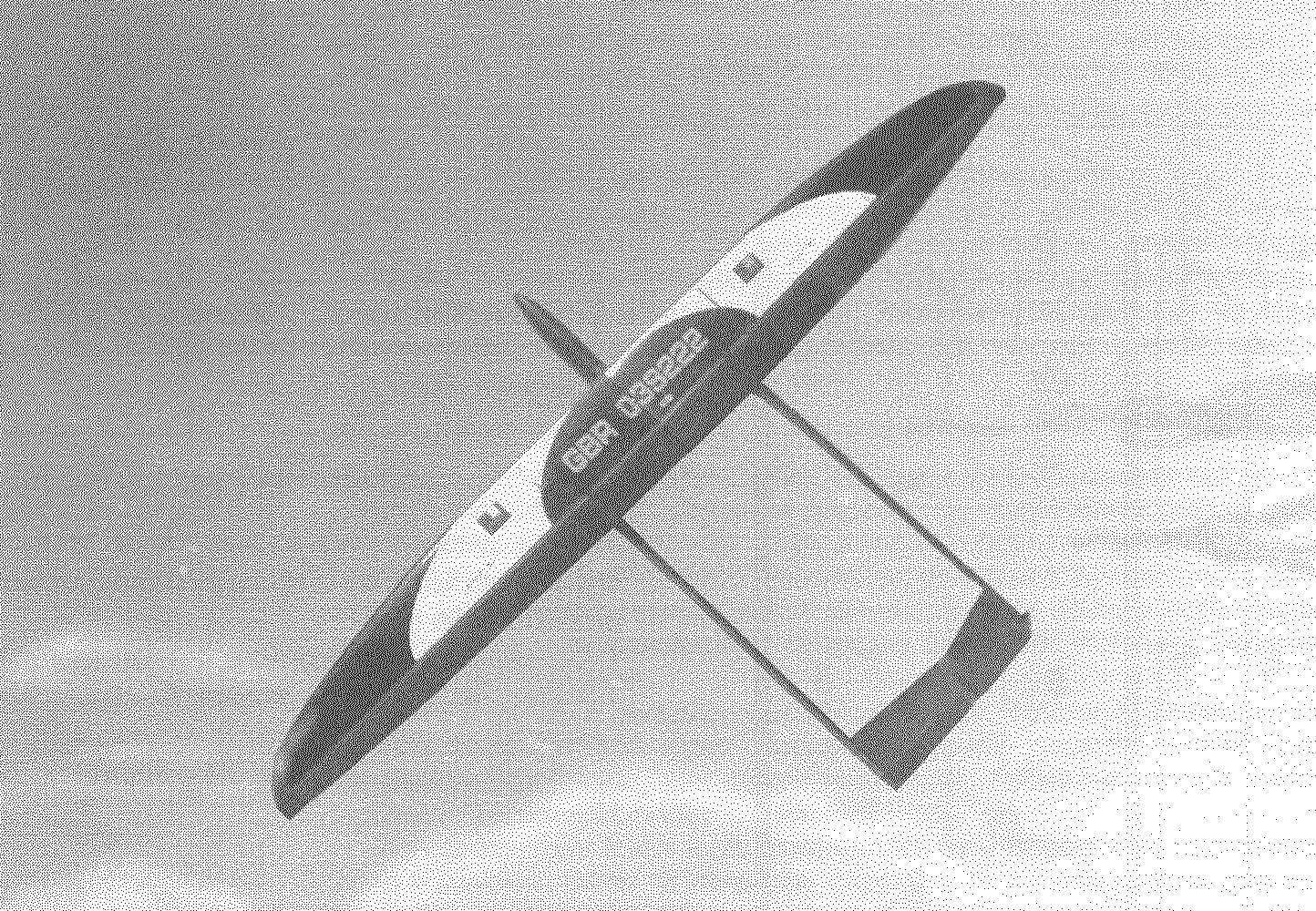
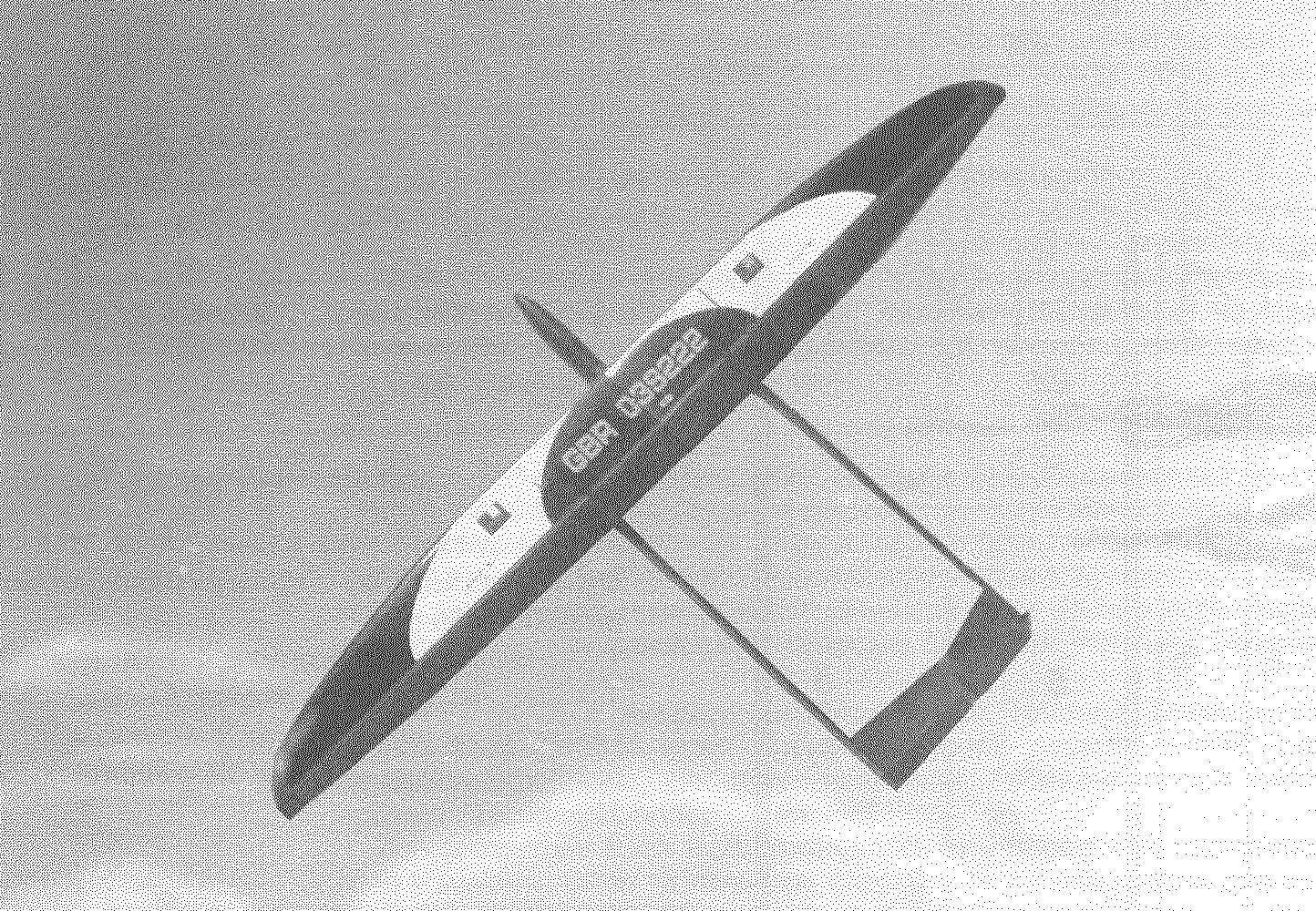 A large variety of schemes and designs of radio controlled raketoplana can be divided into three groups. The first is a classic, airborne with the Elevator control and ailerons. The second scheme, a “frame”. The third aircraft with a V-shaped stabilizer. Of the above schemes interesting is the design of the model rocket glider class Ѕ8Т/R Englishman Michael Francesa, made on a frame with an inverted V-shaped stabilizer, this is due to the lower engine. This design of the tail helps to protect it from fire plume when working MRD. Will tell about this rocket plane more.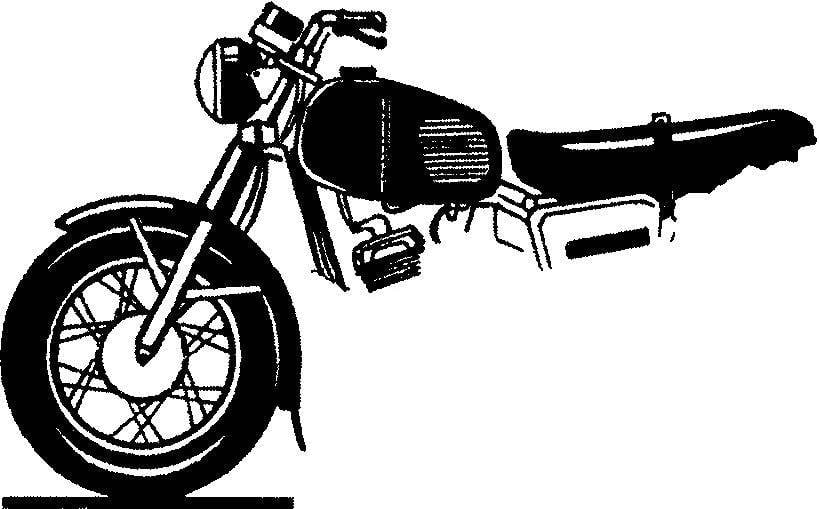
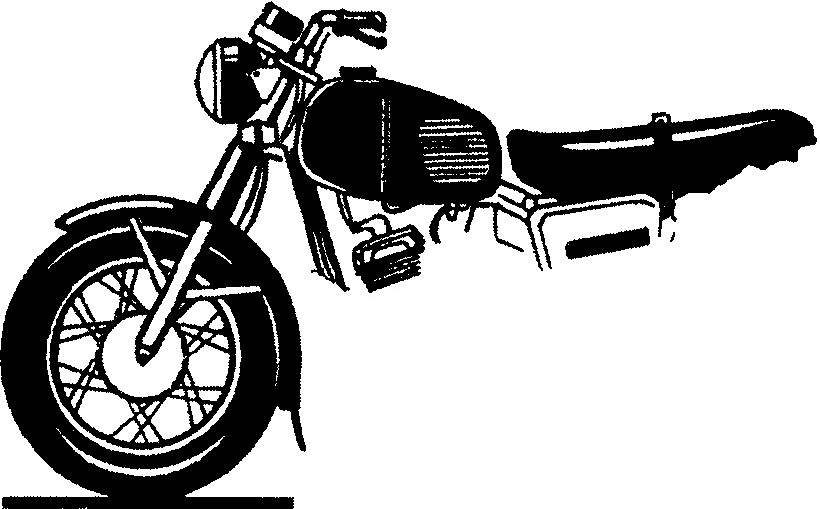 This question, unfortunately, was the last in the life of a motorcyclist attempting a match to light the dark failure of the fuel…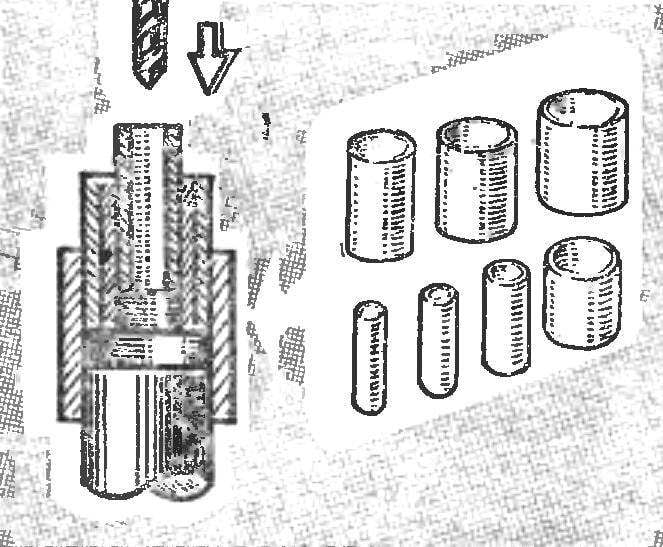
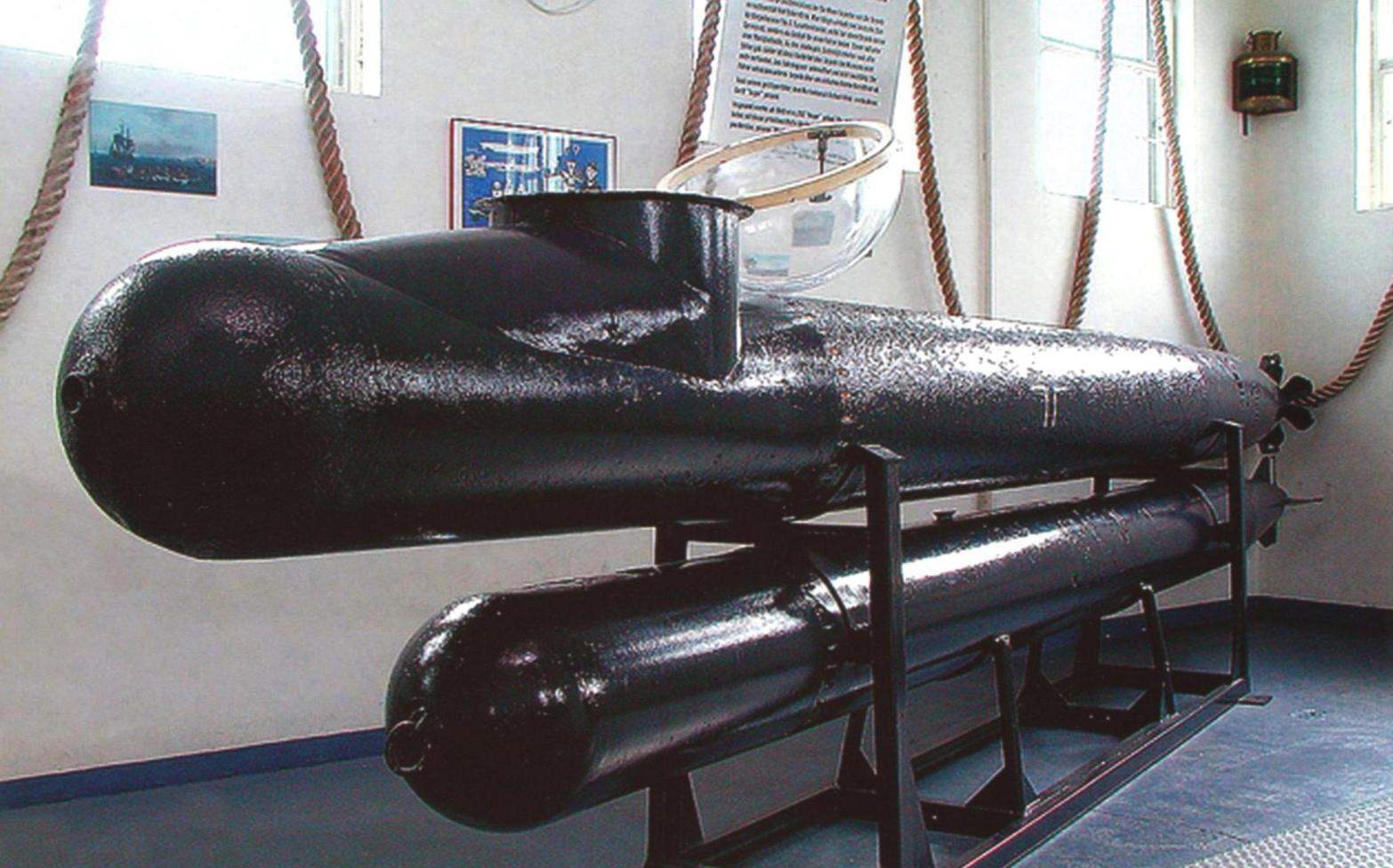
 The development of guided torpedoes to sabotage units of the German fleet was conducted in parallel with the creation of the midget submarines. The first model of this weapon was designed in 1943 – 1944 chelovekovedenija torpedo “Neger”. The name came from the surname of the inventor – engineer of the fleet of Richard Mora. (“Mor” is a polite form of the German word “nigger” Neger). Moore worked at the torpedo testing station in Eckenforde in the Baltic, near Kiel. On the basis of standard torpedoes, he created a single machine that was easy to produce and used against allied ships off the coast in the event of their landing on the mainland.