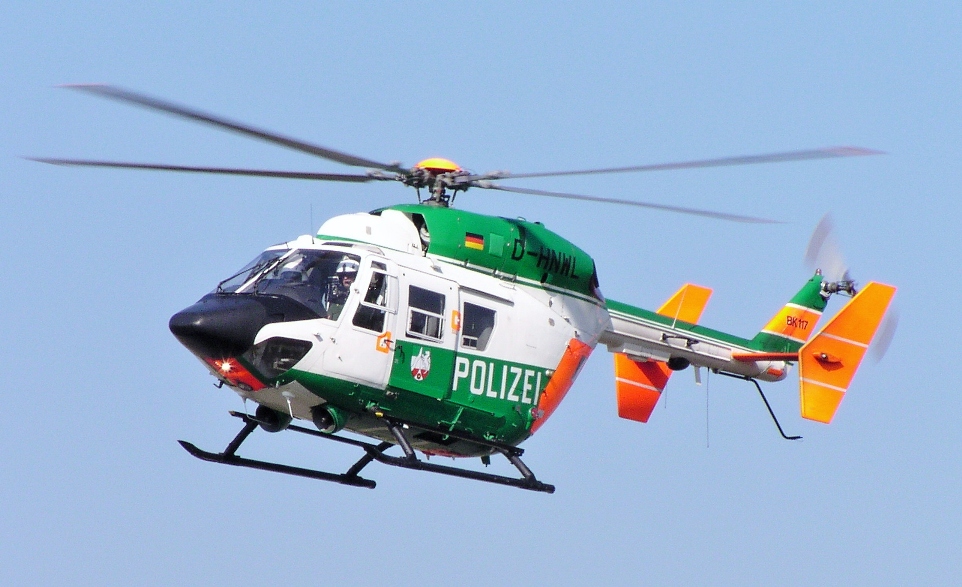
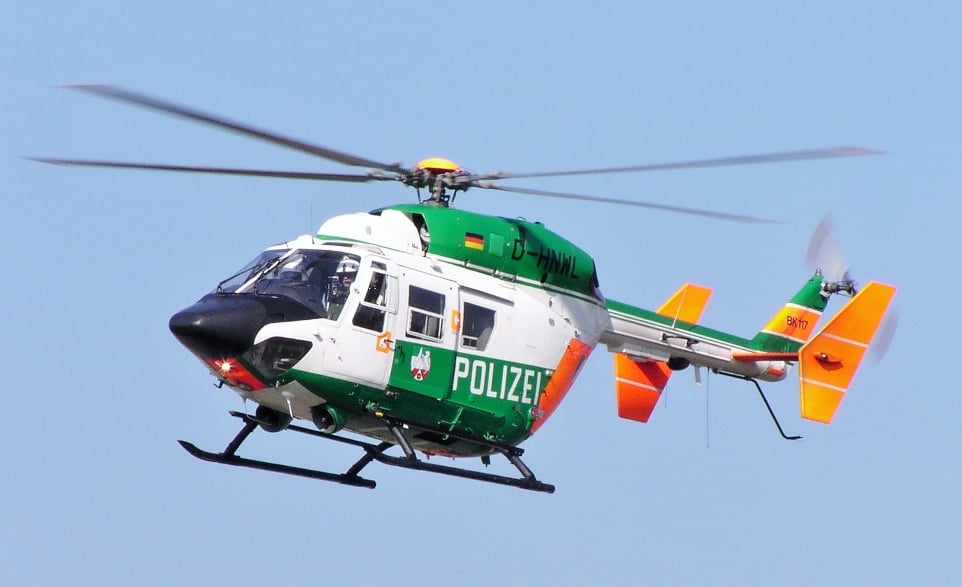
 Light multipurpose helicopter BK-117 — the first joint development between the companies of Japan and the Federal Republic of Germany. Since the end of 1981, the helicopter passed the certification tests, and in 1982 was put into production. Rotary-wing machine is easy operation and high reliability.
BK-117
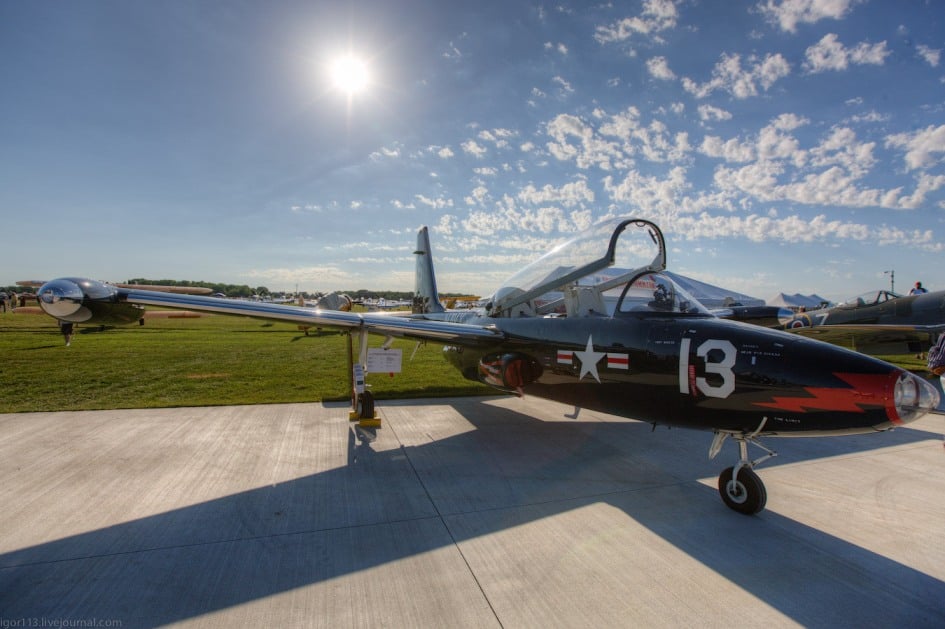
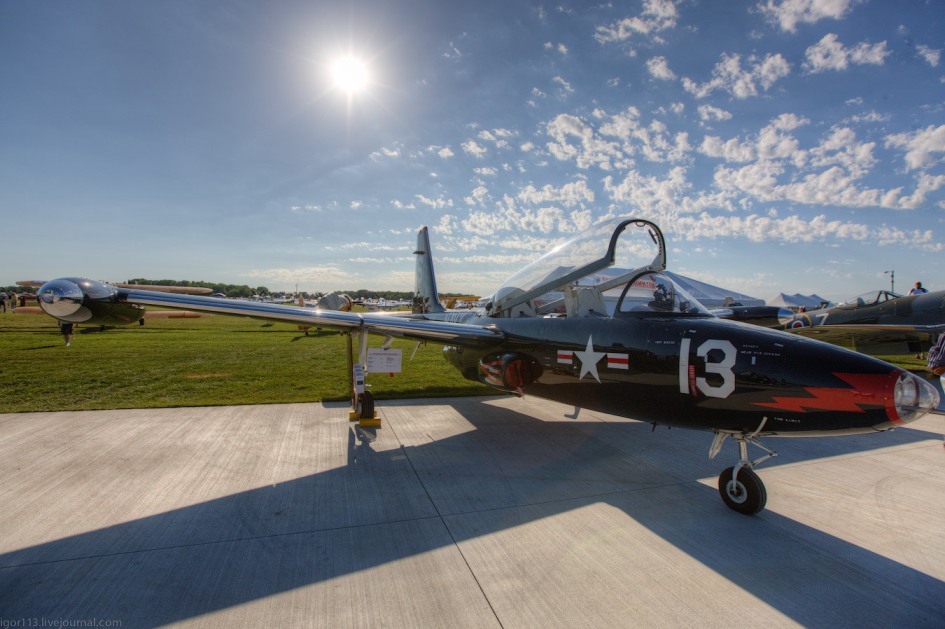 Double training aircraft “model 51″ the firm”, Temko aircraft Corporation” developed in 1955 in the framework of the competition announced the U.S. air force on the creation of training aircraft. “Model 51”, called TT-1 “Pinto”, lost the contest plane “Cessna T-37”. TT-1 made its first flight in 1956, after which the prototype was sent to the Aviation test centre of the Navy (PATS), where was evaluated in comparison with the “beach Mod” 73 jet Mentor. In the period from 1955 to 1957, was built 14 aircraft TT-1 “Pinto”.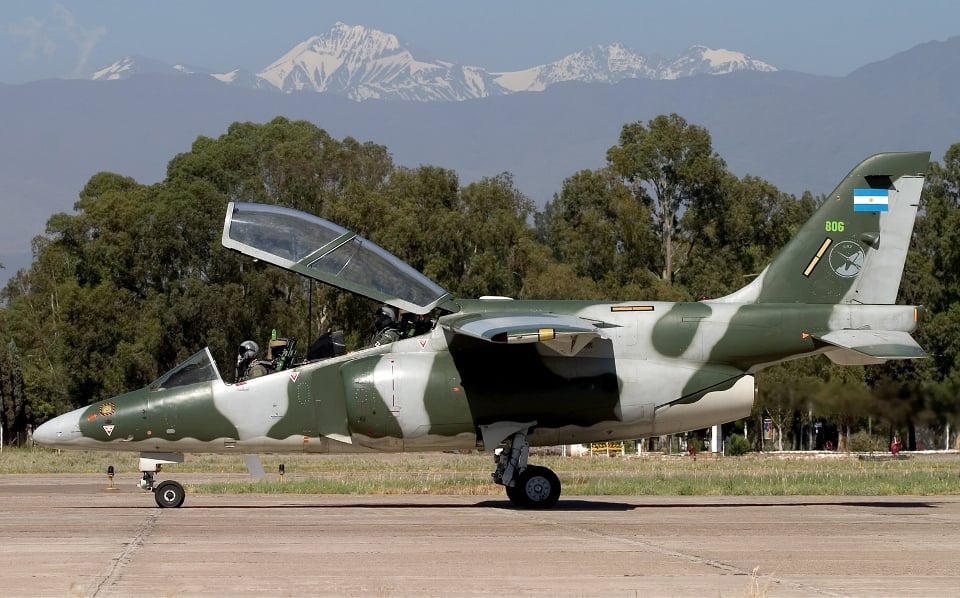
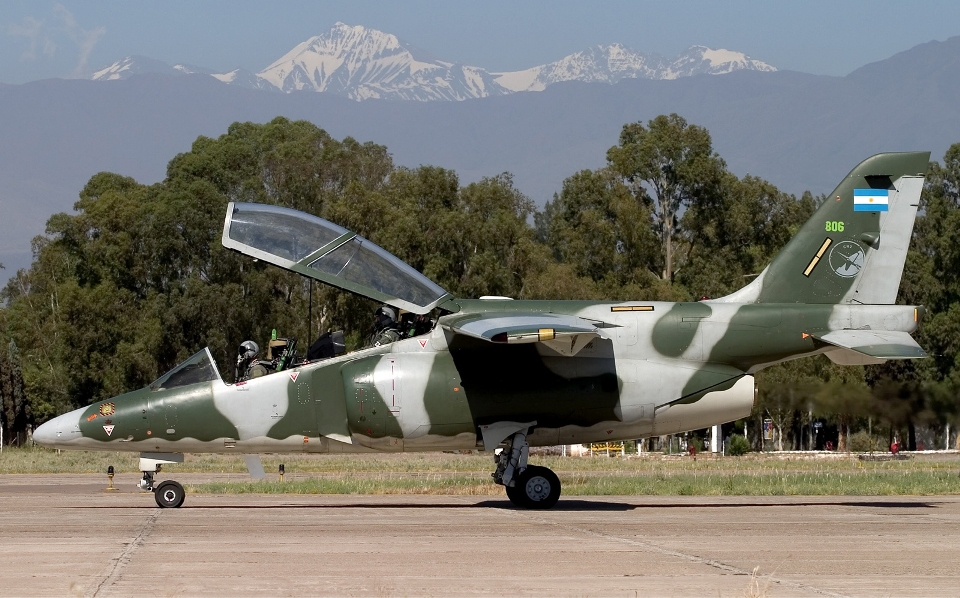 Development of combat training aircraft “Pampa” began in 1979, the Design was made on the basis of the aircraft “alpha jet”, with the involvement of the company “Dornier”. In 1981 began construction of three prototypes and two airframes for static tests. The first prototype, named EX-01, first flew in October 1987 it was Planned to produce 300 aircraft: 100 for the Argentine air force and 200 for export. But in the end, to the end of 1990 produced a total of 55 cars.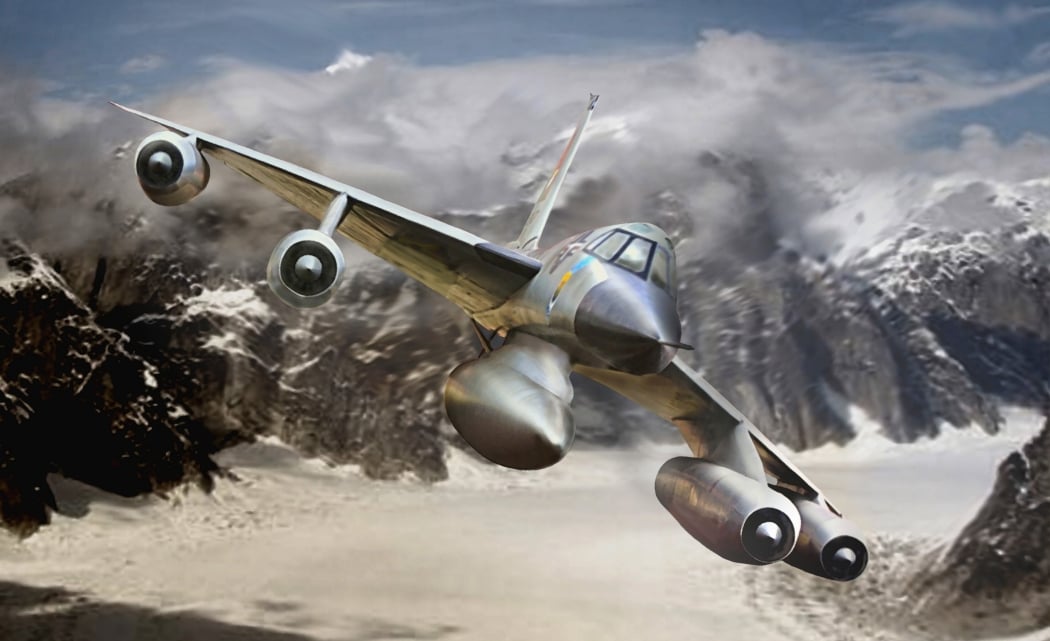
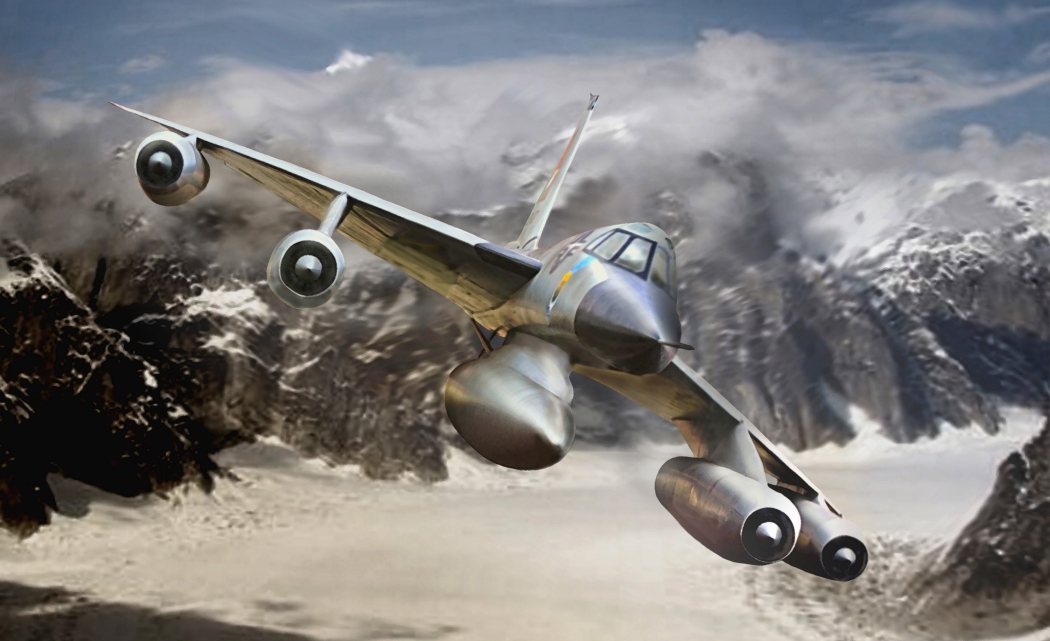 Supersonic B-58 was created by the firm “Konver” as a replacement for the b-47. The first flight took place on 11 November 1956. Six weeks later, on 30 December 1956, the new car has exceeded the speed of sound, and after six months -29 June 1957 – Hasler made the first flight with the speed, twice the sound (M=2,03 at an altitude of about 13 km). 1 August 1960 to the customer was delivered the first production aircraft.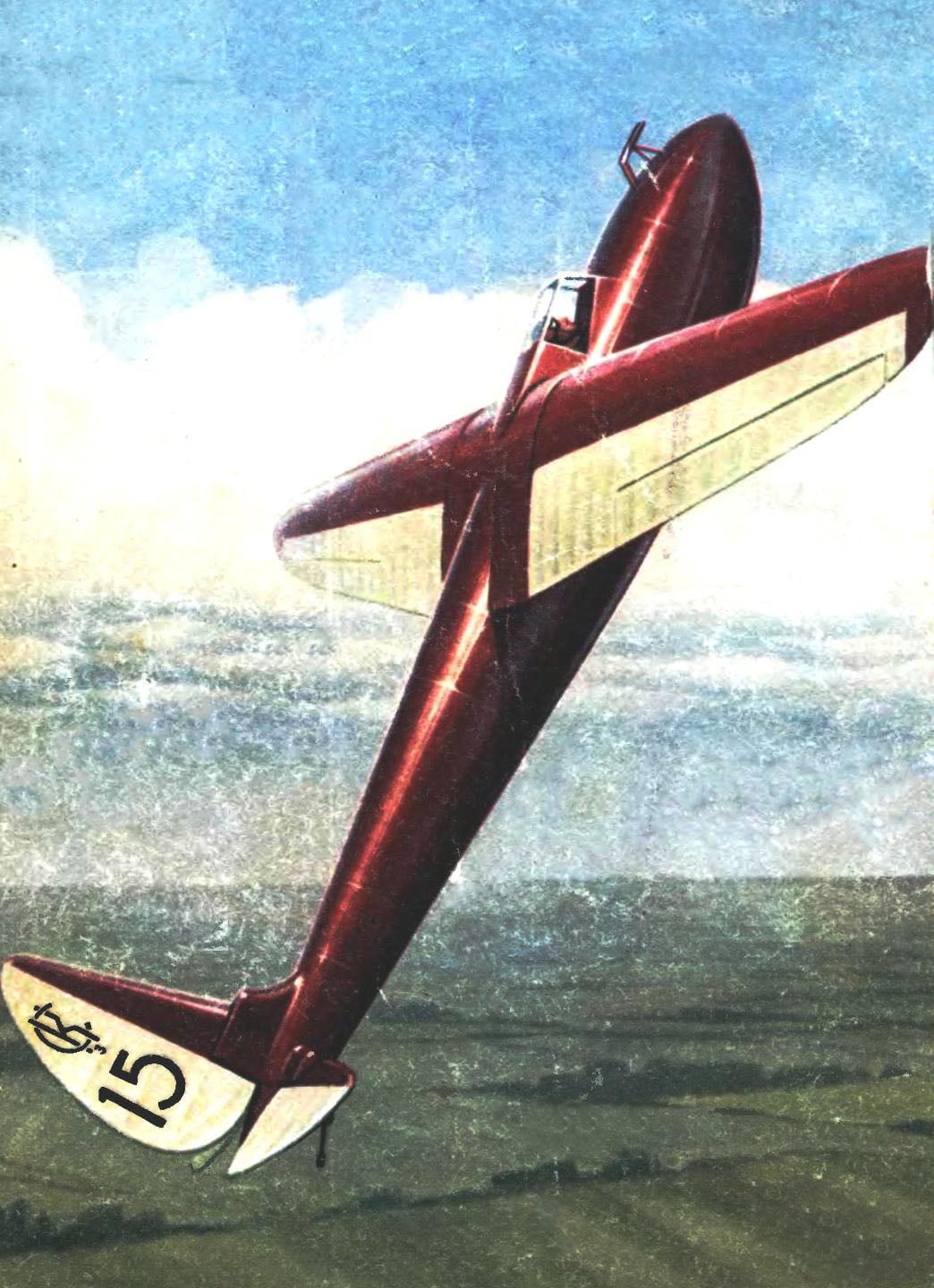
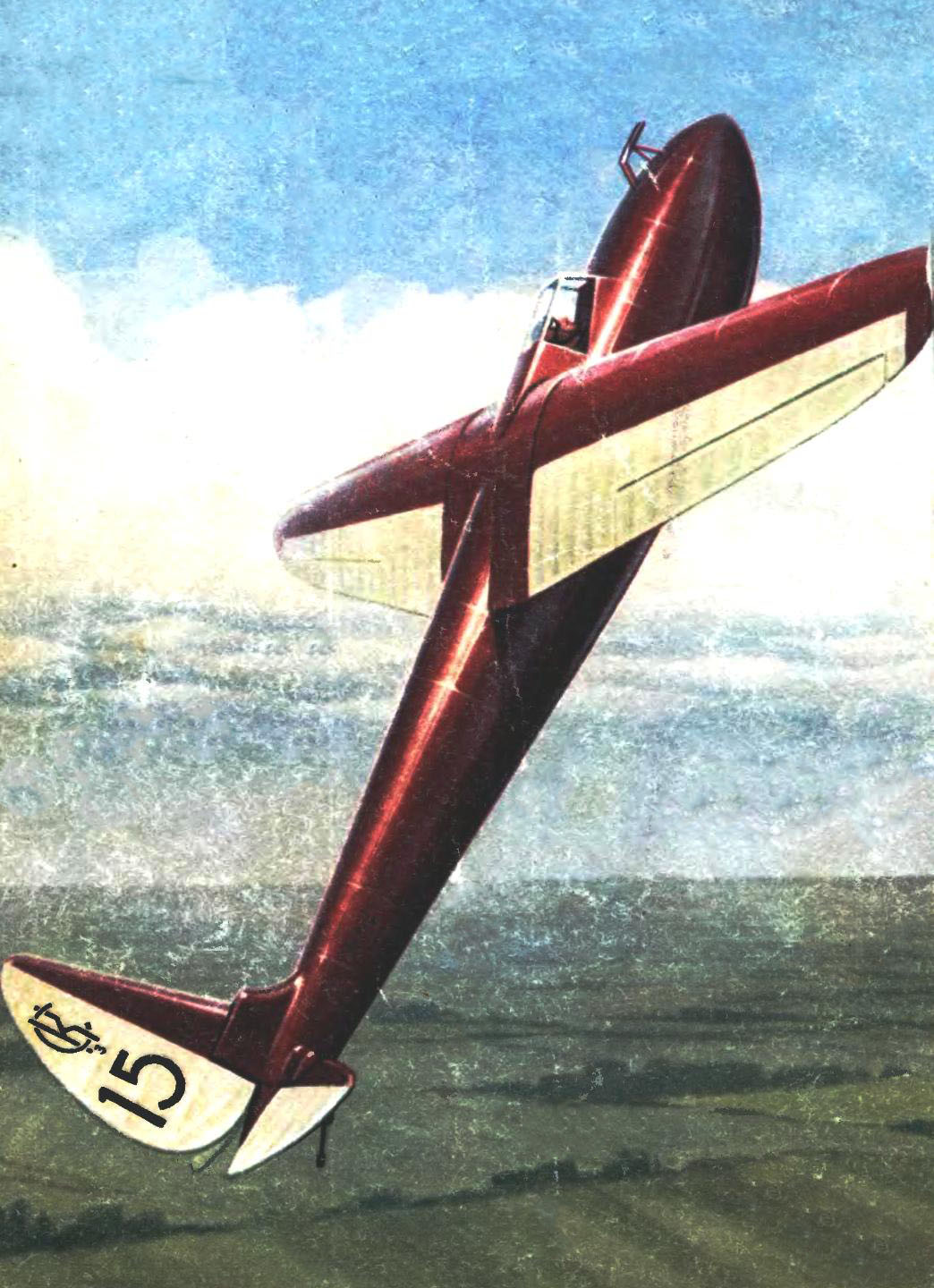 Immediately after his return from Moscow to Koktebel in the fall of 1929 Sergei asked me to do a new airframe for aerobatics, — says the aircraft designer S. N. The lyushin.— There were many reasons that prevented me to take this job, and he began to design what later became SC-3 — “Krasnaya Zvezda”. Her design, very original, still lay in the framework of a familiar and accepted. Tasks that has set itself the S. P. Korolev was much more complicated. Here is how he talks about them:
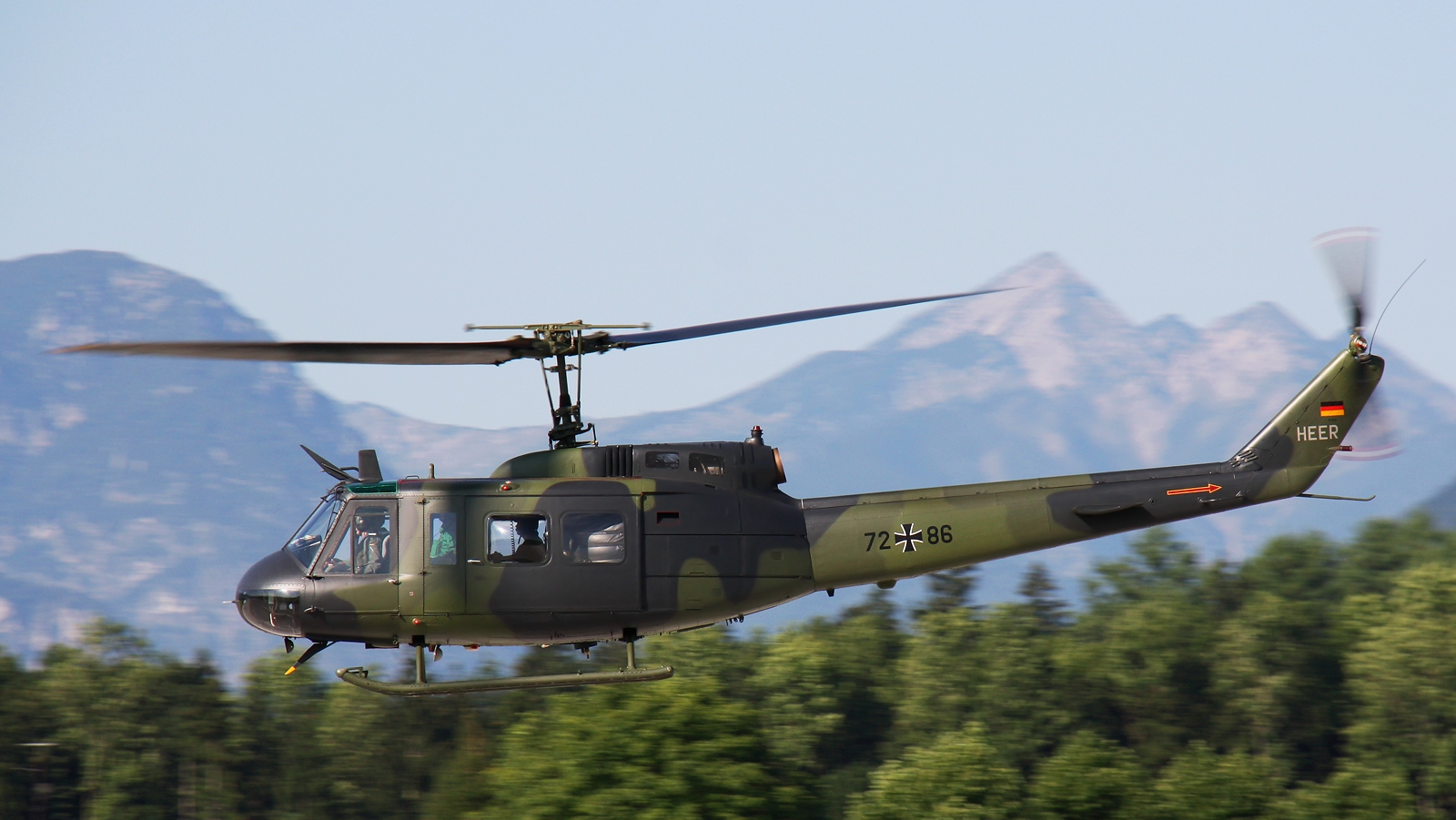 The first successful experience of using helicopters in combat operations in Korea 1950 — 1953 showed that the U.S. army urgently needed a multi-purpose light helicopters, able to perform tasks on landing and transportation of troops, for fire support of infantry and evacuation of the wounded, to support the transport and liaison helicopters.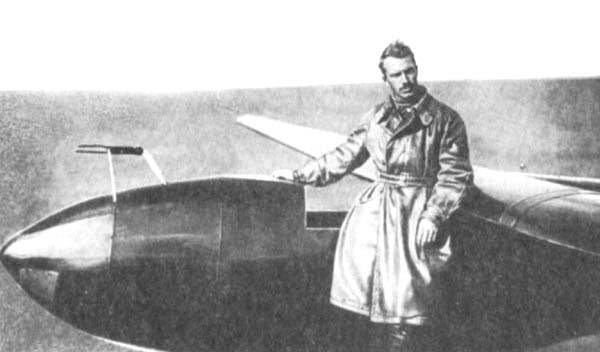
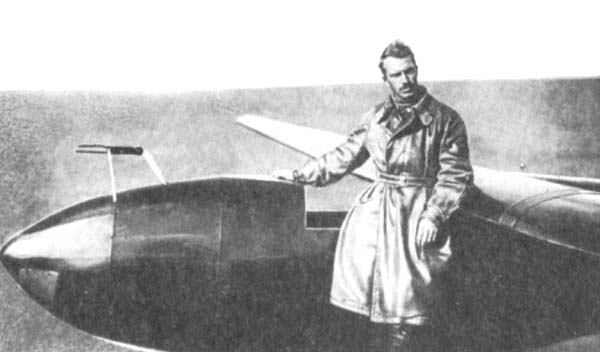 Glider is a single cantilever monoplane with upper wing. The fuselage is pear-shaped, oval cross section, is formed by 15 frames, has two spars (top and bottom) a cross section of 10X10 mm and four stringer 10X5 mm, running along the entire length. The bottom has a landing ski of the two rails and strips of plywood, covered with duralumin. The entire frame of the fuselage is covered with plywood with a thickness of 1 mm, and a place where fixed wing, with a thickness of 2 mm.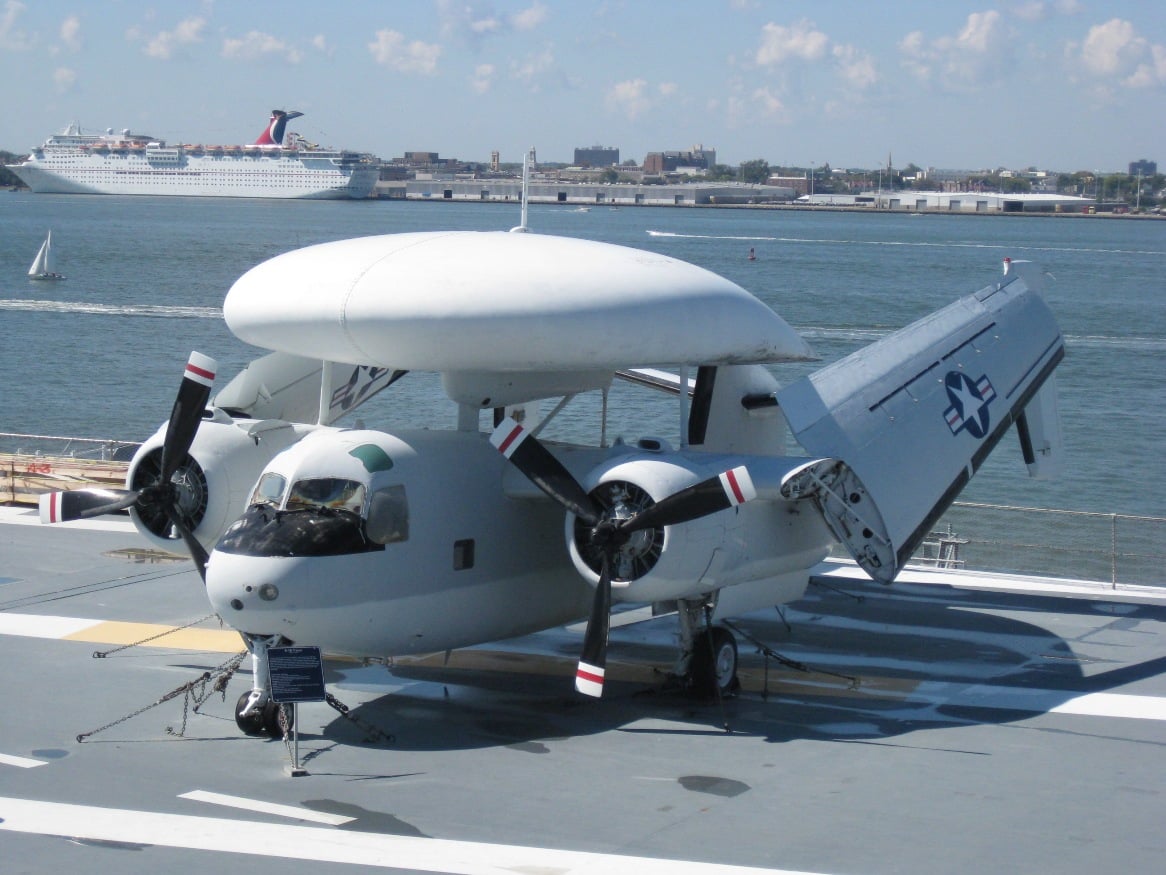
 The plane of distant radar detection E-1B TRACER. The idea of installing a radar plane to detect air targets first appeared in England in early 1936. But the preference nevertheless was given to the development of a complex ground-based early warning radar. Onboard radar showed the fighter command aircraft in July 1939.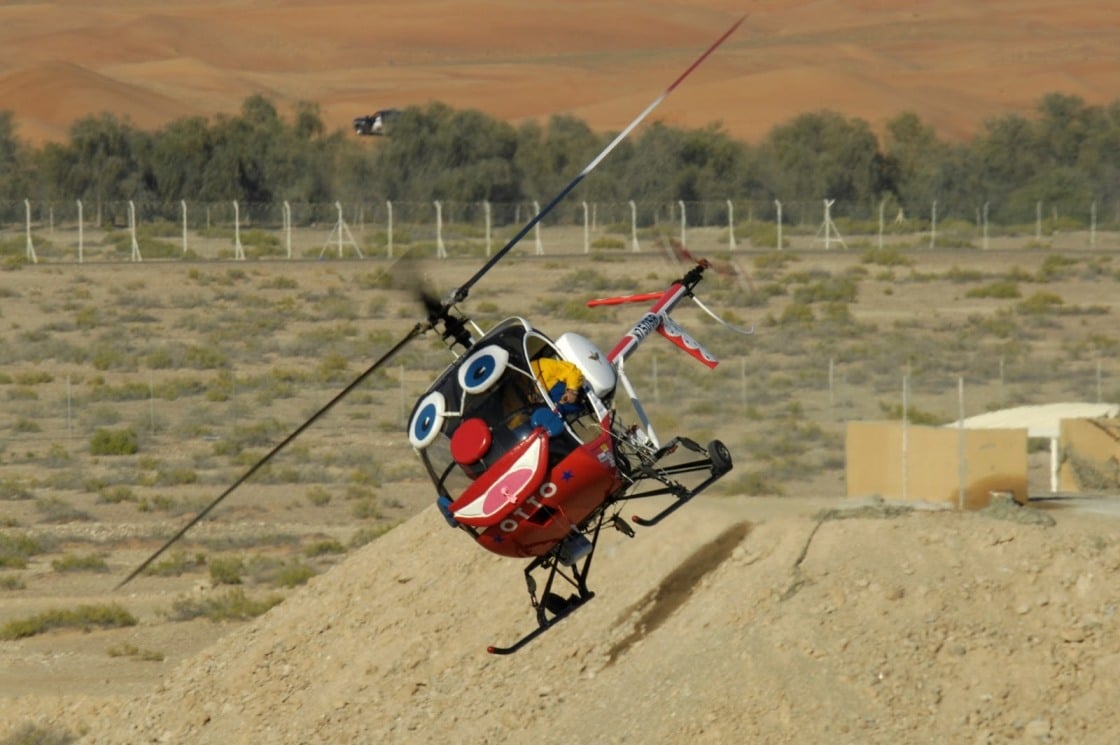
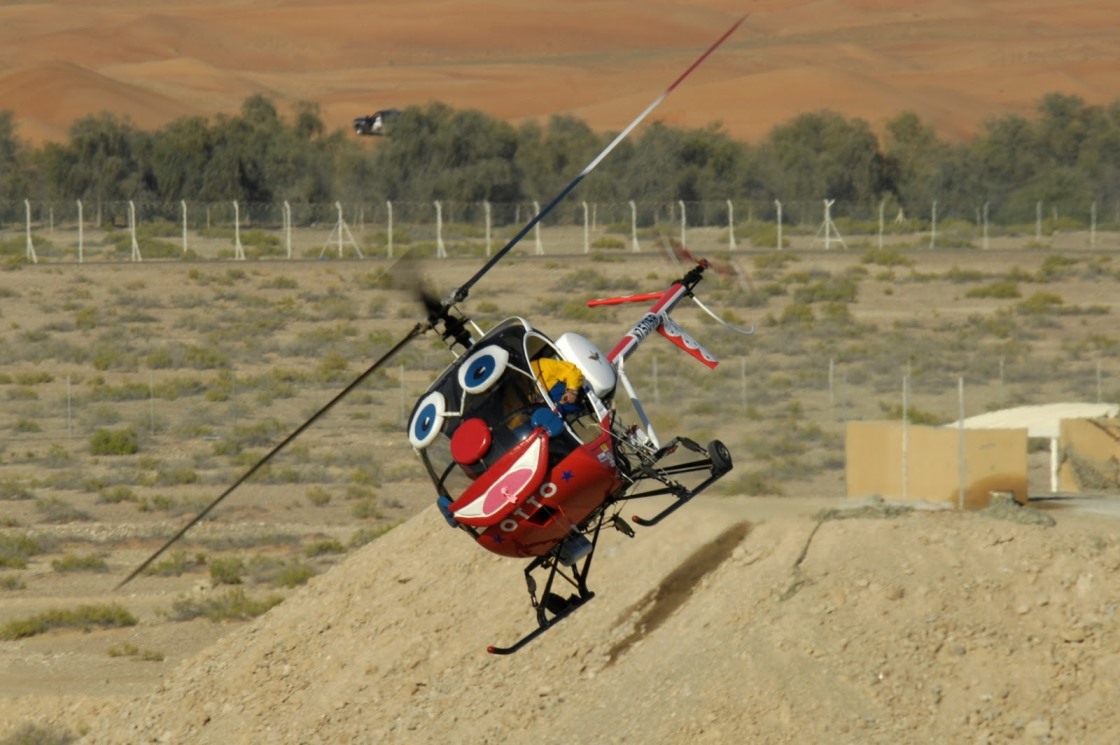 American aircraft company, Hughes Tool, founded in 1935, began to develop helicopters in 1948. His first helicopter — flying crane XH-17 with a payload of about 11 t – it was created in 1953. After the reorganization, the company was named Hughes Helicopters Inc.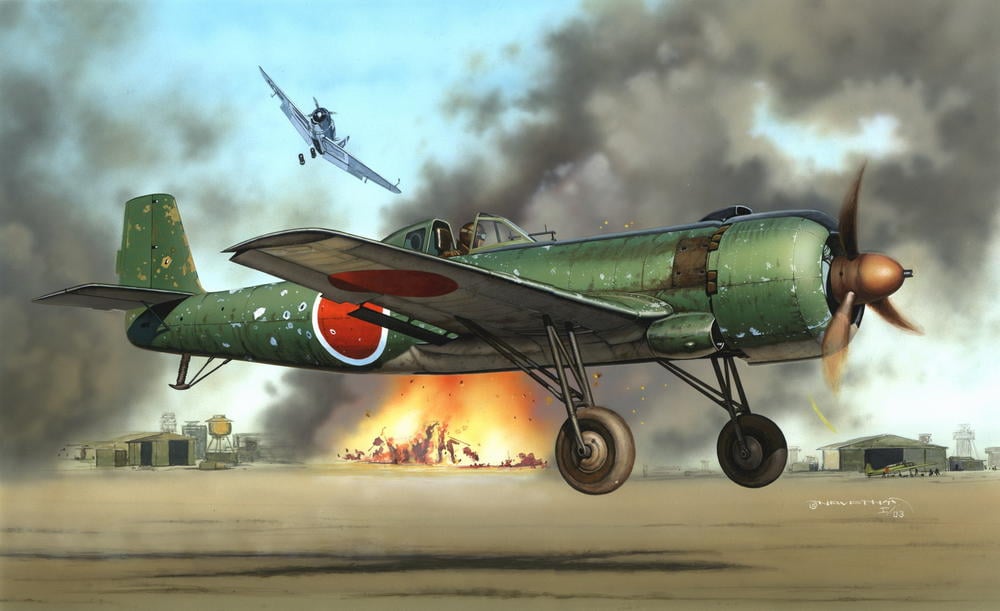
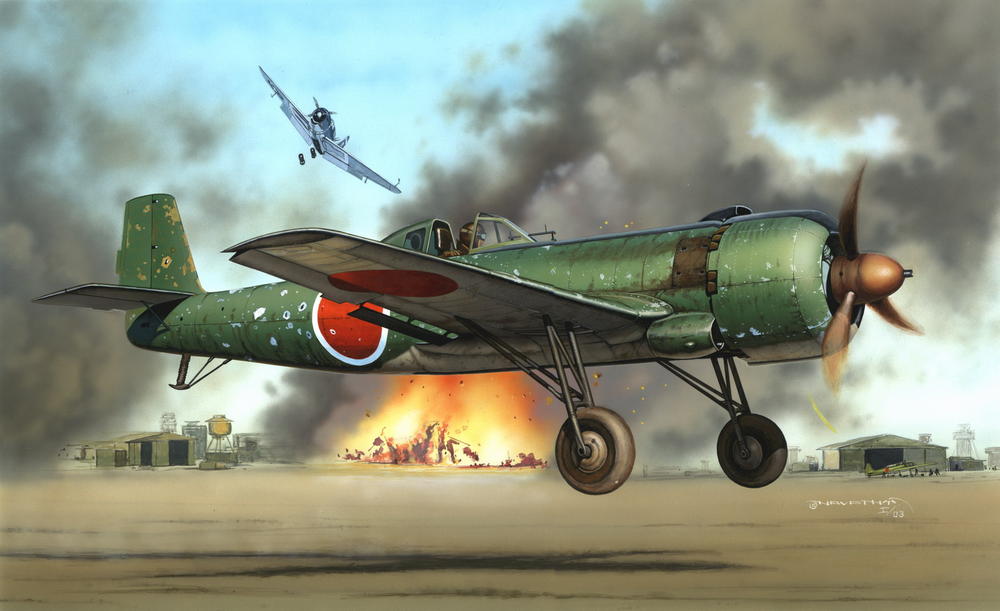 the SPECIAL ASSAULT AIRCRAFT of JAPAN. By early 1945, the Japanese military-political leadership was aware that sooner or later we should expect the allied invasion to the territory of Japan proper. This understanding has penetrated all layers of Japanese society. The bombing of cities and industrial enterprises were conducted daily, and the armed forces of the Empire fought desperately, pressed on all fronts.