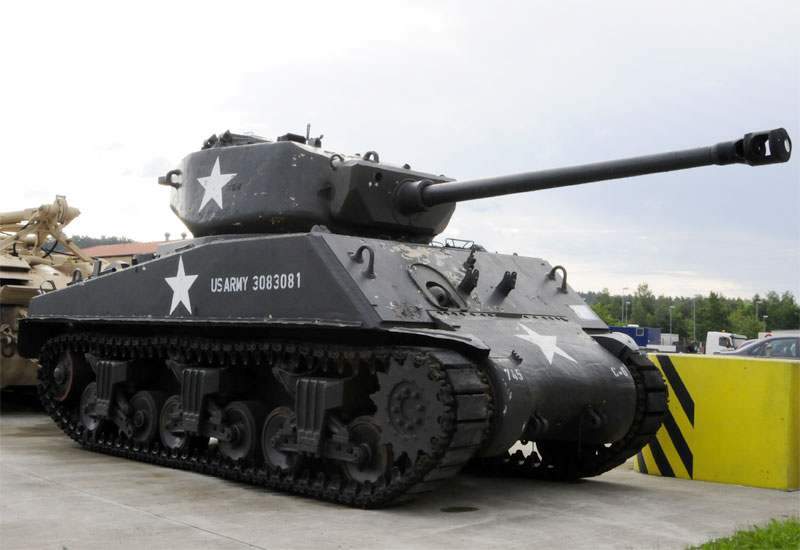
 In January 1944, the headquarters of the U.S. army in Europe, stationed at the moment in the UK, was sent for consideration to Washington’s urgent request to manufacture 250 heavy tanks for the upcoming campaign in France. The staff officers believed that the need for tanks with a high level of security will be to overcome the fortifications of the “Siegfried Line”. In Washington, agreed that the heavy assault tank will be needed during the impending hostilities in Europe. Because it was quite obvious that the new heavy tank Т26Е2 (future “Pershing”) will not be ready for many months, the command of armored forces was the recommended project, which was based on the medium tank М4АЗ. Alternatively, however, the gunners have offered to accommodate for this role, heavy tank M6, but tankers are opposed because of the numerous shortcomings of the latter identified during testing. These disputes were resolved in early March 1944 in favor of the assault tank (Assault Tank), the designation М4АЗЕ2.
Read more
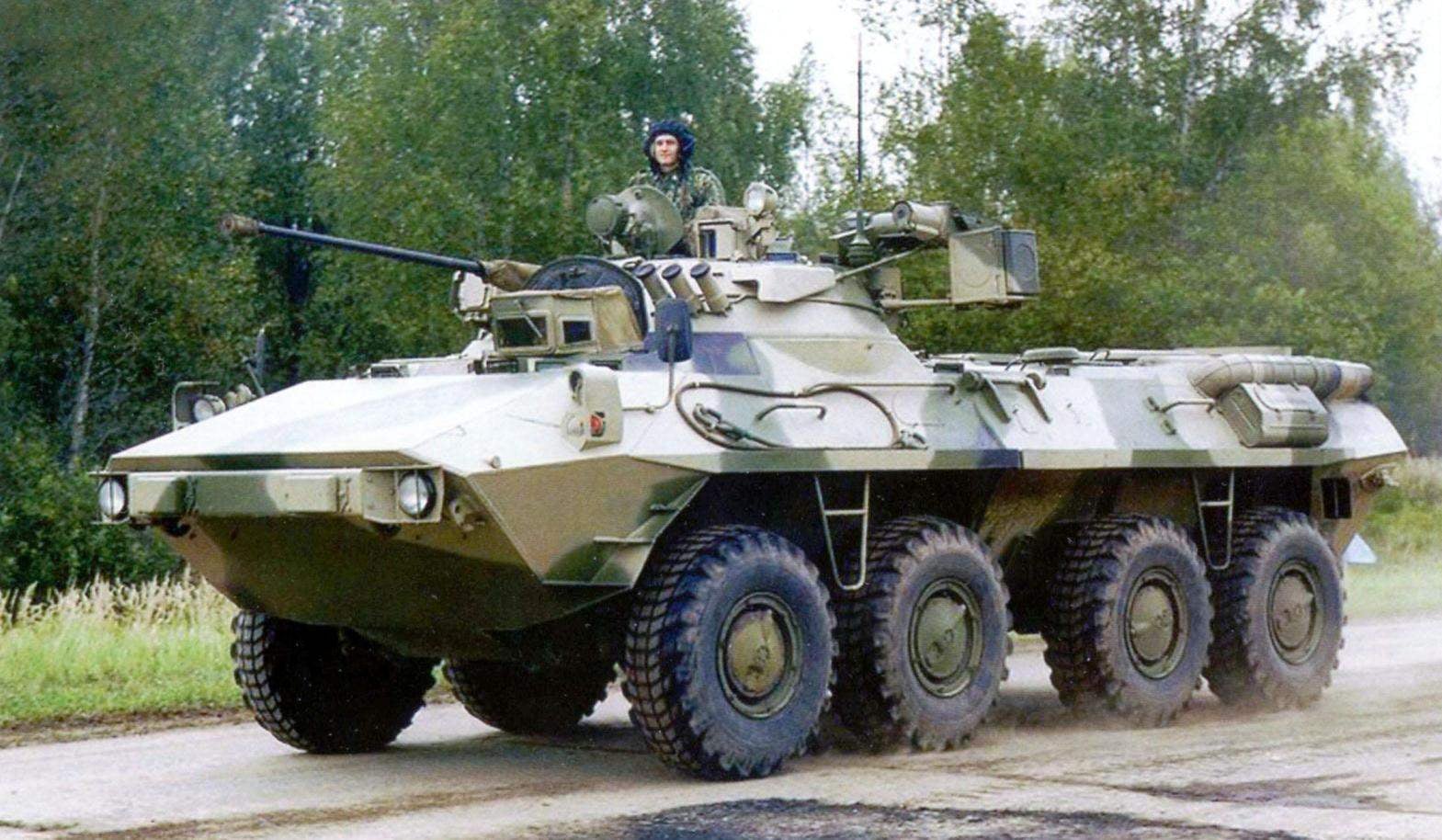
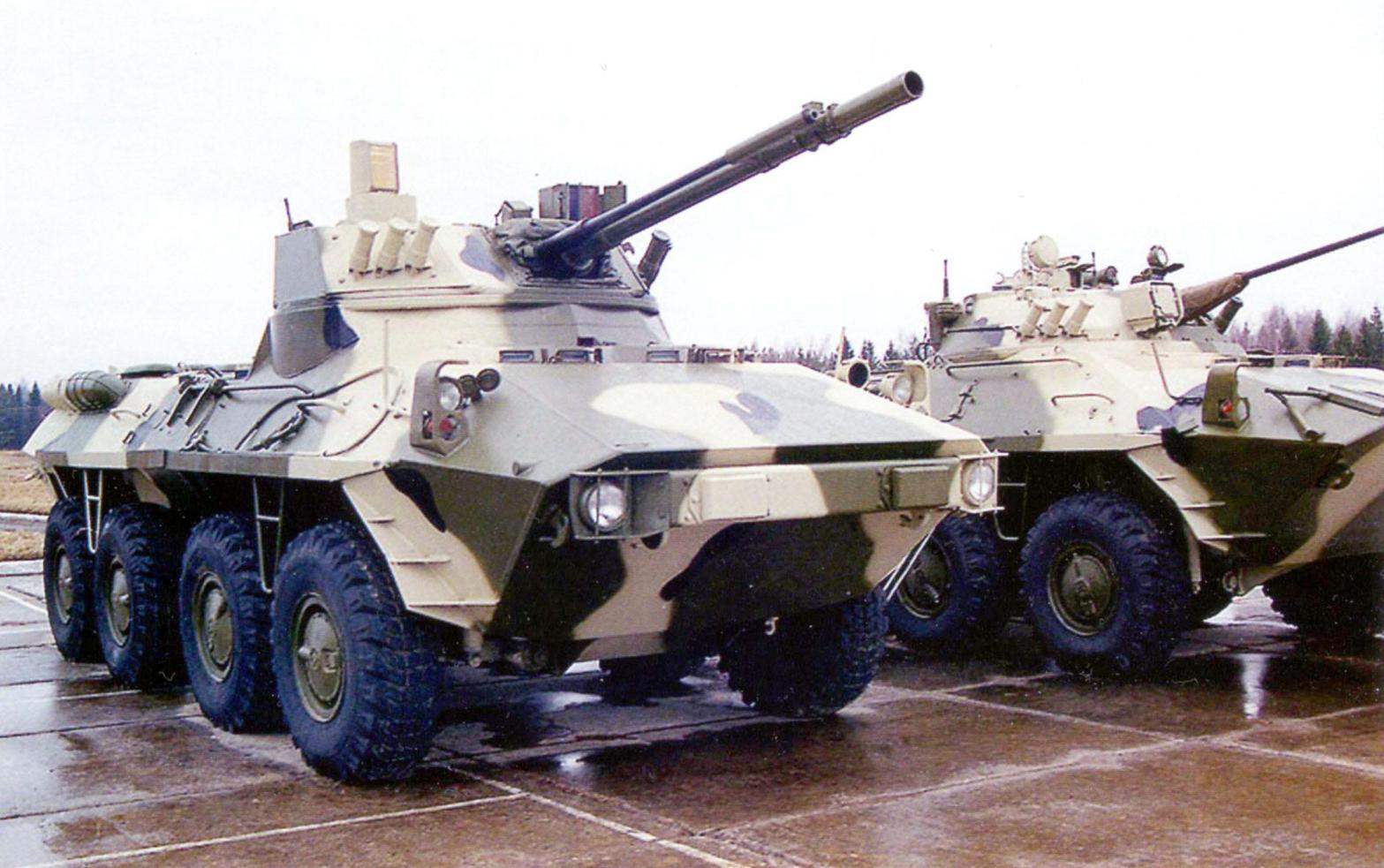 Emerging in recent local military conflicts have shown the necessity of creation and adoption of the armies of new models of armored vehicles, highly maneuverable and at the same time highly secure. Military units often have to conduct combat actions in isolation from the main forces fighting against well-armed enemy. According to military experts, every unit participating in battle, must be mobile, have increased firepower, have a considerable reserve.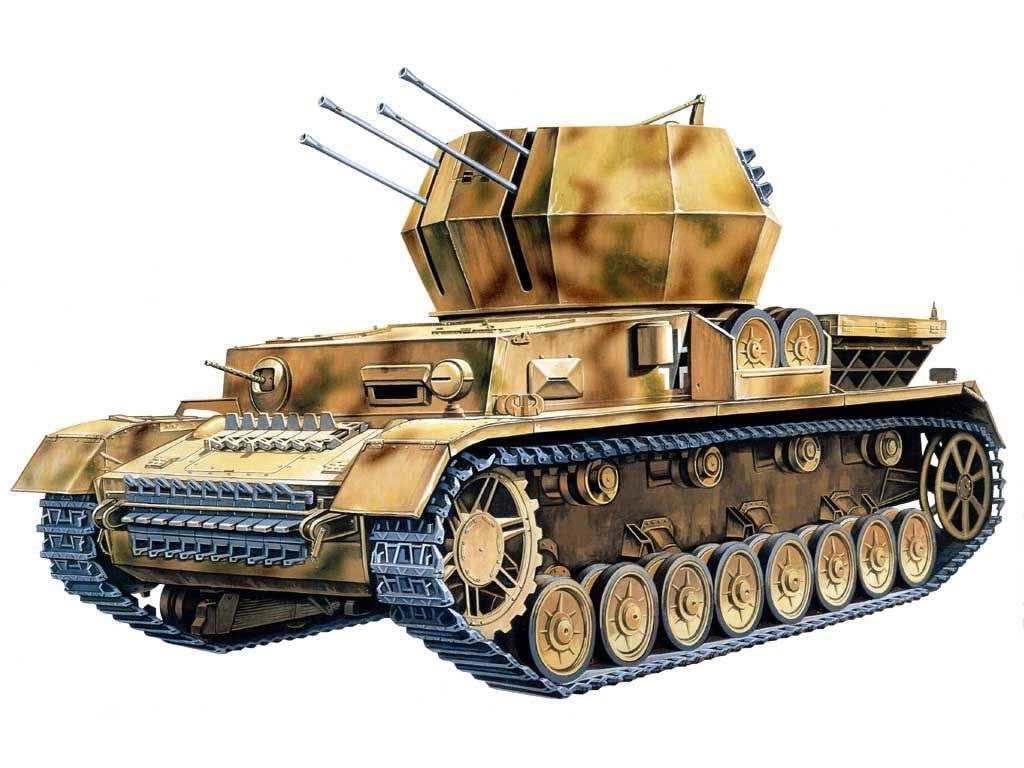
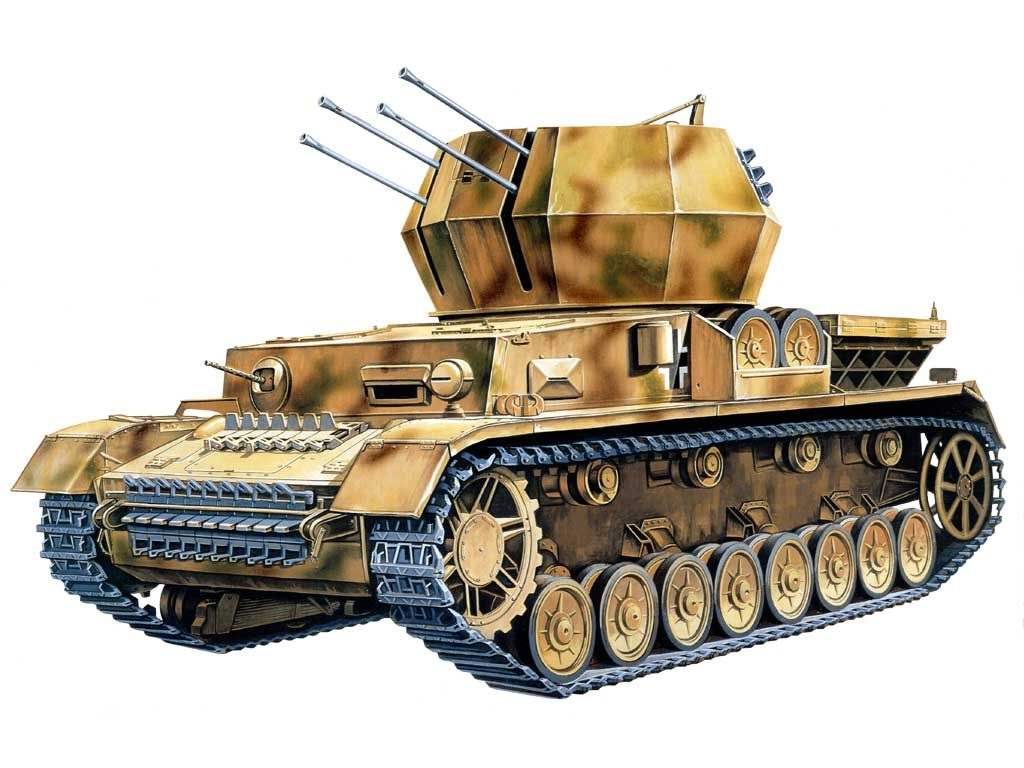 The rapid development of aviation during the period between the world wars led to the fact that the plane has been regarded as an effective tool of warfare. Already the experience of the civil war in Spain has clearly shown that the intelligent use of attack and bomber aircraft can radically change the course of the fighting in one way or the other. The second world war has confirmed it. Naturally, the most effective means of combating enemy aircraft was a private aircraft. However, to provide round the clock cover for ground troops, she was not. To cope with this task only anti-aircraft artillery.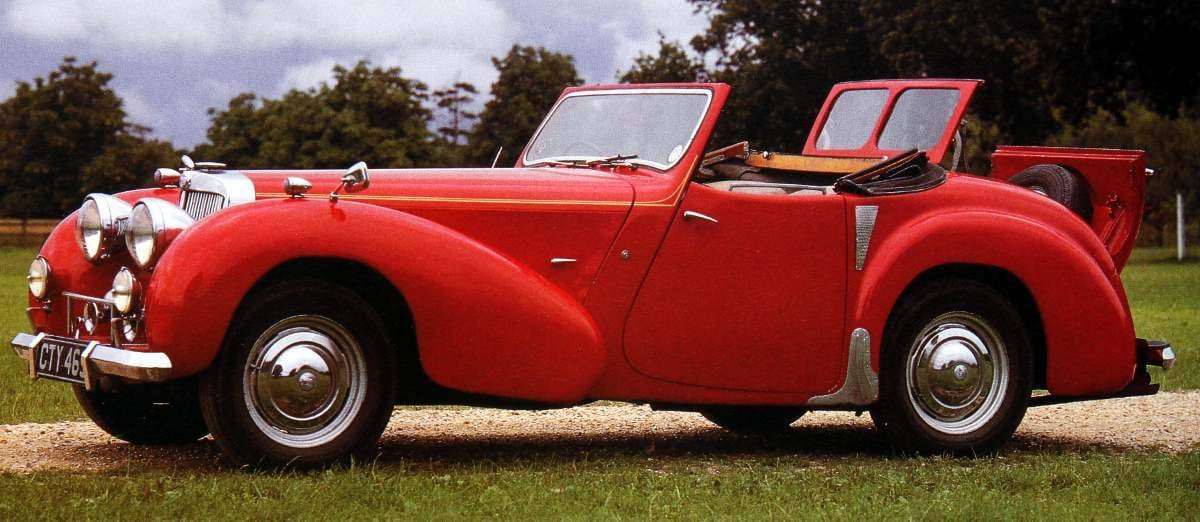
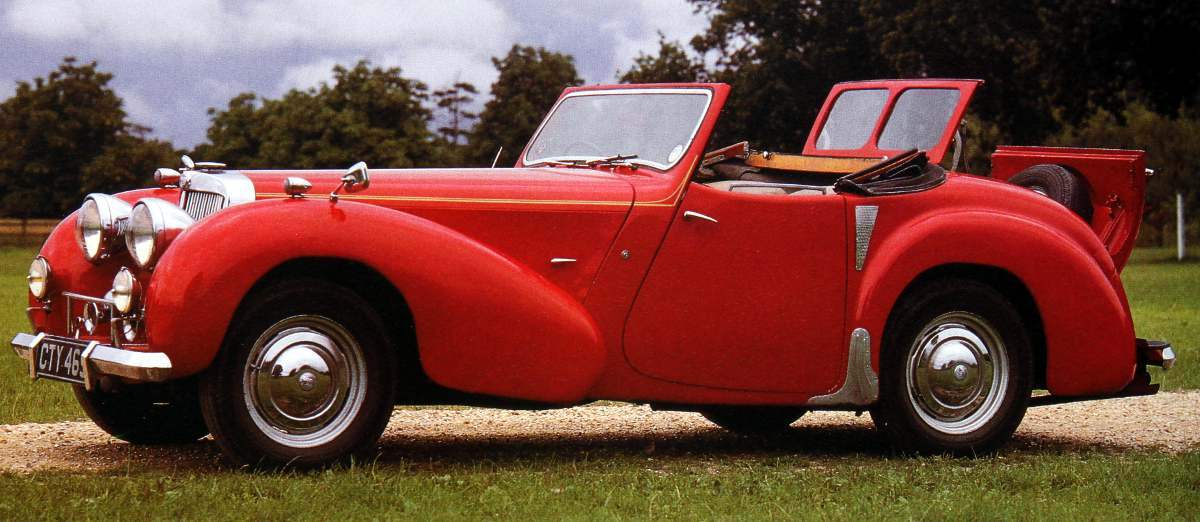 English motorcycle firm Triumph was founded in 1901 in Coventry, a German immigrant, Z. Bettmann. The production car was deployed it only in 1923, when Triumph acquired the bankrupt car firm Dawson. The first car of the United firm was a Triumph 10/12НР with the engine a working volume of 1.4 L. the first car was followed by the Super Seven (1928), Scorpion 12/16НР (1932), Super Nine (1932)… Especially popular with buyers of steel sports car company Triumph, created under the leadership of chief designer D. Healy, reminiscent of an Italian Alfa Romeo.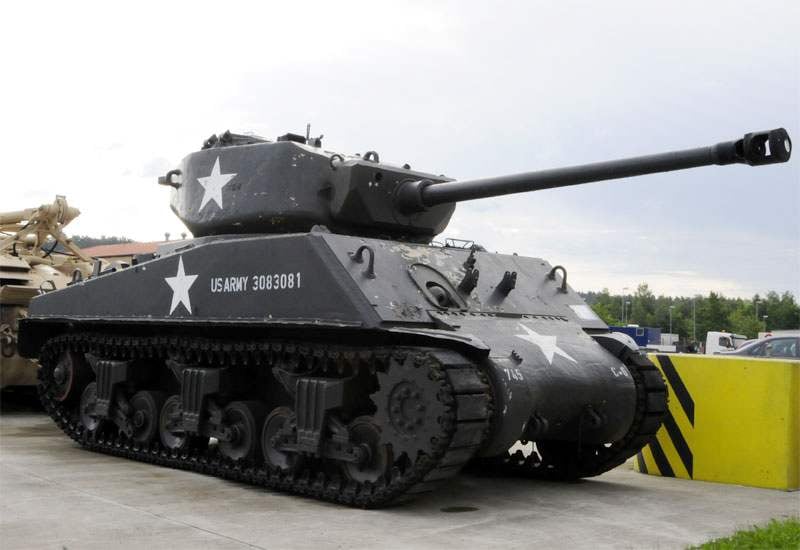
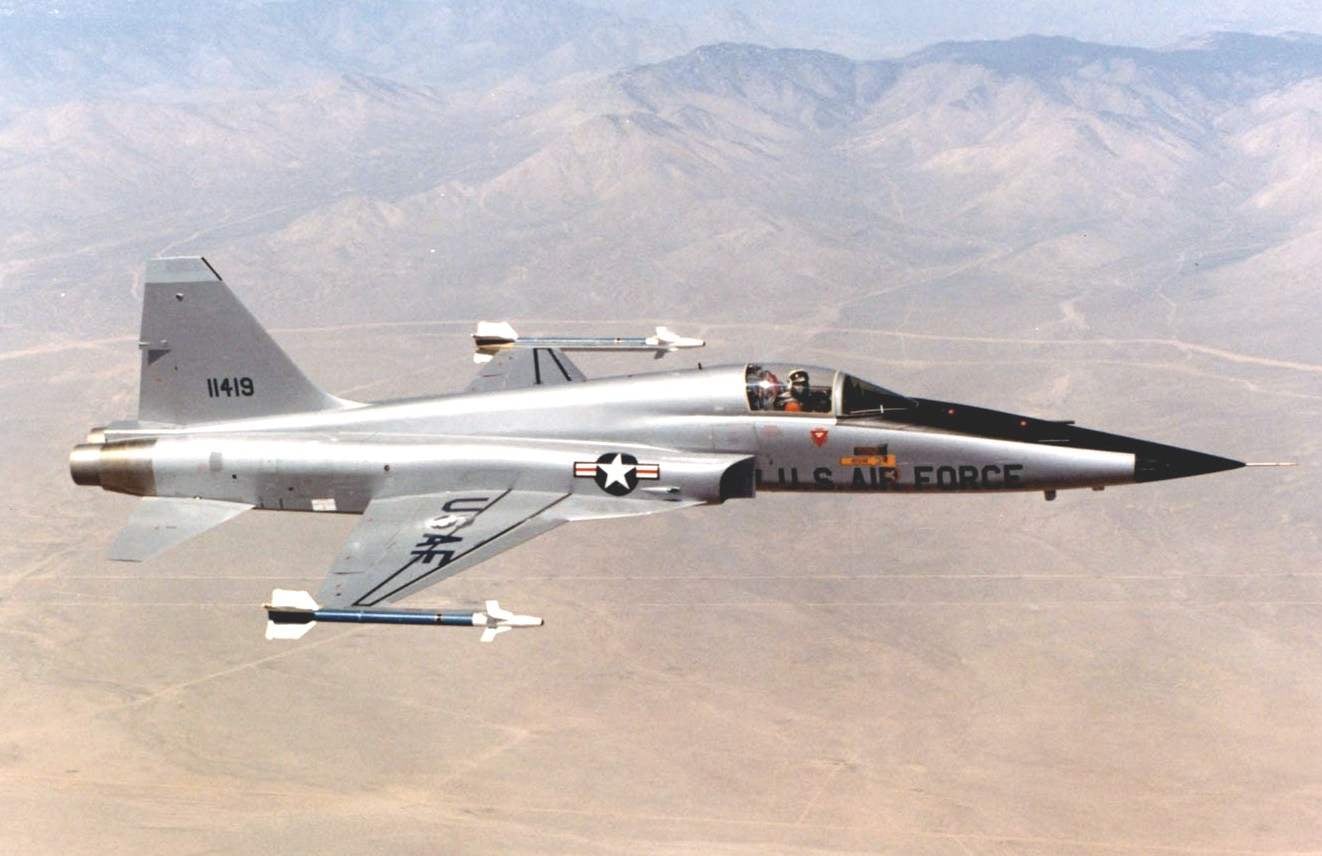
 Multi-purpose fighter F-5E. After the Second world war, the US claimed, not without reason, on the role of world leader, particularly in aviation. The leadership was obliged to provide economic and military assistance to allies.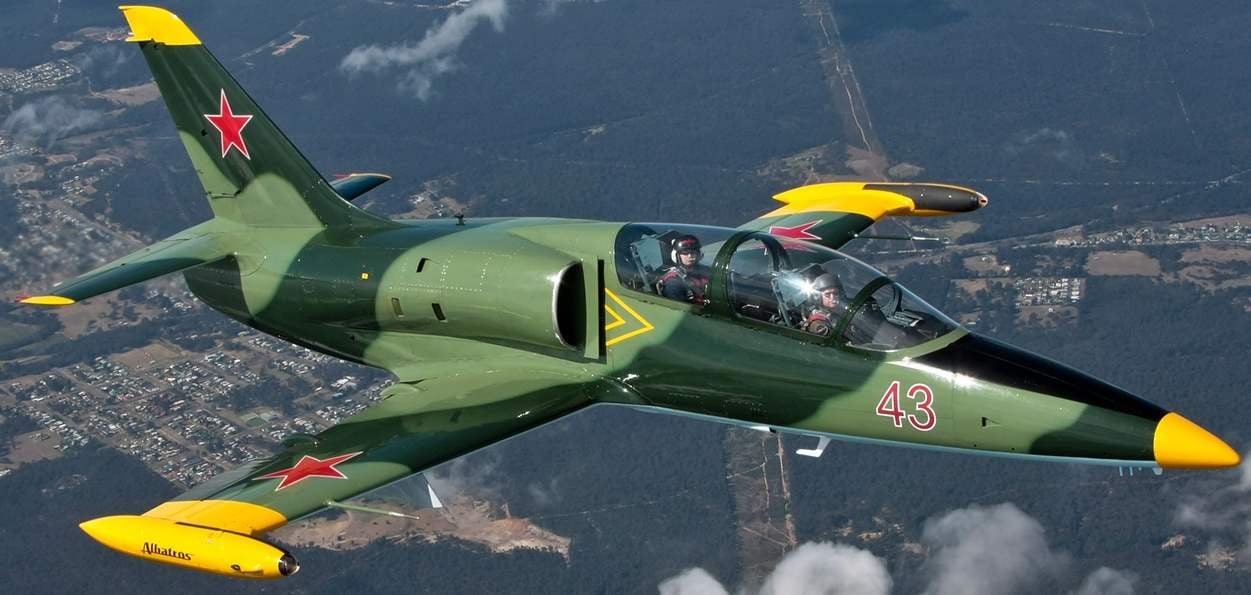
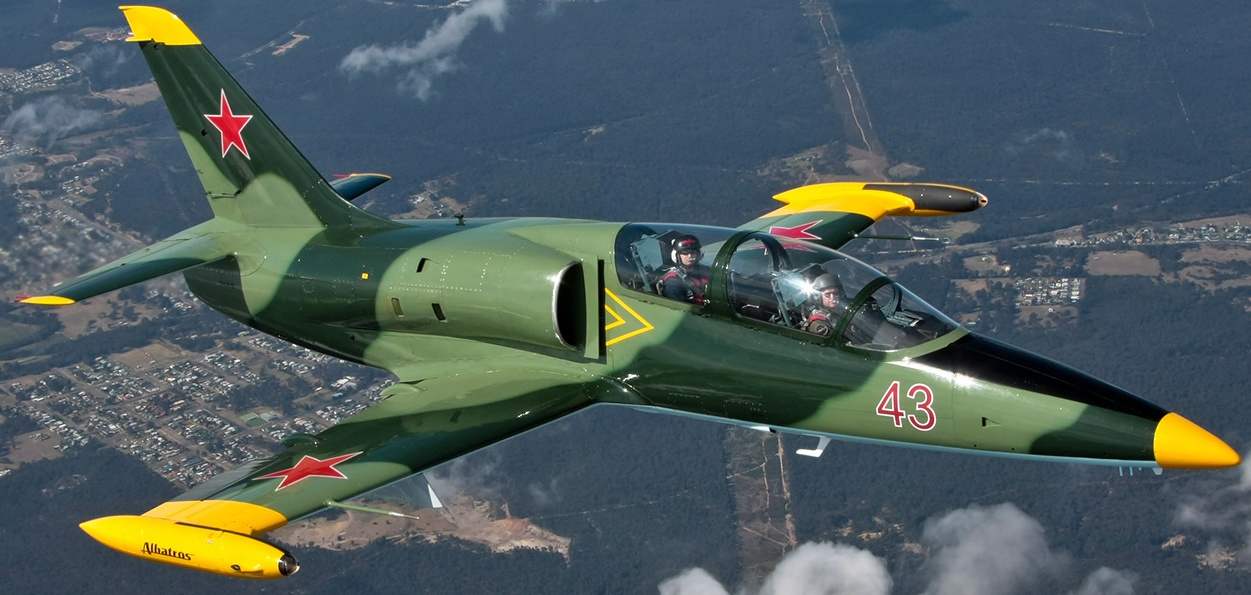 Czechoslovakia justly called the center of Europe: at its plants at different times was created by the machines and equipment are well known throughout the world and is characterized by high reliability and original design solutions.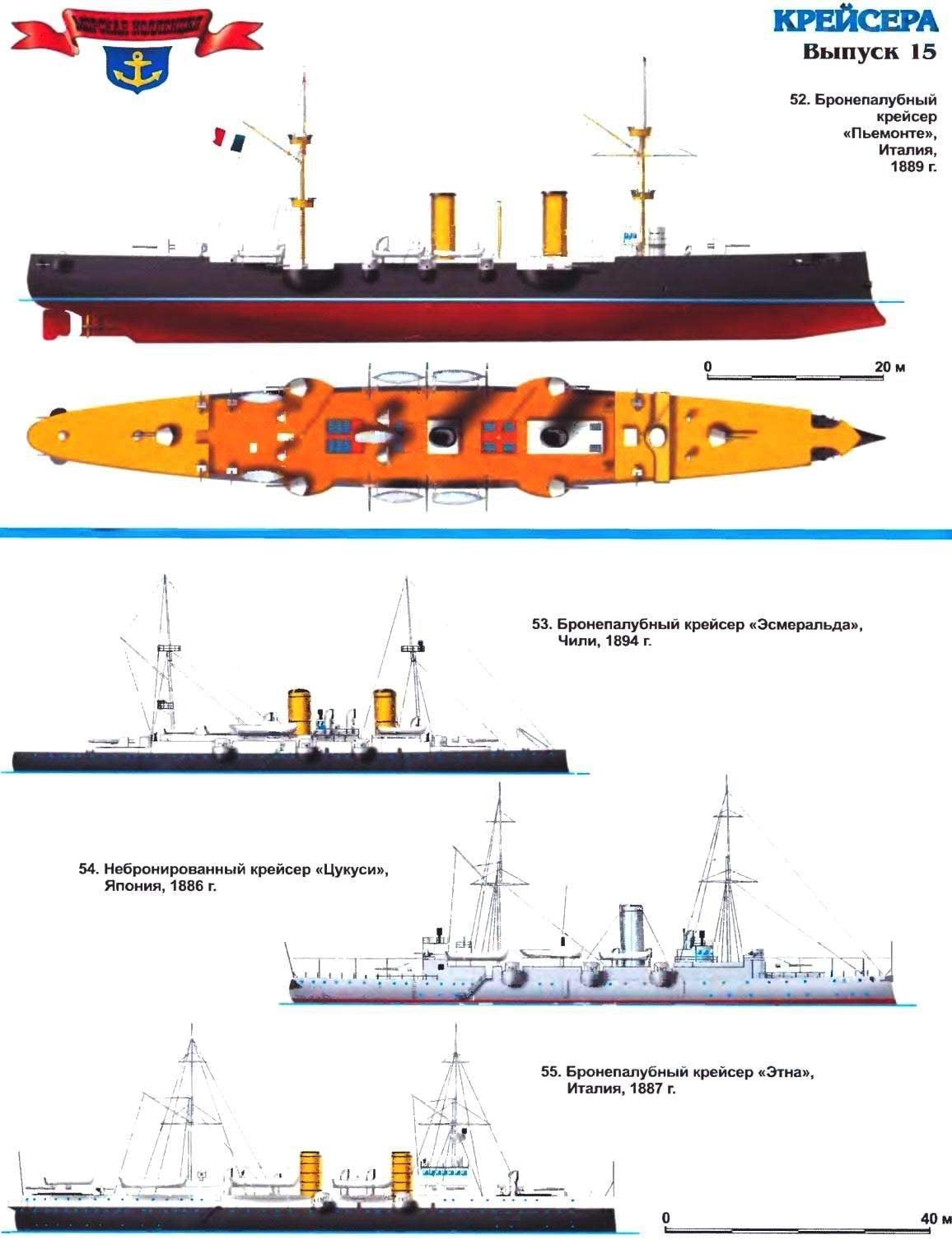
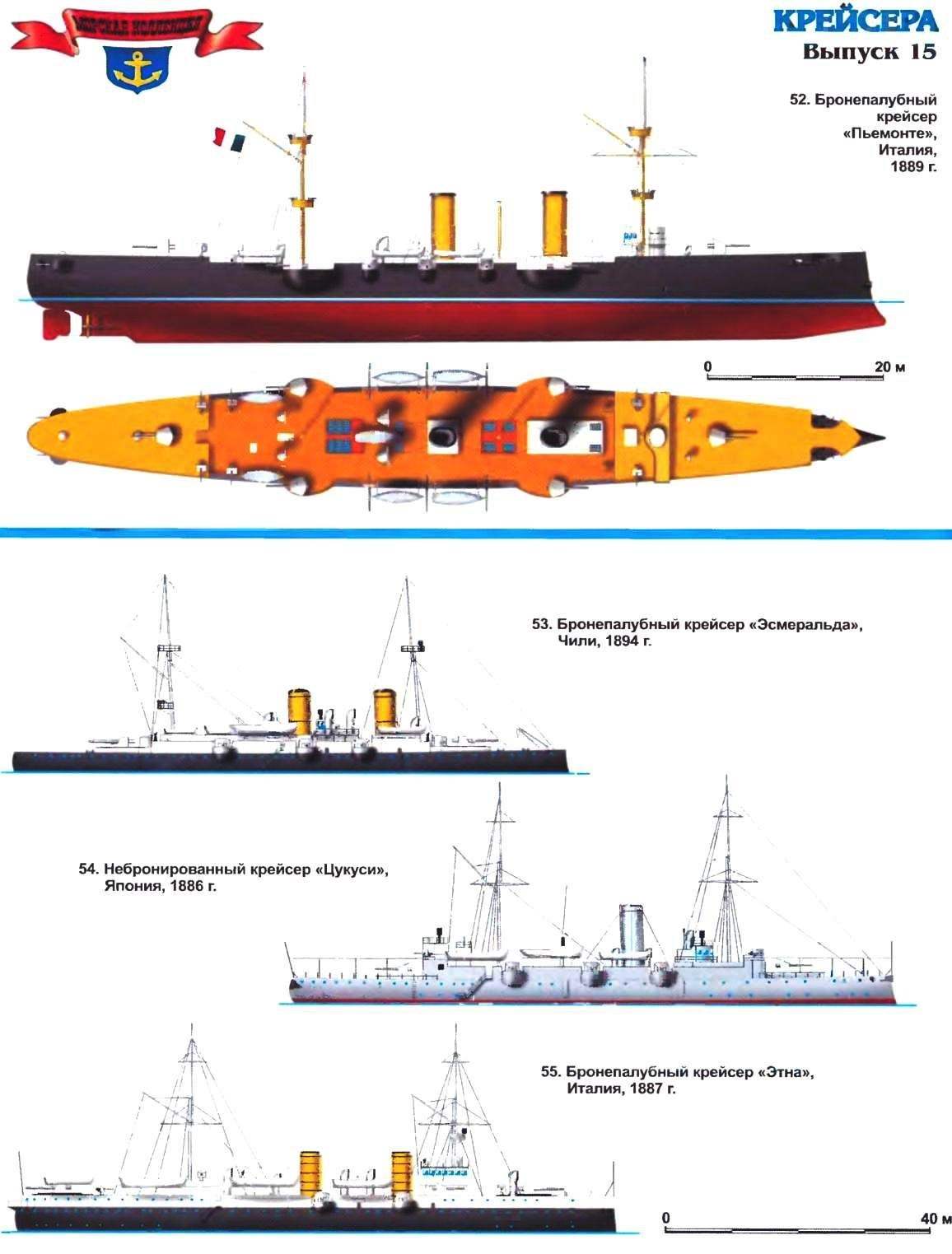 4 Dec 1867, took place at the first sight unremarkable event that opened is actually a completely new era in military shipbuilding. The stocks of the steel company “William Armstrong and company”, noted for his work in the field of armaments and hydraulics, in the waters of the river Tyne in Newcastle went first built it the ship — the gunboat “Staunch”. The value of the birth of this small gunboats designed by firm Manager George Ringelem, it is difficult to overestimate. Tiny ship, which cost just 6700 pounds, became the ancestor of a number of warships, primarily cruisers, the glory “Armstrong” and transformed the enterprises of the average breeder in this Empire arms.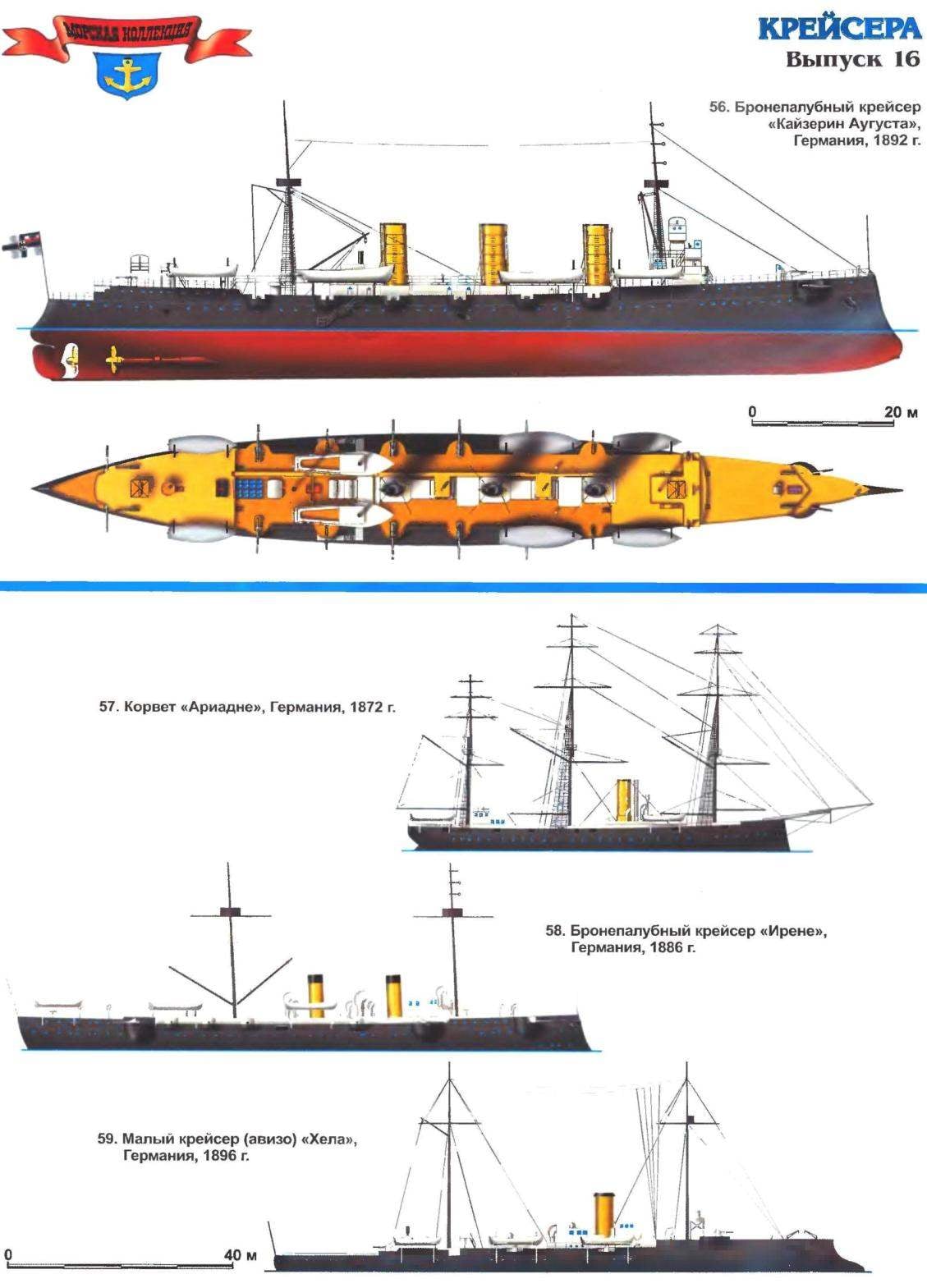
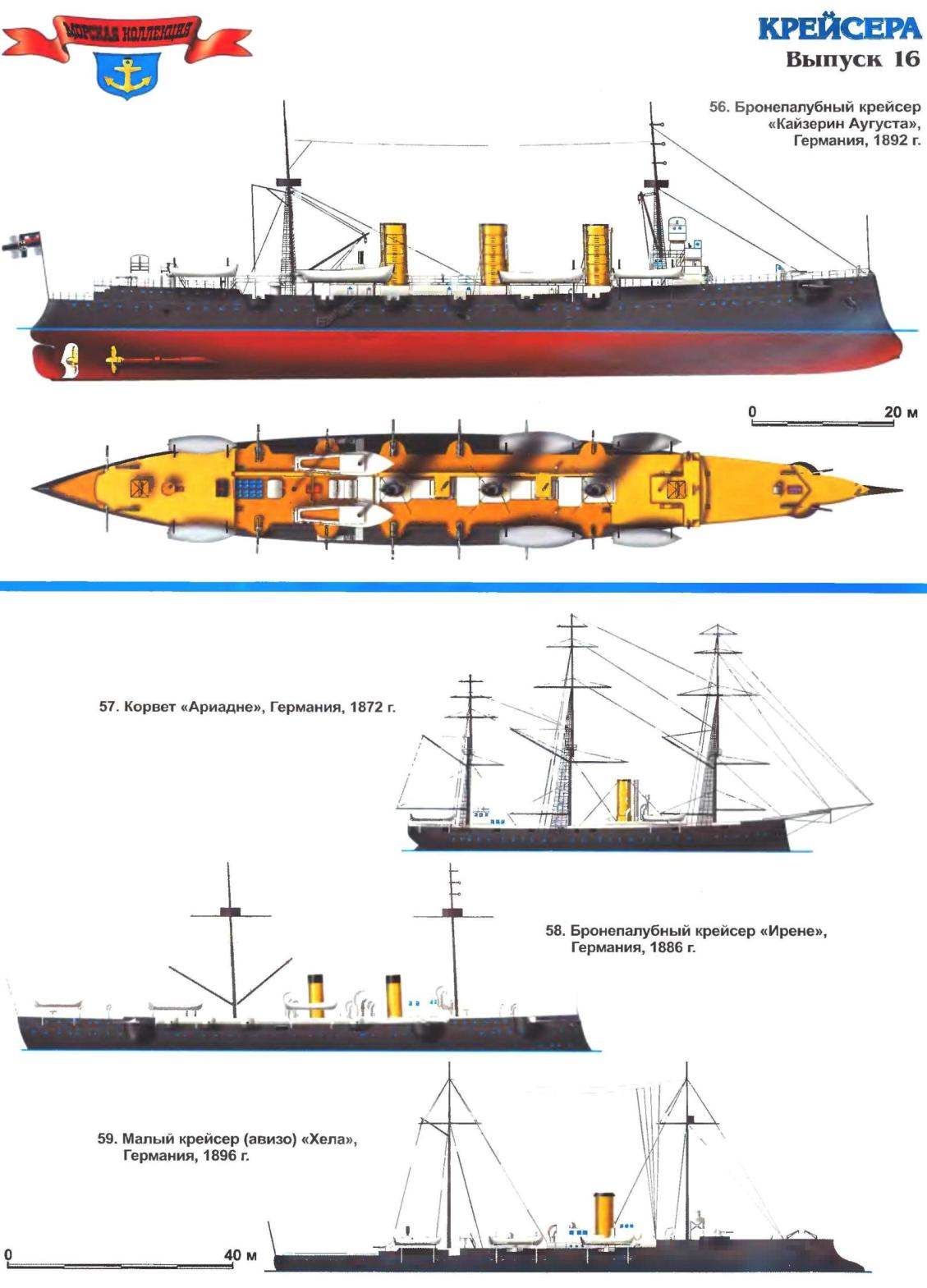 The victory over France in the war of 1870 opened to the Federation of German States, formed under the auspices of Prussia, a completely new Outlook In Central Europe is variegated carpet of the numerous Duchies, counties, kingdoms and markkraft appeared a powerful state that had access to the two seas — the North and the Baltic In its composition was the seaside city, once part of the Hanseatic League, the strongest of the medieval sea trade of the company Clear the views of the rulers of a United Germany sooner or later had to turn to the ocean The more successful in almost all respects, the war with France proved to be completely ineffective for the Prussian fleet is Disproportionately weak, compared to the Navy’s second naval power of the world, he, nevertheless, was rebuilt several steamers of the Lloyd auxiliary of the cruiser and tried to use them for actions on communications of the enemy.
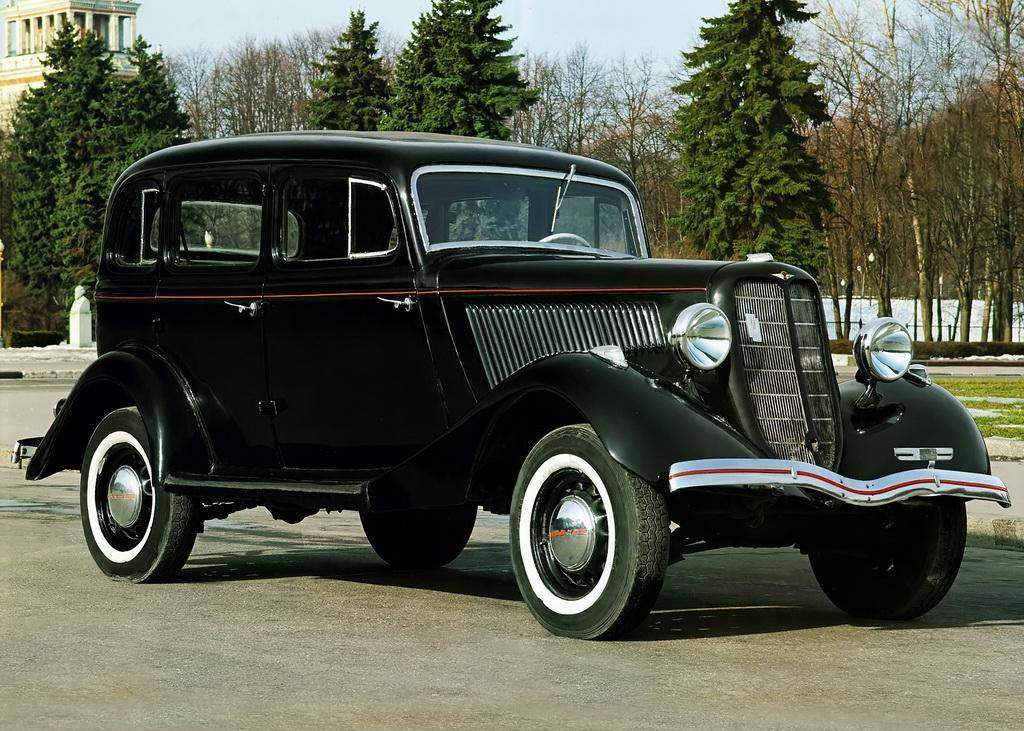 Soviet passenger car GAZ M-1. The giant car plant in Nizhny Novgorod, was built in a record short time – just three and a half years. Creating it was a result of the signing of the 31 May 1929 agreement between the US by Ford Motor Company and the Government of the USSR. And January 29, 1932 off the assembly line of the Nizhny Novgorod automobile plant (NAZ) came off the first half tons lorries license NAZ-AA (FORD-AA), and in December of the same year – and passenger cars GAZ-A (FORD-A). Let me remind you, the lorry with the acronym NAE released a few months on the radiator: in the same 1932 Nizhny Novgorod was renamed Gorky the city of the company, respectively, received the name of GAS – Gorky Automobile Plant named after Molotov and produce trucks GAZ-AA.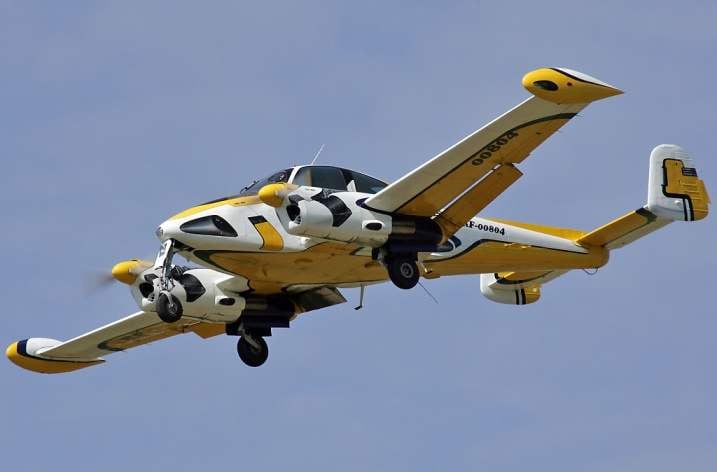
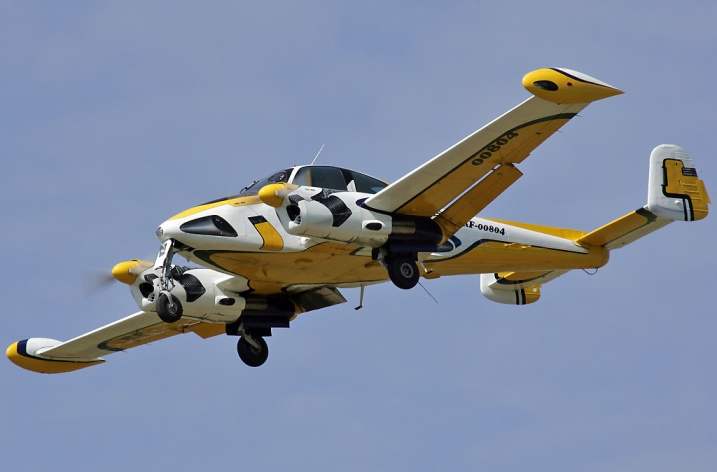 The aircraft L-200 “MORAVA”. In the mid-1930s in the Czech Kunovice in Uhersky Gradiste for the company “Avia” started construction of a new factory and airfield Construction of the enterprise was not completed because of the occupation of Czechoslovakia by fascist Germany in March 1939.