 Few ocean giants — “Rurik”, Gromoboy and Rossiya, though it presented a menace to navigation “ancestral enemy” — Britain in the case seemed such a possible war, but the scale of such threats were clearly insufficient. Three ships, even very powerful, did not make the weather. Cruisers need to have a lot; this postulate was confirmed by the experience of past wars and the logic has not yet occurred.
“GODDESS”, THE CHARACTERS AND SYMBOLS
 Passenger car GAZ-A. Many people know the famous saying of the Patriarch of the American car industry Henry Ford — “the Buyer is entitled to choose a car of any colour provided that its color will be black.” However, not everyone knows that the Ford-T was painted black not because of the aesthetic preferences of the Ford to the Kohler. The reason for this was purely technological — Assembly-line production with its rigid rhythm were taken for drying the body after painting a certain, very short time, which in the early XX century was granted only black Japanese quick-drying enamel…
 By the end of 1960-ies has increased its attention to the creation of highly mobile anti-aircraft army air defense short range, able to work as part of the advanced forces that could be attacked using anti-tank helicopters and low-flying enemy aircraft, as well as able, if necessary, to repel the attacks of enemy ground fire from anti-aircraft guns.
 BMW Wartburg (GDR). The world is constantly changing—some States are split into several, while others prefer to merge into one. The latter include the FRG and GDR merged at the end of last century, unified Germany. The process of reunification of these States was not easy—the level of industrial potential of the Eastern part of the new country were significantly lower compared to the West, and the process of modernization of production demanded huge financial investments. Of course, a radical update is needed and the automotive industry, since the East German factories were producing at that time only not the most modern cars — mainly small car Trabant and Wartburg.
 Serial production of the GAZ-31105 “Volga” started on 18 may 2007. The interior of this model was developed by the specialists of the Gorky automobile plant in cooperation with German companies EDAG and Hormann Rawema. Designers significantly changed the interior of the car, improved the ergonomics of the driver’s and passenger seats, increasing the overall safety of the structure and ease of driving. When you create a new “Volga” was used high-tech materials, ensuring the car meets the rigorous European standards.
 At full capacity, the Assembly line of the Gorky automobile plant, producing the new cars GAZ-21 “Volga”, earned at the end of April 1957, although the first three machines of this type went with him on 15 October 1956. According to experts, the body “21st” was designed without the influence of the American Ford Minline sample 1953, purchased the Gorky automobile plant to review the design of this machine. However, in the design process, lead designer of the project A. Nevzorov managed to create a generalized image of a modern car, successfully combining achievements of American designers and European schools. It is worth mentioning that in 1958, at the world industrial exhibition in Brussels (Belgium) the most prestigious award “Grand Prix” got it “Volga”.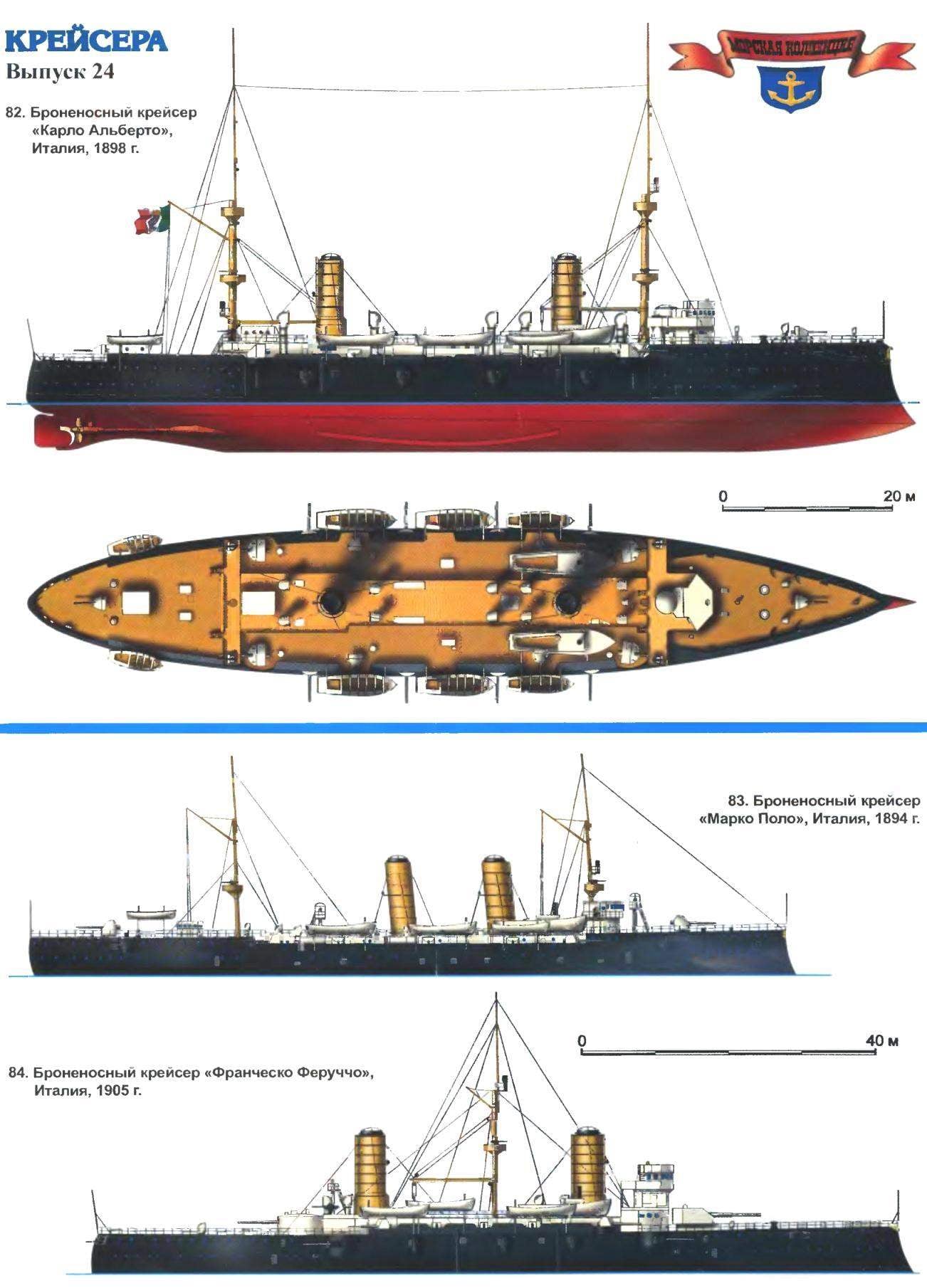
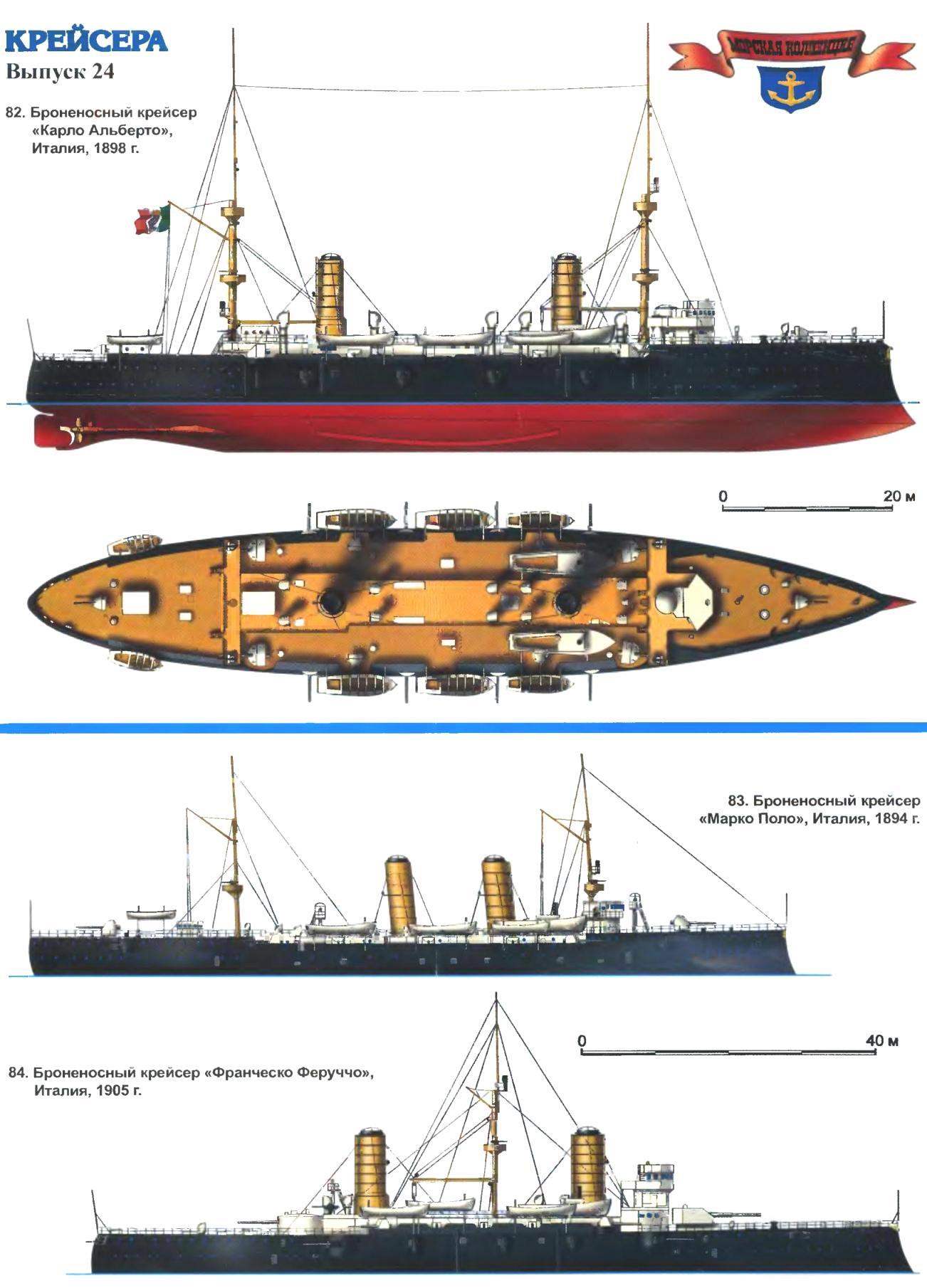 Next to the recognized Maritime Grand France on the Mediterranean sea as something almost suddenly, for some 20 years has increased an unexpected rival—the Italian Royal Navy. Having in 1866 offensive and sensitive defeat off the island of Lissa, which was followed by a natural period of doubt and reflection, the leadership of the Navy and the designers of the Peninsula are actively set to work. Italian naval policy tried to borrow more strong colleagues and rivals the best features: the British—their rationality and discipline, the French—the pursuit of technical progress, the Germans—a reasonable defensive strategy. The main contribution was a clear understanding that Italy will never be able to catch up with the elder brothers quantitatively. So one had to look for “asymmetric response” everywhere, including in shipbuilding.
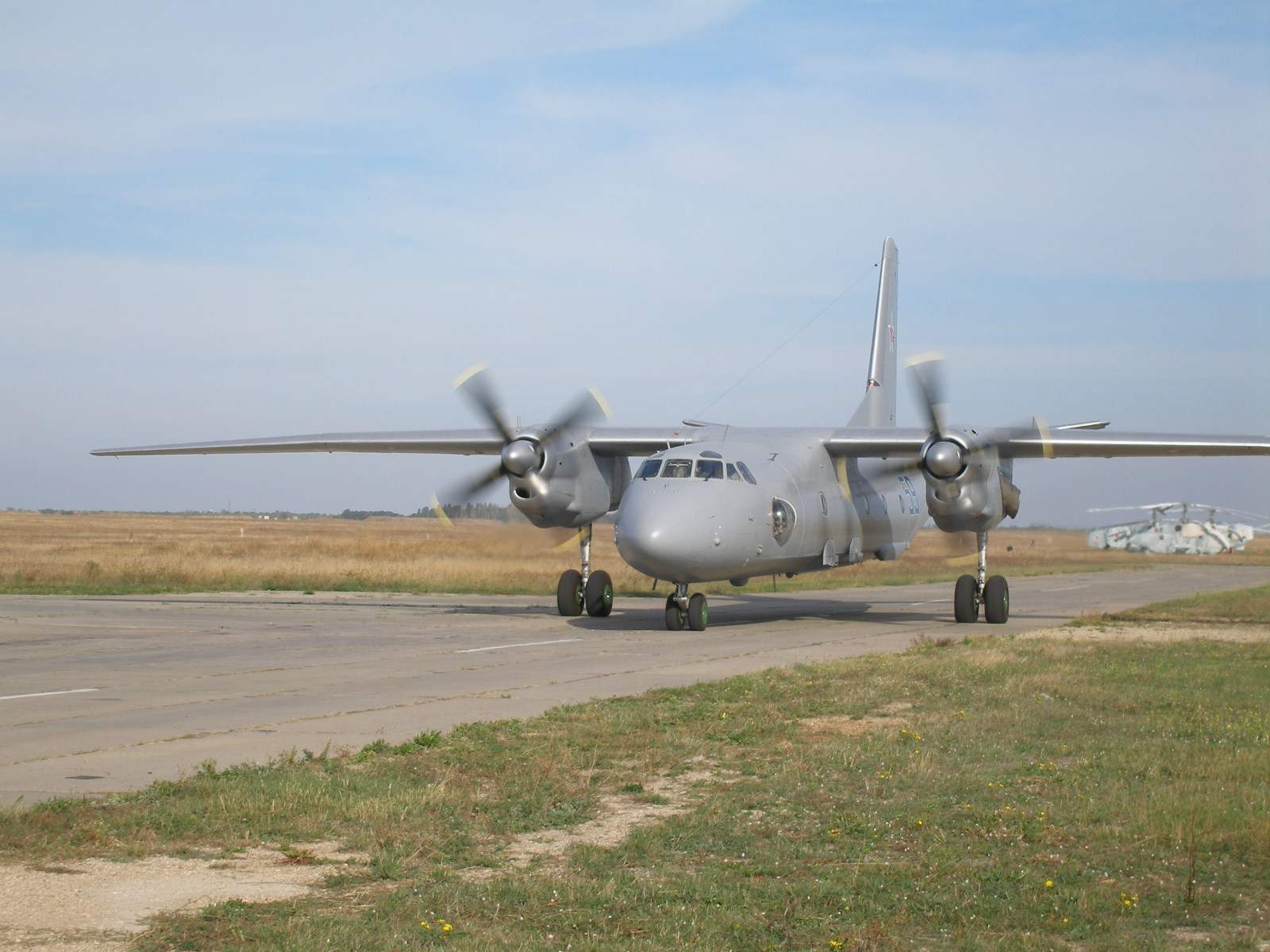 Light military transport aircraft An-26 carrying capacity 5600 kg created on the basis of the cargo of the An-24T. In contrast to the predecessor, the An-26 has a new tail section with the cargo door closed with a ramp that also serves as a ramp to load equipment. The aircraft have strengthened the wing, in addition to the two TMD AI-24VT power 2820 E. L. S. has installed a jet engine RU19-300 takeoff thrust 900 kgf and new wheels.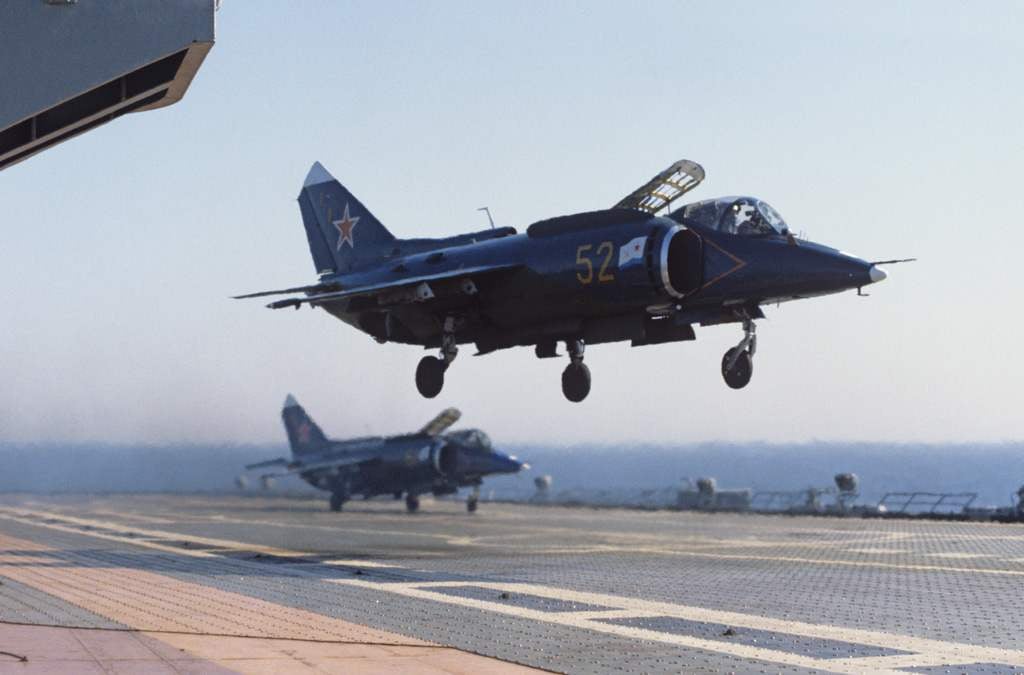
 From the first domestic aircraft vertical takeoff and landing (VTOL) Yak-36 did not work fighting vehicle, primarily due to insufficient thrust of the engines. Complicated was and longitudinal balance of the aircraft in hover and transition to horizontal flight (and Vice versa). The emergence of a more powerful turbojet in the near future was not expected. The way out of the situation found the group of designers headed by S. G. Mordovin has.
 Local military conflicts and counter-terrorism operations of recent years has revealed the problem of resistance army transportation from destroy military units of the enemy, and also weapon illegal formations. To a large extent this issue has affected the cars intended for transportation of personnel, transport of various military cargo, installation of special equipment.