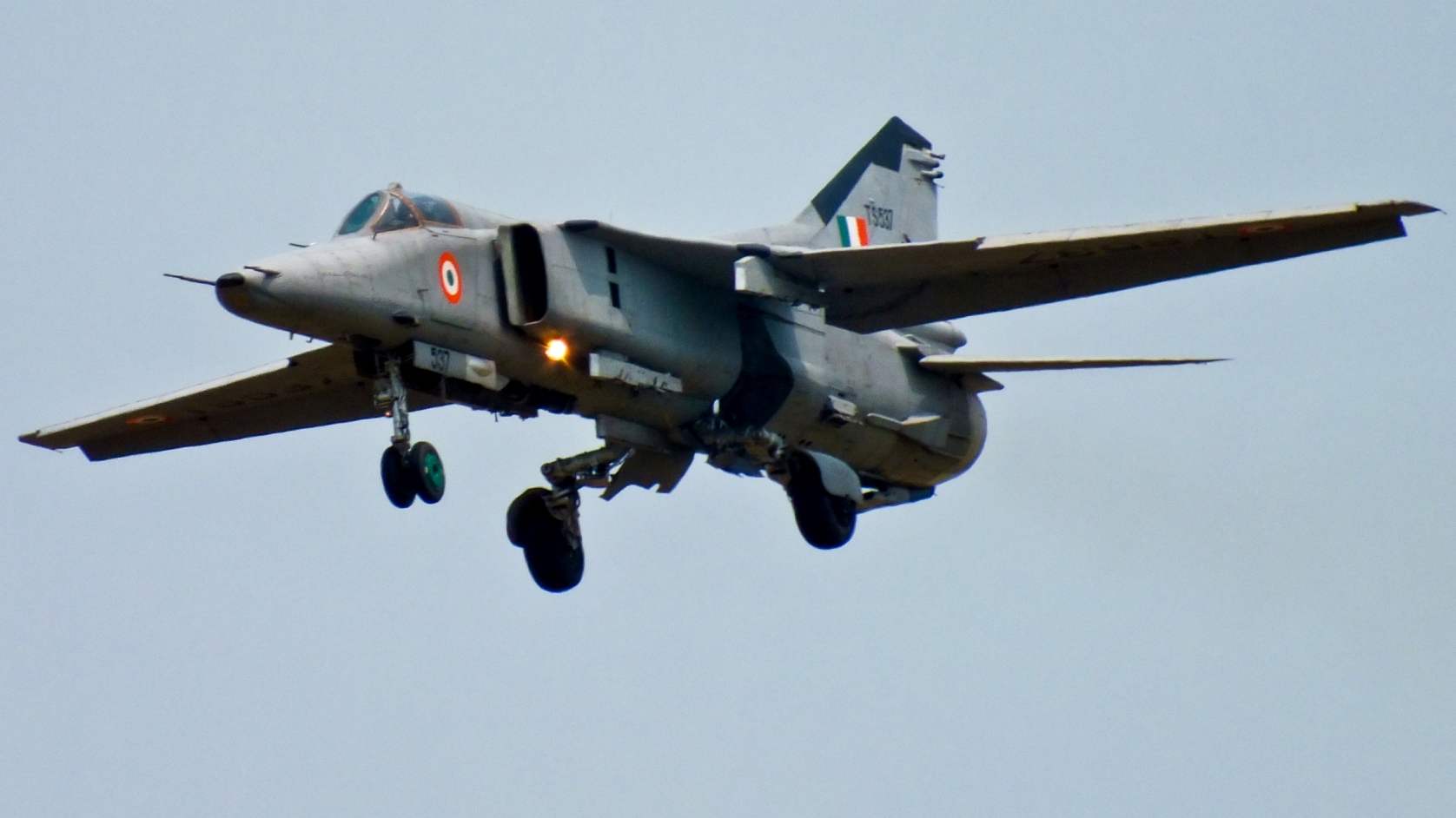
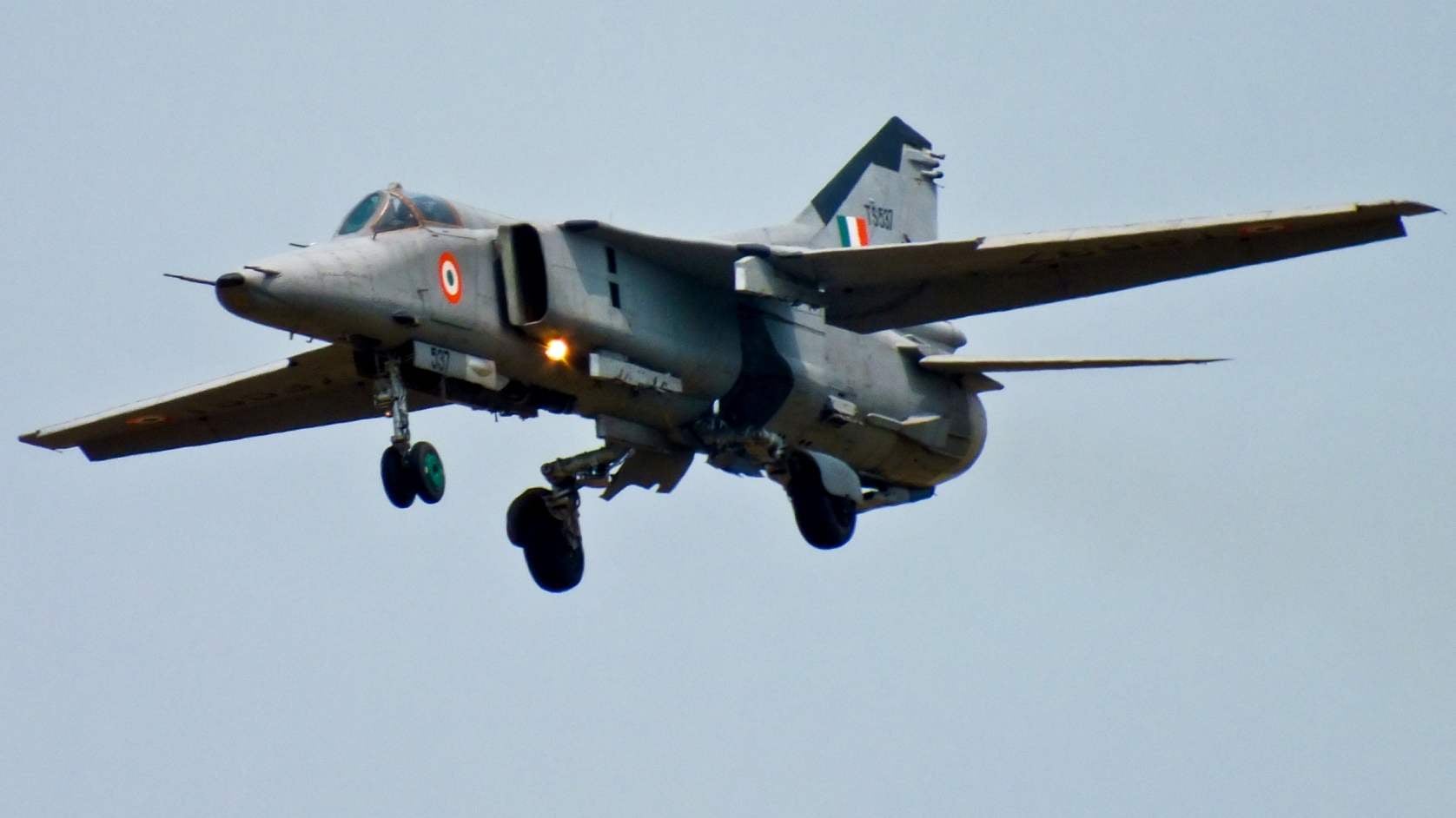
 The MiG-27 with a laser sighting system “Kyra” based on fighter-bomber MiG-23БК. In contrast to the predecessor, the air intakes have become unregulated. The first flight took place in 1975, the MiG-27K was one of the first carriers of high-precision weapons of missile of class “air — ground” with a television (KH-29T) and laser (KH-29L, KH-25ML) targeting systems, as well as corrected bombs KAB-500L and KAB-500KR. To combat enemy radar intended for the KH-27PS (X-25МП).
The MiG-27
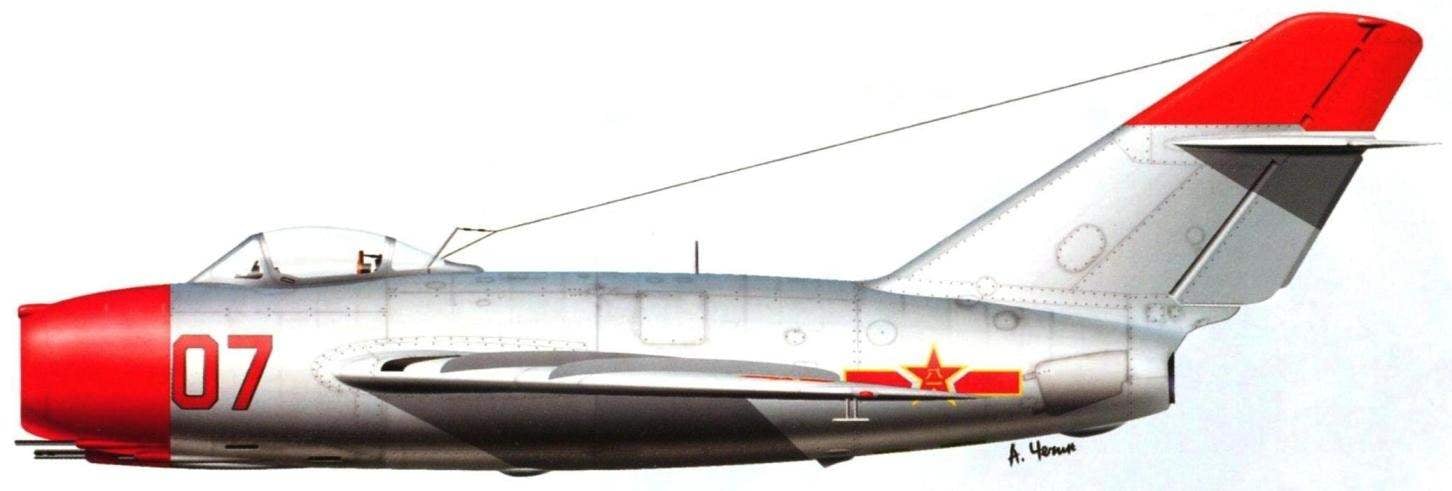
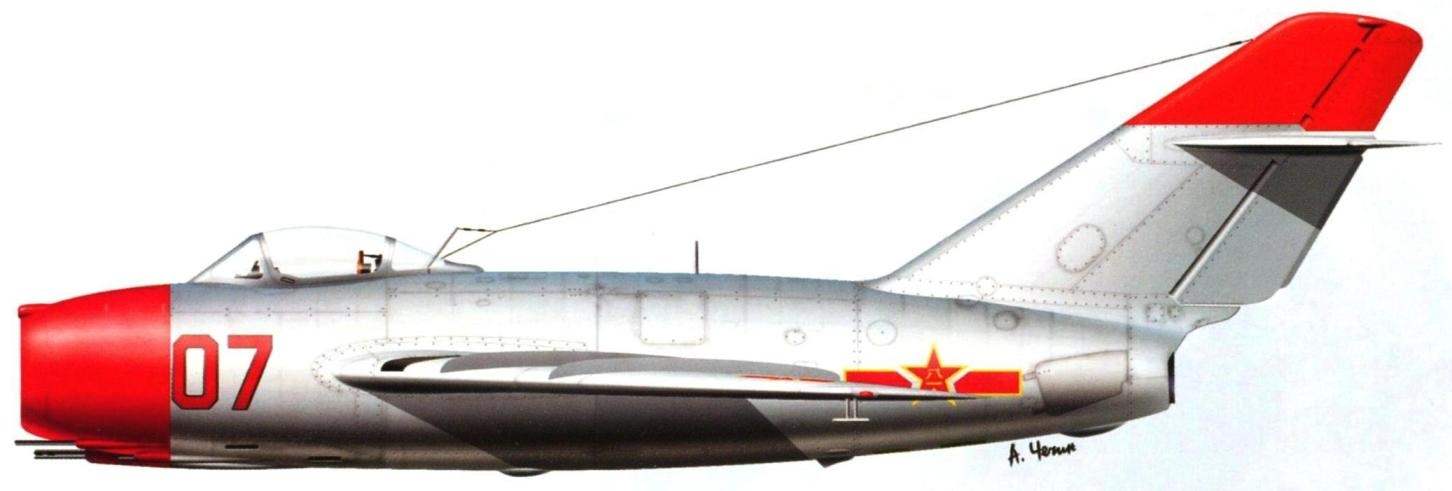 The history of the MiG-15 began after the Soviet trade representatives in 1946, Britain was able to purchase from the company a Rolls-Royce turbojet engine the most advanced of its time Derwent 5 with a thrust of 1,590 kg, Nene I with a thrust of 2040 kg and Nene II with traction 2270 kg. In the USSR, these engines received the designation RD-500, RD-45 and RD-45F, respectively. After that, it became possible to create a fighter with a flight speed of about 1000 km/h and a ceiling in excess of 13 000 m.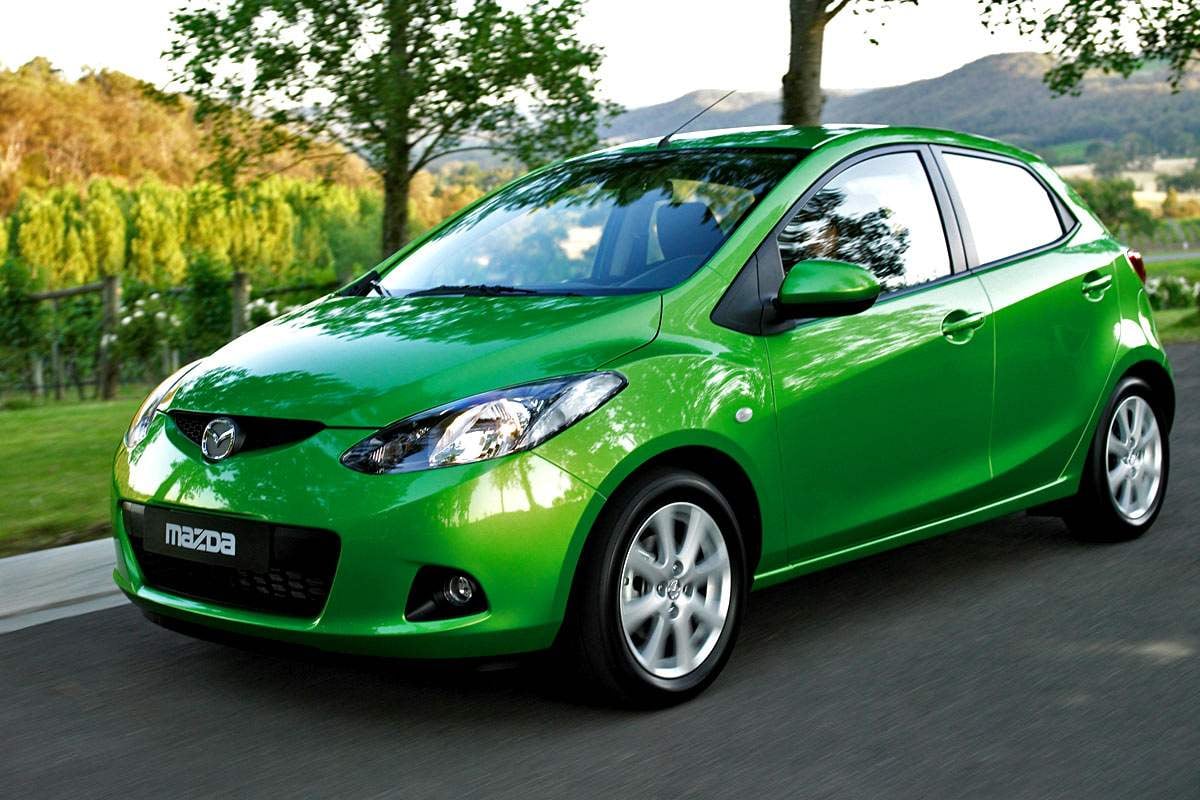
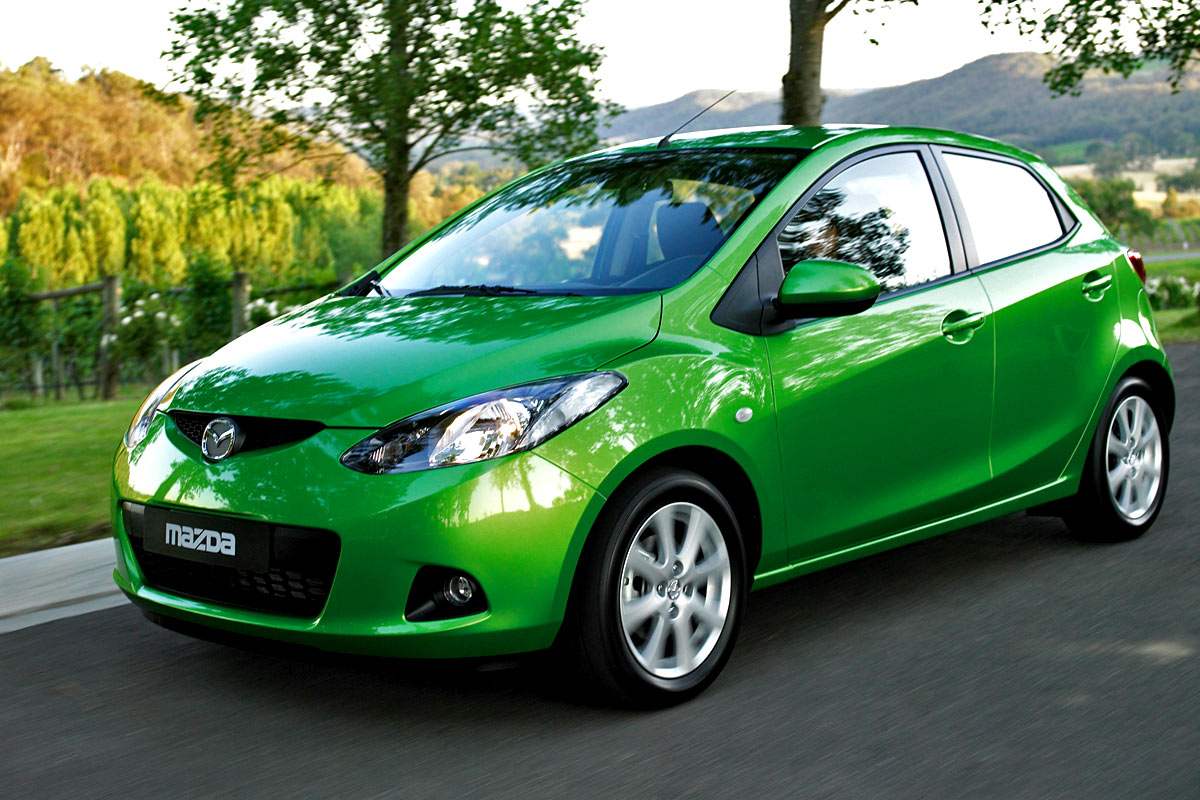 The creation of the Japanese car firm MAZDA (previously it was called Toyo Cork Cogyo) started in 1960 by running a series made popular minicar R-360. Today as popular Mazda2 is a compact front wheel drive model size class. It is enough to remember 2008, the year when the Russian buyers not only choose an appropriate quota of 2 thousand cars, and together joined in a five-month long queue to buy these cars.
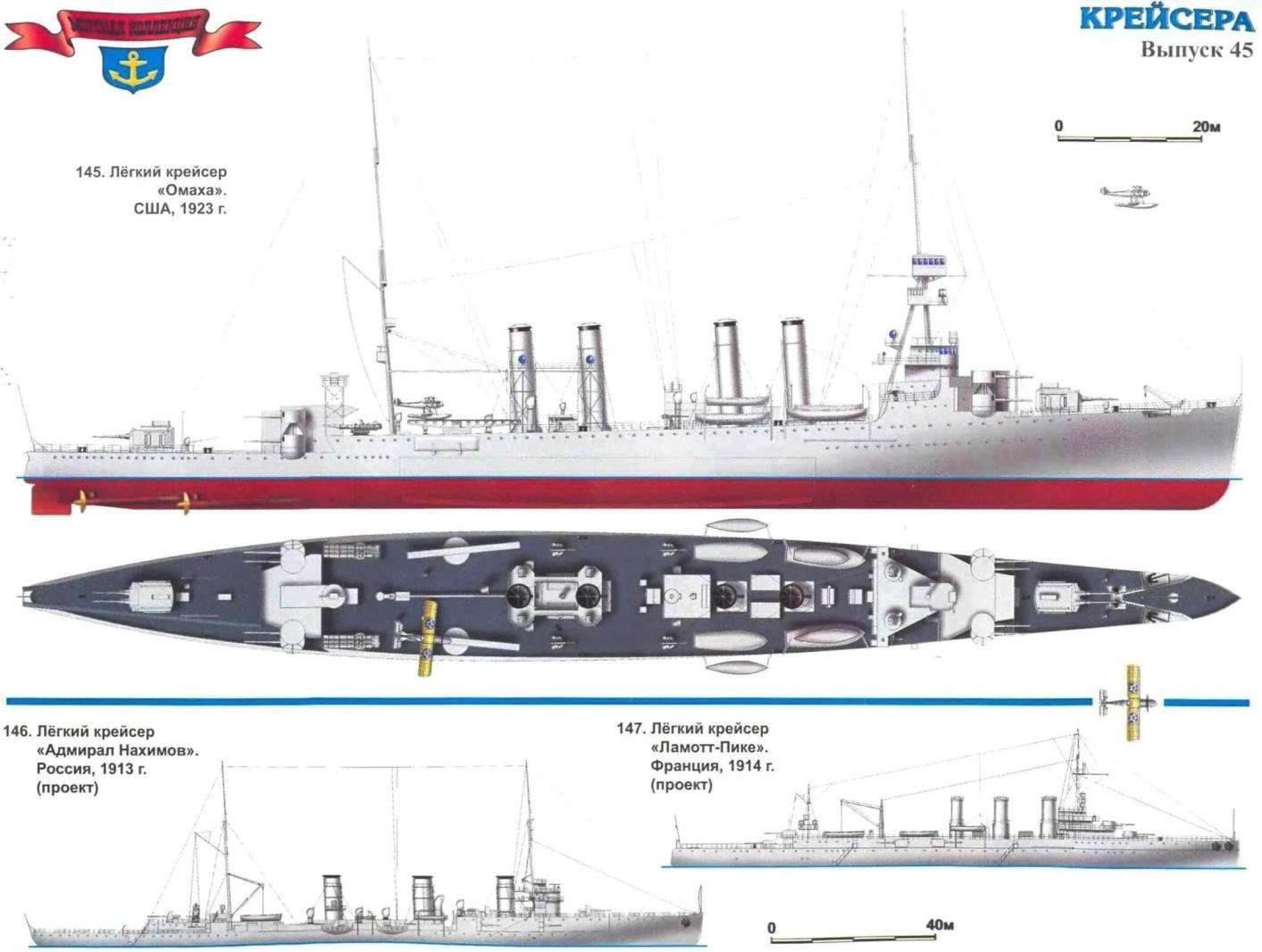 We have already talked about several episodes of the British cruisers, latecomers to participate in fighting the Great (First world) war. But the “mistress of the seas” and are not left alone. The others made where large and absurd mistakes, remained throughout the five years of war entirely without much-needed combat units, which are then rebuilt “into the void”, or even never born.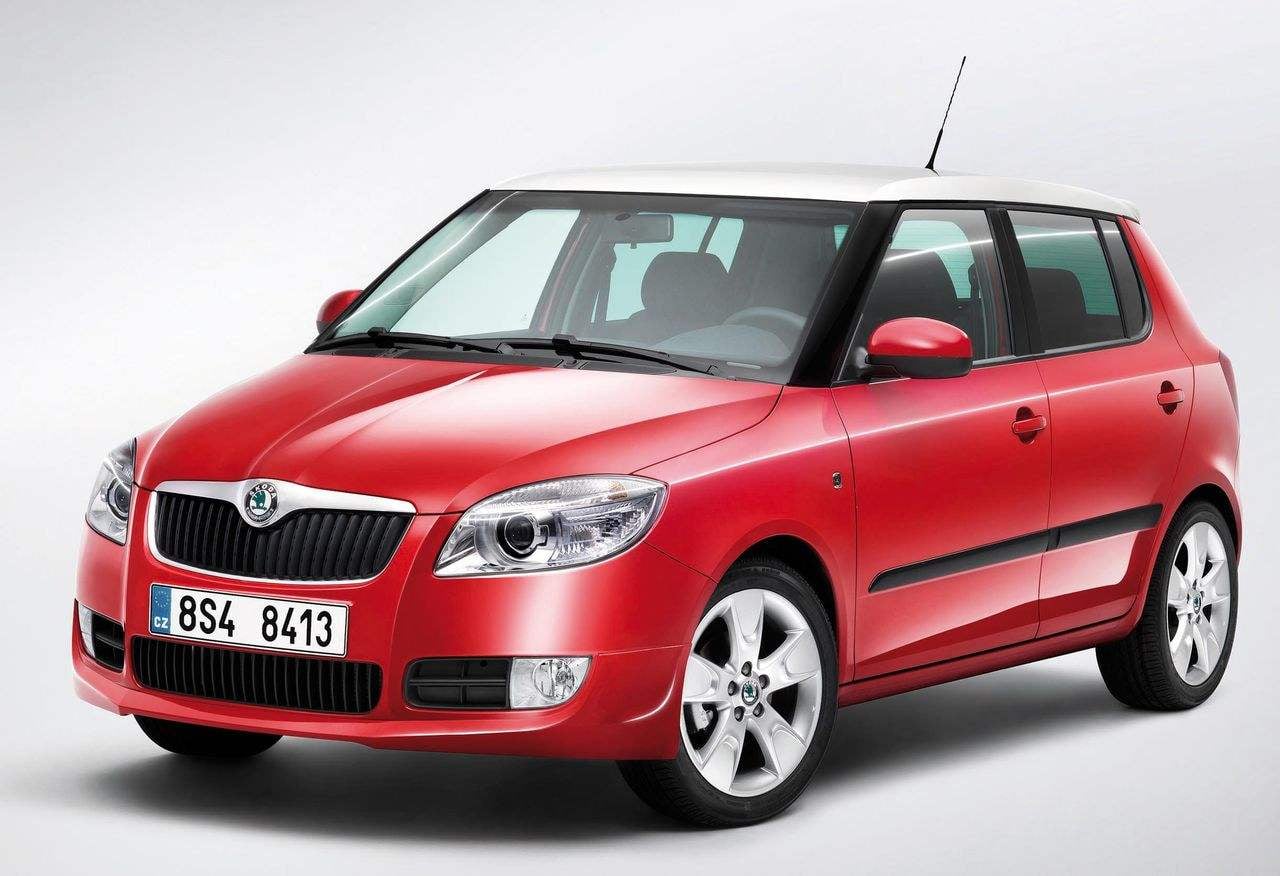
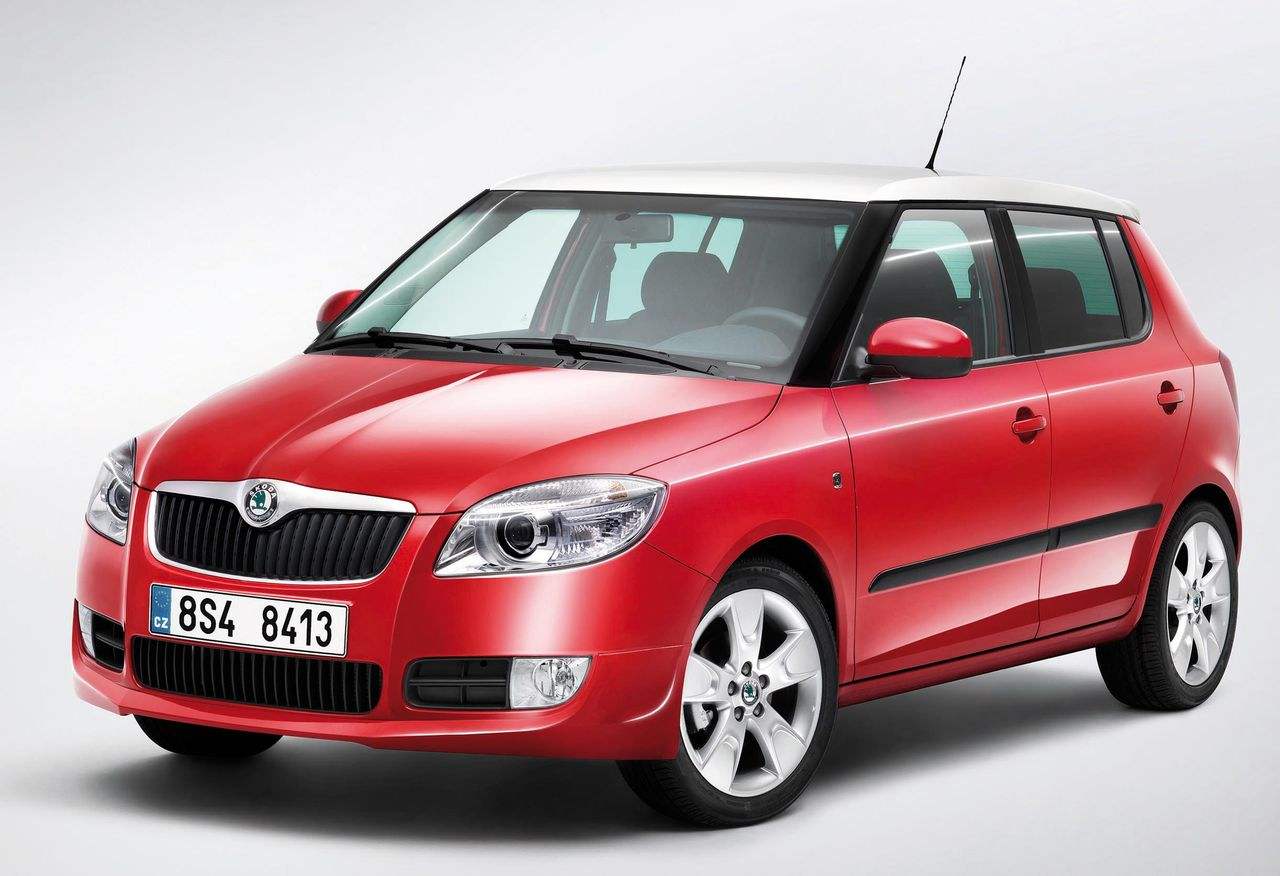 Car SKODA factory after the collapse of the Czechoslovak socialist Republic to a market economy was on the verge of bankruptcy and in 1990 became a subsidiary of Volkswagen-Audi. In October 1994, on the basis of the model Favorit in conjunction with the company VW was designed a compact car with Felicia volkswagenaudi motor with a working volume of 1,6 l, and in 1996 on the chassis of the VW Golf was published in five-door hatchback Oktavia.
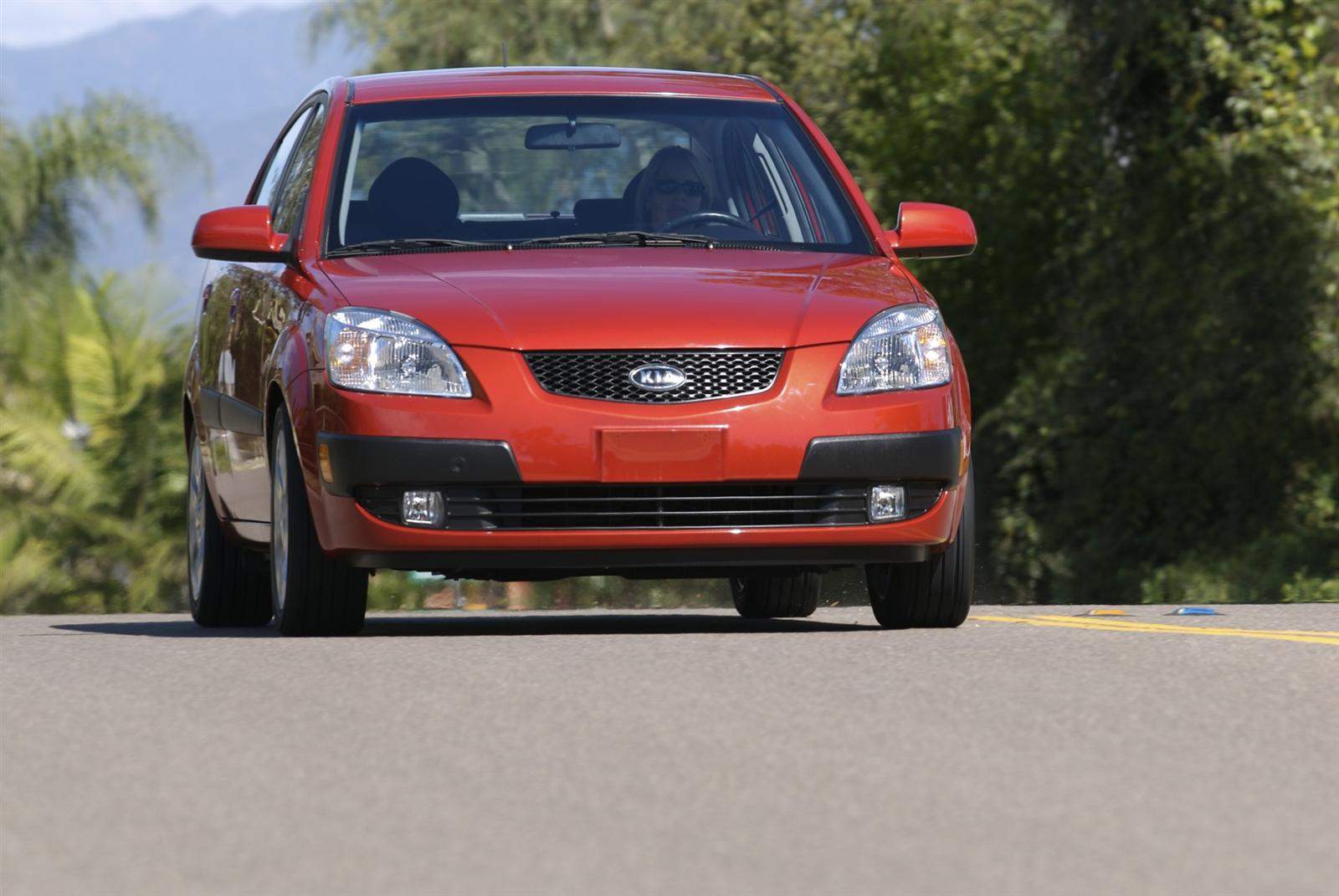 The global economic crisis has piqued the interest of buyers to a relatively inexpensive, compact and economical cars. One of them good demand and Kia Rio — Korean car size class. Korean company KIA (now the KIA MOTORS Corporation), prior to 1944, producing bicycles, his automotive career began with the Japanese copying machines — first of all of the models of MAZDA. However, in the future, KIA MOTORS found “a General line” — including when you create a car size class.
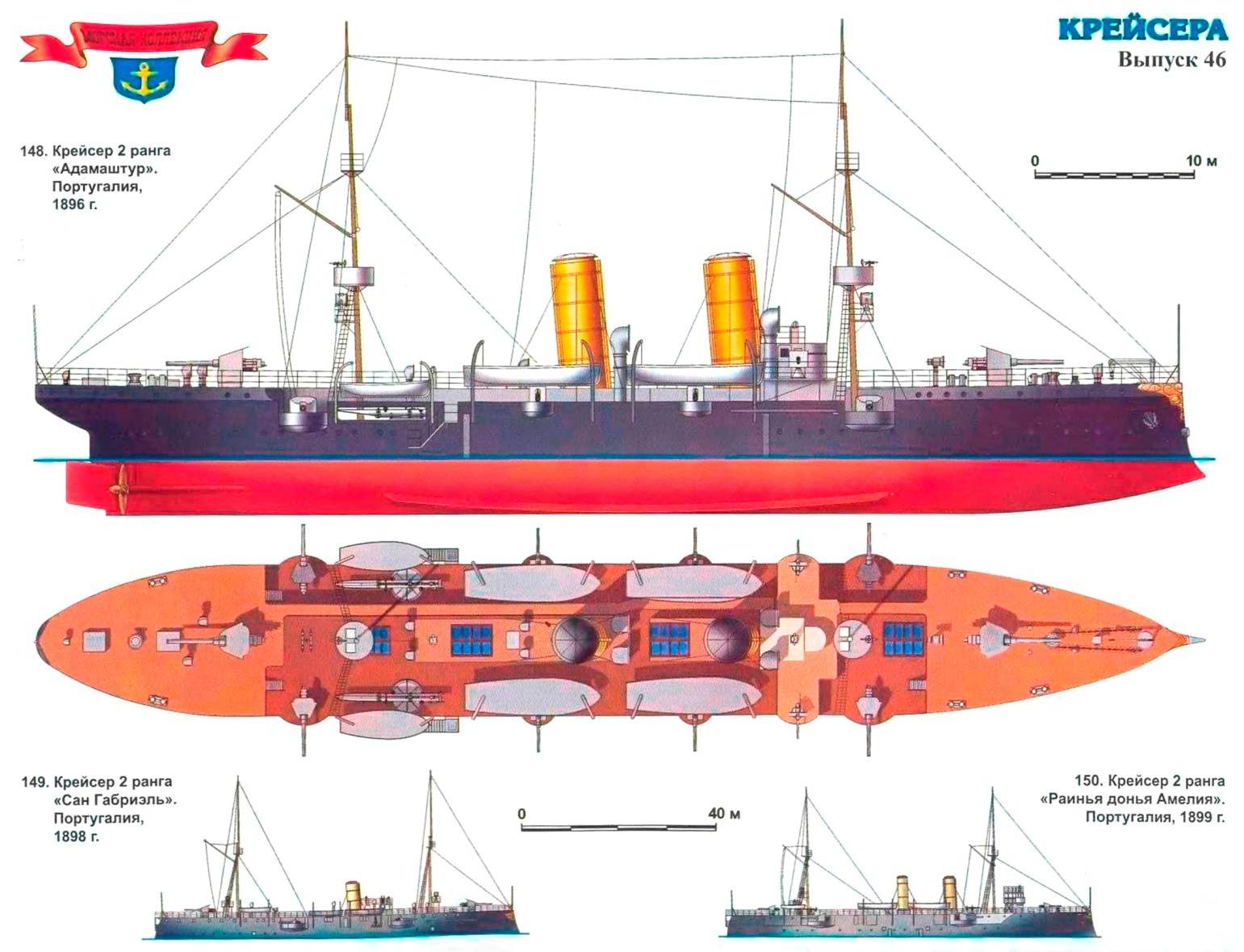 Portuguese offensive was not a complete surprise for the German side. Part of the land to the South of the Ruvuma river on the German-Portuguese boundary in East Africa, the Germans captured in 1892, despite the Protocol of 1886, gave them Portugal. Since then, the Portuguese were looking for a convenient excuse to take back what is rightfully considered his. But, capturing approximately 45 hectares, the troops rested in the river, and the attack itself was a failure. In distant Africa came trench warfare.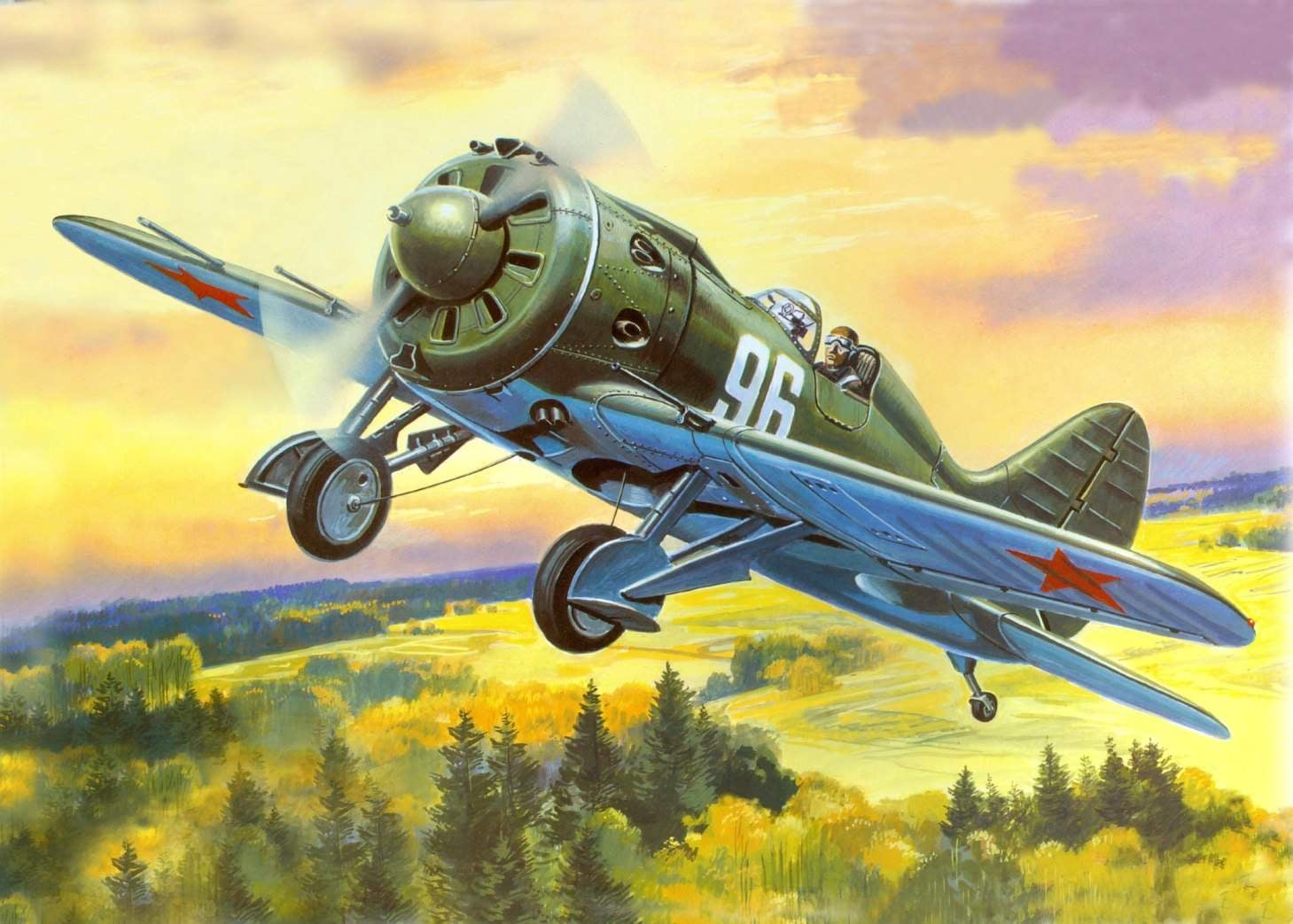
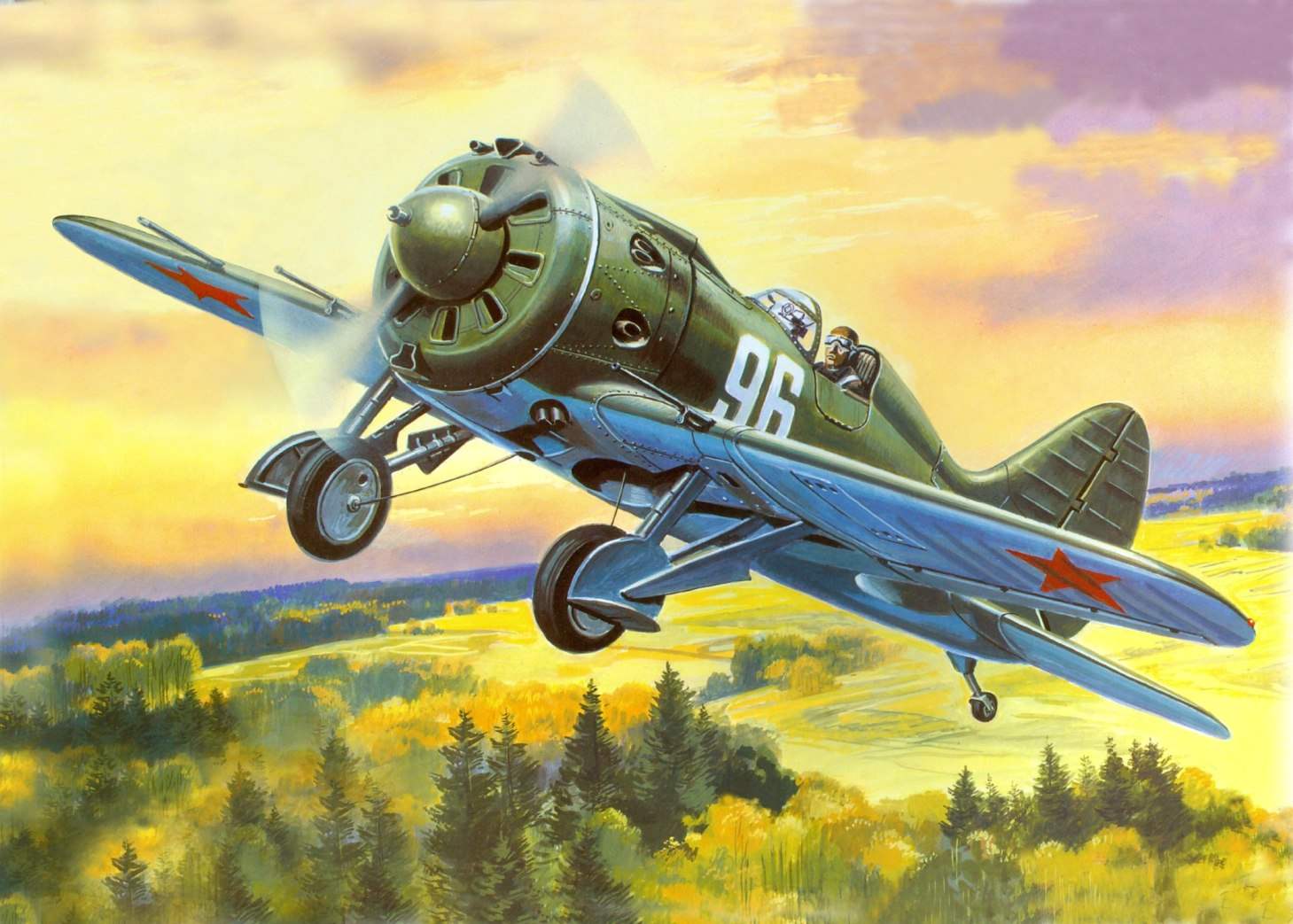 The development of the fighter began in 1933 under the designation TSKB-12. 30 December of the same year, V. P. Chkalov tested the machine with the engine M-22 in flight. During the tests achieved speed 359 km/h. the First production aircraft with two ShKAS machine guns, built at factory No. 21, the customer has got in early 1935 Later the fighter was produced with the engine M-25, M-62 and M-63, bringing its speed up to 470 km/h was Improved and weapons of a fighter.
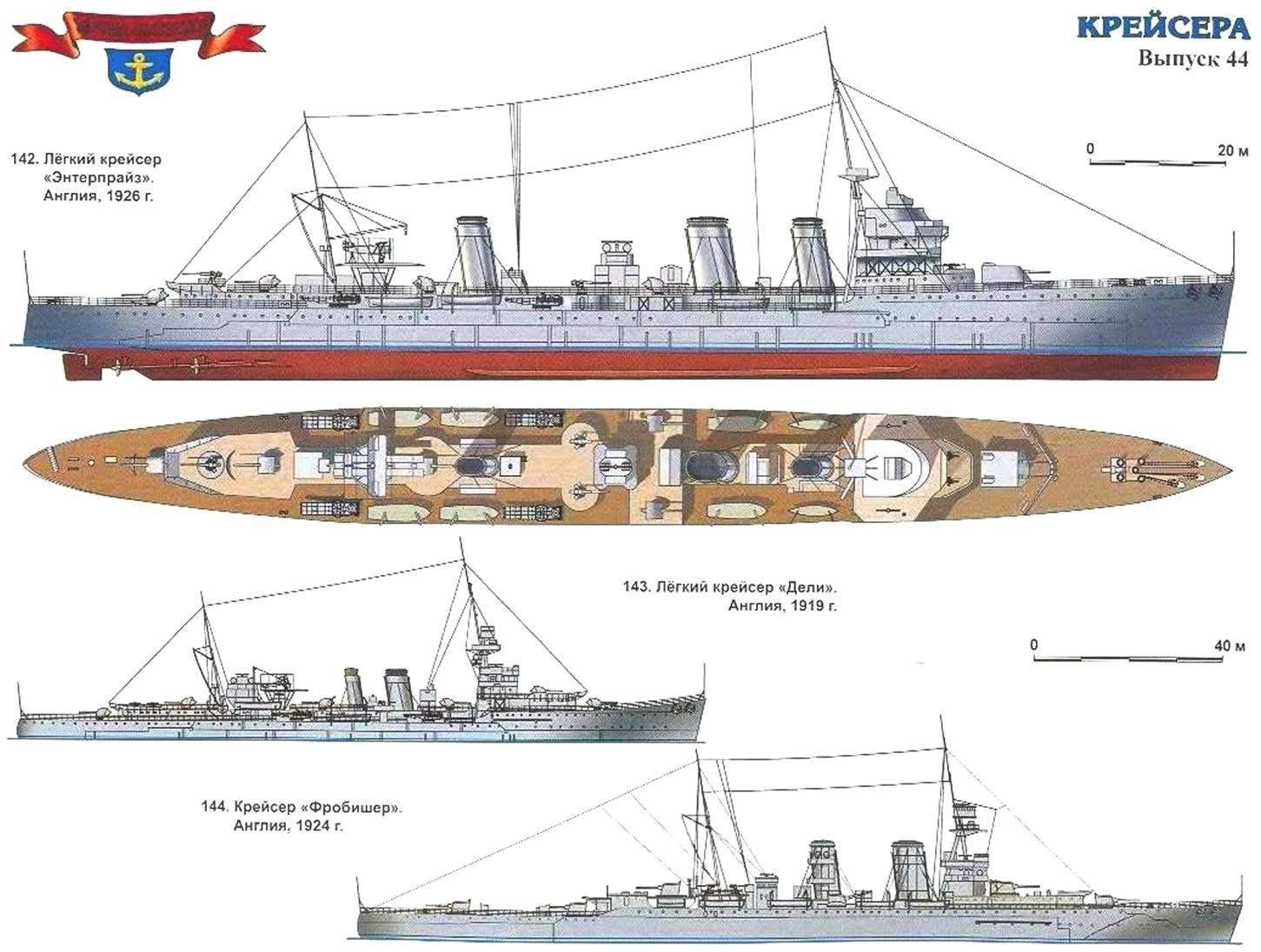 Ships built for combat — the approval that seems quite obvious. However, many warships of various classes and sizes and failed never “smell the gunpowder”. Fortunately for mankind in the XX century the number of universal war, seized most of the planet, limited to two, otherwise it could not survive. But. that is a grief for many people, it becomes a moment of truth for combat vehicles, specifically created for the rare moments of sea battles.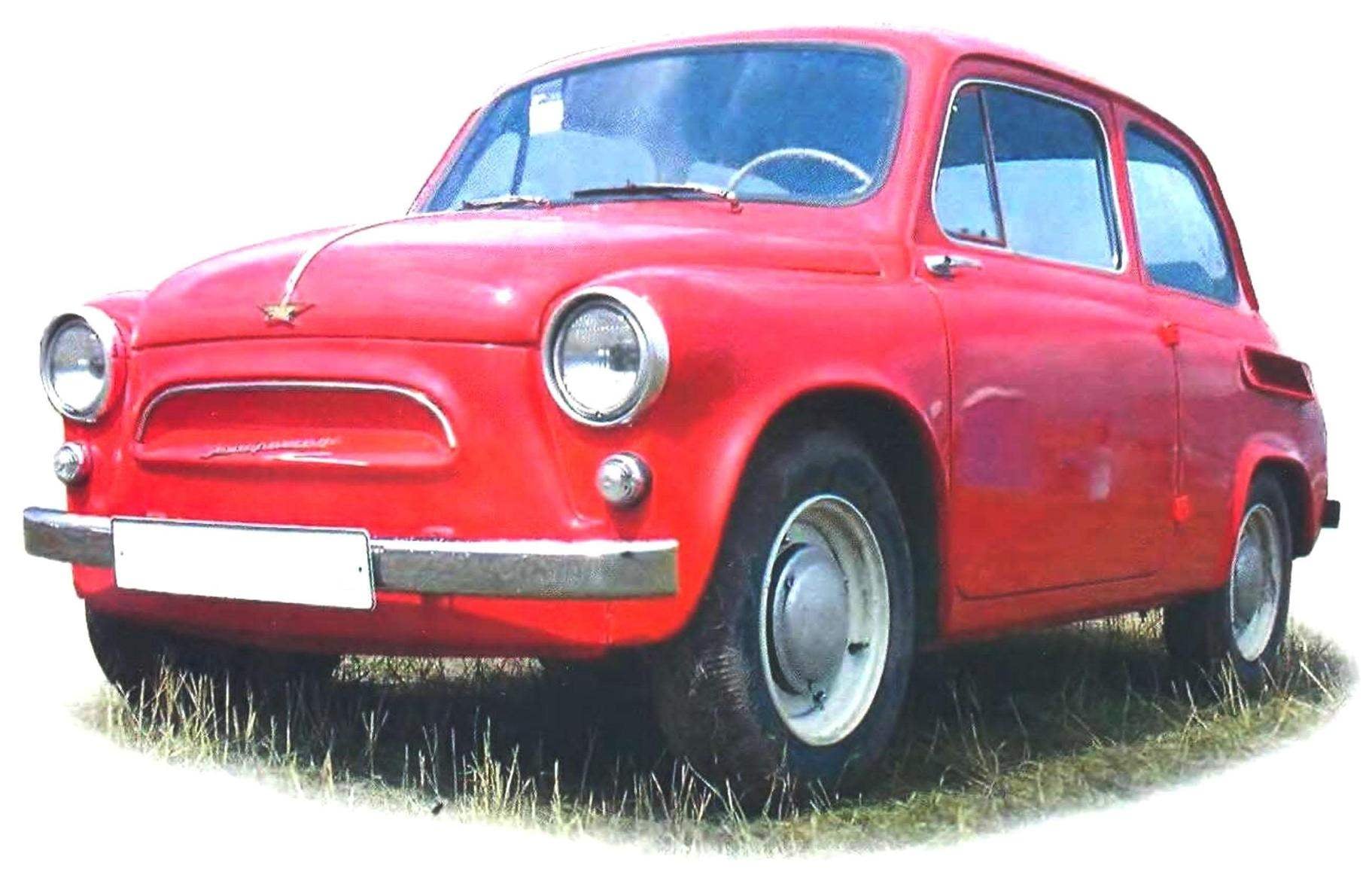
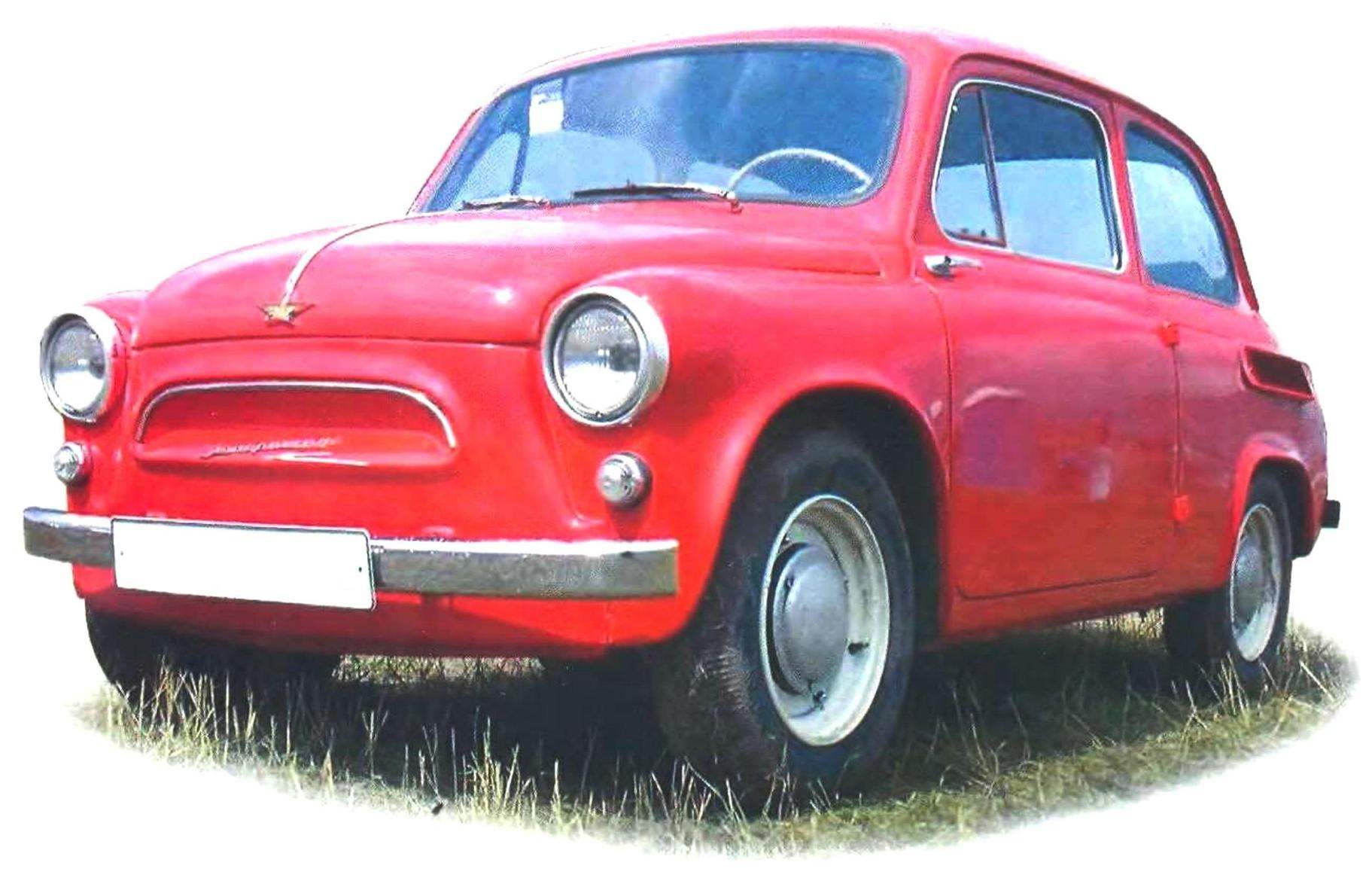
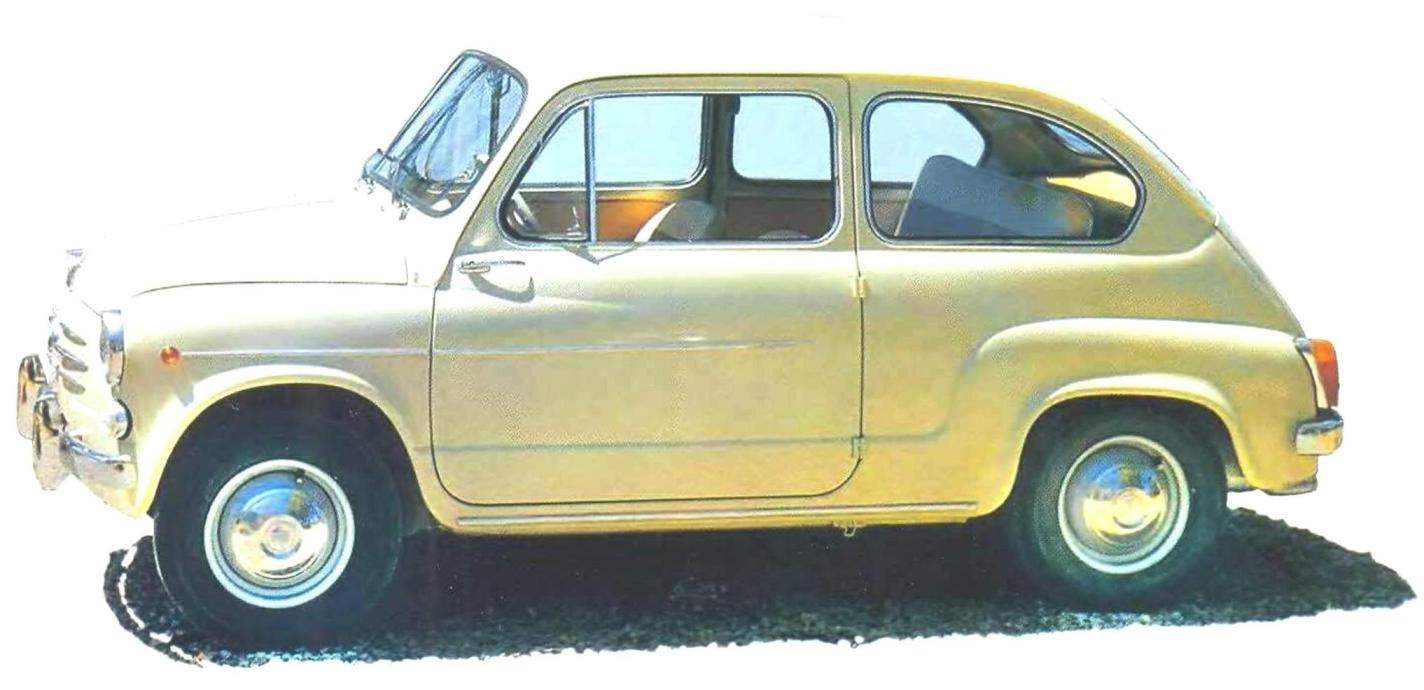 Car extra small class ZAZ-965. 2008-the year of Reykjavik, the annual auto show antique automobile club of America. Acoountable to the surprise of the audience, the winner of the car class “ultra-retro-compact” became a Soviet car ZAZ-965 “Zaporozhets” from Kiev Alexei Martynenko. Keeping the car from the podium, he immediately established another record by selling it to some American millionaire in 365 thousand euros!