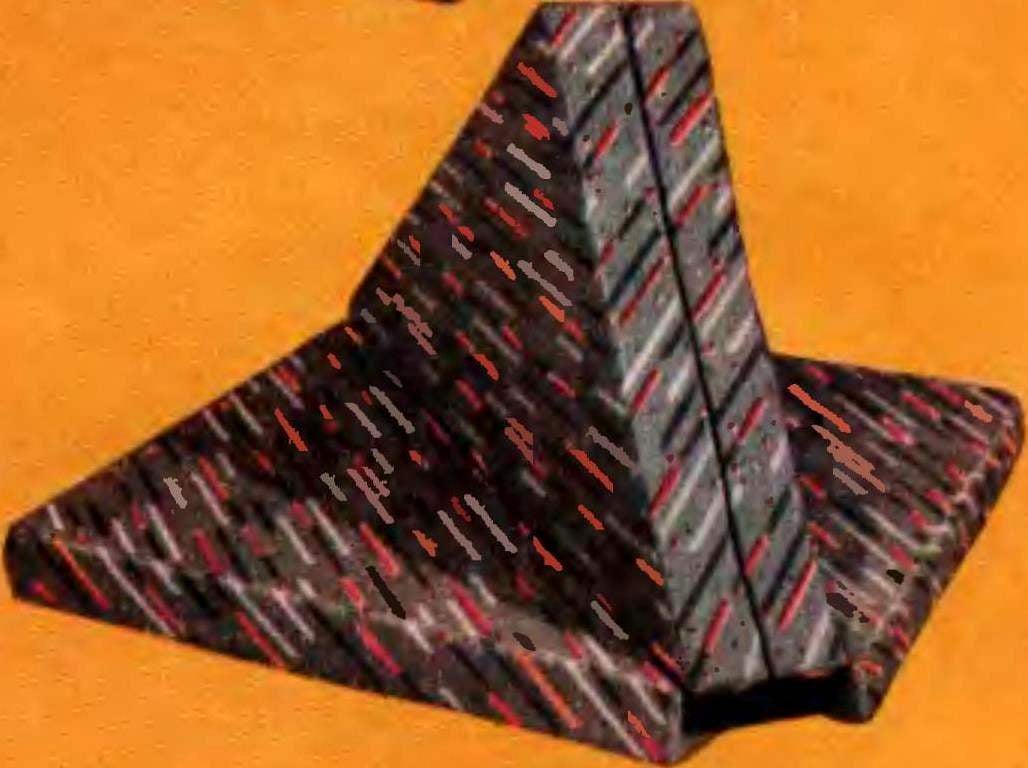
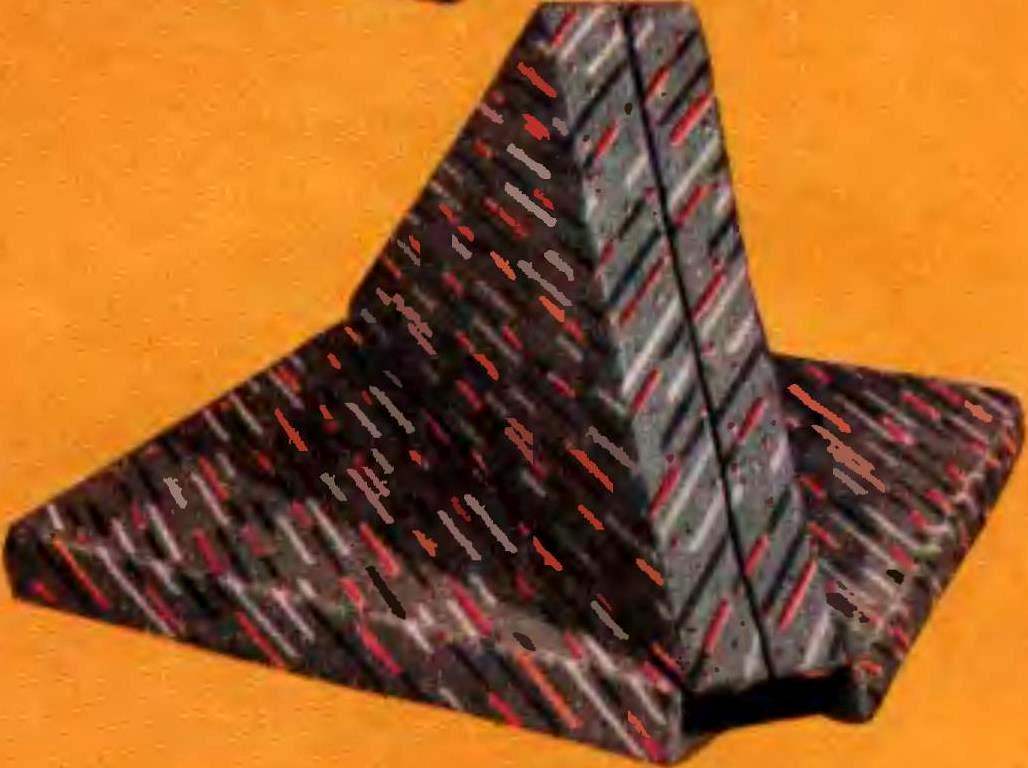
 How to furnish an apartment? This question is particularly relevant for young people. Because of the shortage of furniture and low incomes make the most of just entering into an independent life with the task of construction of homes practically impossible. But… the impossible if you look at it from traditional angles. Remember from your, yet not very far, childhood the first game — surely you’d build a house. Were these building — blocks, sand, or chairs and blankets — the best and different from others. So why now, when you become adults, to see neighbors and friends, copying their set of furniture and its placement? Look at your apartment or a room as a lot of toys, remember childhood and make a “house” with his hands. It is important to use integrated approach and stand around a single style.
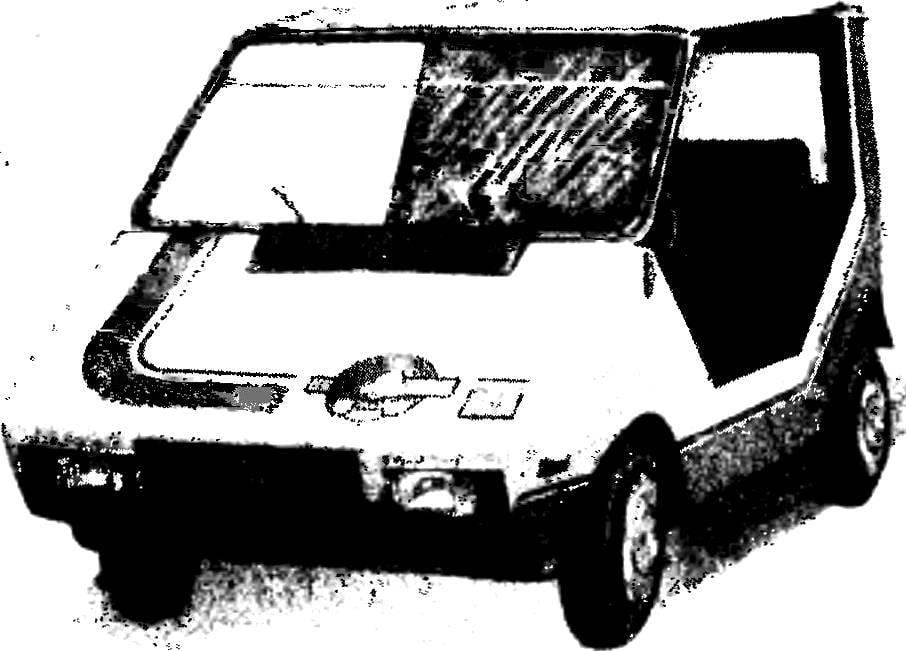
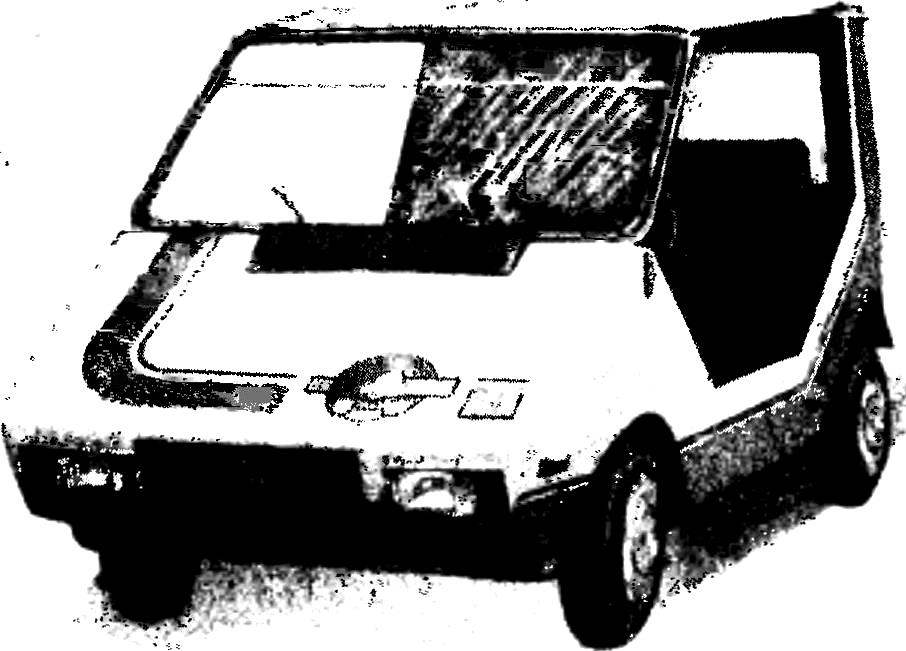 Our laboratory autocostruzione the House of young technicians stand on the court readers of the magazine “M-K” design of a micro-car, only. This time it’s “RUTA” — crew training car.
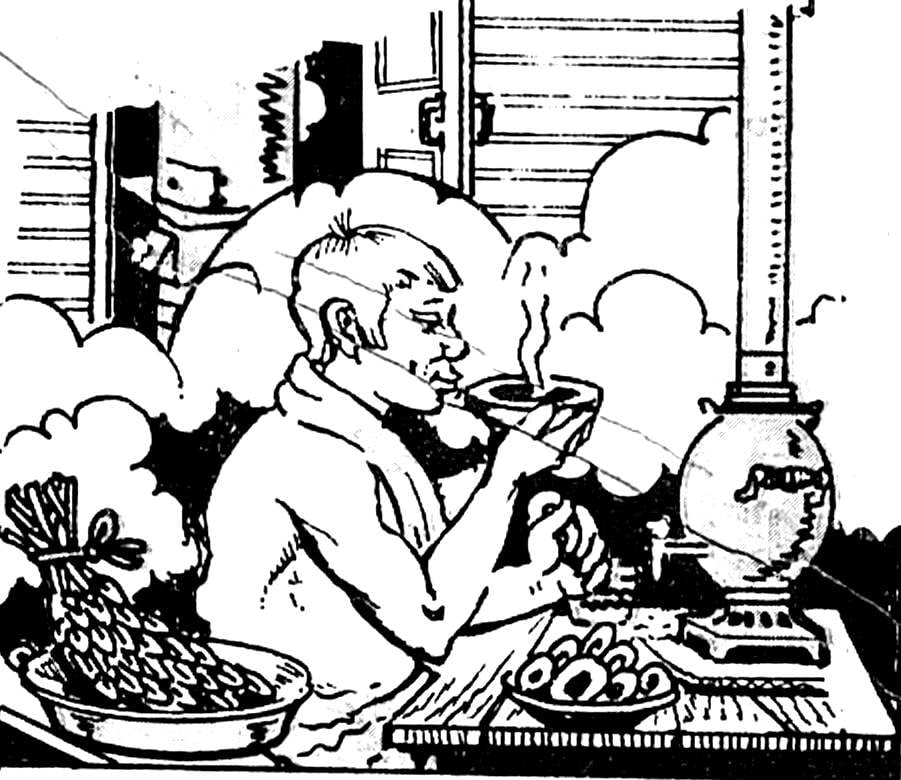
 Bath anciently considered one of the most effective “preventative care” for the human body. Since time immemorial are popular and are being built in some places even today the simplest bath with a furnace “in black”. The architecture is simple, as the internal layout. In it — two compartments: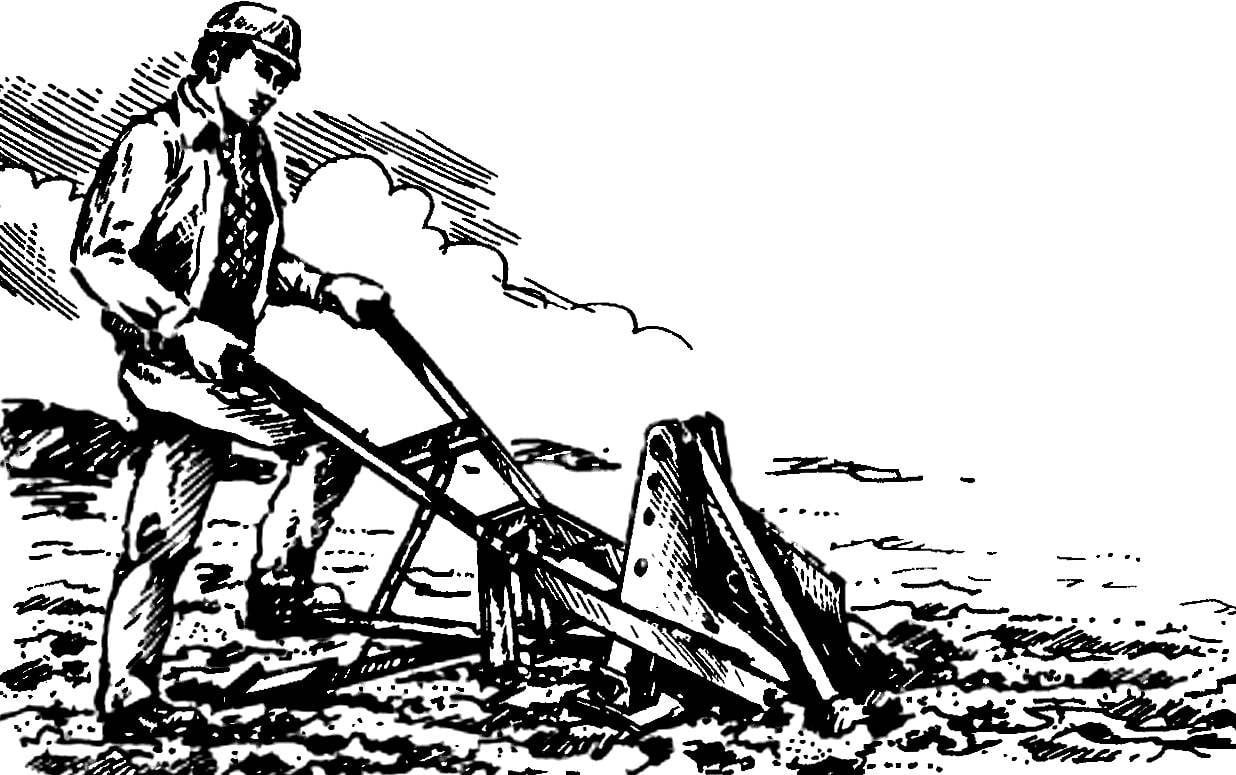
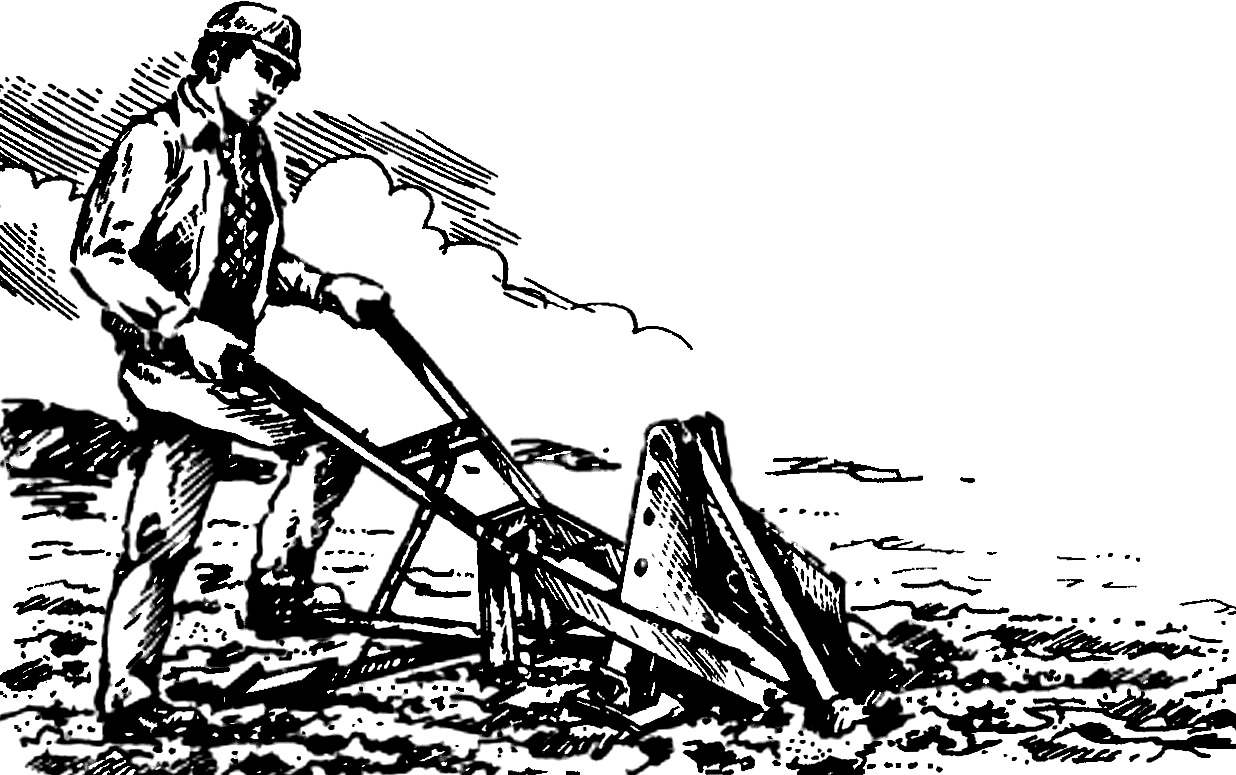 We offer our readers the plow rather unusual. It is not necessary to pull forward, neither a horse nor a tractor, and the now familiar motor-plow is selhozgodu clearly does not. It has no motor, however moves together with the farmer down the furrow. Not continuously but as steps. The fact that the drive in him — a foot, lever. Alternately pressing on the pedals, the farmer moves the stops, pushing the body of the plough cybertigeranime jerks on the treated land. Traditionally, that seemed to be unified, the process of plowing divided here into two separated by time subcycle: “trim” and “blade”. The design of the rotary blade with variable profile allows to reduce the drag of the soil by “pruning”, as well as to improve ergonomic features and the second subframe.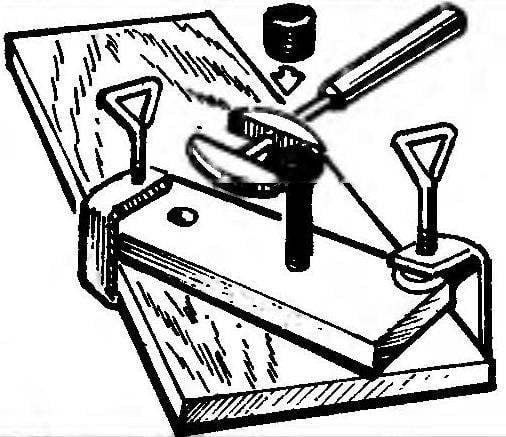
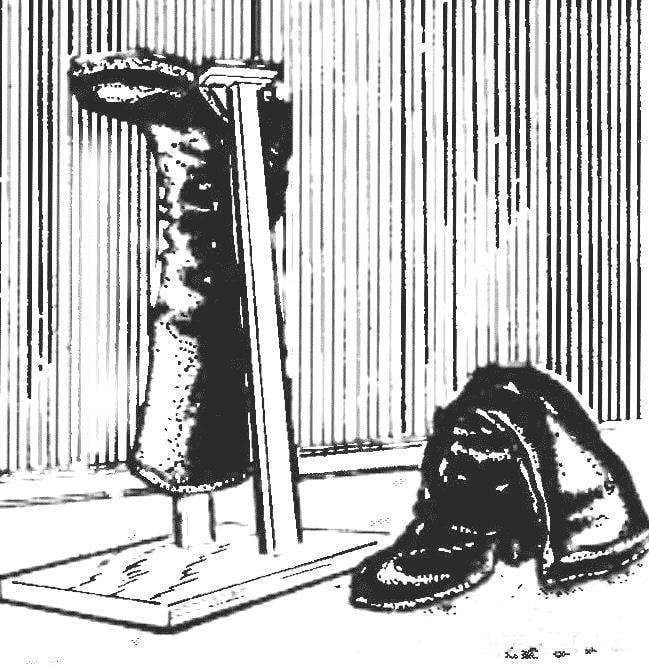
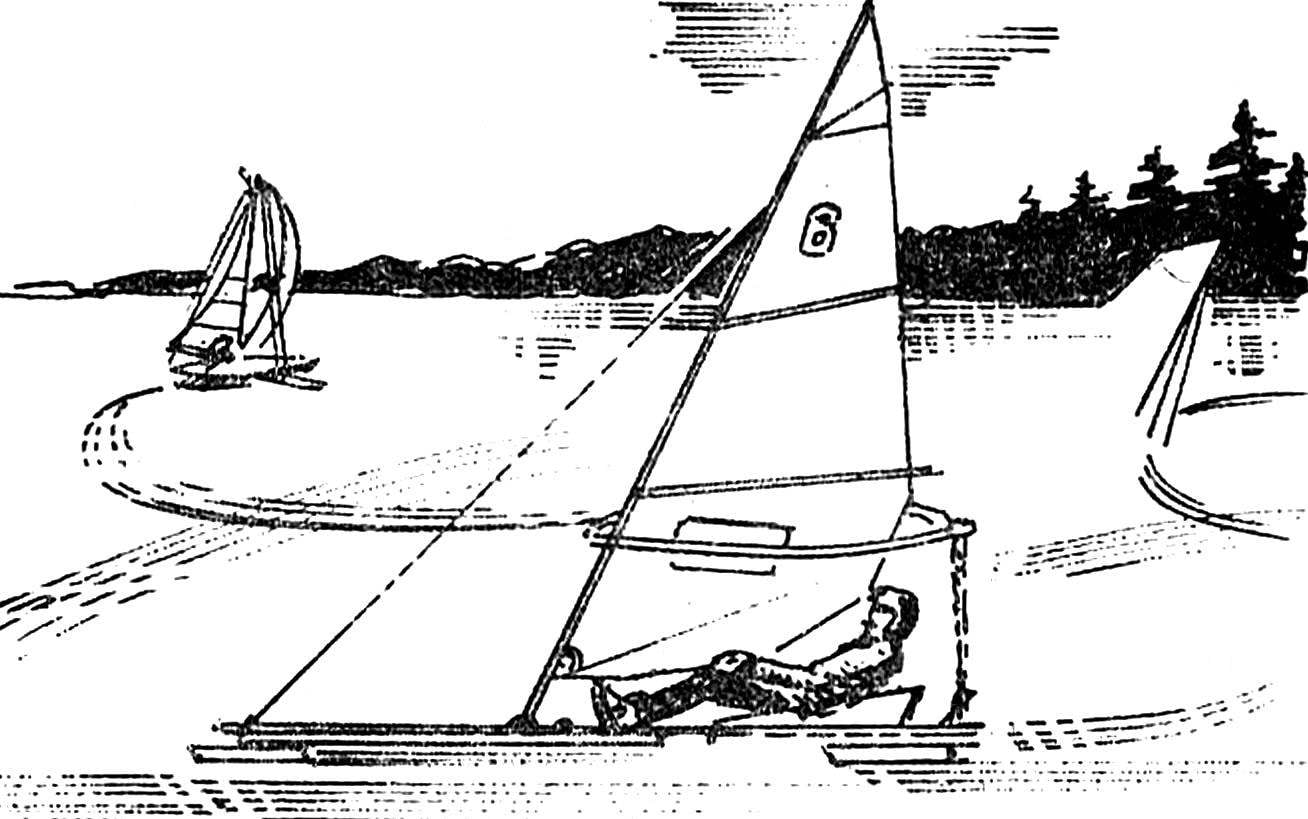
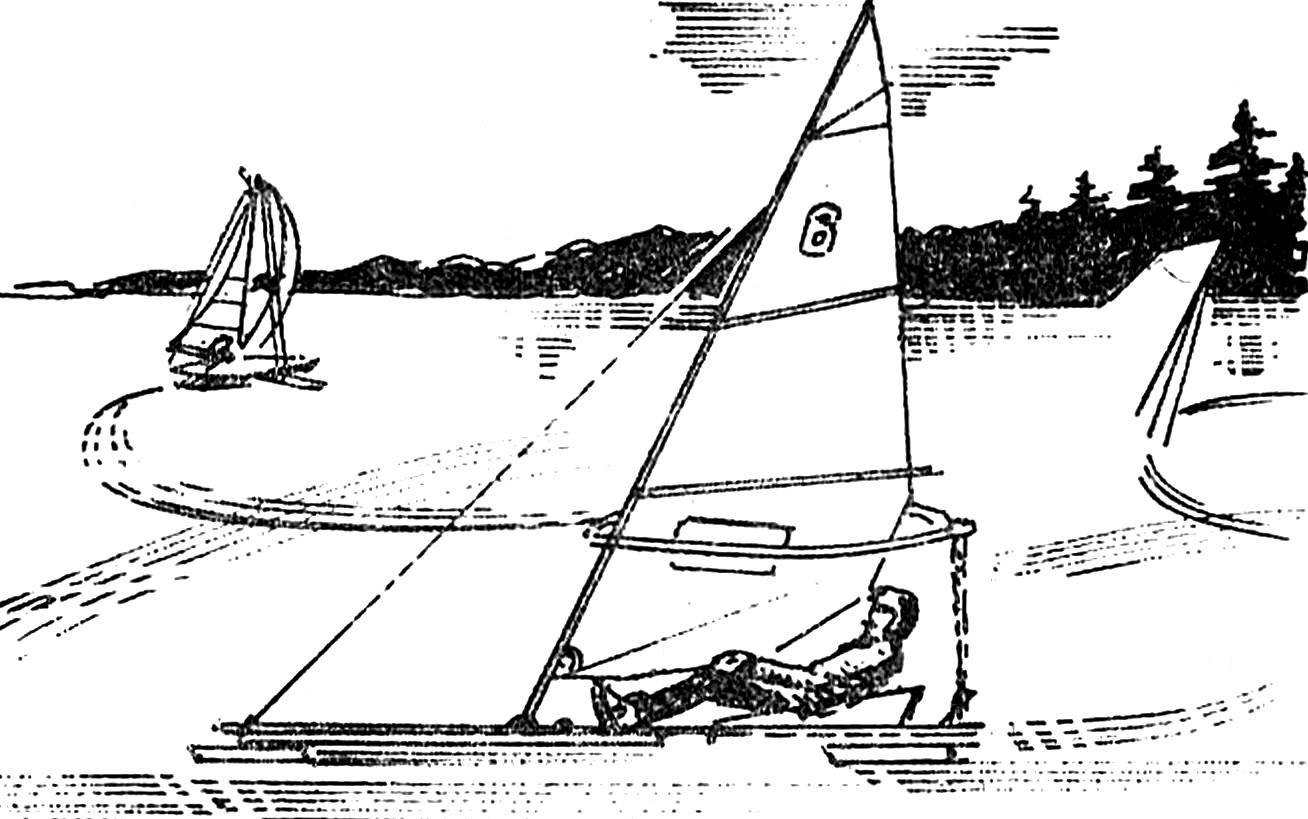 Is the bright spring sun to drive away the snow from the ice shell, takowego rivers, reservoirs and lakes, as on natural ice tracks immediately appear multi-colored sails. This glider.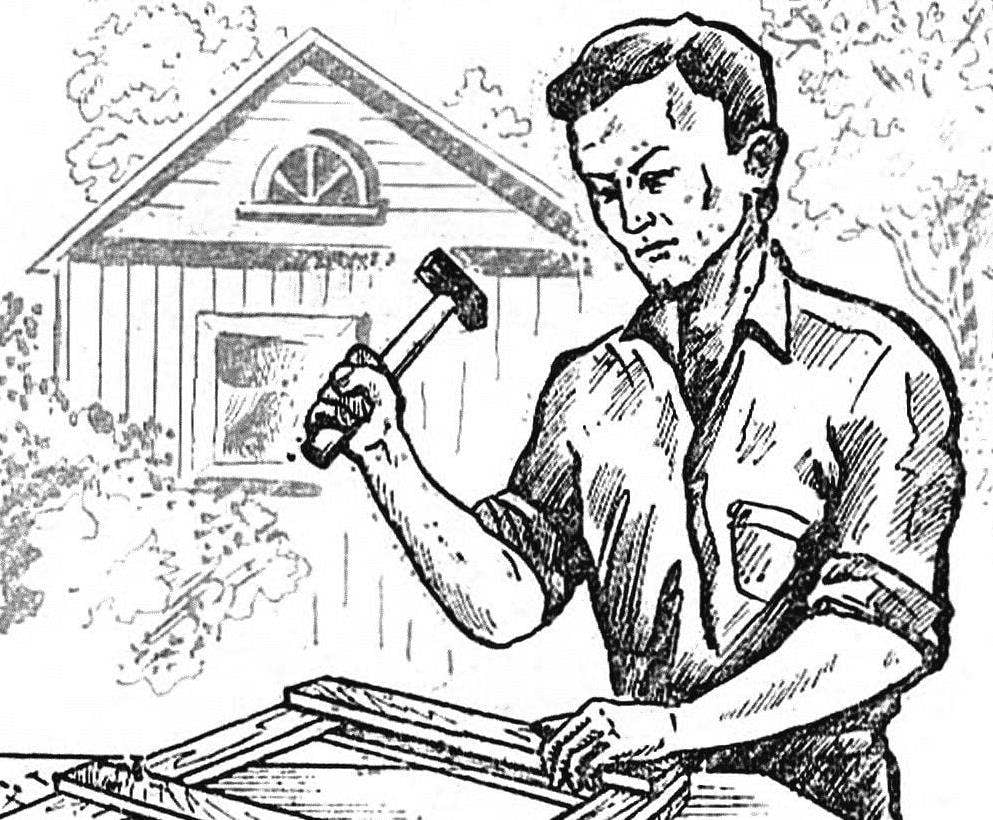
 Special cheap and practical furniture for garden house is not yet sold, so usually there dumped all the junk. But what looked good once in a city apartment, in a small country the room will look foreign and uncomfortable: dark polished cabinets, and tapestry upholstery…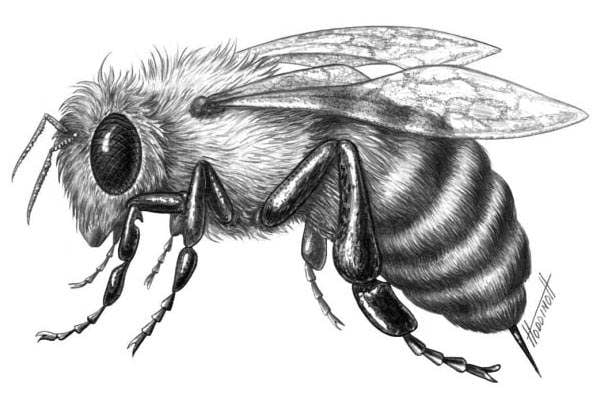
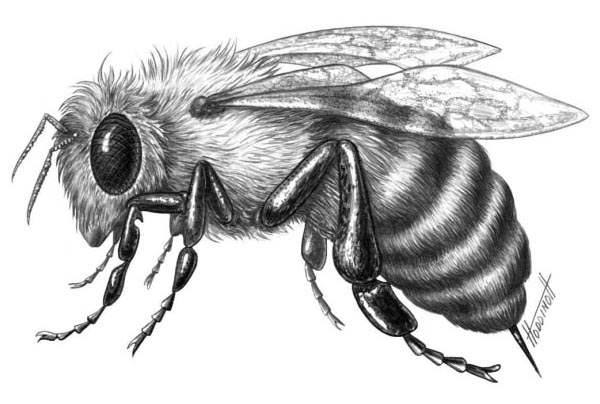 One of the most dangerous and contagious diseases of bees — varroa. It is called mite, parasitic on the bee larvae and pupae. To deal with it, bee colonies were treated with a solution of oxalic acid. Doing this usually. One of the keepers takes the frame with honeycombs and the other one squirts liquid from a spray sitting on her bees at first with one, then with the other hand.