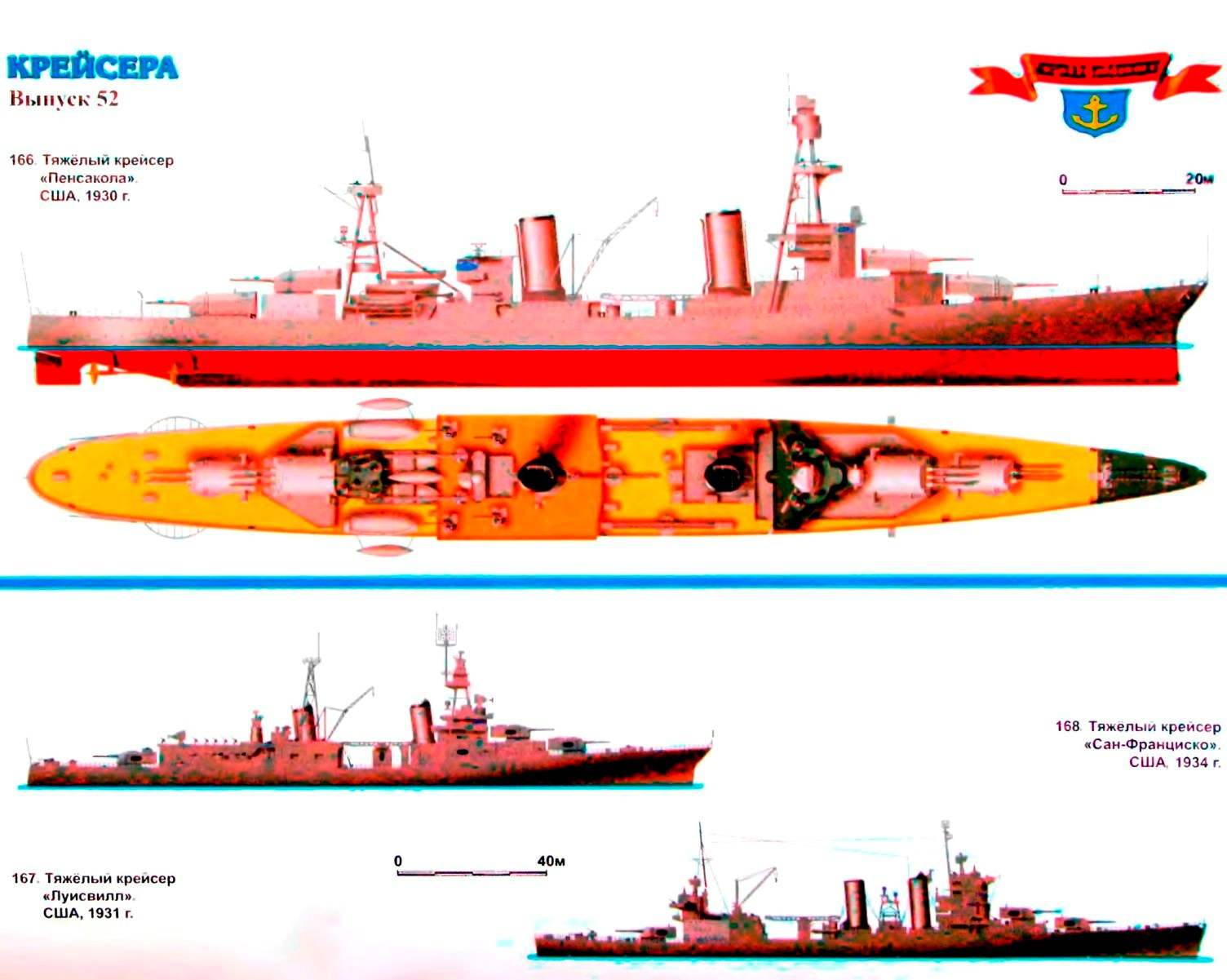
 United States of America entered into the 20-ies of XX century, the only real winner. “The great war” is not only completely removed from the scene of one of main competitors — Germany, but much bled the other leading countries of Europe, formally including among the winners of the United States firmly occupied the place of “forge world” that had so long belonged to Britain. Now it was necessary to reinforce economic claims rising military power, especially in the sea. Here, however, things were not so rosy, the Americans have created a powerful battle fleet, laid an enormous series of destroyers — “flash-Decker”, but in the class of cruisers huge gaping gap. The only more or less contemporary were a dozen pieces of type “Omaha”, however, looked to be a drop in the vast sea of the British cruising force. They were approached to provide the linear action of the fleet, but gave in to old cruising tasks, such as the protection of their trade and a violation of the enemy. Seemed to catch up with the “mistress of the seas” in the game on their field in the coming two decades is not possible.
Read more
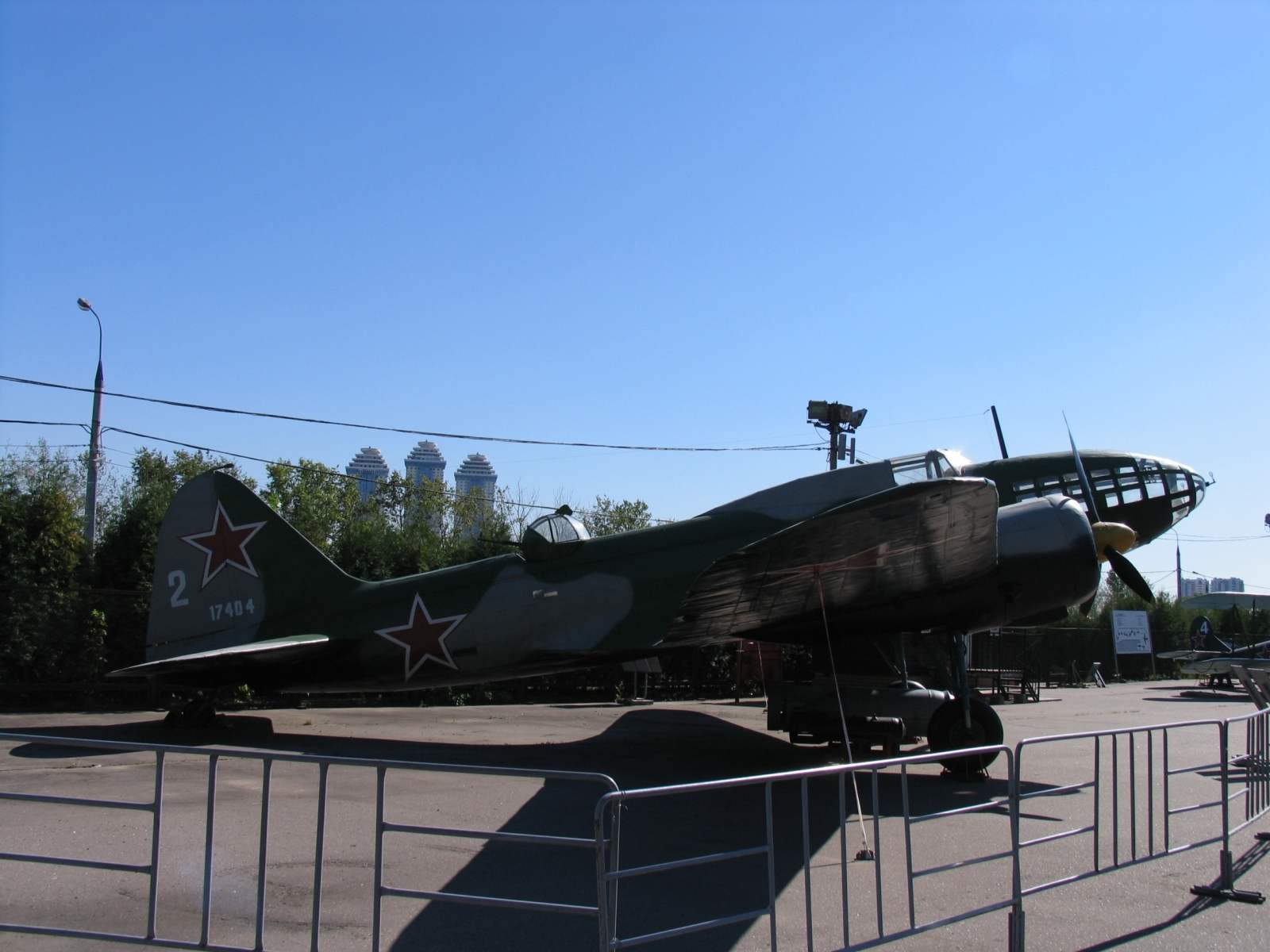 Long-range bomber Il-4 (DB-DF) was established in 1940 Intended for bombing attacks in the deep rear of the enemy, DB-ZF from the first days of the war these planes were used to deter the advancing German troops, mainly in the afternoon. The solution to unusual problems without escort fighters resulted in heavy losses, but this practice did not last long. During the war the aircraft was constantly adapted to the technological capabilities of enterprises, enhance weapons, on some machines, set the autopilot.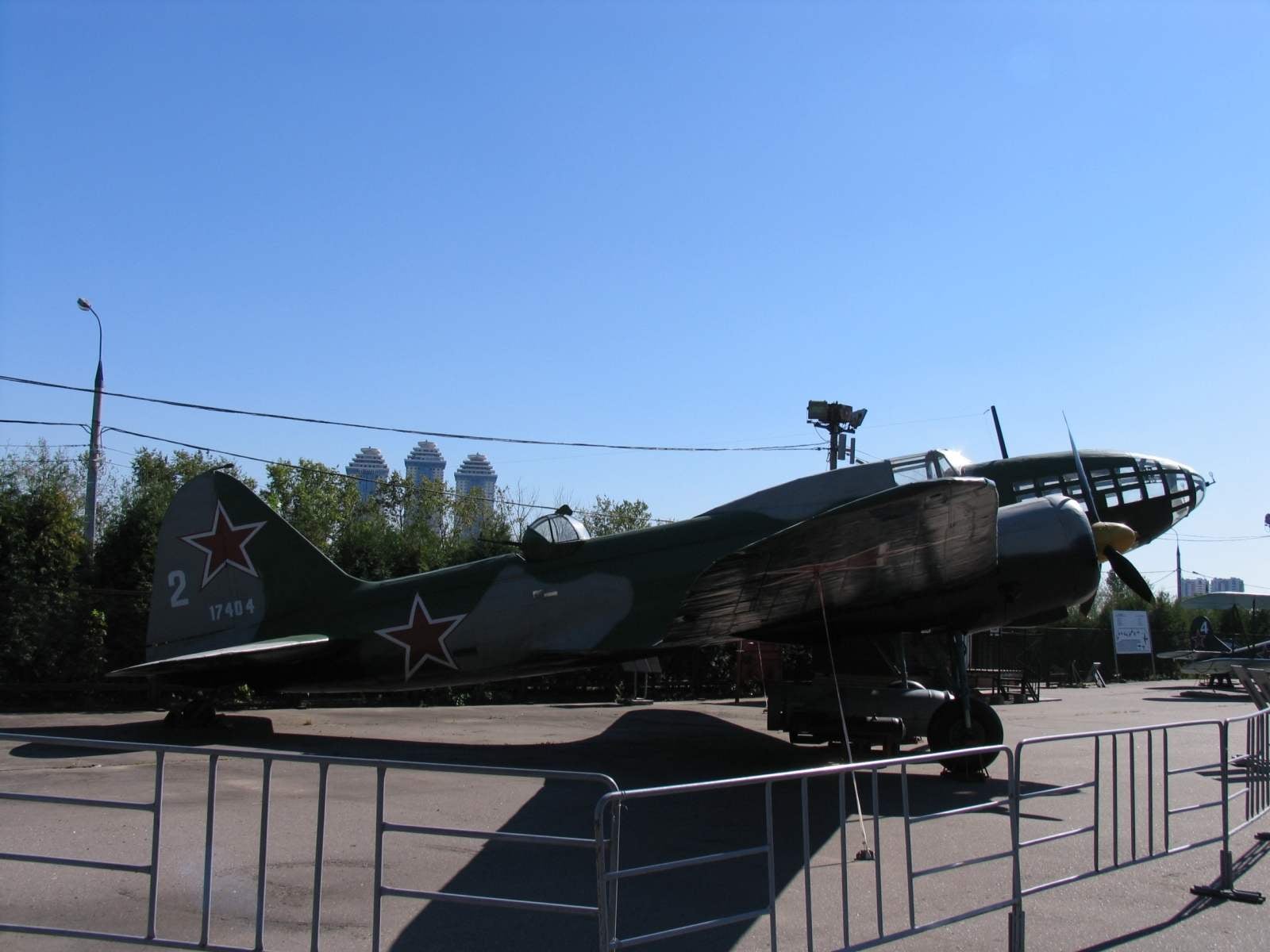
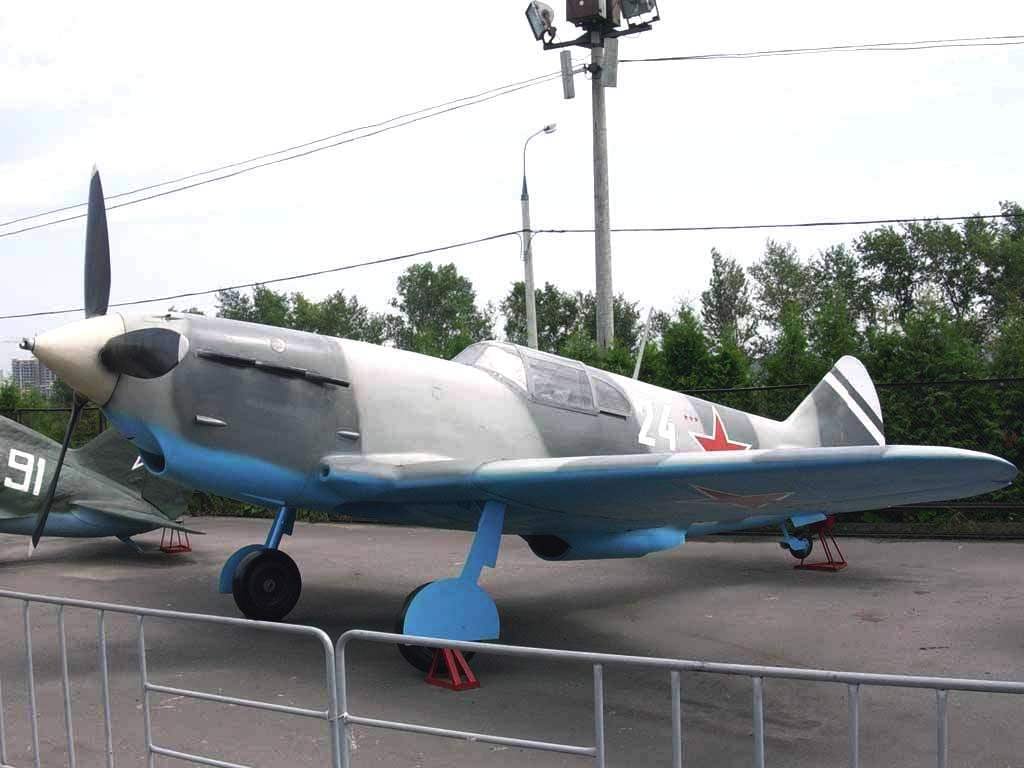
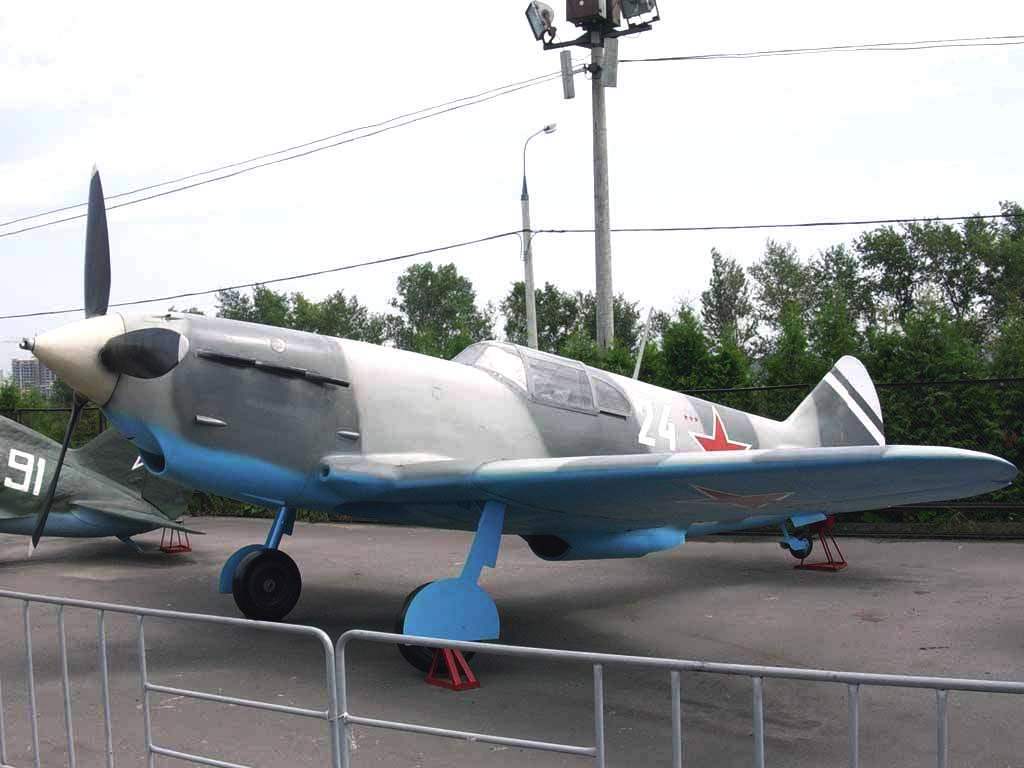 The first flight of fighter I-301 with motor liquid cooling M-105P, created under the leadership of S. A. Lavochkin, V. P. Gorbunov and M. I. Gudkov and became the prototype of the LaGG-3 was held on 19 March 1940, Good armament (20mm cannon and 12.7 mm machine gun) together with a high speed (605 km/h) prototype machine contributed to the rapid introduction And 301 for six aircraft factories. The first production aircraft took to the air January 23, 1941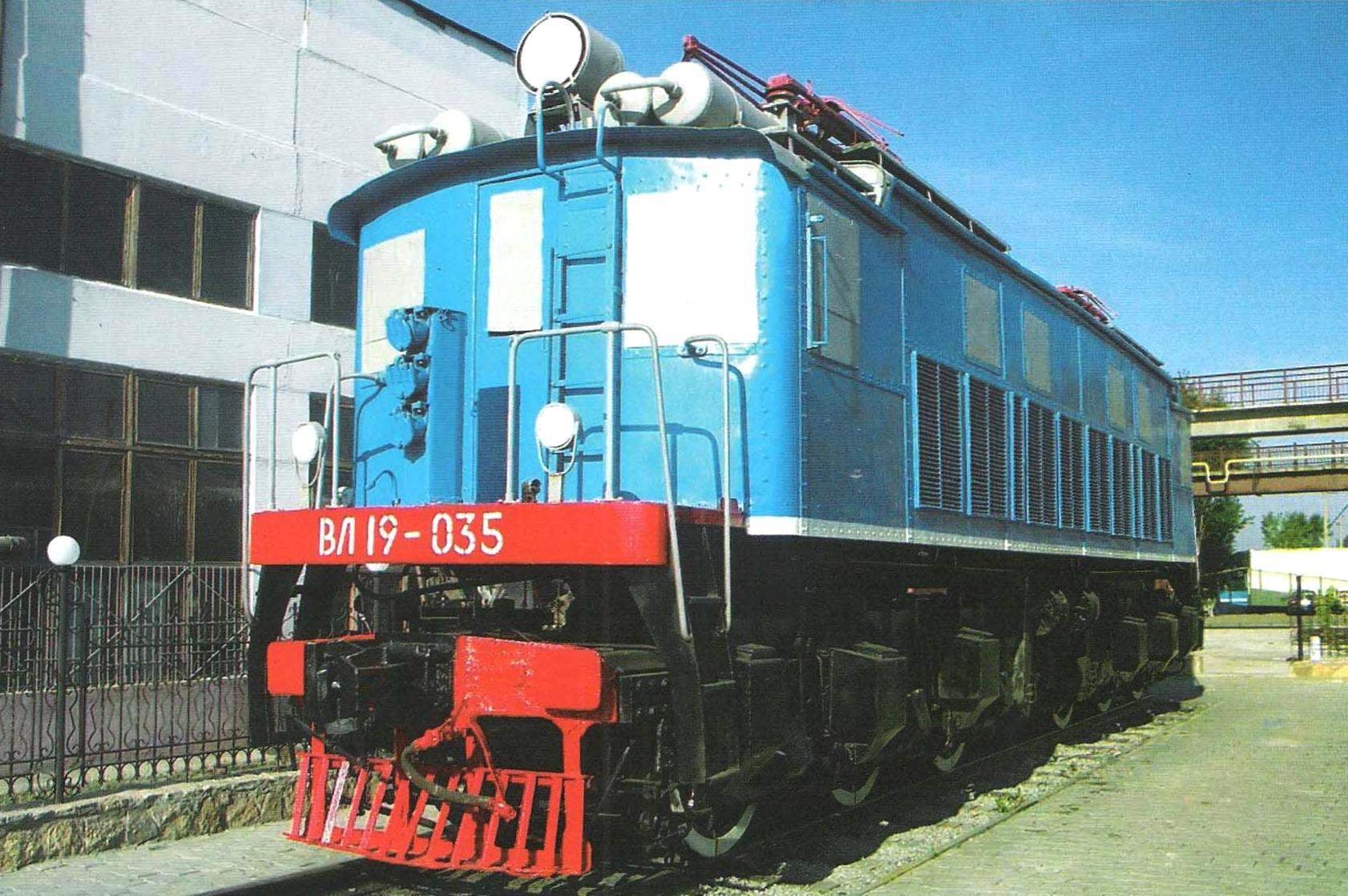
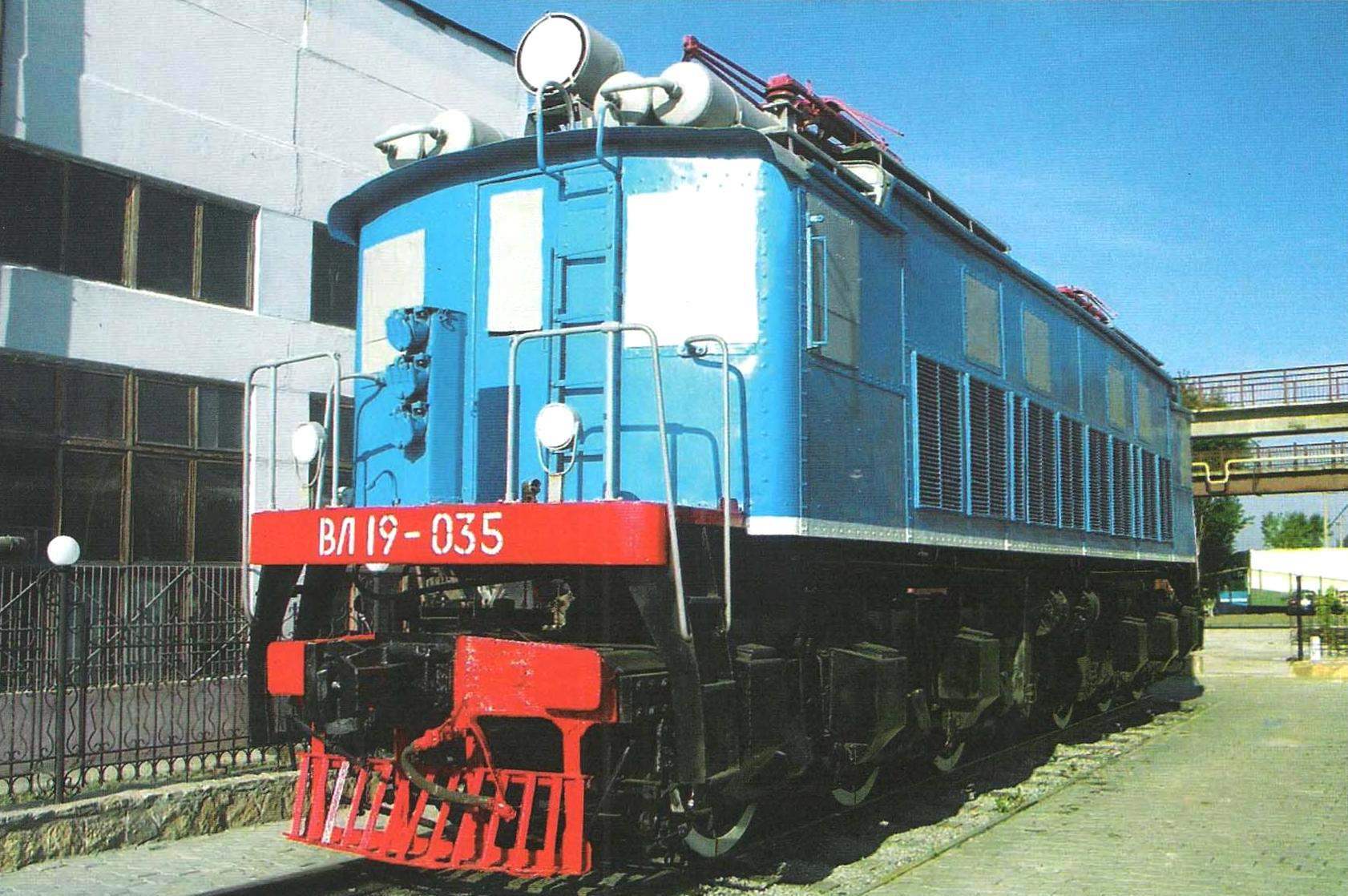 The first domestic locomotive ВЛ19. In the late 1920-ies in our country began the so-called industrialization, whose main objective was to lift the industry to the level of the leading industrial powers of the world. A special role in this process was given to the reconstruction of the railway transport, which was in a deplorable condition — effect like the effects of the Civil war and the growing shortage of qualified personnel that led to the stagnation in the development of railway equipment.
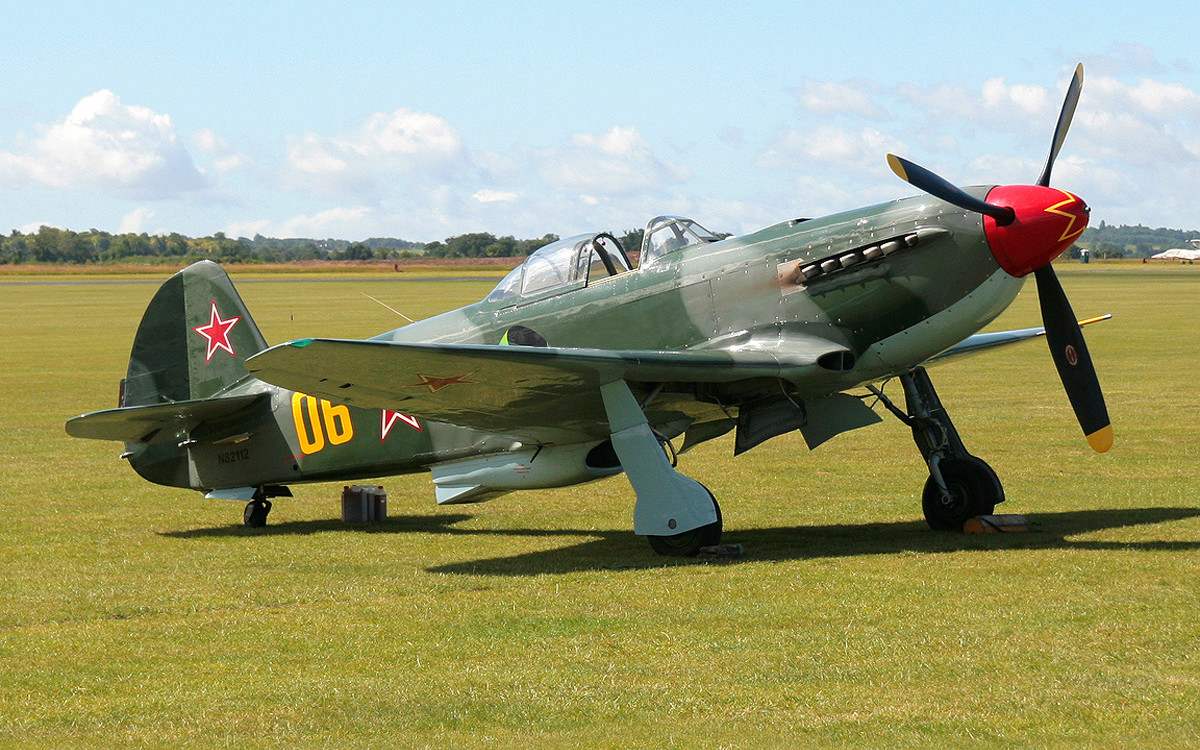 Yak-9 became the subsequent development of long-range fighter Yak-7ДИ, appeared in October 1942 and the Yak-7ДИ made two wing tank, reducing fuel capacity up to 320 kg. there were some other seemingly minor, but important differences in a battle. This version was tested successfully and were built in three factories under the designation Yak-9. Armament usually consisted of 20-mm cannon ShVAK and the UBS 12.7 mm machine gun.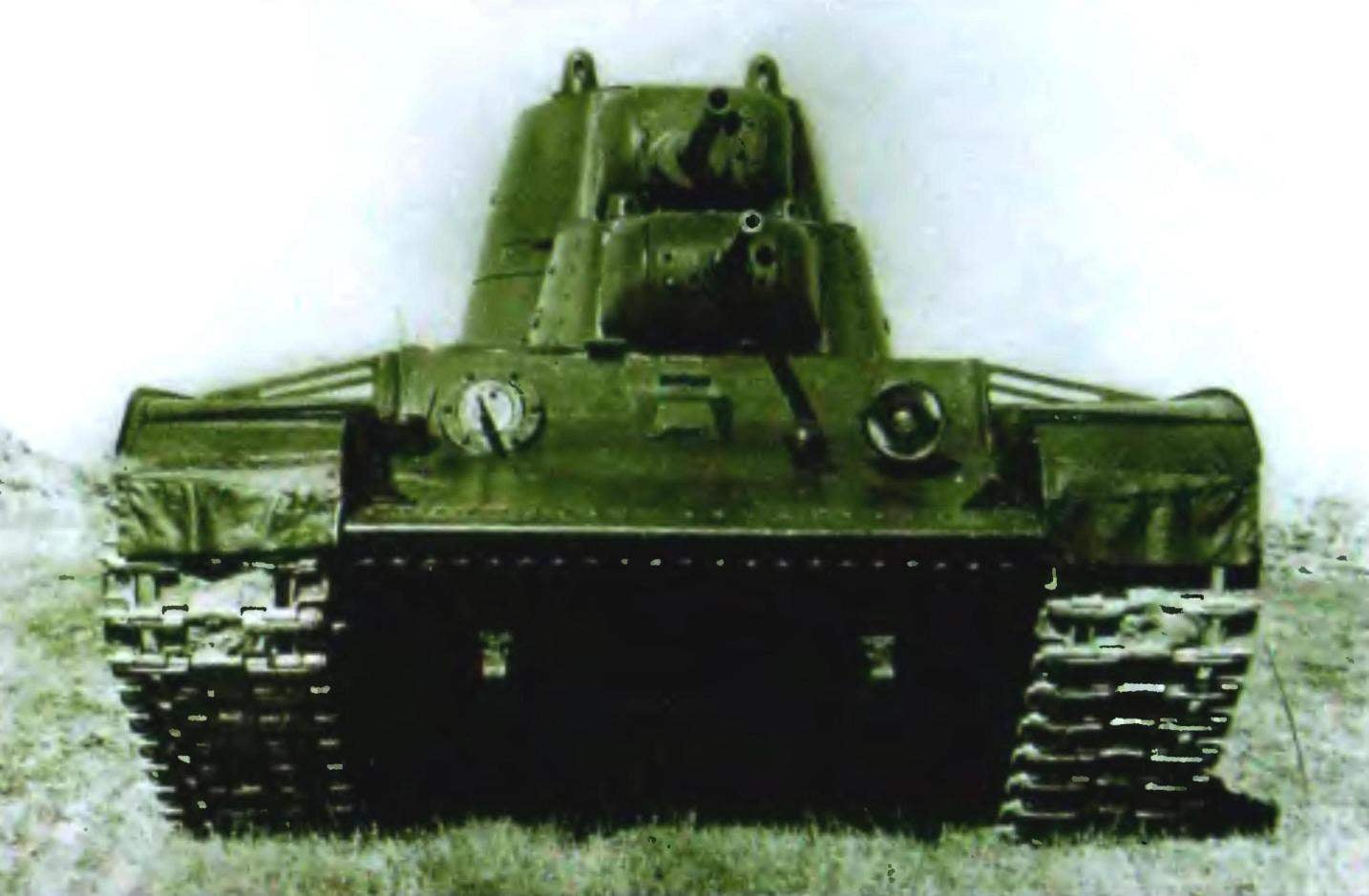
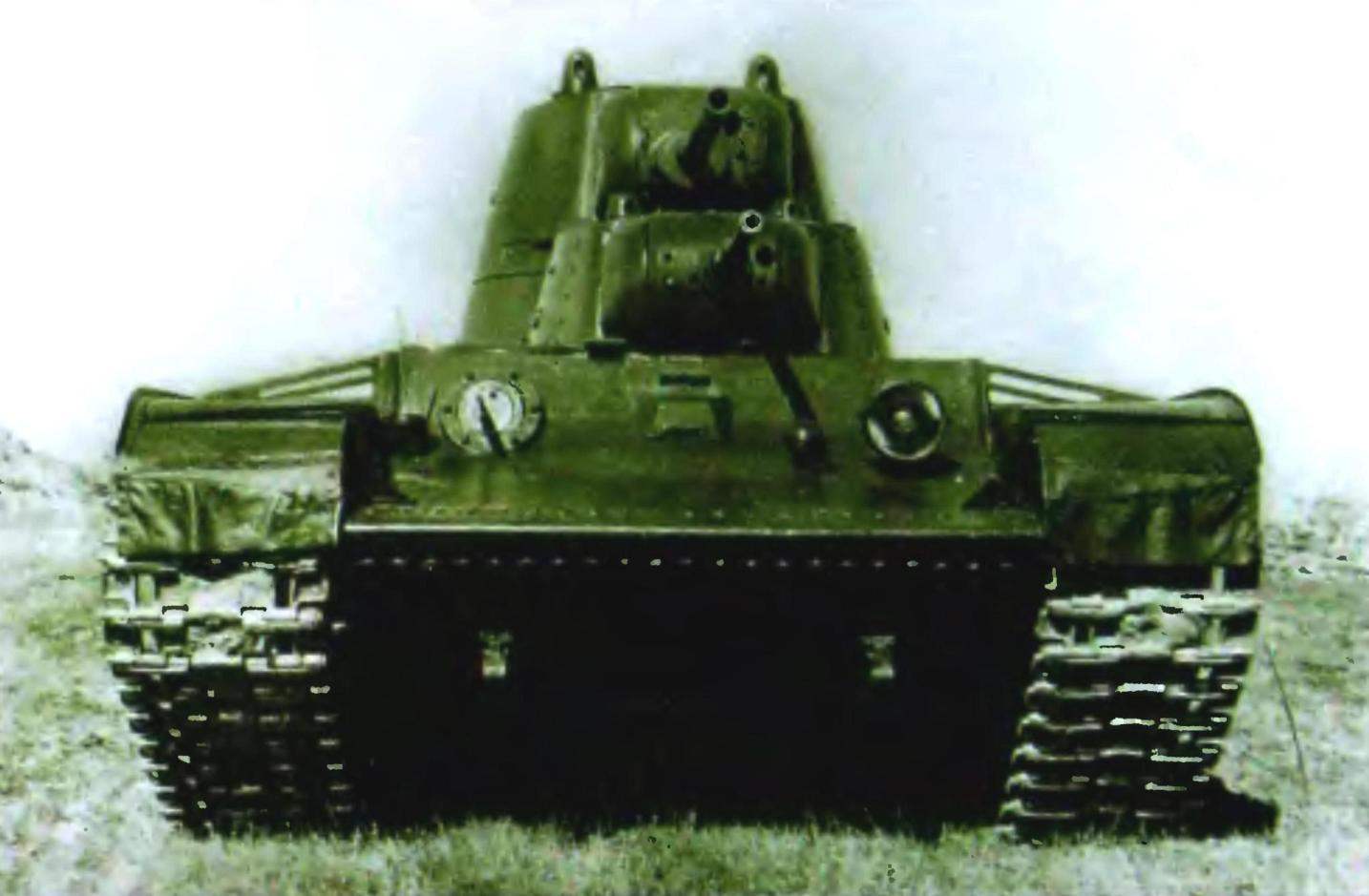 The development of anti-tank artillery in the second half of the 1930-ies, in particular the appearance of the guns of calibre of 37 — 47 mm, has questioned the effectiveness of the use of tanks with thick armor 20 — 25 mm. clearly this was proved by the experience of the civil war in Spain. Anti-tank gun of Franco easily punched well armed, but poorly protected tanks, the Republicans — the Soviet T-26 and BT-5. However, the problem of security was not only light, but medium and heavy tanks. They all had different weapons and sizes, but virtually the same reservation is applied to the heavy tank T-35.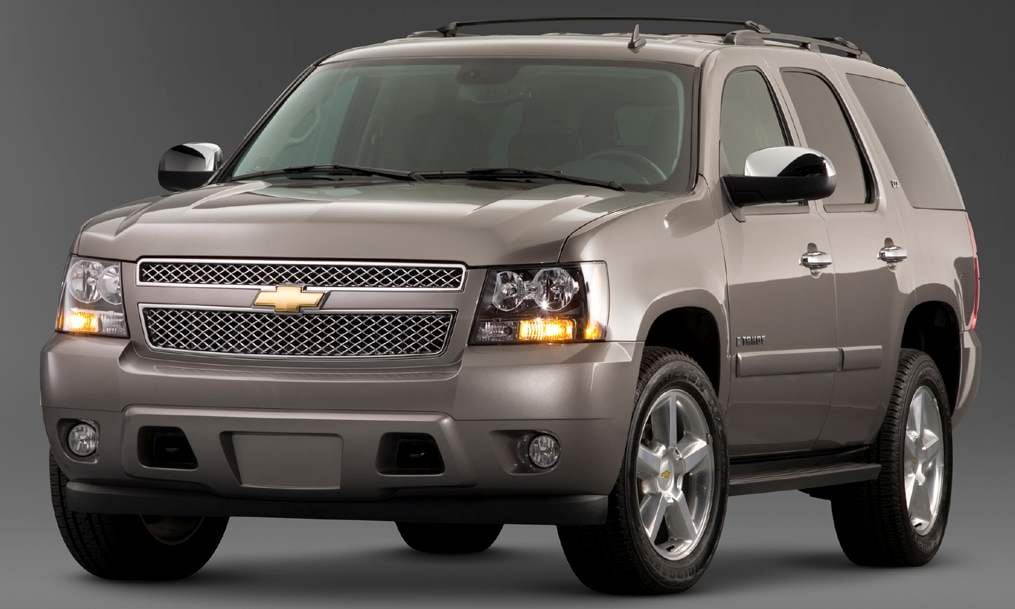
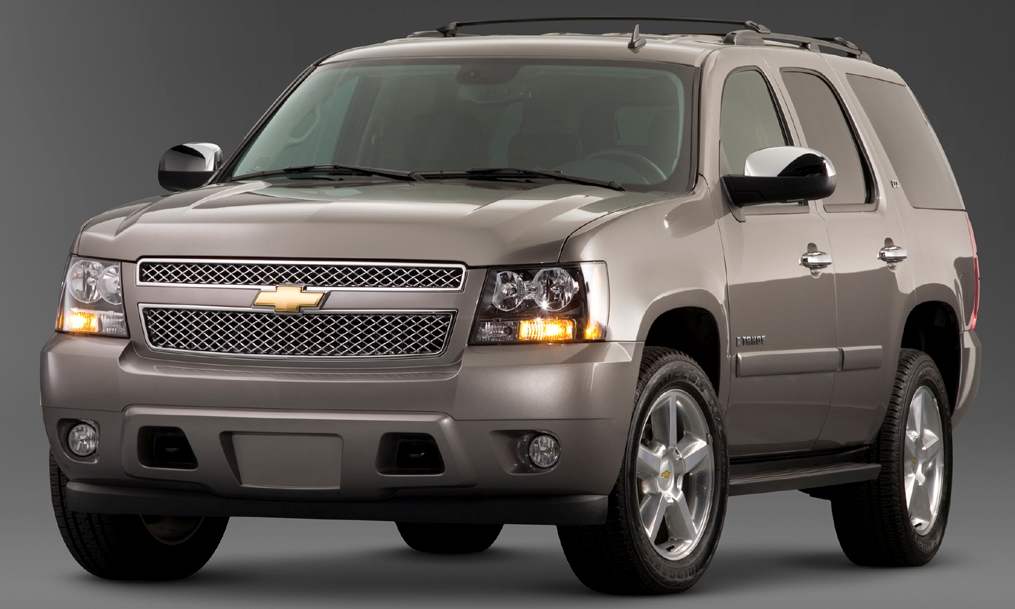 The sale of this American car-SUV began in our country in 2008, and the first presentation of the car took place in the United States two years earlier under the motto All-new for 2007 Tahoe, which roughly translates to “a brand new 2007 Tahoe”. The machine is third-generation all-wheel drive vehicles of this type. From its predecessor Tahoe inherited V-shaped eight-cylinder engine, automatic transmission and the signature all-wheel drive system Autotrac. However, the front torsion bar suspension instead of spring appeared the Stoics, became more rigid frame and optimized suspension point of the engine.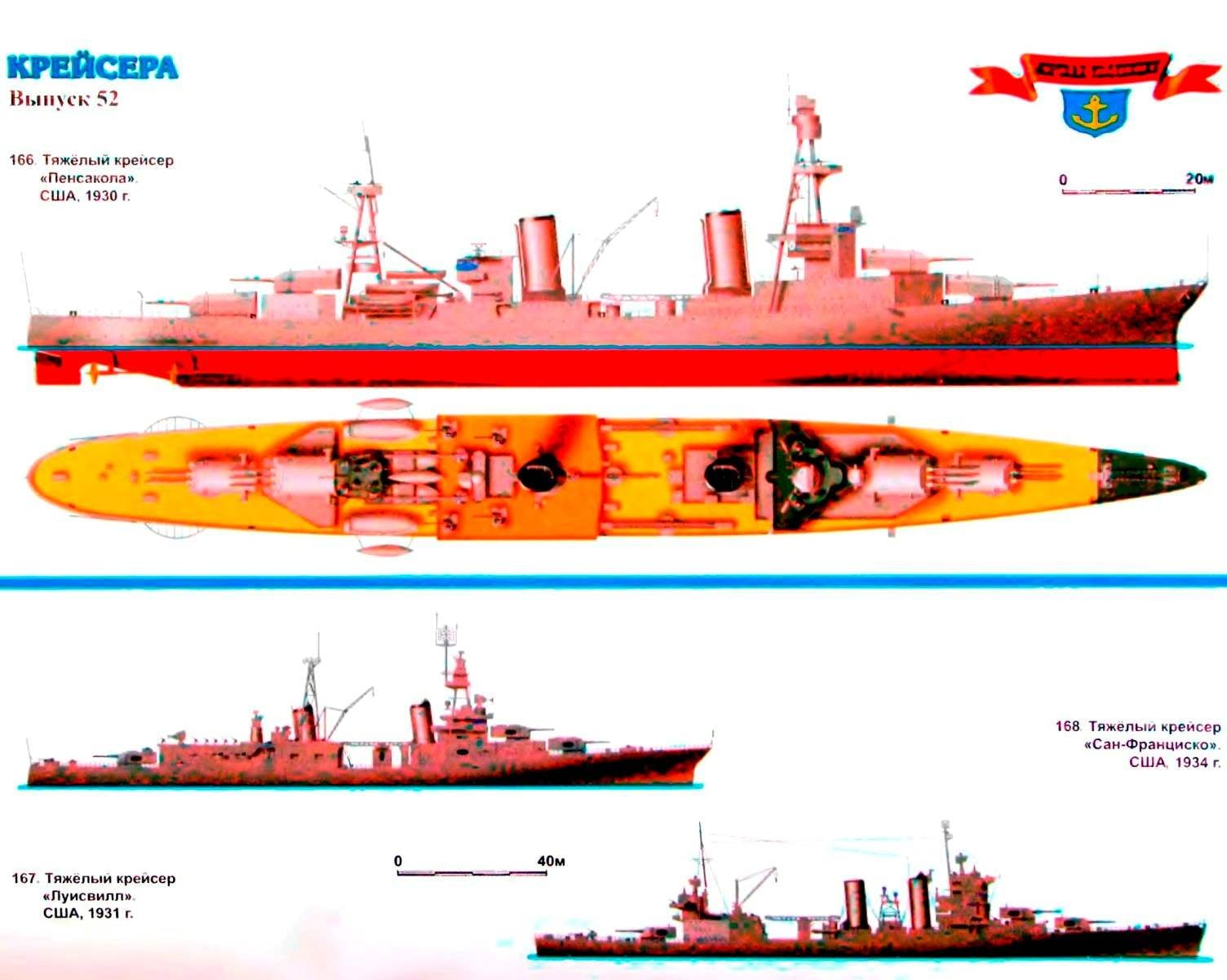
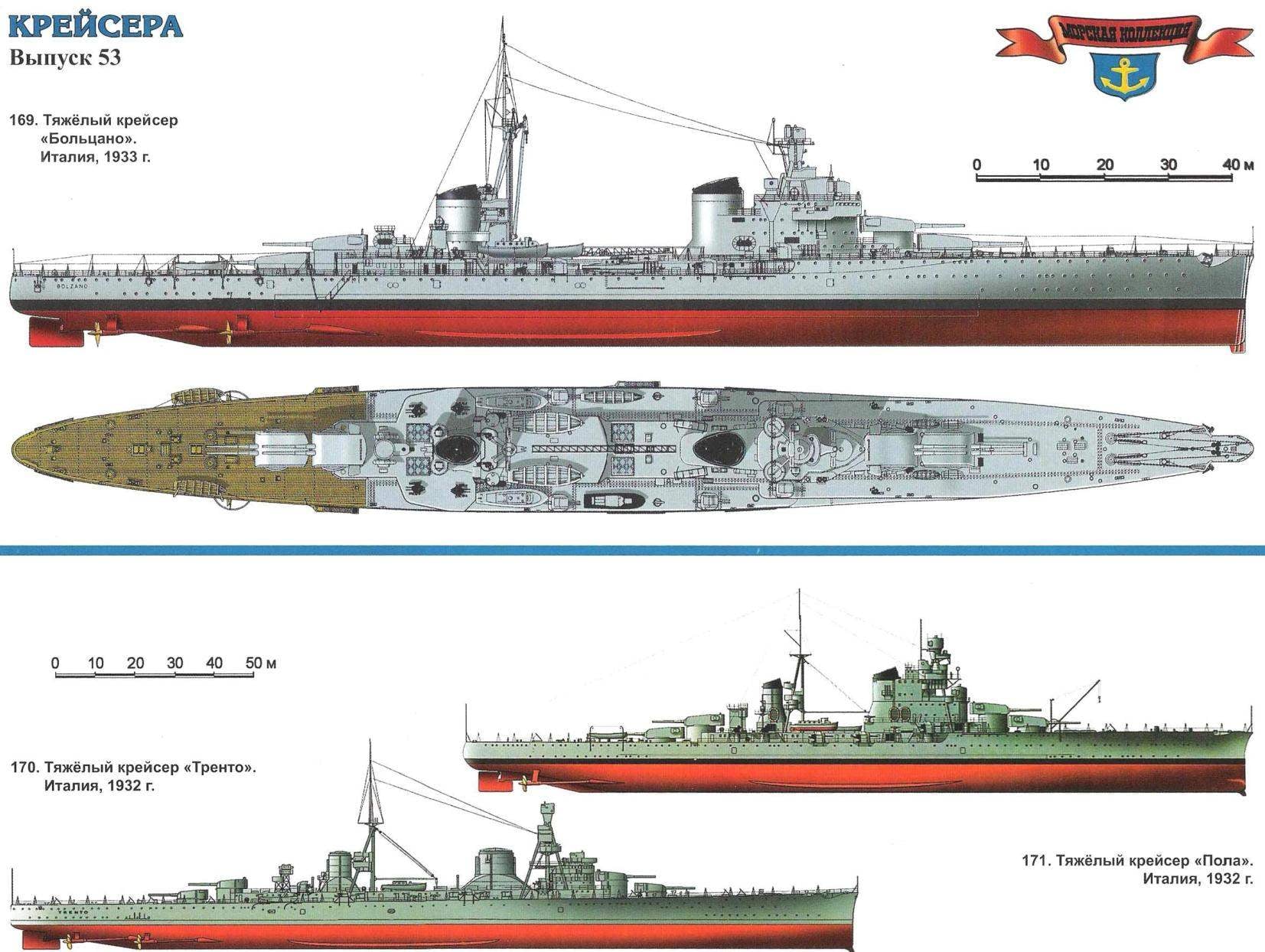
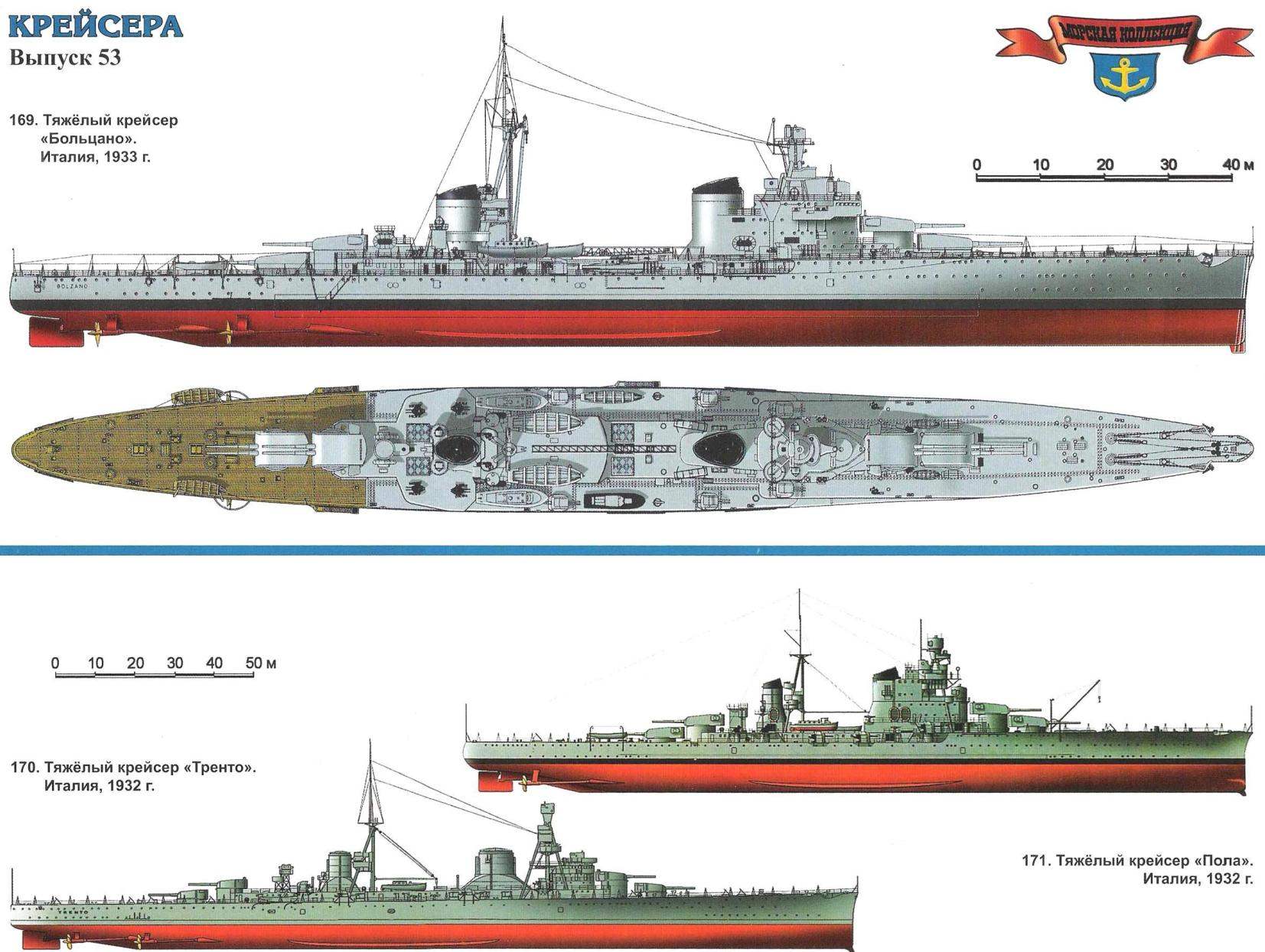 By long tradition, the Italian cruisers, including heavy, have a sort of “whipping boys” in the field of shipbuilding. It’s hard to find a review or article 30-ies of the last century, dedicated to the naval fleets, in which “Italians” were not released would be another couple of dubious “compliments”. “Too easily built”, “cardboard”, “poorly protected”, “malovodie” finally just “unlucky”… meanwhile the engineers with the Peninsula created and built only two types of heavy cruisers, each of which deserves a few good words and in many ways superior to their rivals, contemporaries, at least, “on paper”.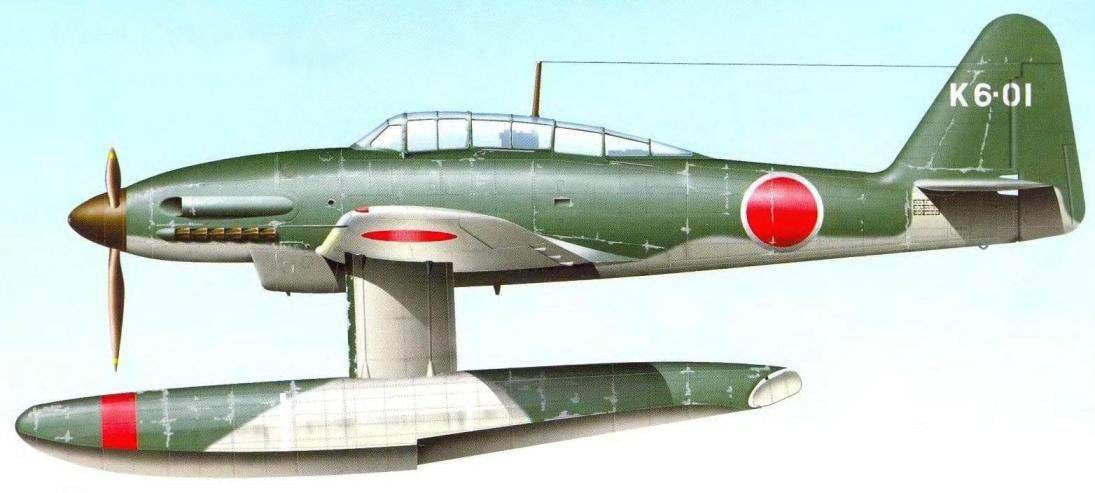
 Seaplane Aichi M6A Seiran. May 1945. Although Nazi Germany had already surrendered, but Japan is, however, provided the American army and Navy fierce resistance, both on land and at sea, thus causing their opponents a huge loss. Moreover, being in a critical situation, she not only conducted defensive operations, but were planning a counterattack on strategic targets on the American continent.
 Polnoprivodnyj car crossover FORD KUGA is equipped with a turbodiesel capacity of 136 HP and restituendo manual transmission multi-plate clutch in the rear wheel drive and electric power steering with variable settings from light duty to heavy Comfort Sport. In the base Trend machine is equipped with four airbags, stabilization system, air conditioning, power accessories, CD radiogram and the device, heating of mirrors, and the complete Titanium crossover in addition to the above has dual-zone climate control, Korotchaevo interior trim alloy wheels and light sensors and rain.