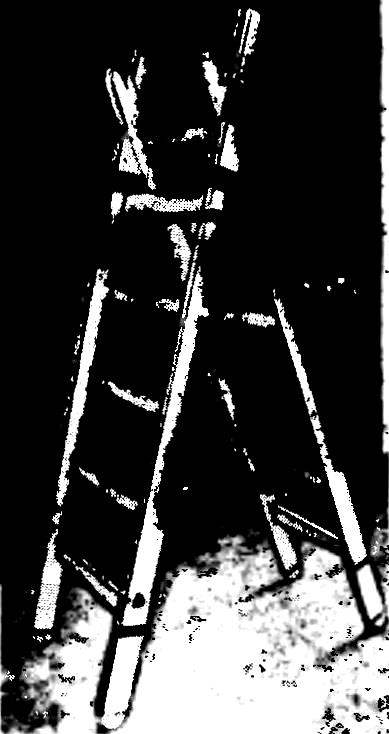
 Any country house or cottage without a ladder, there simply will not: it is needed during the house construction, house repairs, and also in the care of the garden. However, use for all this, it is not always equally convenient: no ladder, for example, is practically useless in the repair of the roof; and Vice versa, long and completely unusable when pruning of trees, removal of fruit or the interior finishing works. We offer Hungarian magazine “Earmaster” design devoid of these shortcomings — it could serve as a ladder, and if necessary “stretch” in the conventional ladder. For making need Board section 30X70 mm for racks and 25X50 mm for the beams. These dimensions should be considered the minimum; to determine their need in each case independently depending on quality and timber species and also weight someone have to climb.
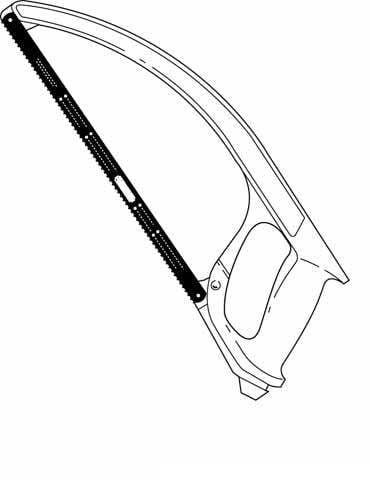
 Everyone is familiar with the hacksaw. She has to be young no technique, no home handyman. Firmly holding the canvas top frame, but it limits the possibilities of the instrument. With it will not make a slit at the middle of the wide plates will not penetrate a window in a metal casing. And canvas you can use only standard, whereas in the tool box accumulated debris, the teeth of which are still quite efficient.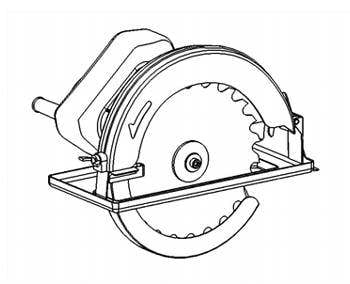
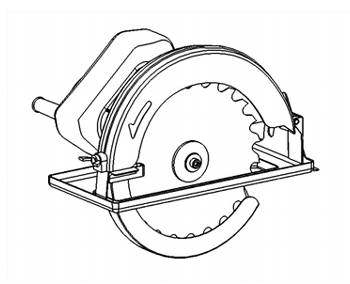 When using a circular saw with a saw to obtain a smooth cut surface modelers often use so-called “silk” discs, in which the cutting teeth are almost divorced. Sometimes for this purpose use a thin disc cutter. However, to saw wood them is not easy: due to the intense heating the wood ignited. The reason is in incorrect sharpening disk. To overcome this difficulty.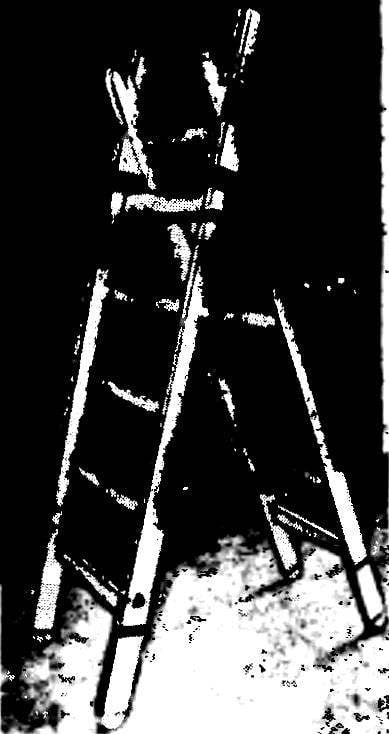
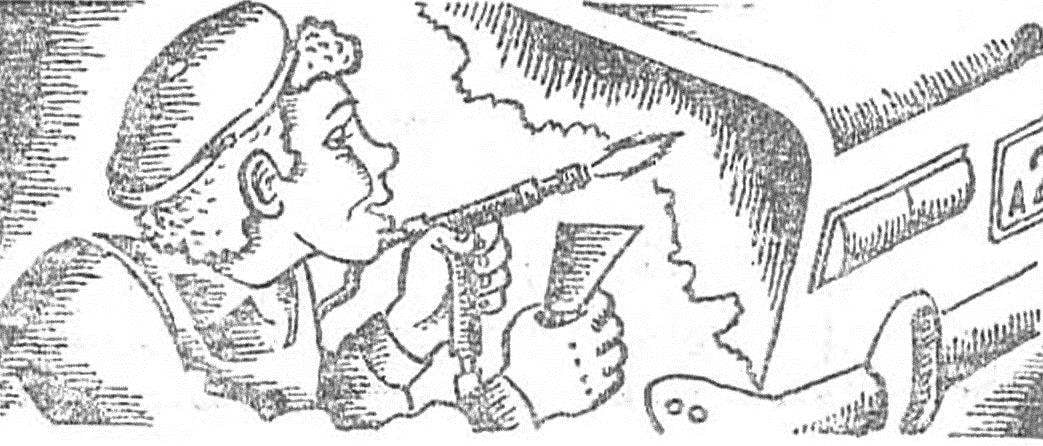
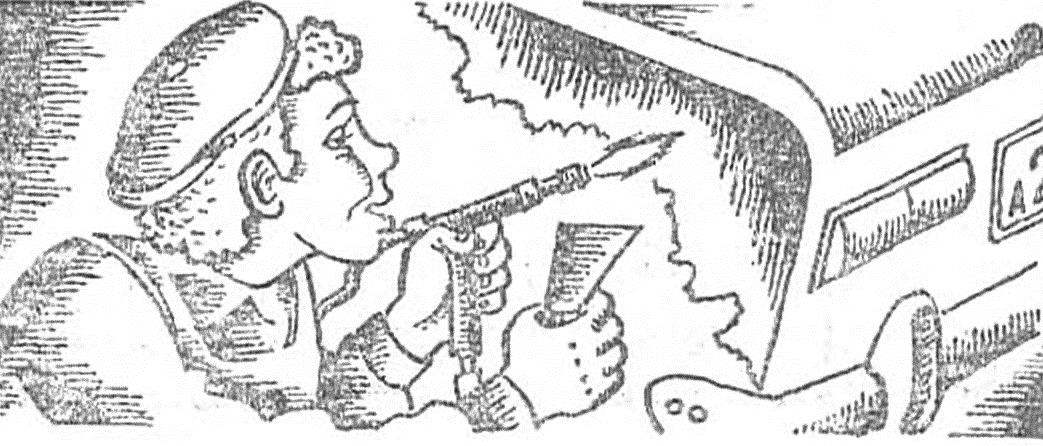 The name of this useful tool is not accidental. Blue tongue its flame available is the variety of the work: soldering and brass melting small portions of ferrous metal, the simplest types of heat treatment — hardening, annealing, vacation. Burner will help prosmolit skis come in handy when removing old paint, repair, battery, radiator, decorative wooden parts and even cooking — for poultry processing. An important advantage of this design is that it can run on gas from the main or cylinder, through a reducer, and gasoline. The flame temperature in both cases, up to 1100-1200° C.
 Twenty years I live in a house built once with their hands. Of course, then was folded up and the furnace, which three years later was covered with ceramic tiles with dimensions of 200X200 mm. And for seventeen years the veneer is quite securely held on the surface of the furnace. Moreover, in my life I had to decorate ceramic tiles hundreds of furnaces, and the tile itself random, different quality and format, but none of the owners never complained of facing: tile, Bouncing off the furnace even in those places where there is maximum surface temperature — in the region of the furnace.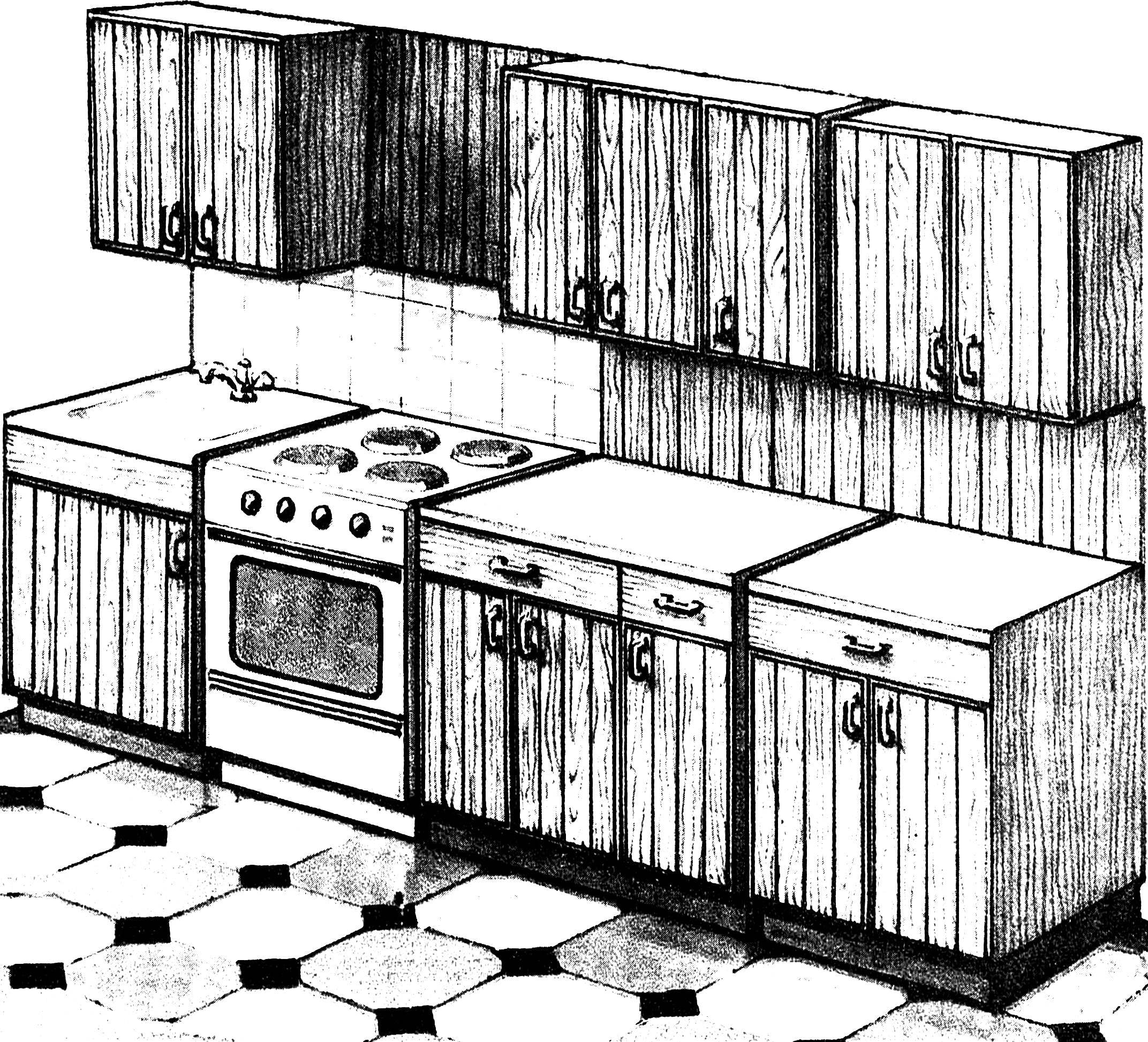
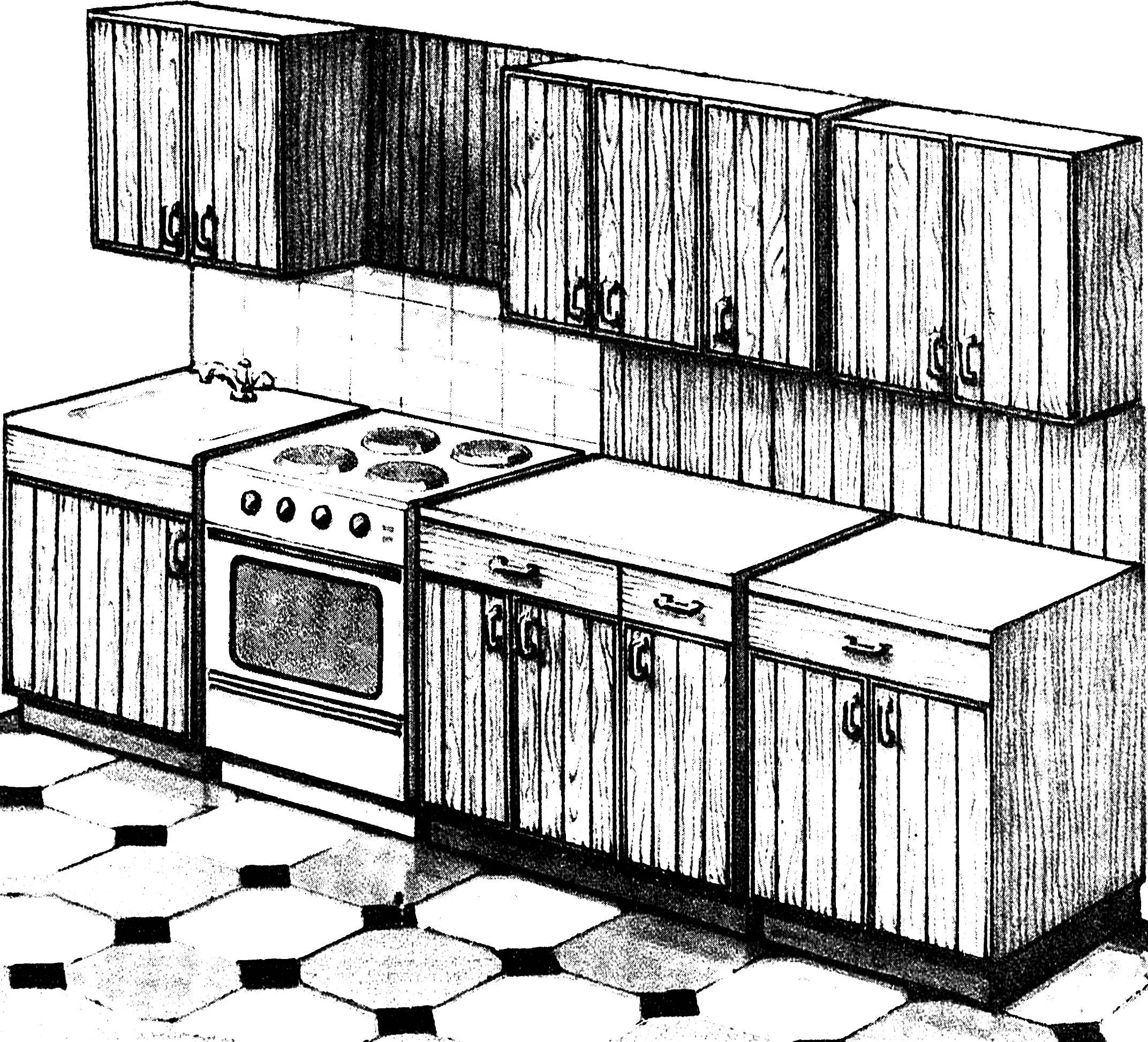 Lined with plastic kitchen furniture usually serves for decades, almost without losing their appearance and not leaving the building. However fastidious the fashion time from the time makes us the critical eye to gaze at the rather boring tables, cabinets and tables: and not to replace it all for something new!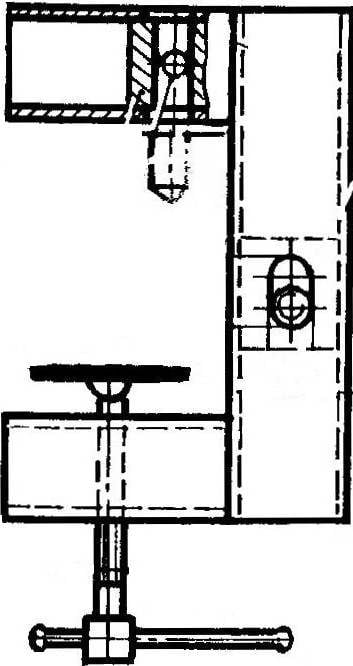
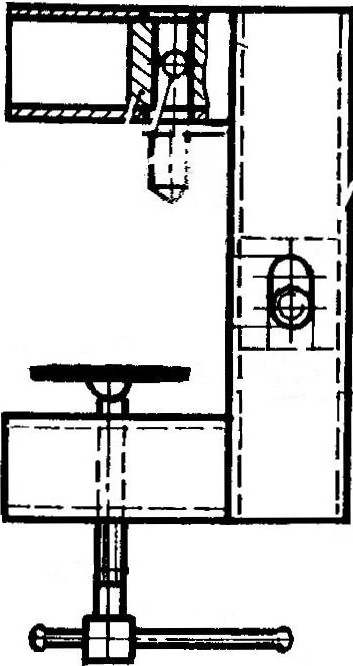 Starting to manufacture handmade furniture, a home master, most do not have the skills of carpenters professionals are faced with two main problems (not counting, of course, of the shortage of materials and tools) — how exactly to cut and how exactly to drill! Indeed, those who master these seemingly simple operations, it becomes on the shoulder almost any design, but… the skill takes time, and burned once, some often give up before they have lost all desire to make.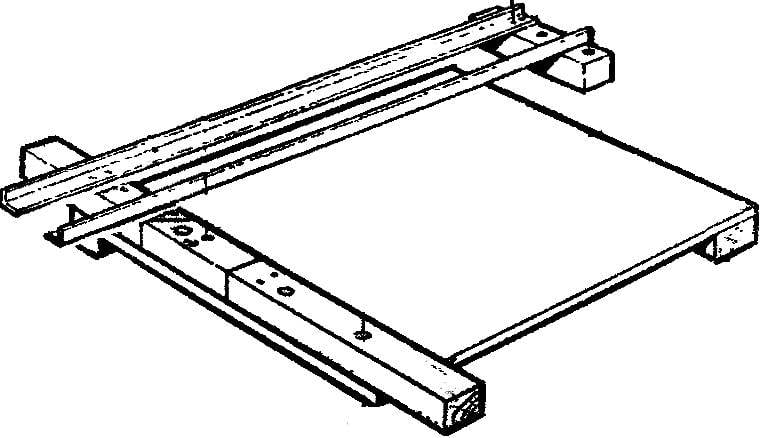
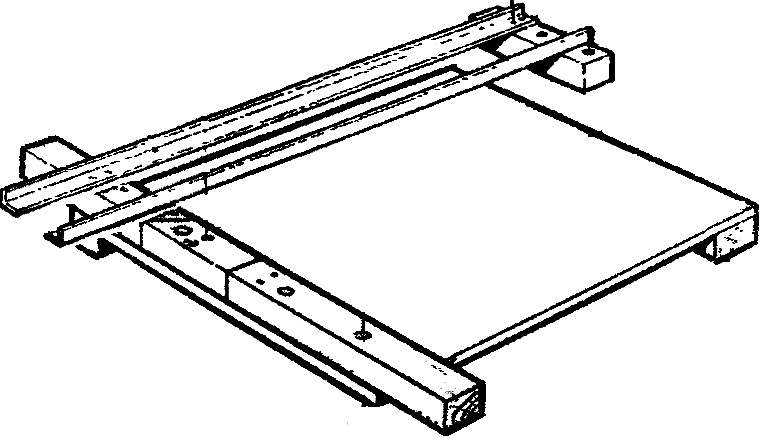 Starting to manufacture handmade furniture, a home master, most do not have the skills of carpenters professionals are faced with two main problems (not counting, of course, of the shortage of materials and tools) — how exactly to cut and how exactly to drill! Indeed, those who master these seemingly simple operations, it becomes on the shoulder almost any design, but… the skill takes time, and burned once, some often give up before they have lost all desire to make.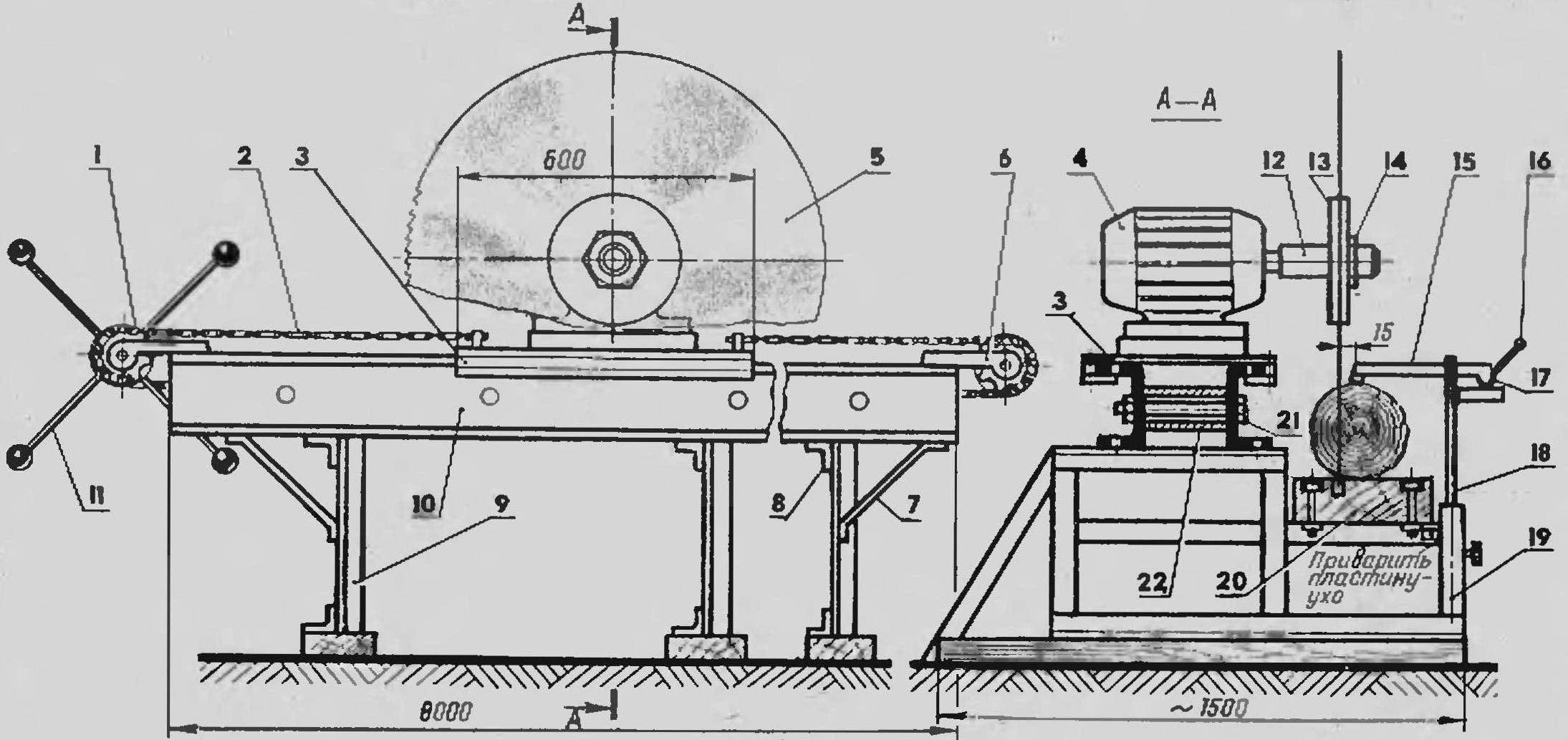
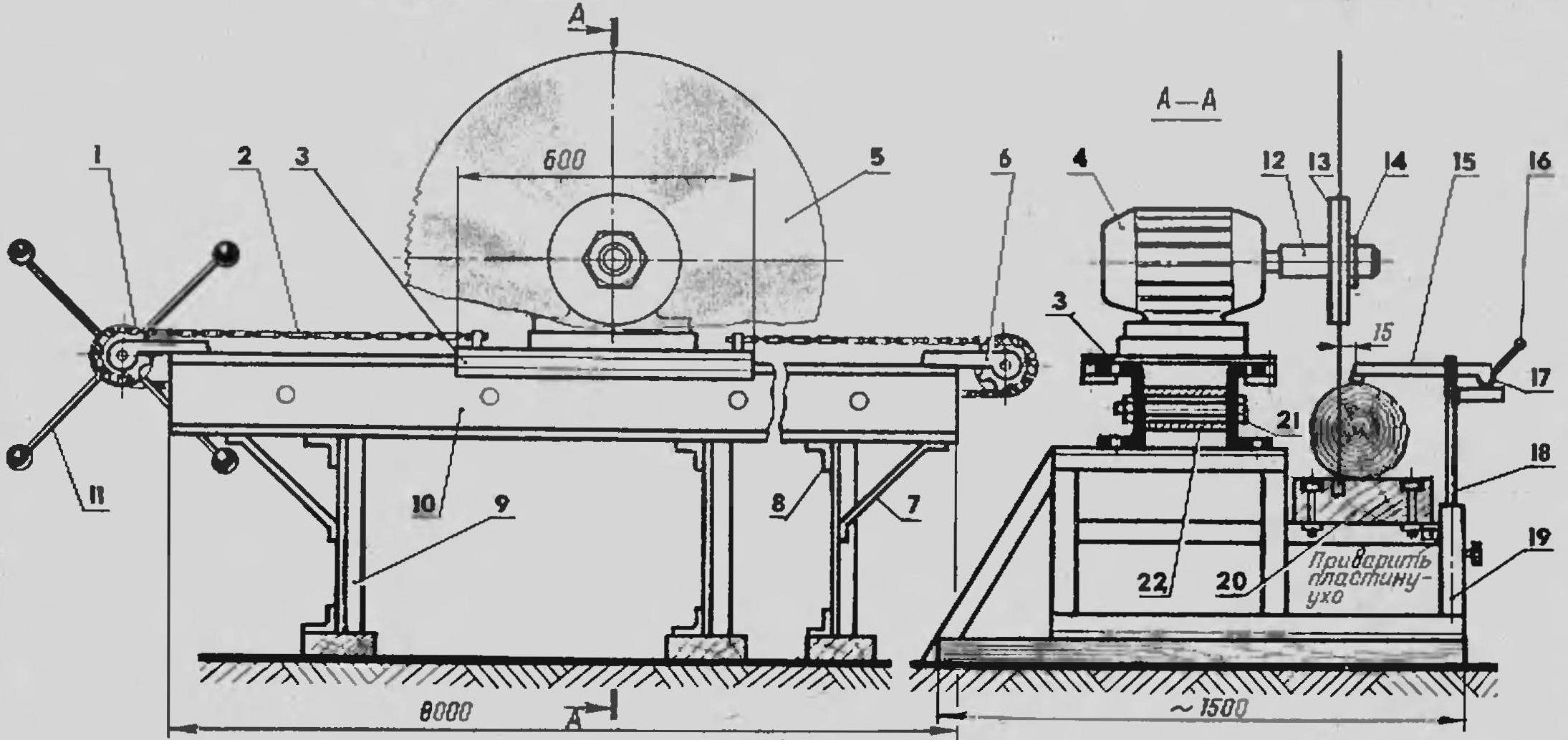 The idea is to share my experience with the readers of “M-K” came to me after reading in No. 2, 1991, notes In Cmaha catching “a Plane on the rails” I Believe that in contrast to the above my design “rails” more comfortable and versatile, and time-tested. The basis of the frame of our “bench” consists of two steel channel with a length of 8 meters and a height of 140-150 mm…For “the same purpose you can use two rails, turning their soles to the top, or corners 50 X100 mm. Workpiece must be perfectly straight. One in cov ω distance in height and with a pitch of about 1…1.5 meters for all channel length RTSD drilled holes with a diameter of 14…16 mm.
 Modelers often have certain difficulties in acquiring light and noiseless gears, wheels, propeller, and propeller and other parts for improvised structures. At the same time, these problems can be avoided if prudent, businesslike now use a throw away to landfill discarded, worn-out nylon products, old plastic items and other “synthetic stuff”.