

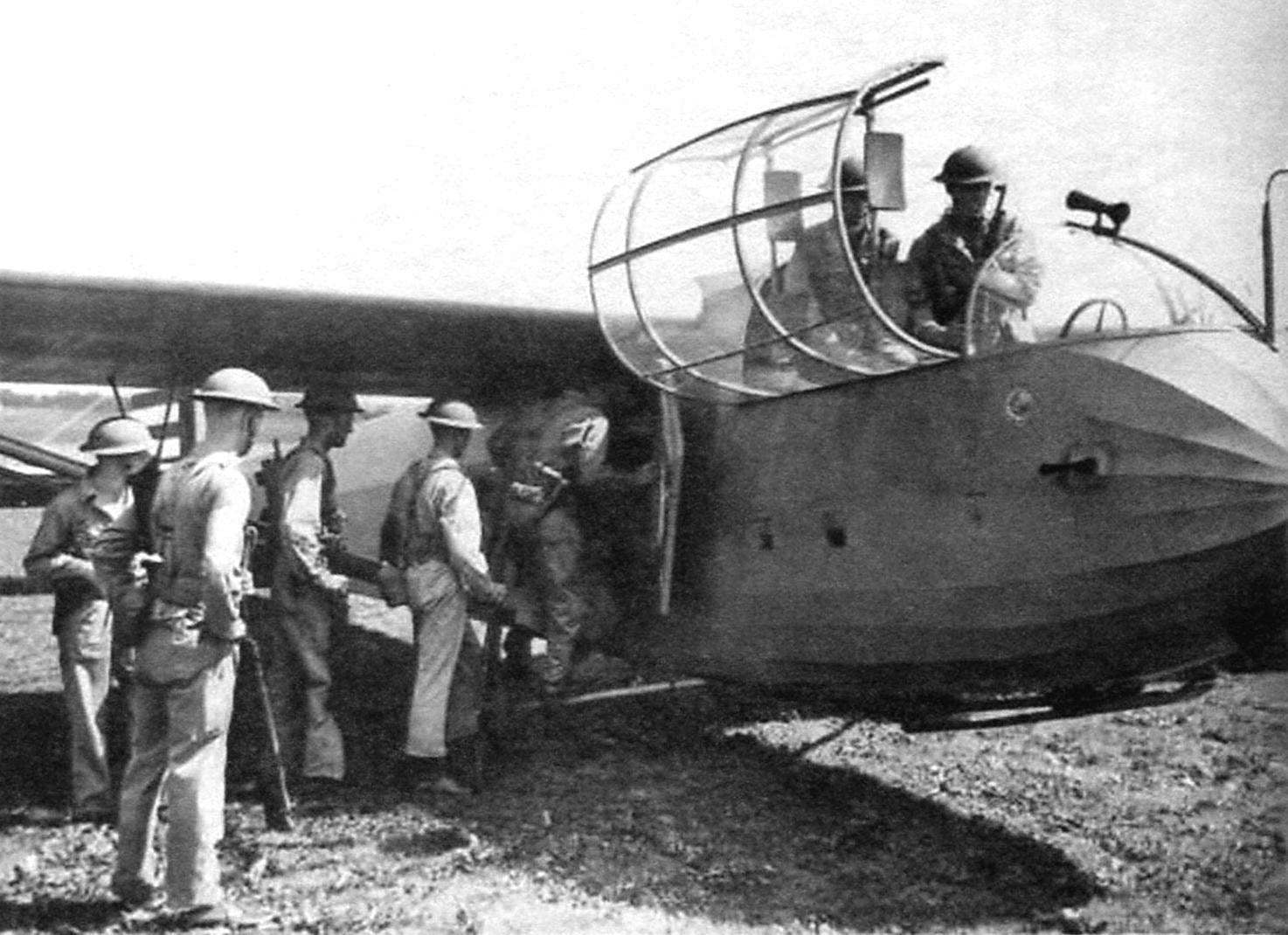
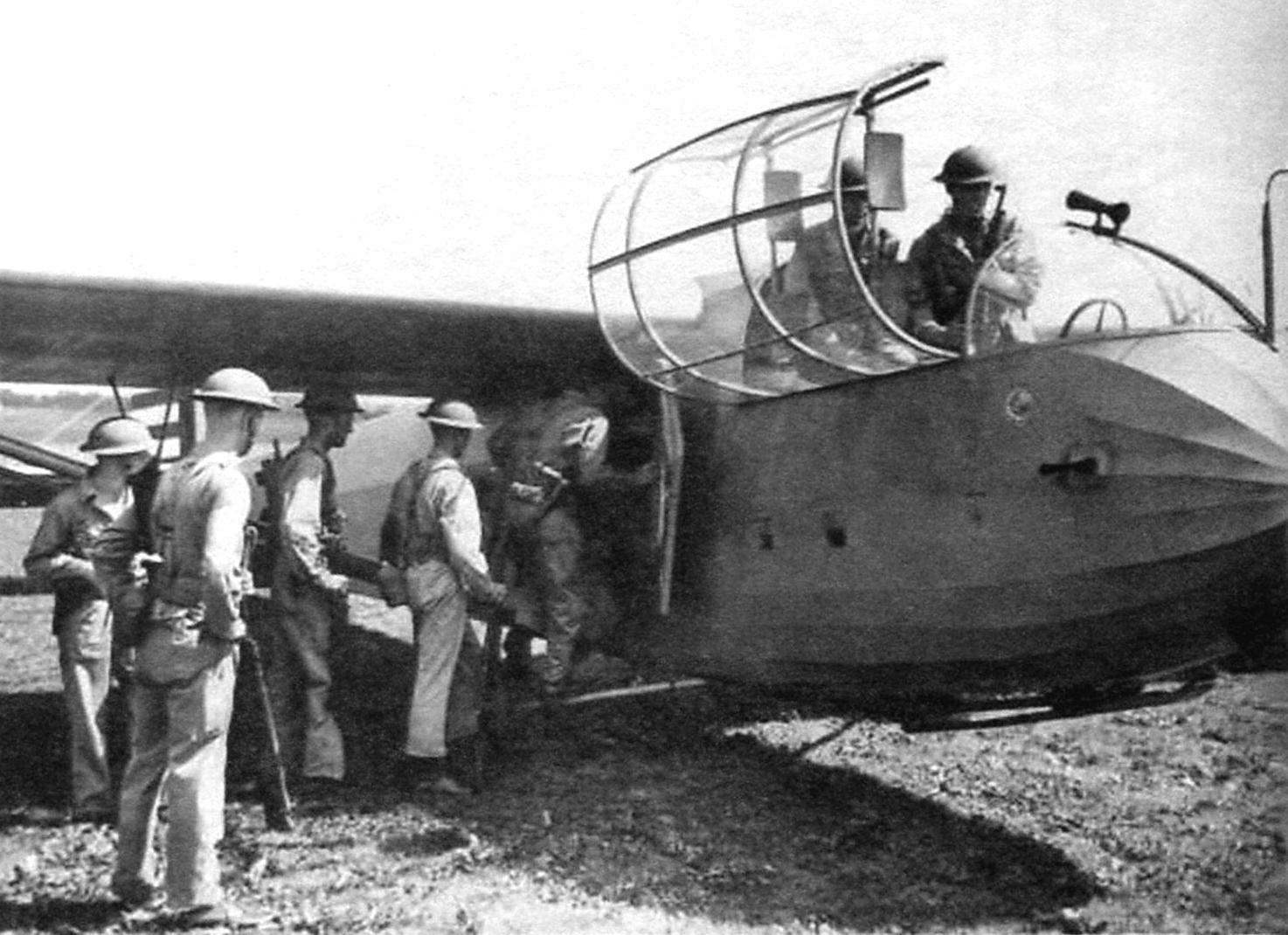
 In February 1941 Aviatsionny corps of the U.S. army (the predecessor of the air force, U.S. army) became interested in the possibility of using gliders in the landing and transportation operations. As a result, by March 1941, developed the preliminary requirements for two types of gliders for the transport of eight and 15 people. These requirements sent to eleven firms, but only four of them said that they are ready to start work. It was “the Frankfort, sailplan company”, “Waco aircraft company of Troy”, “Bowles, sailplan incorporated and the St. Louis aircraft Corporation”. Other refused to participate in the contest, being involved in the implementation of other military orders, or citing the lack of necessary capacity or experience. To the stage of construction of prototypes of the gliders made it two companies.
CLEAN — THE GUARANTEE OF QUALITY

A good master always holds his instrument clean. Thoroughly washed with cushion will give a uniform coating of the painted plane, and that it is not collecting dust during storage, manufacture for him the simplest case of trimming an aluminum or plastic tube.


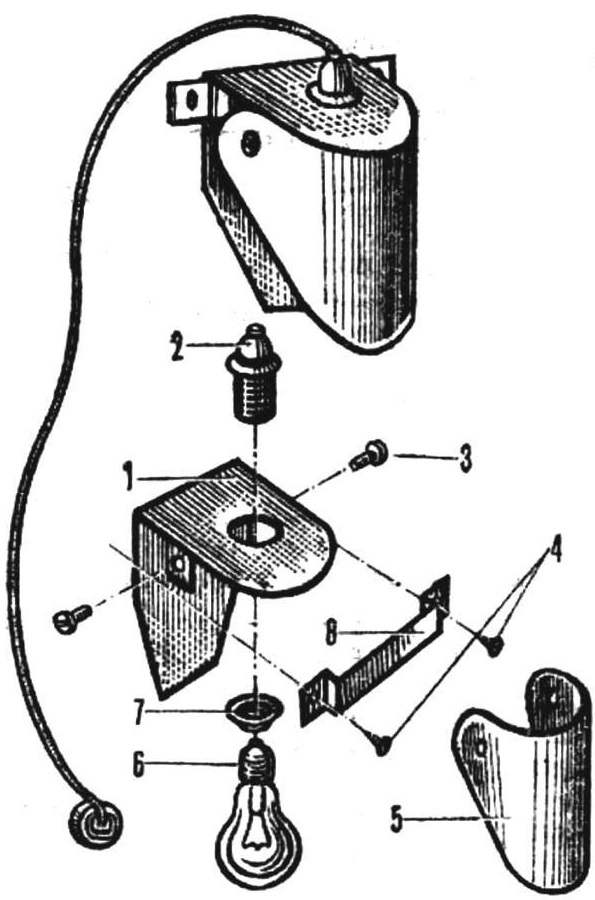 The lamp has only three pipe parts: the bracket, the clip and the visor. The first two (see picture) made of steel sheet with a thickness of 1-1,5 mm (dotted line marked bend line). The visor is cut from galvanized roofing iron.


 In the summer of 1963, the Ministers of defense of the United States and Germany – Robert McNamara and William Hassel had signed a bilateral agreement on joint development of a new main battle tank (MBT) for the armed forces of both countries. The program was called the MBT (Main Battle Tank). It was assumed that in this way it is possible to create a single tank of NATO. First and foremost, this project was caused by the appearance in the Soviet Union T-64 tanks, superior in many characteristics of the machines available then, armed with the NATO countries.
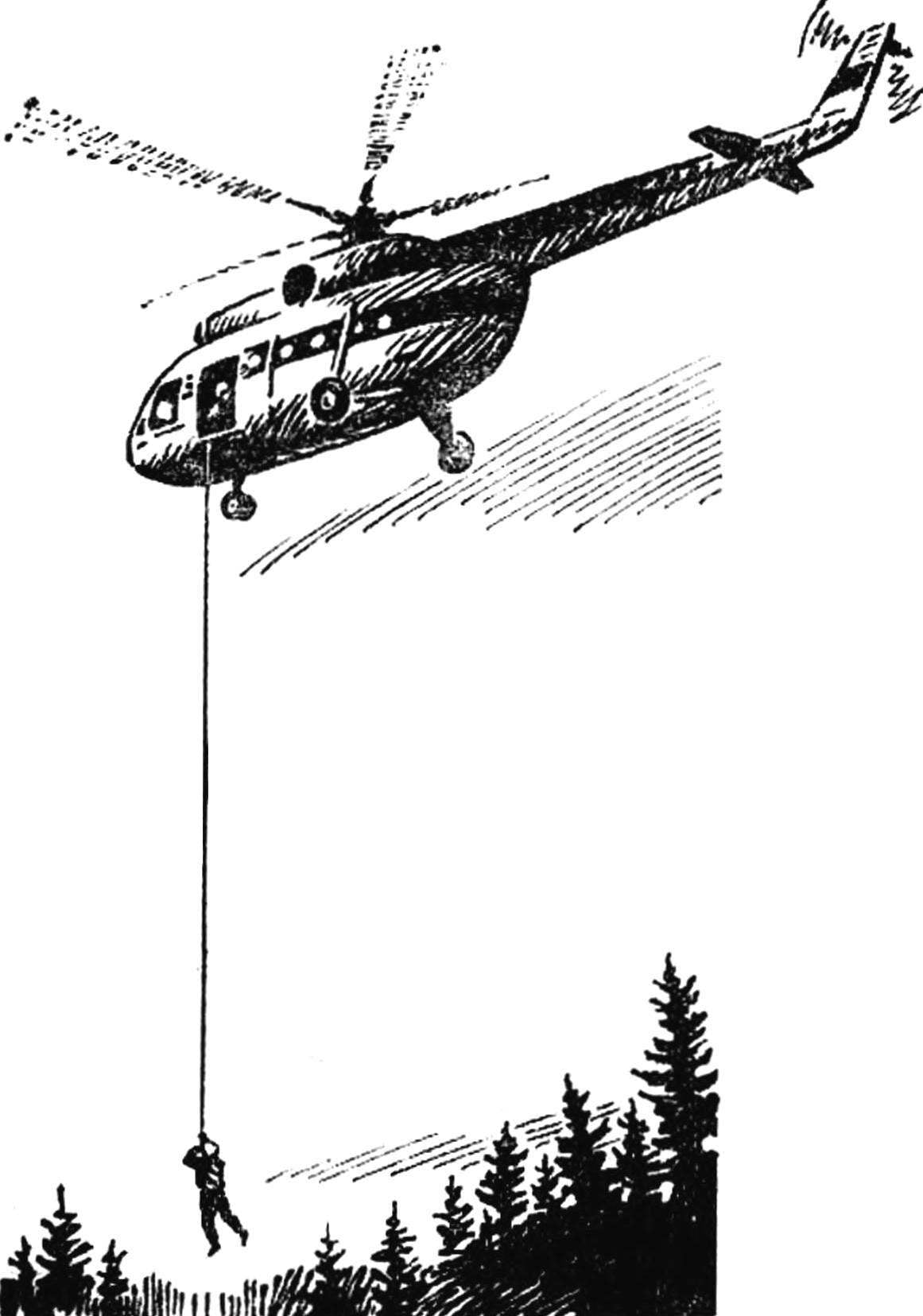
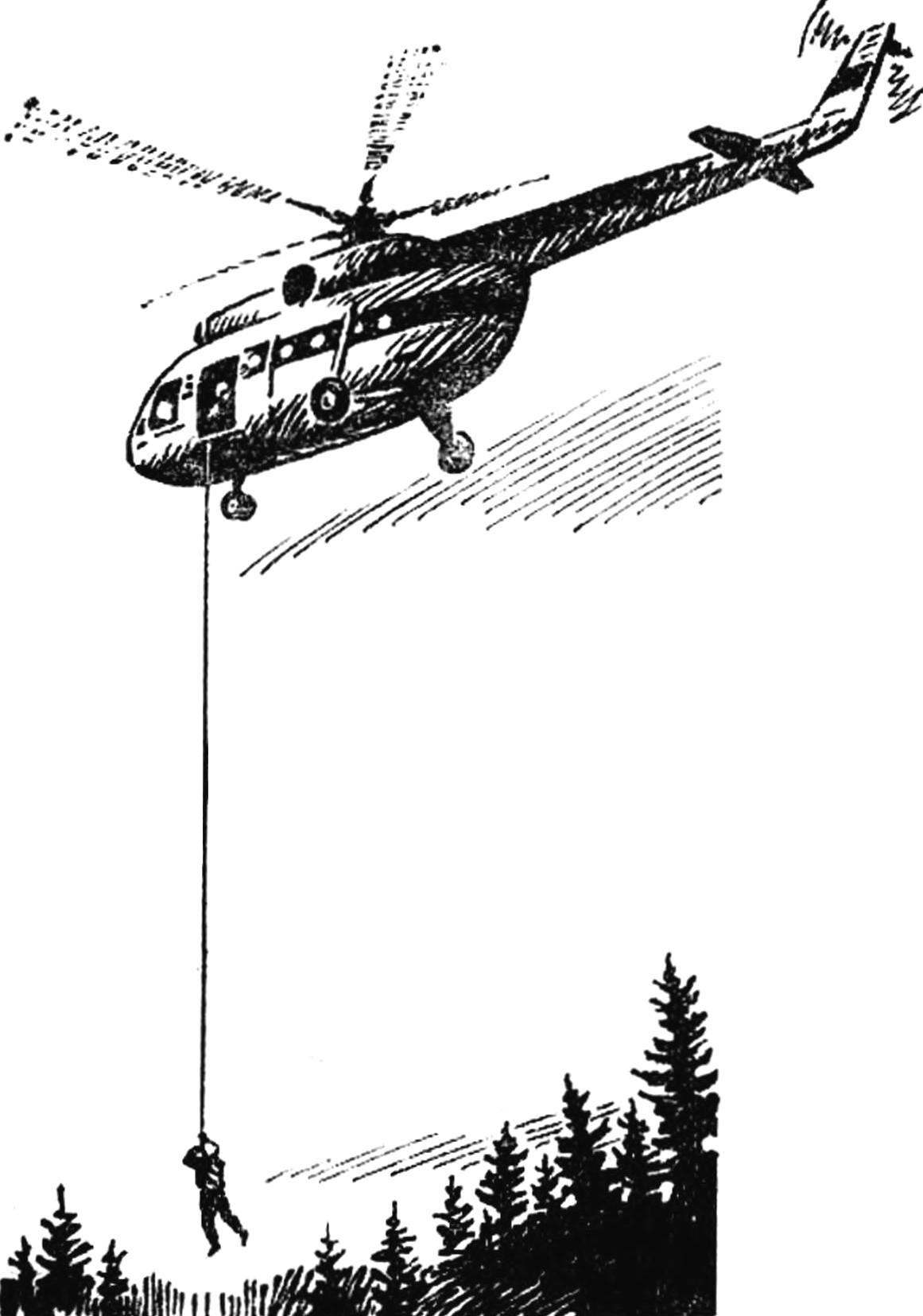 In the halls of the Central exhibition NTTM, dedicated to the XXVI Congress of the CPSU, it is possible to see many original designs and arrangements, created by young scientists, innovators various sectors of the economy. Is on display and very unusual exhibit — a fragment of a brick house, over which a fortified small drum with a wound on its shaft with tape. This flywheel model of lift is designed for lowering people from a height of 100-150 m in the case of fires or other natural disasters, when the regular elevators stopped because of power-cut. The device can be useful when landing fire landing of a helicopter, for example, on forest fires, when landing is impossible because of the smoke.

