 United States of America entered into the 20-ies of XX century, the only real winner. “The great war” is not only completely removed from the scene of one of main competitors — Germany, but much bled the other leading countries of Europe, formally including among the winners of the United States firmly occupied the place of “forge world” that had so long belonged to Britain. Now it was necessary to reinforce economic claims rising military power, especially in the sea. Here, however, things were not so rosy, the Americans have created a powerful battle fleet, laid an enormous series of destroyers — “flash-Decker”, but in the class of cruisers huge gaping gap. The only more or less contemporary were a dozen pieces of type “Omaha”, however, looked to be a drop in the vast sea of the British cruising force. They were approached to provide the linear action of the fleet, but gave in to old cruising tasks, such as the protection of their trade and a violation of the enemy. Seemed to catch up with the “mistress of the seas” in the game on their field in the coming two decades is not possible.
Read more
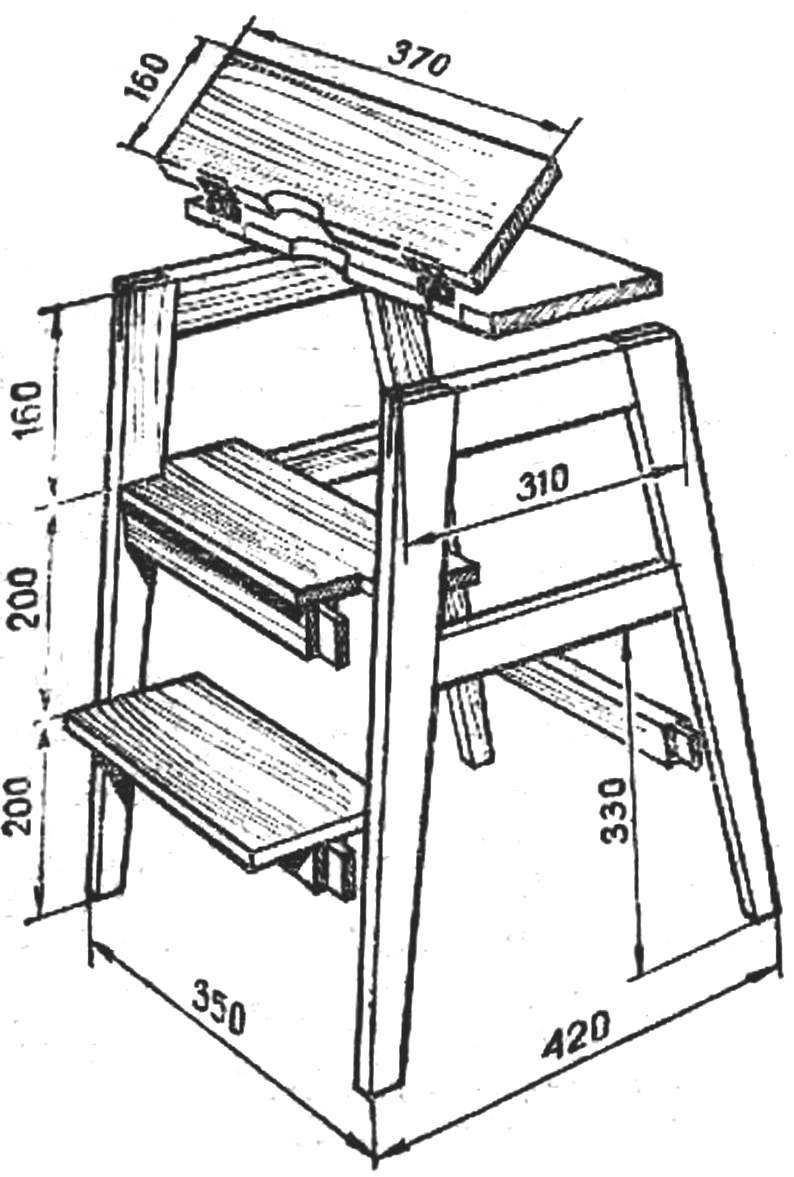 Below in the kitchen or in the hallway to get any items or products from the top shelves or mezzanines, not necessarily to have a special ladder — after all, it must be stored somewhere, and the area of outbuildings and so small. Suggest to make the one shown here universal stool: it can quickly turn into a miniature ladder.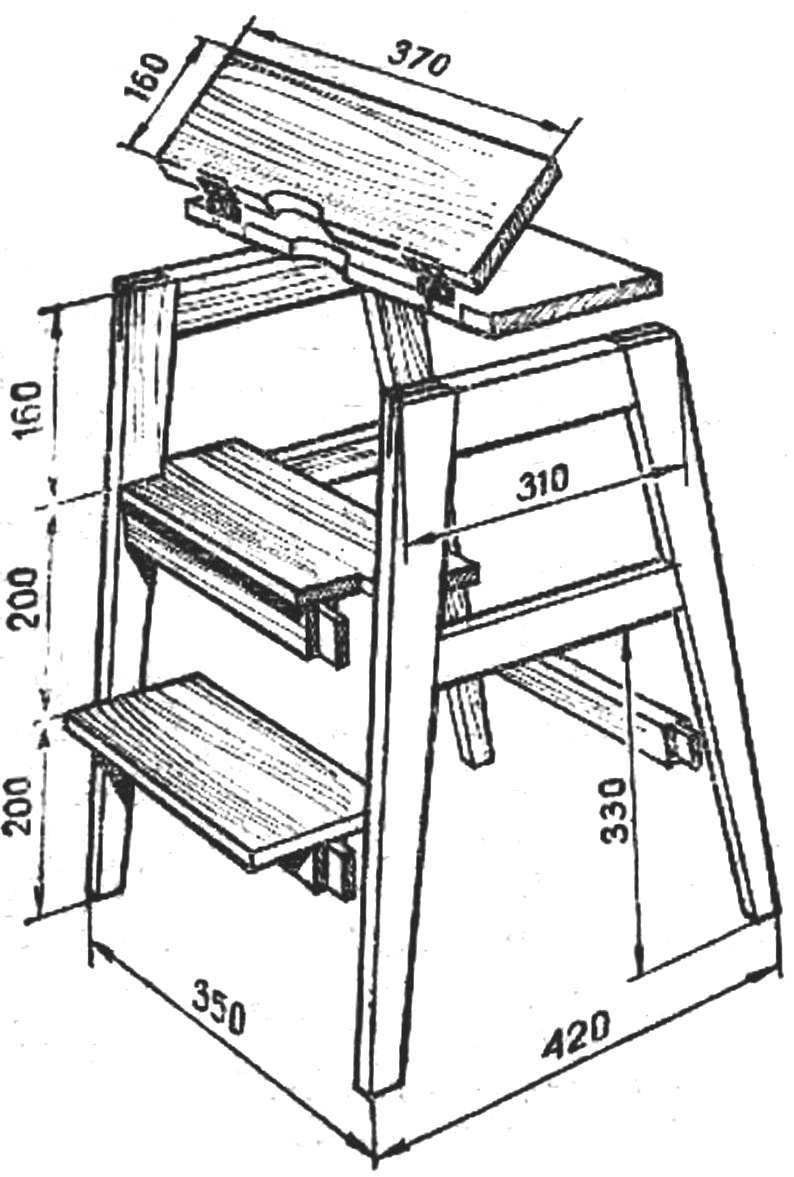
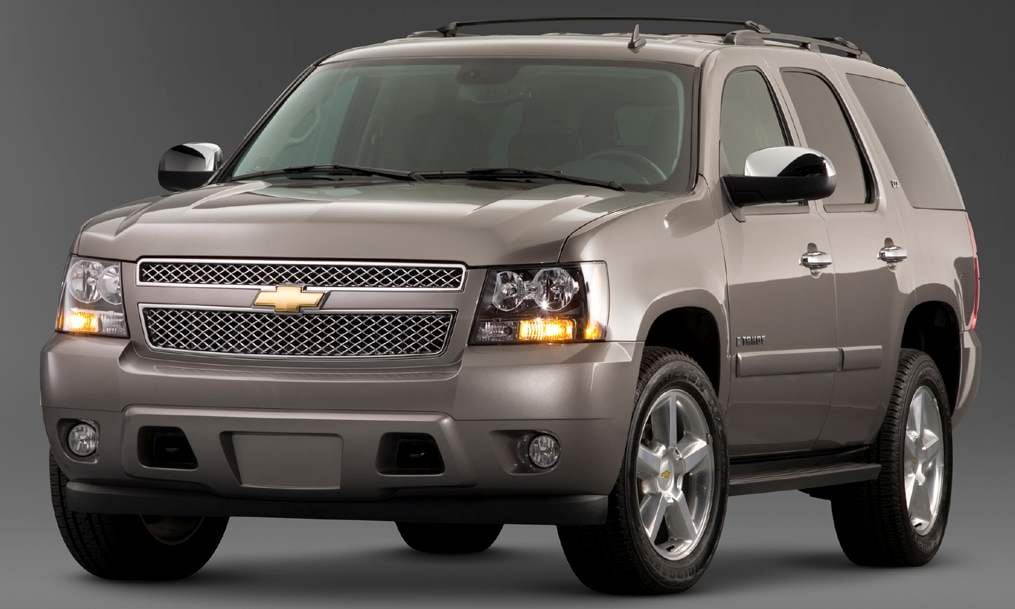
 The sale of this American car-SUV began in our country in 2008, and the first presentation of the car took place in the United States two years earlier under the motto All-new for 2007 Tahoe, which roughly translates to “a brand new 2007 Tahoe”. The machine is third-generation all-wheel drive vehicles of this type. From its predecessor Tahoe inherited V-shaped eight-cylinder engine, automatic transmission and the signature all-wheel drive system Autotrac. However, the front torsion bar suspension instead of spring appeared the Stoics, became more rigid frame and optimized suspension point of the engine.
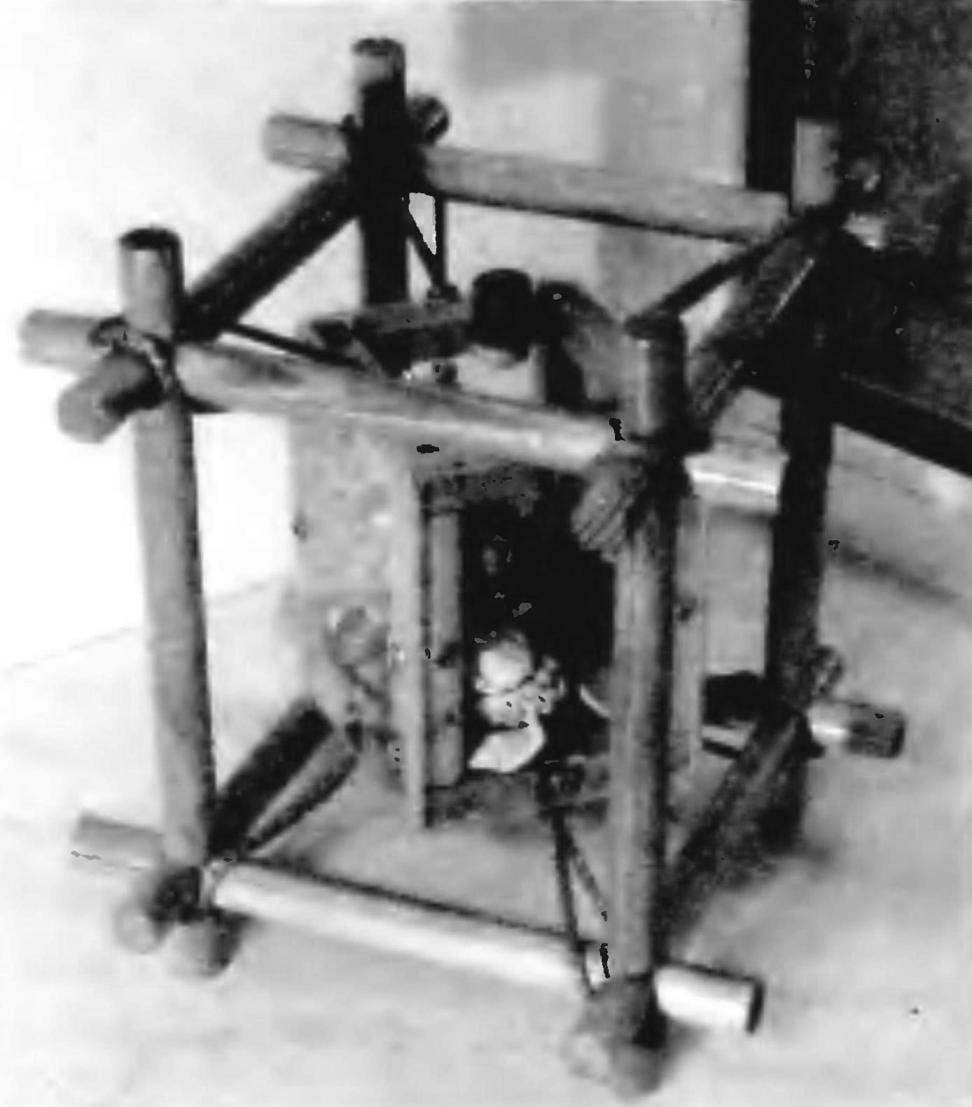
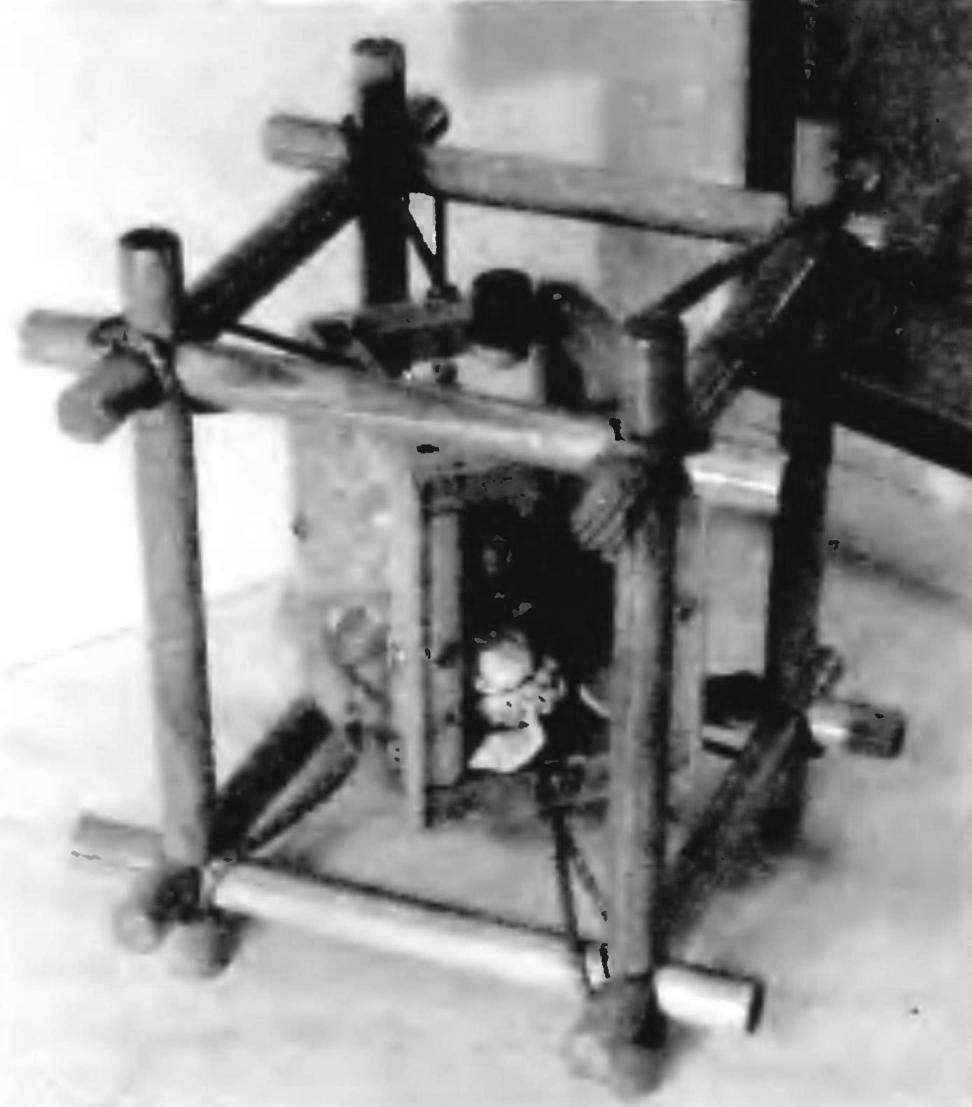 I want to offer to the readers made me a decorative box. A plan was born at me after visiting the exhibition dedicated to the floral and architectural design. There, on one of the stands, I saw a glass cube, which was filled with floral herbarium. It looked so modern and was made so creative that attracted attention. However, just a glass cube without any registration clearly lost in the background. The idea was born instantly. I wanted to construct some stylized transparent volume, at the same time that he was not only decorative, but also practical application for Example, a box of cherished things.

 On my shelf is a… a five-story “house” and “live” in this compact tape cassettes. Grasp the ring on the roof, I can pick it up and put in front of him. Ring the top of the spindle, which is “house” through “five story building” is free to rotate around it — it’s convenient, it’s easy to find the desired entry.