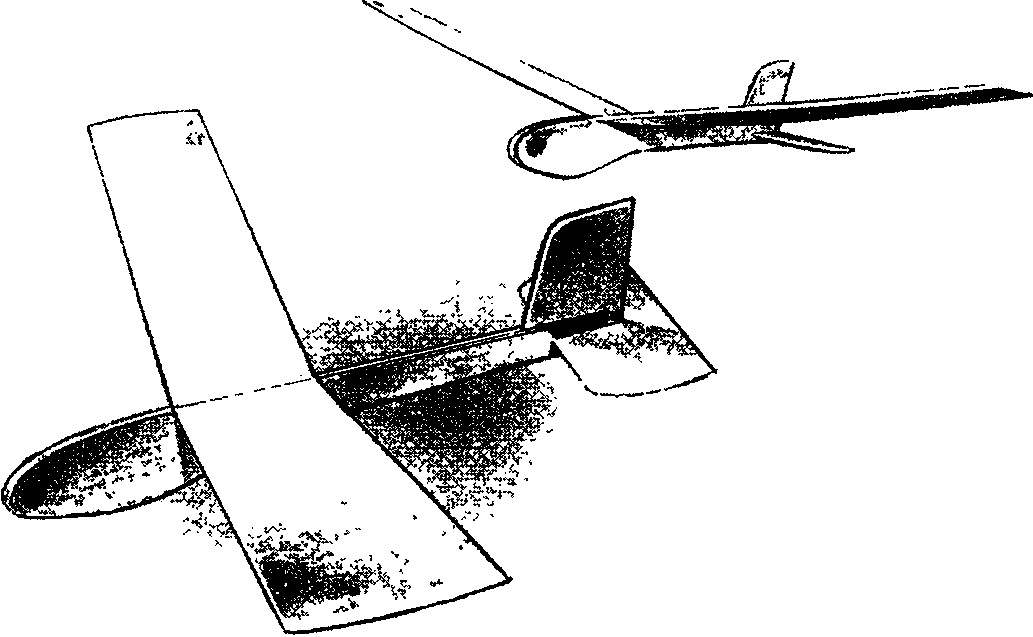
 As the history of aviation, the aircraft can be done from almost any material of the First airplanes he built from bamboo and percale, later, aircraft materials steel Yes spruce pine, them was soon replaced by aluminum and magnesium alloys, but today the high speeds require the use of titanium and high strength steels.
FLYING… CORRUGATED CARDBOARD
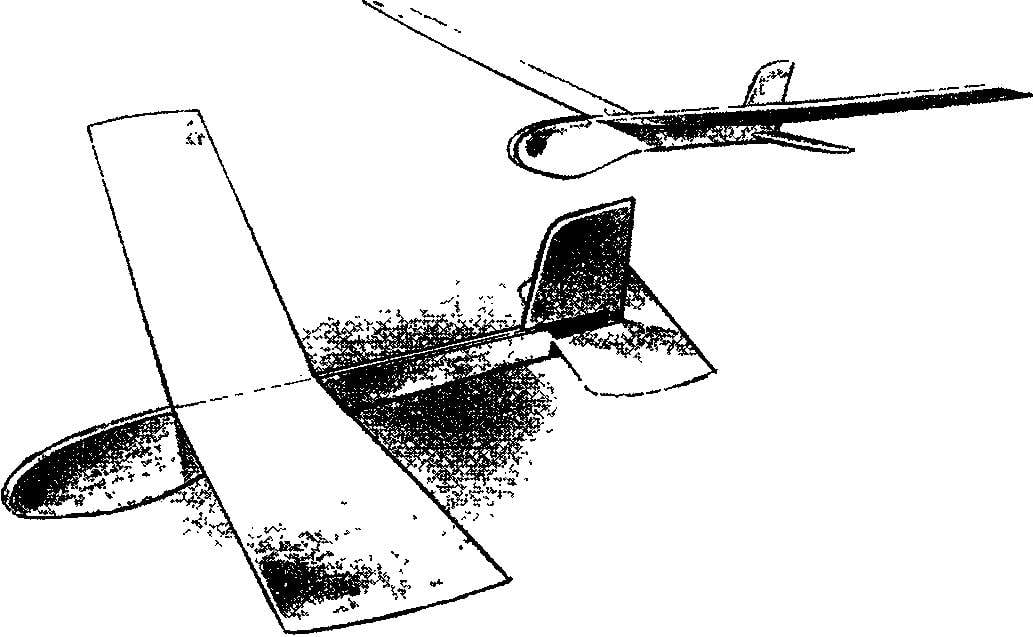 As the history of aviation, the aircraft can be done from almost any material of the First airplanes he built from bamboo and percale, later, aircraft materials steel Yes spruce pine, them was soon replaced by aluminum and magnesium alloys, but today the high speeds require the use of titanium and high strength steels.
 Held in early October 2006 from Baikonur 16th world championship flying the sport has left an indelible impression on its participants and spectators, among whom were those who real launches of missiles and launch vehicles spacecraft. To meet many requests for new sports meeting on the legendary land, the administration of Baikonur organized another celebration of rocketmodeler — held the first Asian championship on rocket-space models But given that the sport is not as popular in Asian countries like in Europe, making it open.
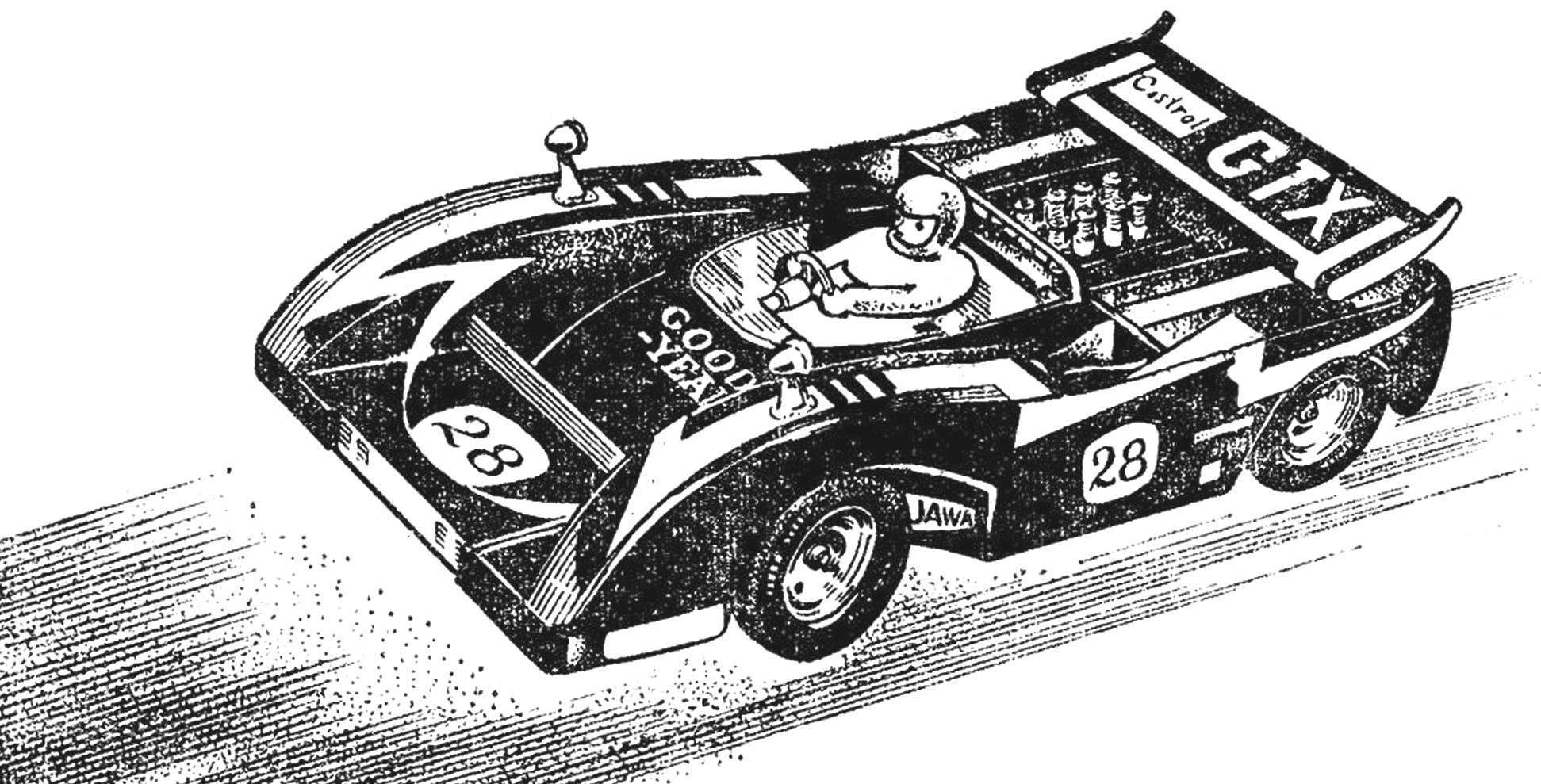 In recent years avtomodelisty closely watching the development of a new direction for technical activities and sports design of high-speed radio controlled model with internal combustion engine. At first they were built by high-class athletes, but now a lot of successful and budding. What are the athletic requirements for these models, and some technical data have model classes f-I and f-II?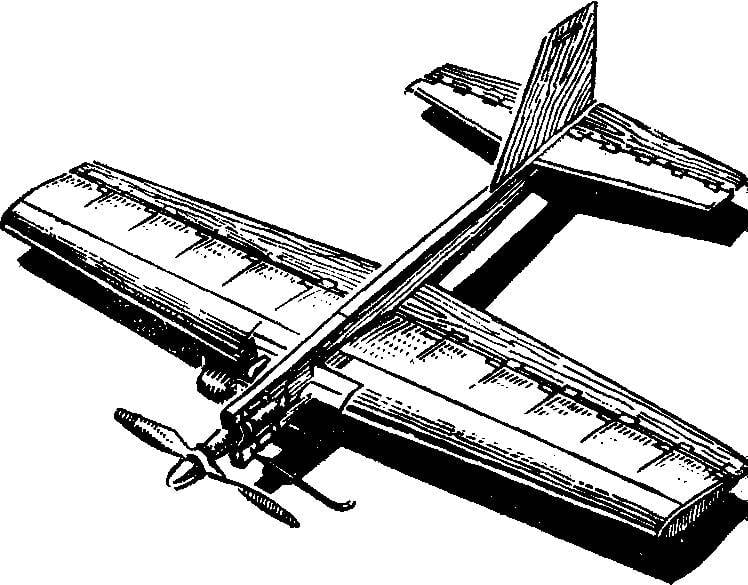
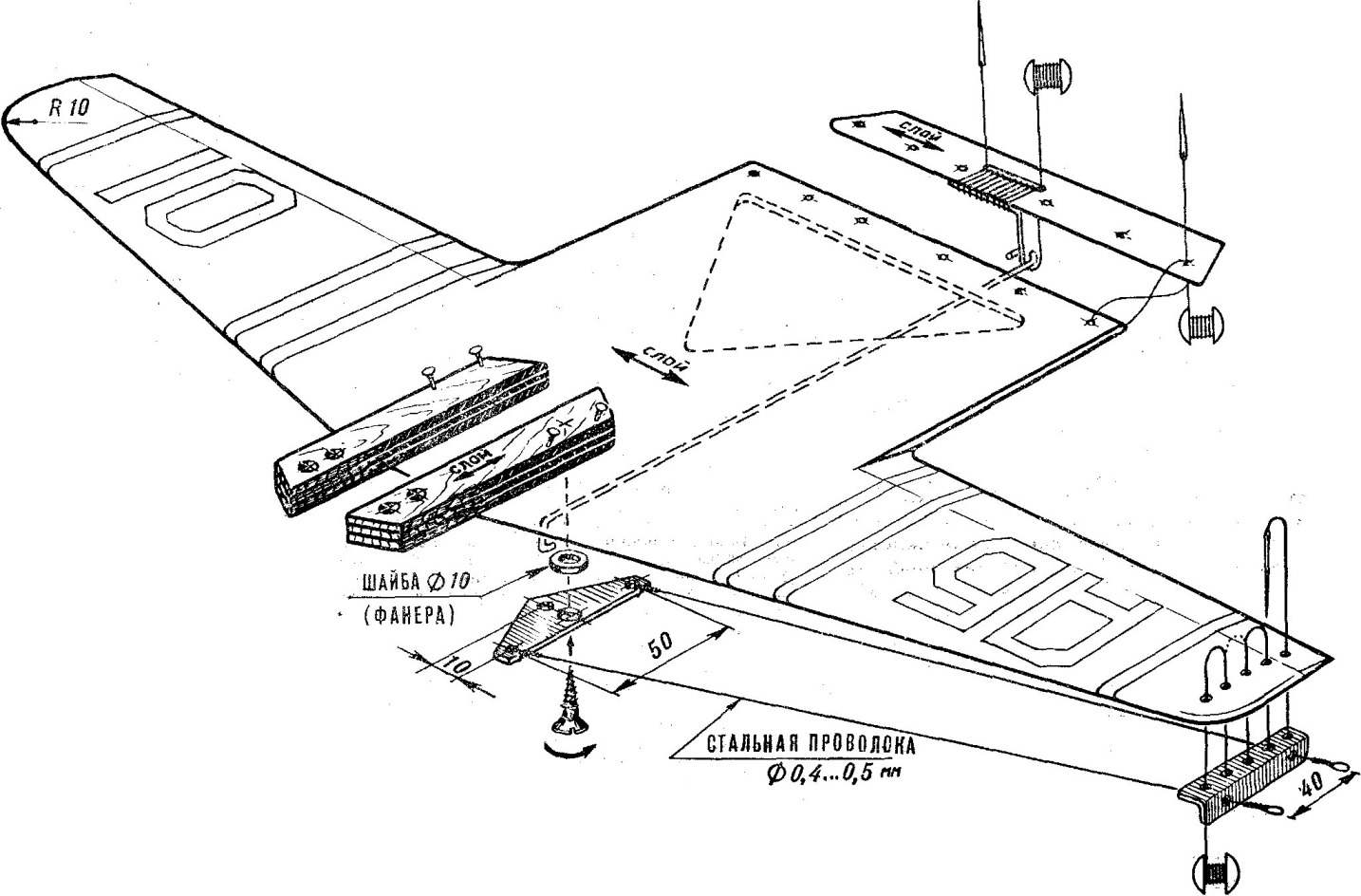
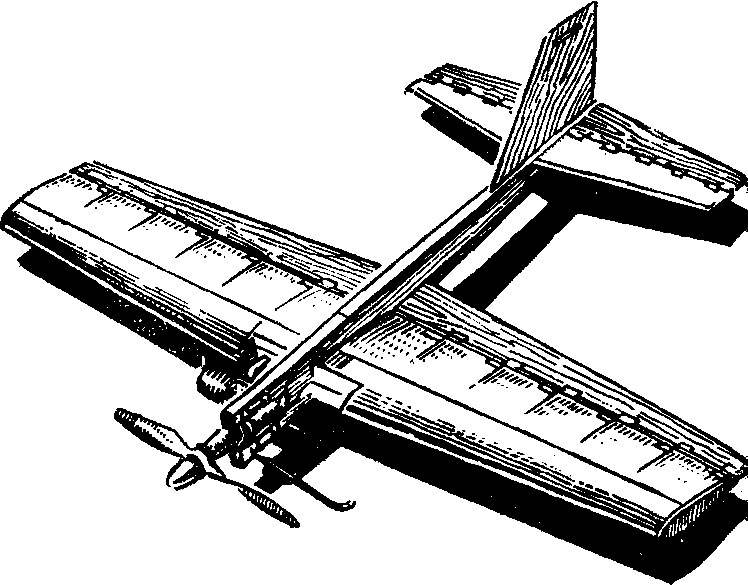 This “bouzoukia” developed in the aeromodelling circle regional station of young technicians in the city of Murmansk. Speaking with her at the regional competitions, an eighth-grader Sasha of Beidou became the champion among students. Design feature — a fiberglass sock of the wing, much increasing its survivability.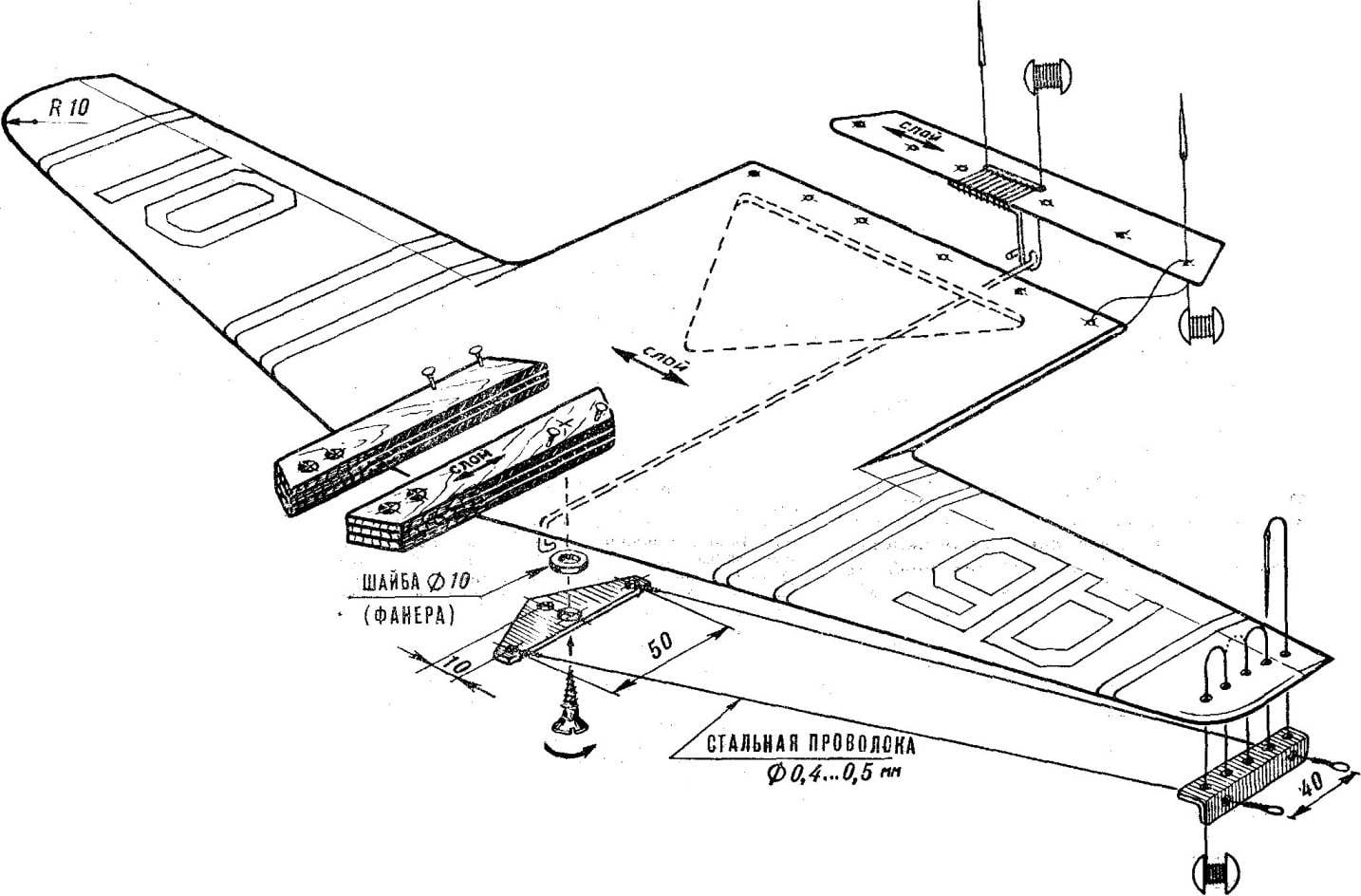
 This simple and reliable model was developed in the Chisinau children’s club “Firefly” under the leadership of Alexander Pavlovich Marchenko.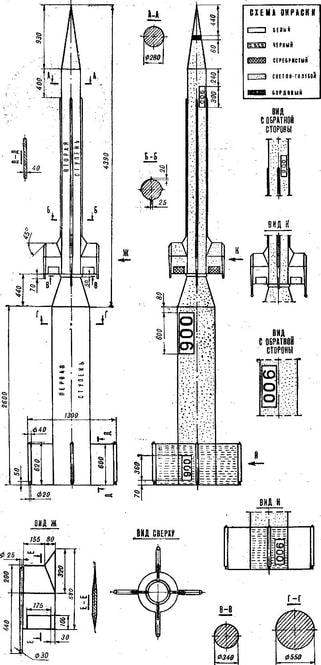
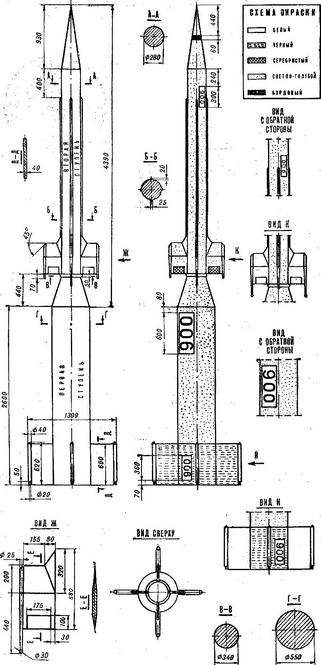 The sounding rocket “Dragon III” — two-step. The engines of both stages is solid. The mass of the fuel engine of the first stage (start) — 686 kg. the rocket Starts with the ramp installation. Eight aerodynamic stabilizers (four for each stage) provide stable flight. Measuring apparatus weighing 30-90 kg is placed in the head part. Missile launch weight — 1184 kg. Maximum altitude: 7000 m. the flight Time is 440 C. length of the rocket varies depending on the mass of the apparatus and is of 6.99—8,16 m.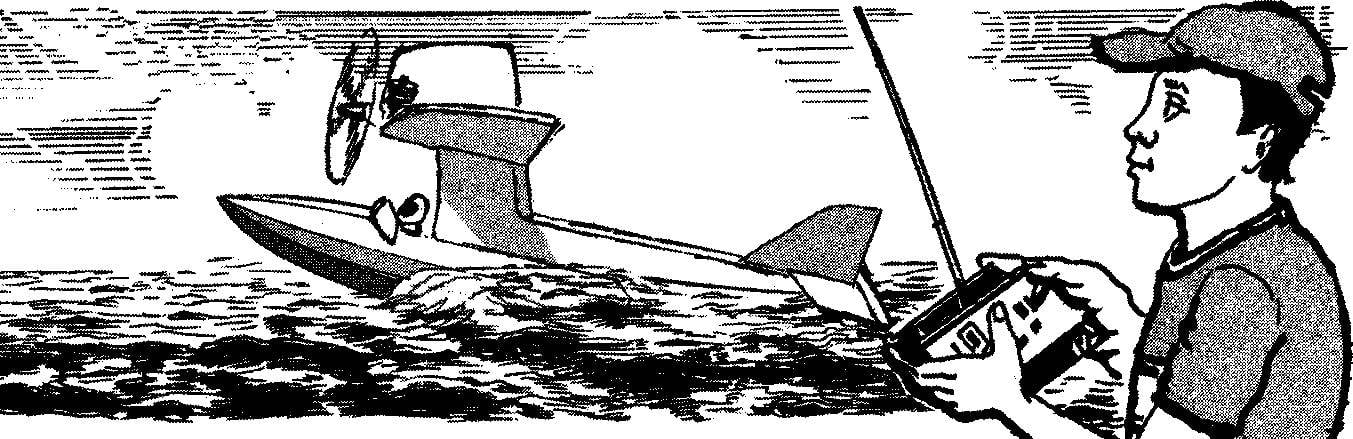
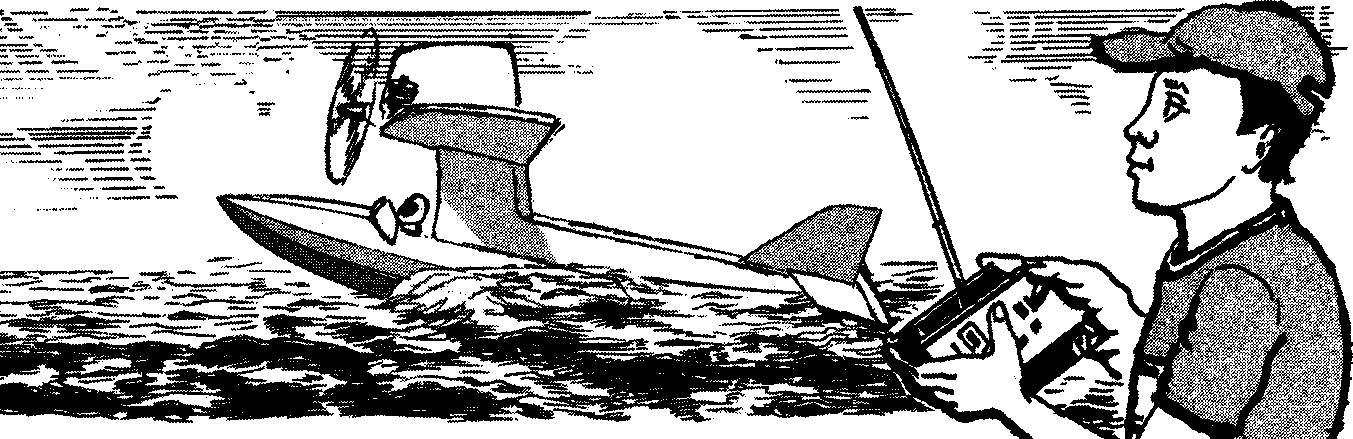 In the literature on model airplanes is not so much focus on radio-controlled models of seaplanes, although, in practice, many enthusiasts prefer them purely “land”, considering the “waterfowl” more interesting for manufacturing and piloting. Many of them also refer to the usability of such models compared to those that are equipped with wheel chassis, because “land” is not everywhere possible to find a large enough area with asphalt or concrete path for takeoff and landing. While any aquadrome — a pond, lake or river to find not so difficult. In addition, experts argue that take-off and landing in the water are not in the example easier.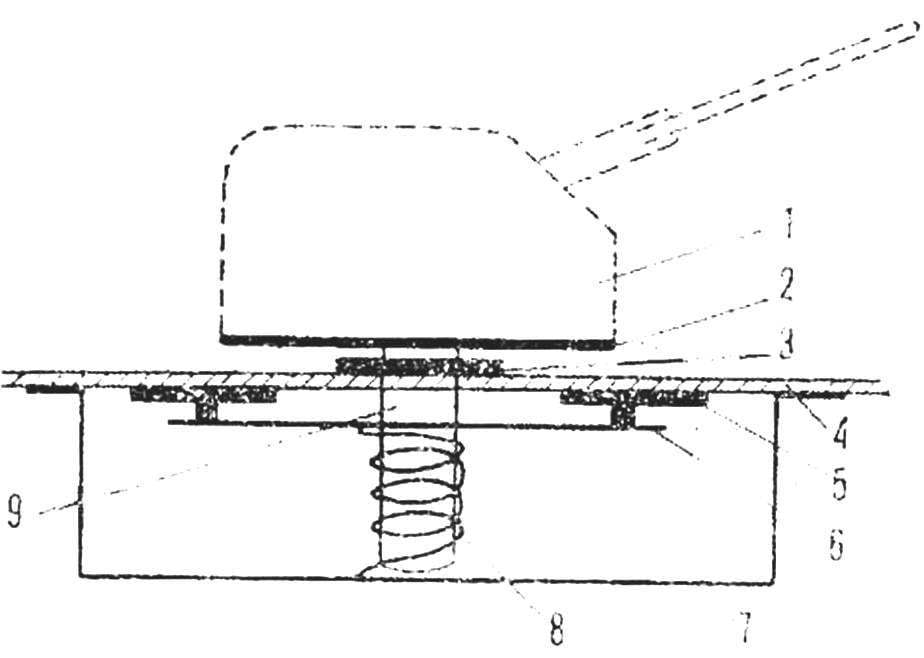
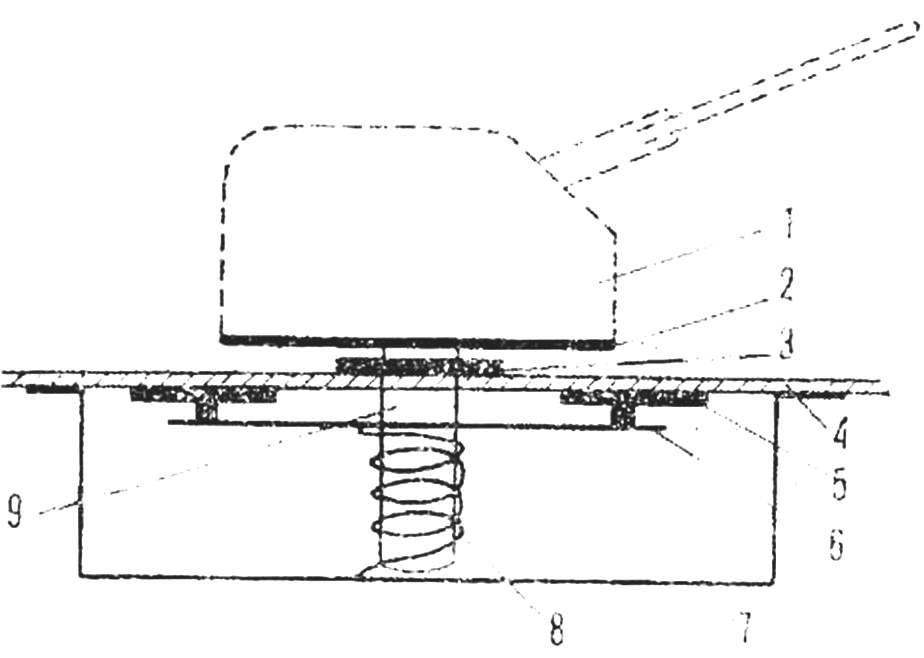 Instead of installing switches ship modelers often put on the deck bare conductors or put the bulky switches. Naturally, these alien items spoil the appearance of the model. At the station of young technicians of the city of Sochi for many years put on an improvised model of the microswitches (see figure), Tali. Then put the spring and install the bracket-holder. The deck clip is fastened with copper rivets. The switch is ready. Connecting the wires, you can test the reliability of his work.
 A large variety of schemes and designs of radio controlled raketoplana can be divided into three groups. The first is a classic, airborne with the Elevator control and ailerons. The second scheme, a “frame”. The third aircraft with a V-shaped stabilizer. Of the above schemes interesting is the design of the model rocket glider class Ѕ8Т/R Englishman Michael Francesa, made on a frame with an inverted V-shaped stabilizer, this is due to the lower engine. This design of the tail helps to protect it from fire plume when working MRD. Will tell about this rocket plane more.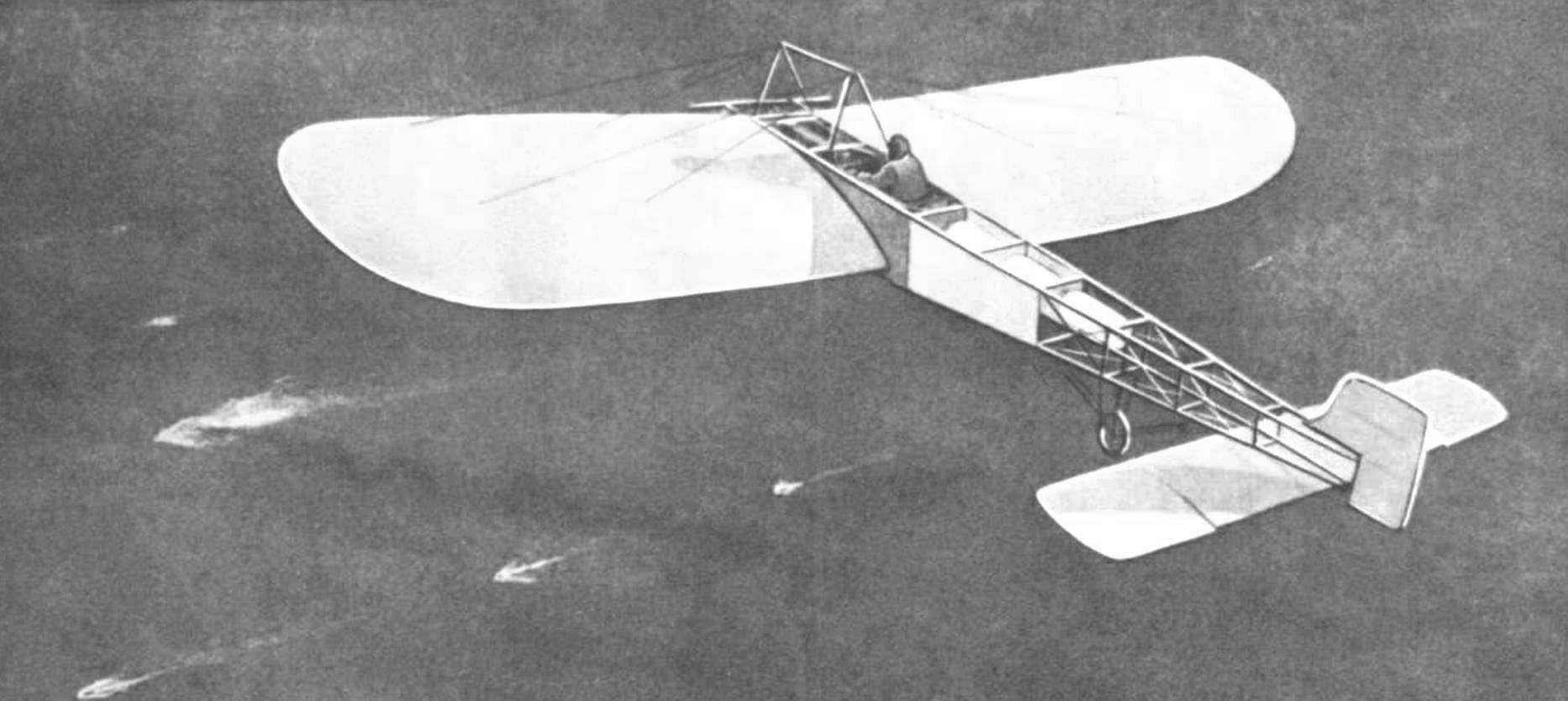
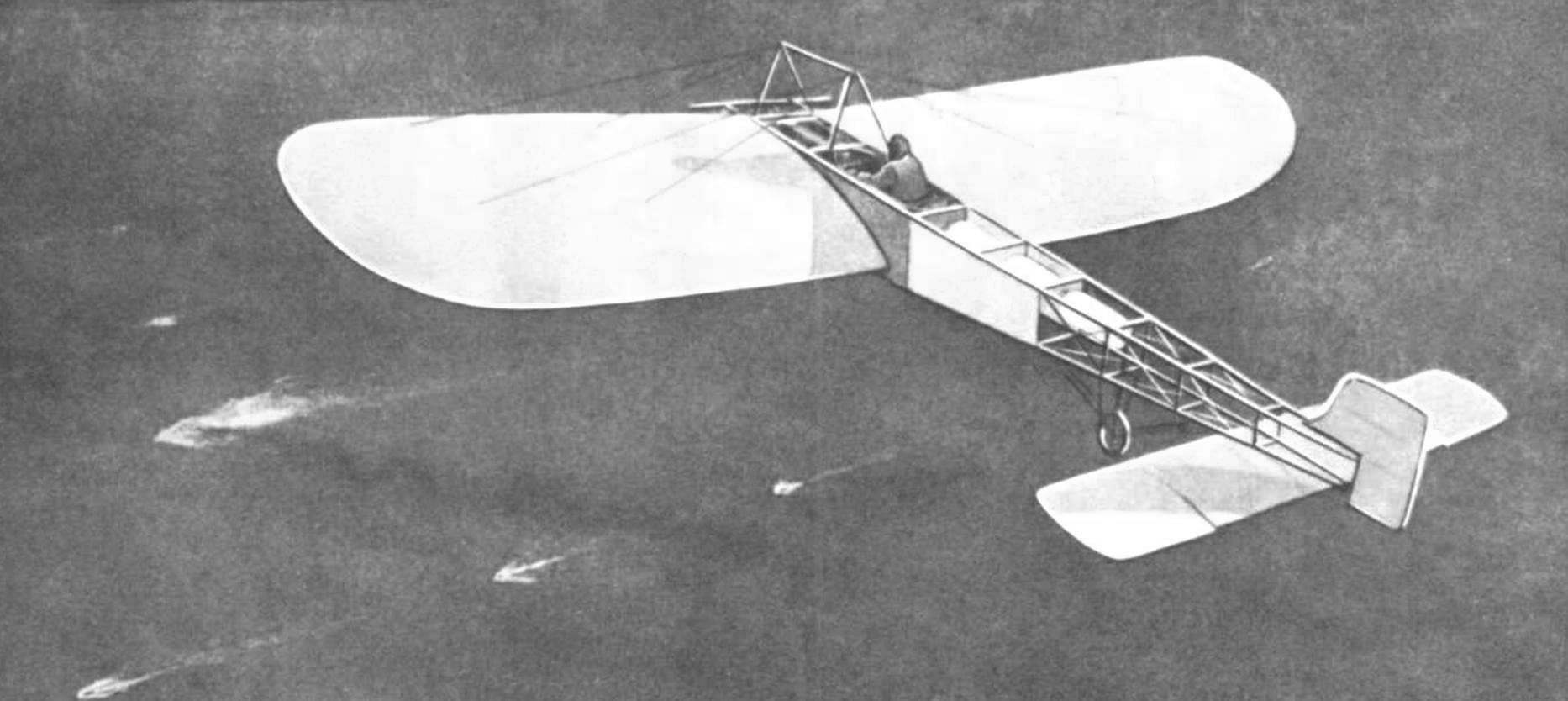 Any machine is not born suddenly starts with something more simple. It happened with the plane-monoplane. Its forerunner was destined to become a flying model. Was 1887. Professor of physics and astronomy, scientific Secretary of the Smithsonian scientific Institute of Washington Samuel Pierpont Langley was seriously interested in issues of flying heavier than air. Having done a series of aerodynamic experiments to test model wings for vertical installation — “revolving machine” Langley was engaged in the construction of flying models. But first, he carefully studied everything that was already reached before him, in particular flying models are heavier than air, which were built in 70-ies in France. At that time the greatest success in model experiments reached the Frenchman Alphonse Peno, first to use rubber motor for rotating the propeller of a model aircraft, and Austrian Wilhelm Kress.