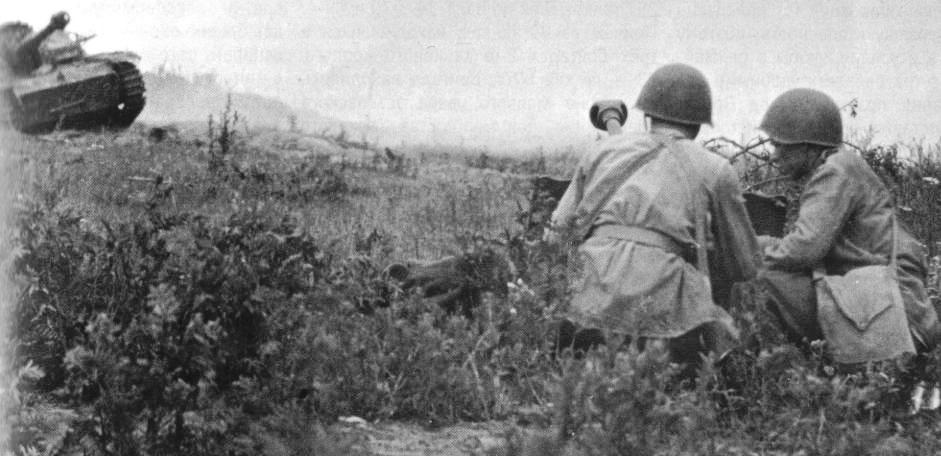
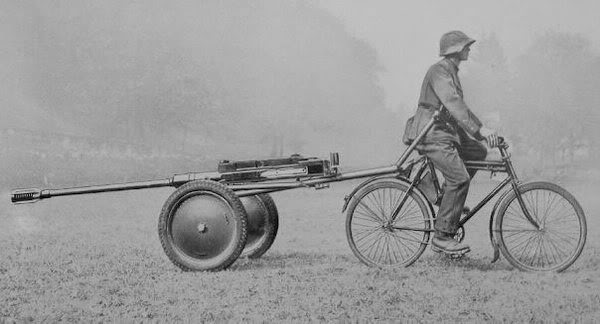
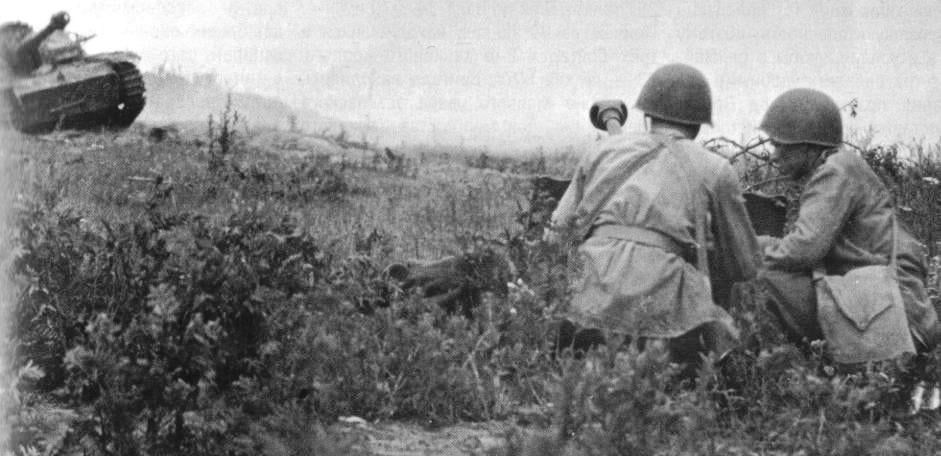
 Heavy duty anti-tank gun BOB-25. The famous “sorokopyatki” — 45 mm 19K anti-tank gun of the sample in 1932 and its upgraded version 53K model 1937 was in fact the only anti-tank guns by June 22, 1941. Ballistics and armor-piercing 45-mm antitank gun 53K was relatively good, but its 560-kg mass was too big even for battalion guns. However, the platoon consisting of two such guns that were part of many infantry battalions.
WITH POLYGON — IN THE MUSEUM
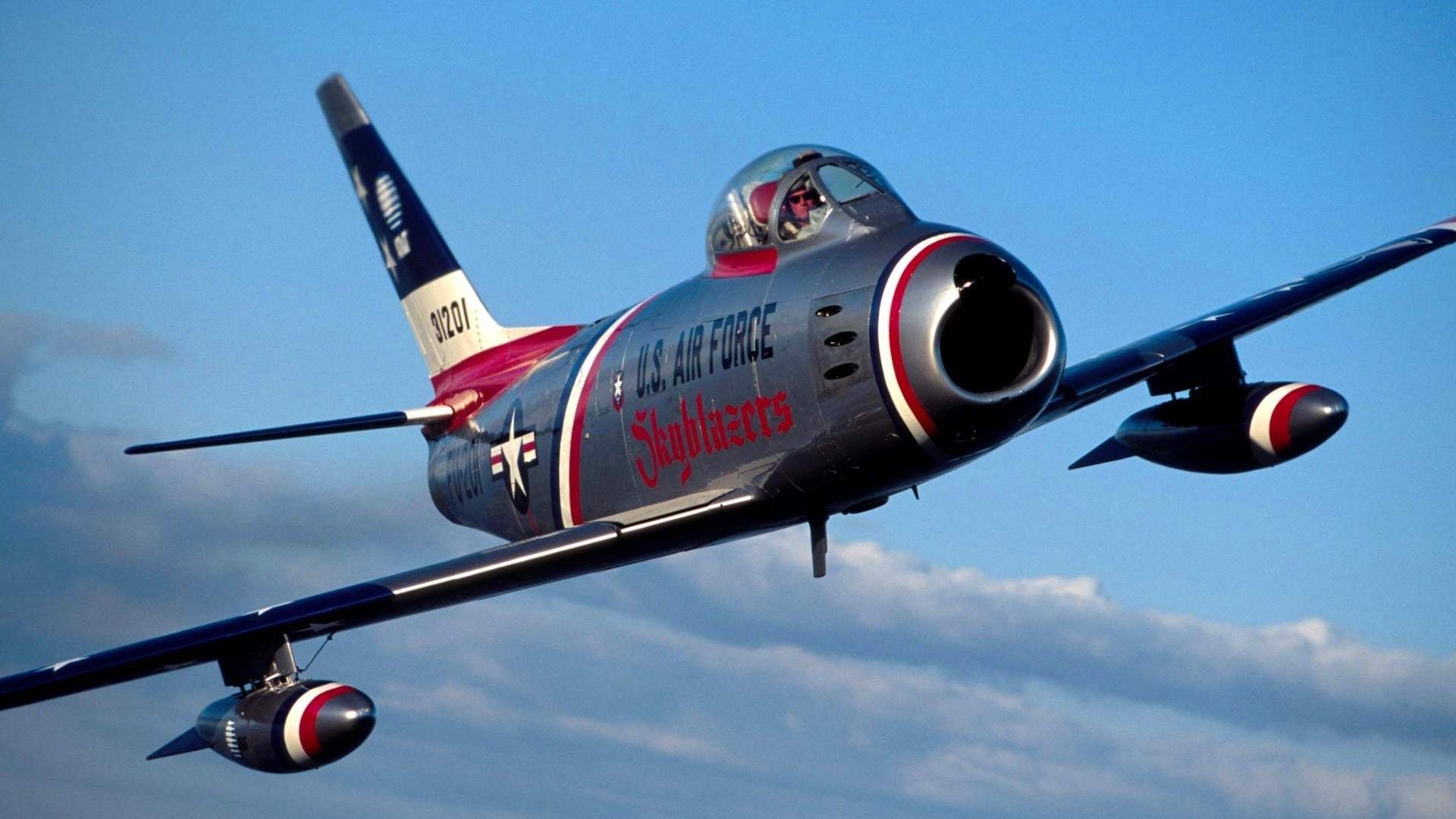
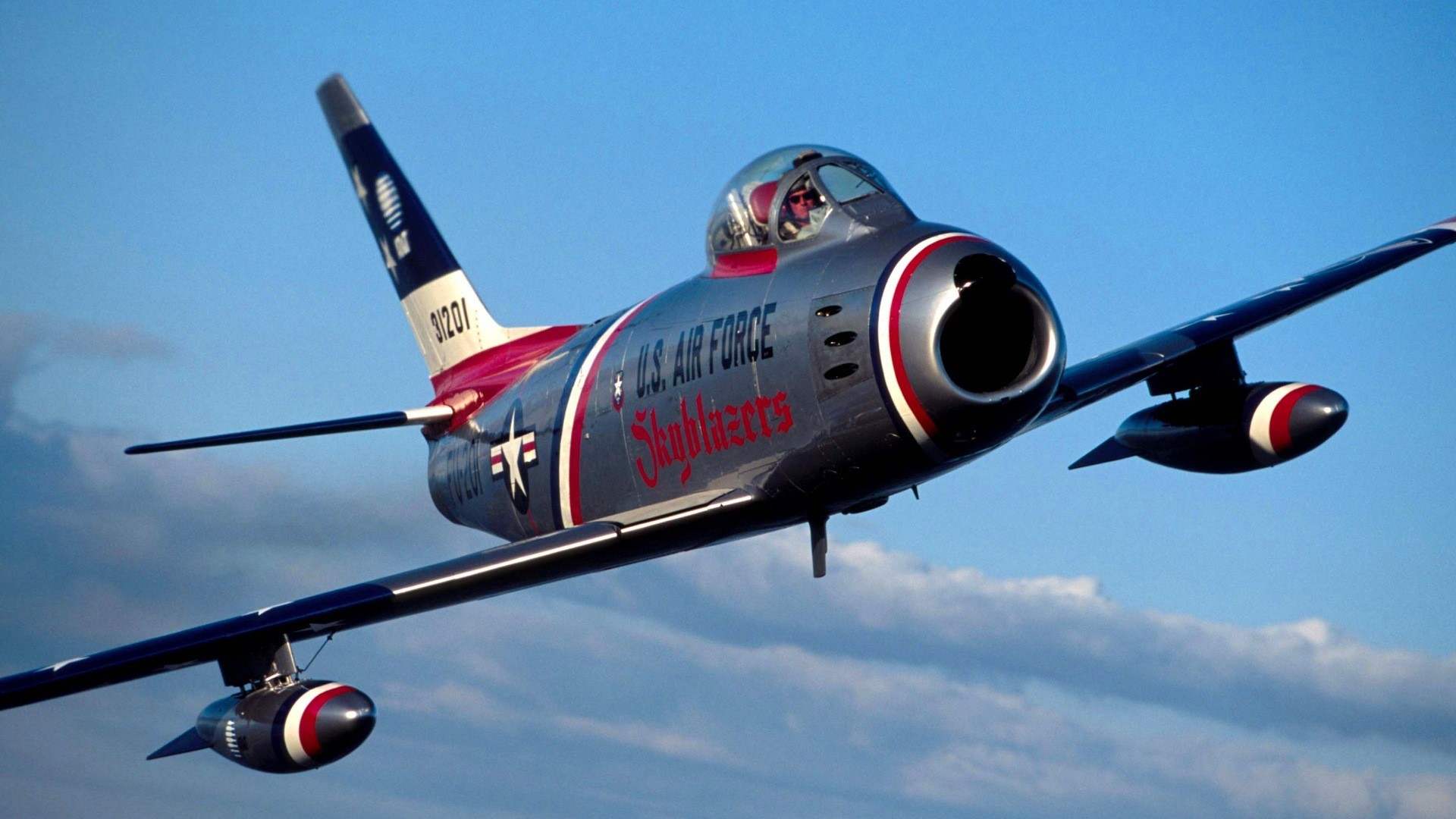 The F-86 sabre, built by North American over half a century ago, without any exaggeration, is the most famous American jet aircraft of the last century. Widespread fame brought him not only the Korean war, which began his fighting career, but also huge volumes of serial production, only built more than 7000 pieces. The last flying F-86 was withdrawn from service in 1993, setting a record in flight longevity, and several fighters who are in private collections, fly so far.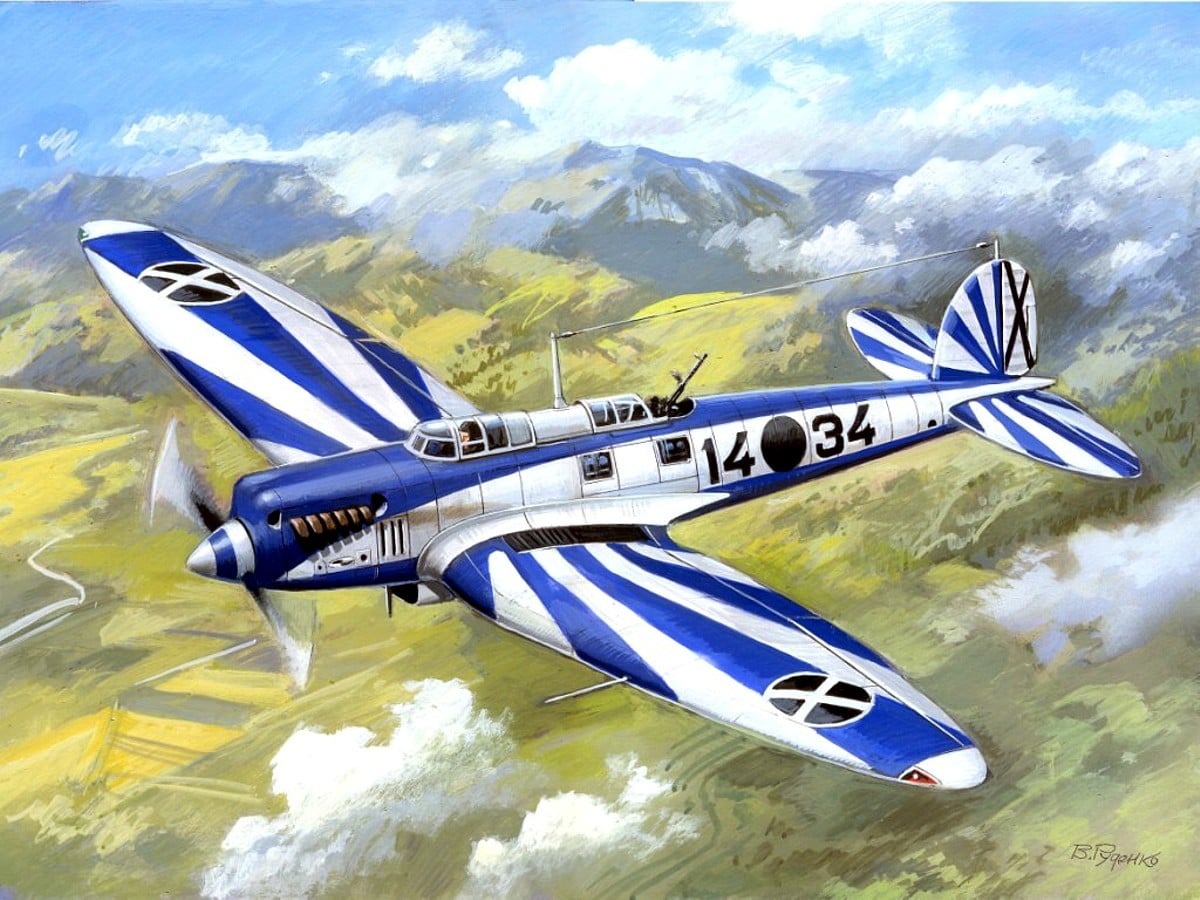
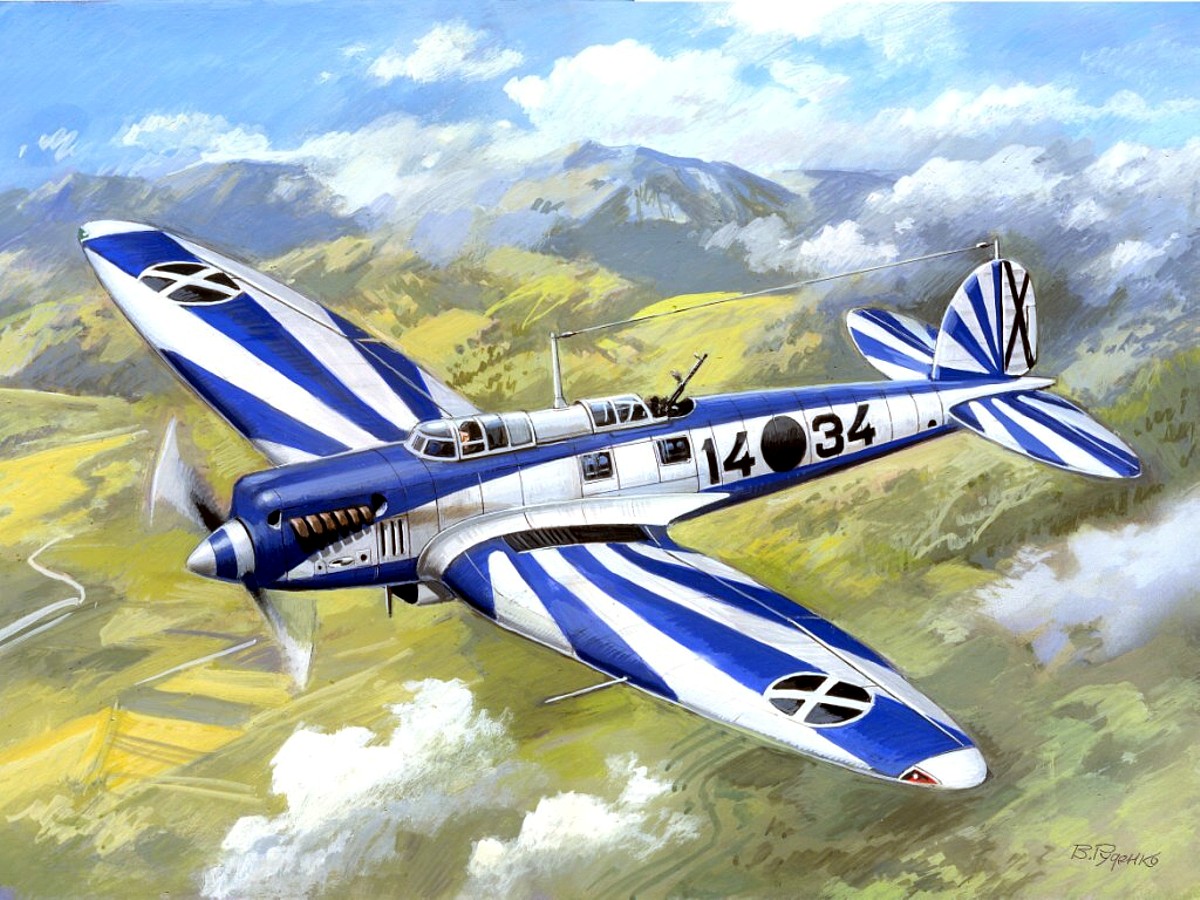 High-speed scout-bomber-70 BLITZ. One of the most famous planes created by the German firm Heinkel (Ernst Heinkel Flugzeugwerke GmbH) in the early 30-ies of the last century, became a high-speed scout-bomber Not-70. Its development was initiated by Lufthansa, which sought to acquire passenger aircraft, surpassing its characteristics are an American six-seat machines ORION 9 Lockheed company.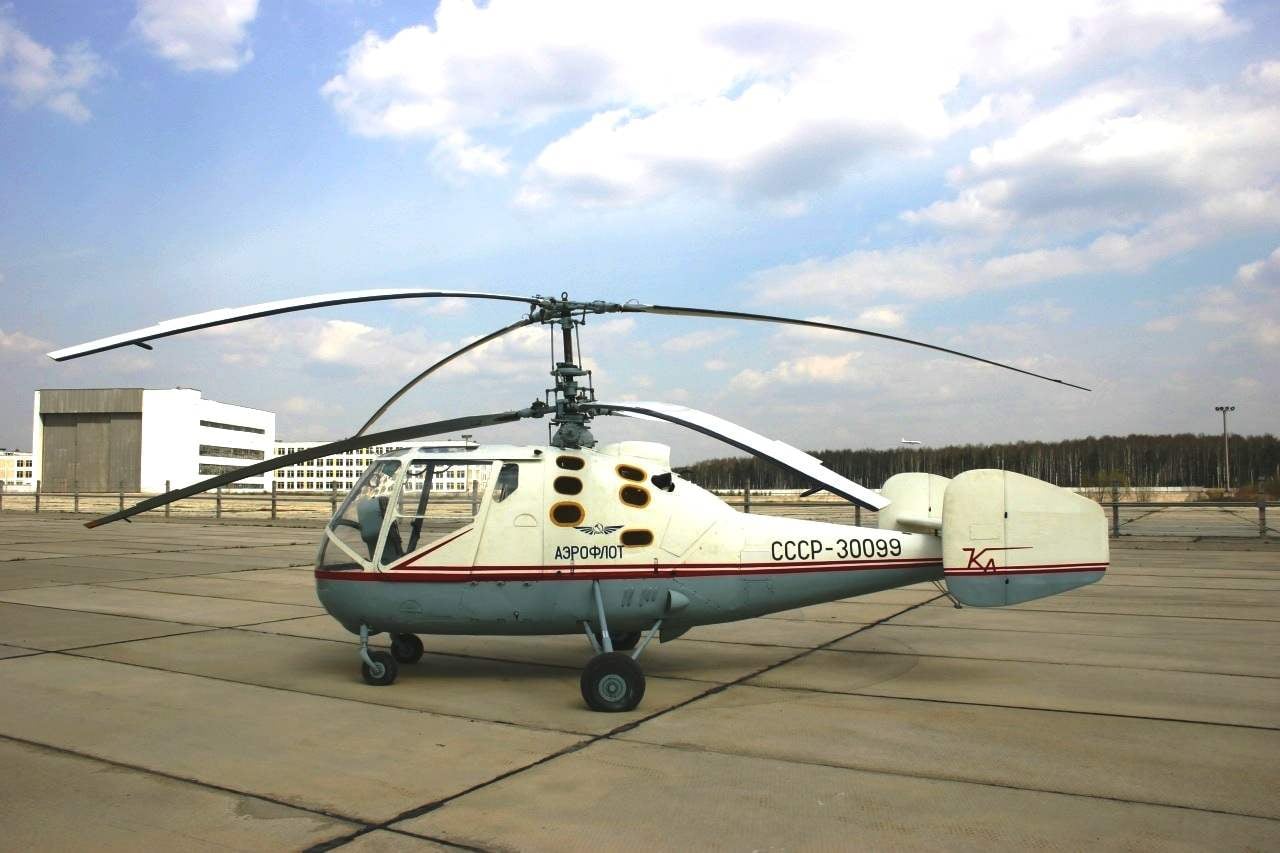
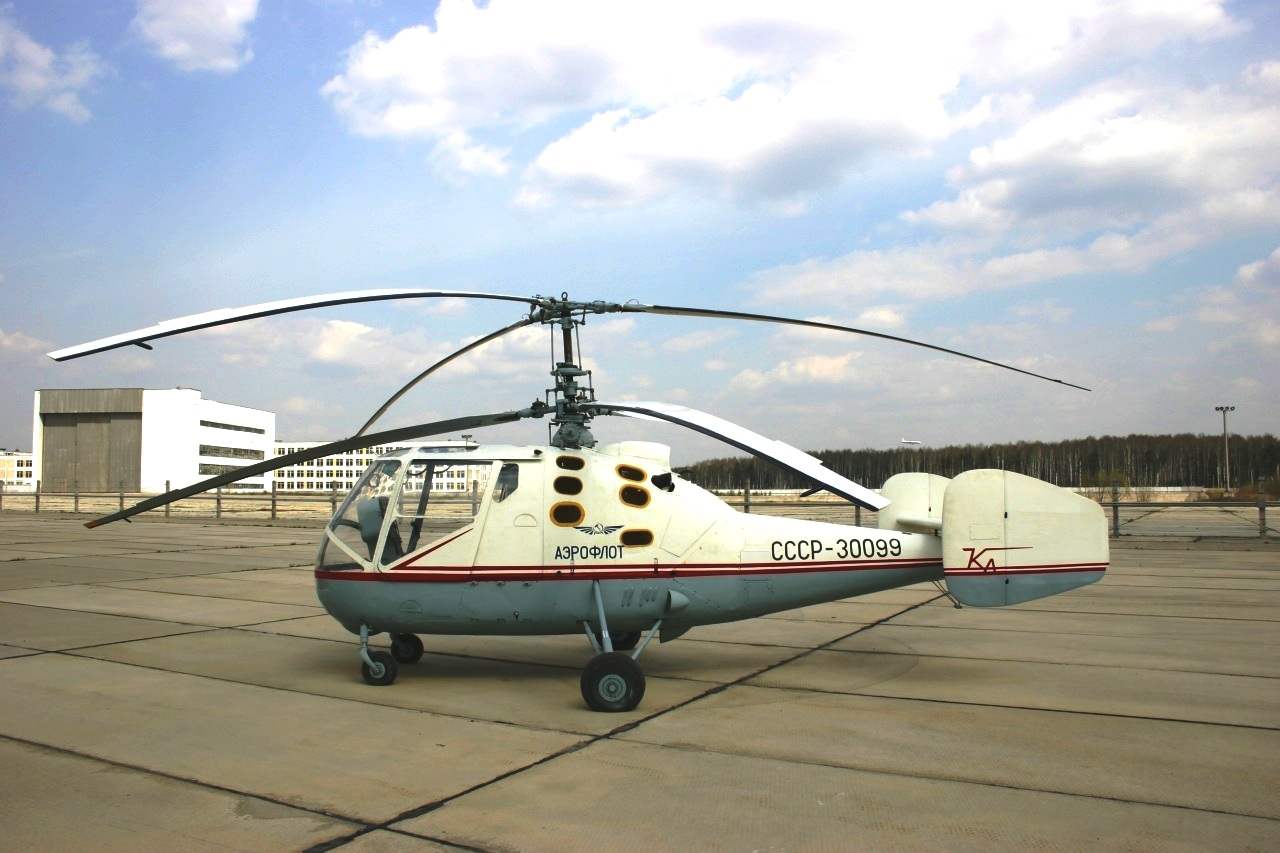 The first experimental coaxial helicopter construction.And.Kamov, who headed at that time, the Bureau of new technology of TSAGI, took to the air in 1947. In 1948 N. And.Kamov continued to work as chief designer of the specialized design Bureau. And in 1953 there was built and tested helicopter, which became a turning point for EDO— Ka-15. It was a double unit coaxial with the engine AI-14V power of 255 HP design A. I. Ivchenko.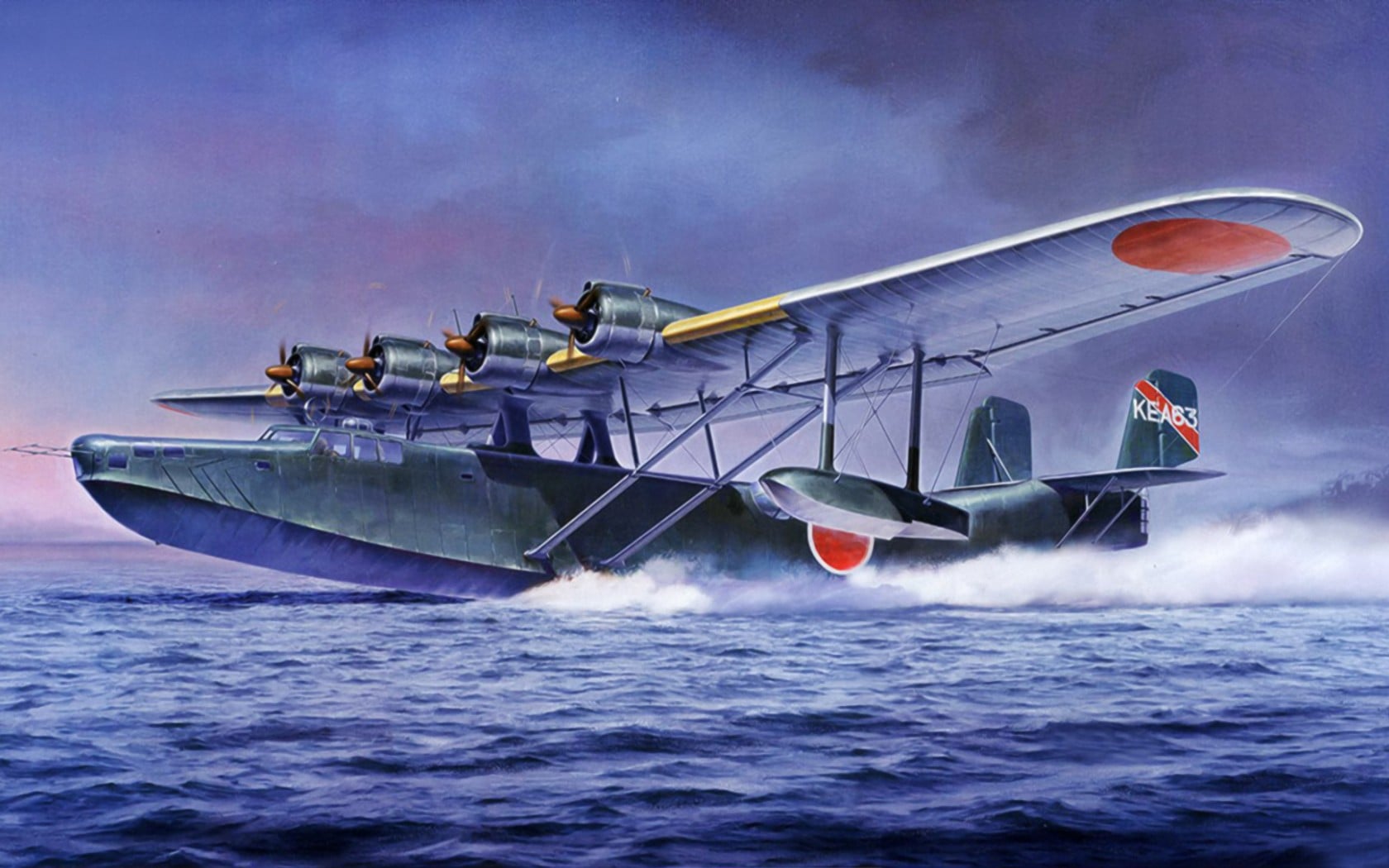
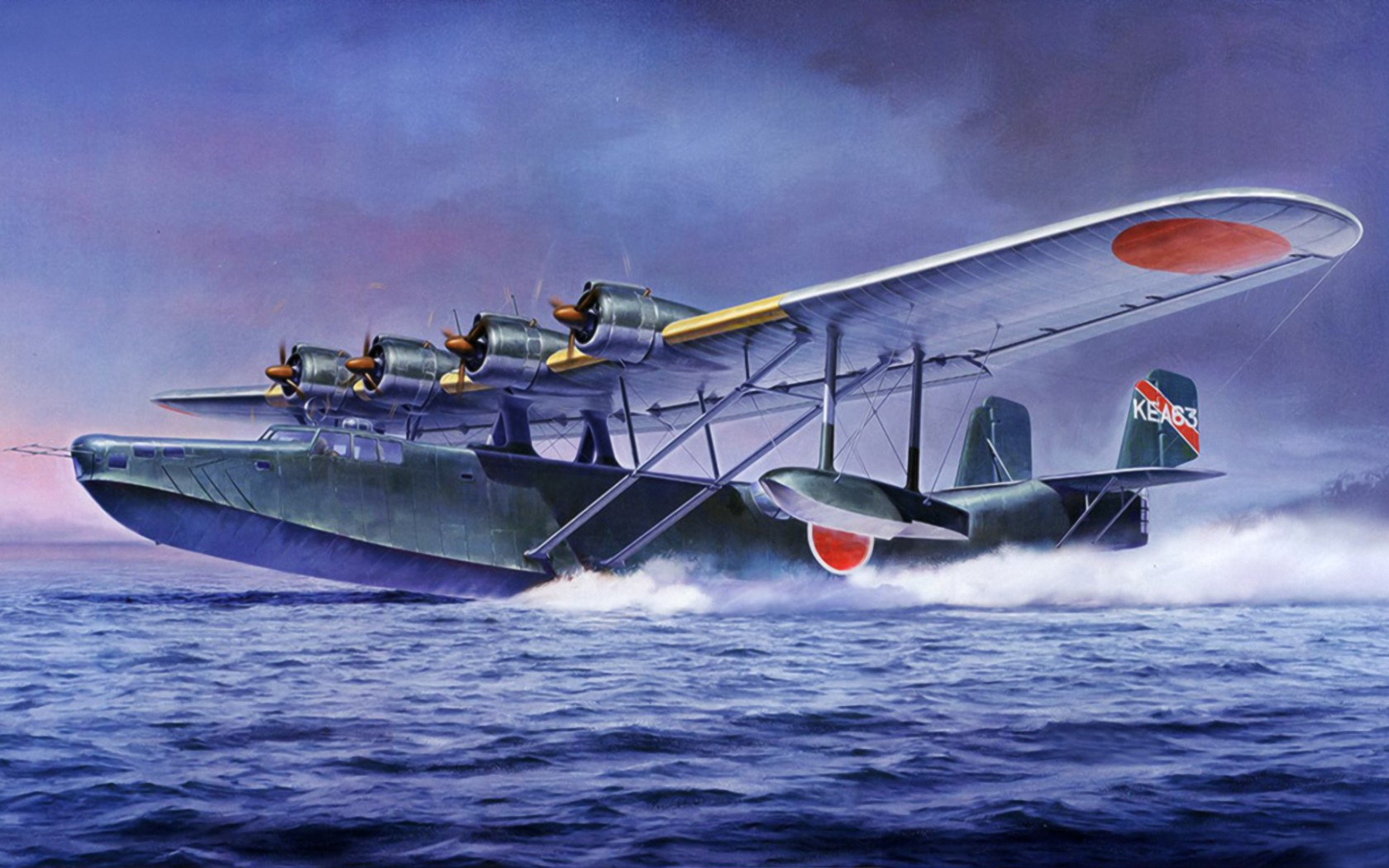 The seaplane Kawanishi H6K and H8K. On the eve of the Second world war, Japan was among the few countries, which fleet was armed with large multi-engined flying boats ocean class. The need for such aircraft for Japan was conditioned by geographical position of the country and the enormous Maritime areas to which it applied.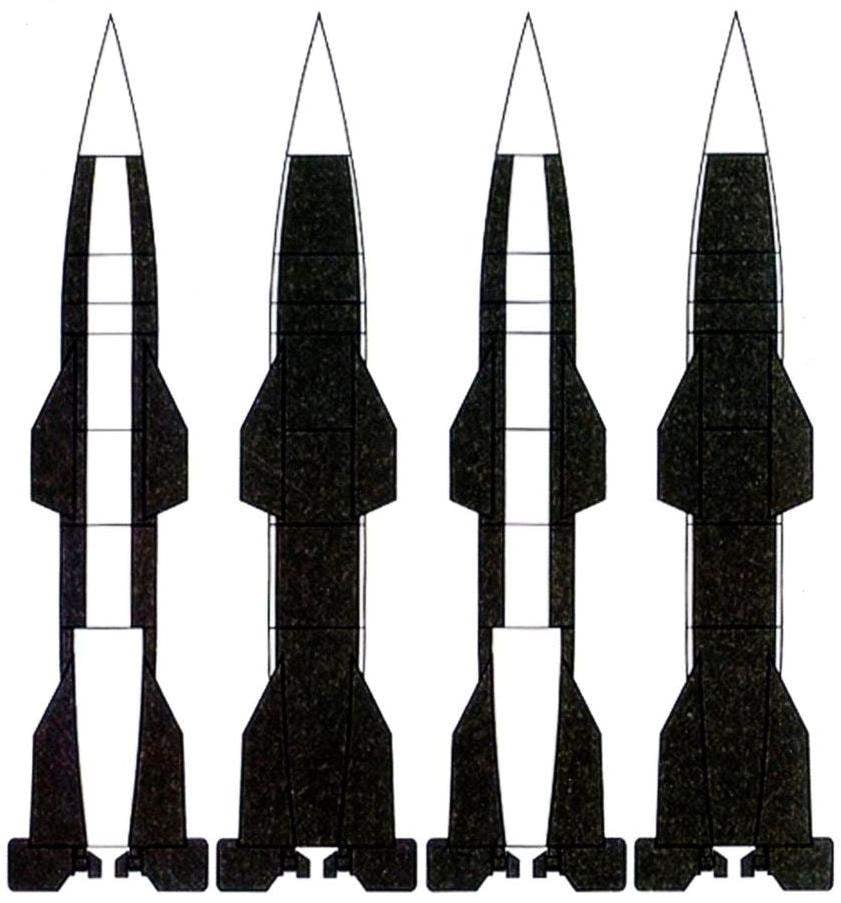
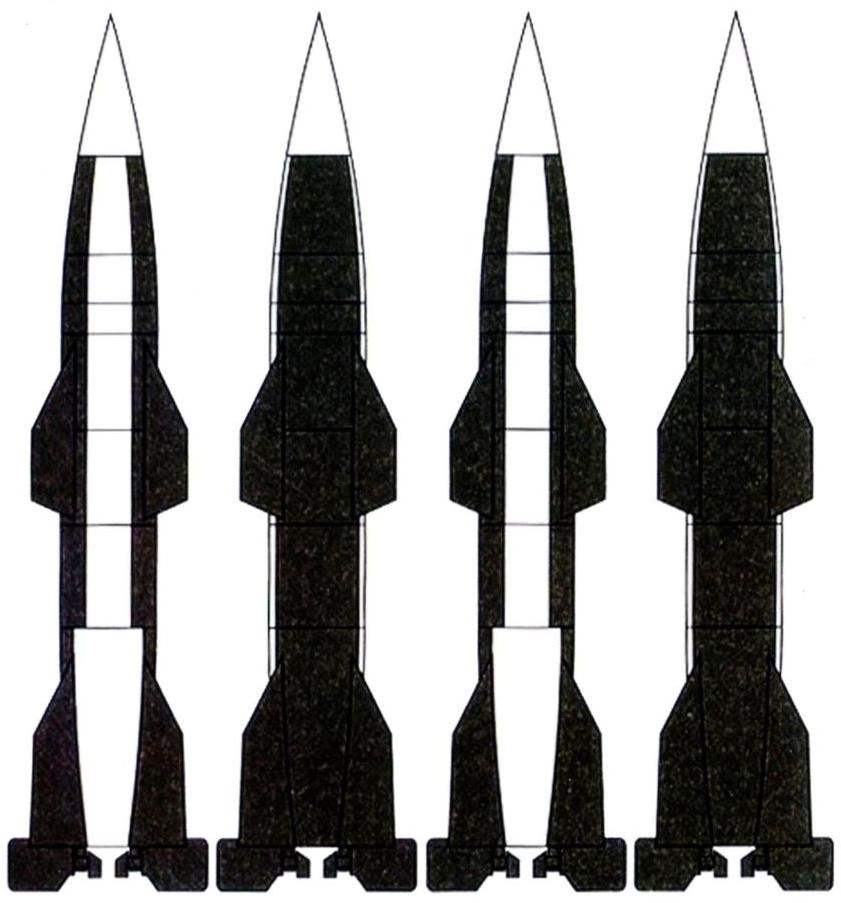 In the development of controlled anti-aircraft weapons of Germany during the Second world war, of course, surpassed all other countries. Work in this direction started there quite early and was based on a high level in the development of German science and technology. September 1, 1942, appeared the Memorandum of the inspector General, defenses of General von Axhelm, supported by Goering, who provided the following directions: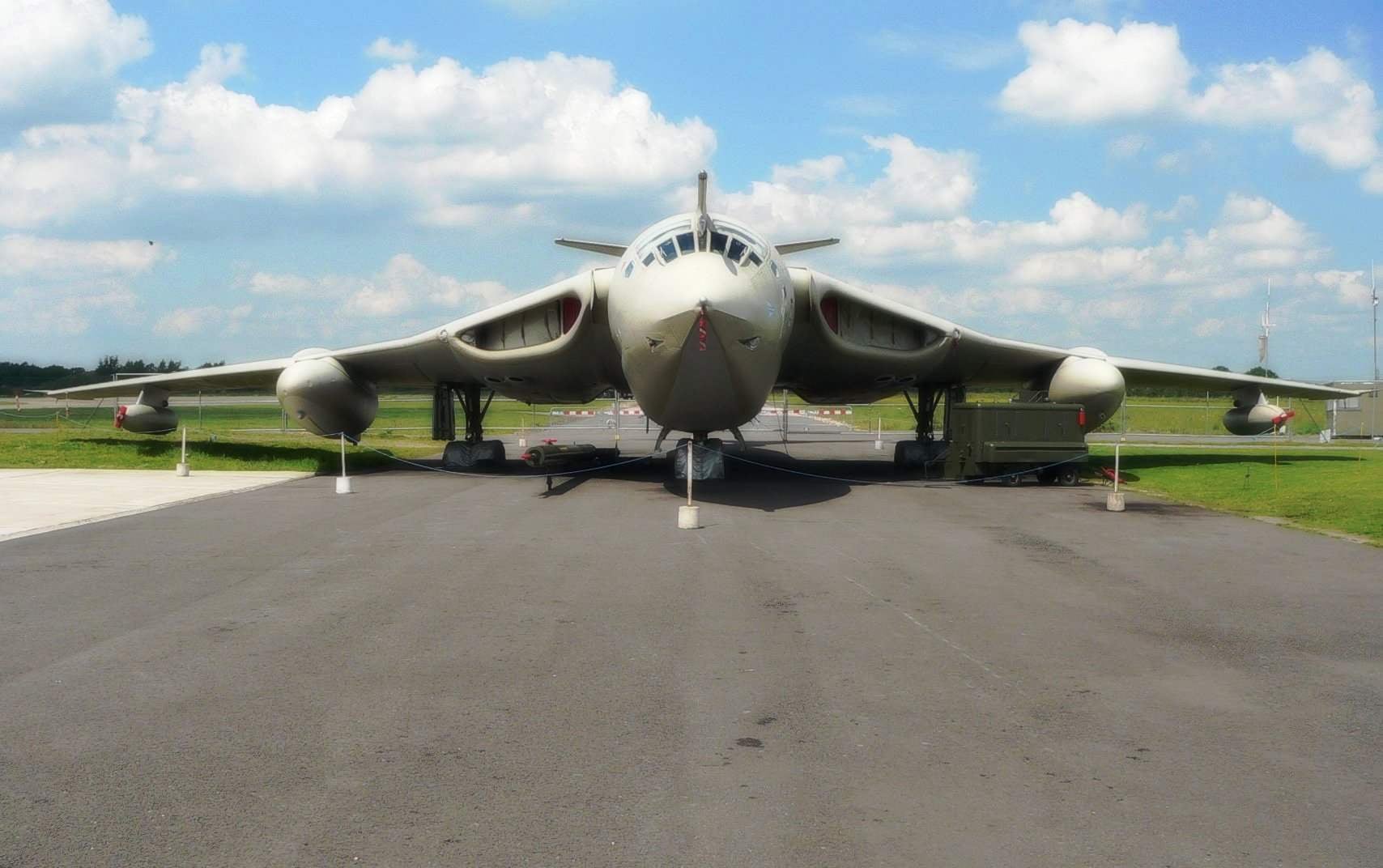
 Bomber Handley Page VICTOR. In January 1947 at a meeting Jen 163— secret of the governmental Committee the UK the decision was made to separate the development of the atomic bomb. It followed the refusal of the Americans to pass the English government materials in design and production of nuclear weapons. The plans of the Committee for the development of the first combat of the sample bomb was given five years, and by 1957 it was supposed to produce about 200 atomic bombs.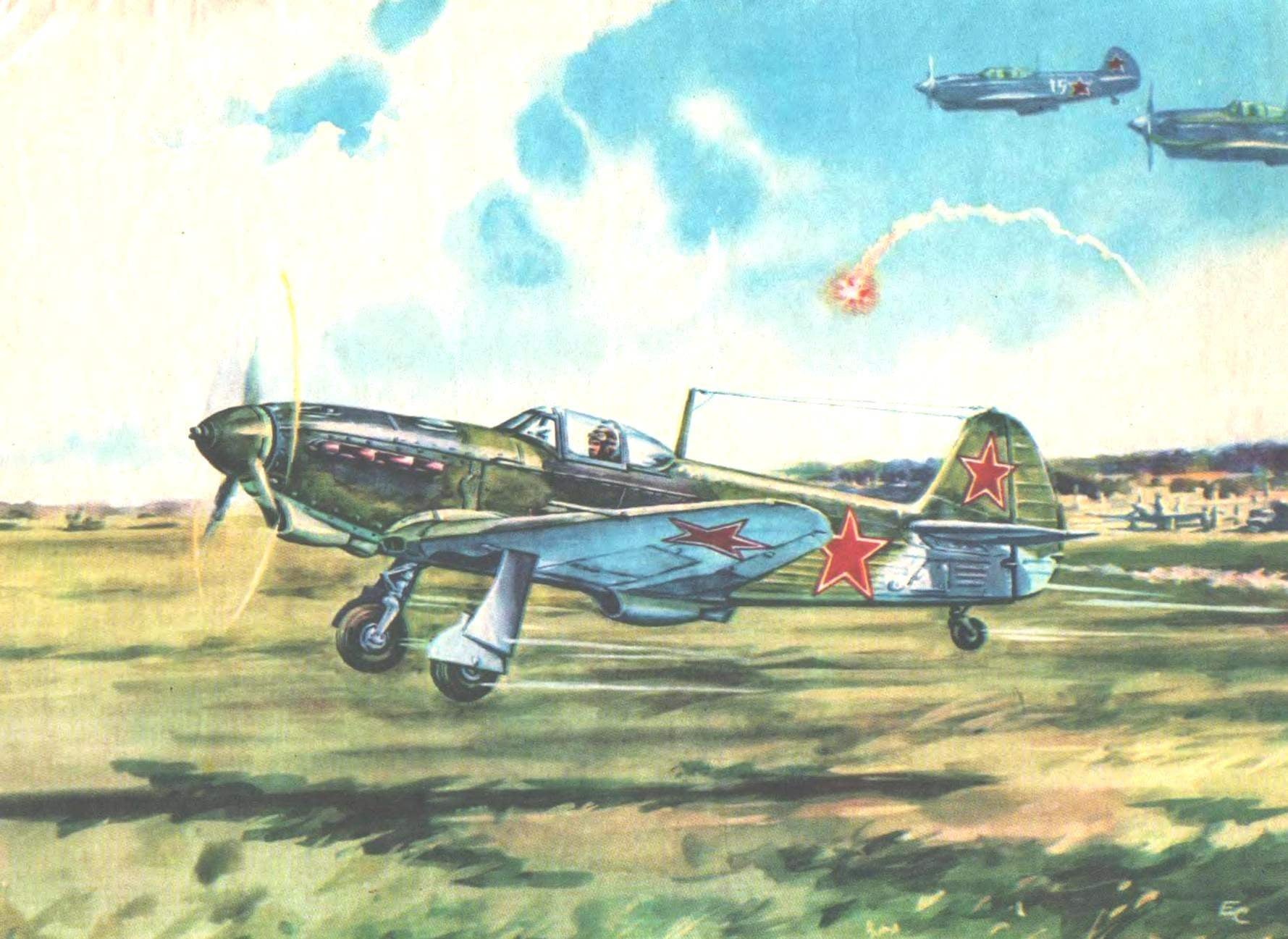
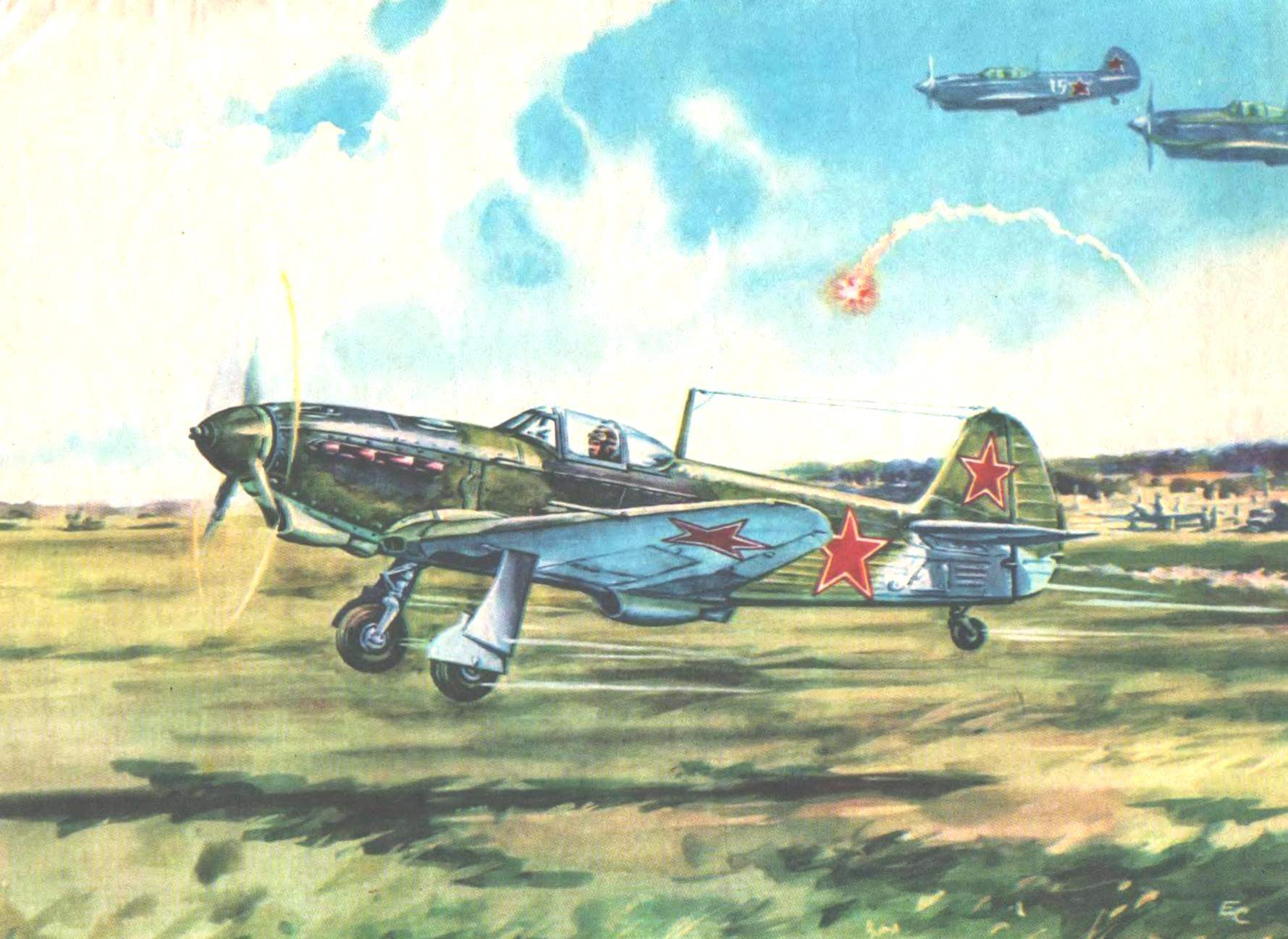
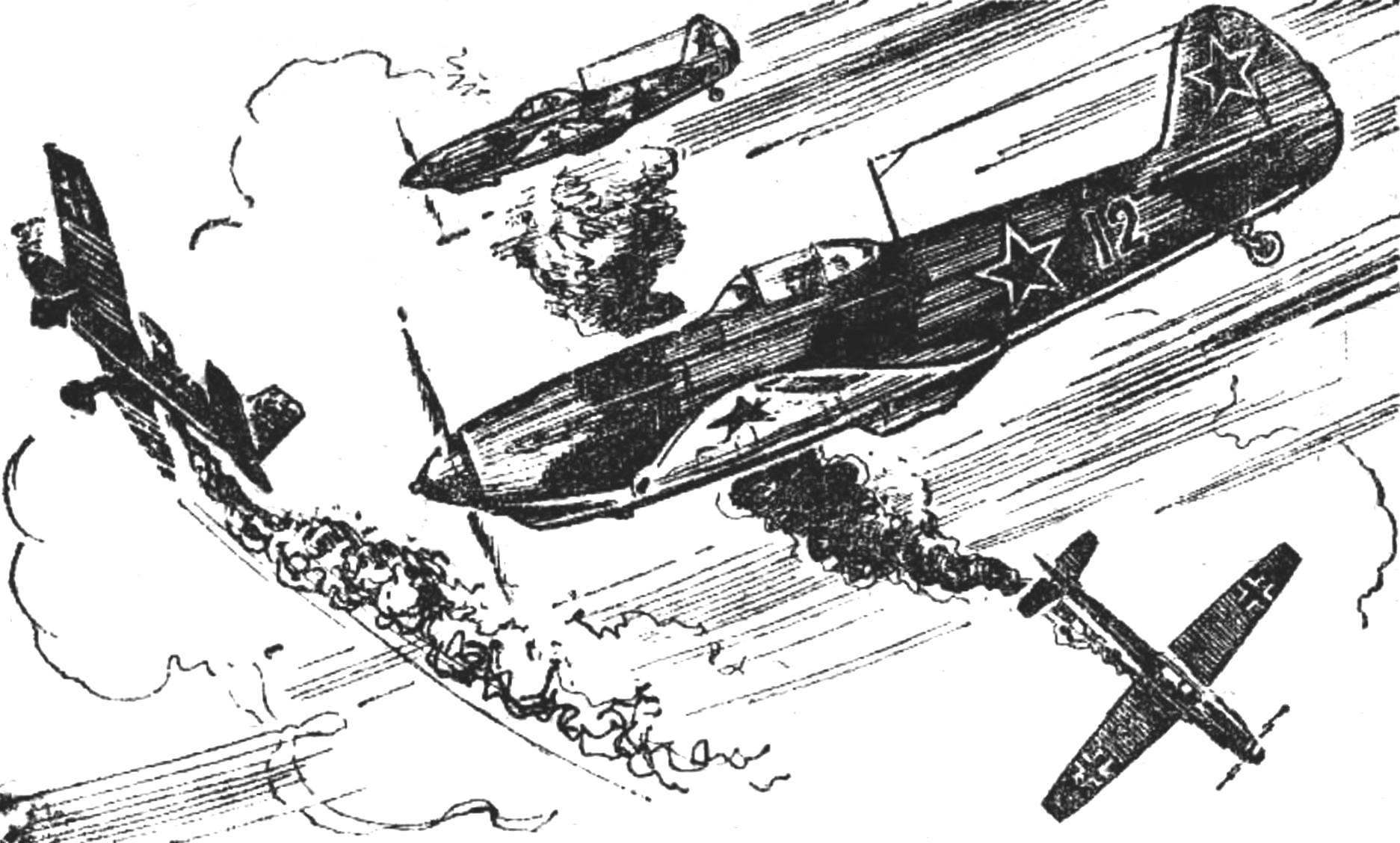 In early 1939 the Soviet government put before the Soviet aircraft the task to accelerate the creation of new samples of military equipment. Special attention was paid to the fighters. That’s why for developing them came from the leading aircraft.
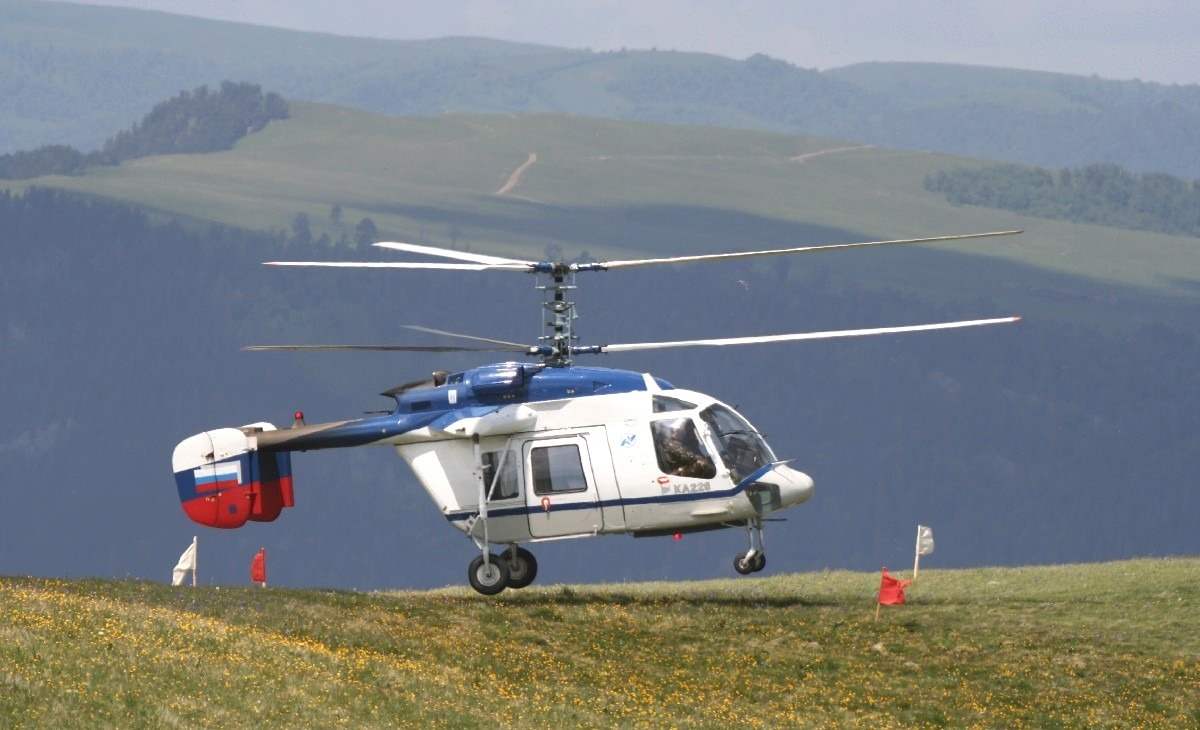 Universal multipurpose coaxial helicopter Ka-226 can be used in the transport, medical, agricultural and patrol variants. The multiplicity of application is provided not by modifying the model, and directly to the same specific machine — a large set of easy-to-assemble equipment installed on the fuselage of the machine, which acts as a universal base.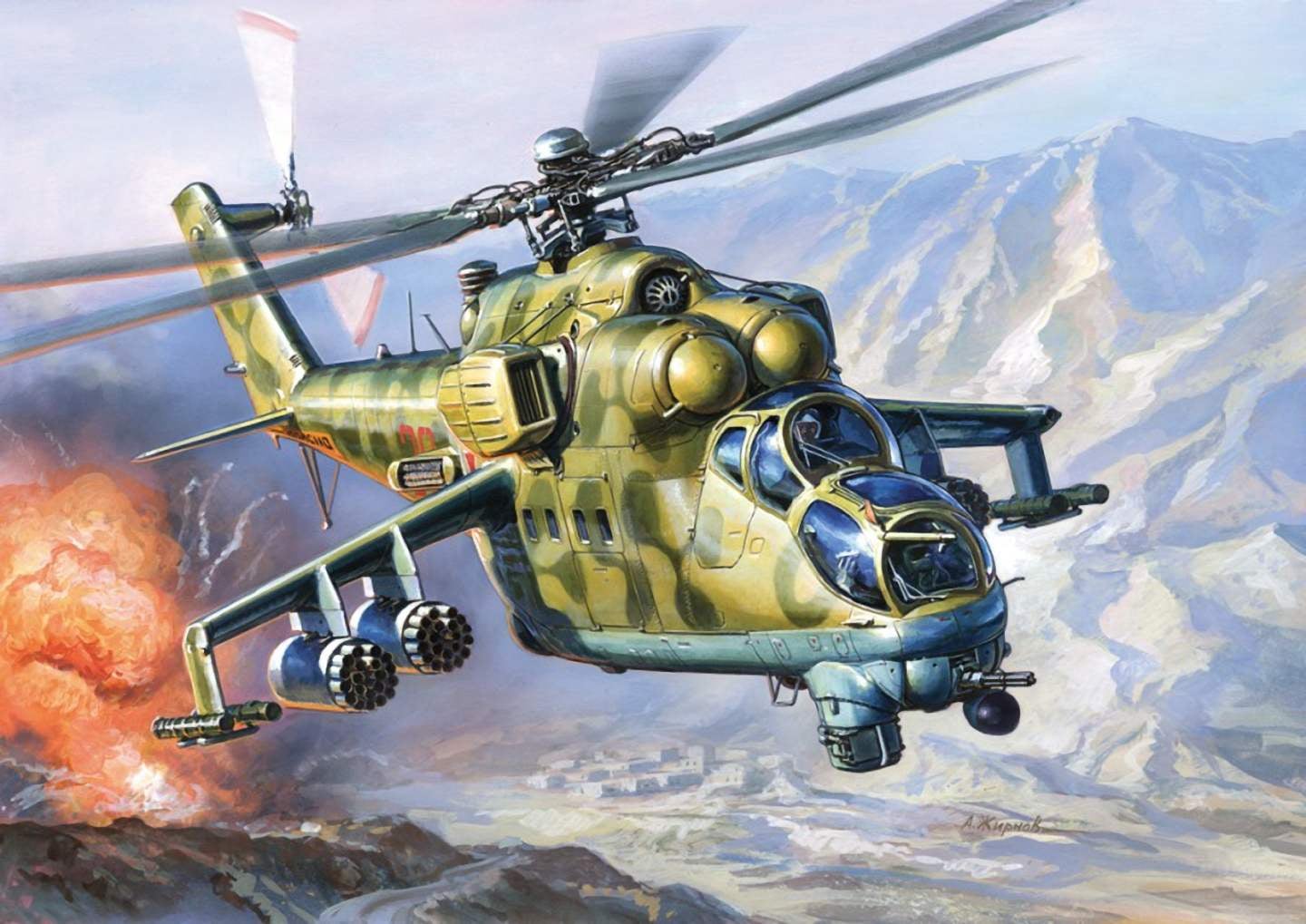
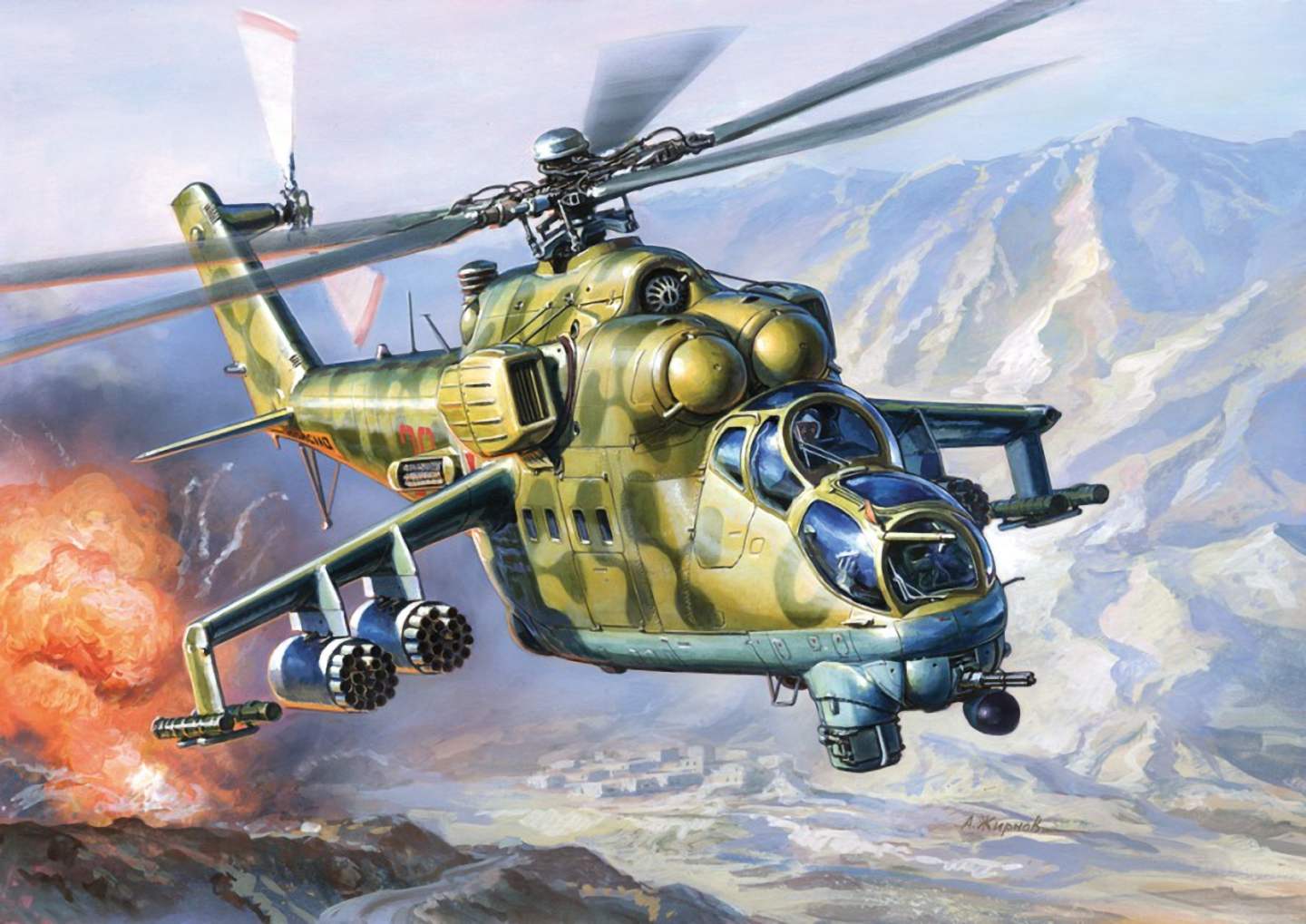
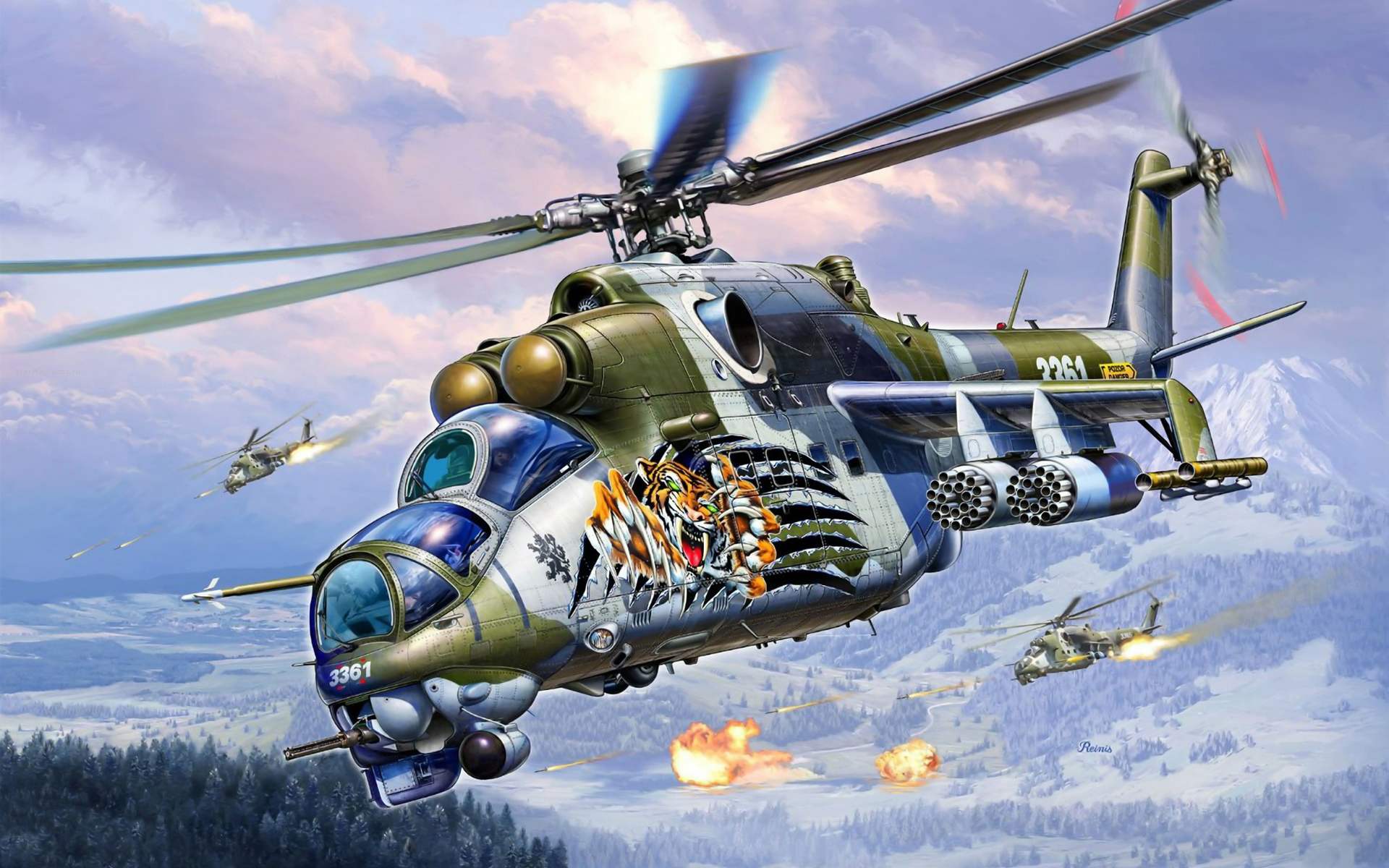 The first flight of the new military troop transport helicopter, which later received the name Mi-24, was held on 15 September 1969, and in 1970, began its mass production. In the military machine became available in 1973. In the 70-ies of the Mi-24 was the fastest helicopter in the world — on one of its options was an absolute record of speed of 367 km/h.