 The emergence of nuclear submarines dramatically changed the balance of forces at sea, not only between countries but also between classes of ships. Indeed, hunters submarines could easily reach speeds sufficient to prosecute his opponent in a submerged position. However, nuclear reactors combined with a new hull shapes were allowed to reach 30 knots and more, available to only the destroyers. Of course, followed by the construction of modern anti-submarine ships, but the advantage is pretty solidly moved to the sources of underwater threats. Lack of range of sonar allowed the submarines in time to escape a dangerous situation. However, as always in the history of arms, and they were equally unpleasant opponent. They became anti-submarine helicopter, which had a huge advantage in speed and the view from the height, especially when using the sonar reentry, which in this case does not prevent the noise of the screws.
THE SECOND COMING OF THE “HYBRIDS”
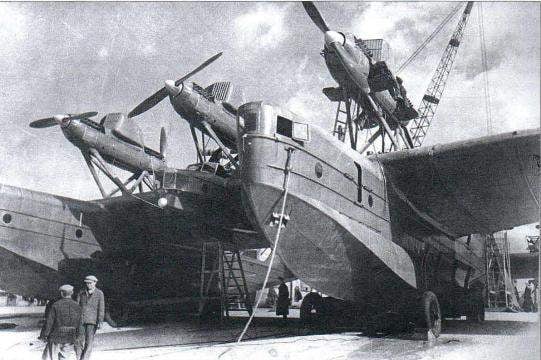
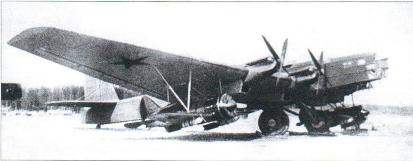
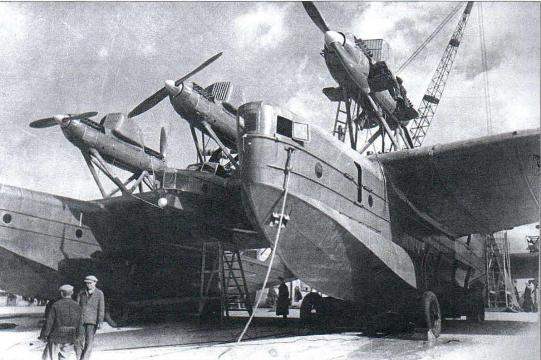 The weakness of the Navy of the USSR in the prewar years, tried to compensate by creating flying cruisers – multi-engined and heavily armed seaplane, able to deal with both surface and underwater ships, ground targets, and engage in mine production. As a result, in July 1931, the air force issued TSAGI reference for the development of seaplane MK-1 (ANT-22) with a lifting capacity of six tons. The plane had to fly at a speed of 300 km/h and have a radius of 1000 km. the Defensive armament was raised from four to five machine guns and two or three guns.
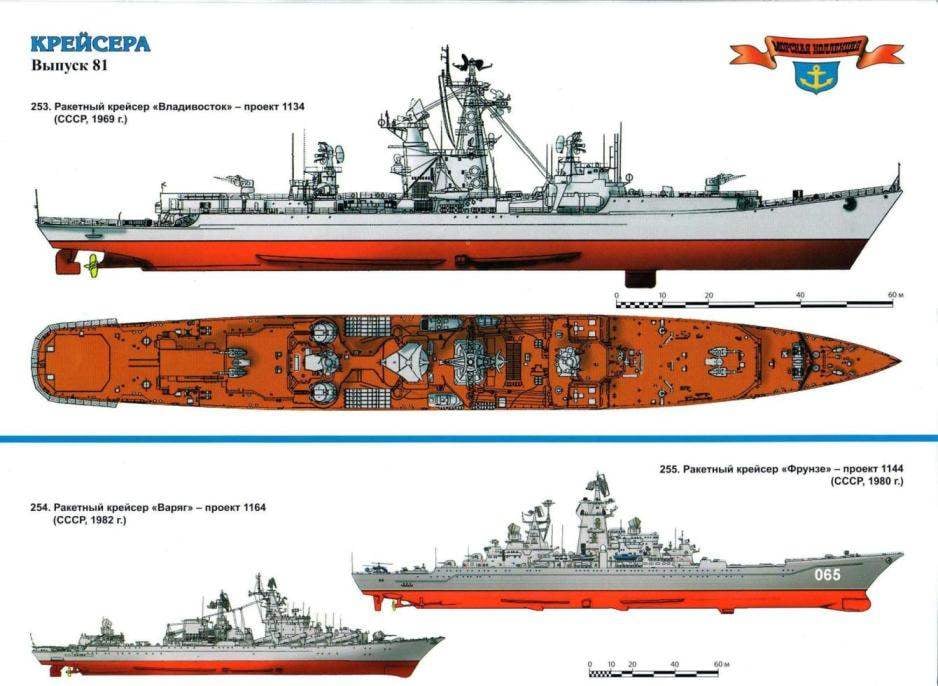
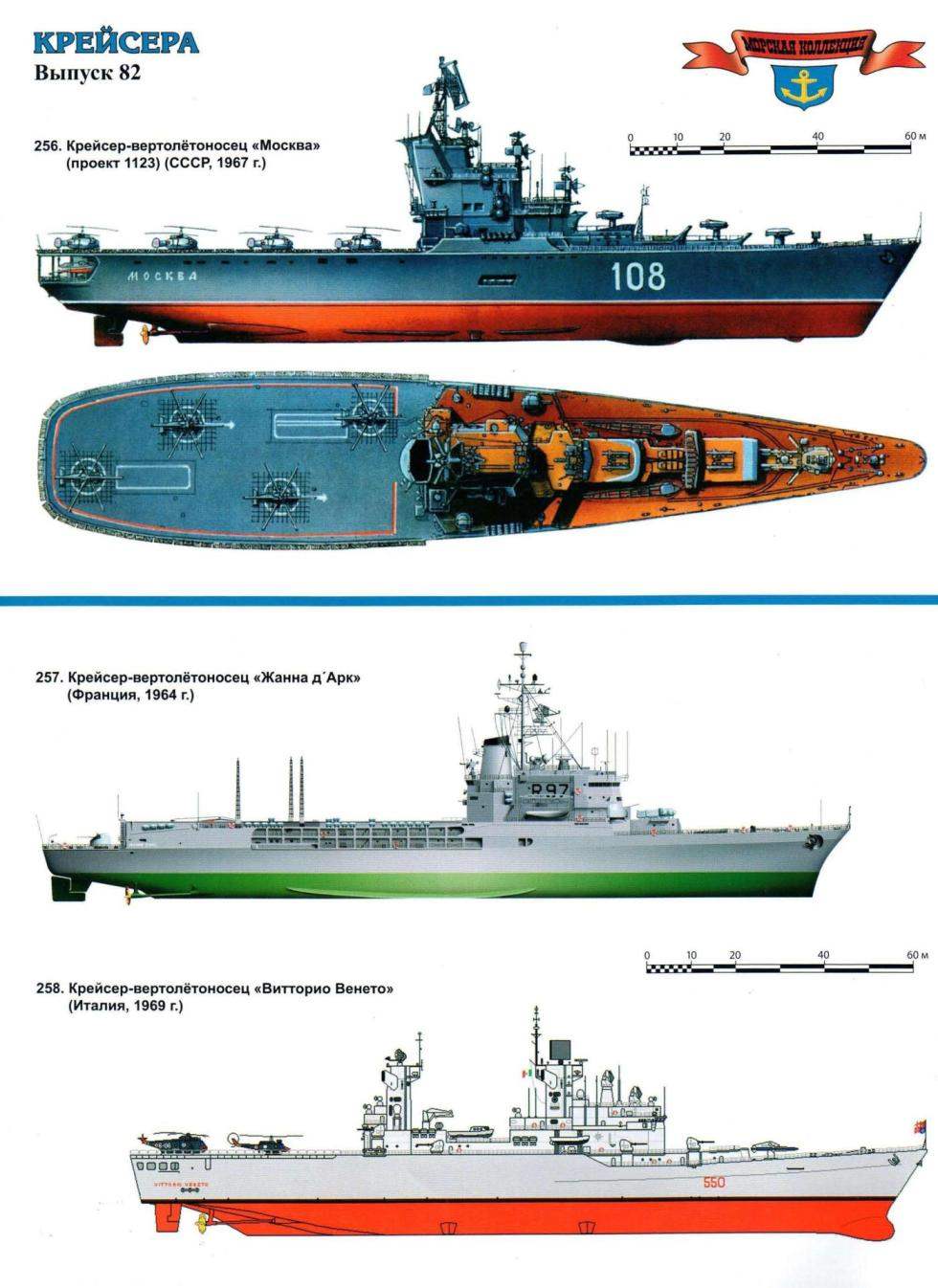
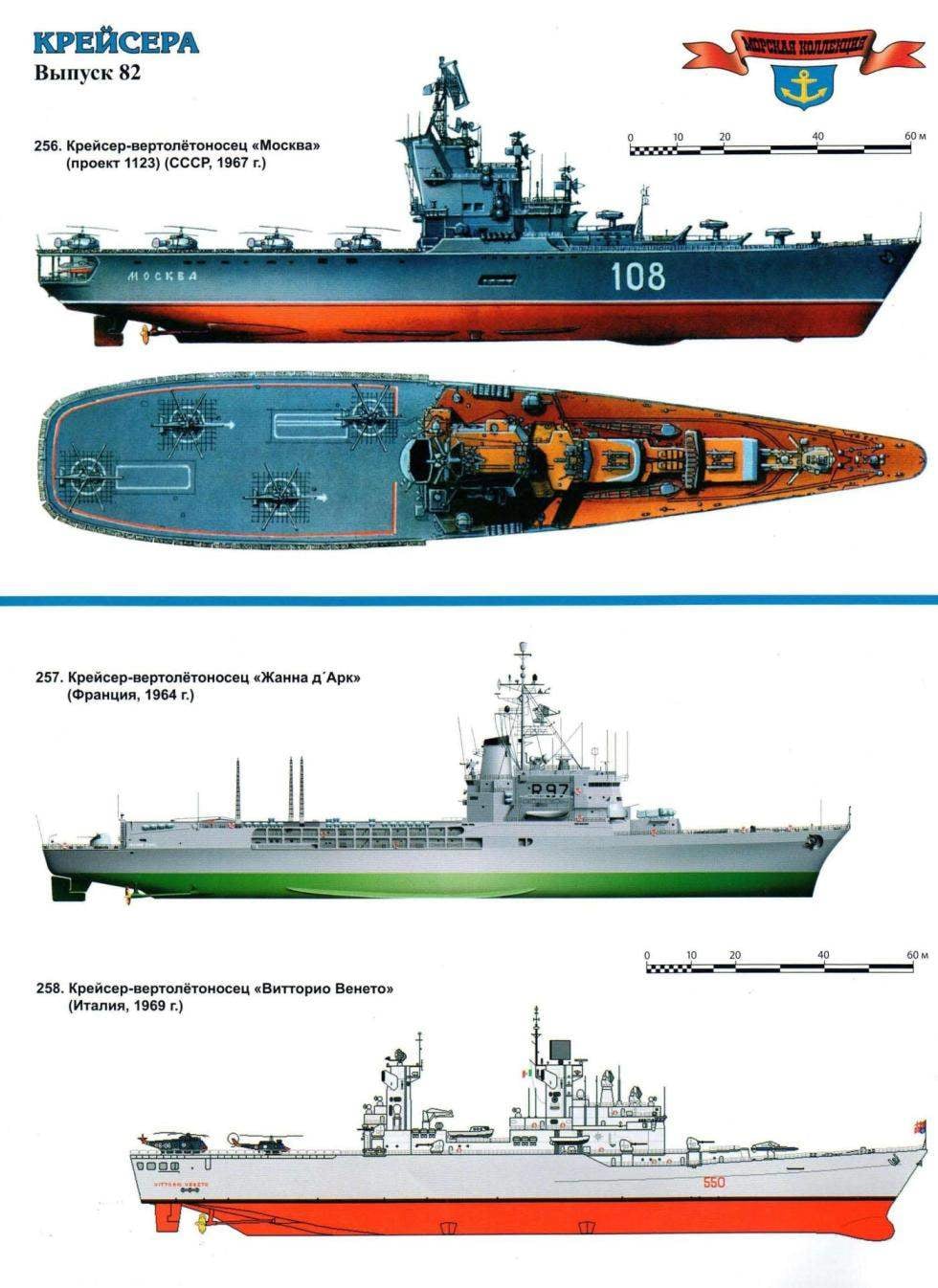
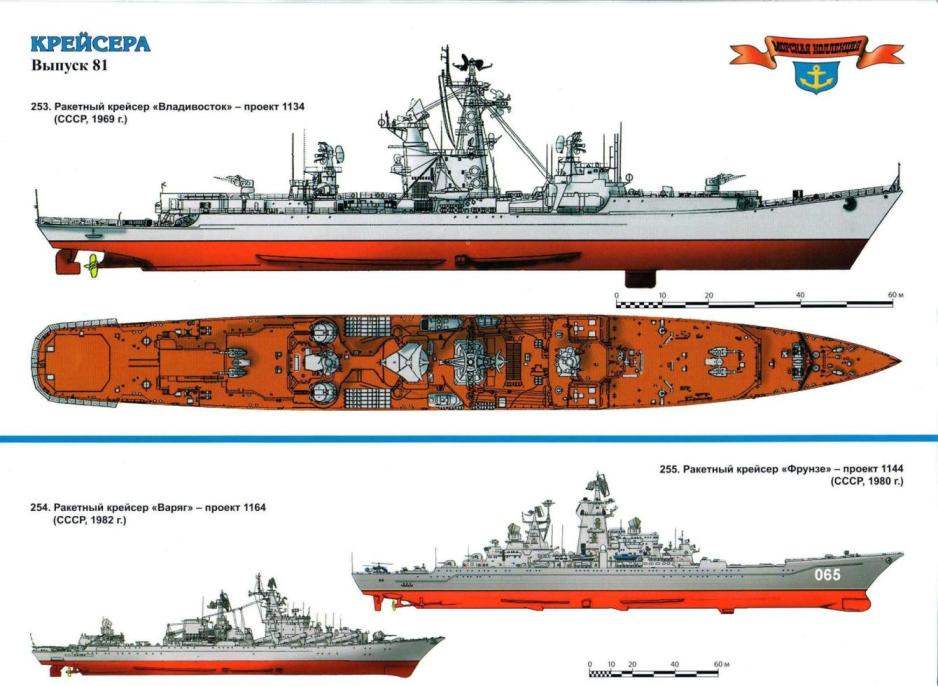 A clear success with the development of missile cruisers of the “terrible”, in fact, the rocket ships of a new type, clearly required further development. However, before the “continuation of the Banquet” was a significant obstacle. We already talked about the fact that originally it was planned to build ten units, but the program rolled out to four. To a large extent this was due to the change in the direction of shipbuilding. Among the big surface ships in the first place came the anti-submarine cruiser, in fact a helicopter. In the absence of aircraft carriers even modest-sized “Moscow” and “Leningrad” at once were among the most valuable combat units. Of course, require additional care.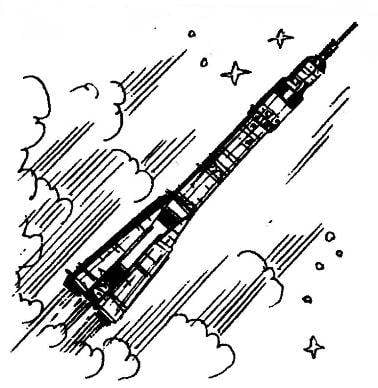
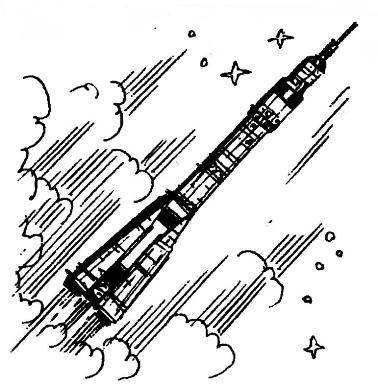 April 23, 1968 carrier rocket 11А511 was launched into orbit a new spacecraft 7K-OK, called the “Union”. The ship was piloted by pilot-cosmonaut, hero of the Soviet Union Vladimir Komarov. During the flight revealed a lot of failures due to the imperfections of design, what was the reason for the reduction program. On April 24th, during the descent from orbit, the crash occurred — refused recovery system of the lander. He was broken from hitting the ground, and an astronaut, unfortunately, died. It was the first victim of manned spaceflight.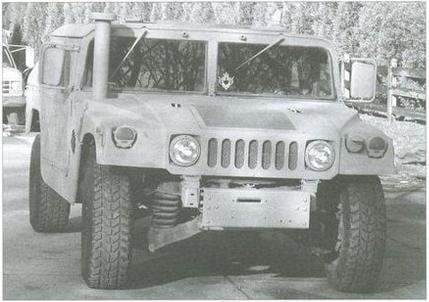
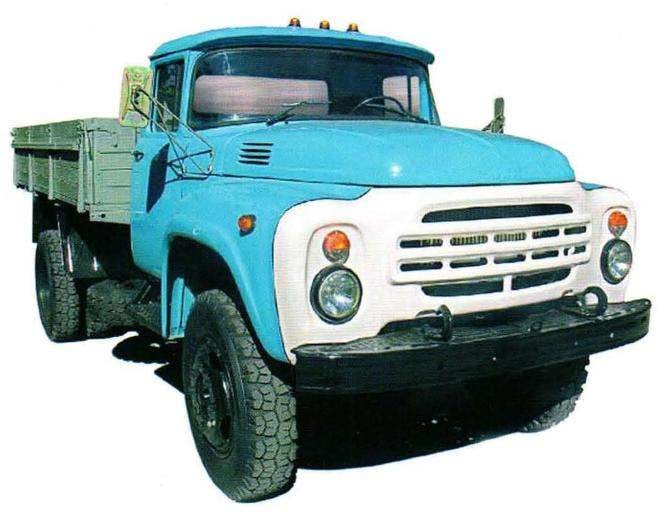
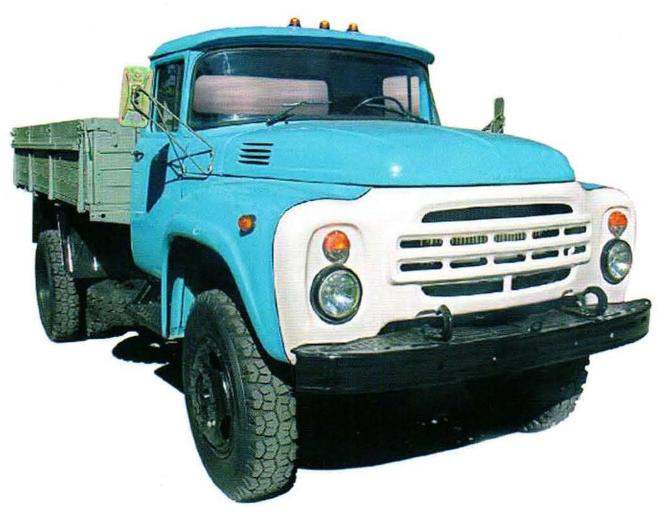
 After the First world war, the car confidently entered the arsenals of all armies, effectively replacing cavalry units and horse-drawn vehicles at the same time with the advantages of this type of technology was evident his shortcomings. So. military all over the world started talking about the unification of the army fleet. They wanted to have a universal chassis capable of small alterations to carry infantry units, may be used as a machine gun car, serve the mobile radio, light or sanitary staff van, towing artillery and chassis for armored car.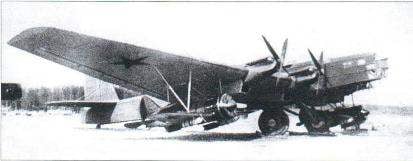
 During the Second world war, 15 oil refineries of Romania gave Germany more than 7% of petroleum products supplied dependent countries and satellites. The aircraft long-range and frontline aviation periodically attacked the oil-bearing regions of Romania. However, the transportation artery connecting them with the port of Constanta, continued to operate. The most vulnerable were considered section of the pipeline laid on the bottom tier of Chernovetskogo bridge over the Danube river.