PLUG ALARM

PLUG ALARM

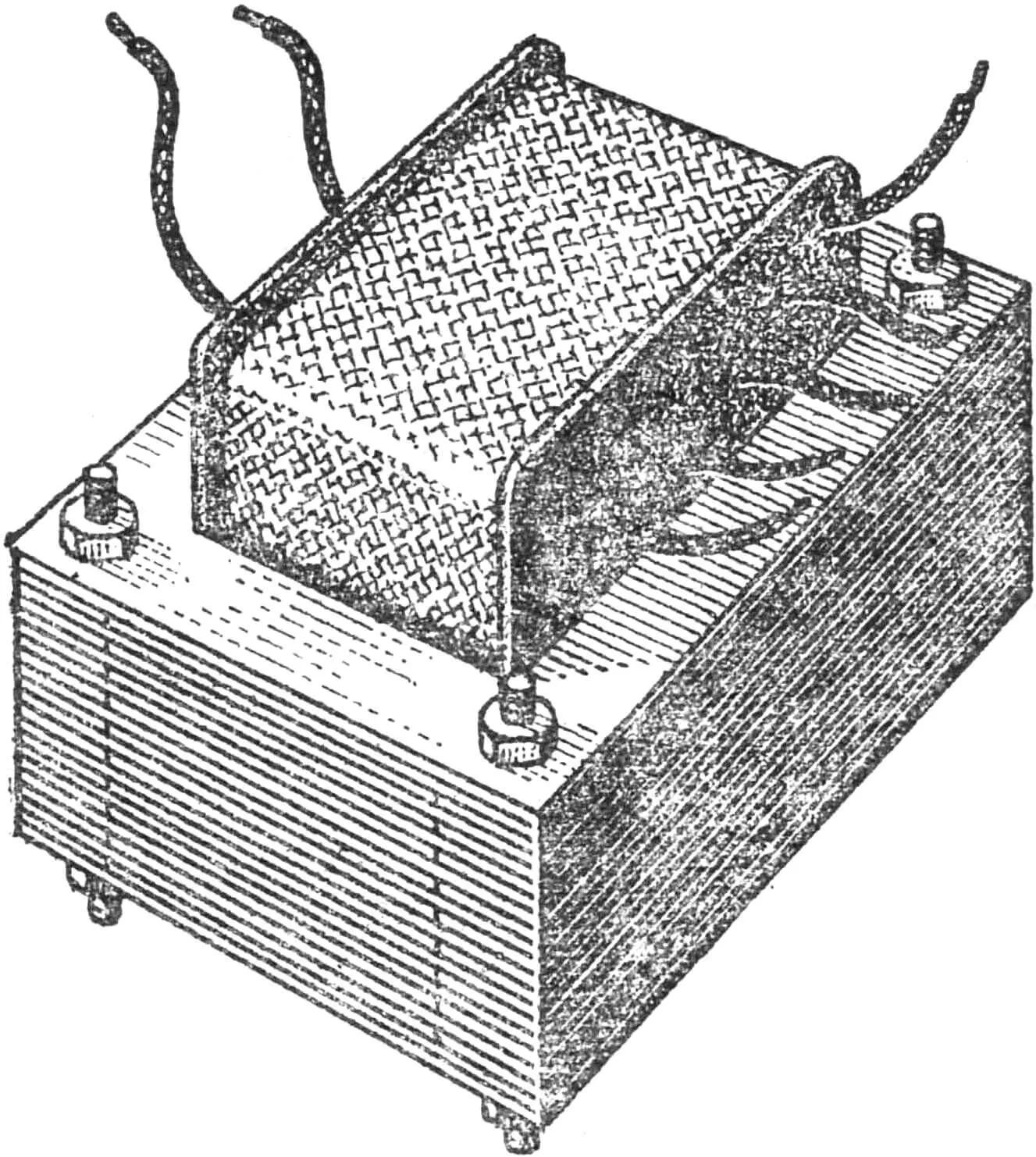
I’ve been familiar with the “Modelist-Konstruktor” magazine for more than a year now. Mainly as an avid reader and somewhat less as a DIY enthusiast, trying to implement in practice some of the promoted ideas and original technical solutions in the conditions of a simple home workshop. Now I’m offering one of my own developments. Read more…

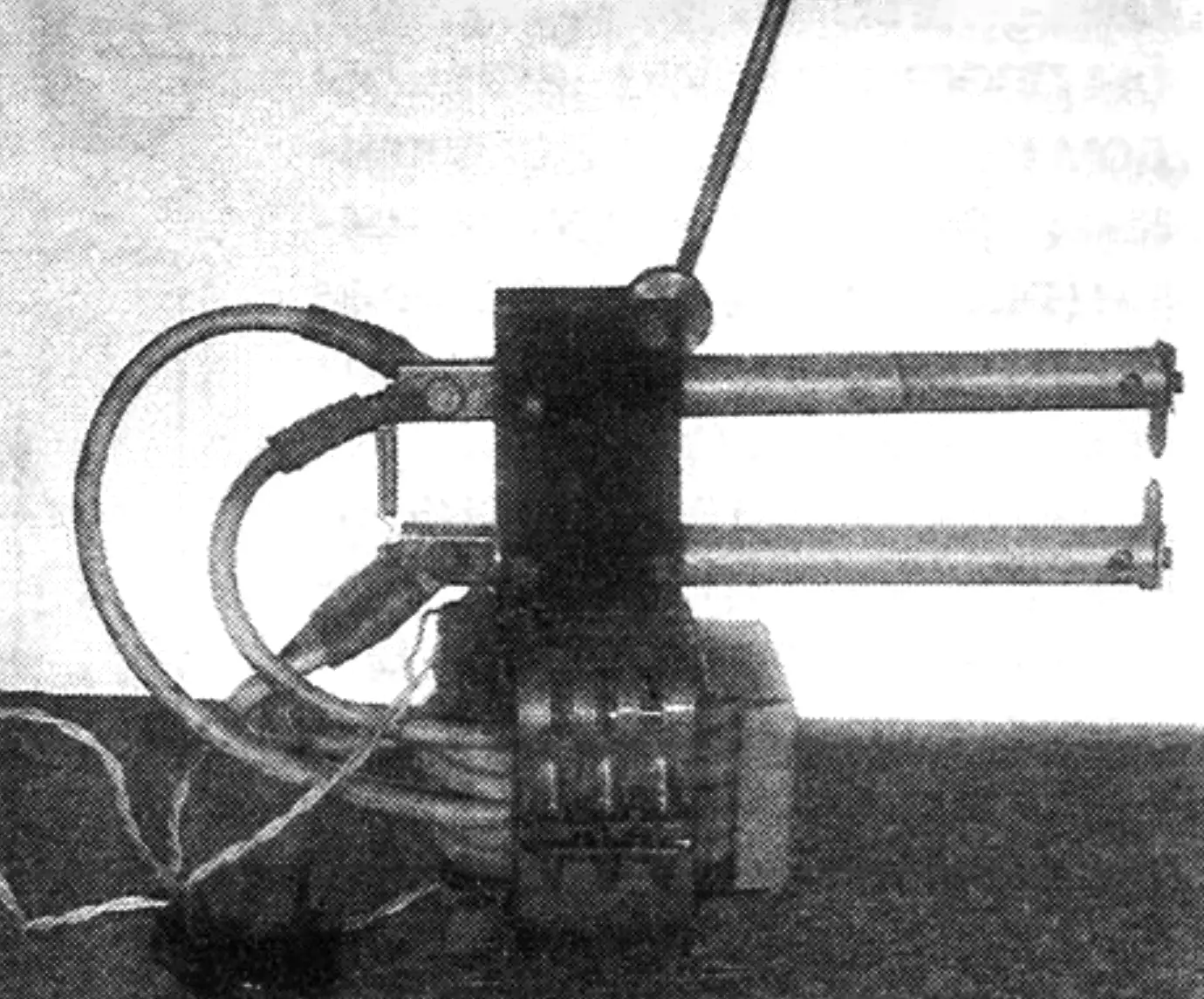
A TIN CAN WILL HEAT YOU

A TIN CAN WILL HEAT YOU

A mini-electro-calorifier (MEC) type heater is unlikely to surprise anyone these days. These compact and quite convenient household appliances can be purchased to suit any taste. However, it’s not at all necessary to spend money on industrial products, let alone imported ones. I, for example, have long been using a homemade MEC that, by unanimous Read more…

ELECTRONIC “MATCH”

ELECTRONIC “MATCH”

They say you can’t save much on matches, and yet… A simple and practical electronic “match,” the description of which we offer to readers’ attention, will free you from the need to constantly monitor that matchboxes don’t remain empty. The “match” works as follows. The electrical energy accumulated by capacitor C1 (see the schematic diagram) Read more…

INVISIBLE WATCHMAN

INVISIBLE WATCHMAN

If a radio amateur’s inventory is burdened by a low-power portable radio station (or a set of two stations) designed for communication in the civilian range of 26.9 — 27.2 MHz, I propose a way to make good use of them. Often, a radio amateur is simultaneously a car owner and a dacha owner, who, Read more…

Portable Power Station

Portable Power Station

I propose a design for a gasoline-electric unit (GEU) “Firefly”, designed for charging batteries, powering lighting lamps and other DC consumers at 12 V. I developed this unit three years ago at the request of my friend, an avid hunter and fisherman. Since then, “Firefly” has been serving reliably, lighting his taiga cabin and helping Read more…

SENSITIVE METAL DETECTOR

SENSITIVE METAL DETECTOR

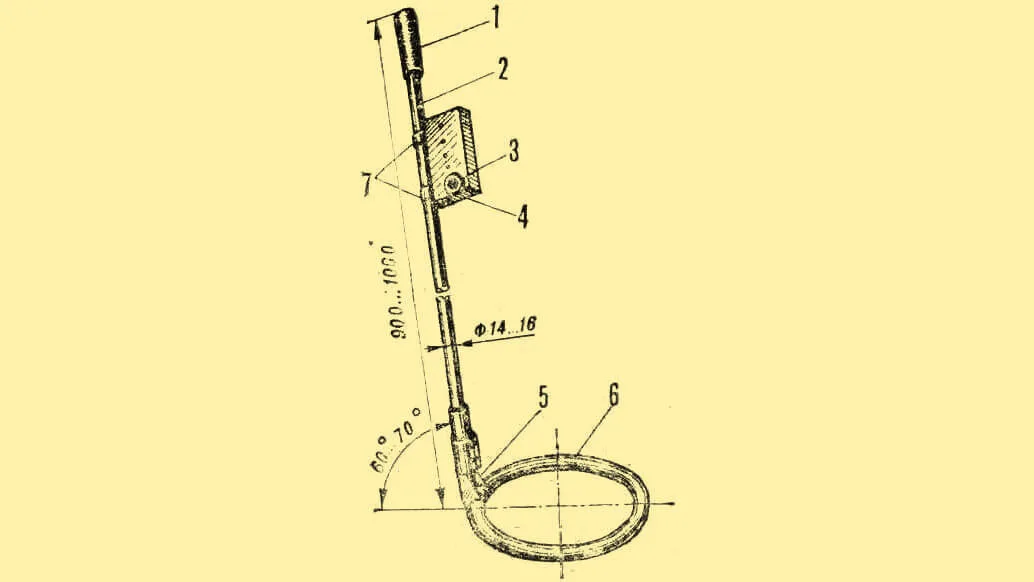
The metal detector I designed operates on the beat frequency principle, which arises from the difference in oscillations between the reference and the tunable oscillators (typically the 5th–10th harmonic, whichever is closest in frequency). This design allows the detector’s sensitivity to reach a level where it can detect, for example, a five-kopeck coin buried 10 Read more…