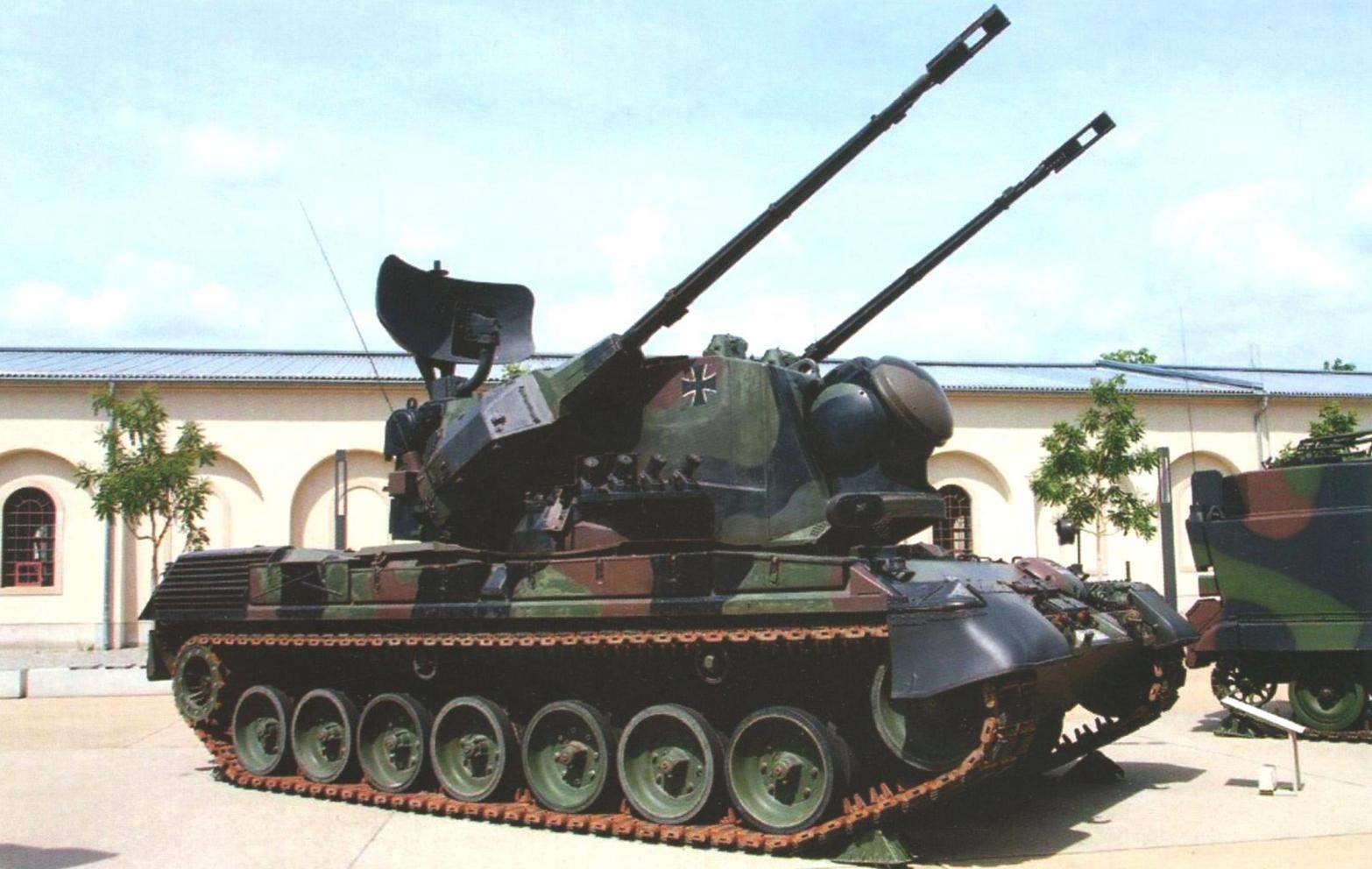
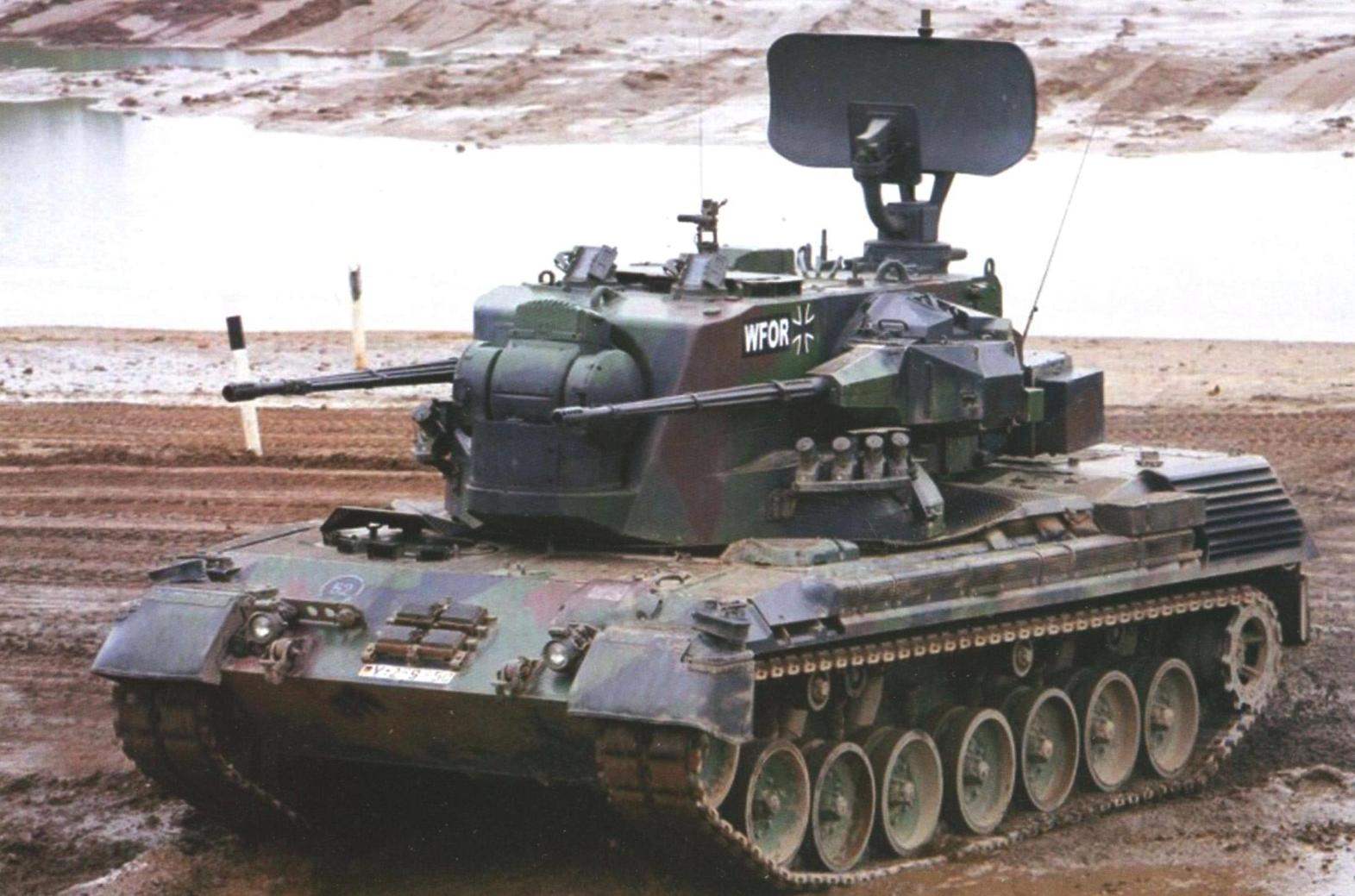
 The first German self-propelled anti-aircraft gun with the official name 2 cm FlaK auf Selbstfahrlafette 38(t) or Sd.Kfz.140 on tank chassis were developed in the fall of 1943, under the personal direction of Hitler; as the chassis was used by the Pz..Kpfw.38(t). Note that these tanks are not produced in Germany, they were created and produced in Czechoslovakia by CKD company (“Czech-Moravian Kolben Danek” – SKD) in Prague and was named TNHP-LT vz.38. The first of these was made in may 1939, They were considered light tanks, had a good, time, safety, a considerable speed, carrying a semi-automatic 37,2 mm gun Skoda A7. But it so happened that none of them were in the Czechoslovak army. The fact that in September of the same year, German troops occupied the Czech Republic. Released by this time the tanks were immediately accepted them into service under the designation Pz.Kpfw.38(t). Their production at the factory in Prague and admission to the Wehrmacht continued.
PLANER-JIG
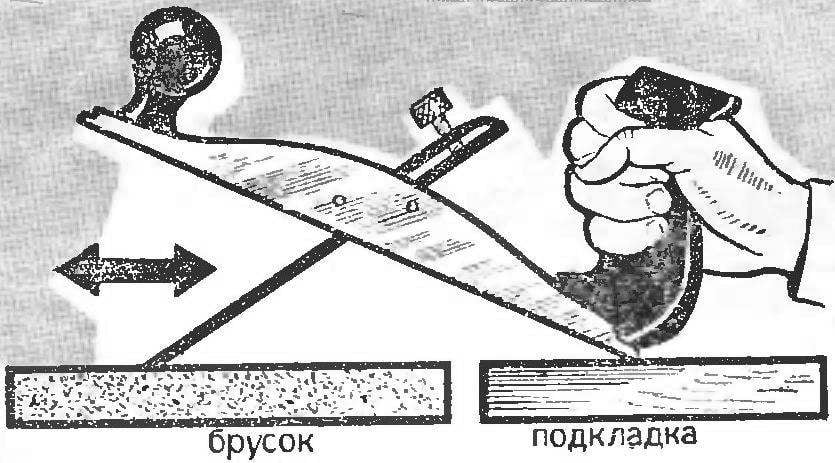
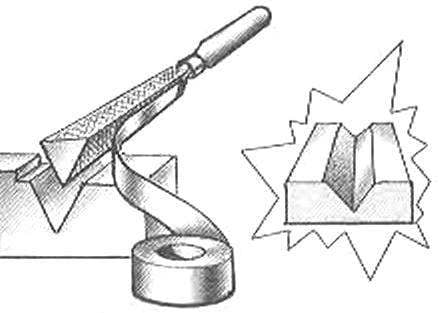
Strictly aged sharpening angle is an important element of any carpenter’s tool. However, to achieve this on the bar manually is not so easy, especially for pieces of iron of a plane. A good assistant will be… the plane. Pull out the blade tool on the entire length but so that the cut was horizontal, Read more…

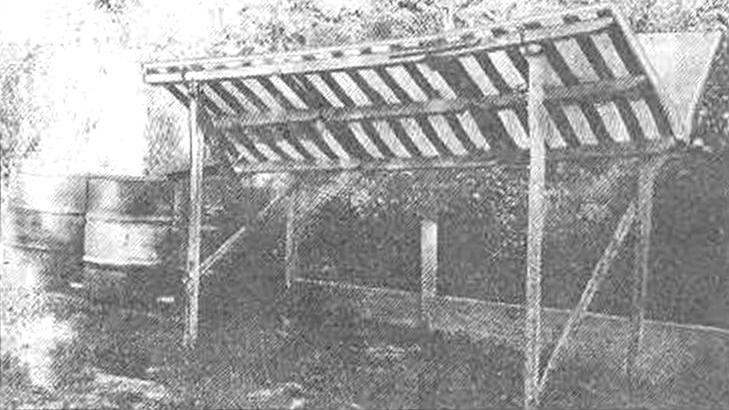 In newly developed suburban area where not yet solved the problem of providing water, and some suburban garden or vegetable plots tested persistent difficulties with irrigation of existing plantings: the water has to carry from total columns, wells or reservoirs.
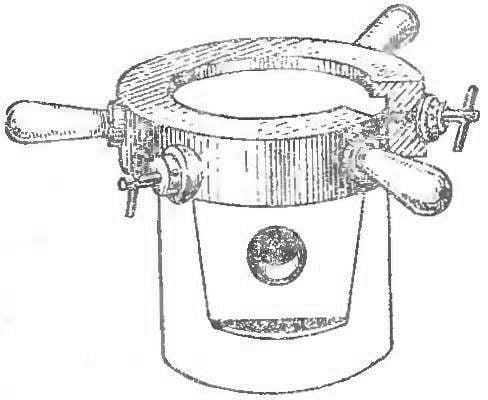
 It’s mind typically “ship” device is intended for other, ground targets, Kuibyshev innovator N. Gerasimov developed it to help those who are engaged in the repair of automobile engines.
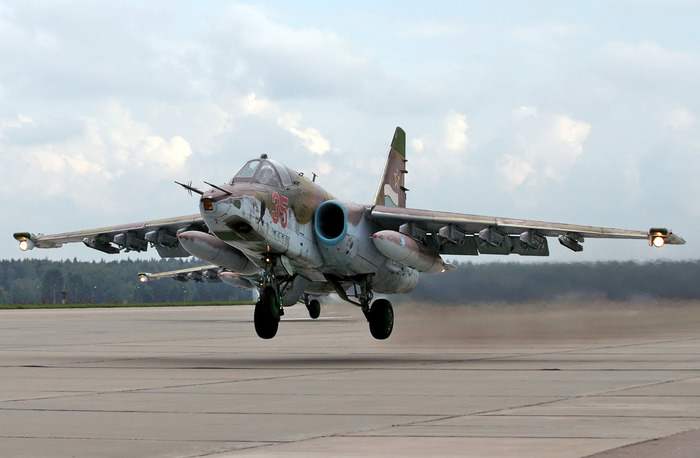 Dvuhdverny aircraft-su-25 attack aircraft designed for direct support of troops in local conflicts under conditions of strong counteraction of the enemy air defenses. The development the design Bureau of P. O. Sukhoi began in 1968, the First flight of the aircraft. piloted by test pilot V. Ilyushin, was held on 22 February 1975 and the following year started its serial production. The first experience of combat use of the su-25 was obtained in April 1980 in Afghanistan. Subsequently, the plane was used during the suppression of the rebels in Chechnya and armed conflict in the former Soviet republics. Was exported to many foreign countries. On the basis of the airframe of the su-25 created a number of modifications, including the training of the su-25УТ, carrier-based su-25UTG, and su-25ТК. Subsequently, the su-25 came the su-39, which, in turn, served as the basis for the creation of new modifications, more fully meet modern warfare.
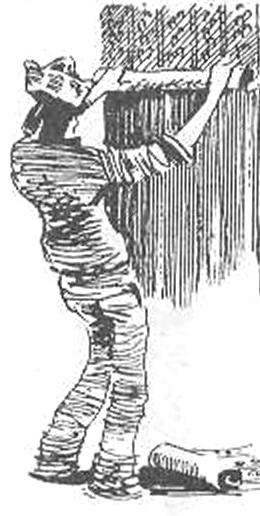
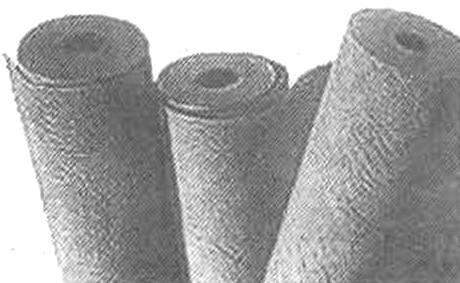 Apartment repair is troublesome and expensive. To such conclusion came anyone who has ever experienced this “natural disaster”. The following tips are addressed to the homeowners continue to trust only their own forces and the skills of producing renovations. To save on purchasing the cheapest materials for repair is not worth it. With the abundance which prevails on the shelves of household and home improvement stores to find a compromise solution that suits your artistic taste and financial possibilities, quite real.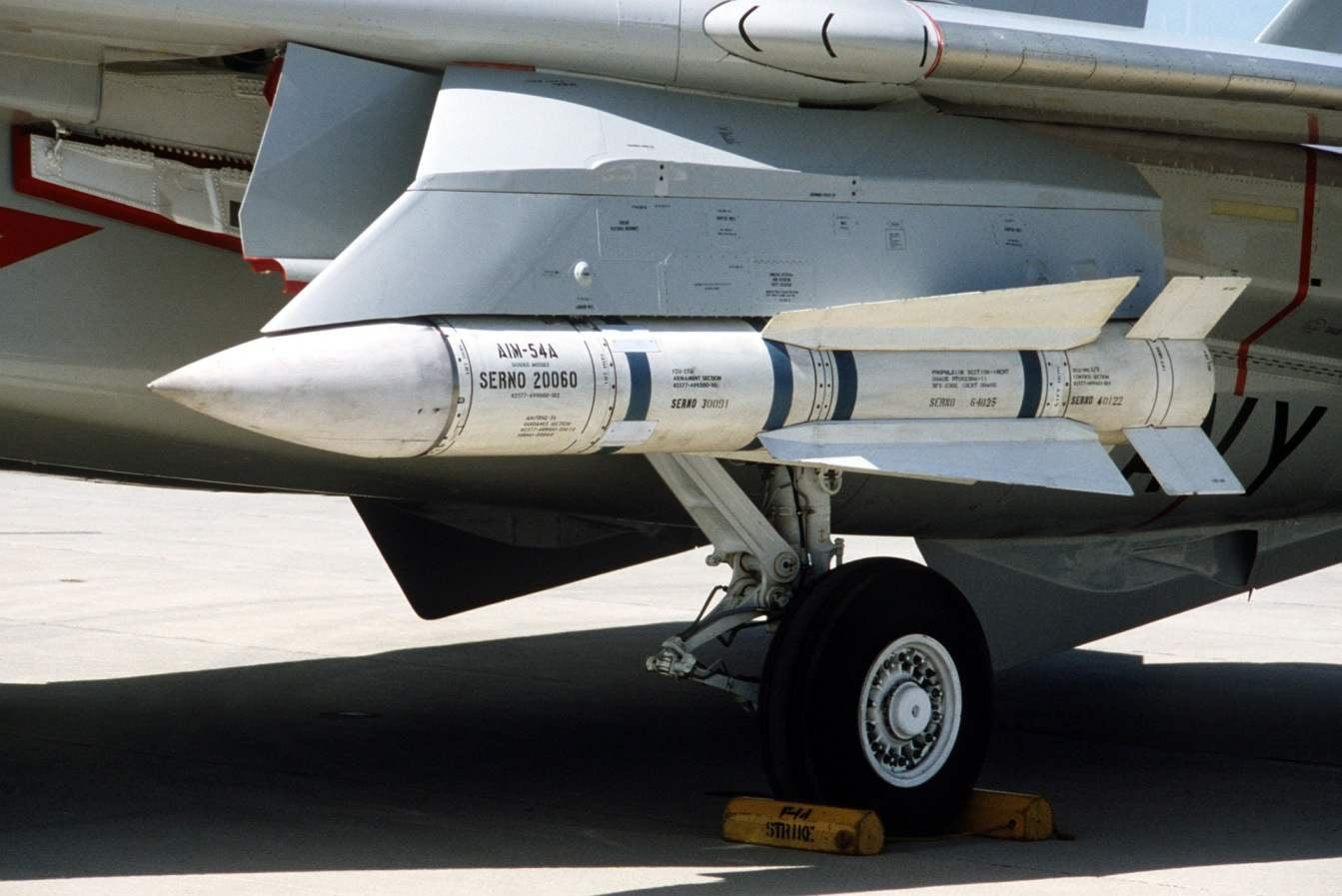
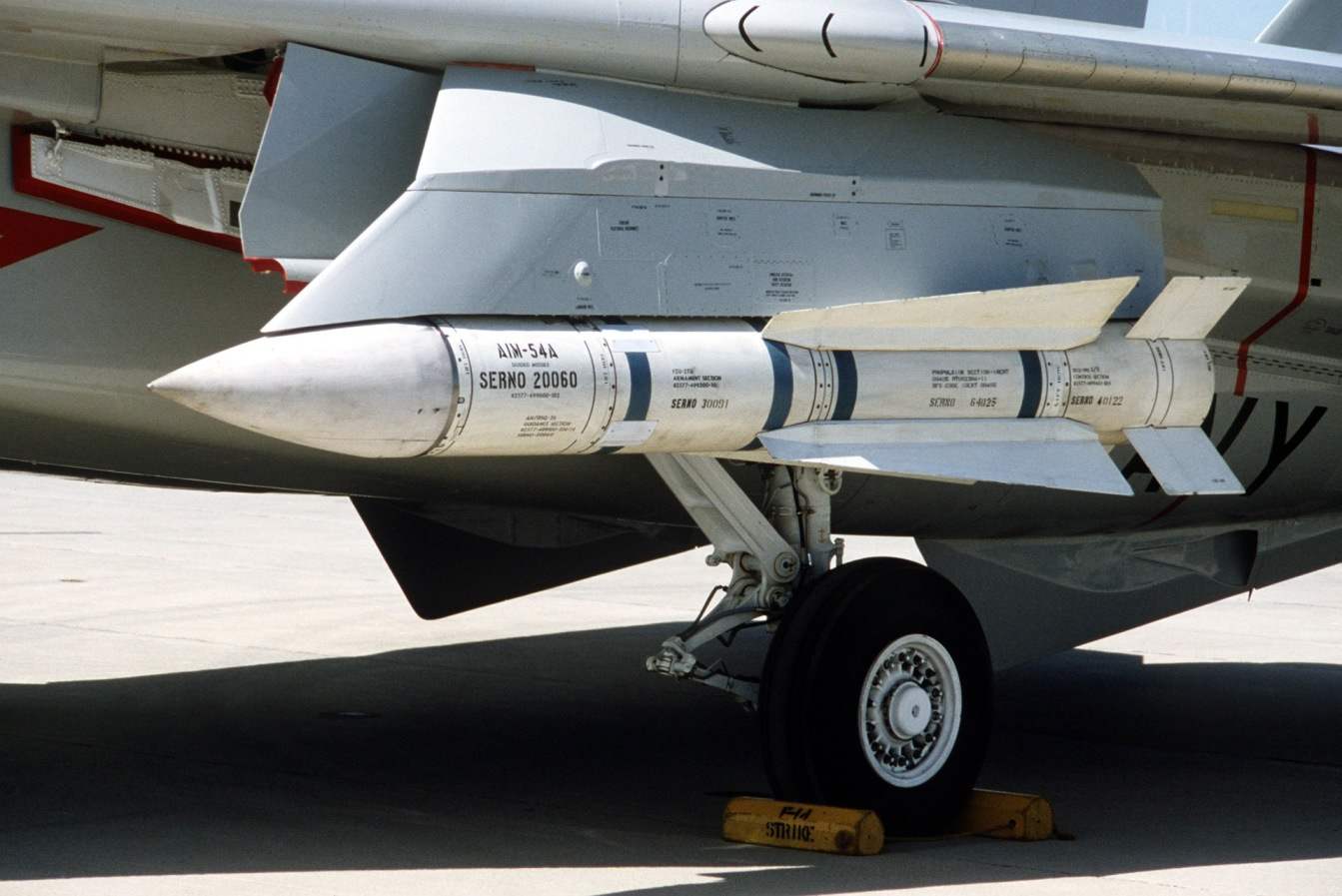 The main ships of the U.S. Navy aircraft carriers are always ready not only to strike at the enemy, but also to reflect the Vietnam War revealed the limited capabilities of us carrier-based fighters for the conquest of the air. Assessing the first results, the management of the fleet air arm in 1965 has supported research of the company “Grumman” on the program of creating a multi-purpose carrier-based fighter and, having their priorities in this program, in July 1968, officially declared the competition for carrier-based fighter-interceptor VFX (Variable Geometry Fighter Experimental). Their proposals presented to the company “Grumman”, the “North American”. “McDonnell-Douglas, General dynamics and Ling-Temko-out”.