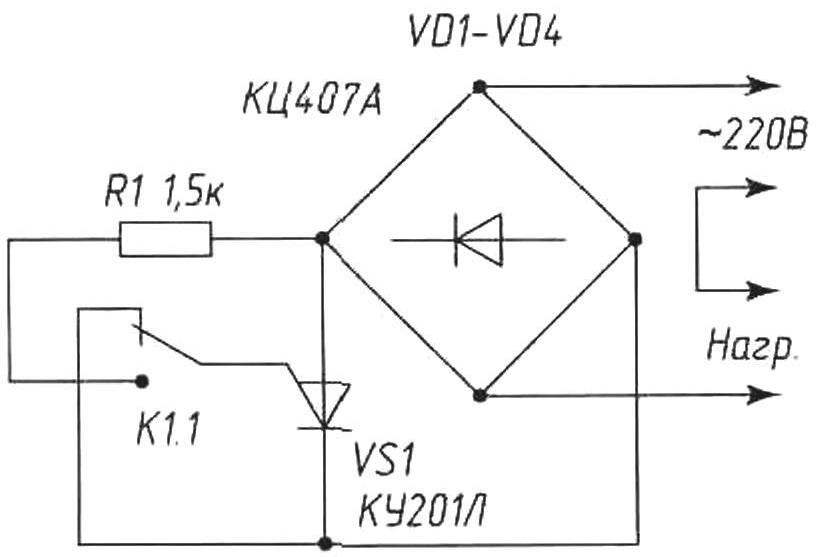
 Electronic devices and components, in the terminal stages which employ electromagnetic relays, to this day has not lost its relevance among radio Amateurs. Despite competition from thyristors and optoelectronic devices, circuits control the load devices remain niche where the solenoid is indispensable. Their popularity among radio Amateurs due to the low cost, versatility (multiple groups of contacts), high reliability, compactness of the housing. Therefore, the use of low-power relay becomes the optimal solution when switching electronic components medium to high power high-voltage electric circuits (in the limited dimensions of the devices).
AND WILL RELAY SECURITY
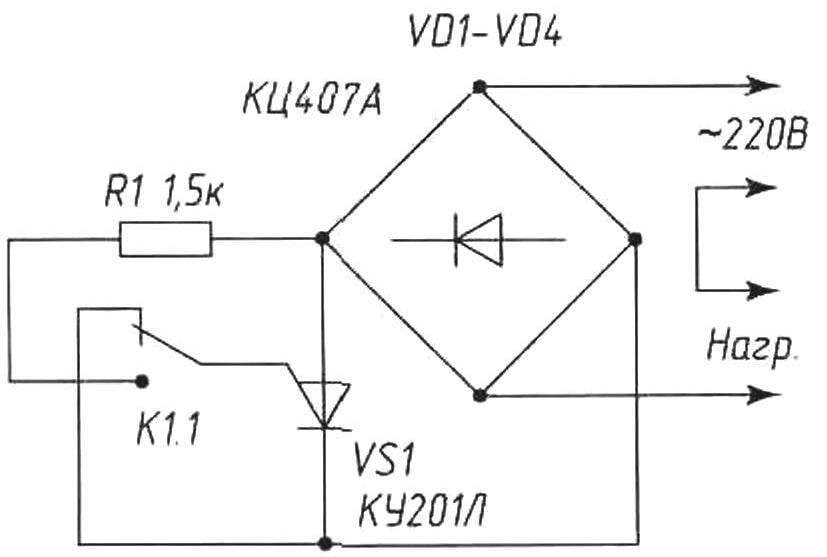 Electronic devices and components, in the terminal stages which employ electromagnetic relays, to this day has not lost its relevance among radio Amateurs. Despite competition from thyristors and optoelectronic devices, circuits control the load devices remain niche where the solenoid is indispensable. Their popularity among radio Amateurs due to the low cost, versatility (multiple groups of contacts), high reliability, compactness of the housing. Therefore, the use of low-power relay becomes the optimal solution when switching electronic components medium to high power high-voltage electric circuits (in the limited dimensions of the devices).

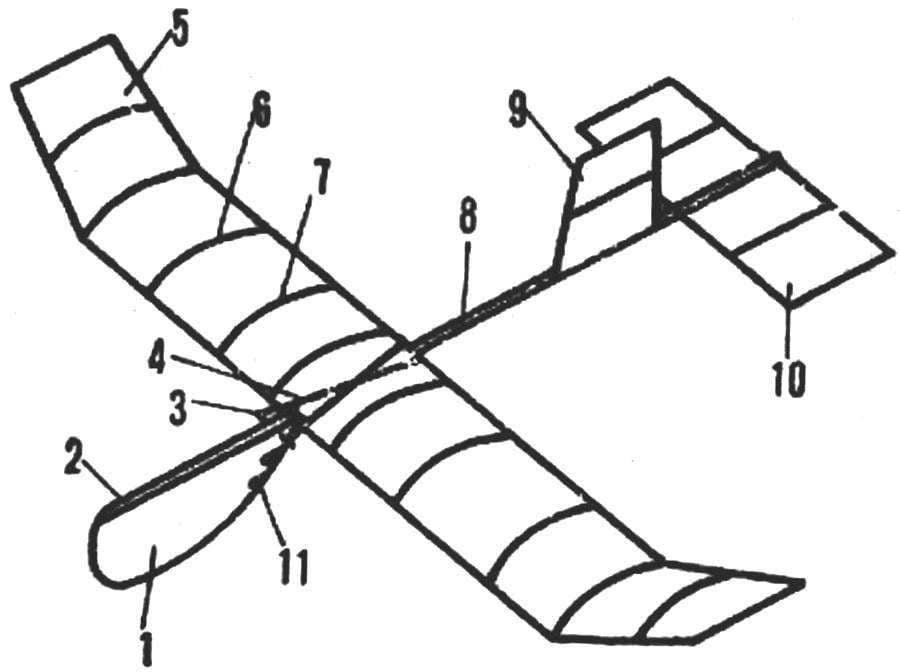
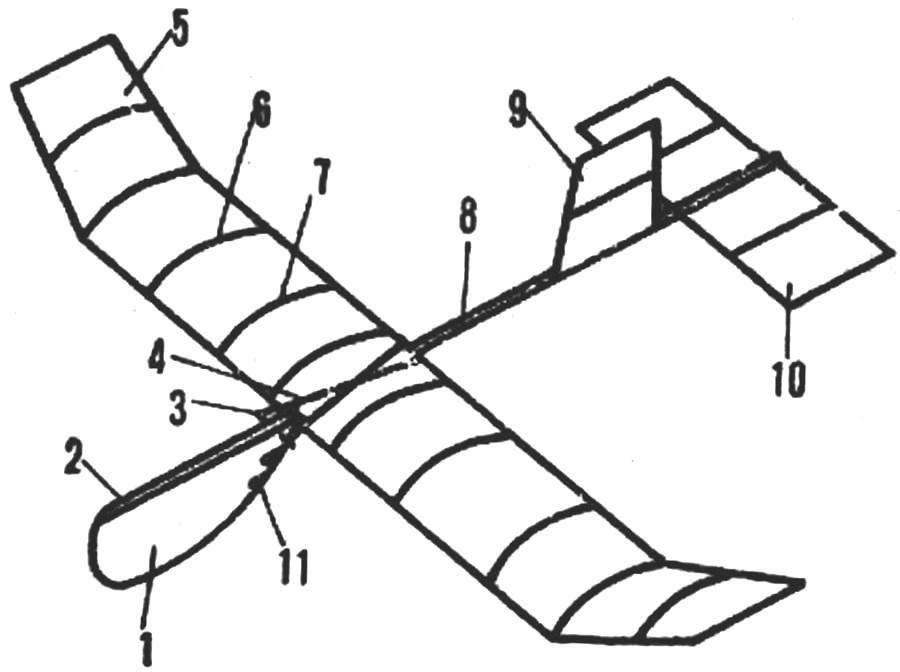 Before starting work, carefully examine the drawing and description. Then prepare the tools: small plane, a sharpened knife, pliers or pliers and a jig saw with saws. Materials you will need: a pine rail, a small sheet of tinplate, paper, spool of white thread No. 10, plywood thickness of 1 mm and 3 mm, or micuenta tissue paper or polyester and nitrogly (it may be enamel, “AGO”, supercement, etc.).


 Portuguese offensive was not a complete surprise for the German side. Part of the land to the South of the Ruvuma river on the German-Portuguese boundary in East Africa, the Germans captured in 1892, despite the Protocol of 1886, gave them Portugal. Since then, the Portuguese were looking for a convenient excuse to take back what is rightfully considered his. But, capturing approximately 45 hectares, the troops rested in the river, and the attack itself was a failure. In distant Africa came trench warfare.
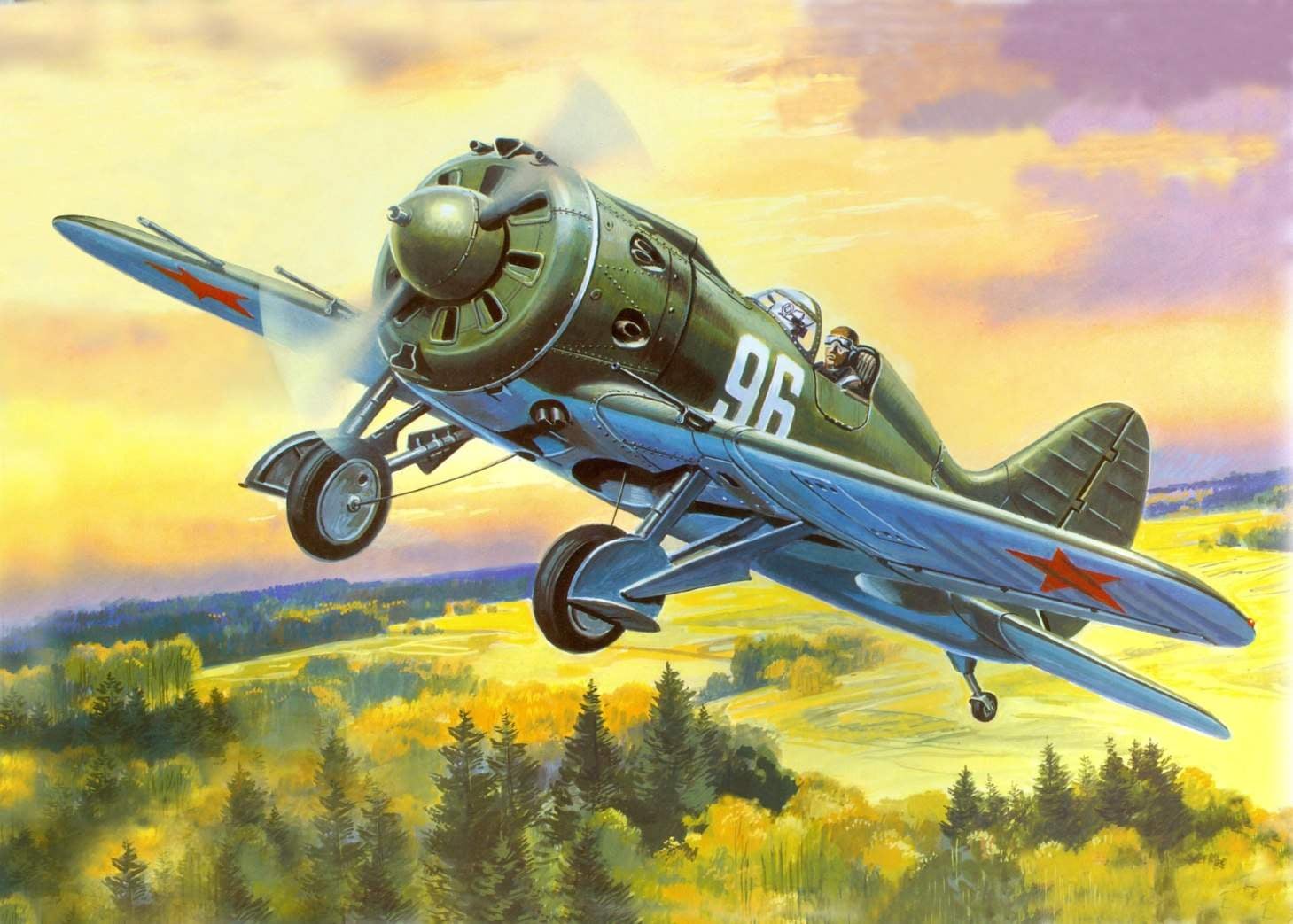
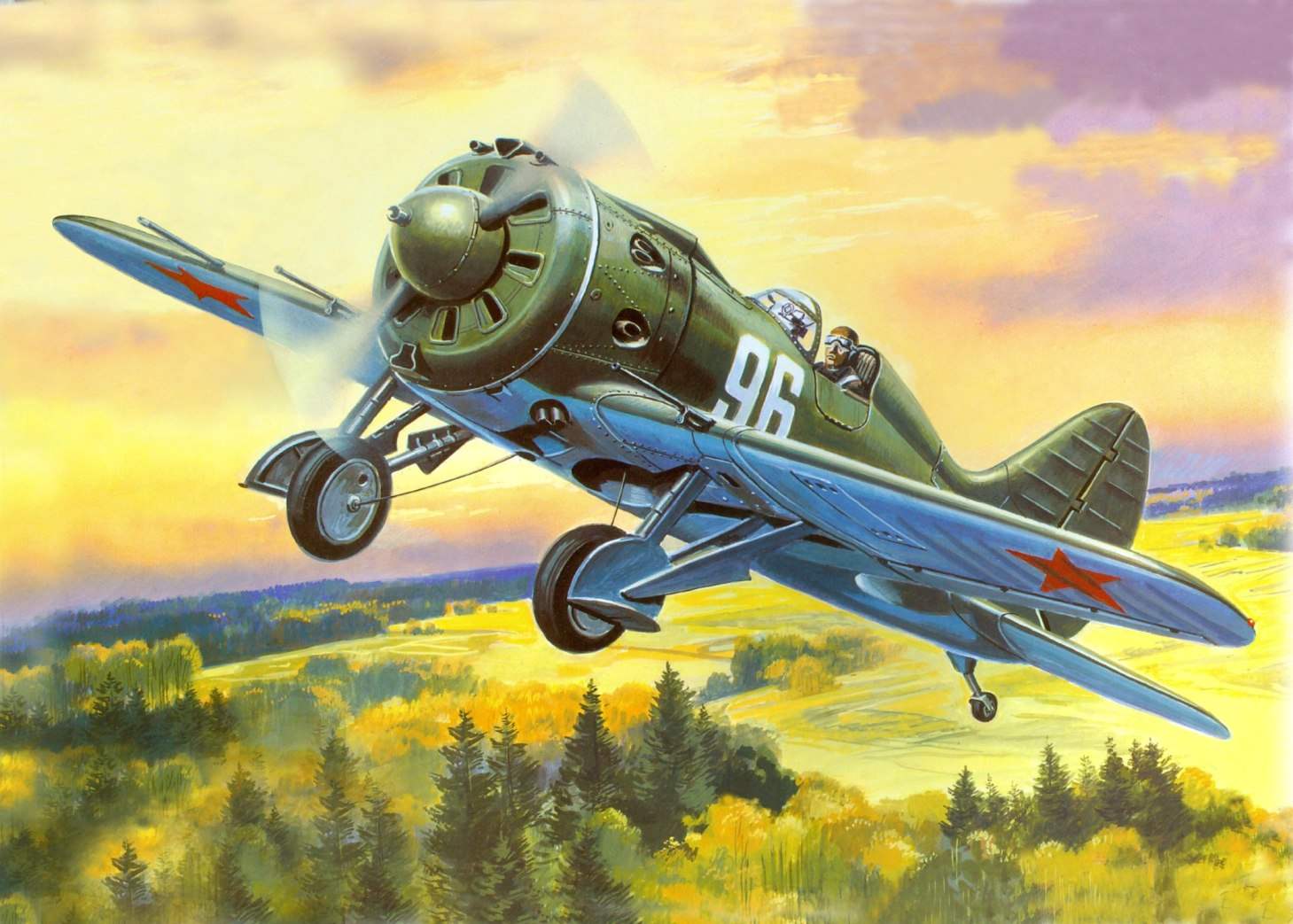 The development of the fighter began in 1933 under the designation TSKB-12. 30 December of the same year, V. P. Chkalov tested the machine with the engine M-22 in flight. During the tests achieved speed 359 km/h. the First production aircraft with two ShKAS machine guns, built at factory No. 21, the customer has got in early 1935 Later the fighter was produced with the engine M-25, M-62 and M-63, bringing its speed up to 470 km/h was Improved and weapons of a fighter.

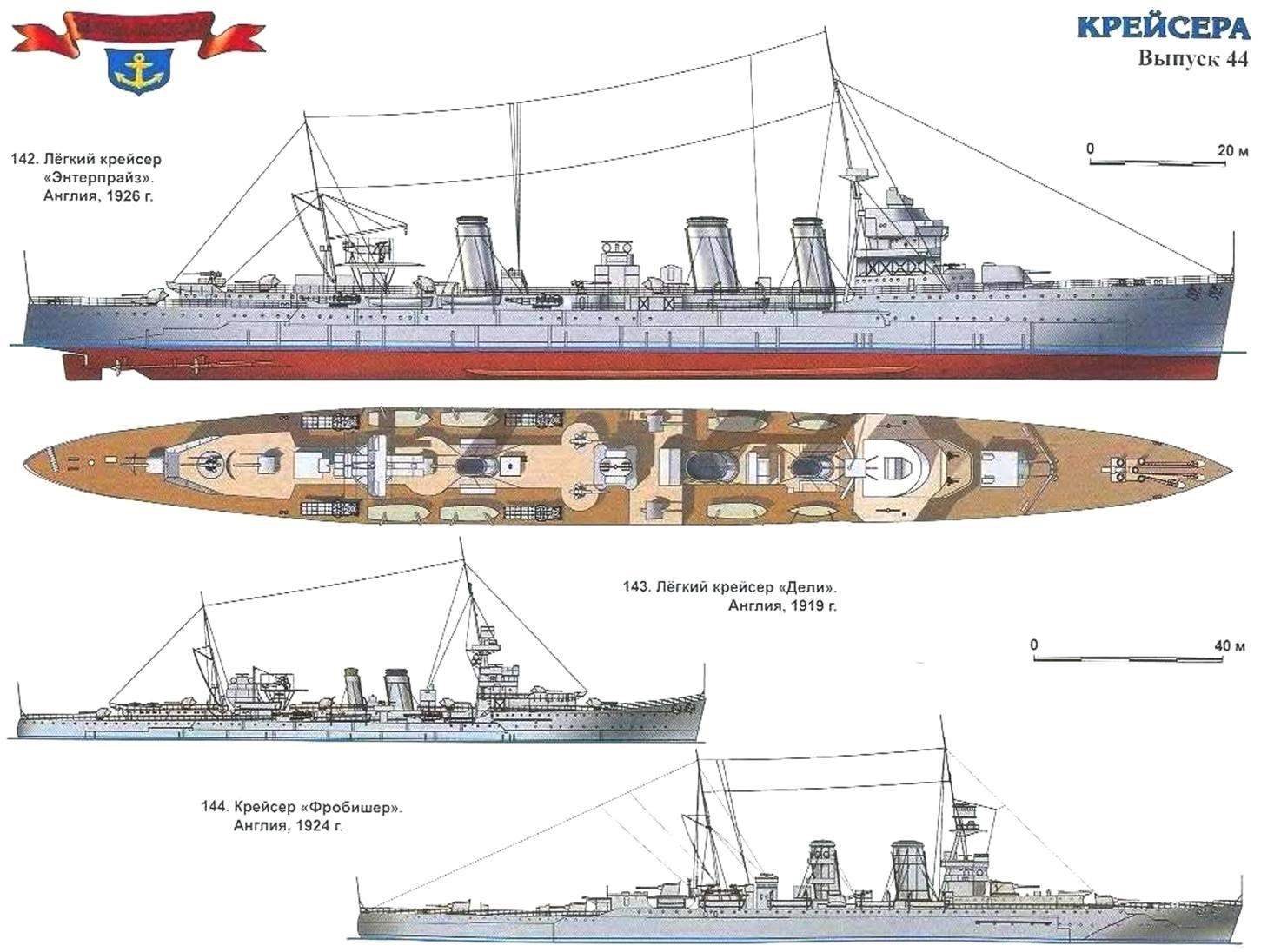 Ships built for combat — the approval that seems quite obvious. However, many warships of various classes and sizes and failed never “smell the gunpowder”. Fortunately for mankind in the XX century the number of universal war, seized most of the planet, limited to two, otherwise it could not survive. But. that is a grief for many people, it becomes a moment of truth for combat vehicles, specifically created for the rare moments of sea battles.

