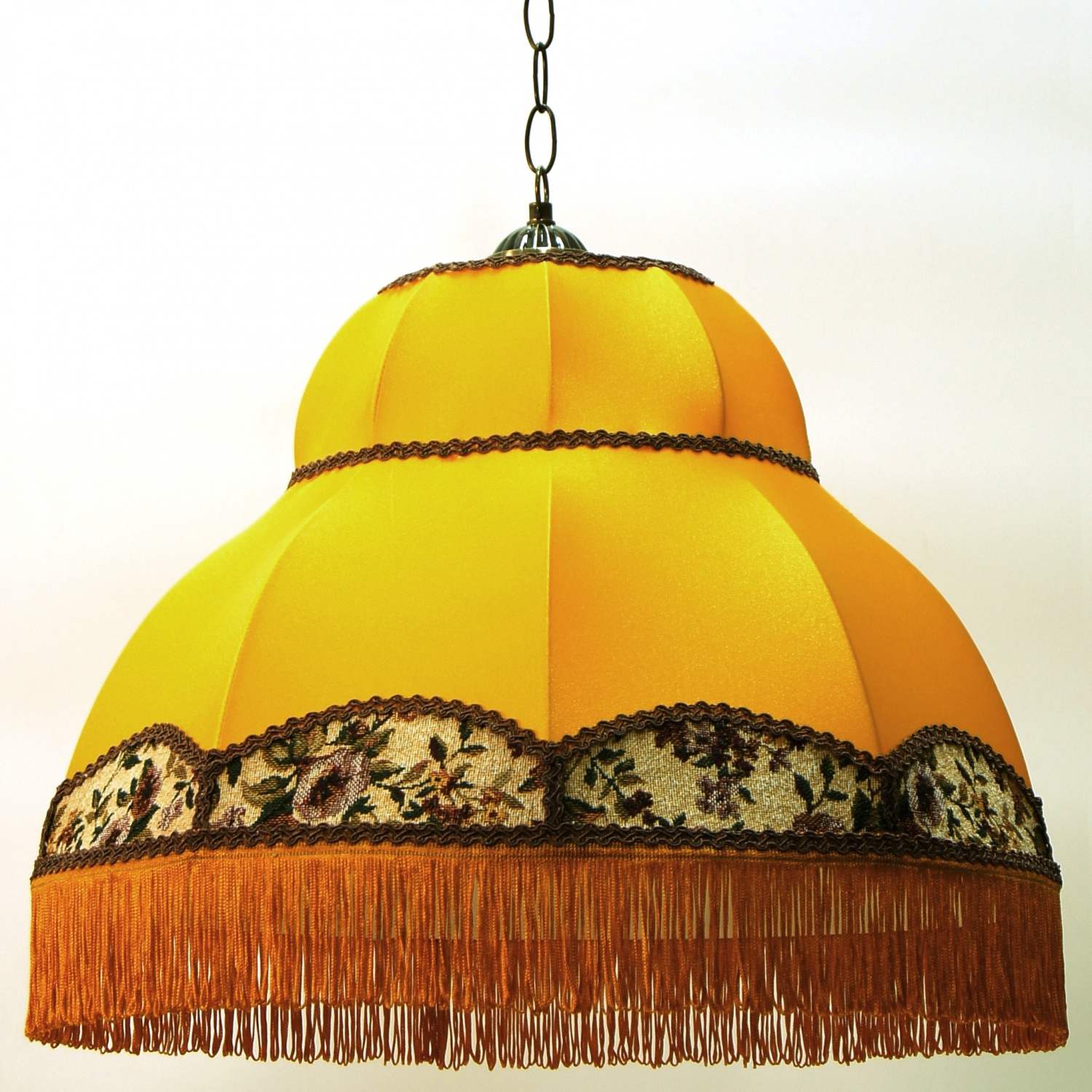
 Currently, it has become fashionable household electrical lamps with shades. The publication describes this decoration to the lamp, which is easy to do it yourself from simple materials.
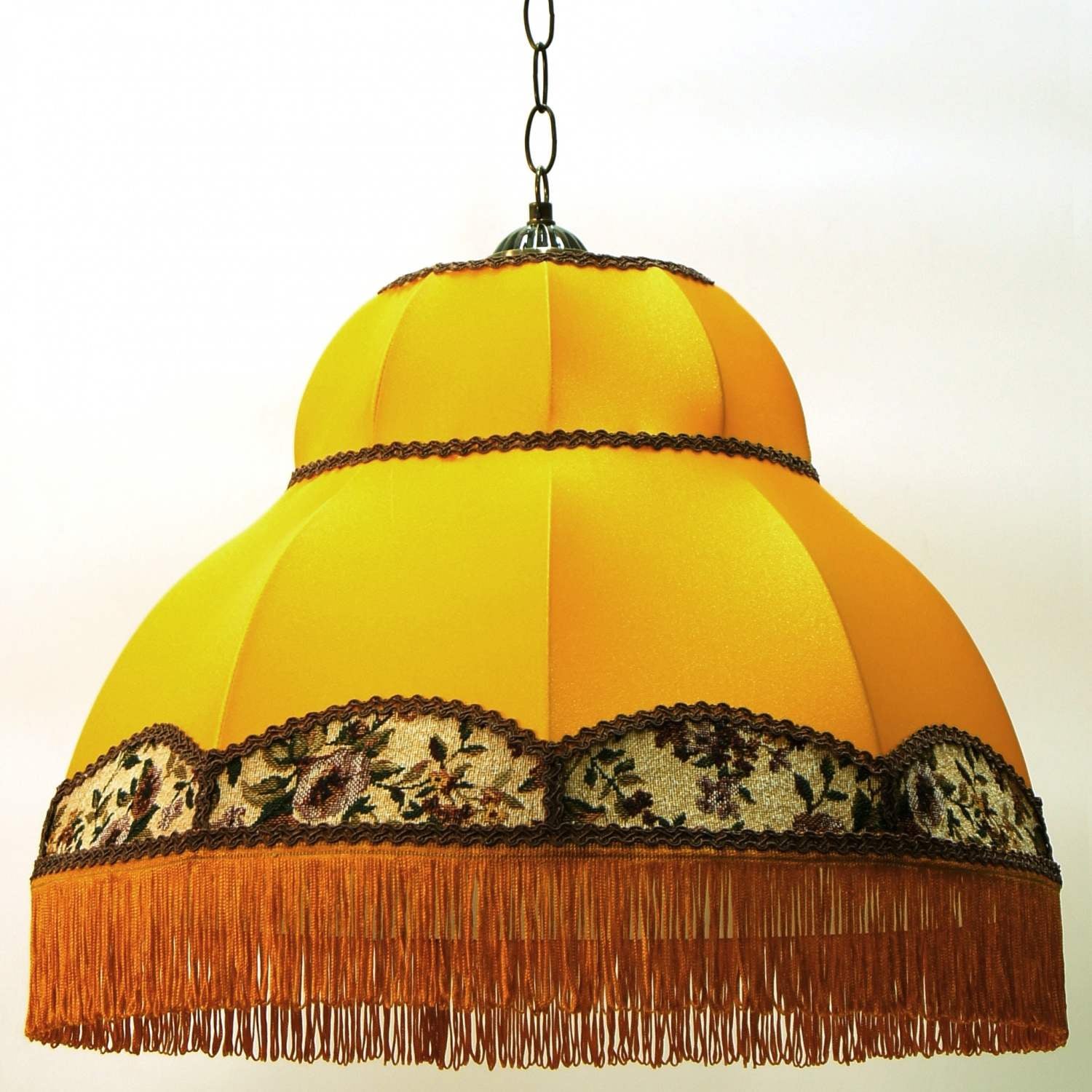 Currently, it has become fashionable household electrical lamps with shades. The publication describes this decoration to the lamp, which is easy to do it yourself from simple materials.
To register in the system can use the link http://blogun.ru/actorcjhgegg.html
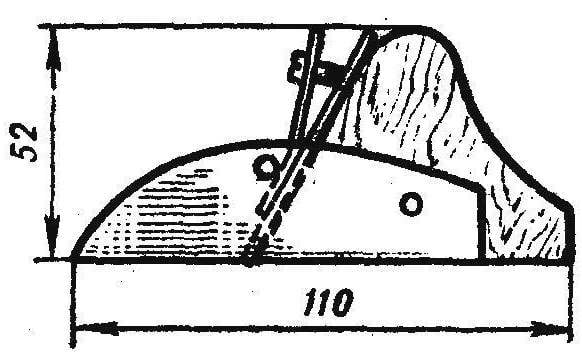
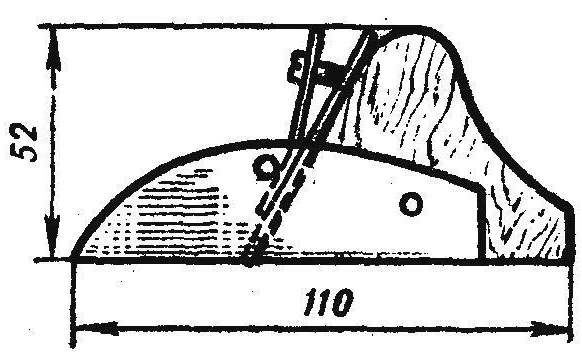 For processing small crafts of wood and plywood a very handy tool may be Rubanchik, which is easy to make yourself.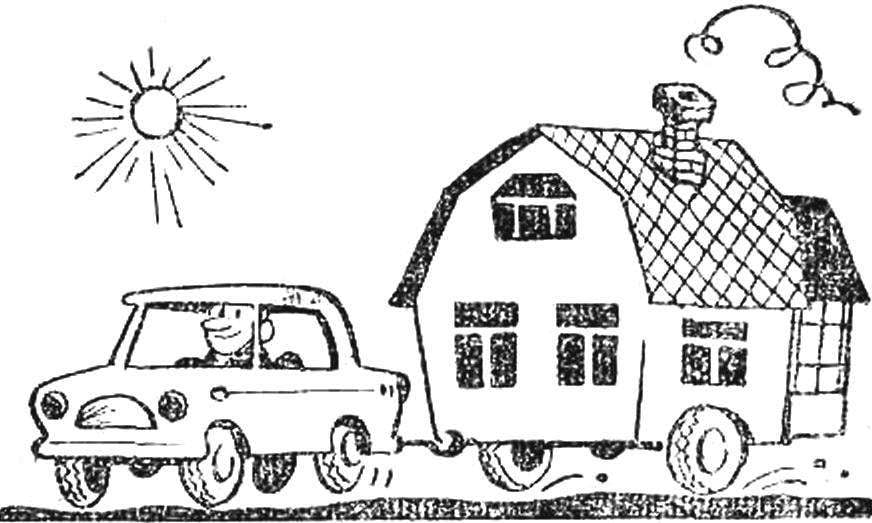
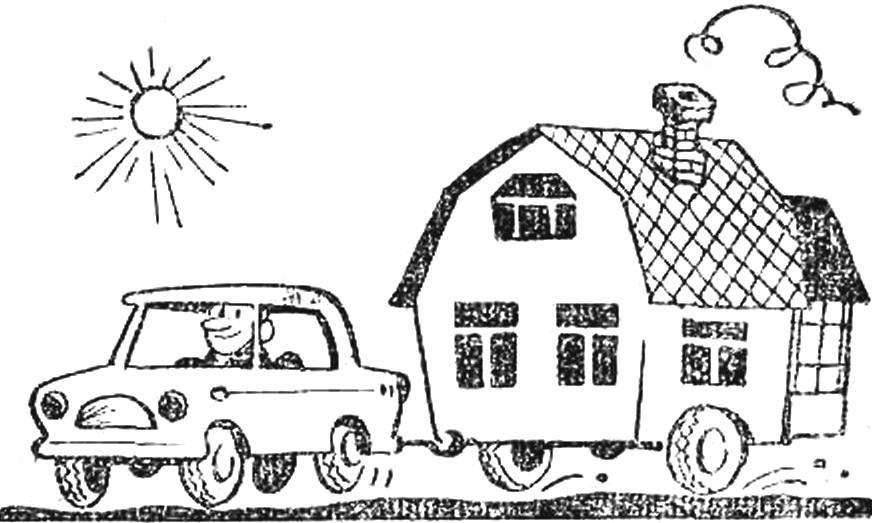
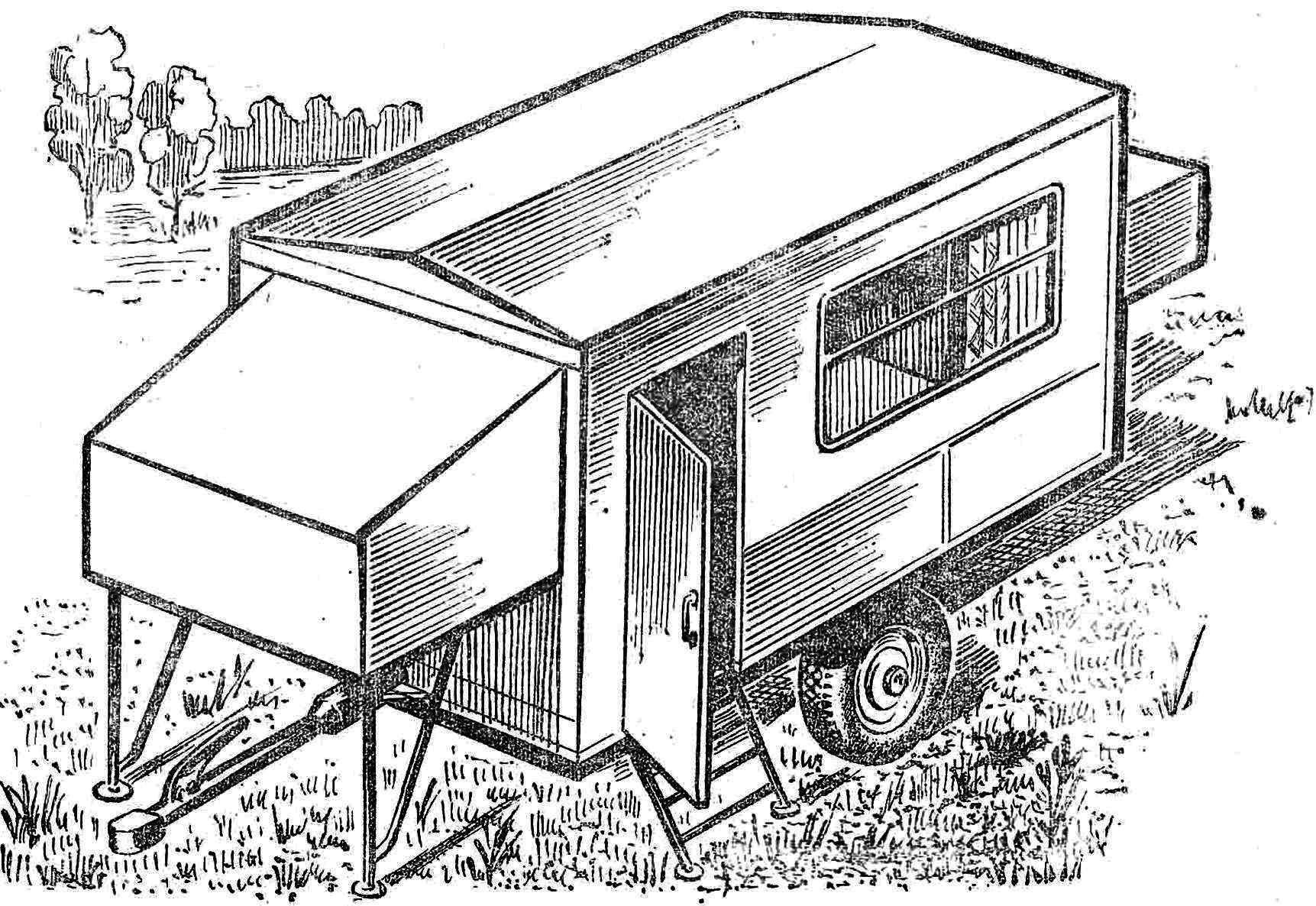 Offer readers a description of the design built my trailer. The creation of this garden on wheels gave me the tools and guidance previously published in the journal (for example, No. 8 1969). But much had to think out myself. The trailer was simple in design, compact to transport, convenient to the Parking lot in the chosen place of rest.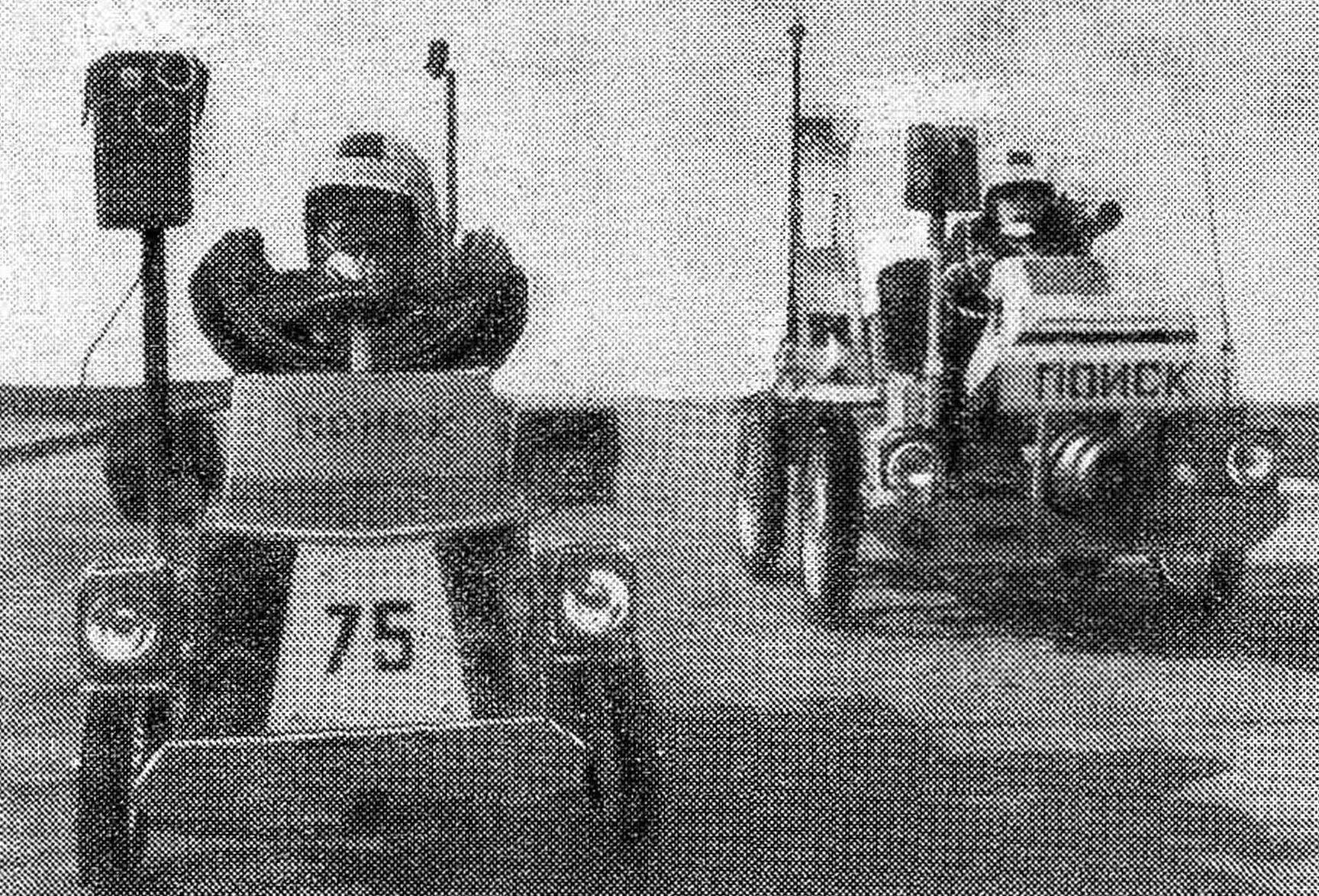
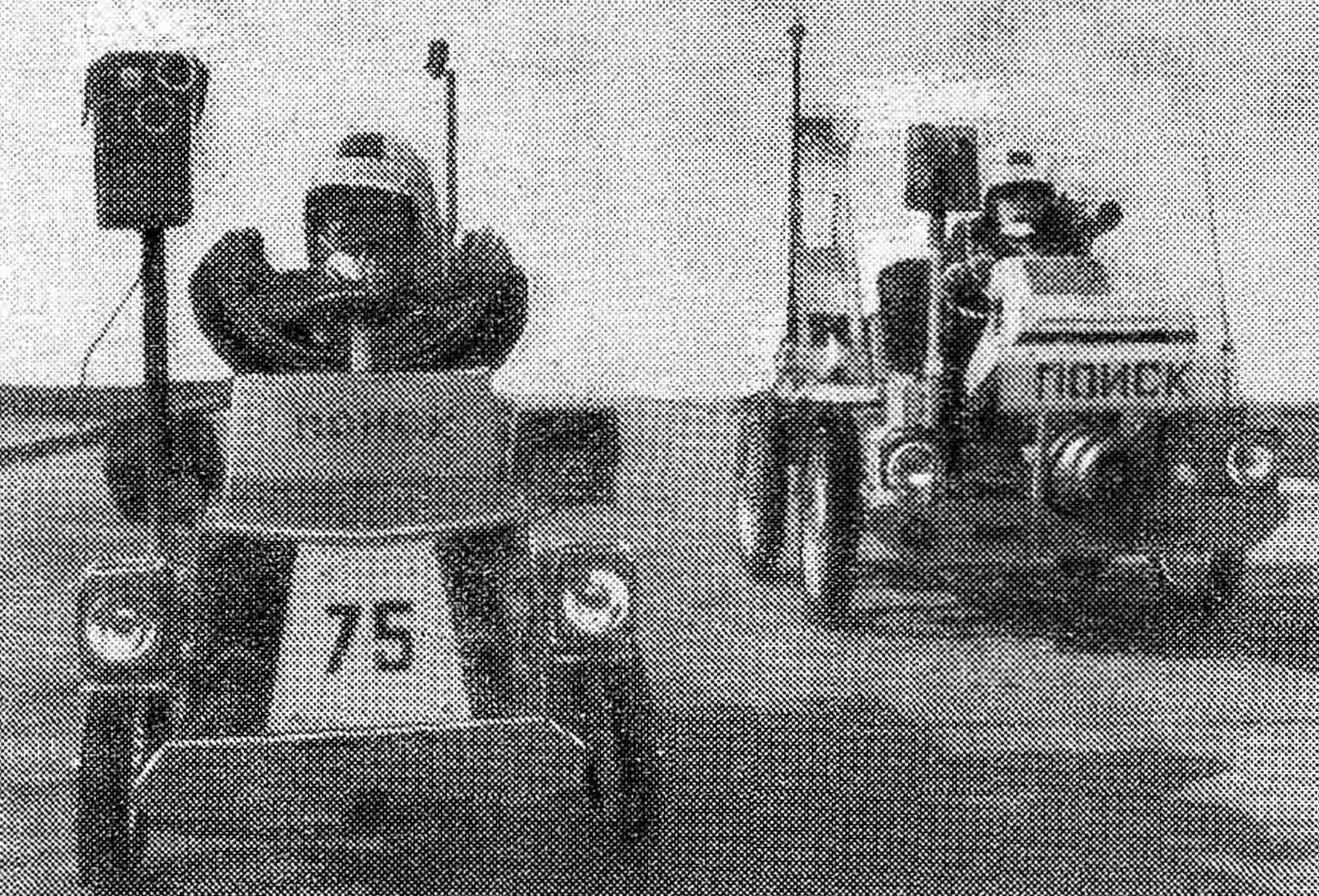 “Any space flight at the present time is a very big and difficult work in space and especially on the ground.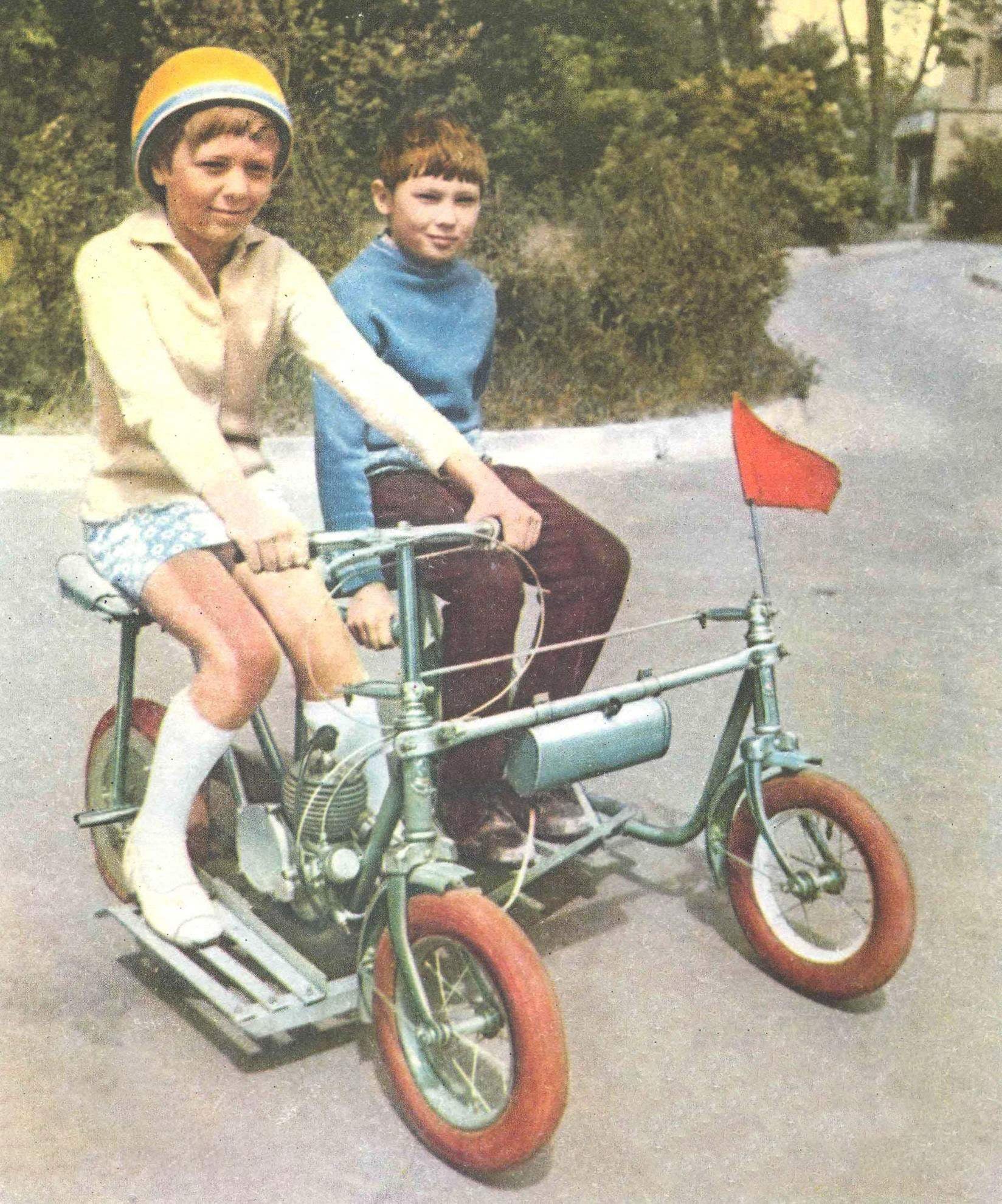
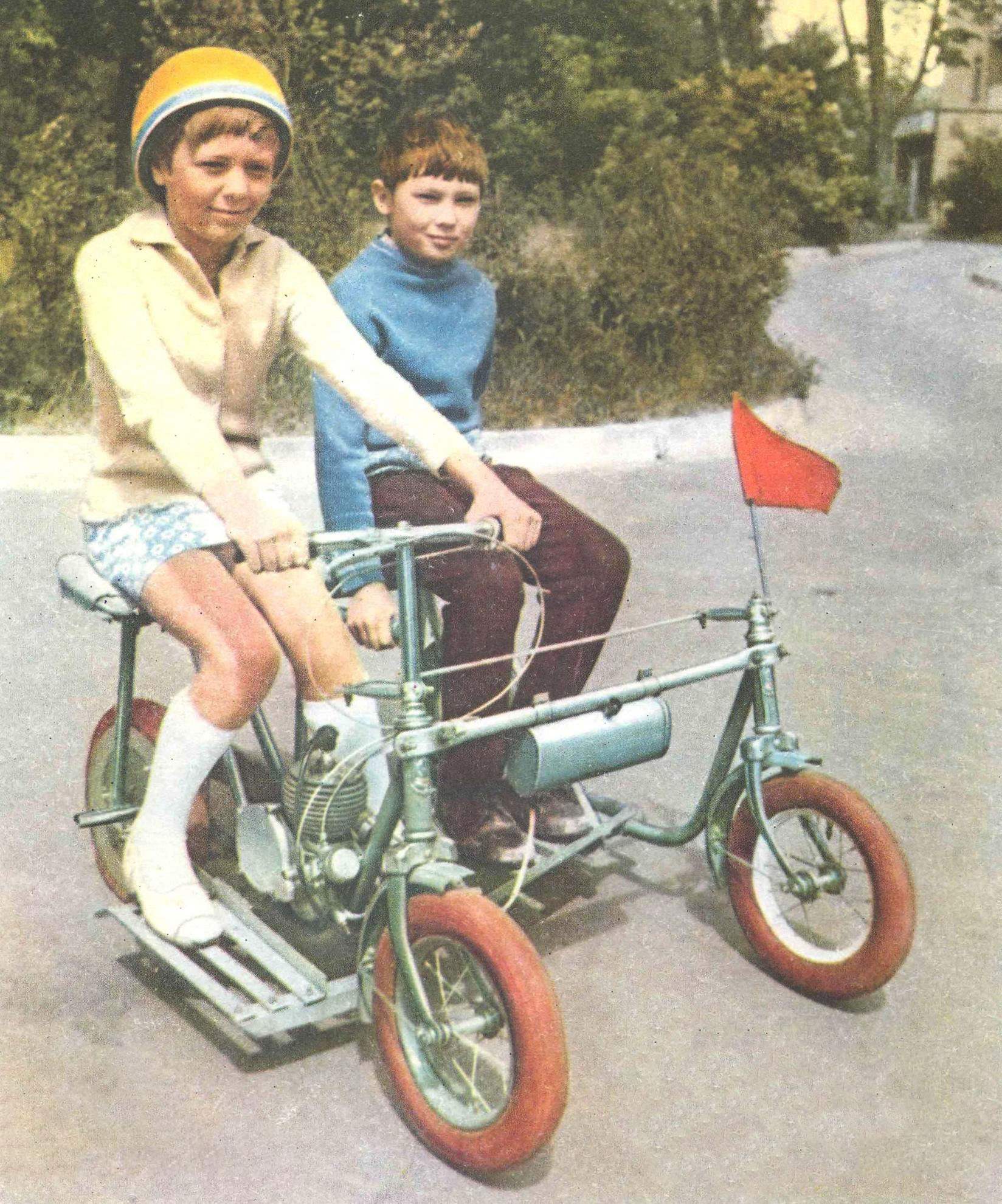 This is an interesting and at the same time very simple machine, which we want to tell you today, already mentioned in the ninth issue of our journal in 1974 (see the essay “And we in the yard”). In addition, it could see many visitors ENEA: “duet” scooters were shown in the pavilion “Young technicians”. The car enthusiasts of technical creativity, and the editors have received many letters from readers with requests to publish more detailed description.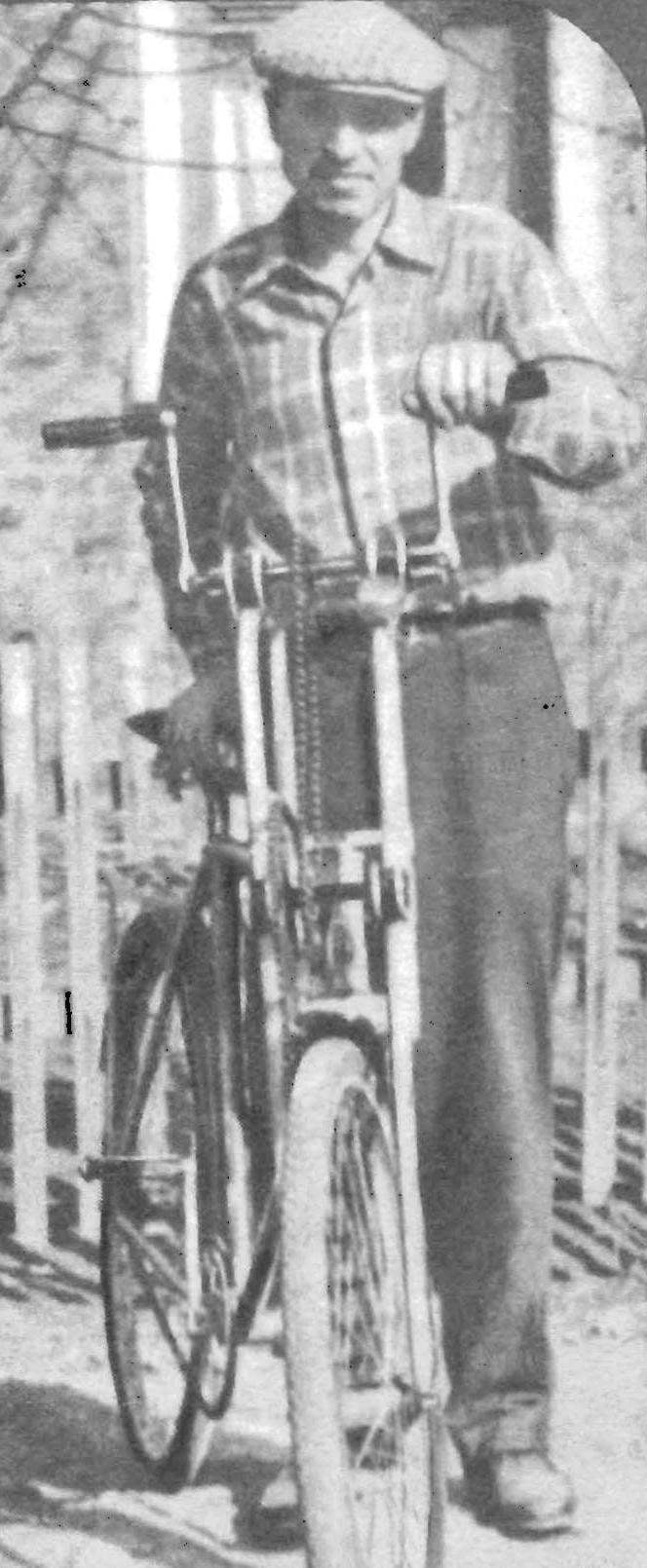
“Ride on this bike is a pleasure, writes us Turner V. Koval from the village of N. Galaxina Poltava region. — Easy climb up steep climbs, with only one hand develop good speed”. It is easy to see that the bike V. Koval — hand operated, through which both the leading wheels of steel.
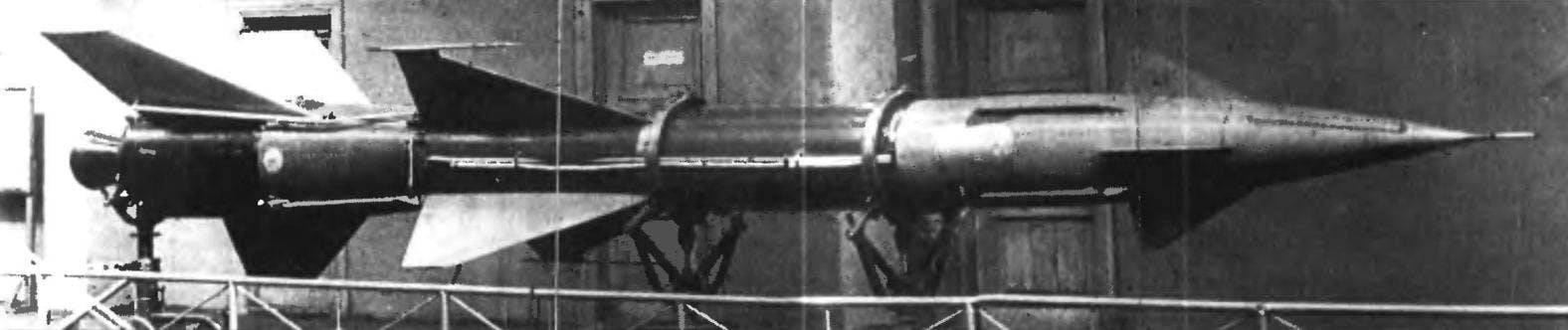
 “We need to get for air defense missile within a year” — this phrase, uttered by Stalin in early August 1950, defined the ways and approaches to solving complex military-technical problem — the creation of anti-aircraft missile system for air defense of Moscow, called “Berkut”.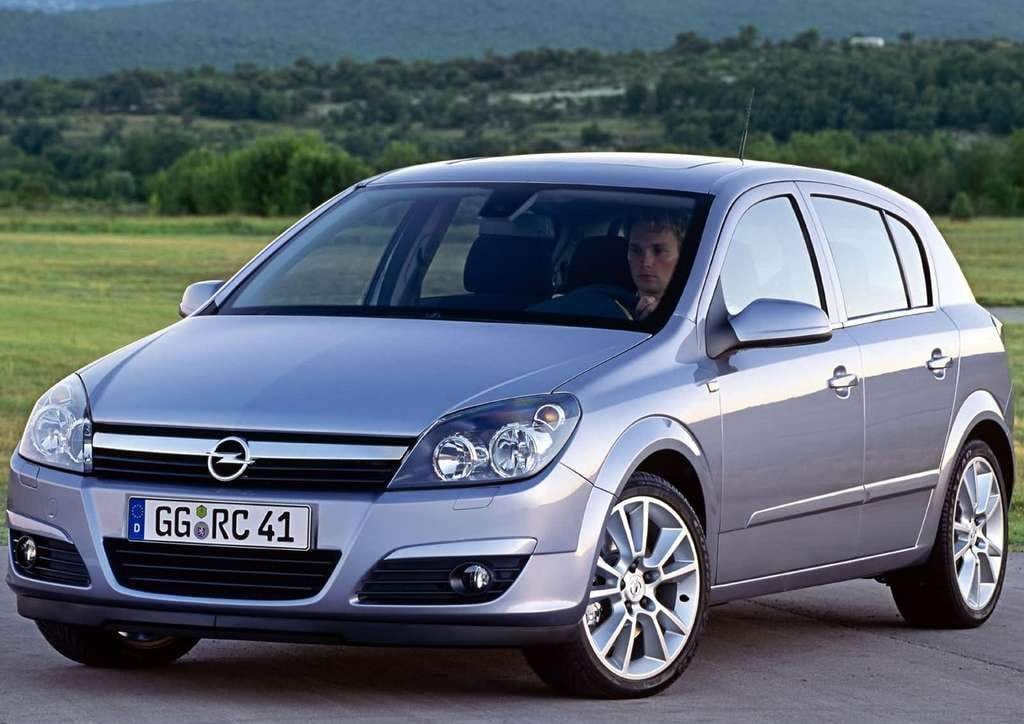
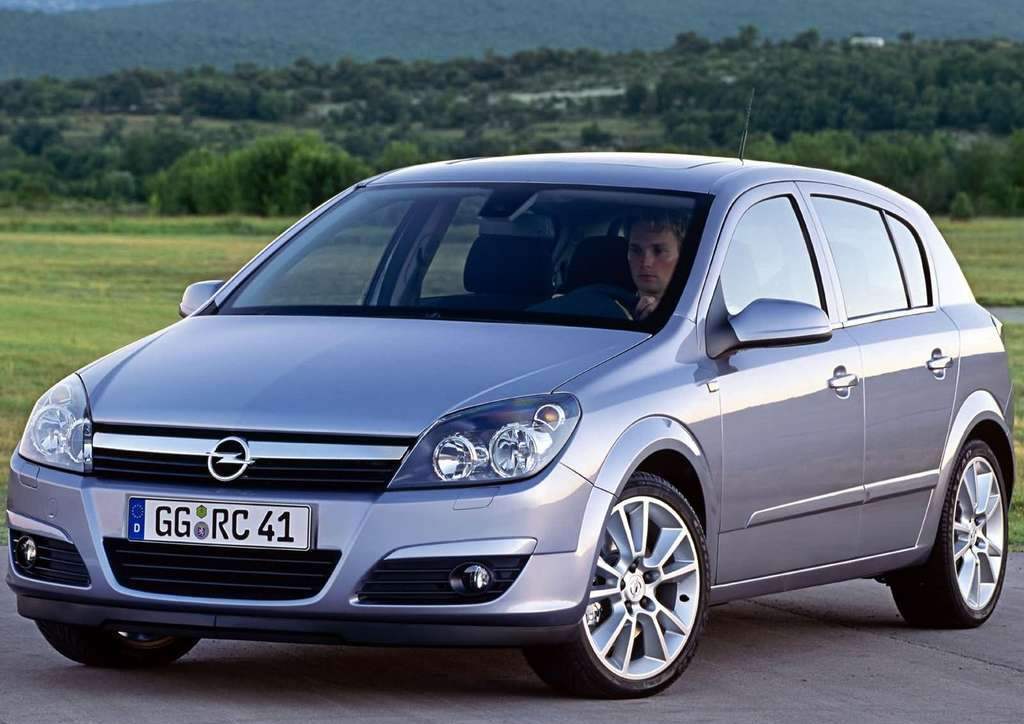 Golf car class, OPEL ASTRA. Competition has always been considered the engine of progress, including in the automotive industry. Vehicle manufacturers all by hook or by crook tried to stay ahead of the competitor and the price of the product and its quality. Well, won in such cases the consumer, resulting in less expensive and higher quality car.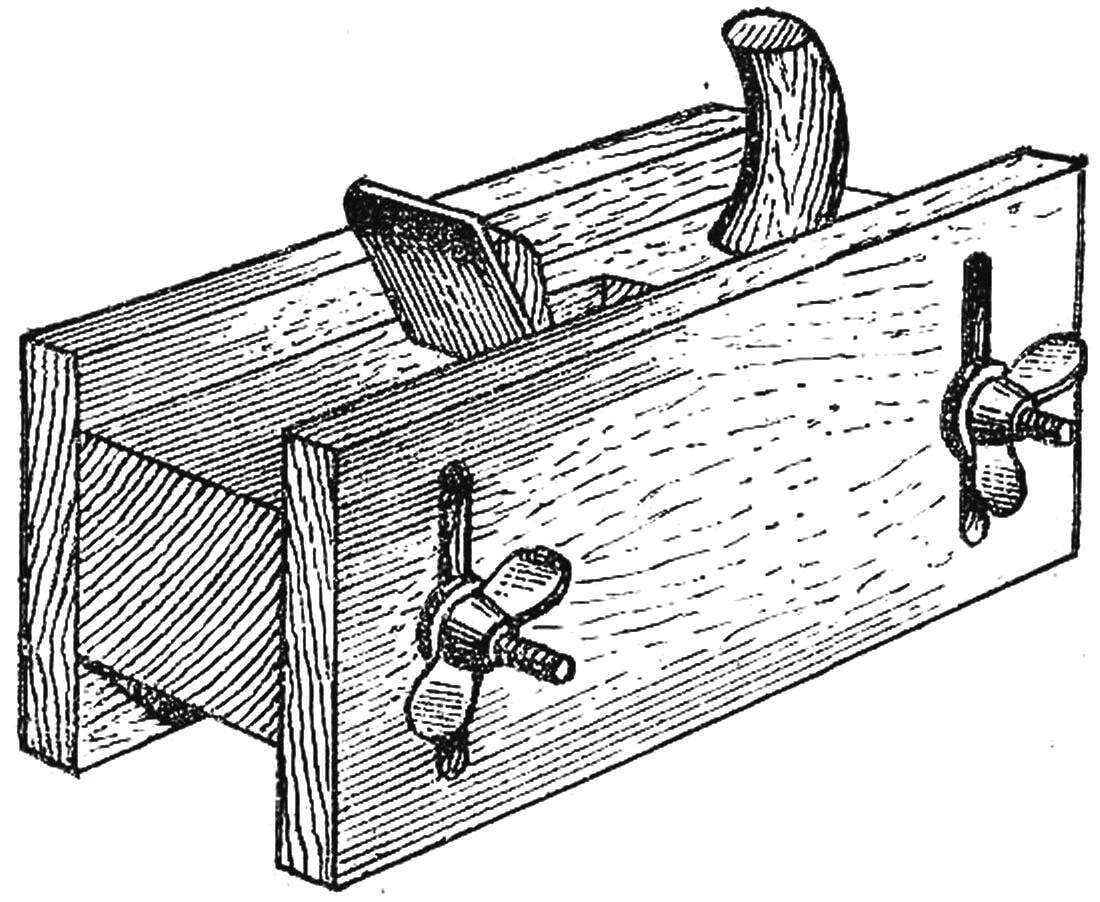
Manufacturing of hollow beams to collect the glider, I was faced with the need to have a thin, uniform thickness or width of the slats. We had a little bit to improve the conventional wooden plane (see Fig.). Drilled in it two holes, I inserted the stud with nuts and washers. On the studs put Read more…
