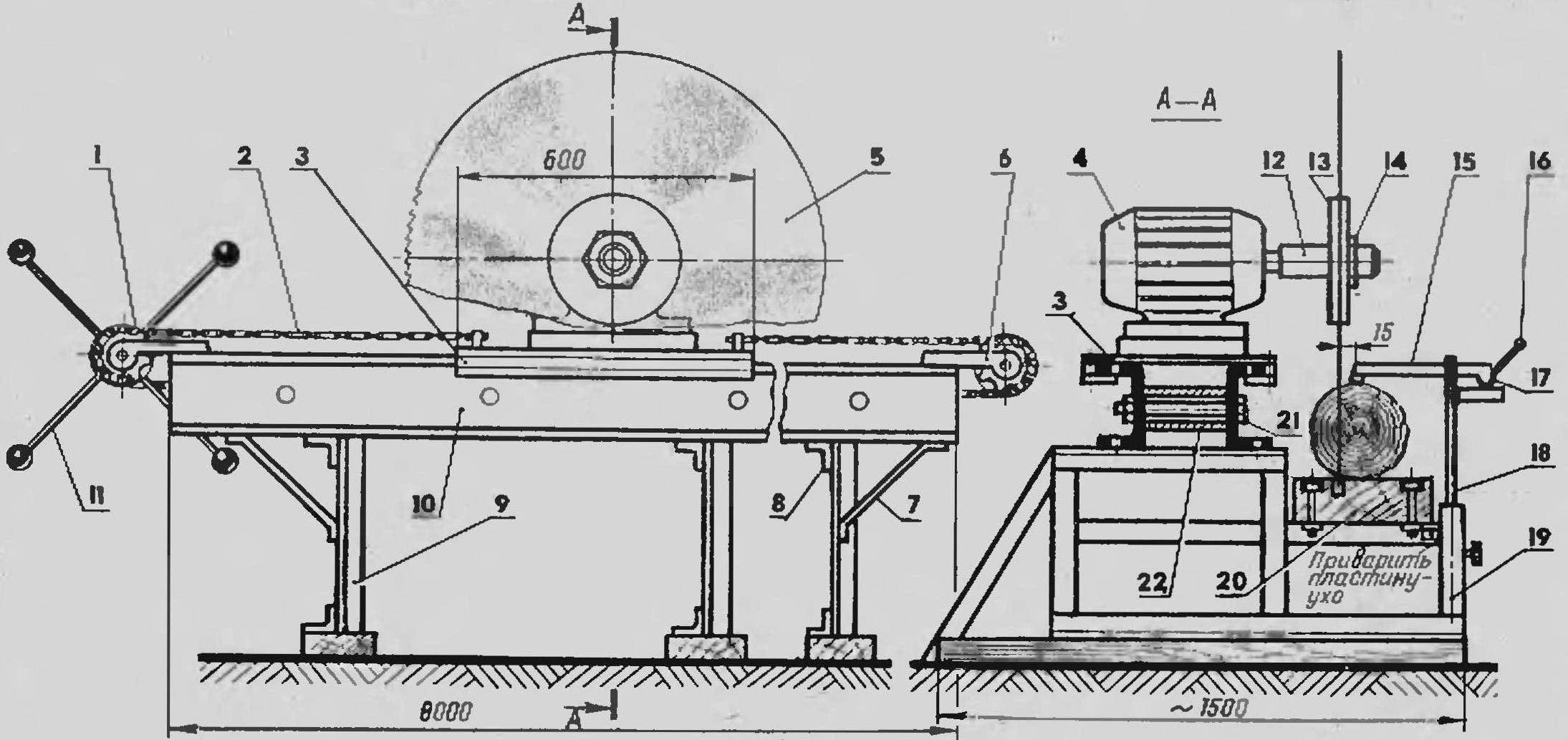
 The idea is to share my experience with the readers of “M-K” came to me after reading in No. 2, 1991, notes In Cmaha catching “a Plane on the rails” I Believe that in contrast to the above my design “rails” more comfortable and versatile, and time-tested. The basis of the frame of our “bench” consists of two steel channel with a length of 8 meters and a height of 140-150 mm…For “the same purpose you can use two rails, turning their soles to the top, or corners 50 X100 mm. Workpiece must be perfectly straight. One in cov ω distance in height and with a pitch of about 1…1.5 meters for all channel length RTSD drilled holes with a diameter of 14…16 mm.
A RESISTOR IN THE LAMP
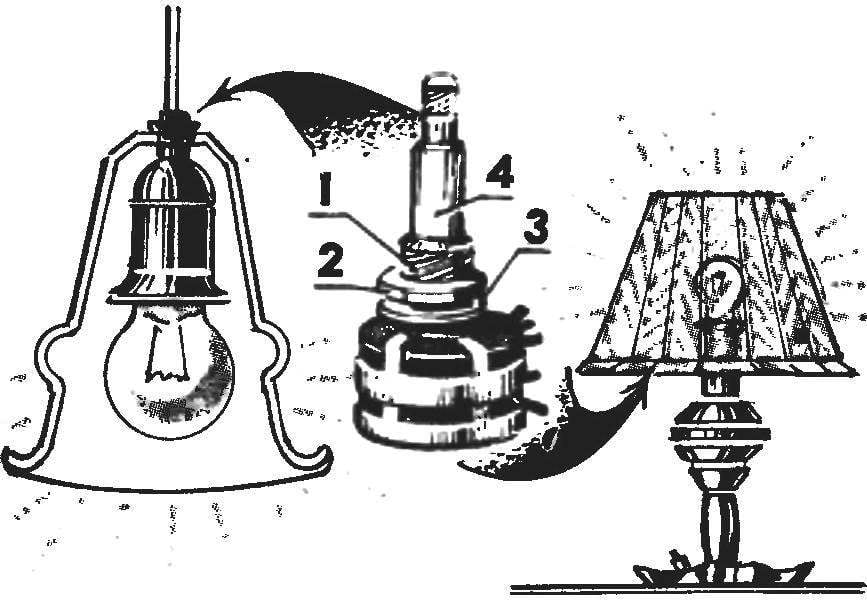
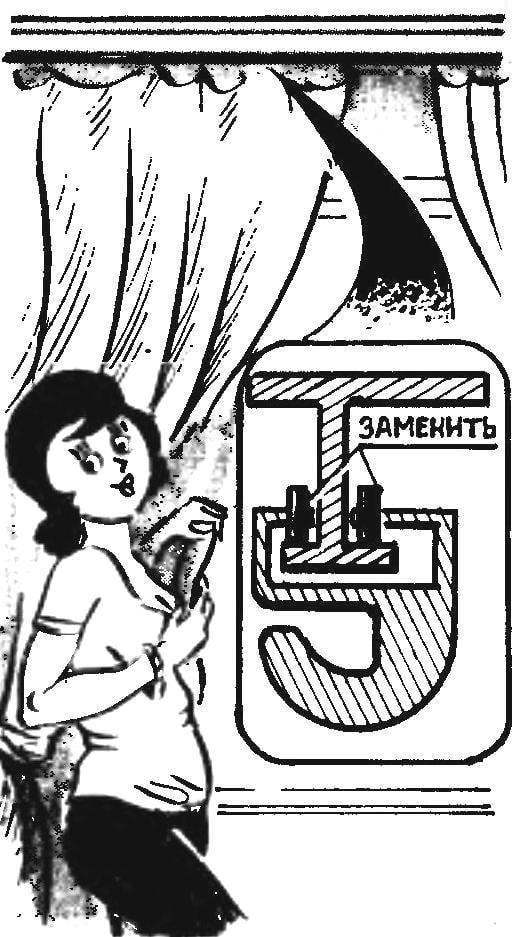
Do you have old dual variable resistor (e.g., type SP-P to the same flawed)? Do not rush to throw it away. It is, in fact, the ideal mounting site for homemade sconces, floor lamps, table lamps, chandeliers of various designs. Sleeve 1 (see Fig.) is perfectly suited, it turns out, when installing the cartridge in Read more…


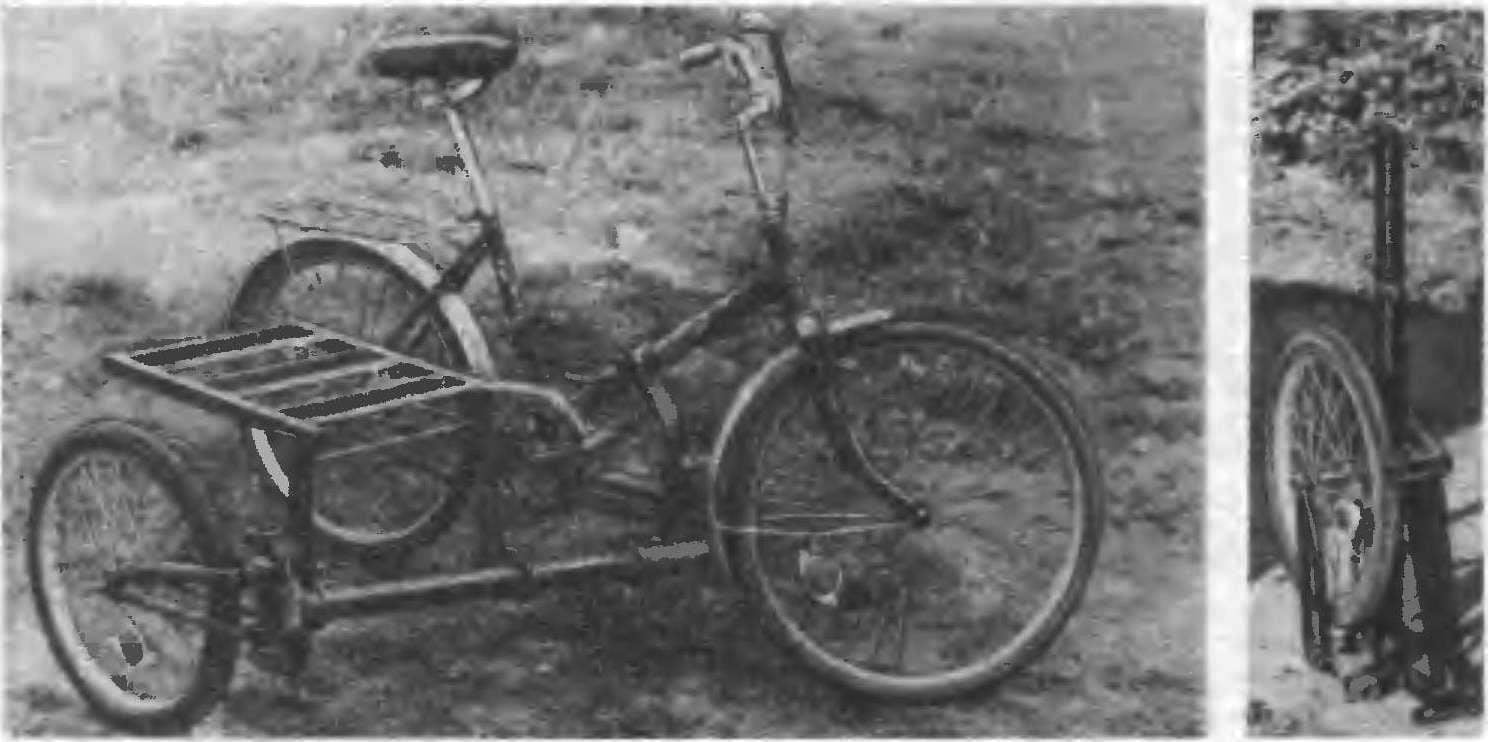
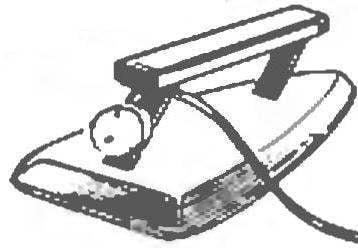
 during the period covering the country’s public deficit even the most that neither is ordinary iron burst in a number of regions in the category of “trudnoreshaemyh”. And is — alas! — quite expensive. But for the resourceful craftsman to make the original iron, as they say, no problem. You only need to thoroughly want… unlike the hero of the once popular song where the words are in the title of this material, the success of saadeldin guaranteed.