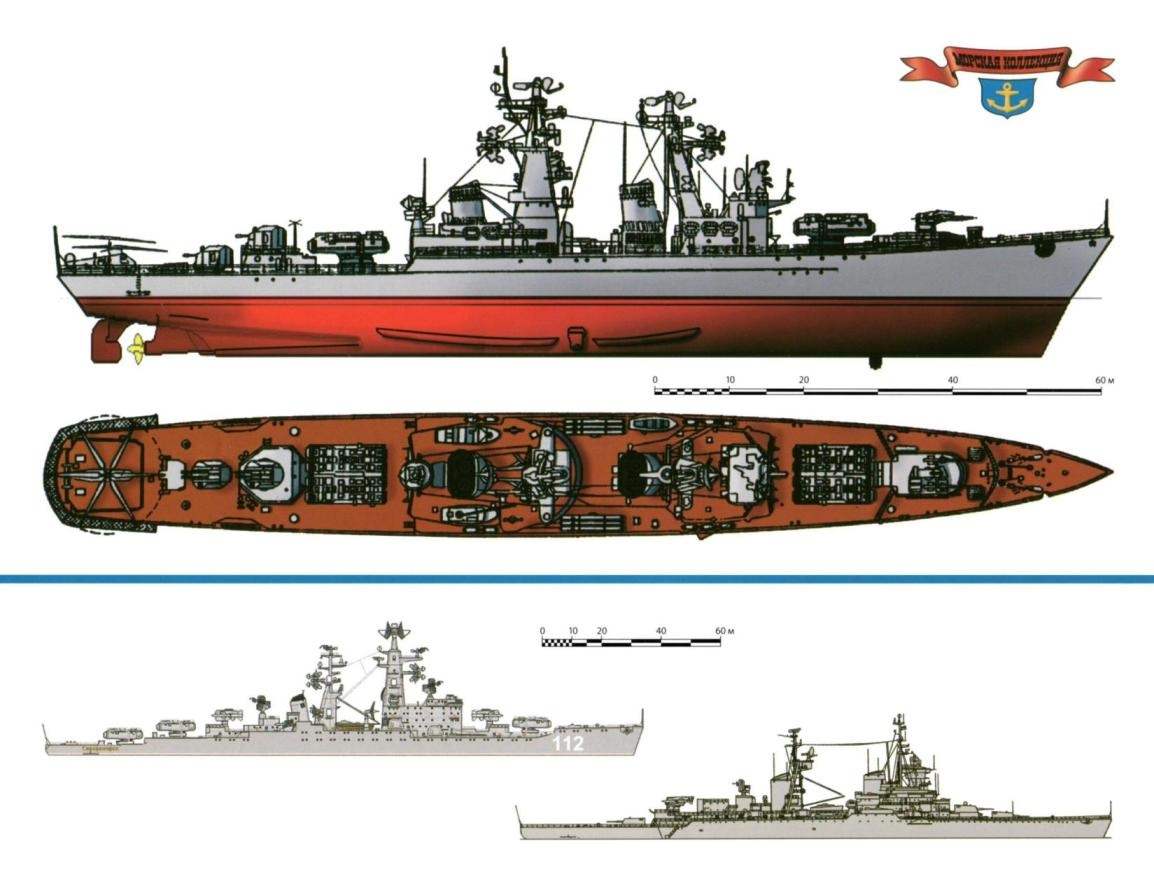
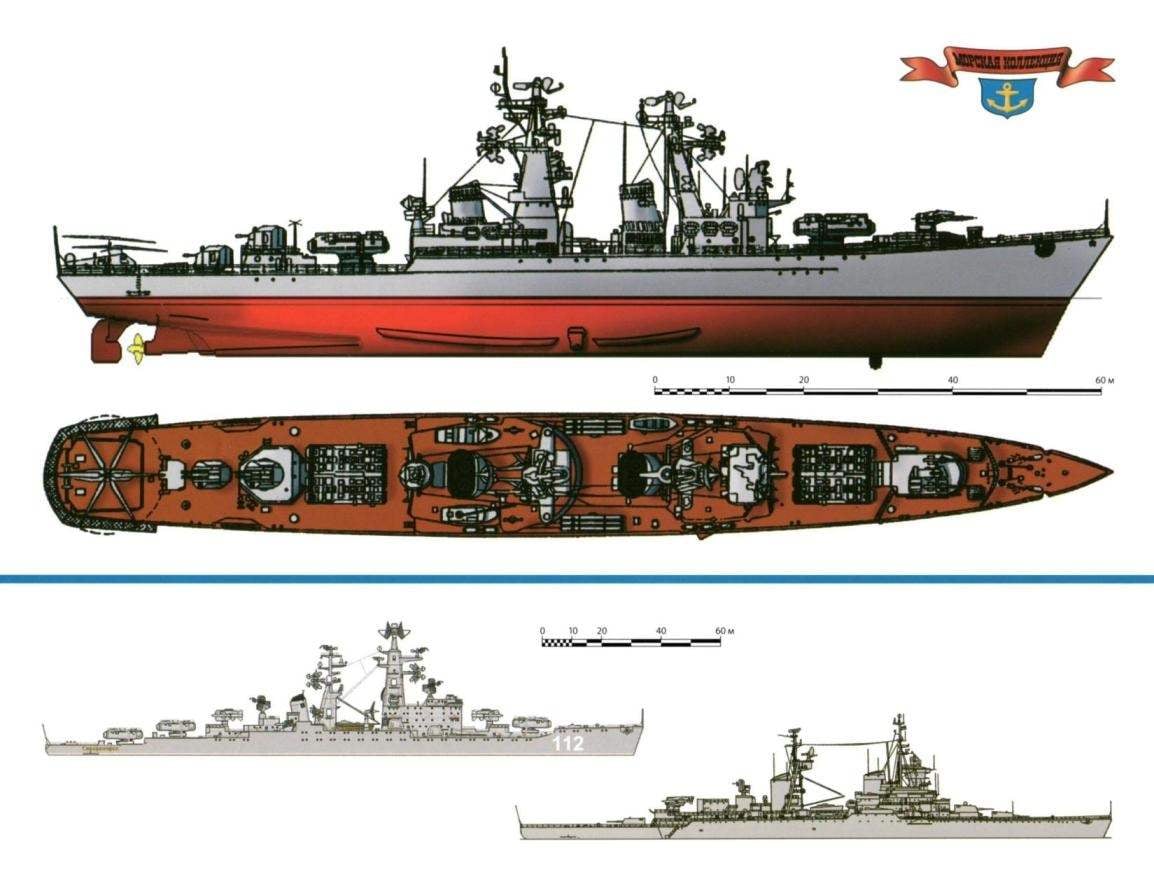
 the Main opponents of the American “new order” at sea the fleet of the Soviet Union, naturally could not stay away from the “missile mode”. Especially as its had a good “platform”: just built or still under construction cruisers of project 68, and 68 bis. In fact, shortly after the death of Stalin along with him departed, and plans to create much-beloved, large ocean-going fleet in his artillery. The existing situation demanded a more flexible approach. Undoubtedly a very significant role in the development of new concepts belonged to the commander of the Navy N. G. Kuznetsov. Committed to a balanced fleet, he was forced to battle on two fronts, not only in competition with the “potential enemy”, but in combat is not always reasonable ideas of the new leaders of the state. In mid-1954, under his patronage started to be developed a comprehensive plan for the harmonious development of all types of ships – not only submarines, which are “laid eyes” the Presidium of the Central Committee and First Secretary N. With. Khrushchev and surface. Found the place and the cruisers, part of which had now become the rocket.
STORM CARRIERS
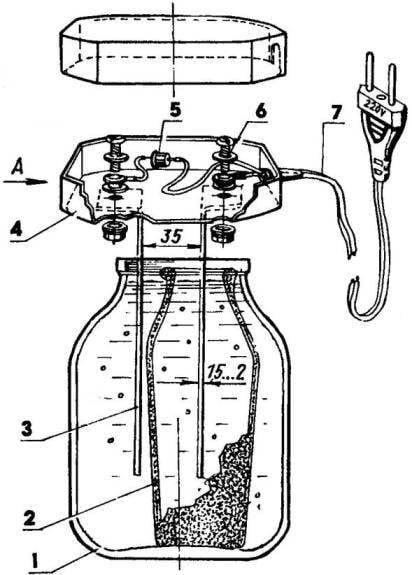
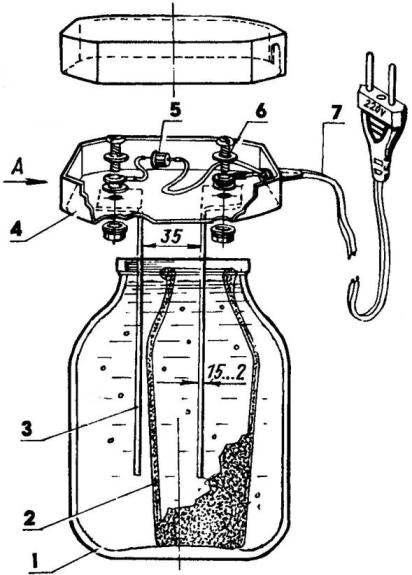 An activated by an electric current of water appear special properties: such moisture has a significant influence on the course of redox processes in animate and inanimate nature. Using the activated water, the enthusiasts achieve success in a wide range of areas from production to consumer (publications on obtaining “live” and “dead” water, see the journal “modelist-Konstruktor” № 12’83, 3’87, 3’96, 12’2000). Today’s collection is about the activators that can be done in a home workshop, based on the materials of the popular Bulgarian weekly “Guide yourself.”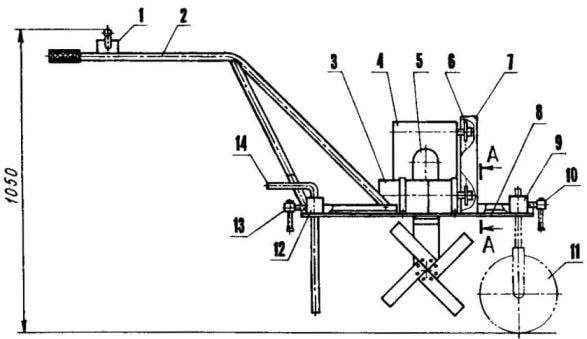
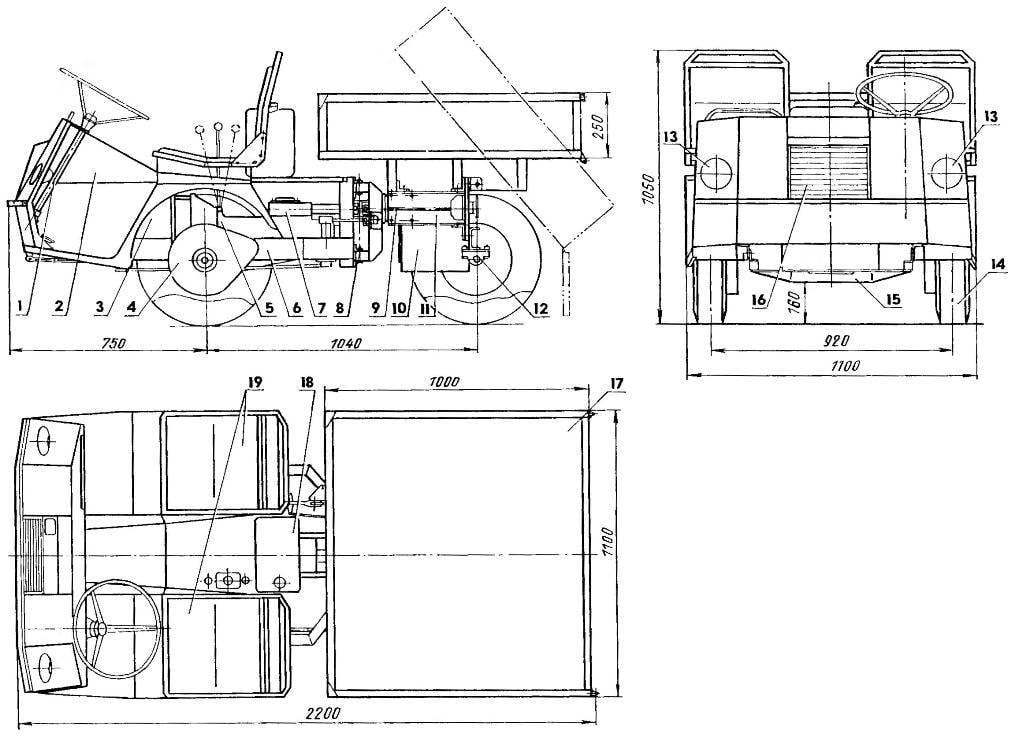
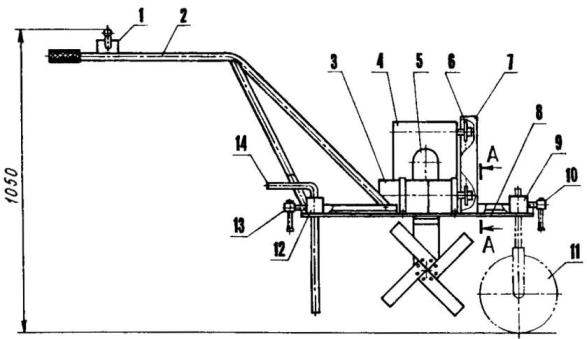 The owners of the garden plots are very popular cultivators “the Mole” with petrol engines. At first I was extremely happy with his mechanical assistant. However, over time, decided to get rid of the noise and noxious exhaust of a gasoline engine and make environmentally friendly electrochlorinator, safe from shock. For the cultivator required a motor with a serial excitation, which increases as the load increases and the torque. More other ideal starter stamps ST-8 from the truck GAZ-51.
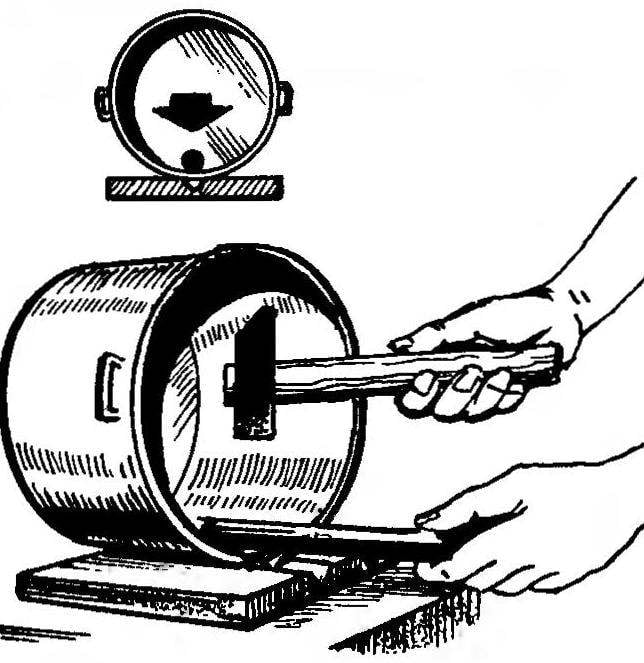
 Castings from nonferrous metals and their alloys used in engineering a lot, including quite complex and miniature, batch production can afford only company with precision technology. However, a single (or even small-scale) microlite quite able to organize and at home. With modern technology, it turns out that can rival the old method of injection molding using simple manual centrifuge.
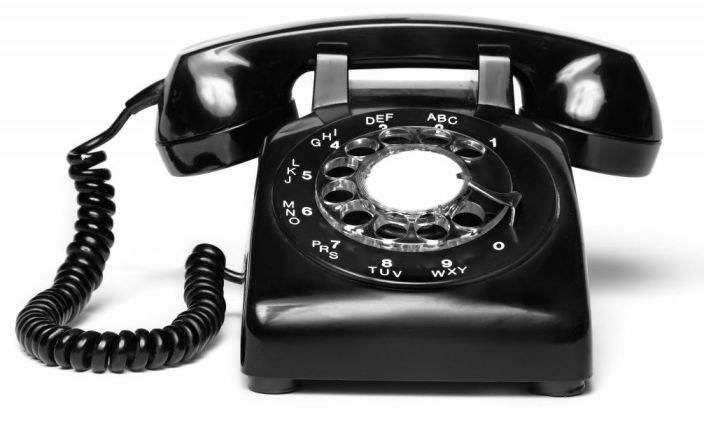 In connection with the aggravation of the criminogenic situation in the country is increasing the demand for security devices. In accordance with the laws of the market grows offer electronic guard for every taste (often with a predominance of the most sophisticated circuitry). Representatives of different companies vying to convince you to purchase state of the art microprocessor designs, the caller is automatically its owner to work or service in the attempts of the attackers to disable the security system and break into the safe house (a dacha, garage). Only here the prices “bite”. And where is the guarantee that replicated the electronic trickery you will not find criminal Kulibin?