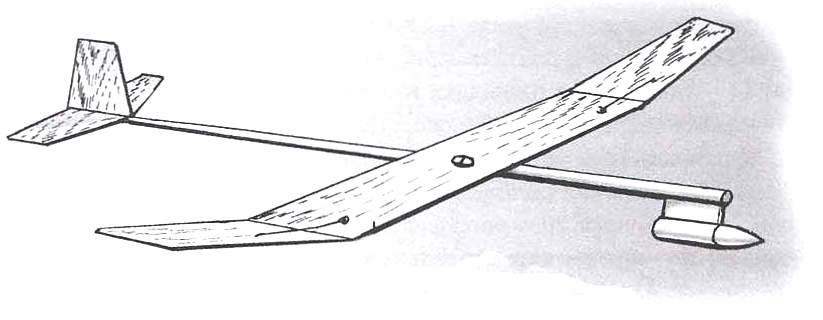
 Category S4. The rocket plane is an aircraft that is lifted into the air using the thrust of the rocket engine, and returns to earth planning with the engine off — using the aerodynamic lifting force. This requirement applies to all three categories of rocket gliders for the duration of the flight — S4, S8, S10. And each has its differences. S4 — model glider with an accelerator, which can be separated during the flight. S8 — model RC rocket glider S10 — a model rocket with a soft wing (wing “Rogallo”).
Read more
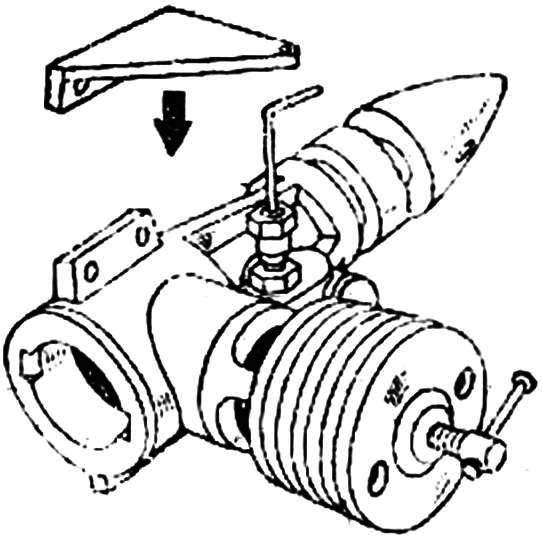 Many advantages in this model of micro-motors of the type “meteor-2,5”, CSTOM-2,5, “swift”, “Falcon” and the like — with front-wheel distribution. But, installing them on the model of air combat or training, you go at some risk. The fact that a failed planting of the motors, as a rule, the needle breaks the needle valve or, even worse, damaged the nozzle.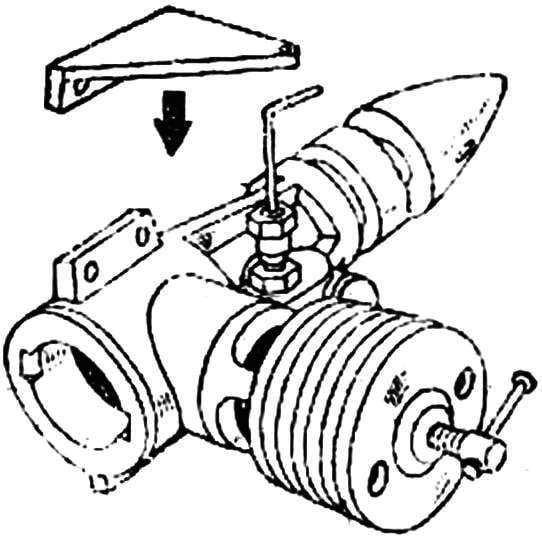
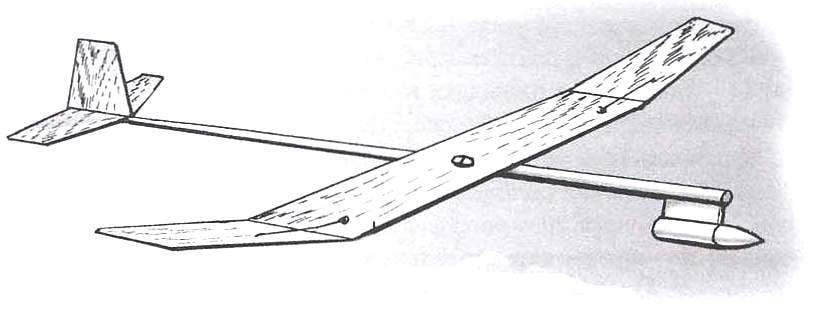
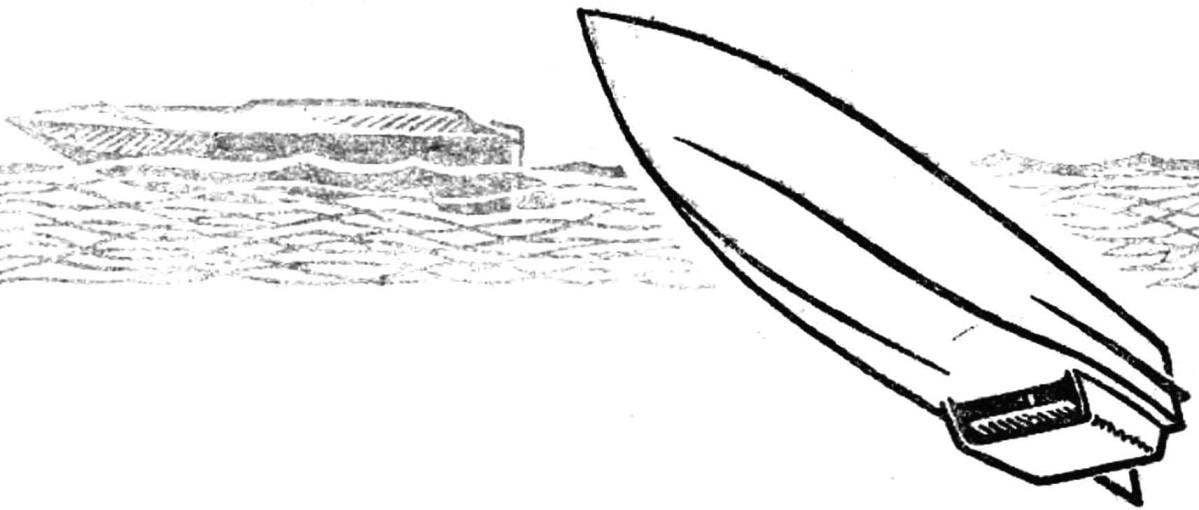
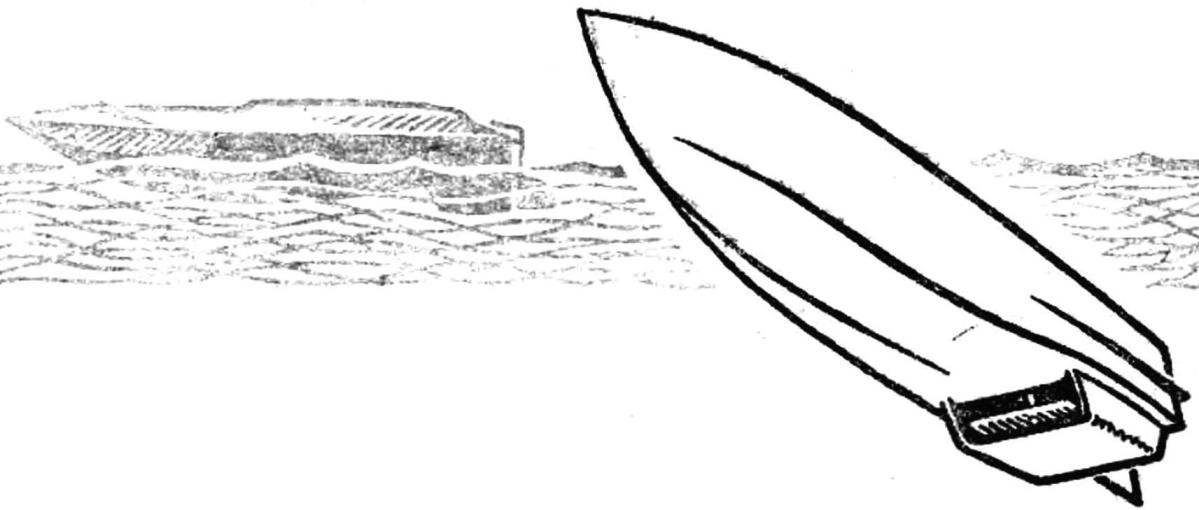 It would seem, what could be better than a propeller! Decades he is the right person, moving a variety of the court, ranging from simple walking equiped to giant supertankers. Well-developed theory and calculation methods allow a precise adjustment of the screw to any of the designed ship.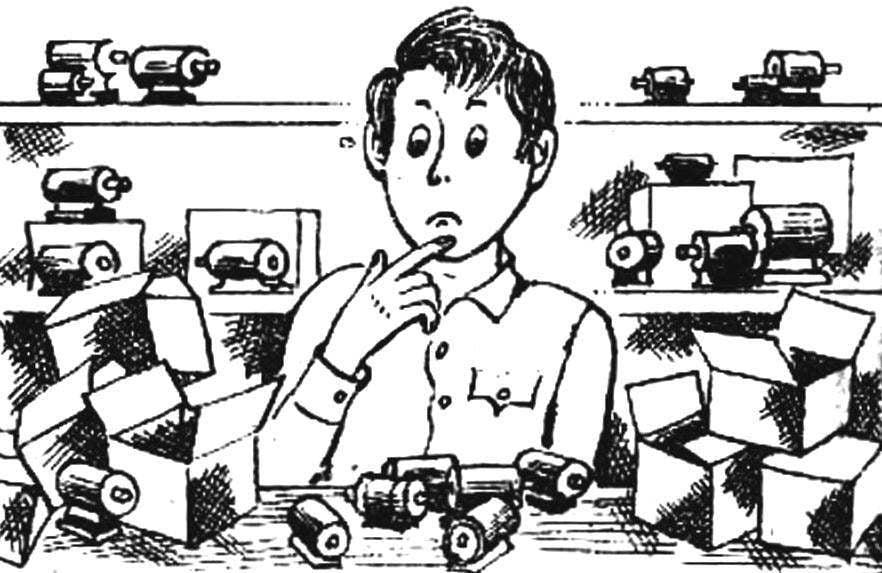
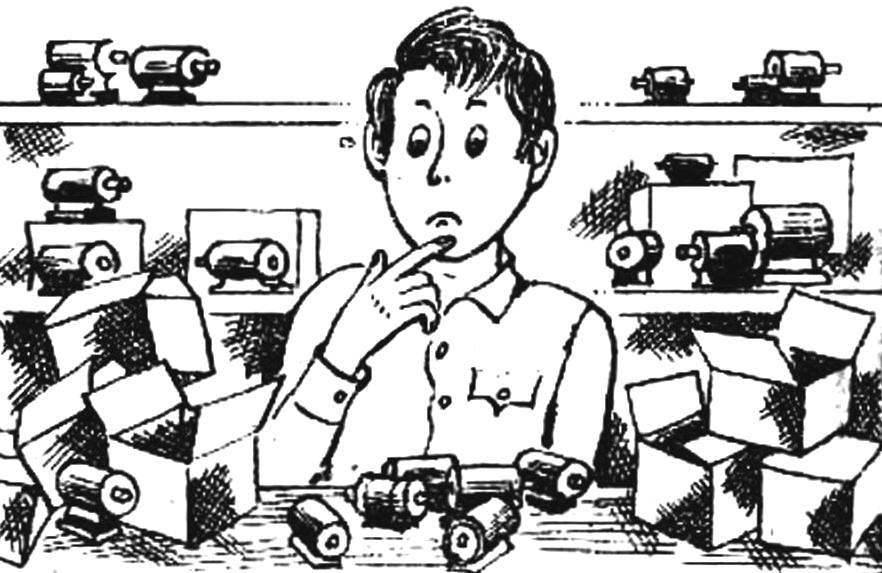 “Dear editors! I recently bought in shop “Children’s world” microelectronical, but when I put it on the model of the torpedo boats, it is a day out of order. Please advise, can it be repaired and how?
 Often you can see guys, sorry standing at the wreckage of his first cord model aircraft. Many fail the rocking of the control — or done poorly, or the material is picked up correctly. And so I want to see in flight almost a real plane that you yourself invented and built!
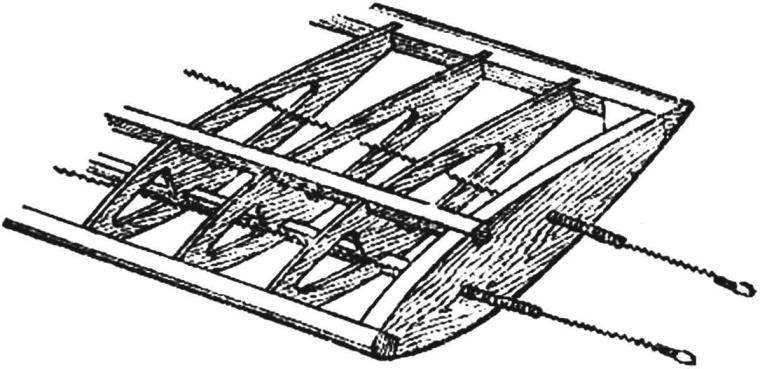 Experienced modelers-conovici much focus on connecting cords and the rocking the control cables. Especially careful they draw their conclusion from the wing — this often depends on the successful flight model as in training and competitions. Accidental kinking of the cable pull — and stuck in the system control leads to the fact that the miniature aircraft crashes.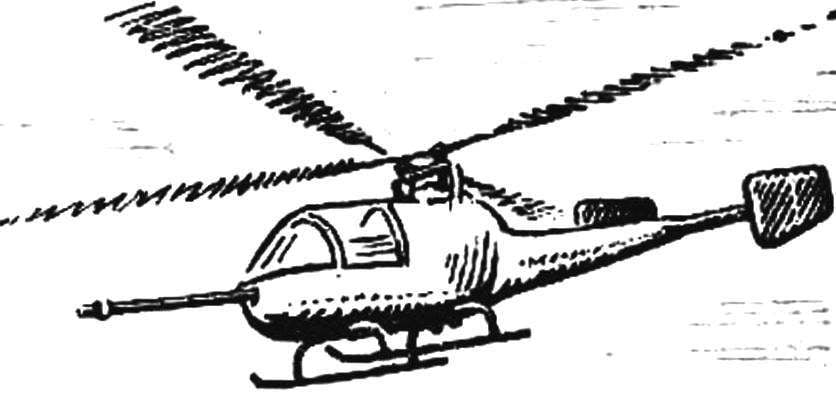
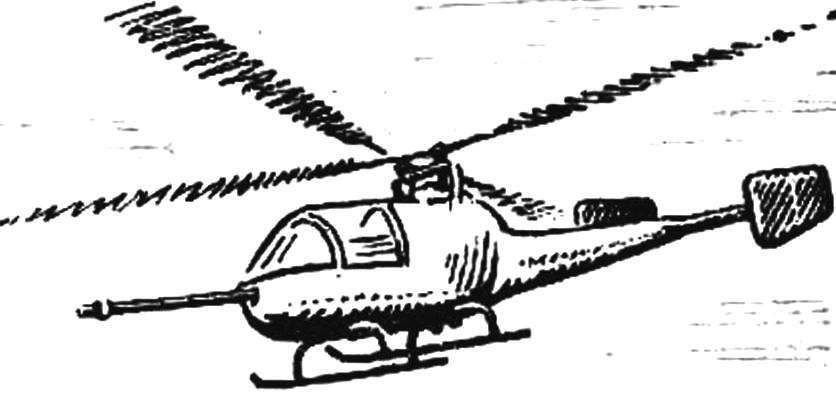 The model we offer you to make, made by rare scheme — two bearing rotor during rotation intersect. To build it is not very difficult — especially as the engine are well-known modelers rubber tubing. Energy stored in them when you twist, enough to fly a small model of this type. The diameter of the rotor is 600 mm, and each of them has its own shaft, both rotating in opposite directions, which provides a synchronizing mechanism. Four gears cut from metal gears with a suitable external diameter, which you can pick up from parts of an old alarm clock or a broken clockwork toy. After processing, the thickness of each gear should be about 2 mm, the diameter of inner hole is 2 mm.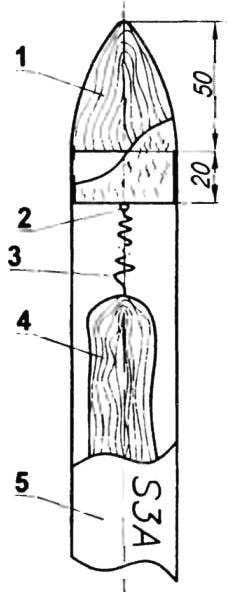
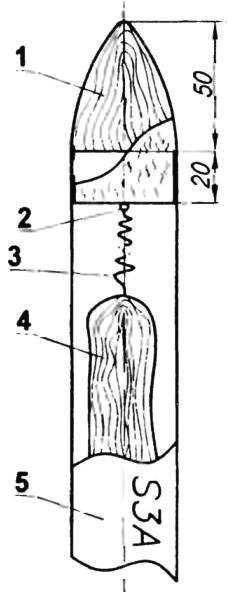 Of all classes and types of rocket parachute patterns category S3 the most “ancient”. At the dawn of the emergence and development of rocket modeling one of the criteria of the competition was the duration of the flight. At that time it was a simple and straightforward comparative characteristics of flying model rockets. By the way, today the flight is the determining factor the benefits and performance of model rockets with a parachute. And watch the in-flight model with a large beautiful dome — fun.
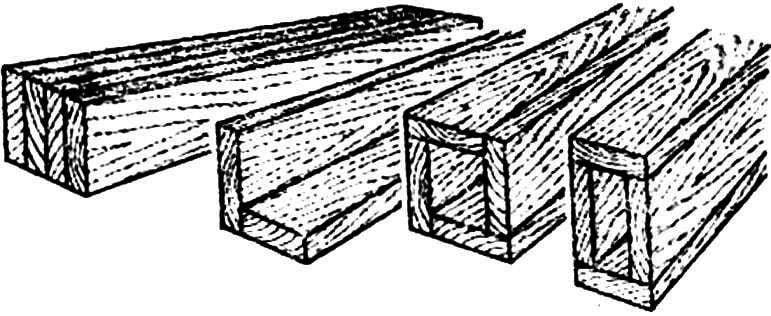
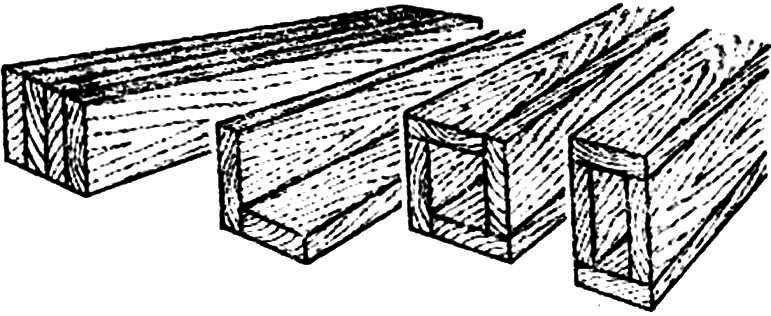 models of gliders classes A1 and A2 must satisfy three requirements — stiffness, strength and low weight. The best results are obtained by the use of tapered thin-walled fiberglass or balsa tubes. But the technology of manufacturing these beams is difficult. Our proposed design is much simpler, the material for it is available to everyone. Despite its simplicity, such a beam is well proven in operation.