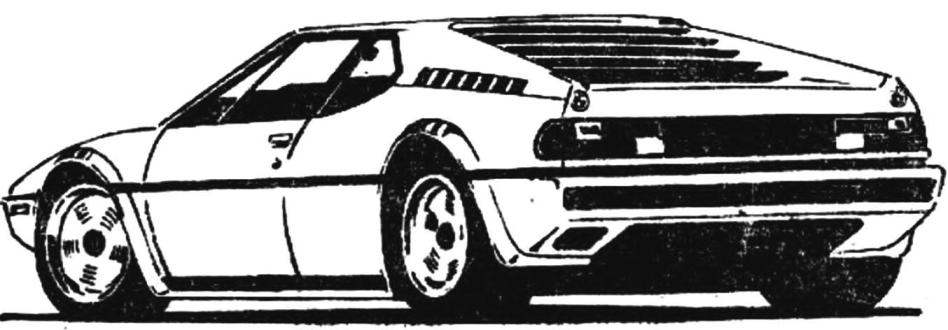
 In 1978, at the international motor show in Paris was presented the new sports car BMW M1. He is currently considered the fastest car of the company, and this was achieved not only due to the design features, but also because a fundamentally new approach to design. Racing cars are usually created on the basis of serial models, but the firm BMW chose a different path. BMW M1 from the beginning was created to participate in competitions, and requirements specific requirements take into account not only when designing the engine, but the bodywork along with chassis, It is possible to achieve the harmonious unity of all units of the car with a powerful engine and is easy to assemble them with a “good” motor.
BMW – OPTION FOR THE TRACK
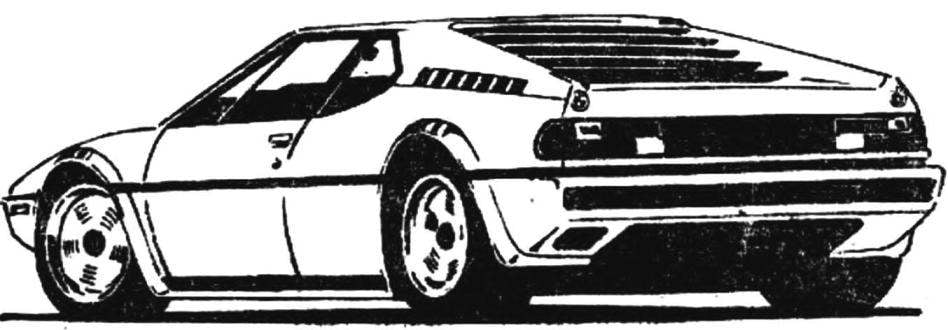 In 1978, at the international motor show in Paris was presented the new sports car BMW M1. He is currently considered the fastest car of the company, and this was achieved not only due to the design features, but also because a fundamentally new approach to design. Racing cars are usually created on the basis of serial models, but the firm BMW chose a different path. BMW M1 from the beginning was created to participate in competitions, and requirements specific requirements take into account not only when designing the engine, but the bodywork along with chassis, It is possible to achieve the harmonious unity of all units of the car with a powerful engine and is easy to assemble them with a “good” motor.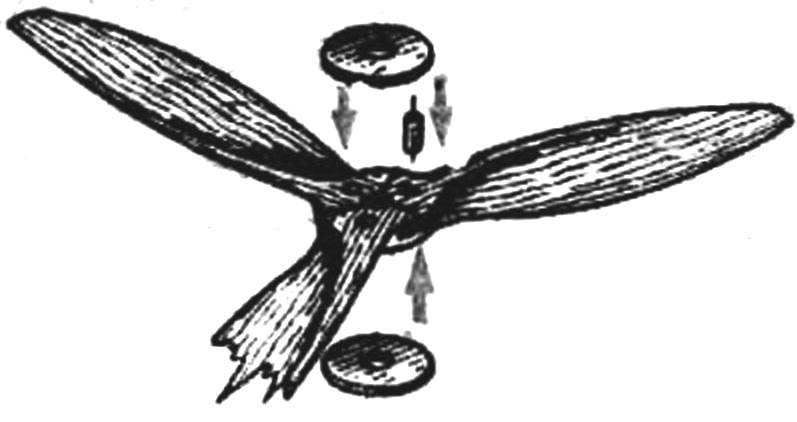
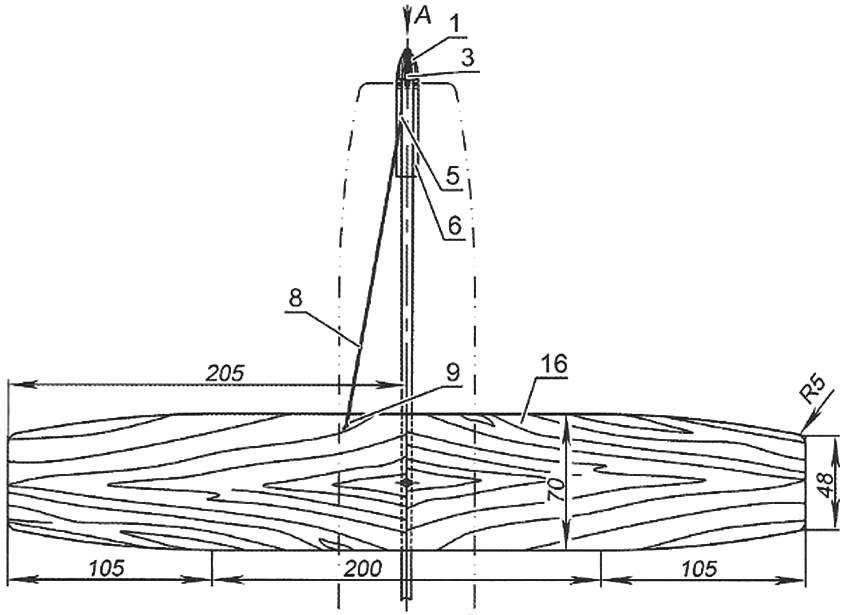
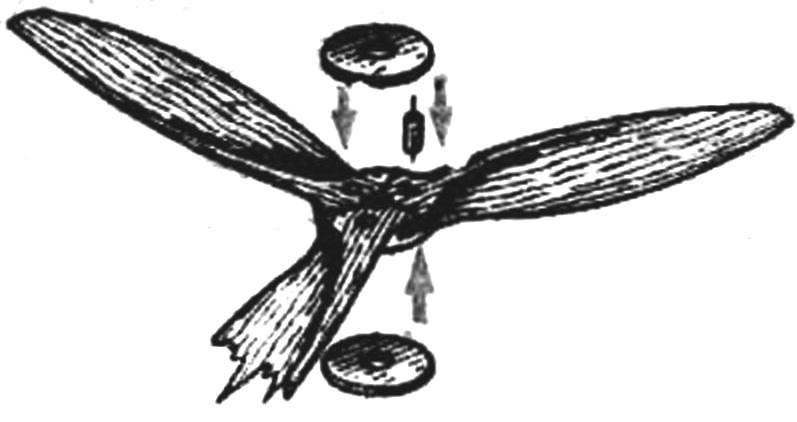 What are the only propellers is not built by modelers. Due attention was paid to the three blade. Why not try to install them on a modern cord “acrobat”? If Yes, will any benefit from the extra blades? Elaborate design, drew and made templates. Finally cleaned the sawdust out of the room evaporated the smell of varnish. The case for breakdown in air.
 The model is ready, applied the last layer of putty. It is time to begin painting. Soon the model will become strict and graceful look, will emerge more noticeable the line of lines, curves, a glossy surface will fall light patches. You can understand the impatience of the young designer when there is so little to the first test of the new device. And now look what happened… Ran, although not very clearly, traces of brushwork, striking streaks of paint and blotched, uneven border colors.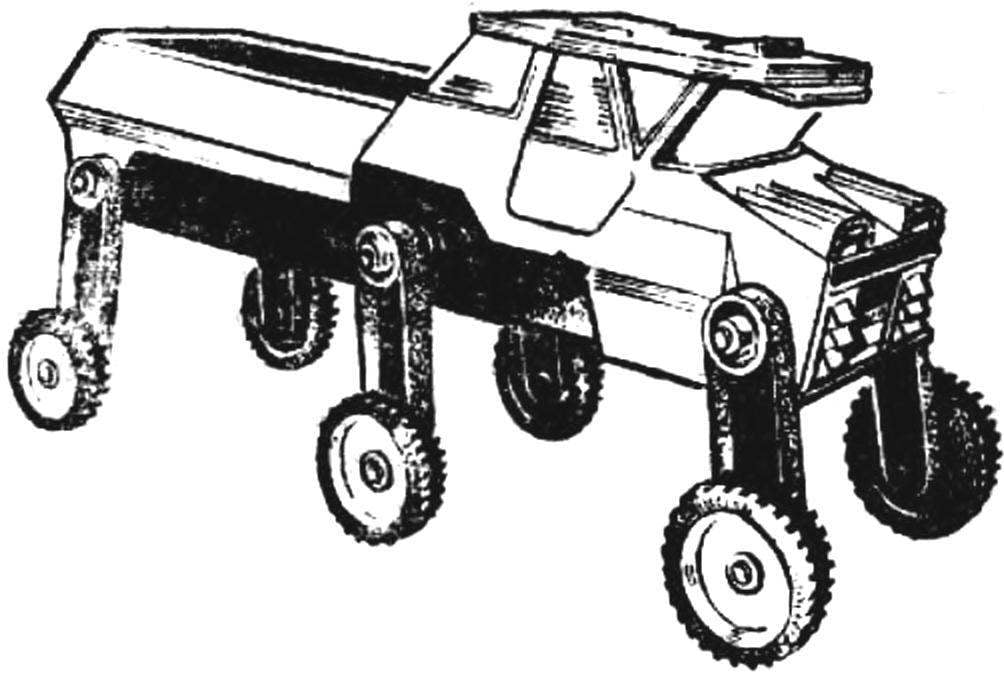
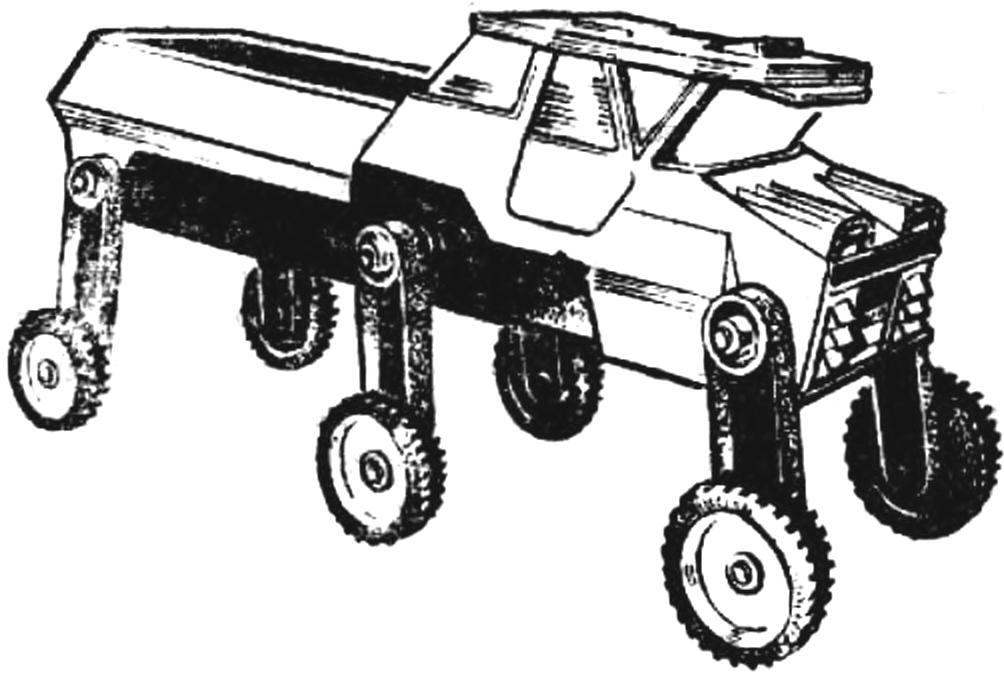 Maybe someone will seem ridiculous the claim that wheel the machine can fly over the fence, but not young technicians from the laboratory of experimental modeling and design Cute Novosibirsk Akademgorodok. On the contrary, they talk seriously about the ability of the wheels to overcome ledges, ditches, steep slopes… And in support of their arguments build working models of all-terrain vehicles. One of them is remotely controlled amphibious Atlant — created by young designers Cut Lipenkov Andrey and Dima Yakovlev.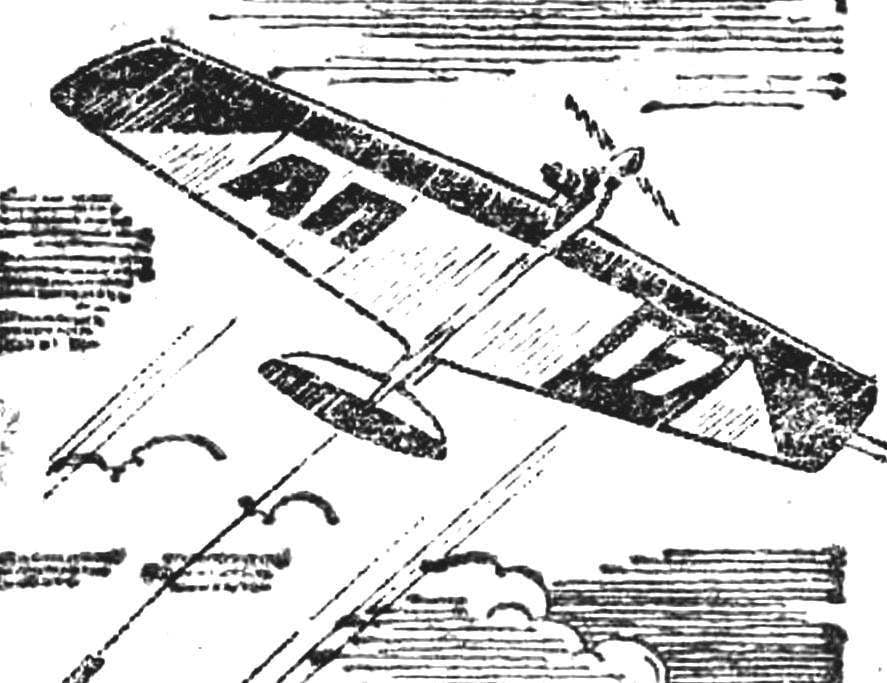
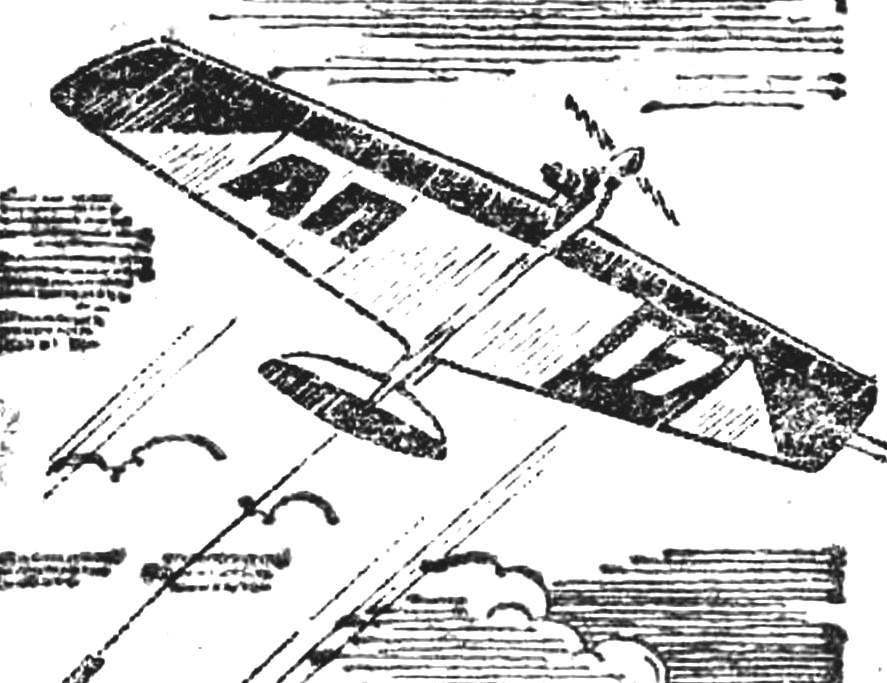 Is a beginner model airplanes at least once to see the competition of the dogfight, as he immediately declares: “I Want to build bouzouki!” And it can be understood: indeed, the air battle — an exciting spectacle, besides themselves “fighters” is so simple that just a few days the athlete, who undertook a new car, already feeling it in the air. And then you can dispense with the use of scarce balsa. And unlike other classes in a dogfight is often possible to achieve good results even with accelerated serial domestic engine.
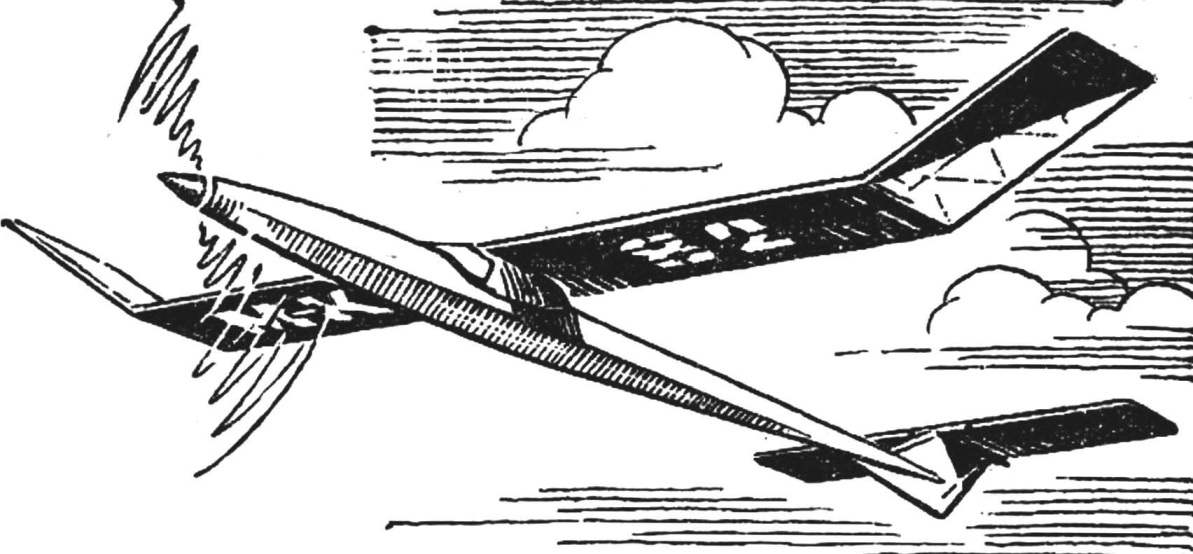 Today I want to introduce You to the model class B1, having almost the same set of wings. This force diagram consoles with a transverse set of pine slats is fully justified, since for such models, the requirements of stiffness, processability and low weight is no less important than for a glider.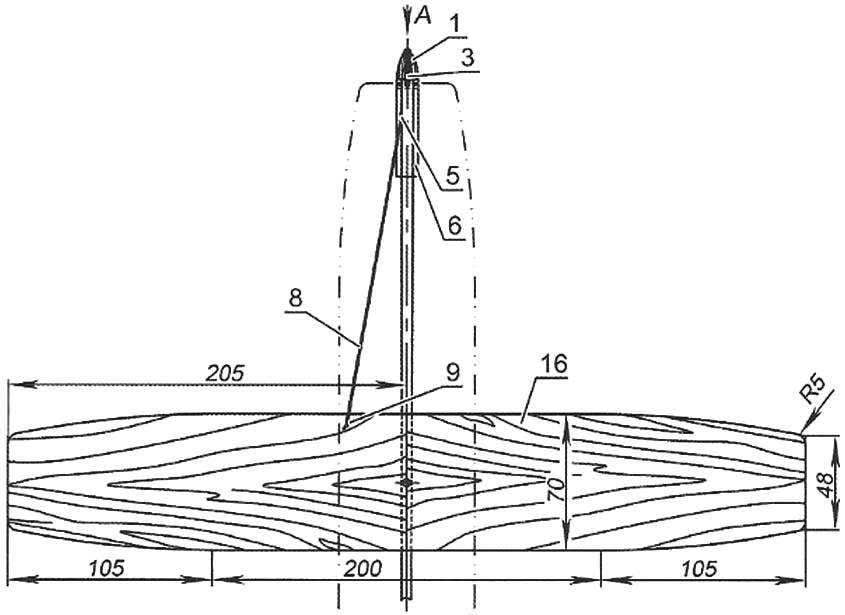
 The idea of turning the wing on the model rocket plane was implemented nearly forty years ago. Its author is Anatoly Z. Gavrilov – head asiacruise from the city of Krasnozavodsk in the suburbs. It had I far into their school years, learned to build flying model airplanes. Like many modelers, we moved to “the rocketeer” after the first space launches. Moreover, it was a completely new direction in children’s technical creativity where they can show their imagination in the construction of flying models. Today such a scheme more perfect, with the folding and rotation of the wing, called “Moscow”, widely exploited by rakotomalala.
 In the journal “modelist-Konstruktor” No. 11 for 1981, we reported on a new category of raketoplana S8. In the same issue was published the drawings of models of the class S8A. Today we offer to your th account the description of another rocketplane — class S8D. It is interesting the original design of bearing areas of changing geometry. Furthermore, it simultaneously satisfies the requirements of category S4. Similar models in the class S4D Moscow athletes competed at the Championships of the USSR. The proposed design of the rocket plane designed by head of the circle of the Moscow city Palace of pioneers and schoolchildren by V. Minakova.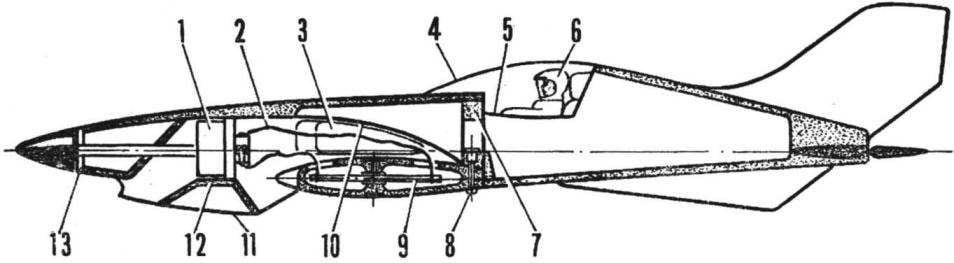
 With a slight rustle of the blades of the propeller model took to the air. Passed one circle, two, three. All this is familiar today in many circles of our country guys raise flying model aircraft with electric motors. However, some features of this device are forced intently follow him. Whether unusual for a rechargeable element wing — flaps, or confidence, a kind of reliability of the flight. After all, we are accustomed to the fact that the power of the motor just enough to keep the model in the air.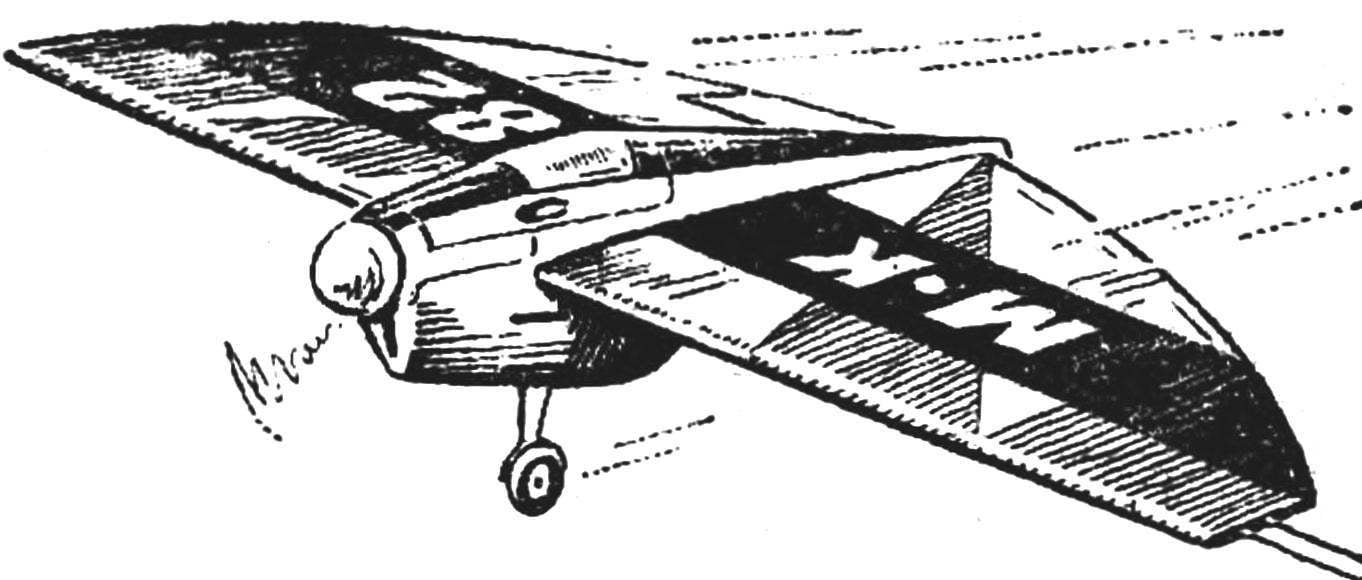
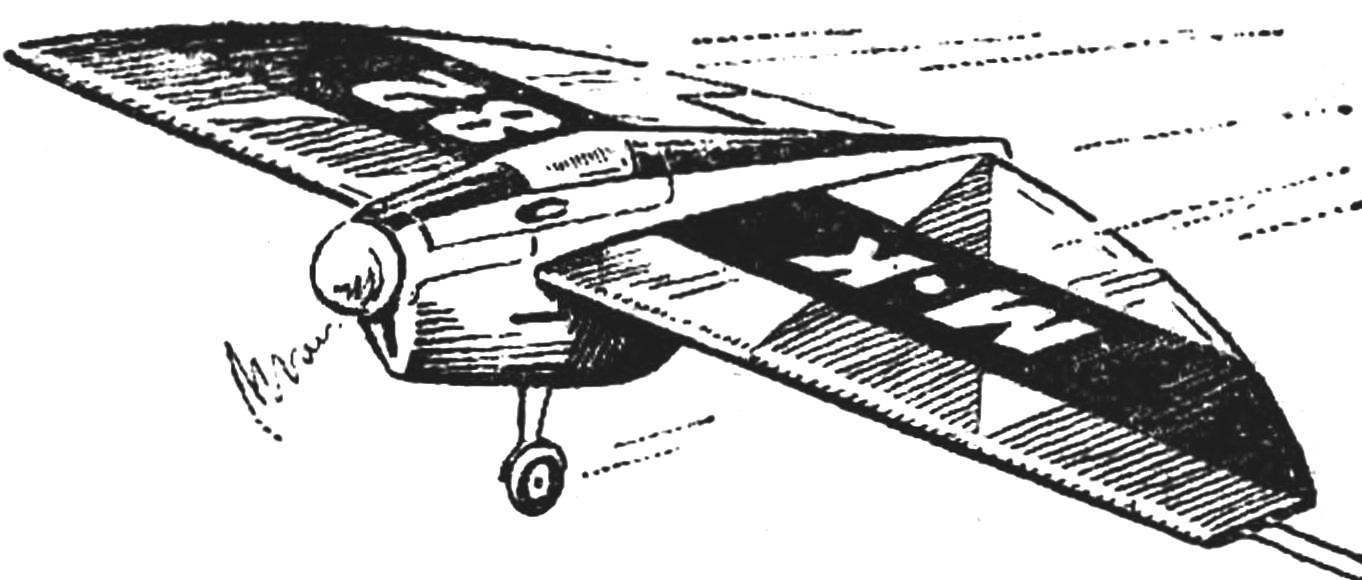 Looking through the model magazines for the last couple of years, you’ve probably noticed a sharp change in the appearance cord racing model aircraft. They have disappeared, it would seem, absolutely necessary stabilizer. And it’s not just a tribute to another sport fashion. See what kind of patterns are models of the prize-winners of competitions of different ranks, increasingly they are flying wings. Some of the appearance of these devices, resembling a kind of pancake, not like others talking about a more modern and rapid appearance of the model. But form form and racing microplane primarily sports equipment. And from this point of view, a flying wing has many advantages over apparatus of a conventional circuit. What? First, the “tailless” much easier. Typical “representative of the” new school weighs 150 g, while an old over 220 g (without engine). So, significantly reduces the time during which the model accelerates to maximum speed. Yes, after stopping the motor it is hindered by the faster. And this win precious fractions of seconds! Less weight leads to less tension cord control. The pilot is getting easier: even at high speeds the centrifugal force is not so much to strain the hand.