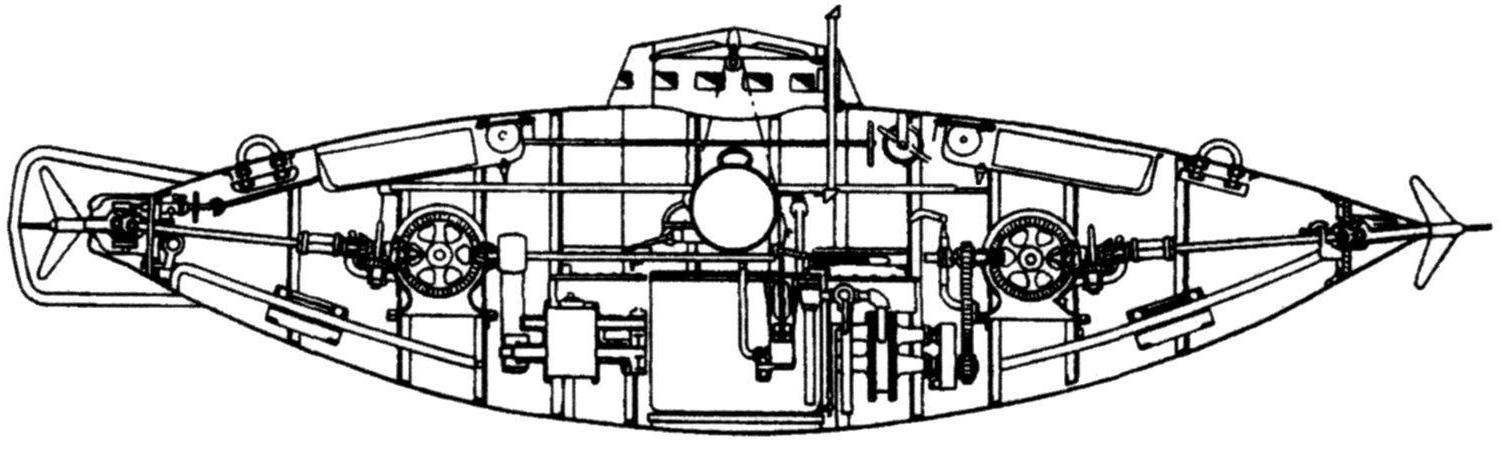
 Two people who moved in Russia “underwater thing” off the ground, deserve a separate story. Chronologically, the first was Ivan Alexander, teacher of drawing and painting, always interested in modern techniques and technologies. Once in France, Louis Daguerre invented a usable method of capturing images, which subsequently became the photo that Alexander immediately made acquainted with the method and opened in St. Petersburg, a photo Studio, one of the first in the world. It is this passion that became a profession, and brought the inventor to the underwater case. In 1853, before the Crimean war, he visited Britain, where a lot of pictures, and beheld the innumerable rows of ships “mistress of the seas”, ready to March to the shores of the Crimea in order to “teach those Russians.”
Read more
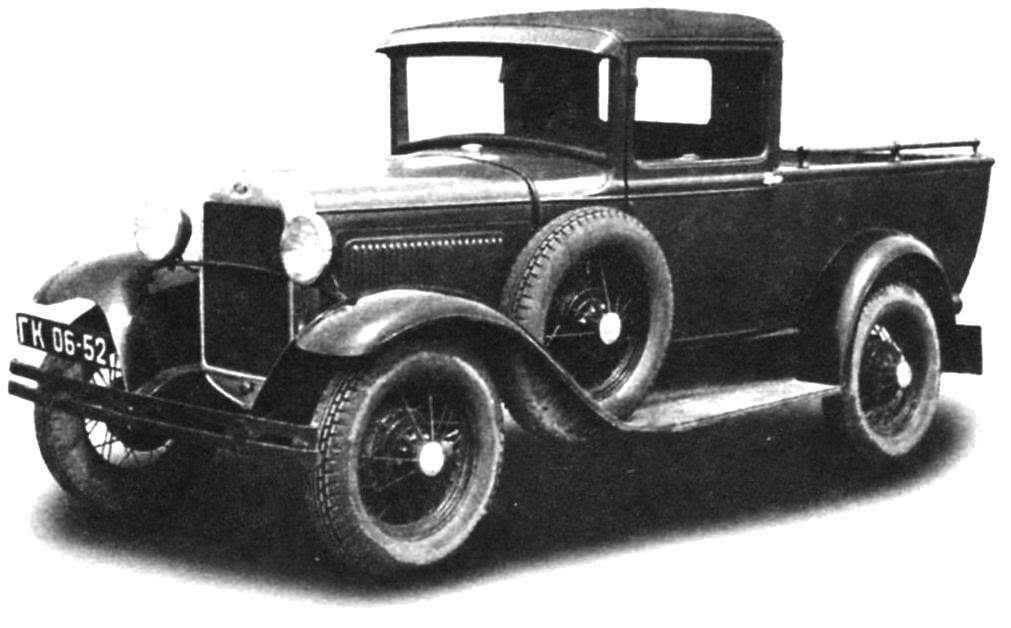 The history of “picaporte” in our country, opened the car GAZ-4 with a lifting capacity 0,5 t, launched the series in 1933. The development of machine production did not require much cost: it was only during that time a serial domestic passenger car GAZ-A, equipped with standard twin cabin from the lorry GAS-AA with a metal loading platform with dimensions 1,6×1,1 m, with a folding wooden benches for six passengers.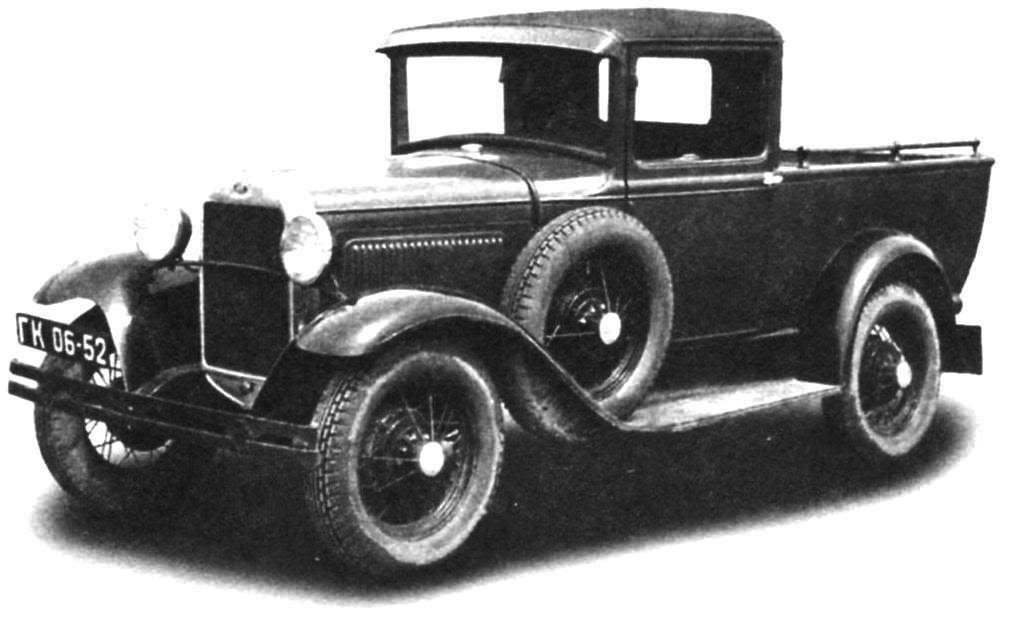
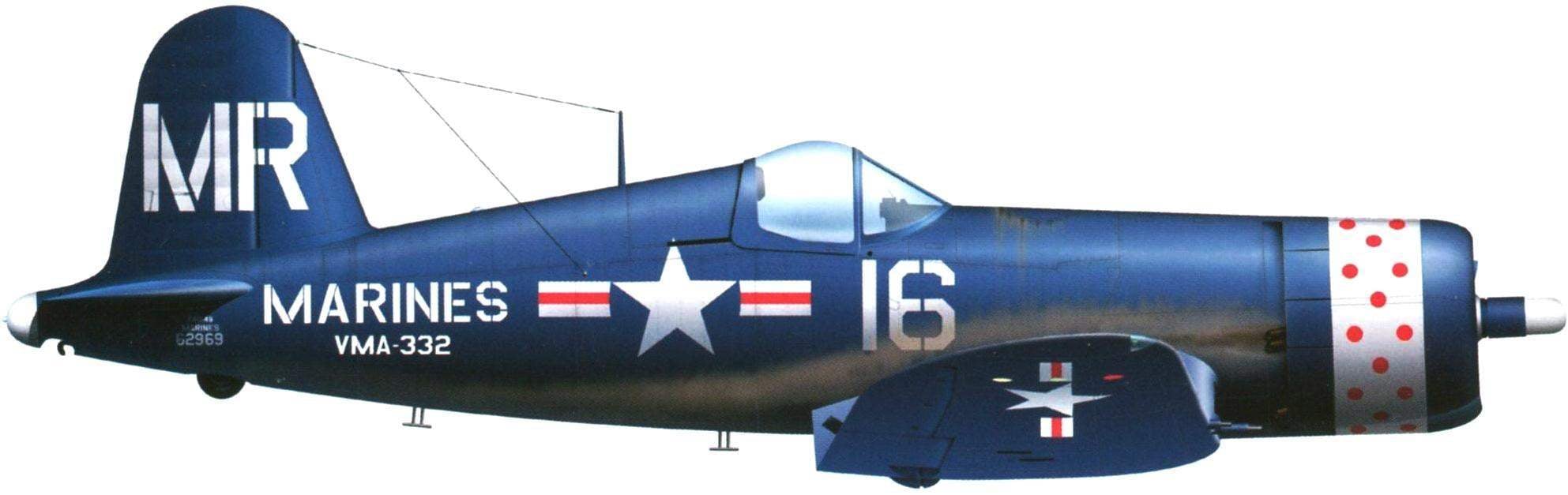
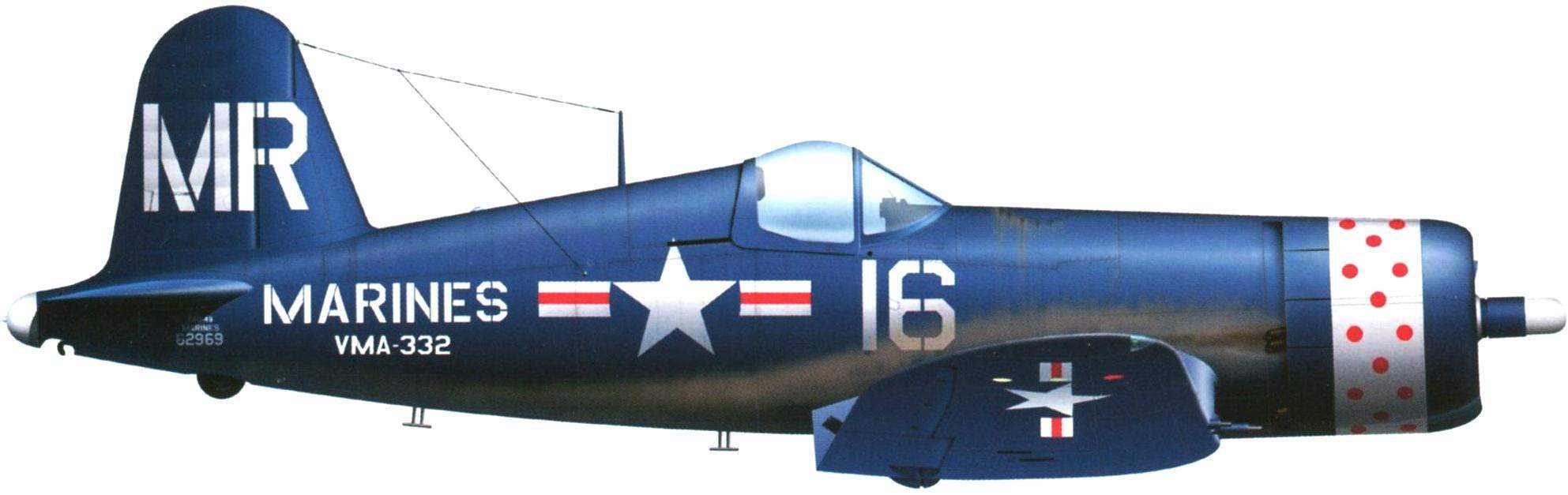 Fighter F4U Corsair the Chance Vought company refers to those aircraft that forever left a mark in the history of world aviation. The involvement of these aircraft in the air battles over the Pacific ocean has a huge impact on the outcome. From 13 February 1943 until the end of the war aircraft F4U Corsair performed over the Pacific ocean 64 051 sortie. According to American data, F4U shot down in aerial combat was 2,140 Japanese aircraft, while losing only 189 machines. Thus, the ratio of losses in aerial combat amounted to 11.3:1 in favor of “Le Corsaire”, that is, for every 13 sorties of fighter aircraft had shot down one Japanese plane, which gave reason to believe F4U Corsair one of the best carrier-based fighter of the Second world war.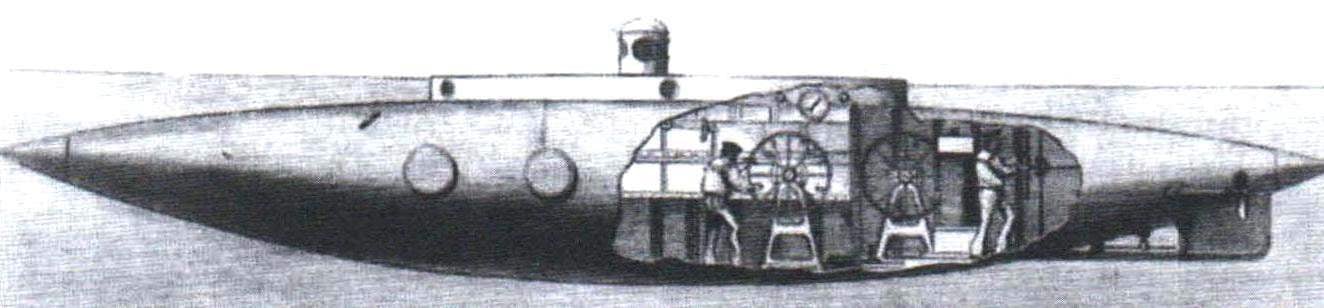
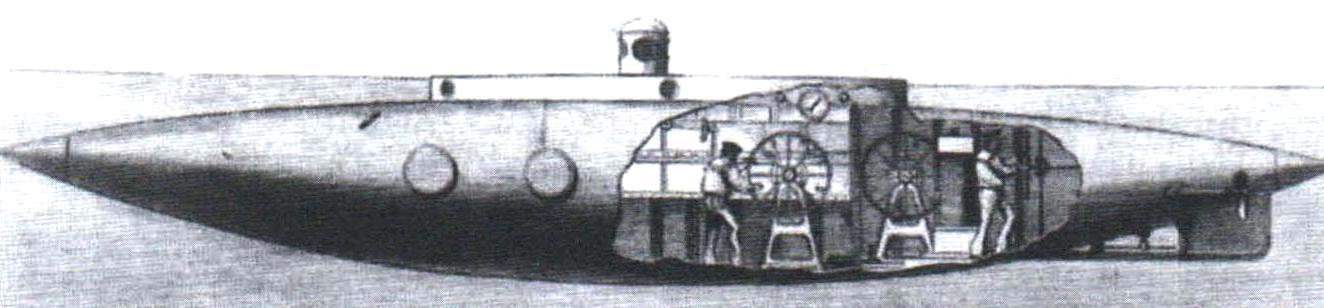 The strongest naval power in the world, Britain, is not too actively involved in the “submarine race”. This is quite understandable: “mistress of the seas” and so possessed in the oceans a huge advantage over their rivals. As we already know, in the richest country in the world, one after another arriving inventors-“divers”, who yearned to implement their projects. As a rule, they were met by outwardly quite friendly attitude; they were welcomed and allocated funds. But in the end, all “products” was recognized as unusable. In General, this estimate is not very different from the truth, especially in the first half of the nineteenth century. Brand new technical tools, especially those that could shake the power of Britain, the Admiralty tried to hold them off as long as possible. At least in order not to give other powers a reason and example. Such a policy in the nineteenth century was characterized in relation to submarines.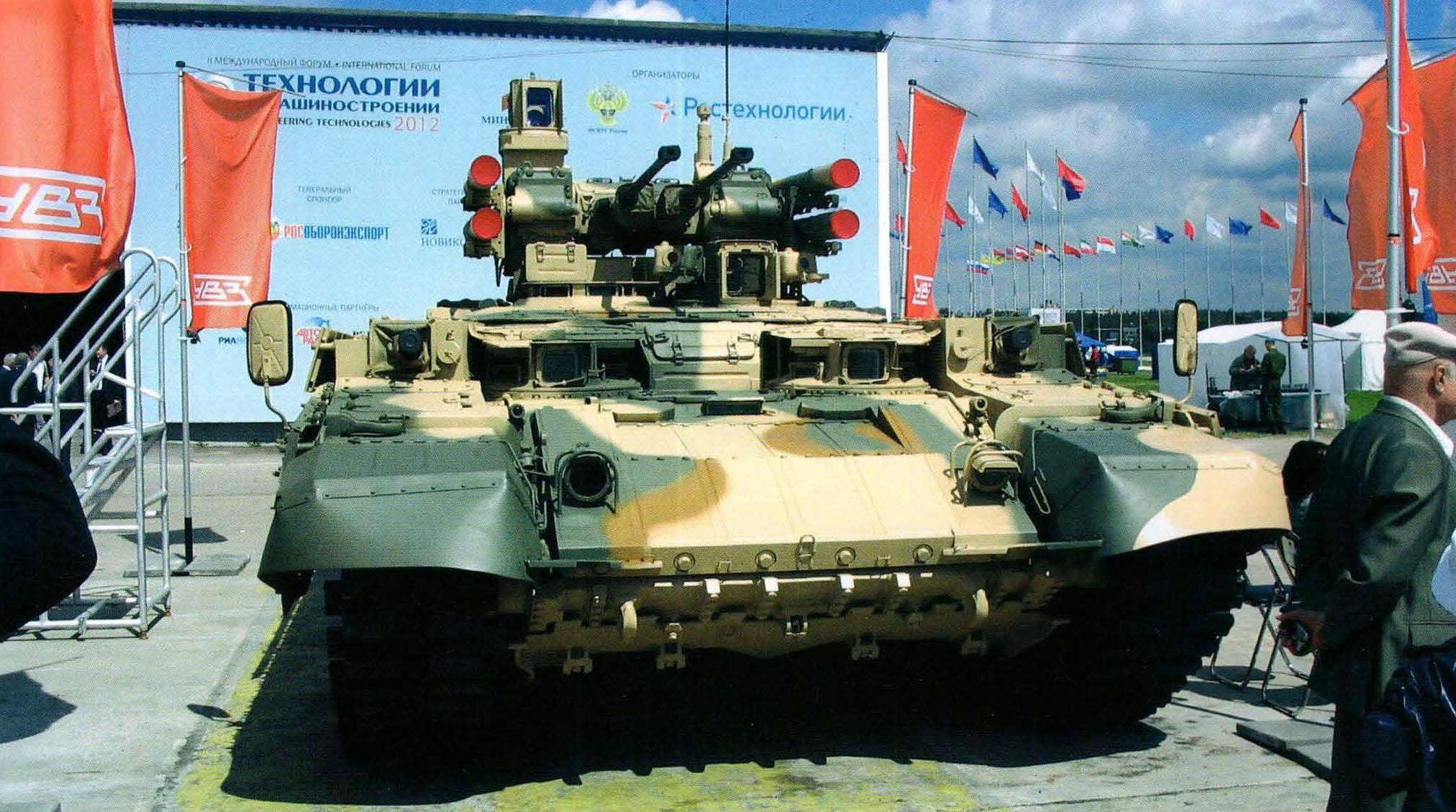
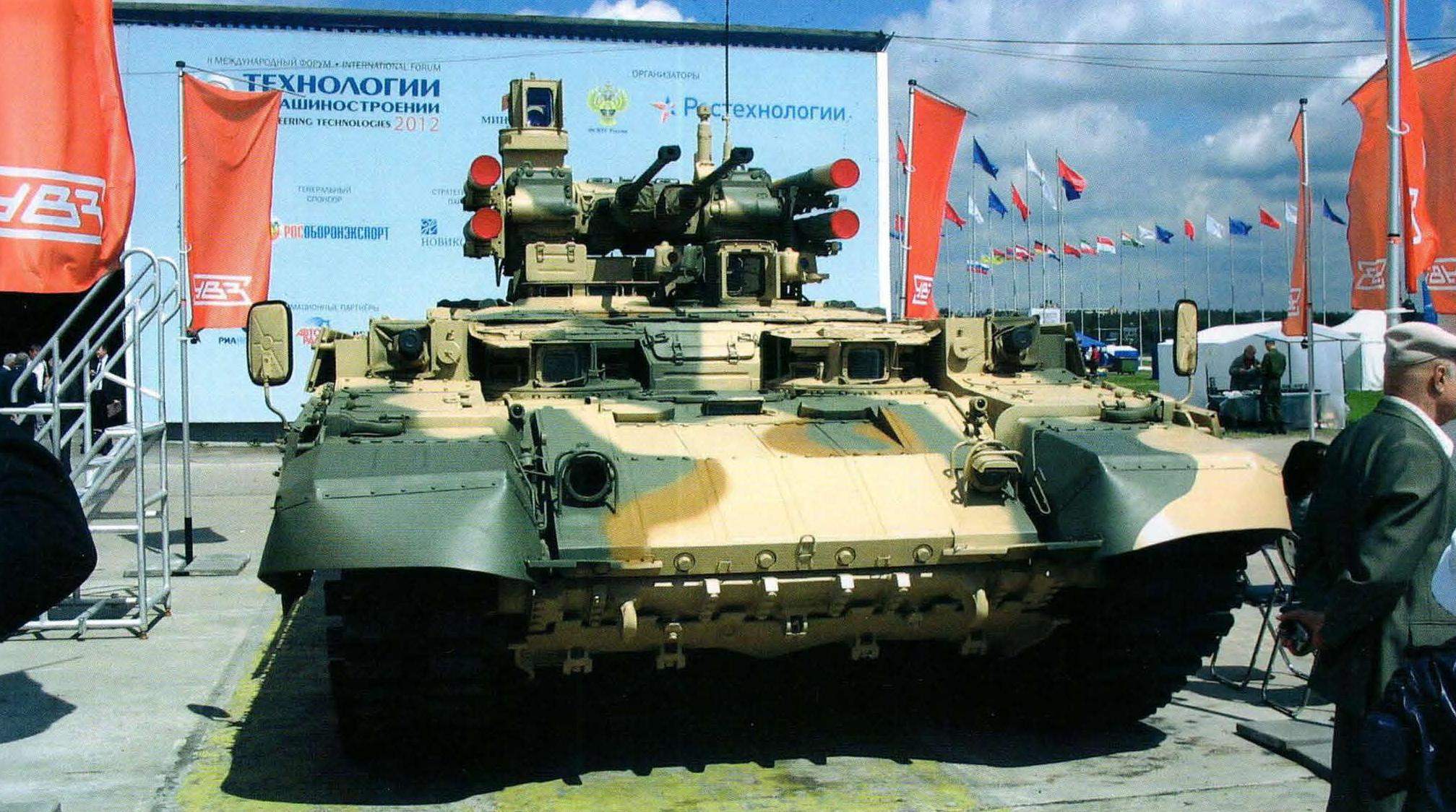 August 31, 2011 in the main square of Astana held a military parade dedicated to one of the main holidays of Kazakhstan – the Constitution Day. Ceremonial passing of the mechanized column of Land forces had opened a line of armored tank support (BMPT) is this “recent samples of weapons, with a high level of protection, firepower and handling”. The BMPT was adopted by the Kazakh army in the spring of 2011, Just a few cars sent then Astana Russian “Uralvagonzavod”. In 2012 the representatives of “Rosoboronexport” announced the adoption of the following Kazakhstan’s bid for the acquisition of the much larger party. The fact that this country – first, to buy new armored vehicles, has not even adopted by the Ministry of defense of Russia – the country of origin that is a rare case in the practice of any of the armed forces.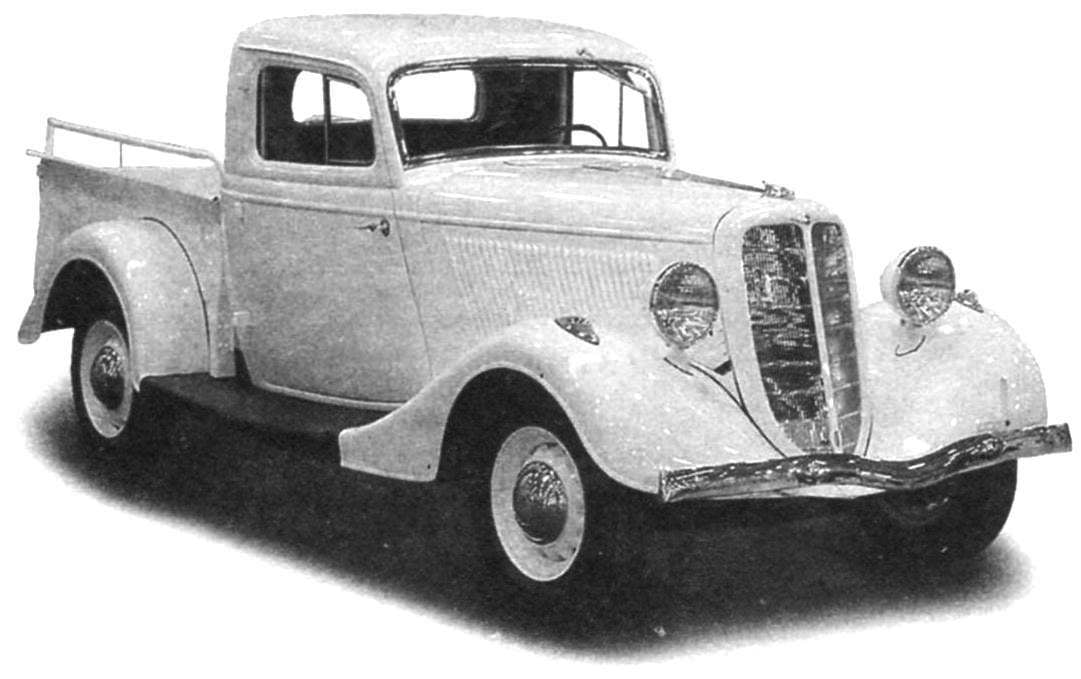
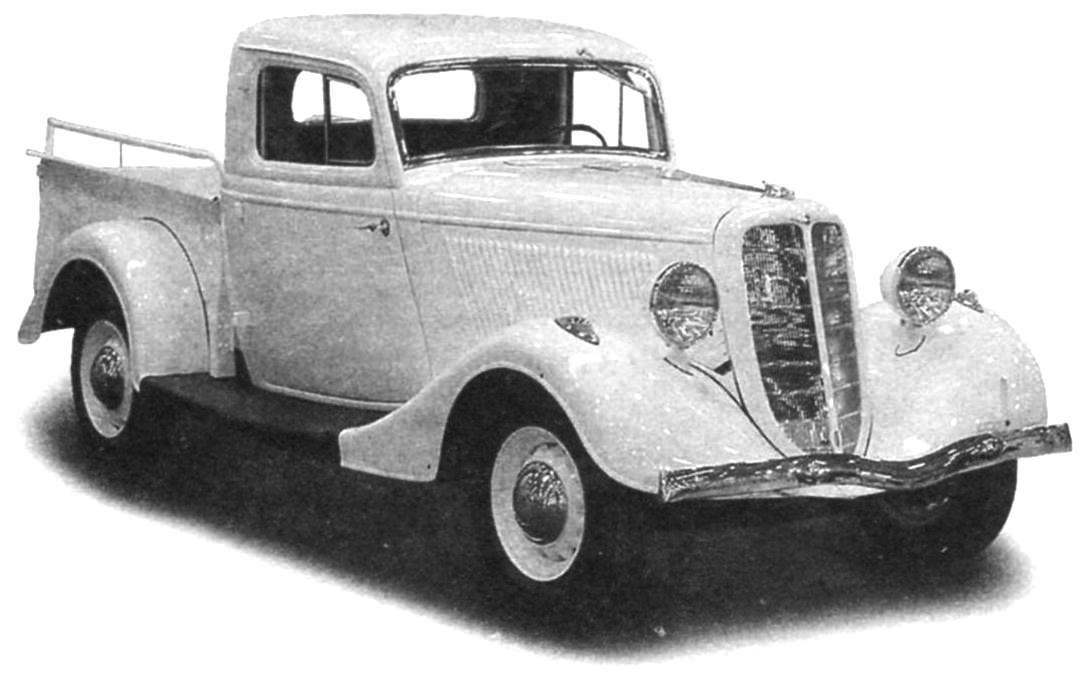 Pickup GAZ-4 in the Soviet Union enjoyed a well – deserved popularity – it acquired trading bases, small businesses and cooperatives. In 1936, at the Gorky automobile plant is the GAZ-A, the basis of the pickup GAZ-4, launched a series of GAZ-M1. Factory designers and engineers quickly developed a relatively inexpensive technology of serial production of pickup on the basis of “emka”, the designation GAZ-415.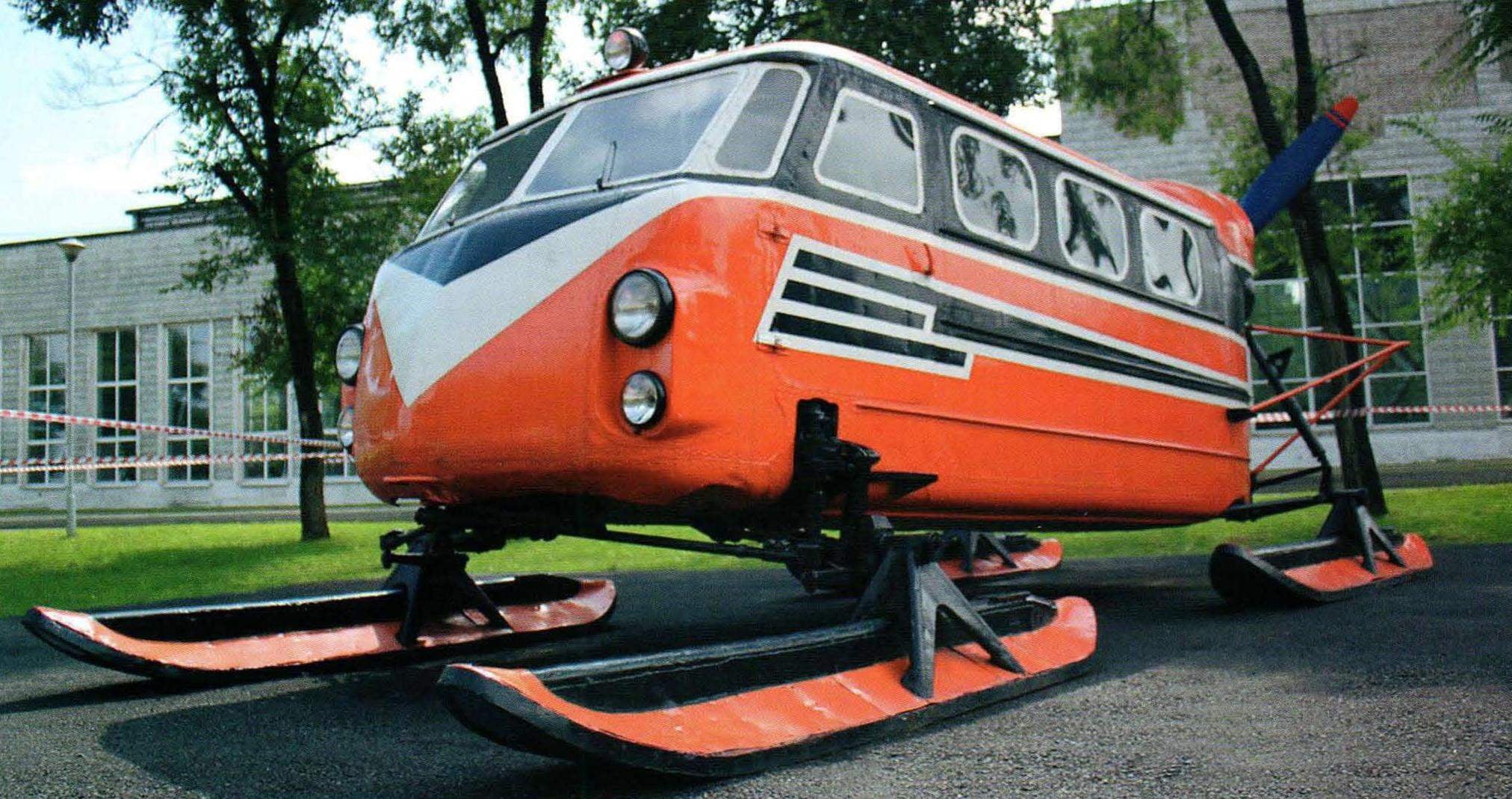
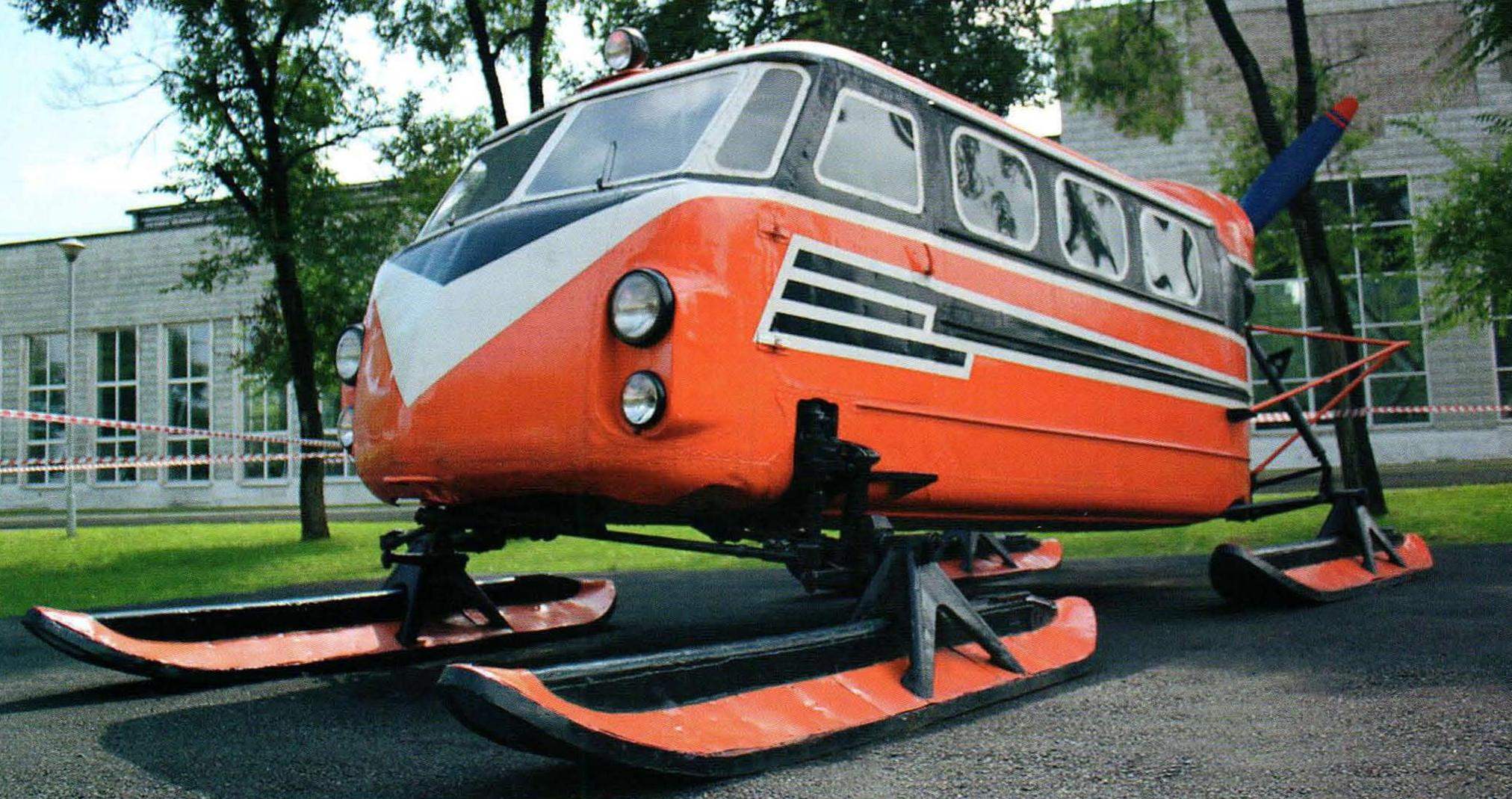 Snowmobile Ka-30. The first test of the snowmobile “North-2”, created in OKB famous designer of helicopters, N.And.Kamov, showed that they have two fatal defect is small capacity and lack of capacity. Not surprisingly -because this snowmobile was created on the basis of the body of a conventional car GAZ-M20 “Victory” and was a vehicle comparable in these parameters with this cars. Therefore, the design Bureau was instructed to develop still, and a 10-seater snowmobile Ka-30 cab high capacity, which according to its characteristics resembled popular in those years is also a 10-seater minibus RAF-977Д “Latvia”.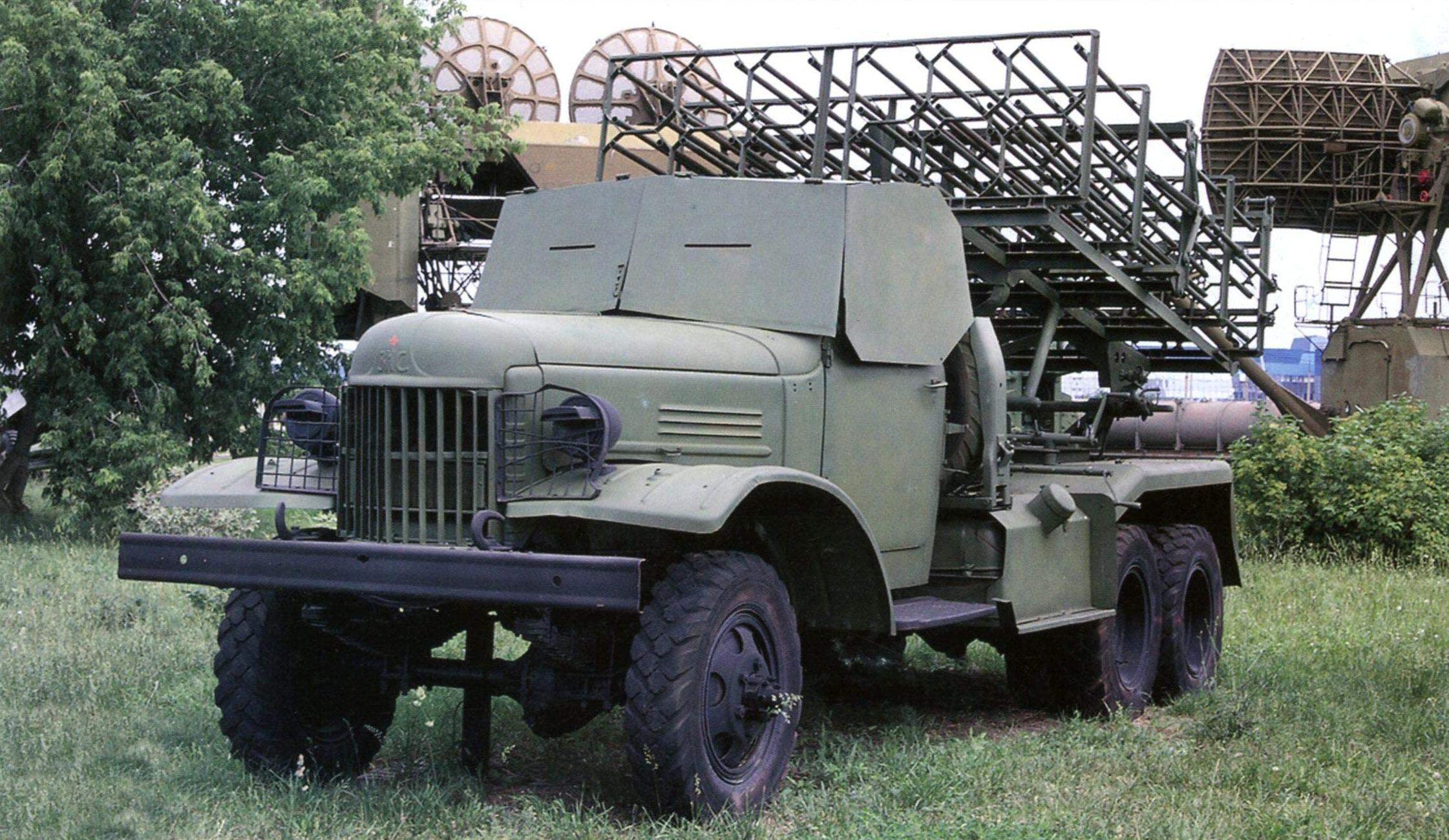
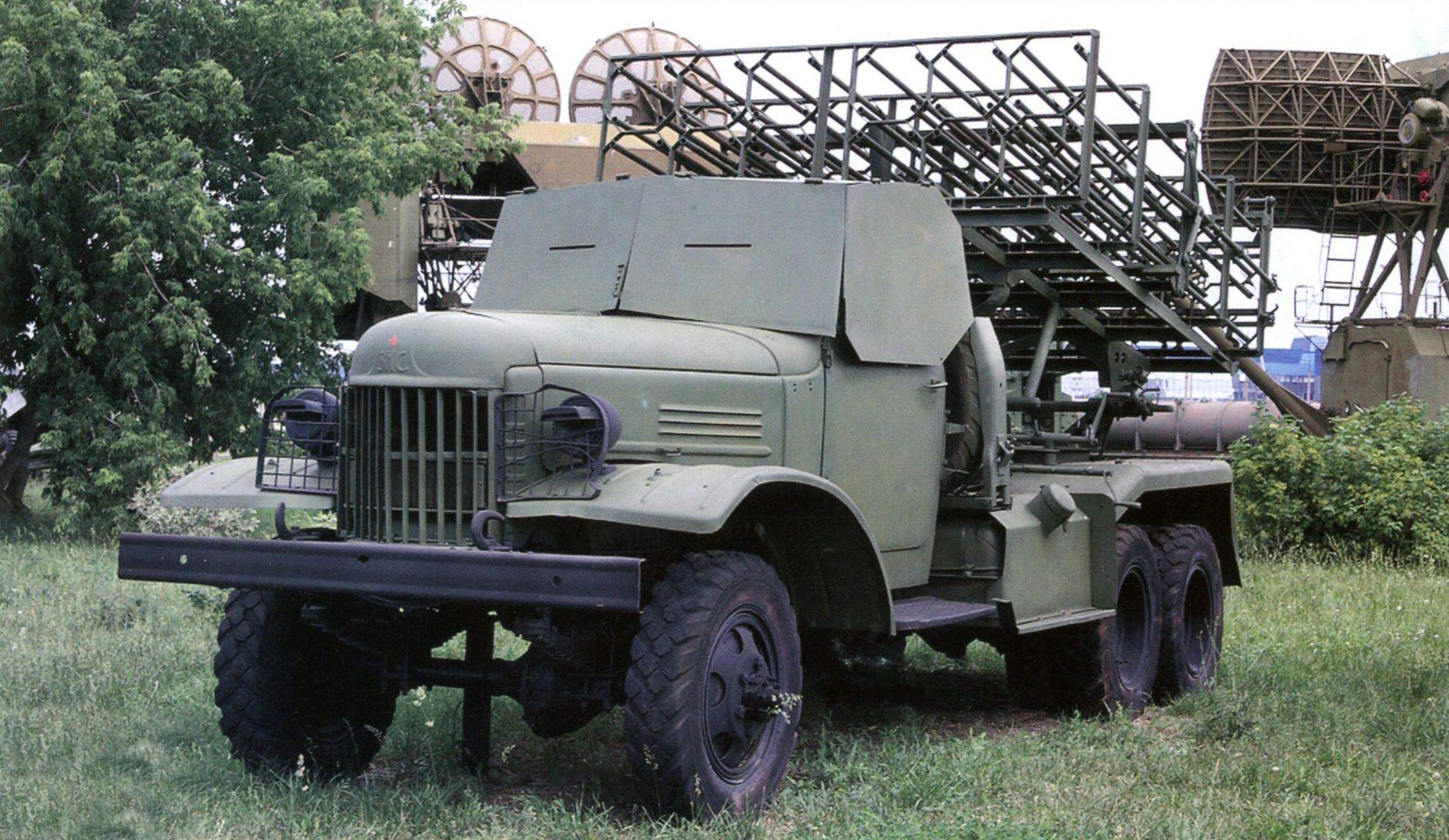 Reactive BM-8-24. In August 1941, took arms 82-mm rocket M-8. It was a modification of the aviation RS-82 for use in the field artillery, which had almost twice the mass of the explosive. Creating launchers for M-8 instructed SLE Moscow plant № 733 “Compressor” with the participation of the Bureau of plant No. 37. Led the development of V. A. Timofeyev, a leading designer of chassis D. I. Sazonov. In machine design engineers used a series of nodes from the BM-13, as well as guides such as “flute” used in aviation.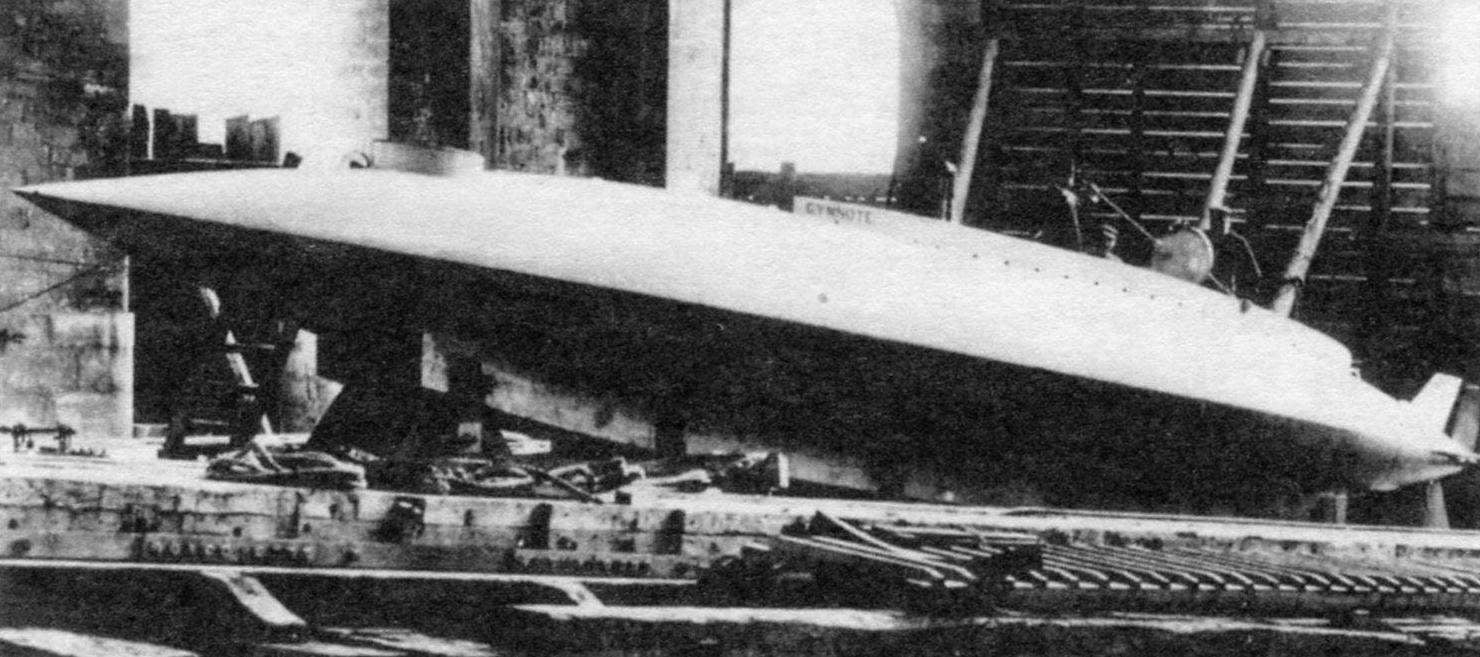
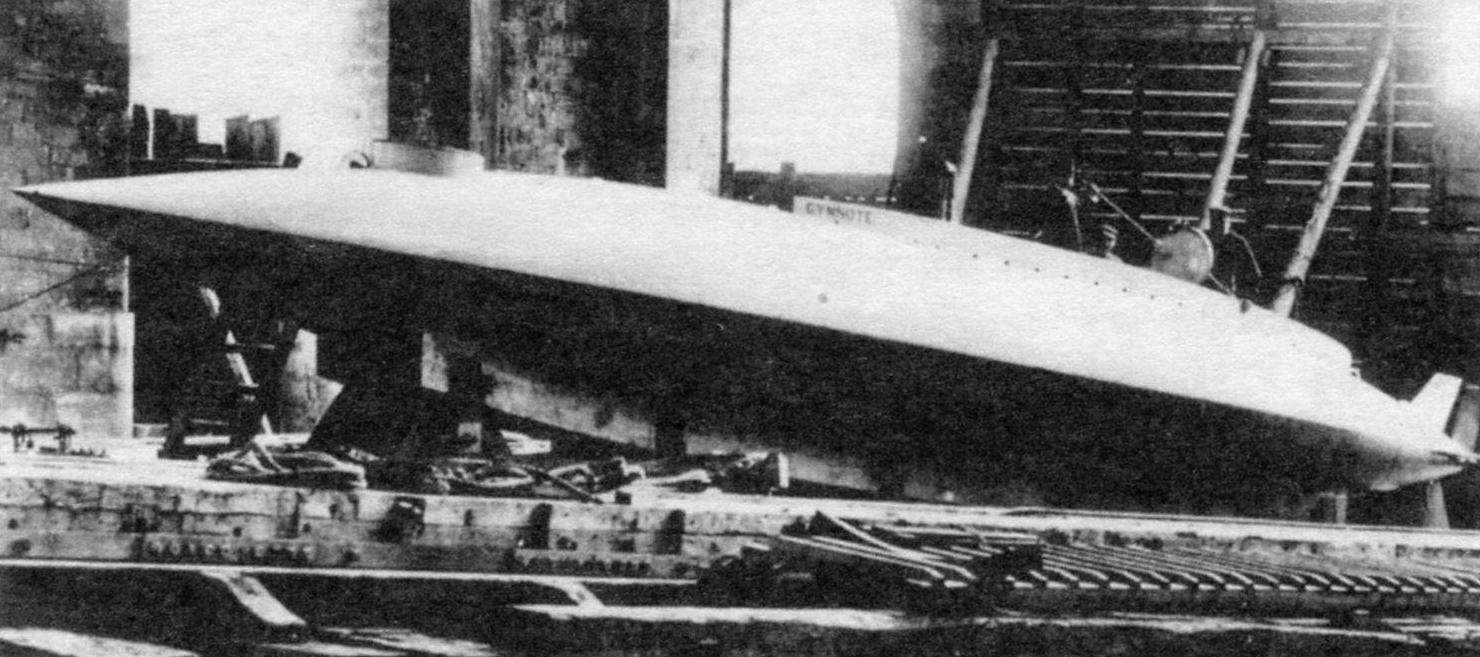 The idea behind the project was never built submarine “Ero” physicist Marie-Davy, to supply its electric motor, it seemed very attractive. Indeed, what could be better than a virtually silent motor which does not require any precious air and not enough fuel. However, as already mentioned, the Professor is too ahead of its time. The full rechargeable battery in the mid-nineteenth century was not, and the boat “on batteries” (battery cells) could be just the gas-guzzling toy. The possible range of such underwater “Electroapparat” was limited to a few kilometers, and to replenish the supply of energy in disposable elements was impossible.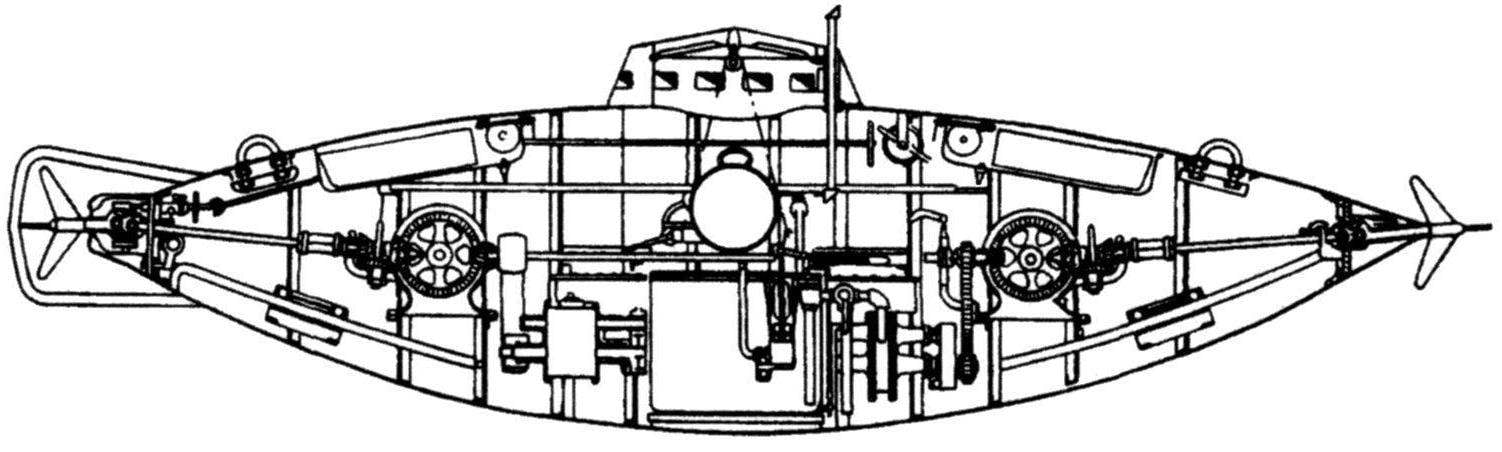
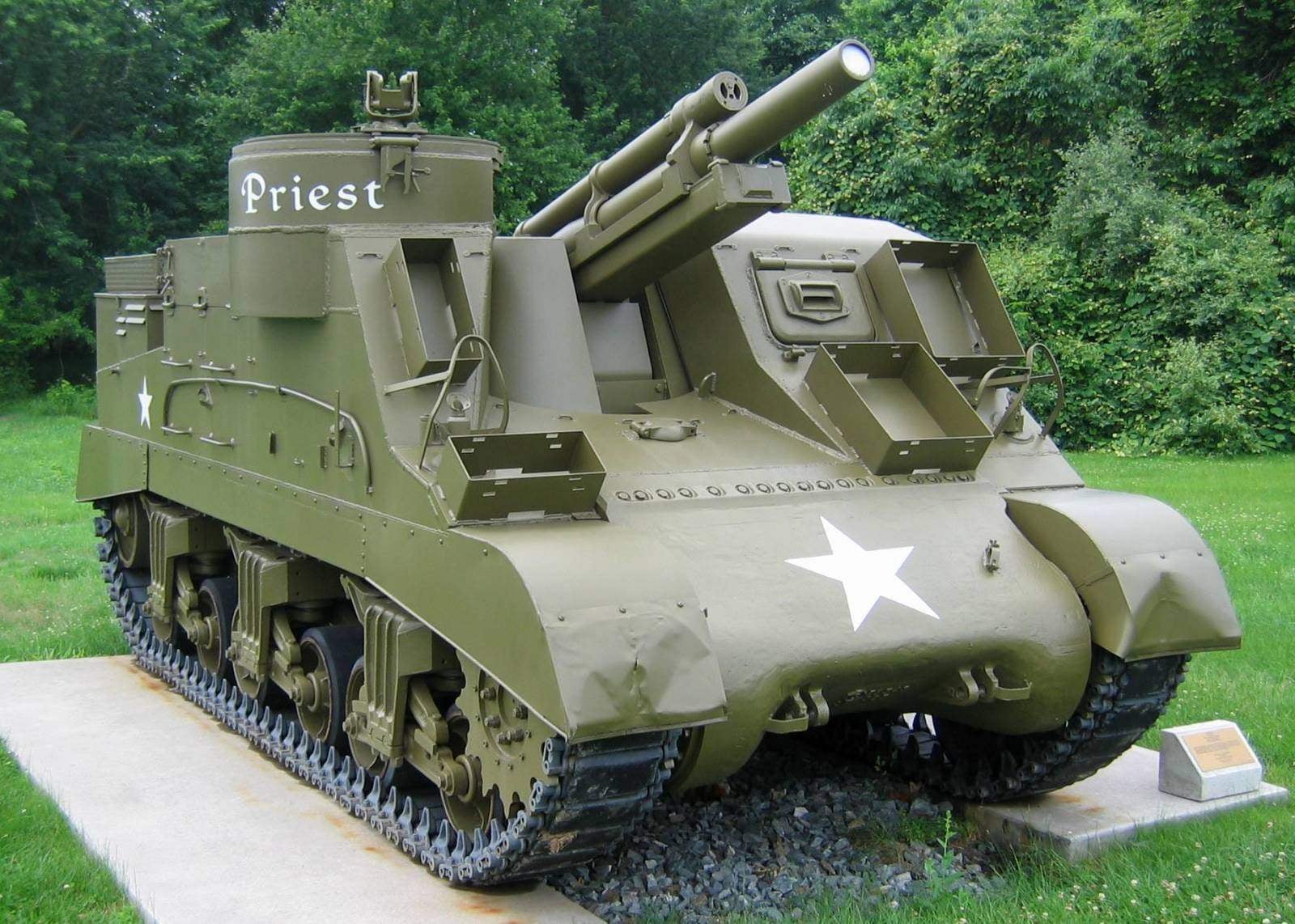
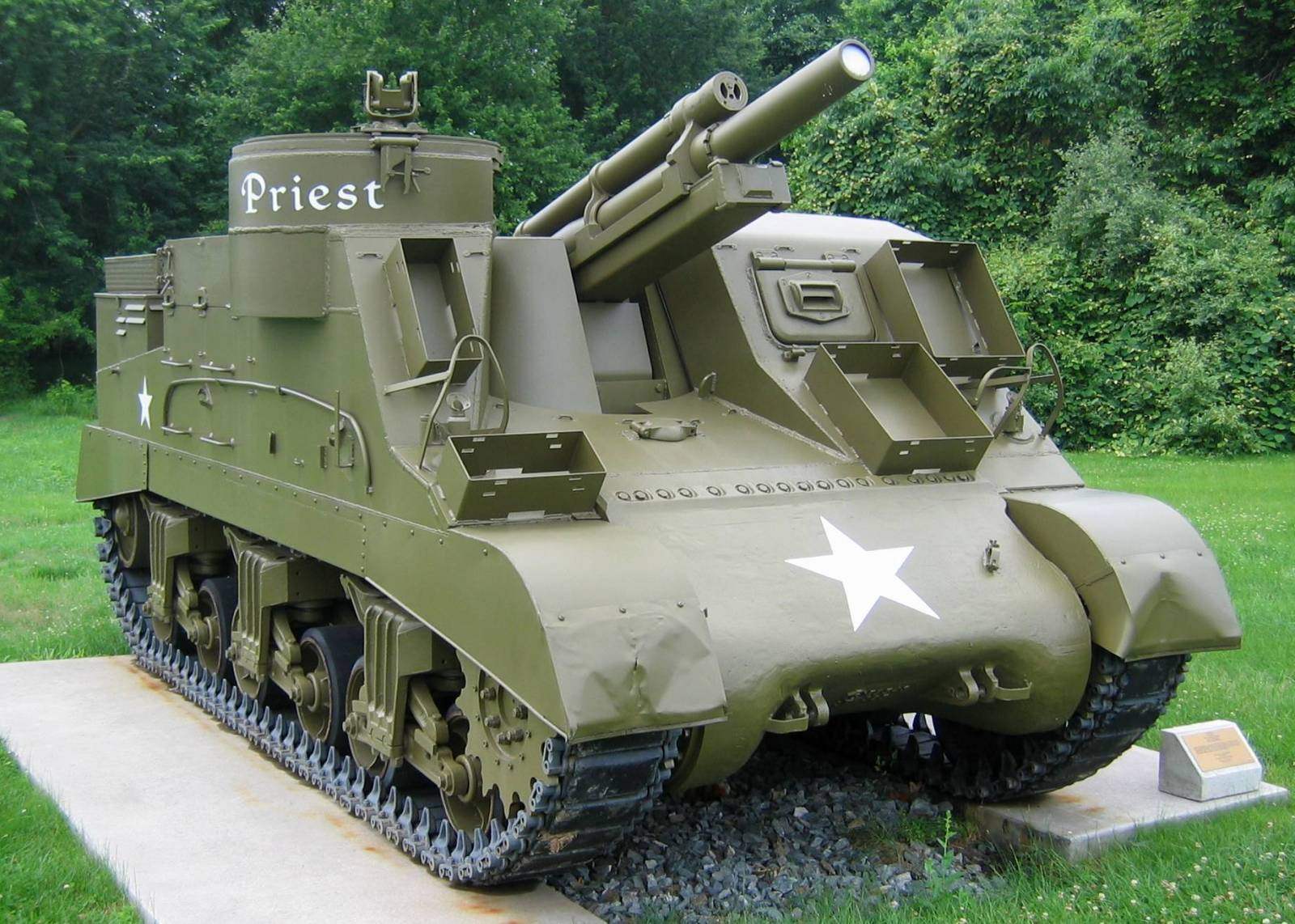 Self-propelled artillery 105mm setting M7 widely known as Priest (“Priest”). She was the main American destroyer during the Second world war and one of the most numerous, released at this time. The weapon was in service with many artillery units and all units of the armored forces of the United States. It was accepted into service in April 1942 as the M7 105mm Howitzer Motor Carriage howitzer was the end of the war “circulation” in 4316 copies.